


















When air freight makes sense
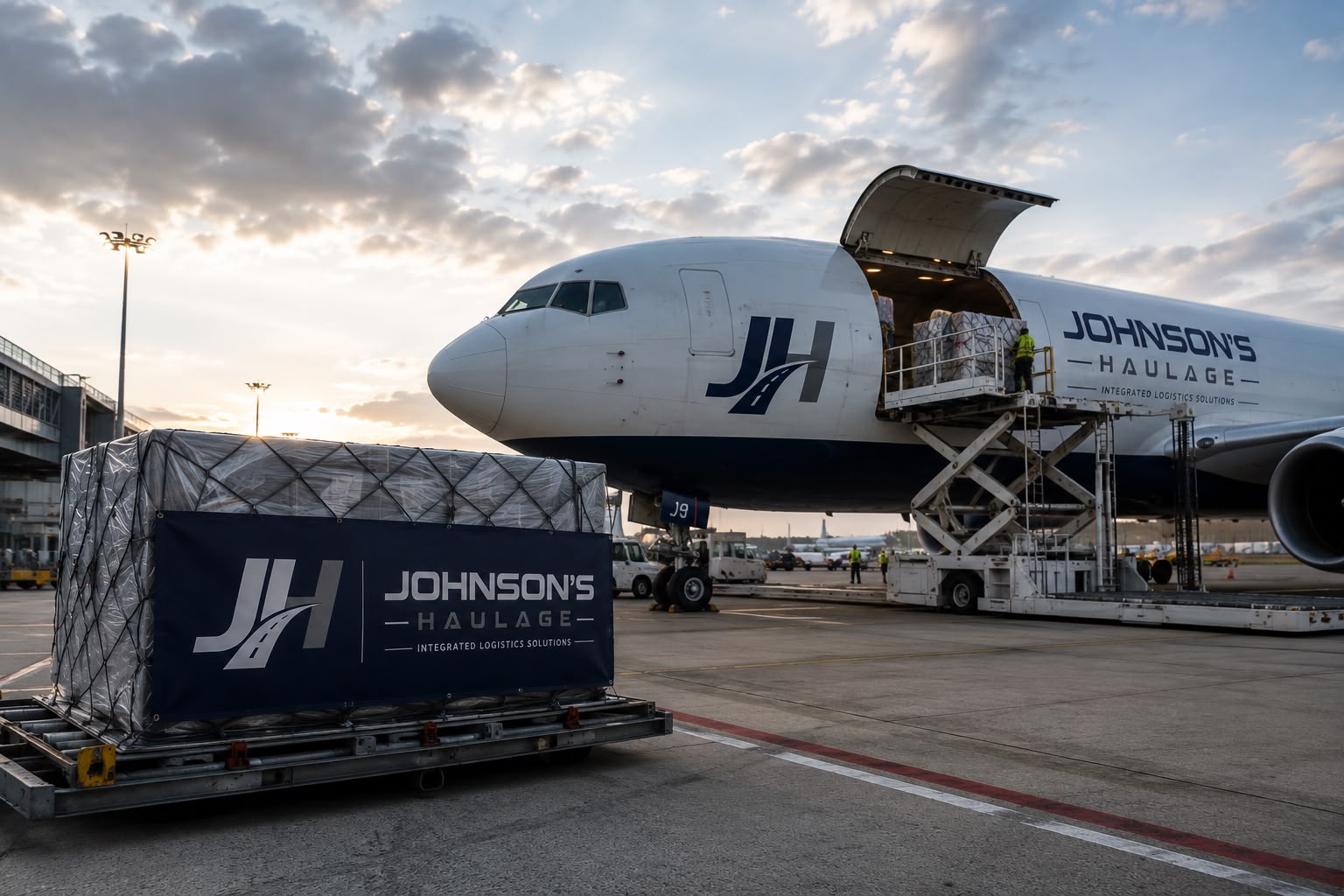
Air freight is usually chosen when time matters more than cost: urgent replacement parts, high-value or perishable goods, samples, or stock needed to meet a launch date. For heavy, bulky or less urgent goods, sea or road is often more economical. The right choice depends on the deadline, the value of the goods and the cost of them arriving late.
How chargeable weight works
Air freight is usually priced on chargeable weight, which is the greater of the actual weight and a volumetric weight calculated from the dimensions. Light but bulky goods can therefore cost more than their weight suggests. Accurate, measured dimensions of each package — including the pallet, if used — are essential for a reliable quote.
Details to have ready
A provider will normally ask for:
- Collection address and the destination address or airport
- Number of pieces, with measured dimensions and weight of each
- A clear description of the goods and their value
- Whether any items may be classed as dangerous goods, such as batteries, aerosols or chemicals
- The date the goods are ready and the date they need to arrive
Paperwork and customs
International shipments need commercial documents, such as an invoice describing the goods, and customs declarations at each end. Agree early who is responsible for each document and for any duties or taxes, as this depends on your terms with the buyer or seller. Requirements change, so check current GOV.UK guidance or take specialist advice for your goods.
What to check in a quote
Air freight quotes can be structured very differently. Before comparing them, check:
- Whether collection and final delivery are included, or airport to airport only
- How the chargeable weight has been calculated
- Which customs and handling charges are included and which may be added
- Expected transit time, and whether it is an estimate or a committed service
- How the shipment is tracked and how proof of delivery is provided
Plan the whole journey from your Manchester collection site
Start with when the consignee needs usable goods, rather than the departure time of a flight. Collection, cargo acceptance, handling, customs release and final delivery all sit around the air leg. Give your provider the full Manchester or North West collection postcode, the exact delivery address and any appointment requirements so those stages can be considered together.
Collection in Manchester does not by itself mean departure from Manchester Airport. Ask which departure and arrival airports are proposed, whether the routing is direct or involves a connection, and why it suits the cargo and deadline. Availability, cargo acceptance and the onward journey matter as much as the airport's distance from your premises.
Distinguish goods-ready time from collection availability. Goods may be packed at noon but not releasable until paperwork is complete or loading staff return. Share the earliest realistic release time and the latest acceptable arrival, then ask which parts of the proposed timetable are estimated and which, if any, are committed.
Measure after packing, not before
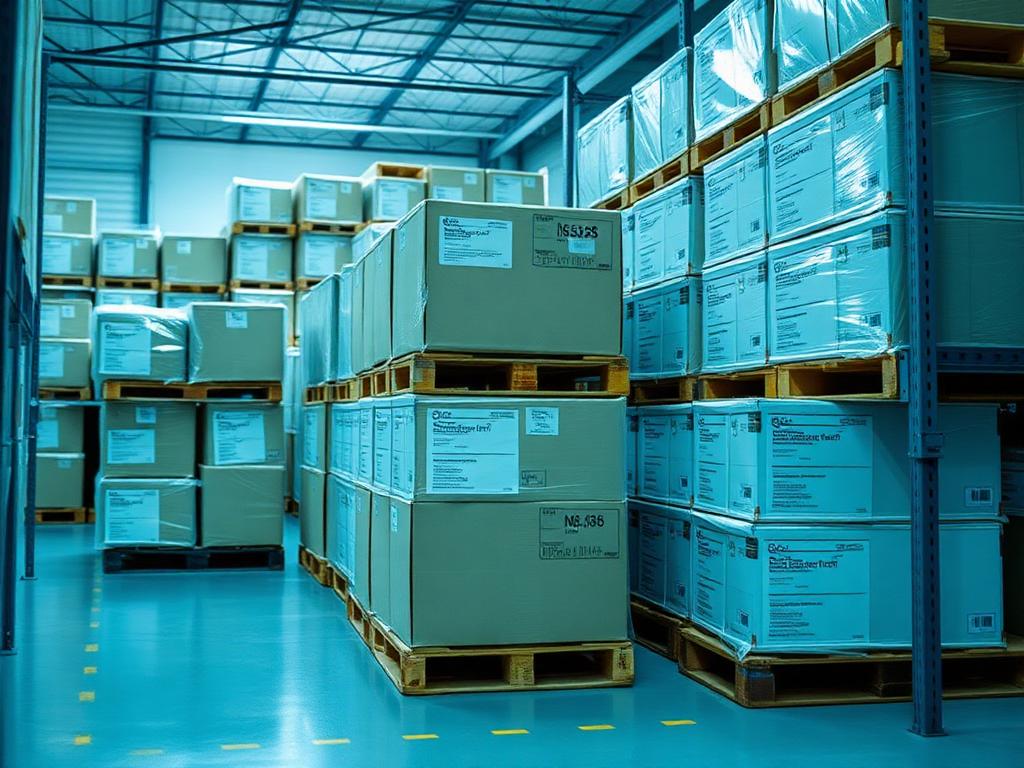
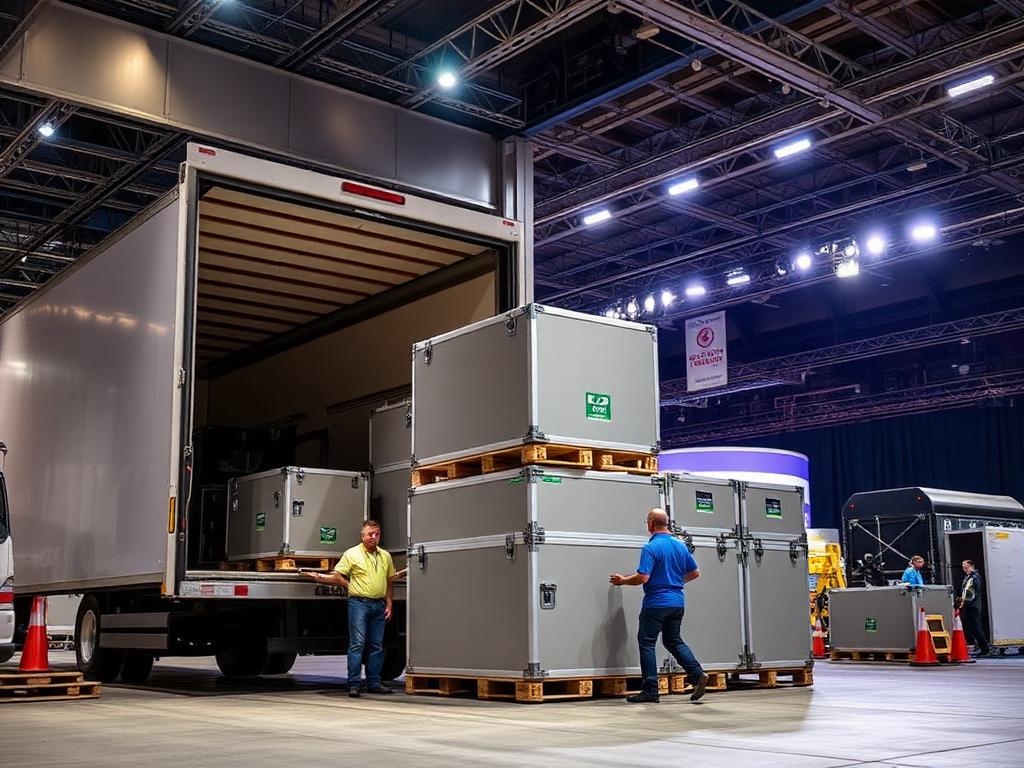
Quote dimensions should describe the finished shipment. Measure each package at its widest points after protection, wrapping and palletisation, and include the pallet in gross weight. A change in packaging can change both the chargeable weight and whether the cargo fits the proposed service. Provide the number of pieces and identify pieces that cannot be stacked or turned.
Ask the provider which volumetric calculation, units, rounding rules and minimum charges apply to the proposed service. Do not reuse a divisor from another quote without checking. If your goods are light but bulky, compare the cost and suitability of alternative packing before booking, while keeping enough protection for handling throughout the journey.
- Give dimensions and gross weight for each distinct package size, not just a shipment total.
- Mark lifting or orientation requirements and describe fragile or irregular items.
- Declare batteries, liquids, aerosols or other potentially restricted contents before acceptance is assessed.
- Confirm that the collection vehicle can be loaded safely at your premises.
Make commercial documents consistent with the cargo
The invoice, packing information and booking details should describe the same shipment. Use clear goods descriptions and check quantities, values, package counts and the parties' names and addresses. If the movement is a sample, return or repair rather than a sale, explain that to the person preparing the documents instead of guessing how it should be declared.
Agree who provides classification and origin information, who prepares declarations and who will deal with questions from authorities. Depending on the goods and journey, registrations, licences or other documents may be needed. Check the current official export or import guidance linked above and obtain specialist advice for commodity-specific questions; this guide is not a substitute for a customs assessment.
Confirm who can authorise release at destination and who pays any applicable duties, taxes and local charges. Do not assume an airport-to-airport price includes those costs or delivery to the customer. Resolve unclear responsibilities before collection, when there is still time to correct missing information.
Compare an air freight quote with the alternatives
Use the same packed dimensions, addresses, readiness date and required delivery date for each option. Compare the complete door-to-door price and timetable, including handling and customs services where applicable. Ask how long the quote remains valid and what happens if the shipment misses the planned cargo acceptance time.
For less urgent stock, sea freight may be worth comparing; for a suitable European destination, road transport may also merit a quote. A mixed approach can be considered when only part of the order is urgent: ask whether shipping essential items first and the balance later is practical. Treat this as a comparison to investigate, not an automatic cost saving.
A booking checklist for Manchester air freight
Before agreeing the movement, bring the quote and the shipment details together in one written instruction. Confirm the service scope, packed measurements, goods description, routing, collection arrangement and responsibilities for documents. Identify who will receive milestone updates and who should be contacted if the proposed timetable changes.
At the collection site, ensure packaging, paperwork and authorised loading staff are ready for the agreed window. Tell the provider about access restrictions, gates and equipment rather than relying on the driver to discover them. Ask what evidence of airport arrival, destination release and final delivery will be available, since these are different milestones.
Get advice on your air shipment
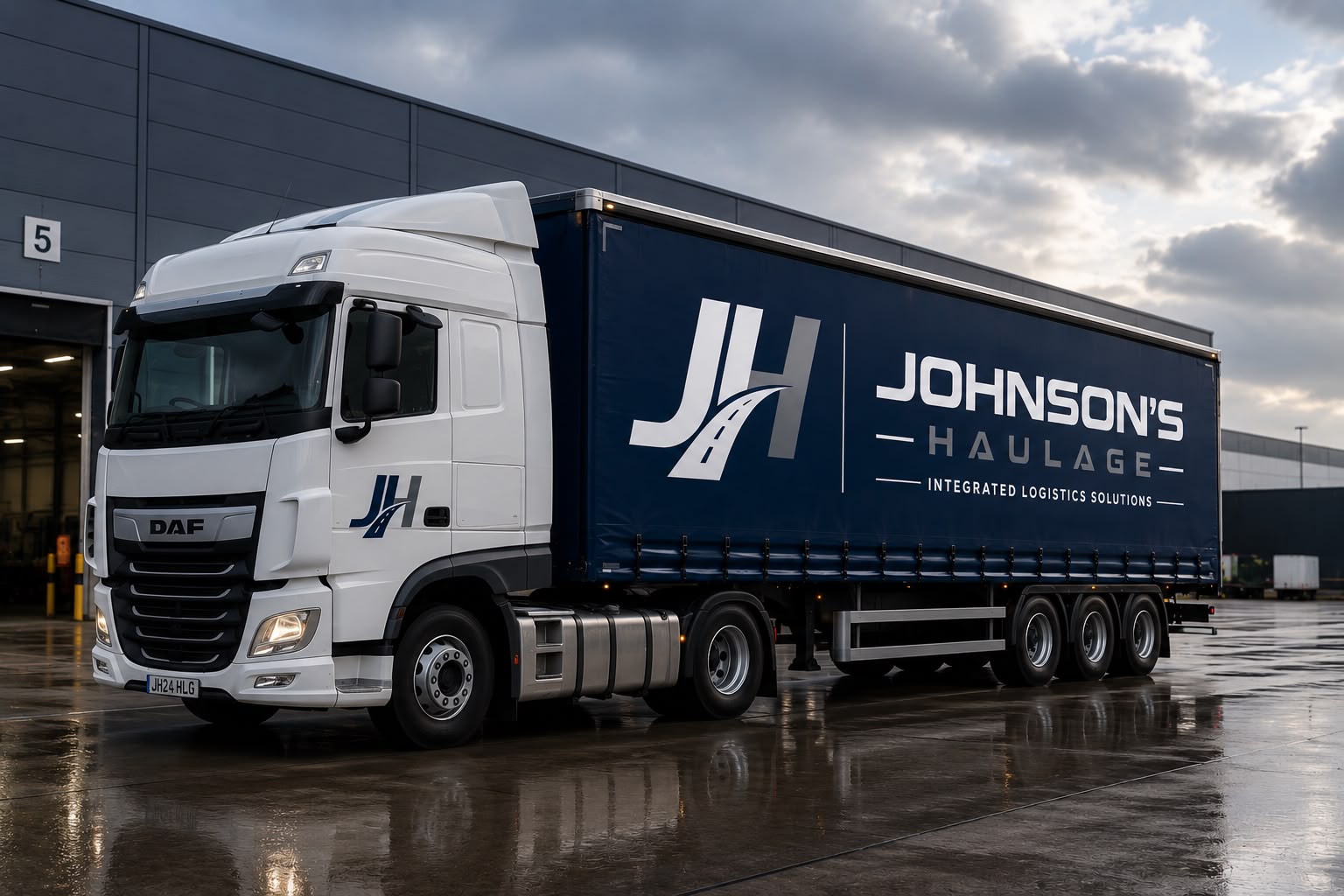
Discuss air freight collection from Manchester and the North West with Johnson's Haulage. Read about our air freight and sea freight services, or request a quote with your packed dimensions, collection postcode, destination and deadline so the proposed service can be assessed.
Frequently asked questions
Talk to our team.
Get a tailored quote or speak to our operations team about your transport requirements.