










Full load, part load or pallets — how to move what you have
The cheapest way to move freight depends on how much of a vehicle it takes up, how urgent it is and how it needs handling. These guides explain each option, what it suits and what drives the price.
Full load
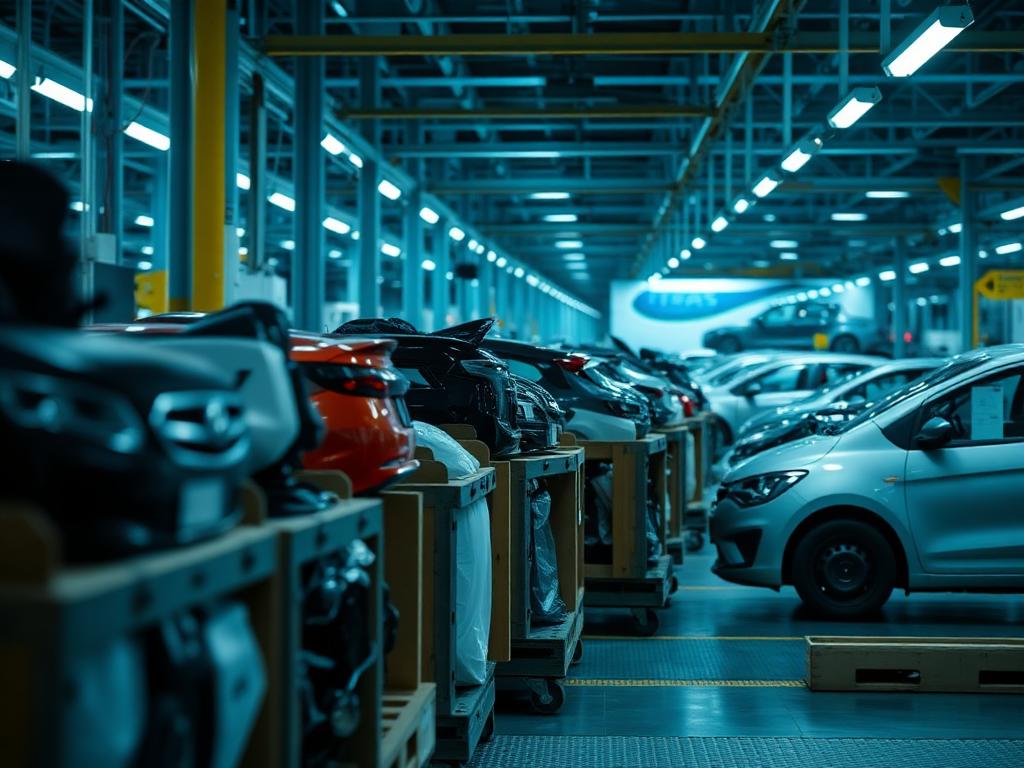
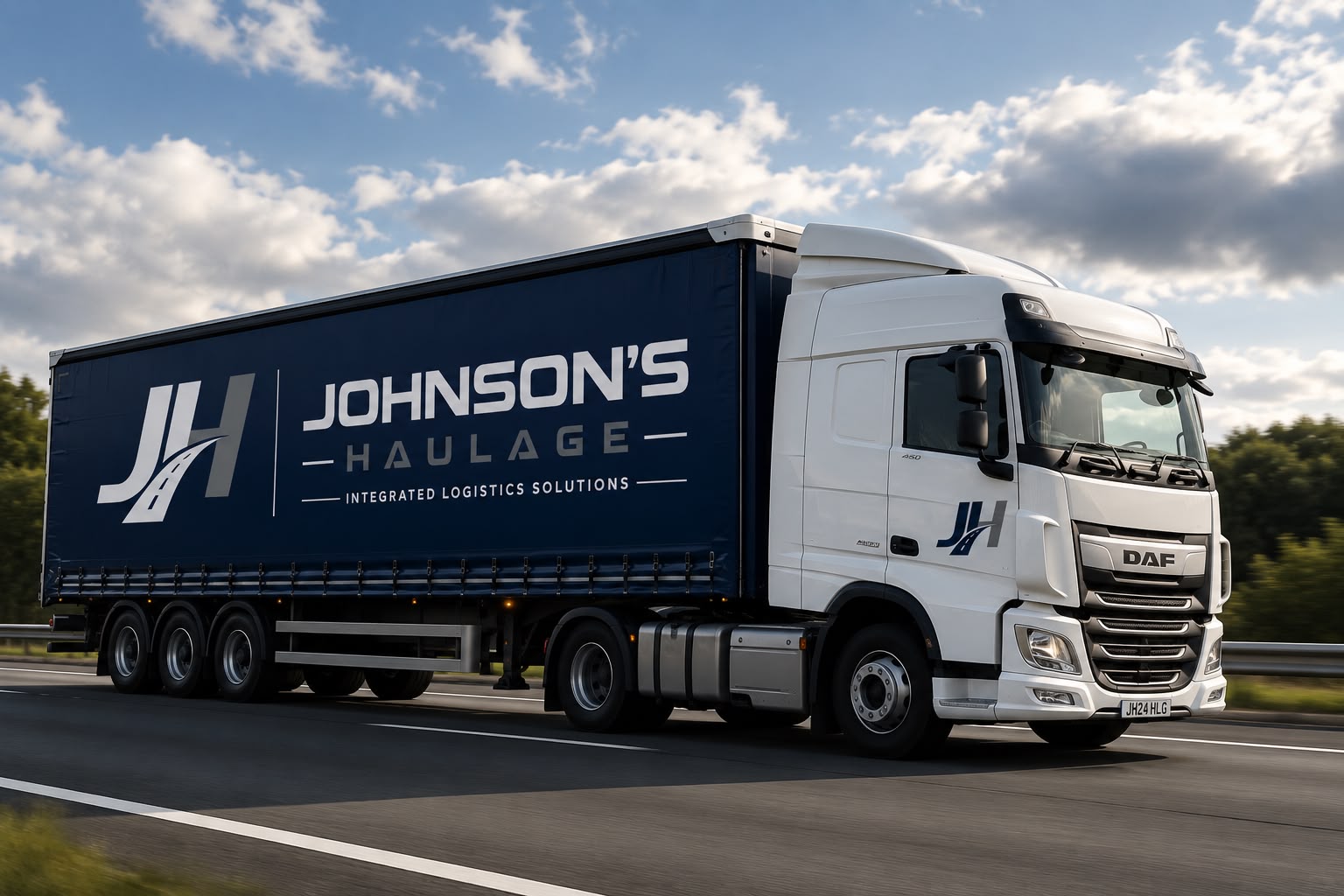
A full load means the whole vehicle is yours. Your freight is collected, travels direct and is delivered without transhipment, which is the fastest and lowest-risk way to move a large or sensitive consignment.
Read the guide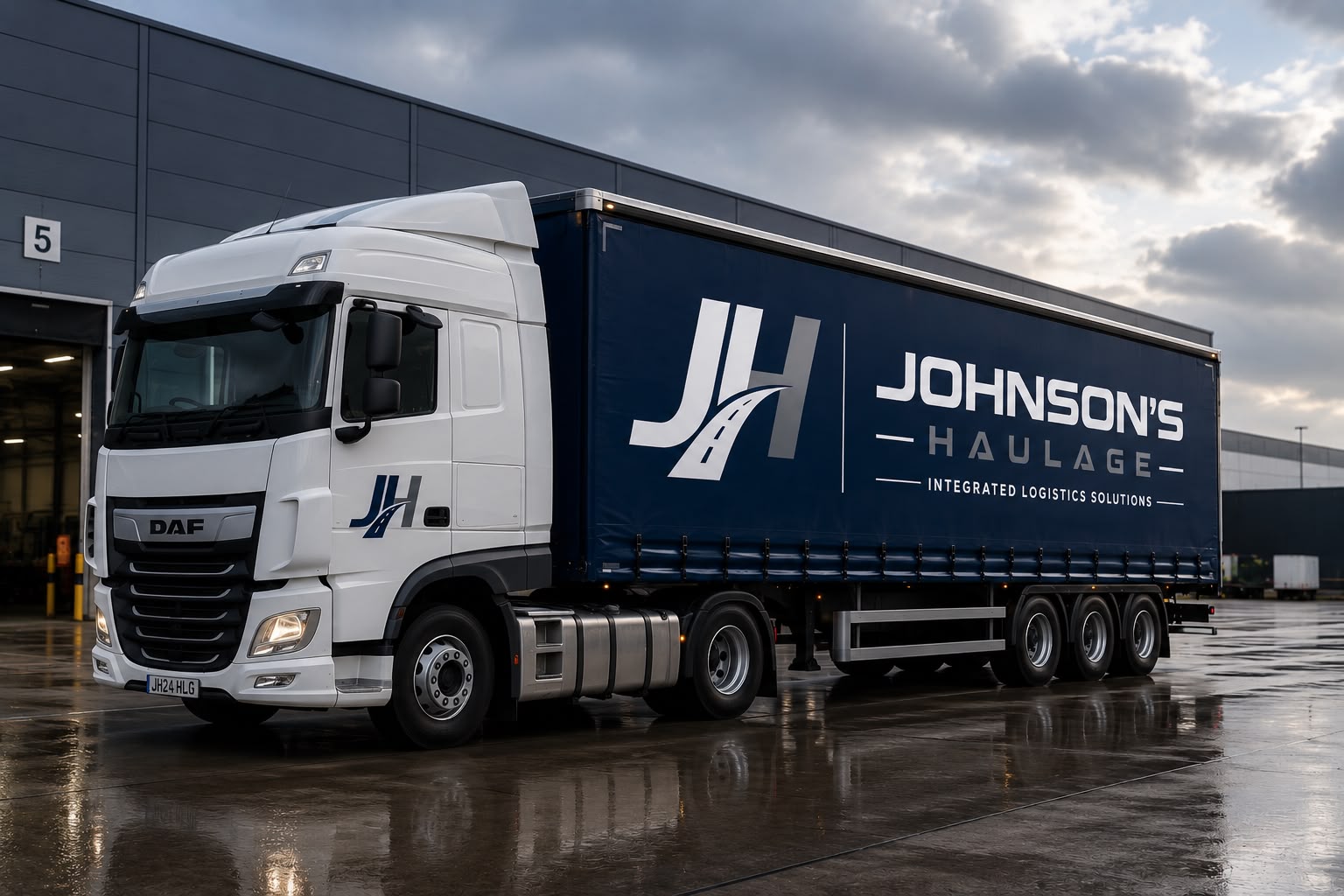
Part load
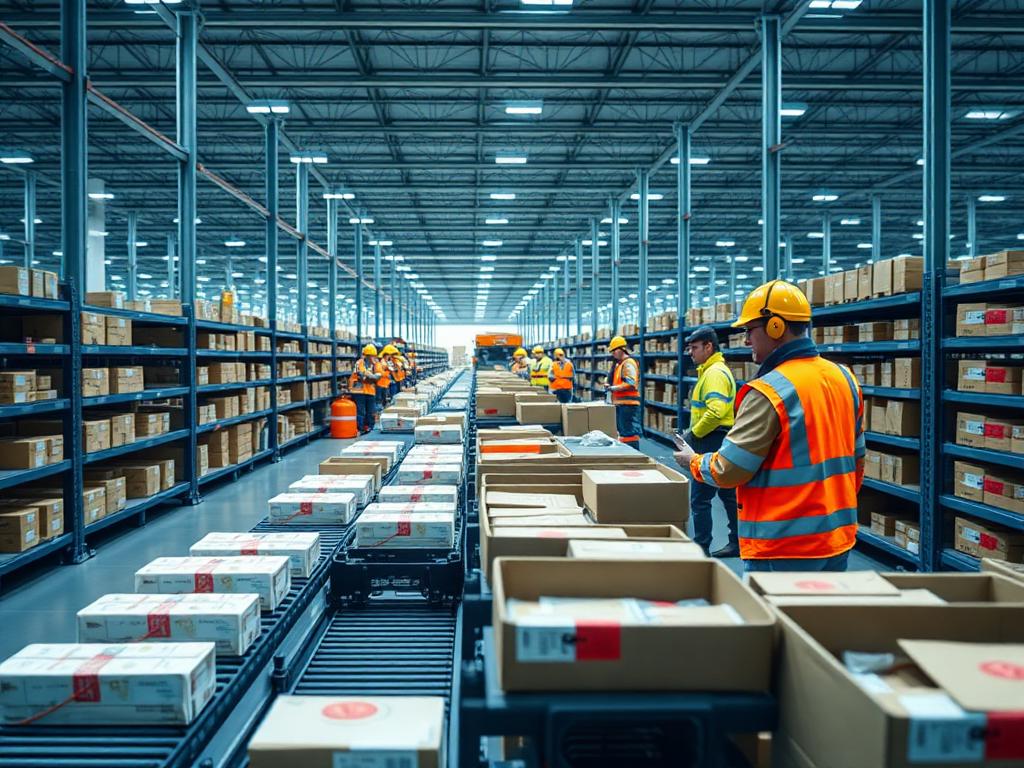
A part load shares vehicle space with other consignments travelling the same way. You pay for the space you use rather than the whole trailer, which suits anything between roughly three and twelve pallets.
Read the guide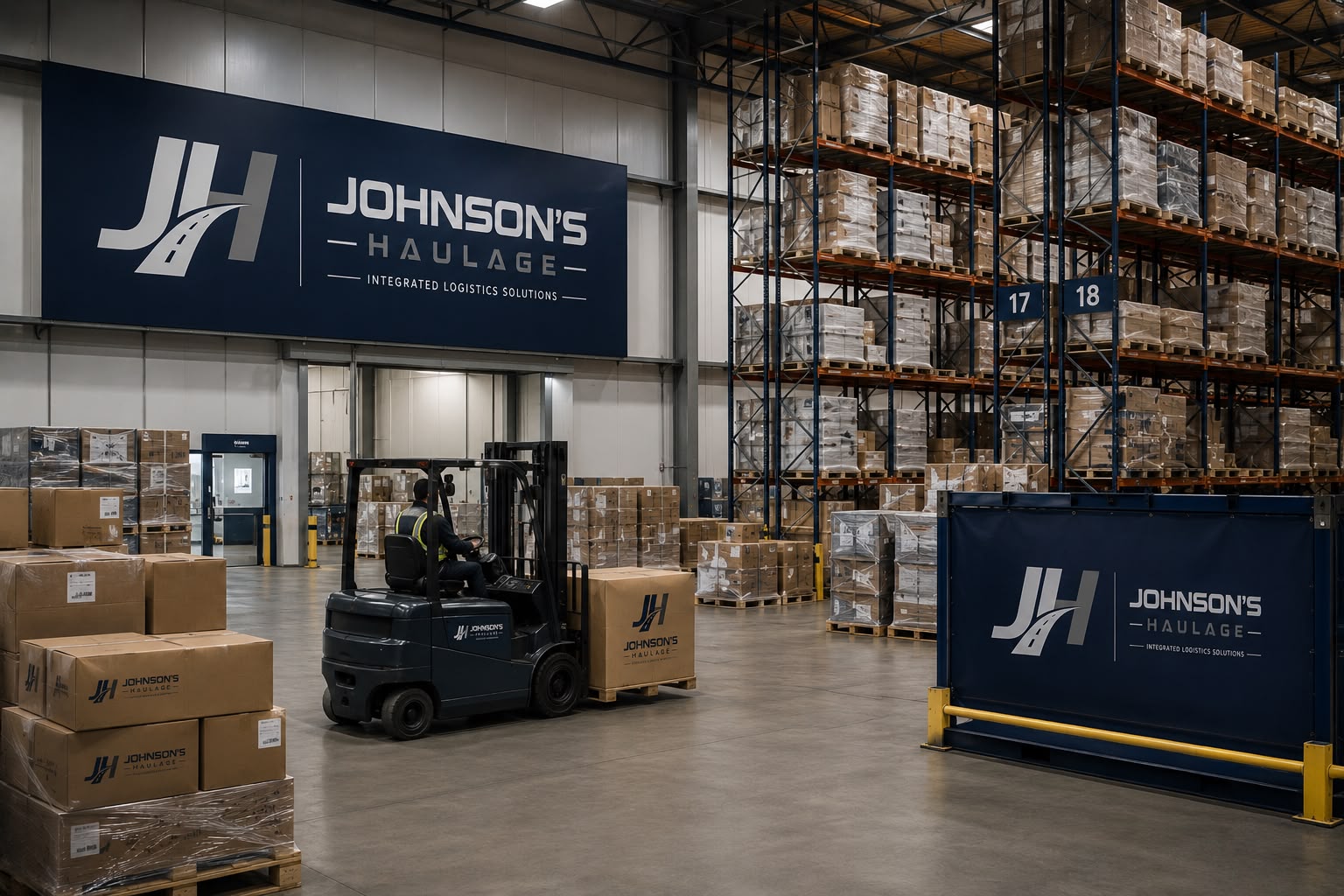
Pallet freight
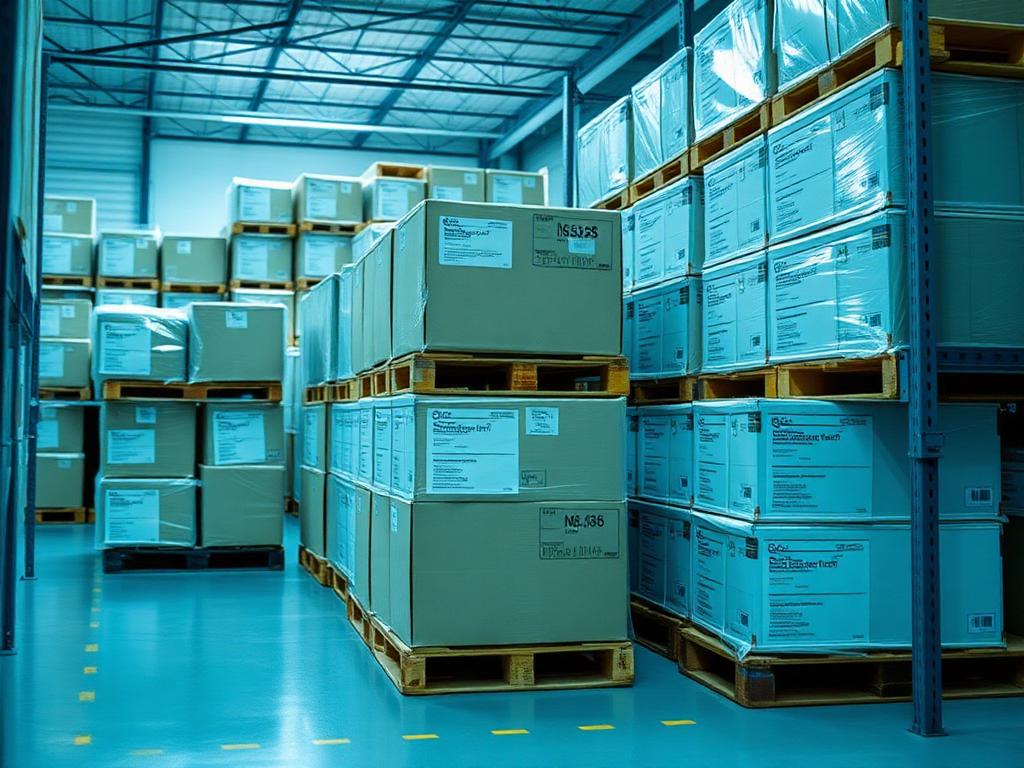
Pallet freight is the most common way to move one to six palletised consignments around the UK. Goods are collected locally, consolidated at a hub overnight and delivered by the carrier covering the destination postcode.
Read the guide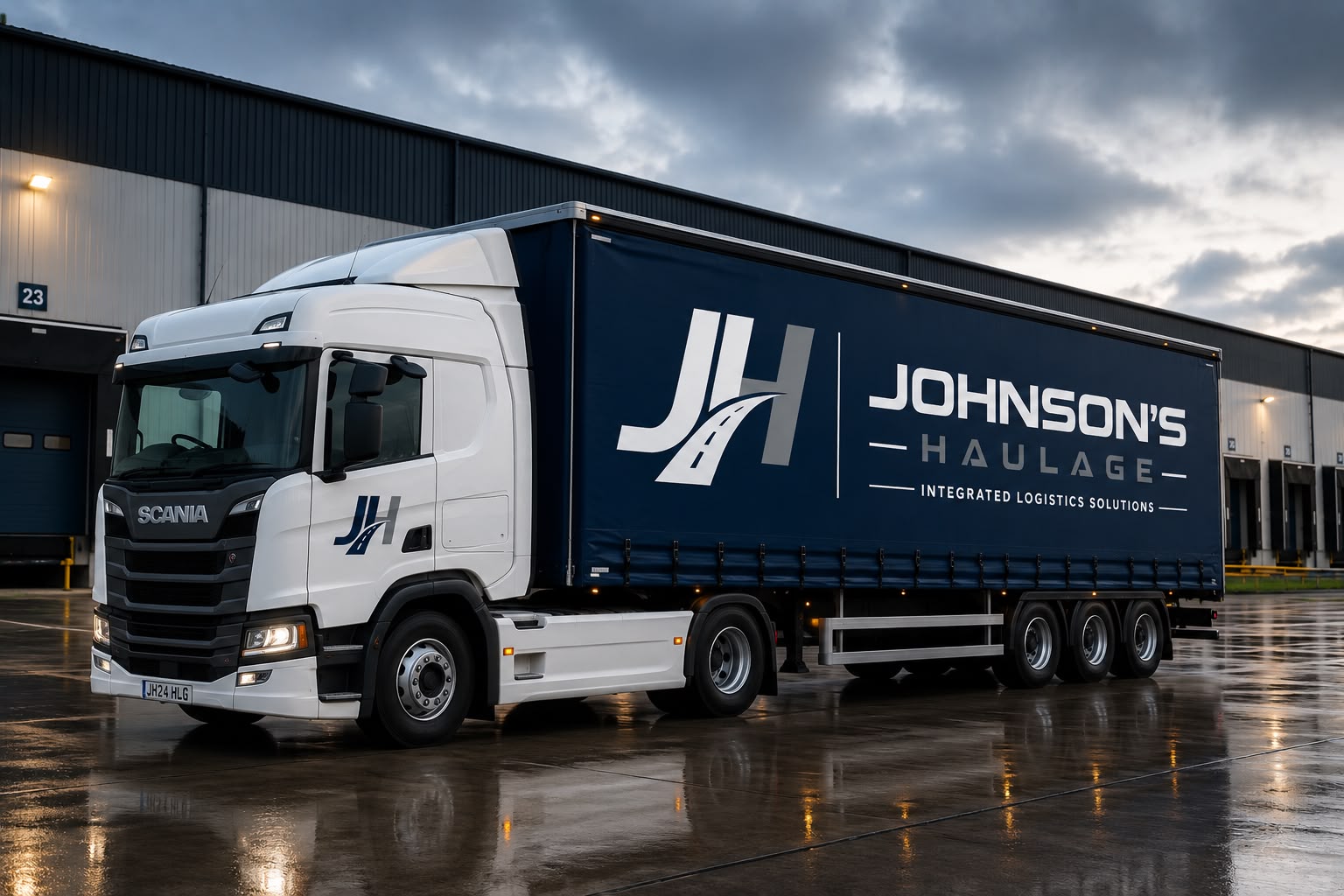
Oversized loads
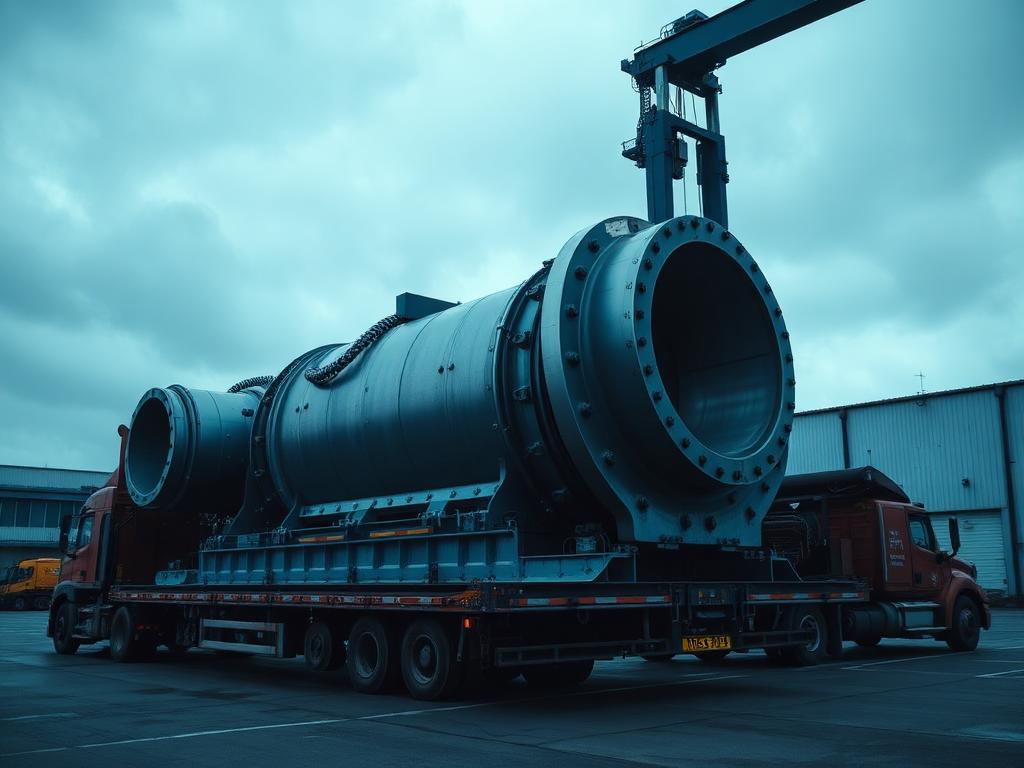
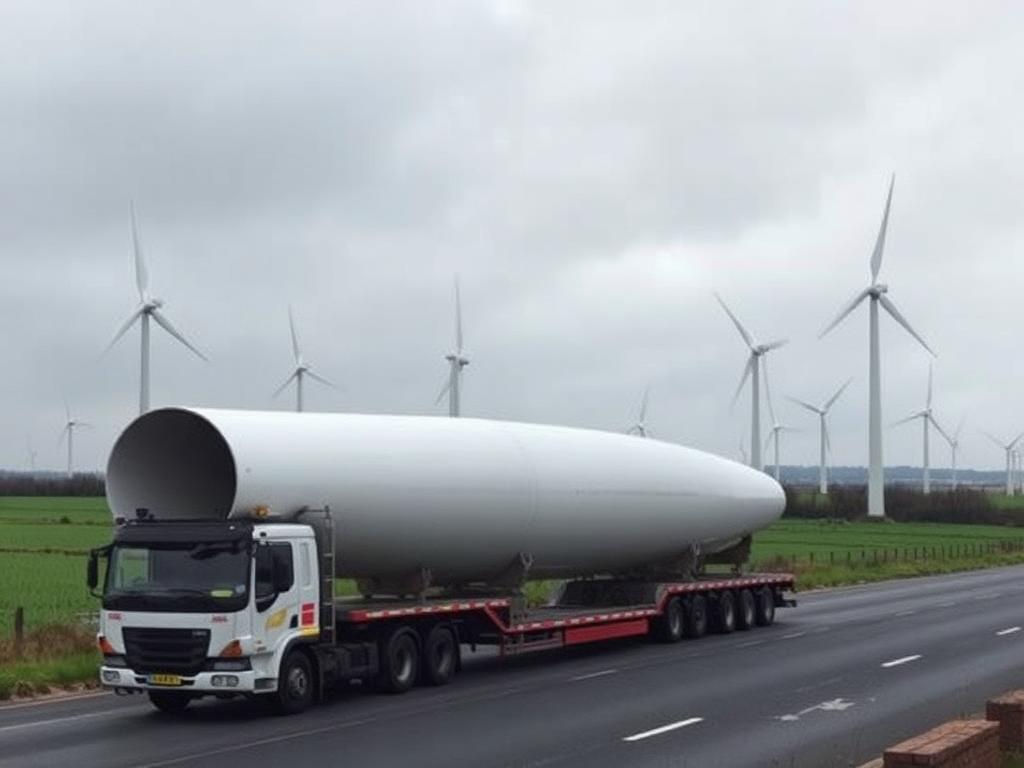
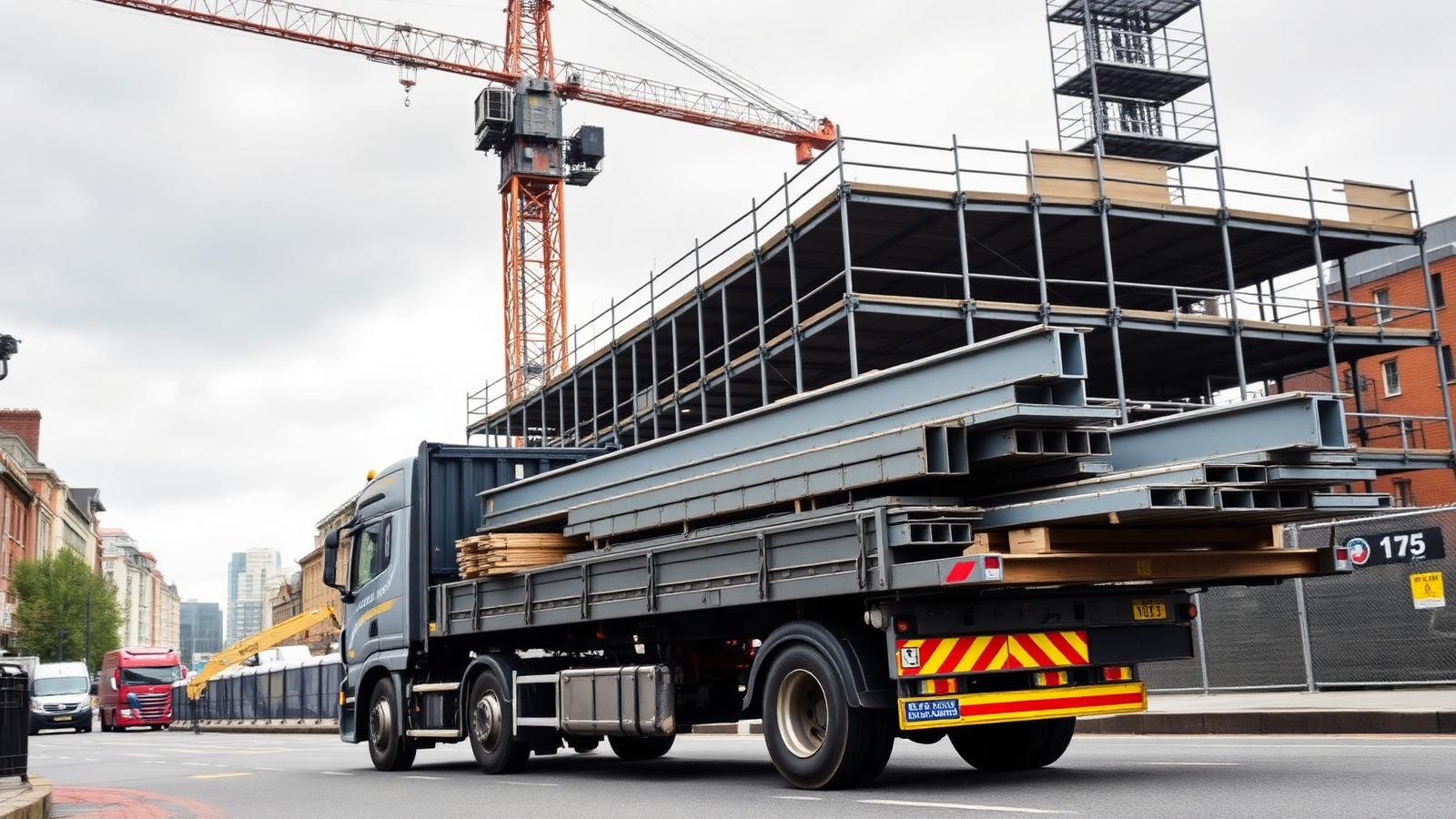
Any load that exceeds standard trailer dimensions or weight needs planning rather than just a booking. We assess the item, select the right trailer and arrange notifications, escorts and lifting where they are required.
Read the guide
Time-critical freight
When a line has stopped or a delivery has been missed, the freight goes on a dedicated vehicle that carries nothing else and drives direct. We source the nearest suitable vehicle and confirm an ETA before you commit.
Read the guide
Fragile and high-value
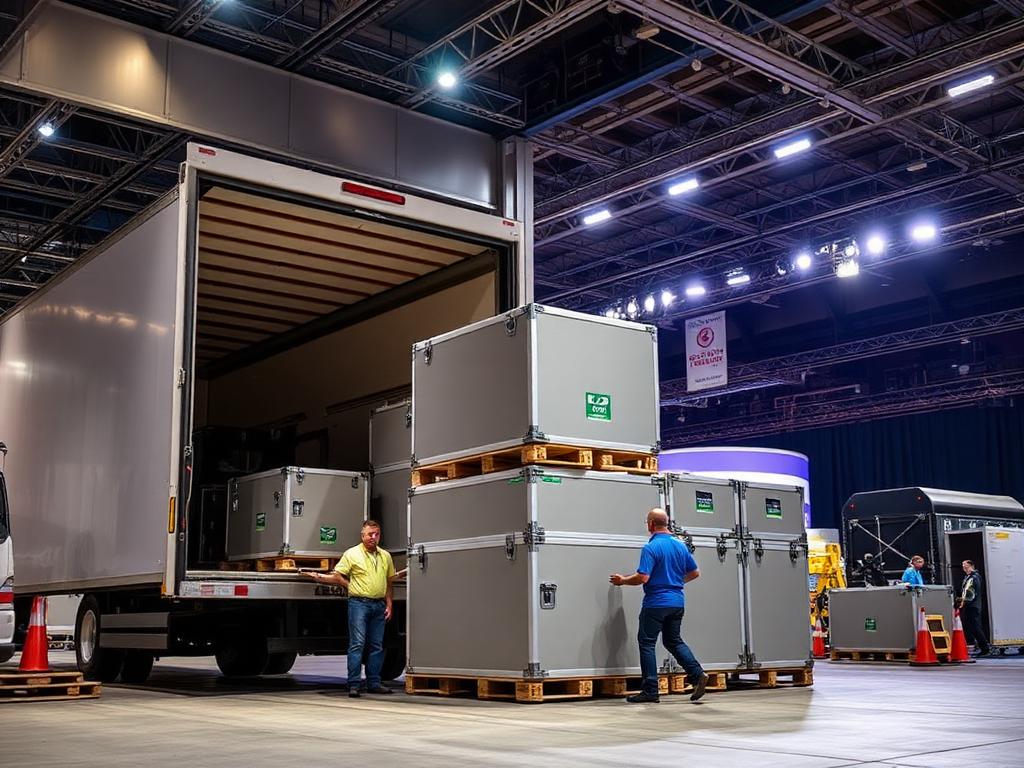
Delicate and high-value freight is best moved on a dedicated vehicle with as little handling as possible. We match the vehicle, the loading method and the insurance cover to what the goods are actually worth.
Read the guideTell us what you need moving
Postcodes, pallet count, dimensions and weight are usually enough for a firm price the same working day.