










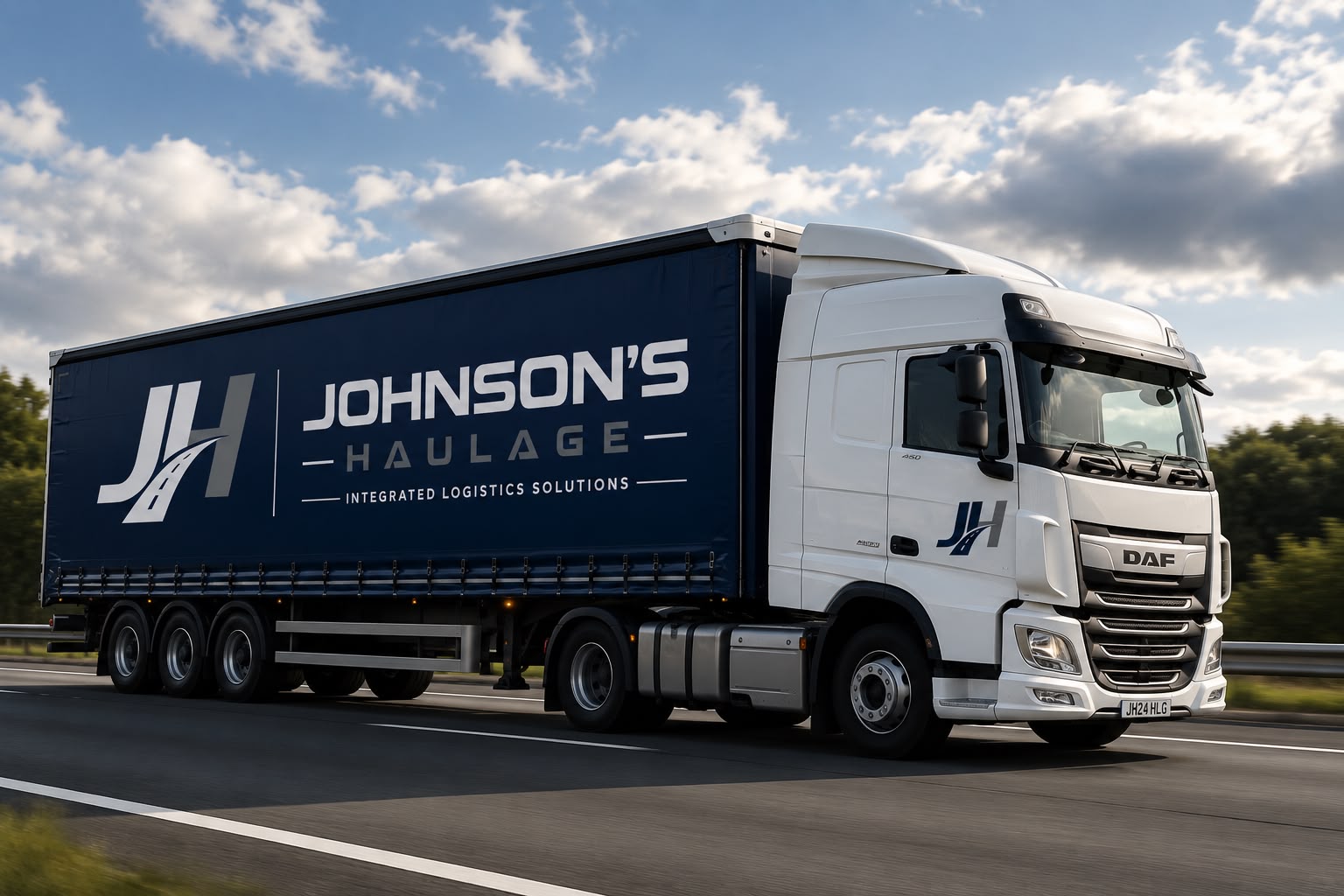
Load types
Full Load Haulage (FTL) Across the UK and Europe
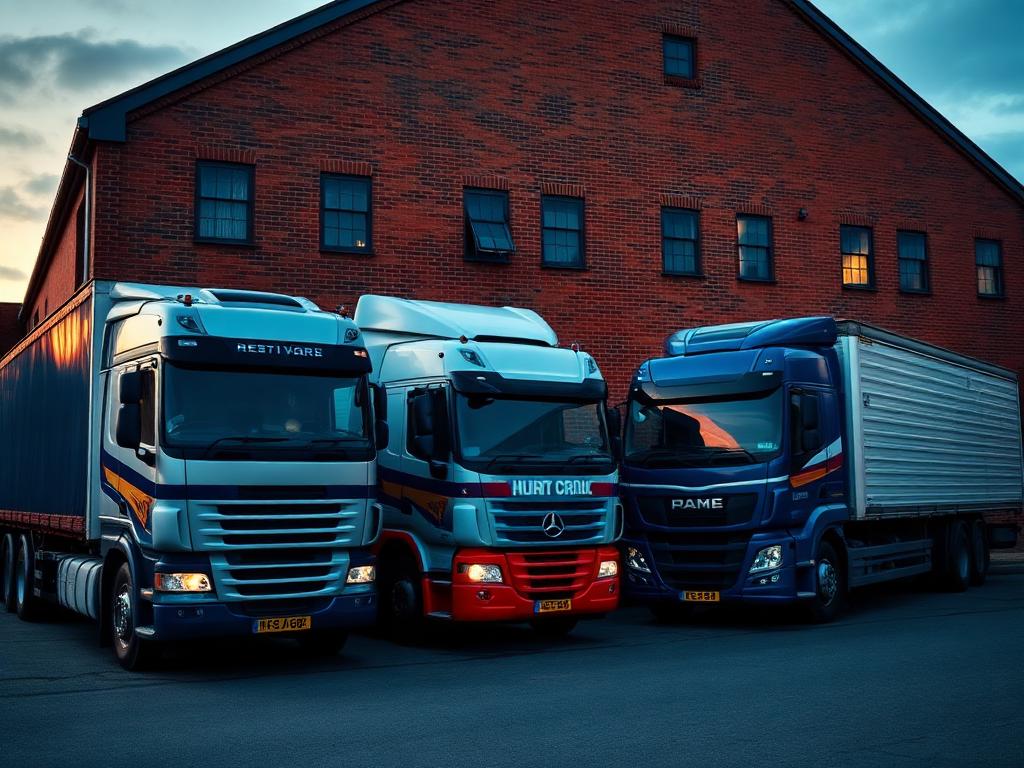
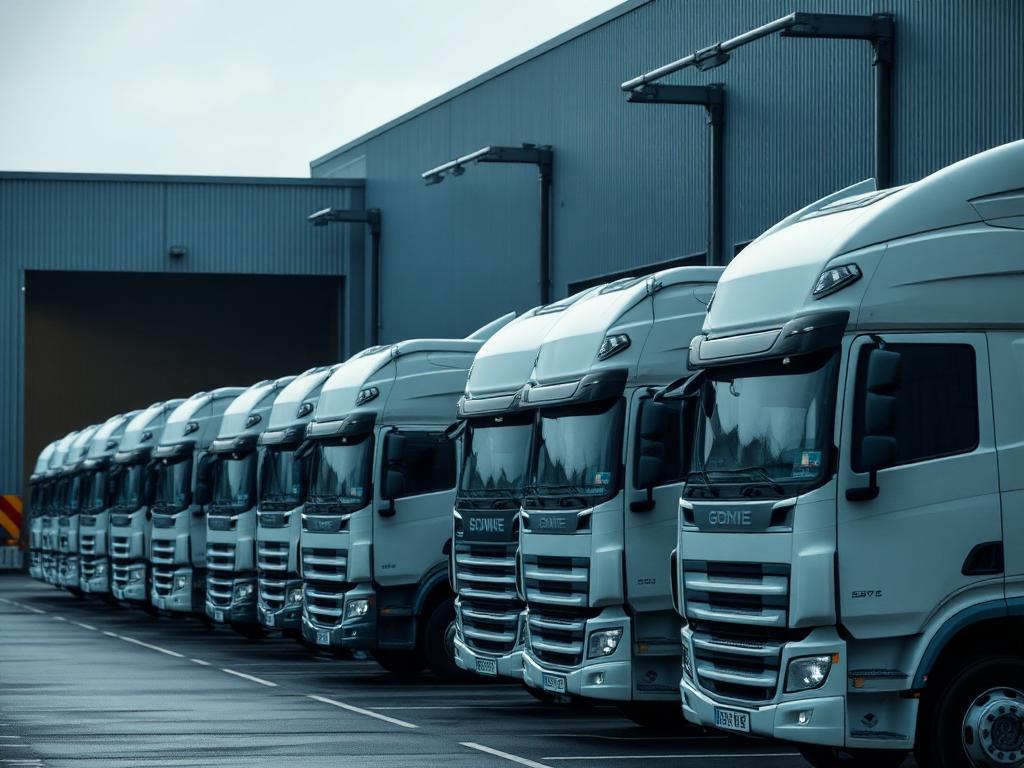
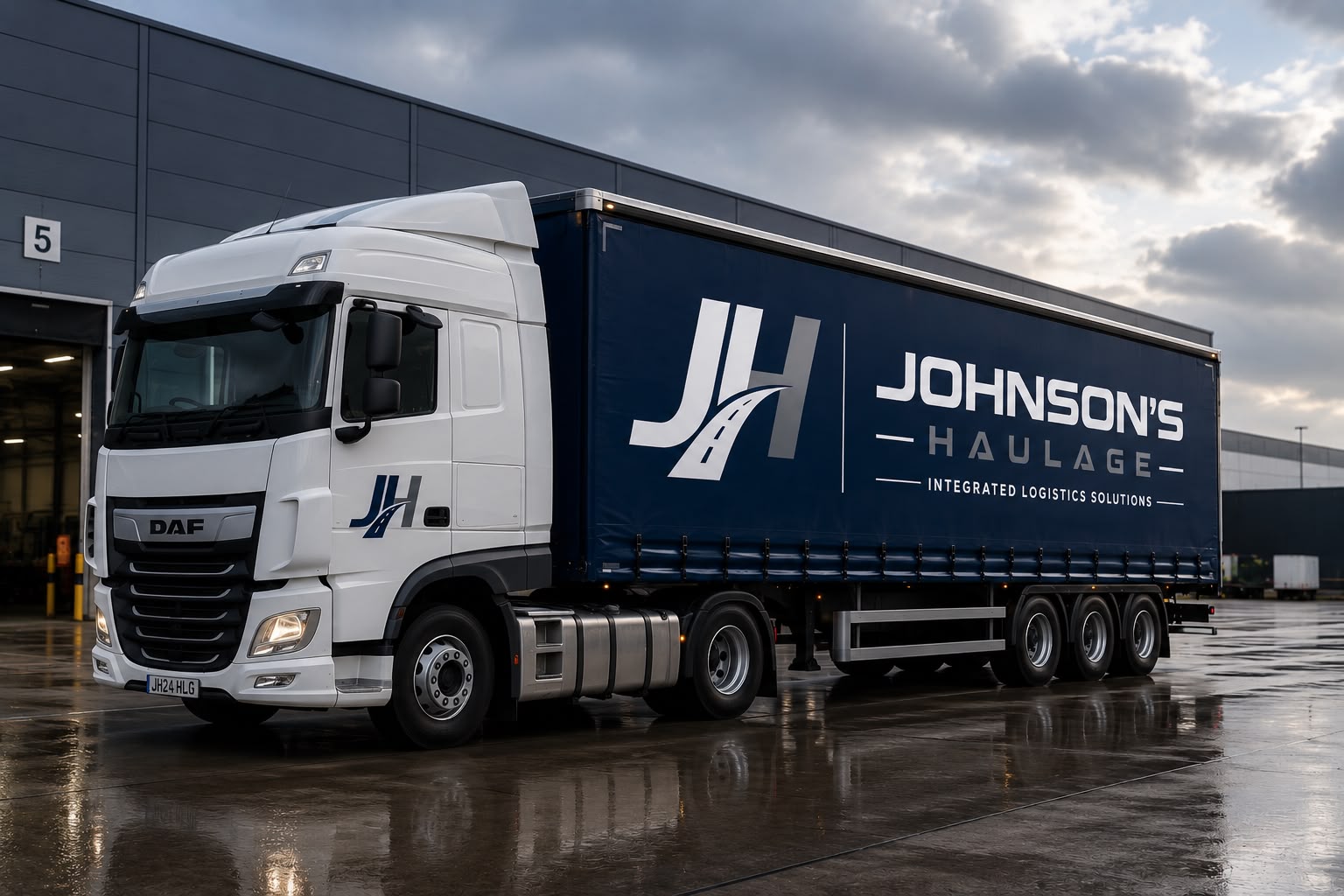
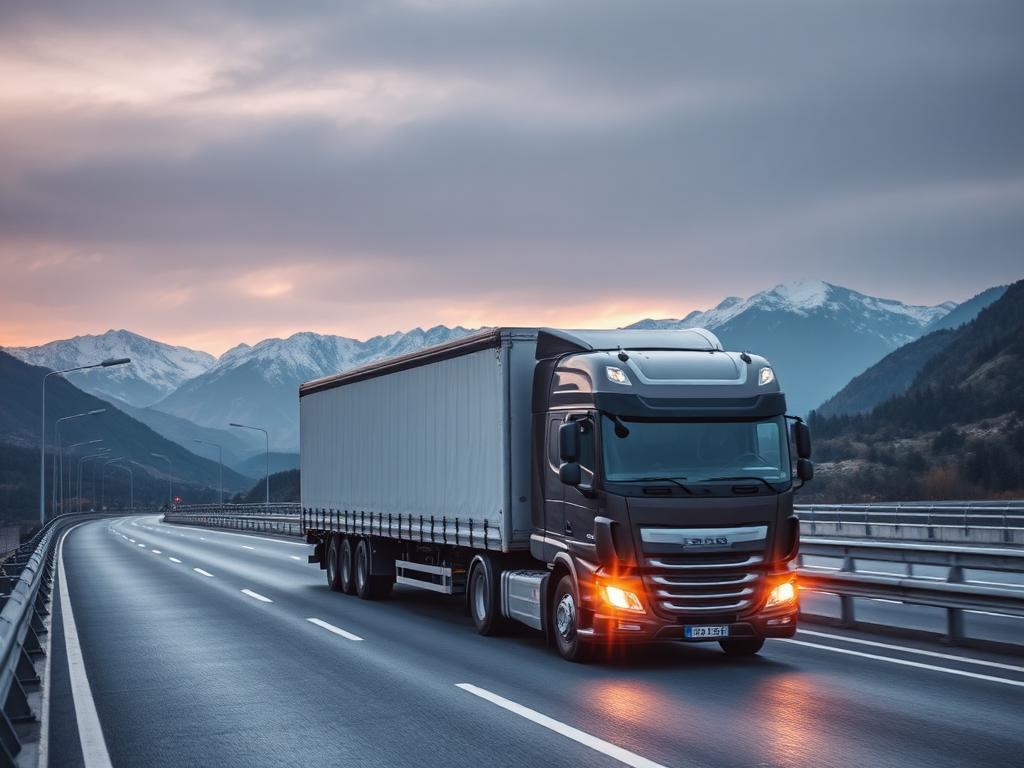
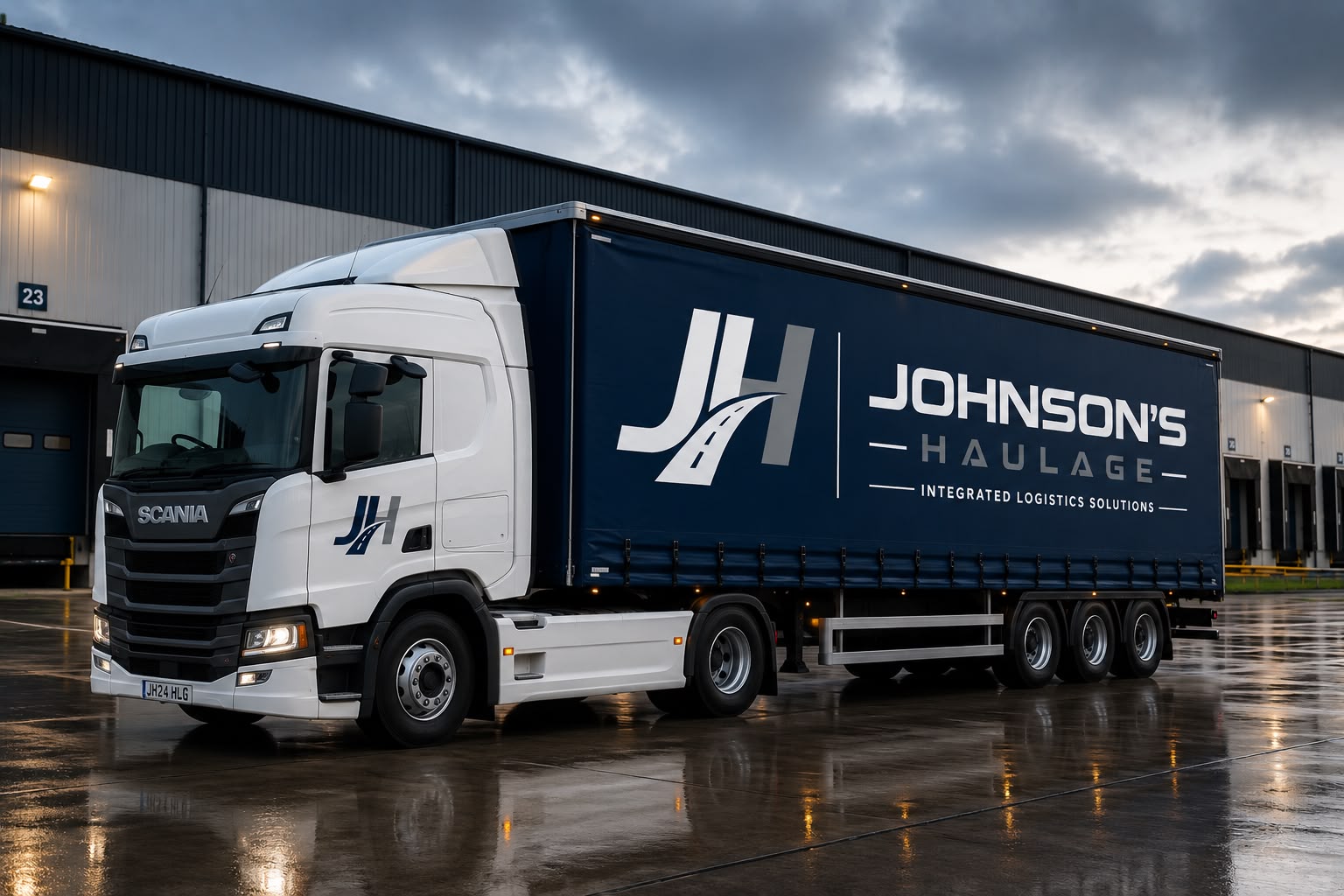
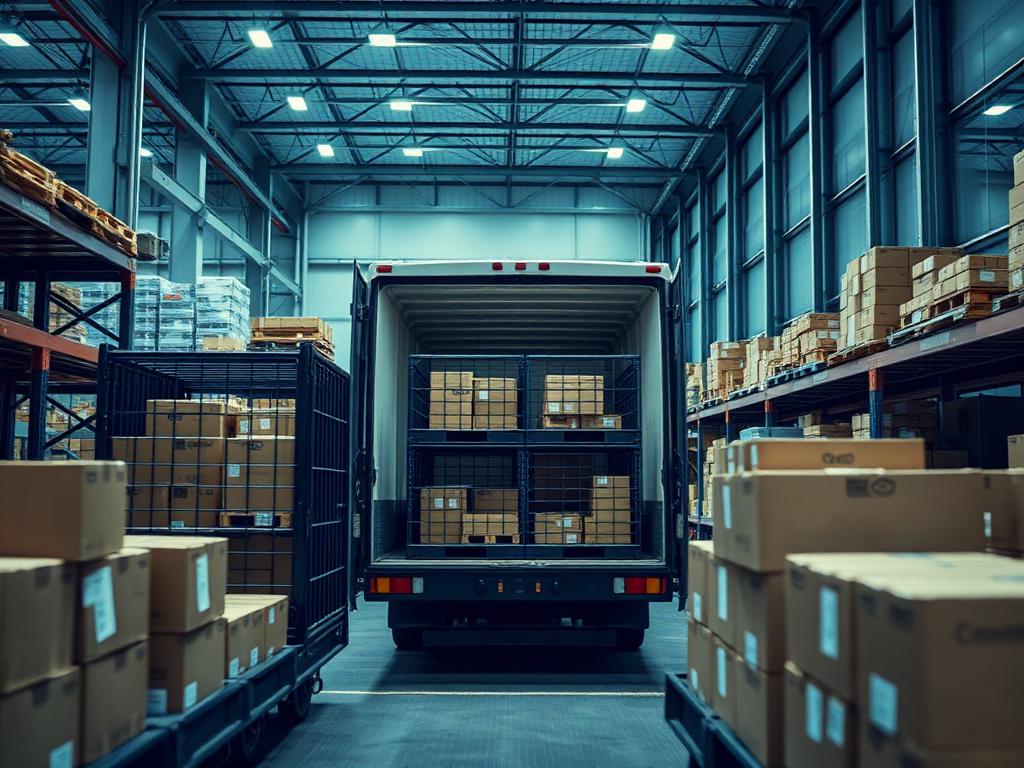
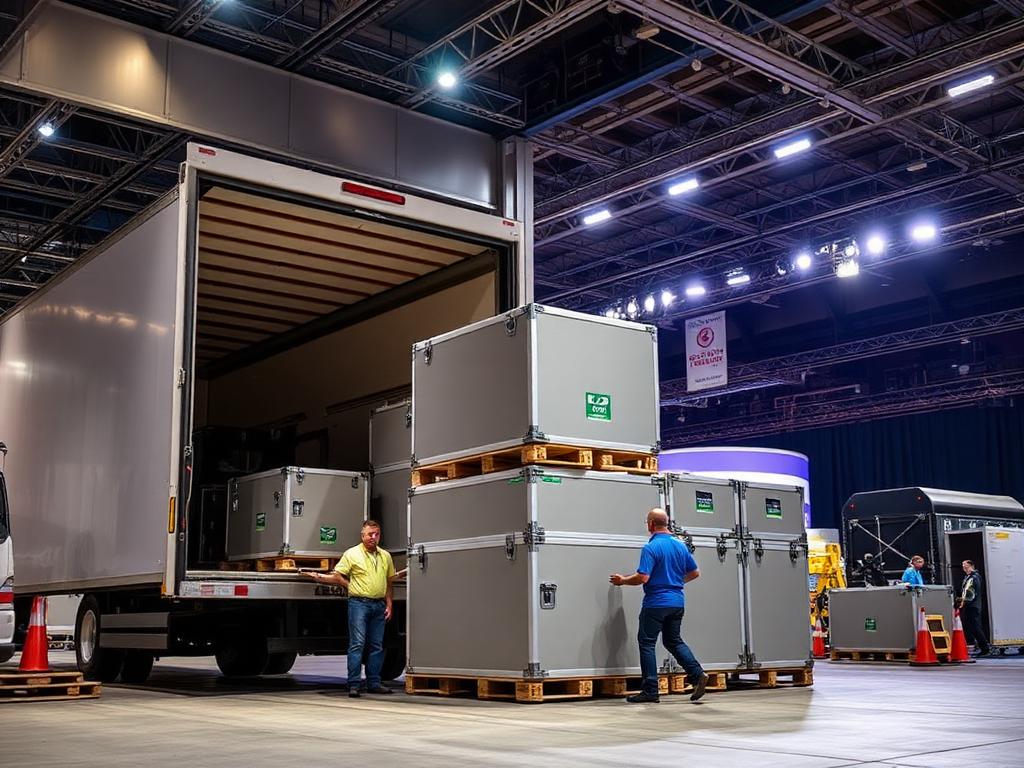
A full load means the whole vehicle is yours. Your freight is collected, travels direct and is delivered without transhipment, which is the fastest and lowest-risk way to move a large or sensitive consignment.
Best suited to
When this option is the right one
- Consignments of roughly 12 pallets or more
- Loads that fill the deck space even when they are light
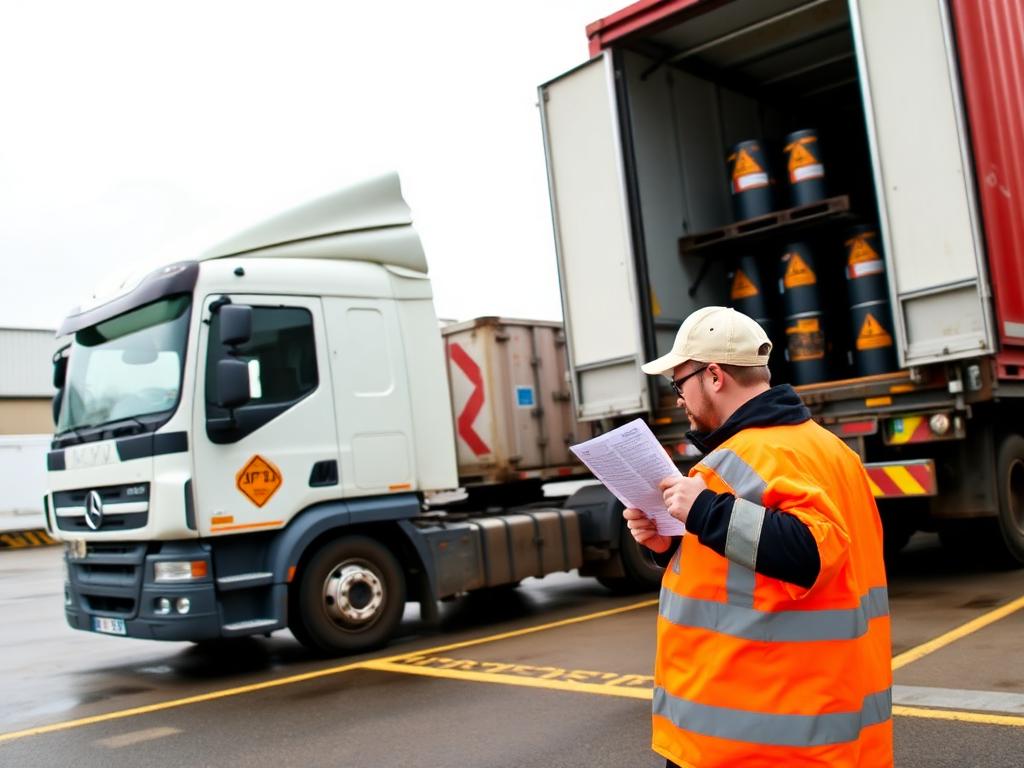
- Freight that must not be handled at a depot
- Fixed collection and delivery windows on the same day
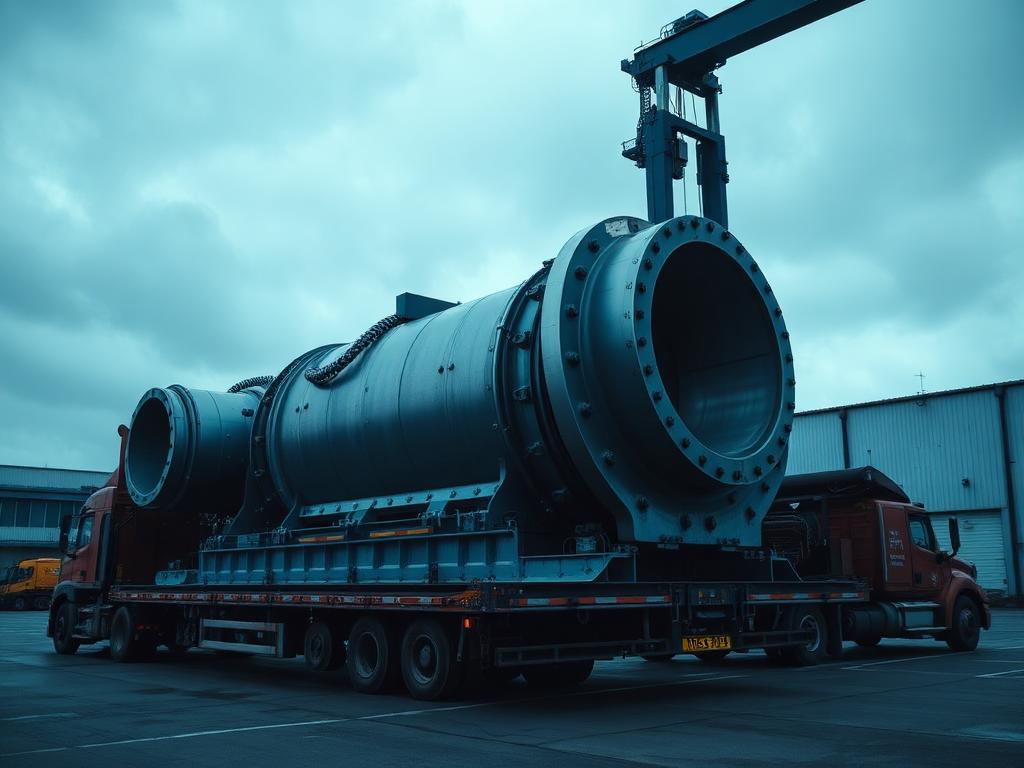
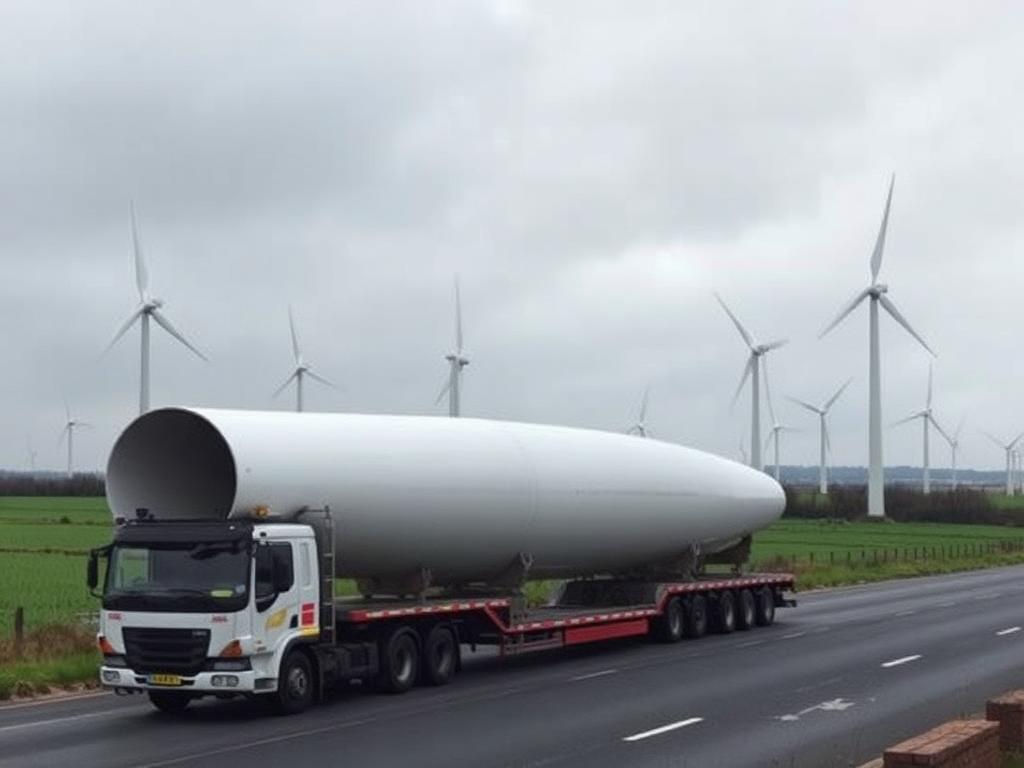
- Machinery, fabrications and awkward single items
- Regular contracted trunking between two sites
Pricing
What the price depends on
- Distance between collection and delivery postcodes
- Vehicle size required — from 7.5 tonne rigid to 44 tonne artic
- Loading and unloading time at each end
- Whether a return load can be found on the same route
- Timed or booked-in delivery slots
When a full load is the right choice
Once a consignment reaches around twelve pallets, or where the goods are fragile, high value or awkwardly shaped, a dedicated vehicle usually works out both safer and simpler than shared space. The freight is loaded once and unloaded once, there is no depot handling, and the delivery time is governed only by the road rather than by a network schedule.
Choosing the vehicle
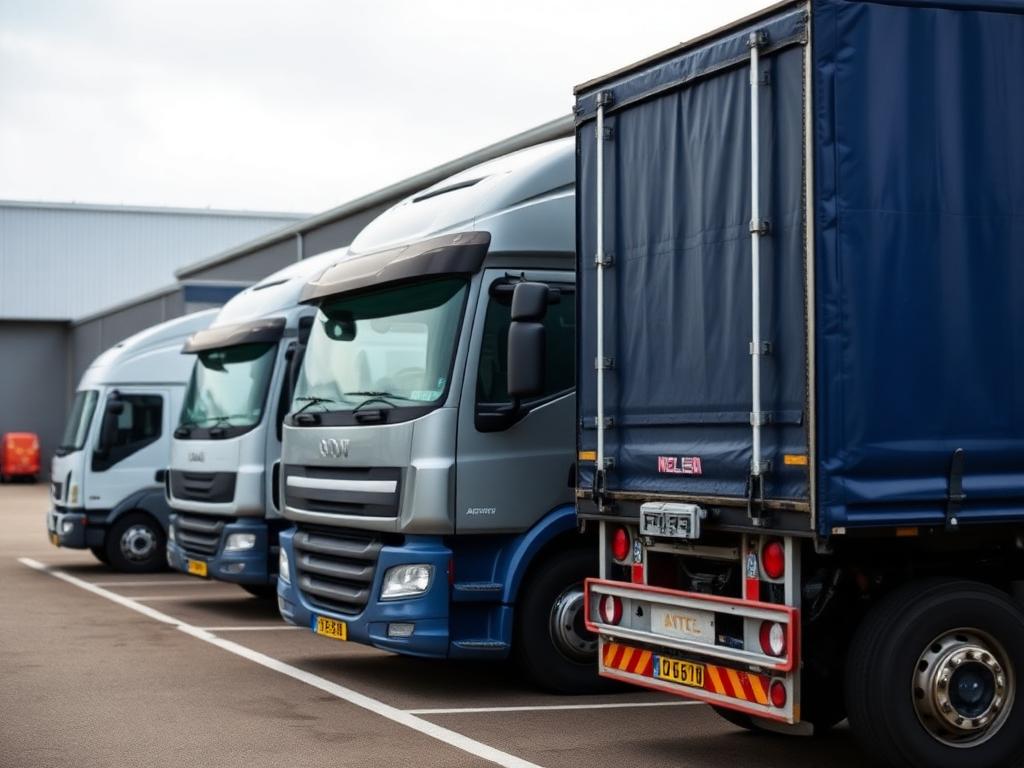
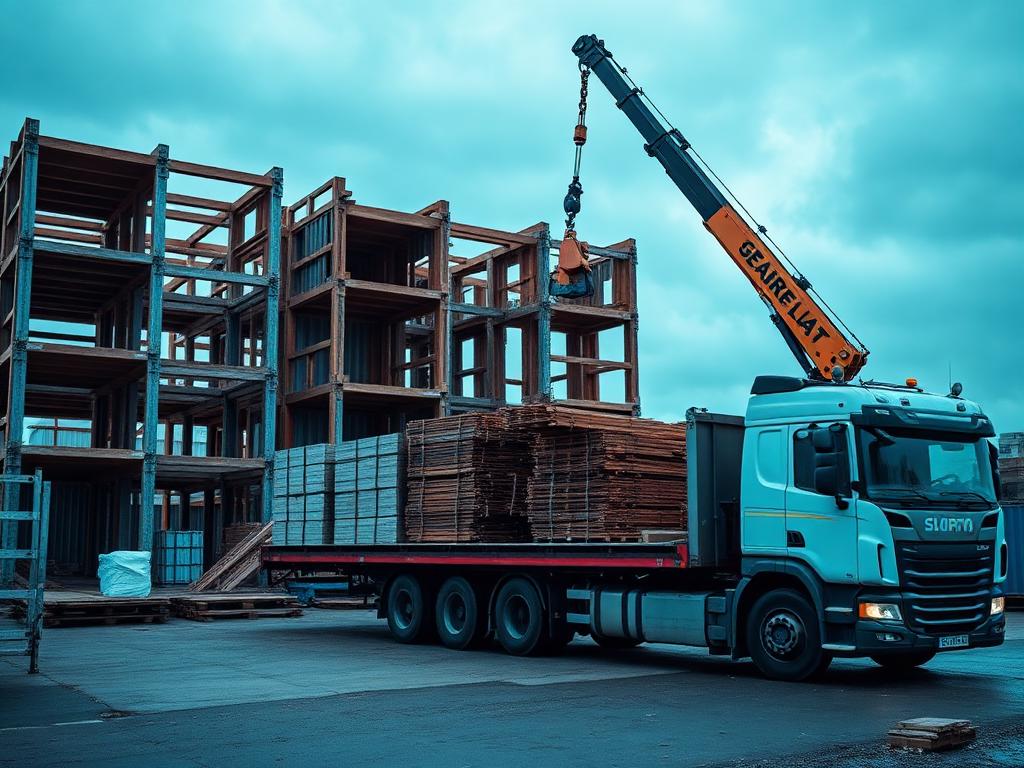
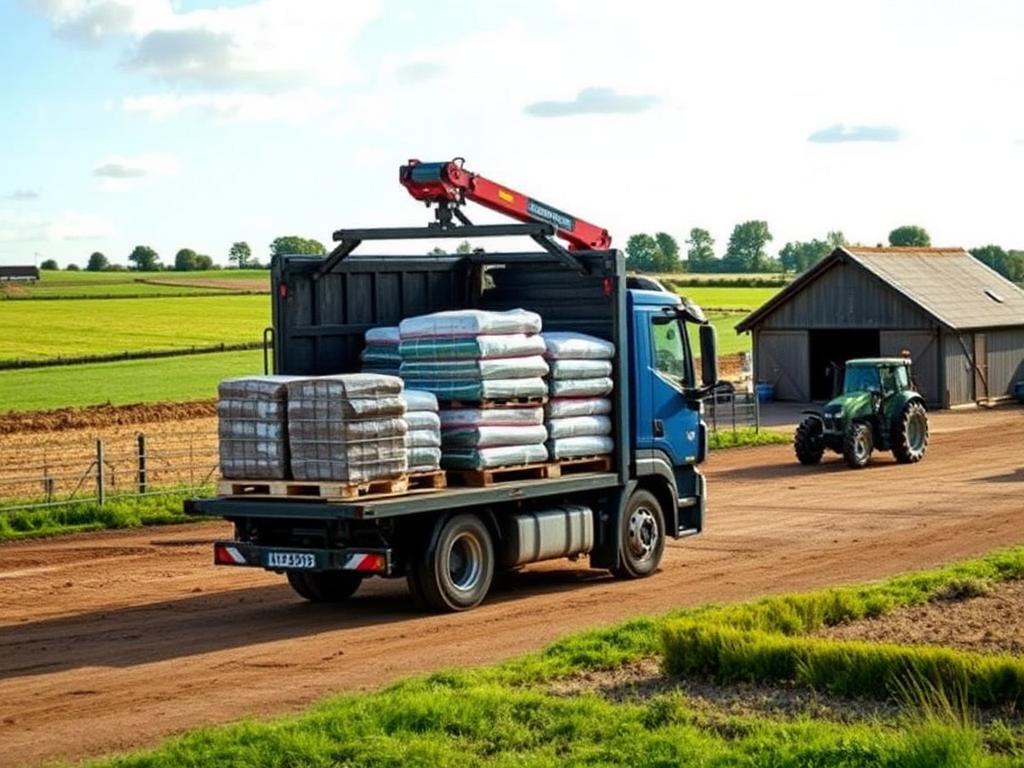
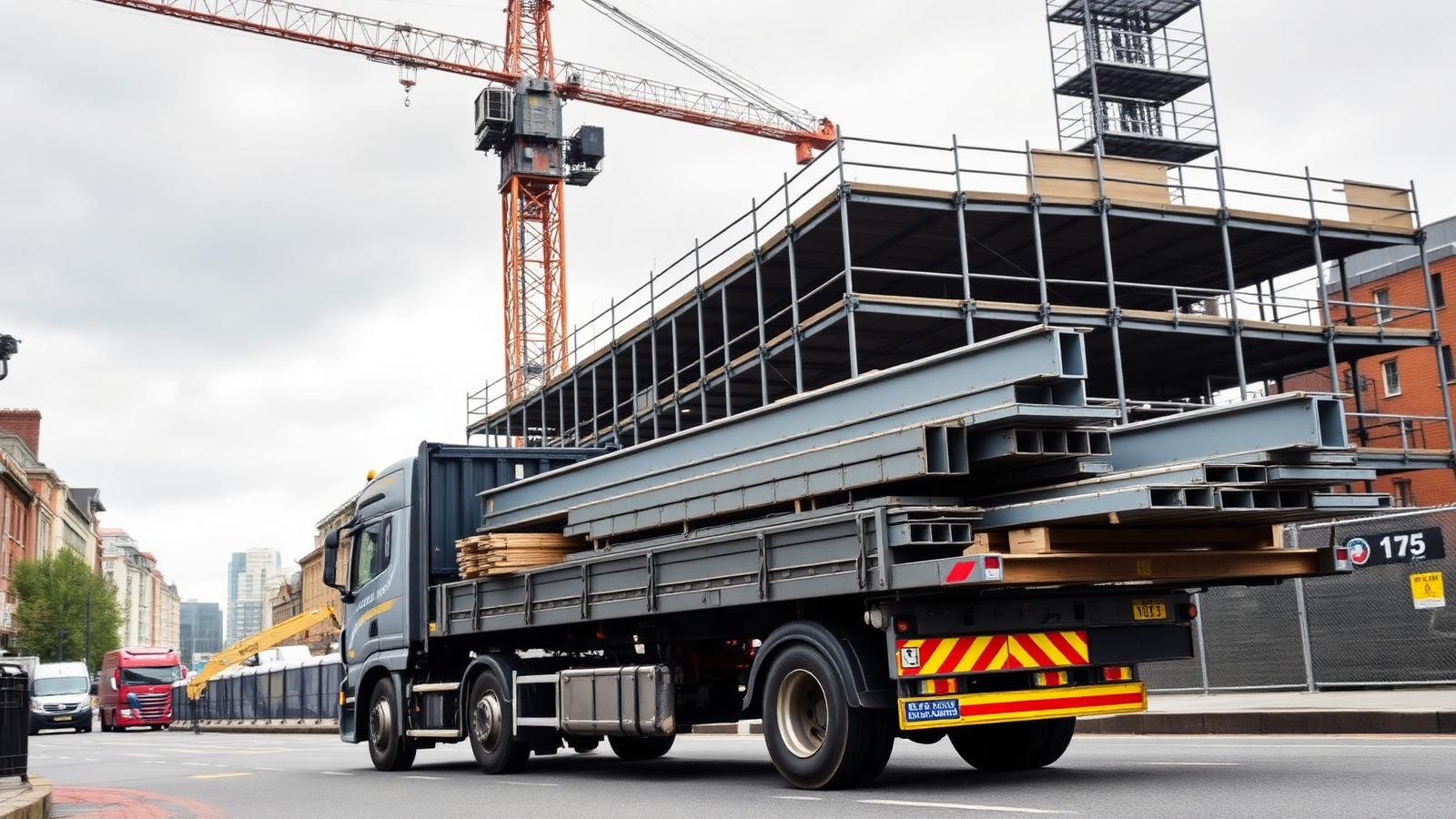
We size the vehicle against the real footprint of the load, not just its weight. Light but bulky freight fills deck space long before it reaches a payload limit, while dense goods such as steel or stone hit the weight ceiling on a part-filled trailer. Tell us pallet counts, dimensions and total weight and we will confirm whether a rigid, a curtainsider artic, a flatbed or a crane-mounted vehicle is required.
How the movement is managed
Your transport coordinator books the vehicle through our approved carrier network, confirms collection and delivery windows in writing, monitors progress during the run and sends signed proof of delivery afterwards. Any delay is flagged to you before it becomes a problem at the receiving end.
Related services
Services that cover this load type
Common questions
Frequently asked questions
How many pallets fit on a full load?
A standard 13.6 metre curtainsided trailer takes 26 standard UK pallets on the floor, or up to 52 if the goods are safely double-stacked. A 18 tonne rigid takes around 16 and a 7.5 tonne rigid around 10.
Is a full load quicker than a pallet network?
Usually, yes. The vehicle travels direct rather than routing through hub depots overnight, so a full load can often be collected and delivered the same day where distance and drivers' hours allow.
Can you collect from more than one site on a full load?
Yes. Multi-collection and multi-drop runs are common. Each extra call adds time, so tell us all the addresses up front and we will build them into the price and the schedule.
Do you charge for the return journey?
Pricing reflects the whole vehicle movement, including repositioning. Where we can pair your job with other work on the same corridor the rate improves, which is why flexible dates often cost less.
What happens if the delivery site cannot take an artic?
We ask about access before booking. Where a 44 tonne artic cannot reach the unloading point we quote a rigid vehicle, a smaller trailer or a crane-mounted unit instead.
Can I book regular full loads at an agreed rate?
Yes. Recurring routes can be set up on contract terms with an agreed rate, a named coordinator and consolidated invoicing through a trade account.
Not sure which option fits?
Send the postcodes, pallet count, dimensions and weight and our Stockport planning team will price the sensible options side by side.