













Haulage and freight glossary
33 transport terms explained in plain English, from the wording on a quotation to the customs paperwork behind an international movement. If a term on your booking is not here, ask us and we will explain it.
Booking and pricing terms
The language used on quotations, booking confirmations and invoices when you buy road transport.
- Full load (FTL)
- A dedicated vehicle carrying one customer's freight only, collected and delivered direct with no depot handling. Usually the right choice from around twelve pallets, or for fragile, high-value or awkward consignments.Full load haulage
- Part load (LTL)
- Freight that takes up only part of a vehicle and shares the deck with other consignments going in a similar direction. You pay for the space used rather than the whole vehicle.Part load freight
- Groupage
- Consolidating several customers' consignments into one vehicle or trailer, most often on international lanes. Transit times are longer than a dedicated run but the cost per pallet is lower.
- Backload
- A load carried on a vehicle's return leg after its outbound delivery. Where a backload fits the route and timing, it can reduce the price of a full load considerably.
- Dead freight
- Space paid for but not used. It arises when a booked vehicle is larger than the freight presented, or when a collection is cancelled after the vehicle has been despatched.
- Demurrage / waiting time
- A charge applied when a vehicle is held at a collection or delivery point beyond the free loading period, typically one to two hours. It reflects lost driving time under drivers' hours rules.
- Timed delivery
- A delivery committed to a fixed time or window, such as pre-10am or a booked-in slot at a distribution centre. It restricts the routing available and is priced accordingly.Time-critical freight
Load, handling and equipment terms
How freight is presented, secured and lifted on and off a vehicle.
- Standard UK pallet
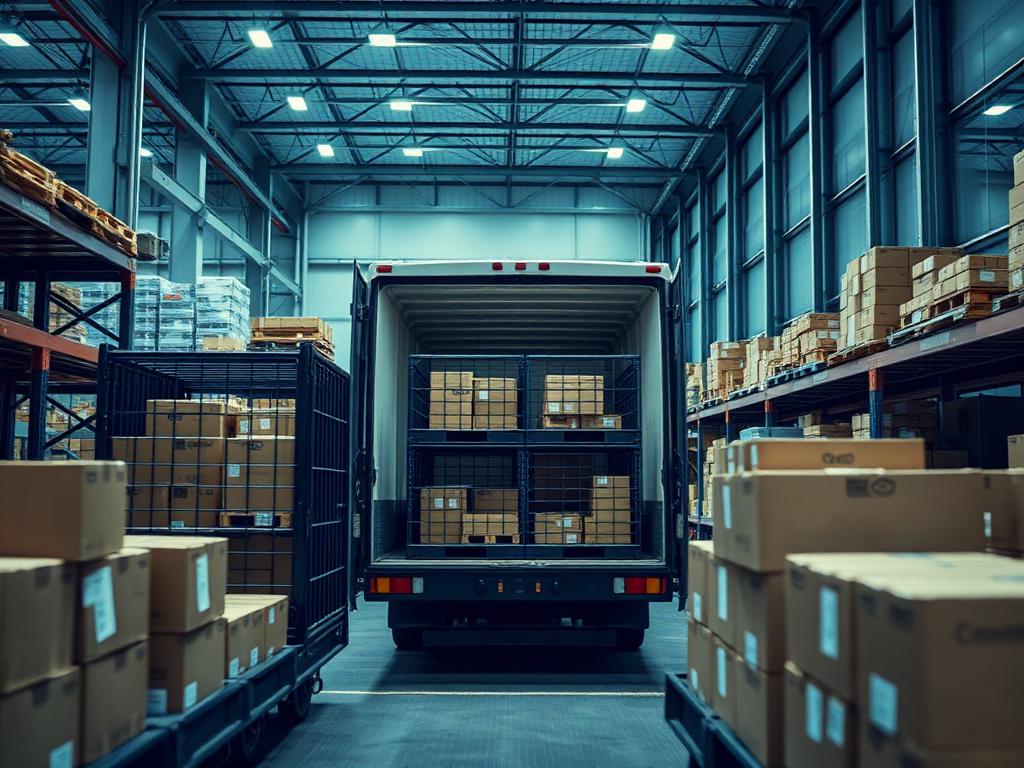
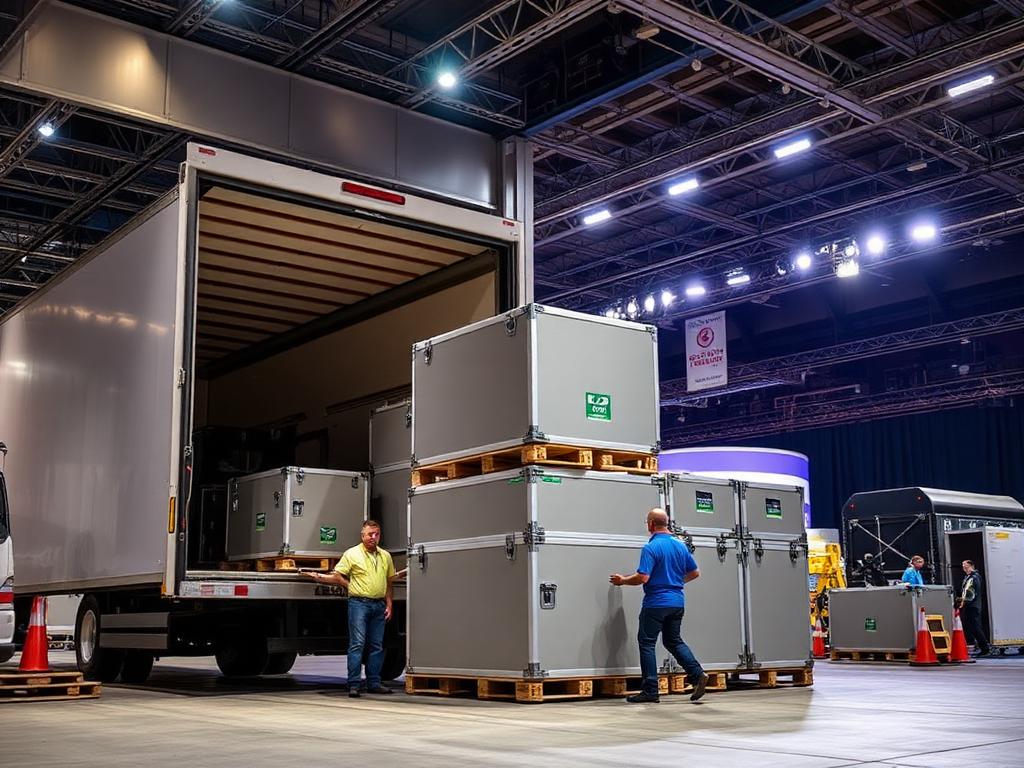
- A 1200mm x 1000mm pallet base. A Euro pallet is 1200mm x 800mm. Pallet size, height and weight all affect how many can be loaded onto a trailer.Pallet freight
- Payload
- The weight of goods a vehicle can legally carry once its own unladen weight is deducted from its gross weight limit. A 7.5 tonne rigid typically carries around 2.5 to 3 tonnes.Vehicle types and payloads
- Tail lift
- A powered platform at the rear of a vehicle that raises and lowers palletised goods to ground level. Essential where there is no forklift or loading dock at either end.
- Hiab / lorry-mounted crane
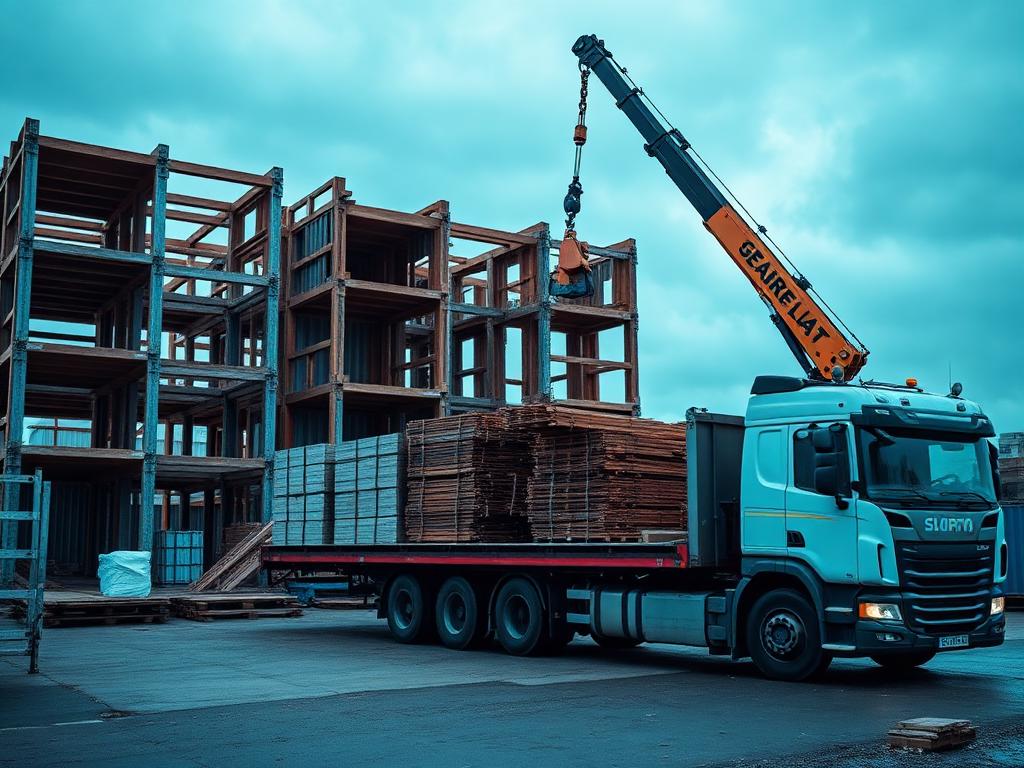
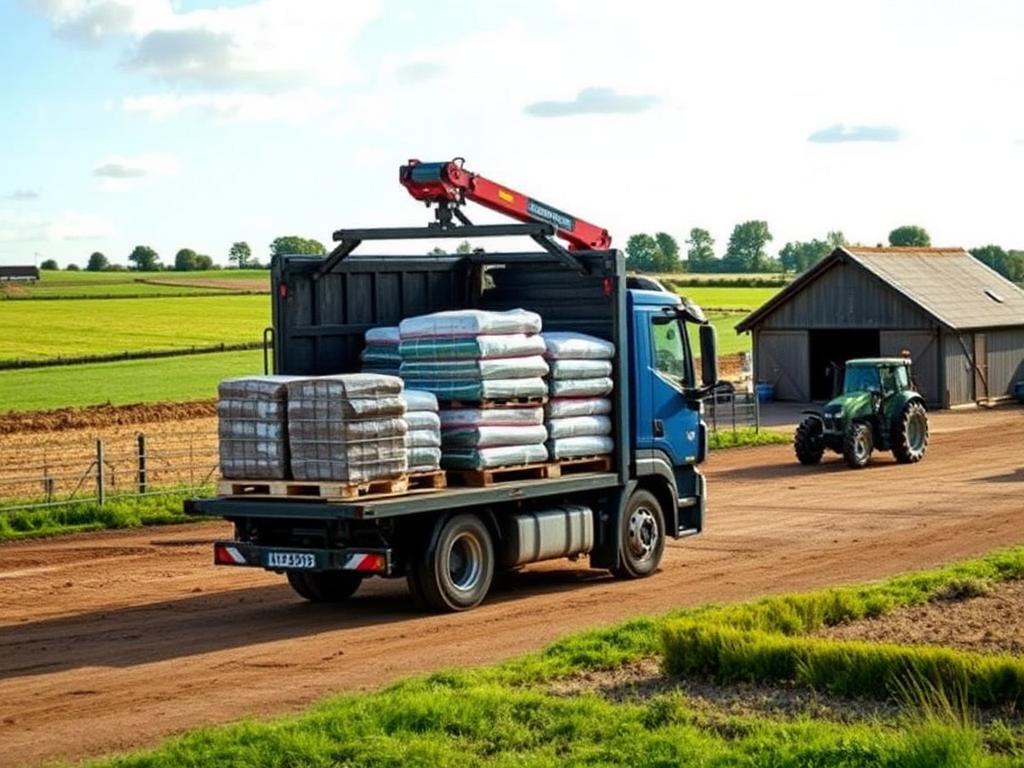
- A hydraulic crane mounted behind the cab, used to lift heavy or awkward items on and off a flatbed where no site plant is available. Reach and lift capacity fall as the boom extends.Hiab transport
- Curtainsider
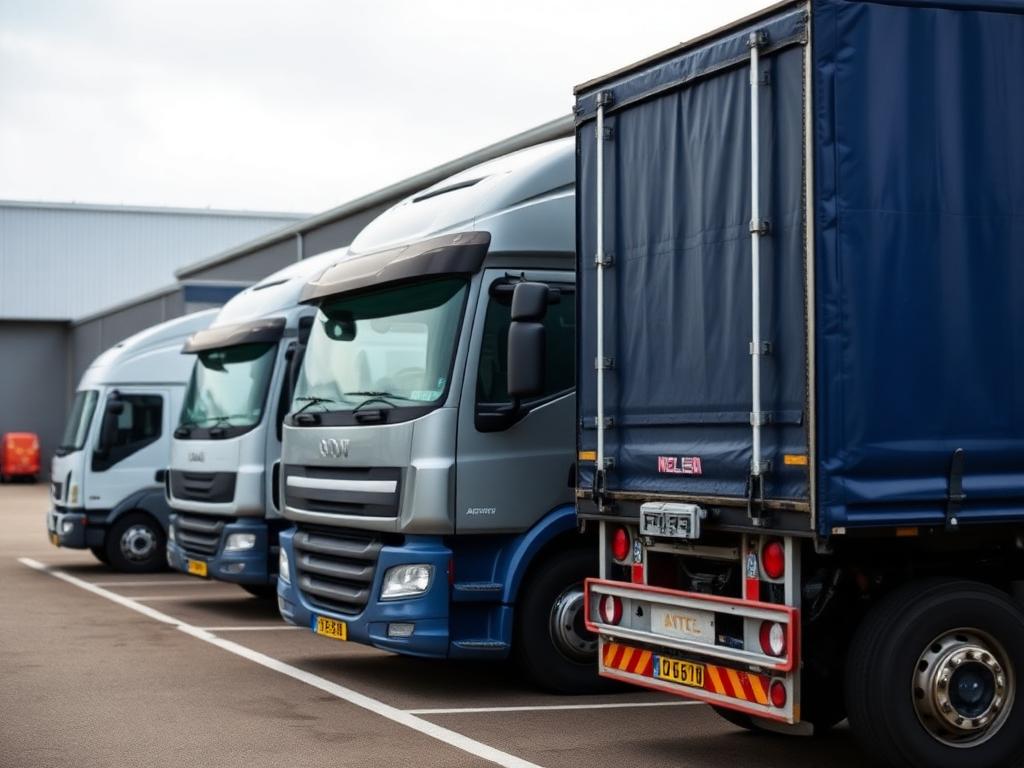
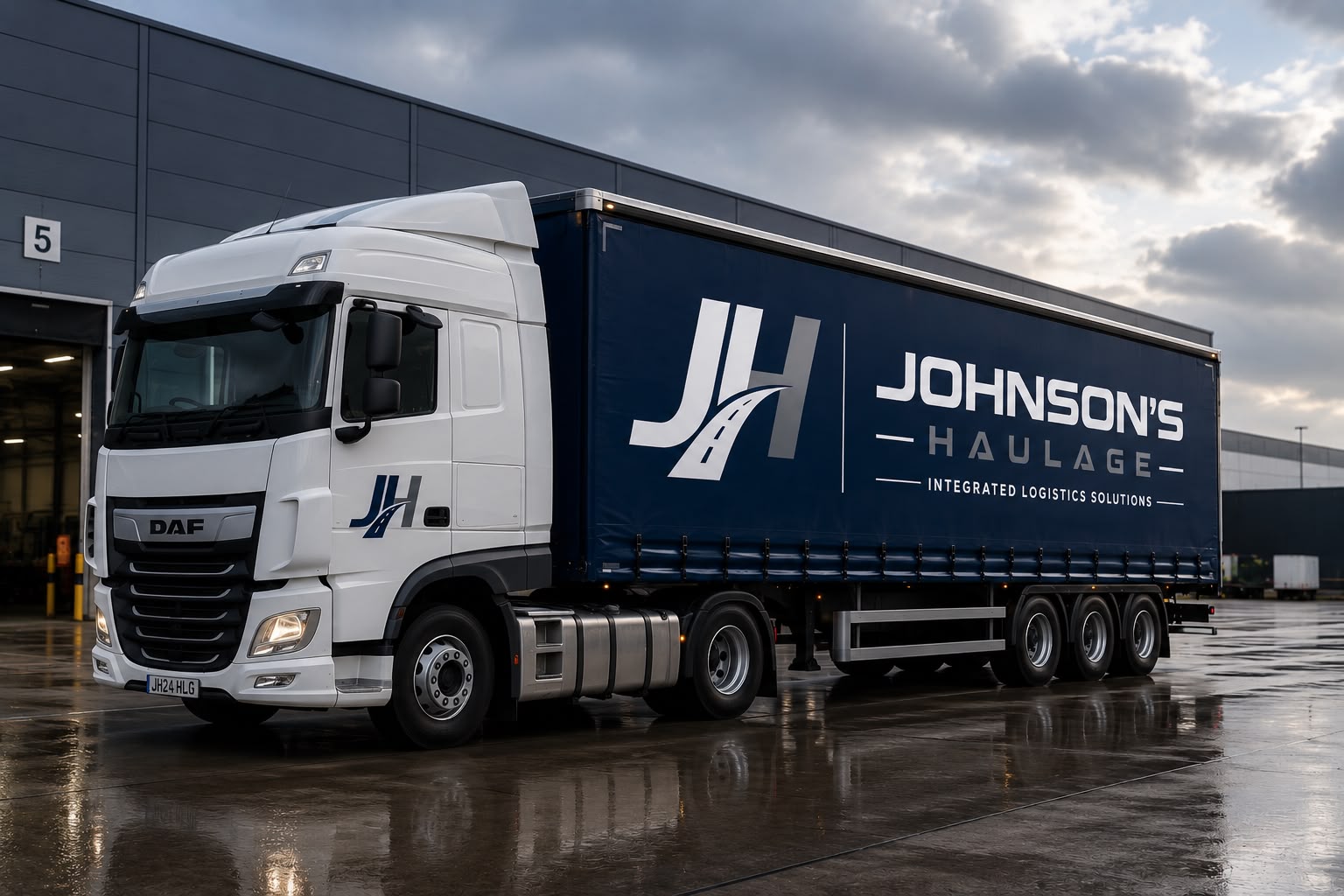
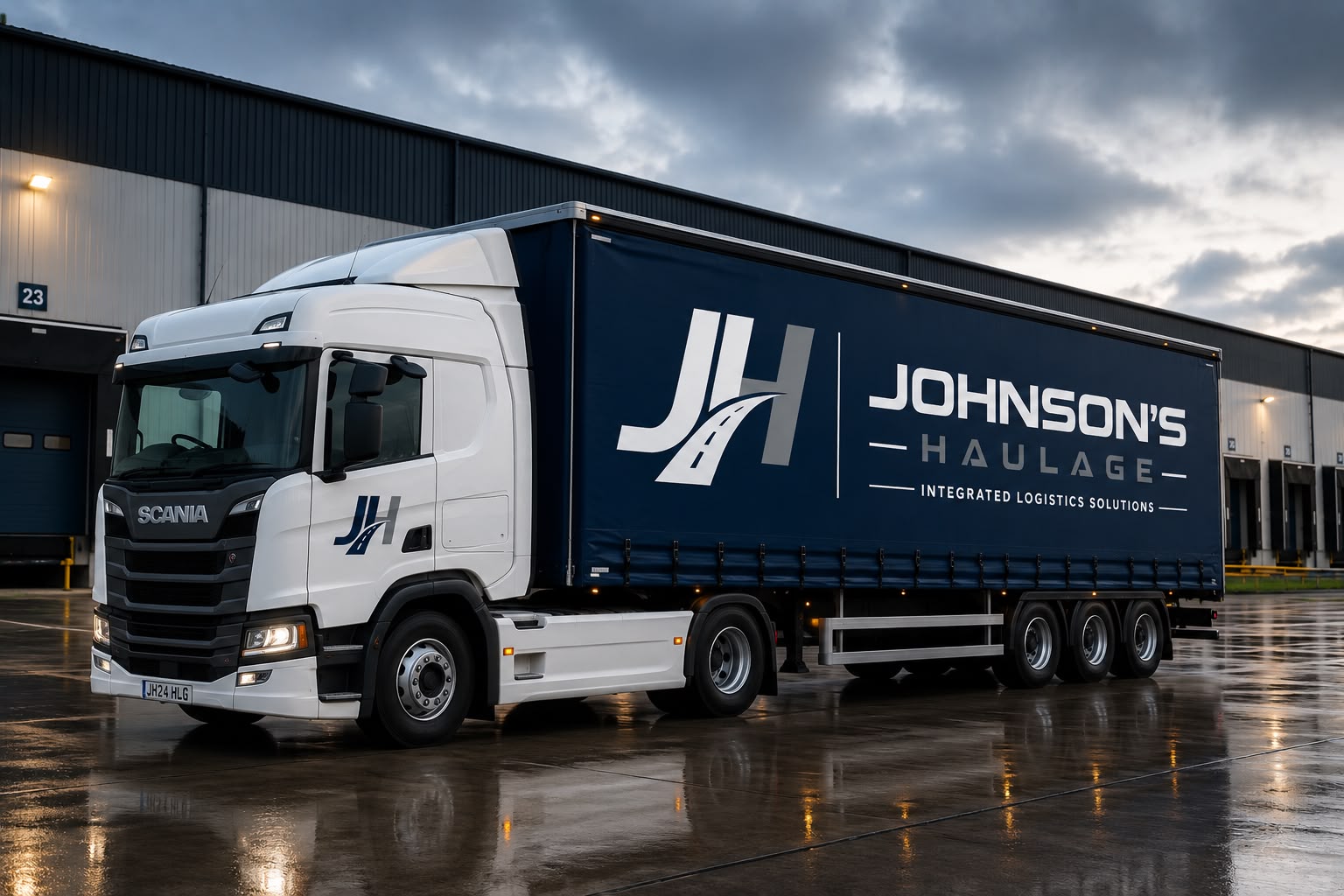
- A trailer with sliding curtain sides that allow loading from the side as well as the rear. Curtains are weatherproof but are not, on their own, load restraint.
- Load restraint
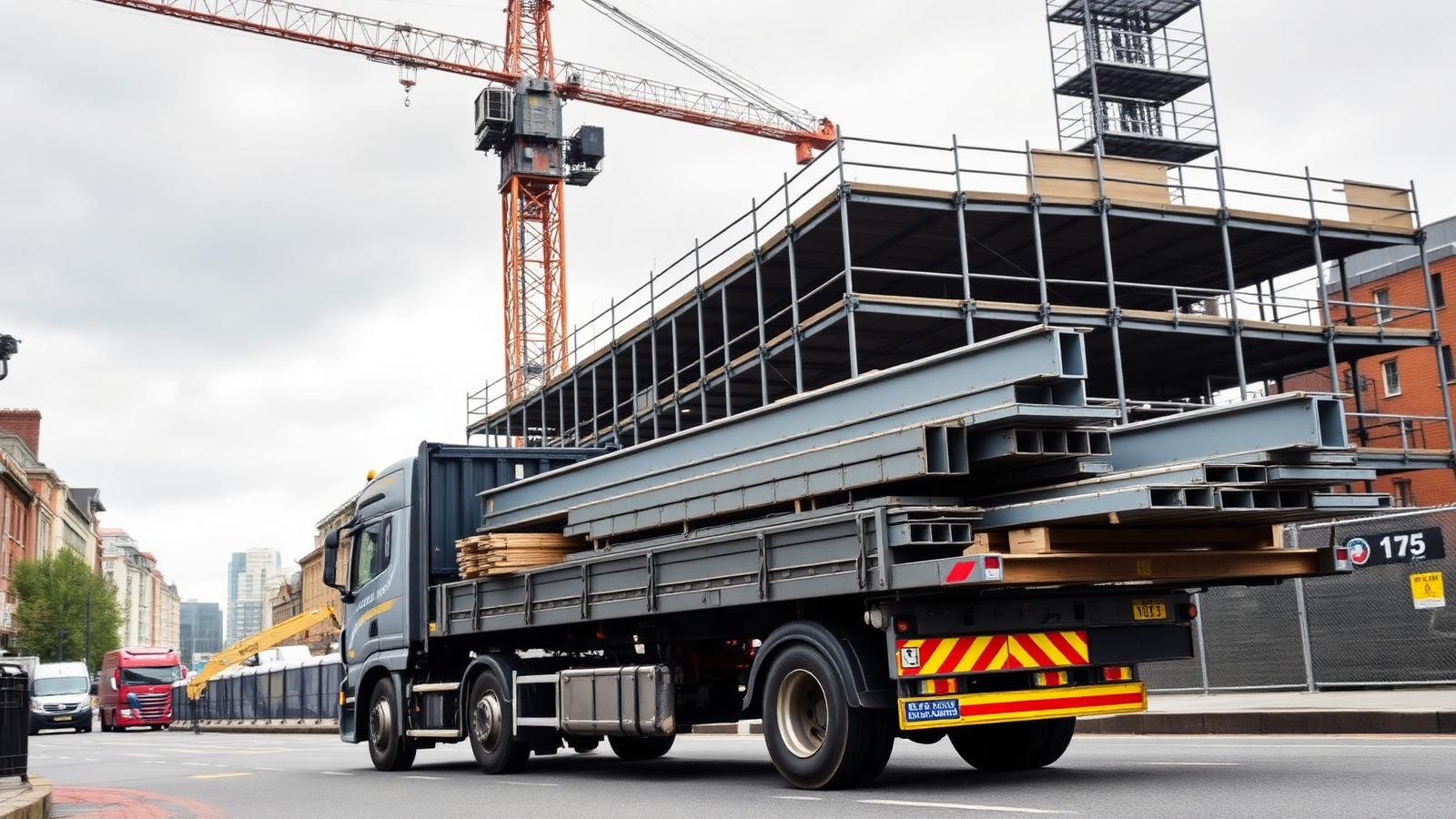
- Straps, bars, chocks and headboards used to stop freight moving in transit. Responsibility is shared between the loading party and the driver, and enforcement action can be taken against both.
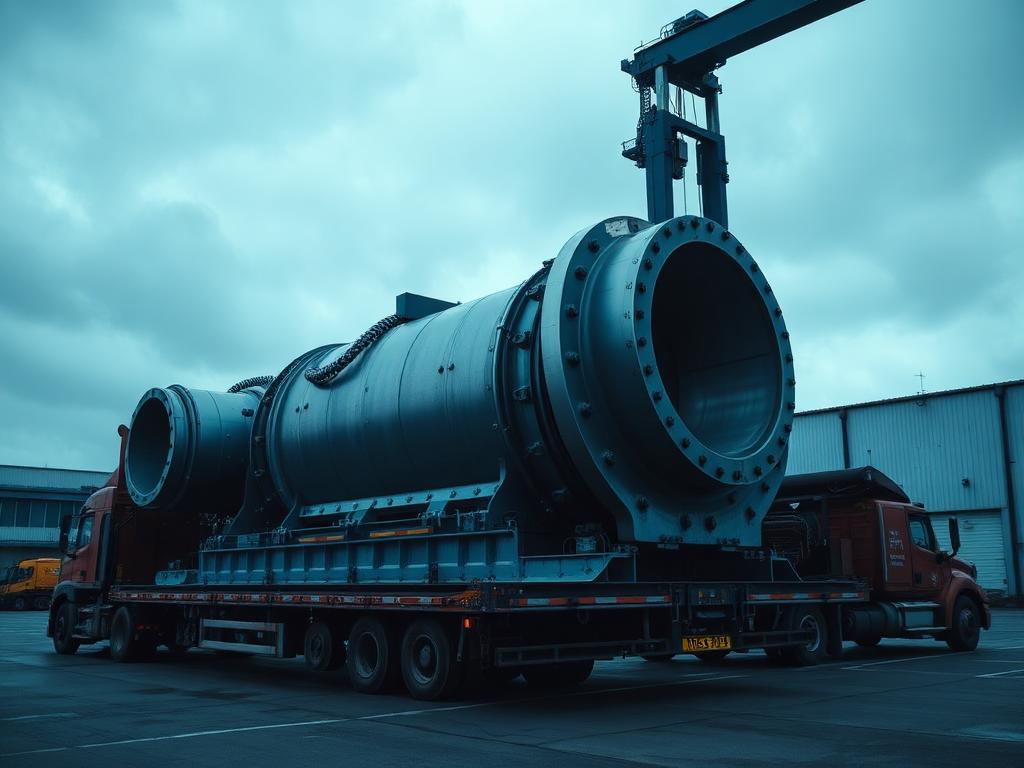
- Out of gauge / abnormal load
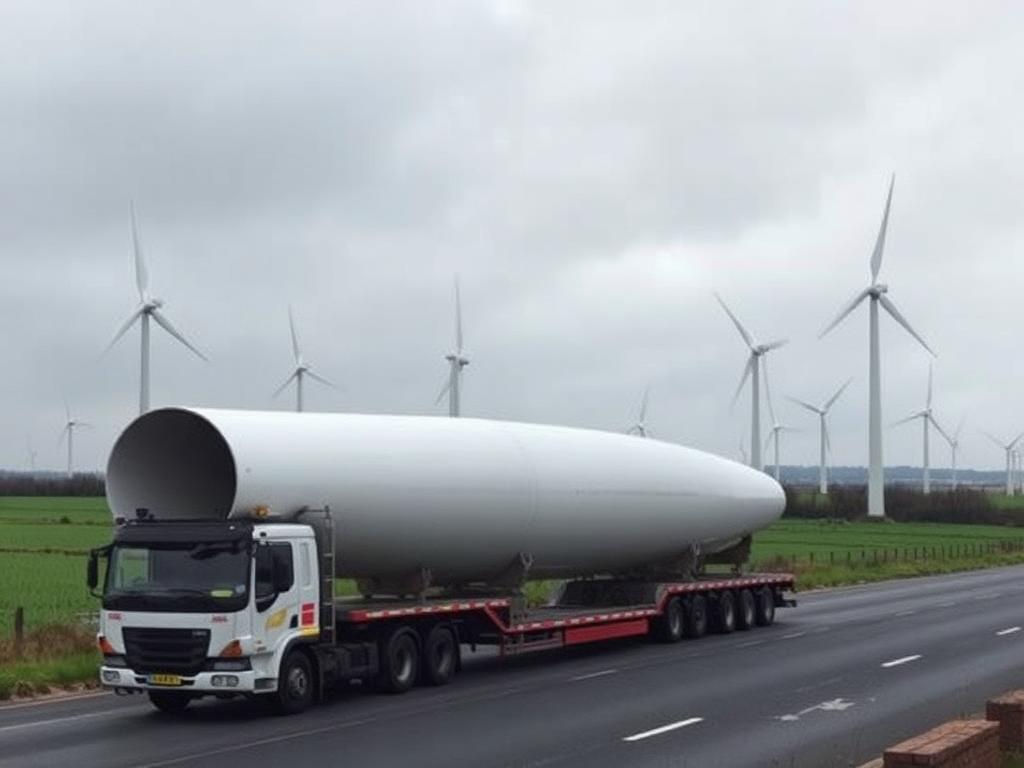
- A consignment exceeding standard legal dimensions or weight, requiring route surveys, notifications to police and highway authorities, and sometimes escorts.Oversized loads
Compliance and liability terms
The regulatory and insurance framework that governs who is responsible for freight while it is on the road.
- O-licence
- The operator's licence required to run goods vehicles over 3.5 tonnes for hire or reward. It sets out authorised vehicle numbers, an operating centre and a nominated transport manager.
- RHA conditions of carriage
- The Road Haulage Association standard trading conditions used across UK domestic haulage. Liability is limited by weight, currently £1,300 per tonne, unless higher cover is agreed in advance.
- CMR convention
- The international convention governing road carriage between countries. Liability is limited per kilogram of gross weight and a CMR note accompanies the consignment as the contract of carriage.European transport
- Goods in transit insurance
- Cover held by the carrier for loss or damage to freight while it is being moved. Cover limits vary by carrier, so high-value consignments should be declared before booking.
- Drivers' hours and tachograph
- Rules capping daily driving at nine hours, extendable to ten twice a week, with a 45-minute break after four and a half hours. They set what is realistically achievable in a single day.
- FORS
- The Fleet Operator Recognition Scheme, an accreditation covering safety, efficiency and environmental standards. Many construction and public-sector sites require it for access.Standards and assurance
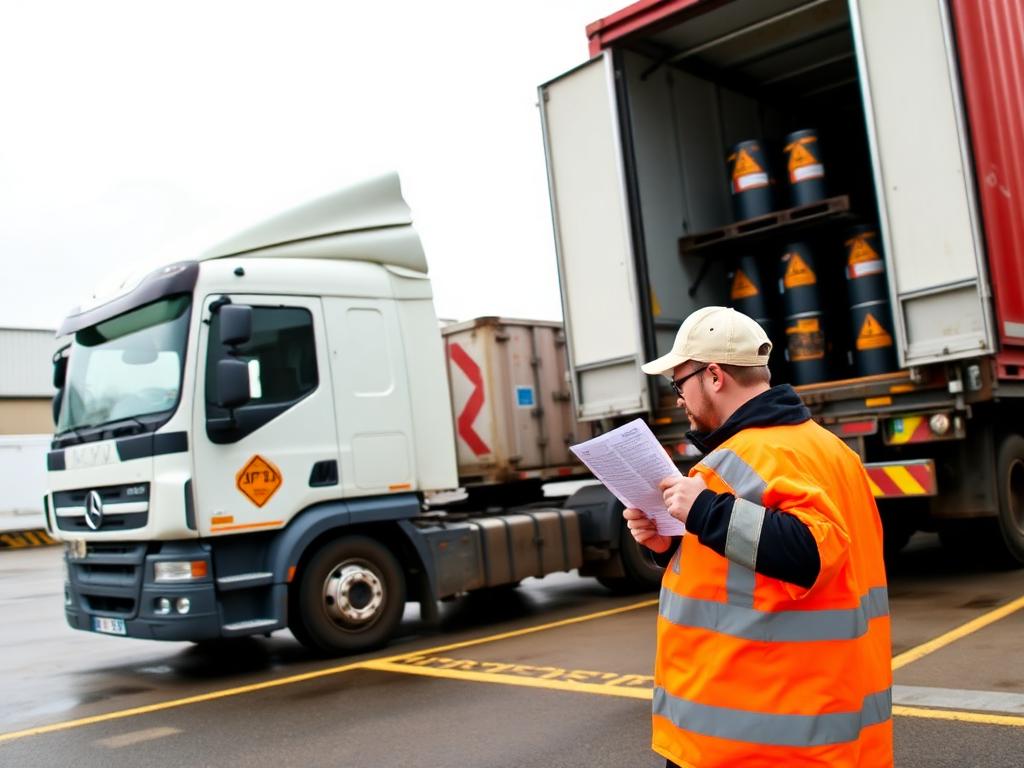
- ADR
- The European agreement covering carriage of dangerous goods by road, including driver training, vehicle marking and documentation requirements.Chemicals and hazardous goods
International and customs terms
What you need to understand when freight crosses a border.
- Incoterms
- Standard three-letter trade terms such as EXW, DAP and DDP that define where responsibility, cost and risk pass between seller and buyer. They determine who arranges and pays for transport and duty.
- EORI number
- The identifier required by businesses moving goods into or out of Great Britain. Without a valid EORI, customs declarations cannot be filed and freight will not move.
- T1 transit document
- A customs document allowing non-union goods to move through EU territory with duty suspended until they reach their destination office.
- Commodity code
- The tariff classification of goods, which determines duty rates and any licensing requirements. An incorrect code is one of the most common causes of border delay.
- GVMS
- The Goods Vehicle Movement Service, which links customs declarations to a single reference the driver presents at the port. Movements cannot board without it.
- Customs clearance
- The process of submitting declarations, paying duty and VAT where due, and obtaining permission for goods to move. It should be arranged before the vehicle reaches the port, not at it.
Operational and network terms
Terms that describe how a transport operation is planned and run day to day.
- Trunking
- Scheduled line-haul movements between two fixed points, often overnight, feeding depots or production sites on a repeating pattern.
- Dedicated transport
- A vehicle and driver assigned to one customer for an agreed period, working to that customer's schedule rather than a shared network's.Dedicated transport
- Milk run
- A single planned route making multiple collections or deliveries in sequence, used to consolidate small volumes efficiently.
- POD
- Proof of delivery: the signed or electronic record confirming that goods were received, including any damage or shortage noted at the point of delivery.
- Booking-in reference
- A slot reference issued by a receiving distribution centre. Arriving without one usually means the vehicle is turned away and a re-delivery is charged.
- Approved carrier network
- The vetted pool of haulage operators used to fulfil work, each checked for operator licence, insurance and compliance history before being given a load.How we work
Still not sure what you need?
Send us the postcodes, pallet count, dimensions and weight and we will recommend the right option with a firm price the same working day.