














Load types
Pallet Freight and Pallet Delivery Explained
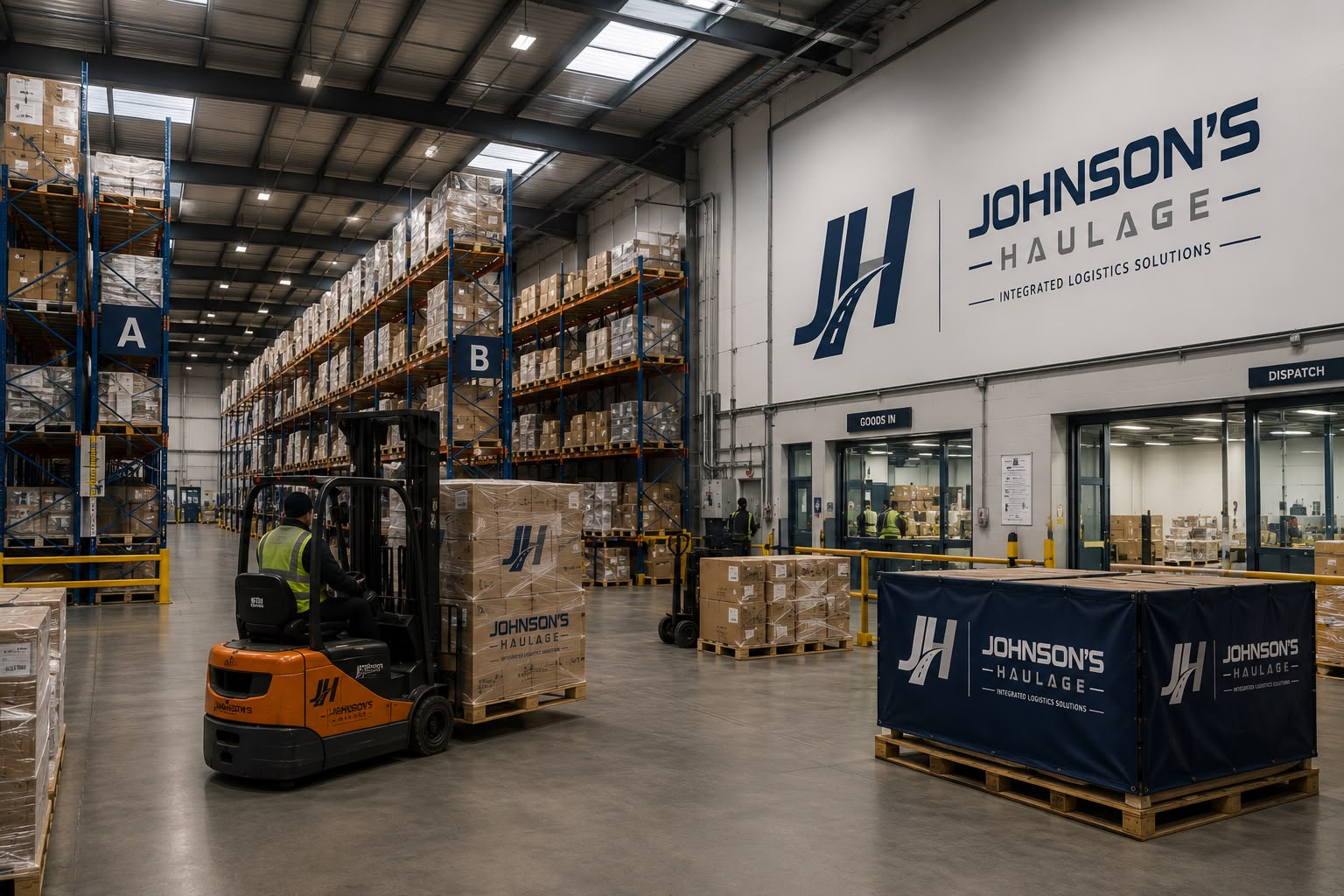
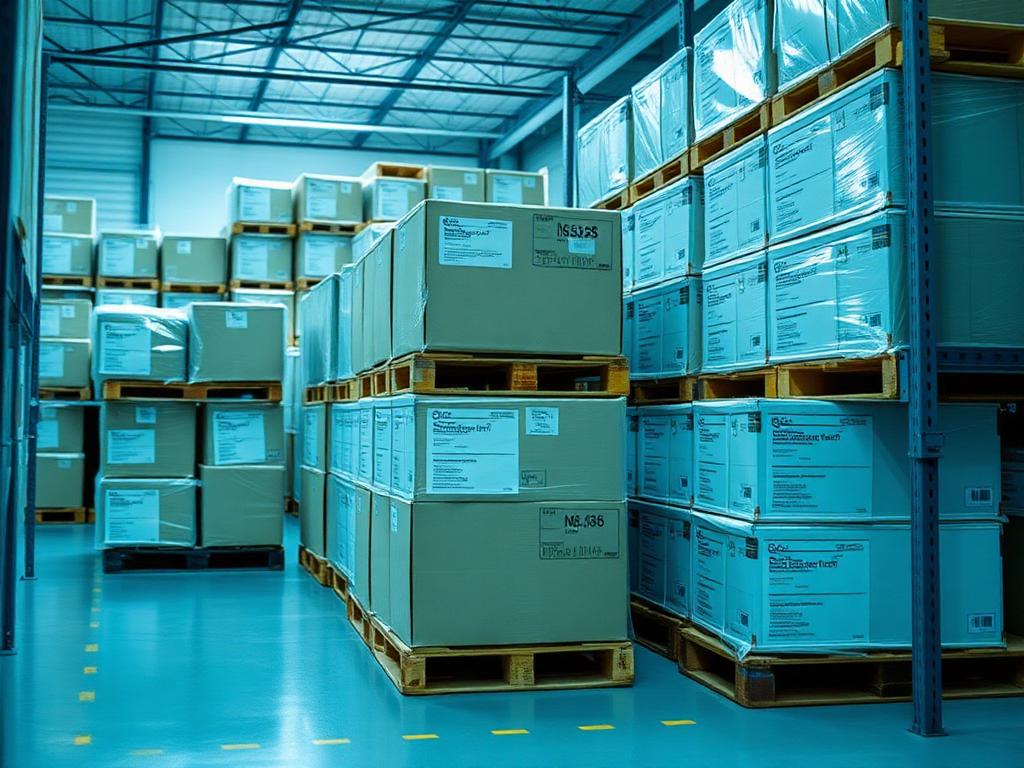
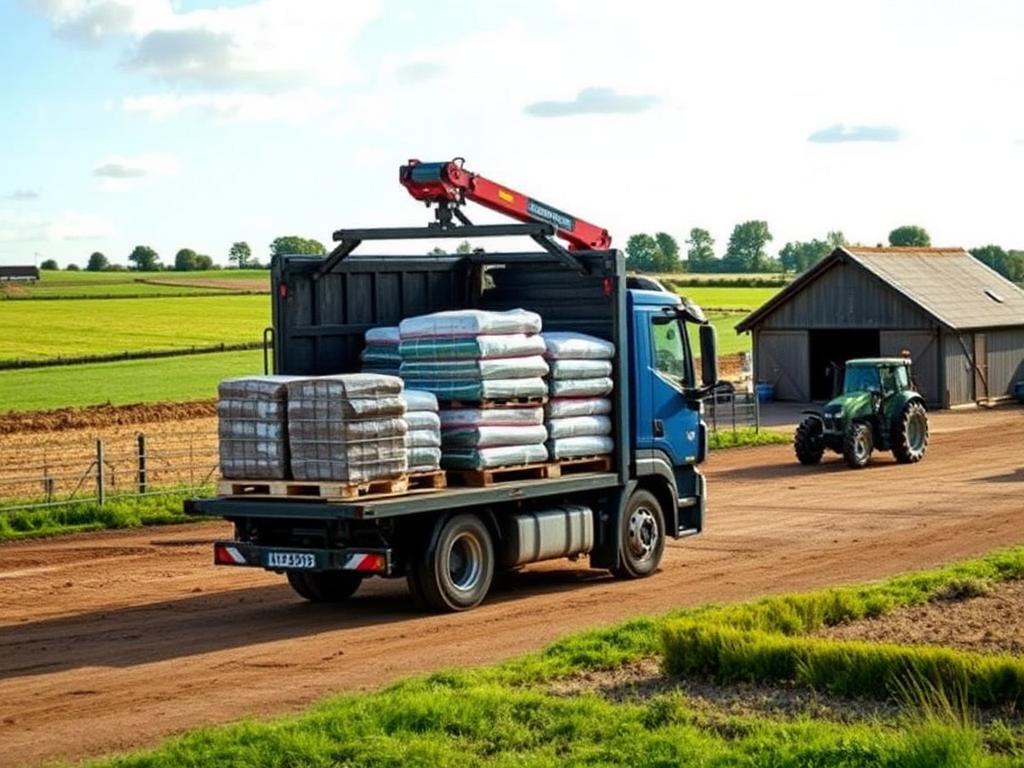
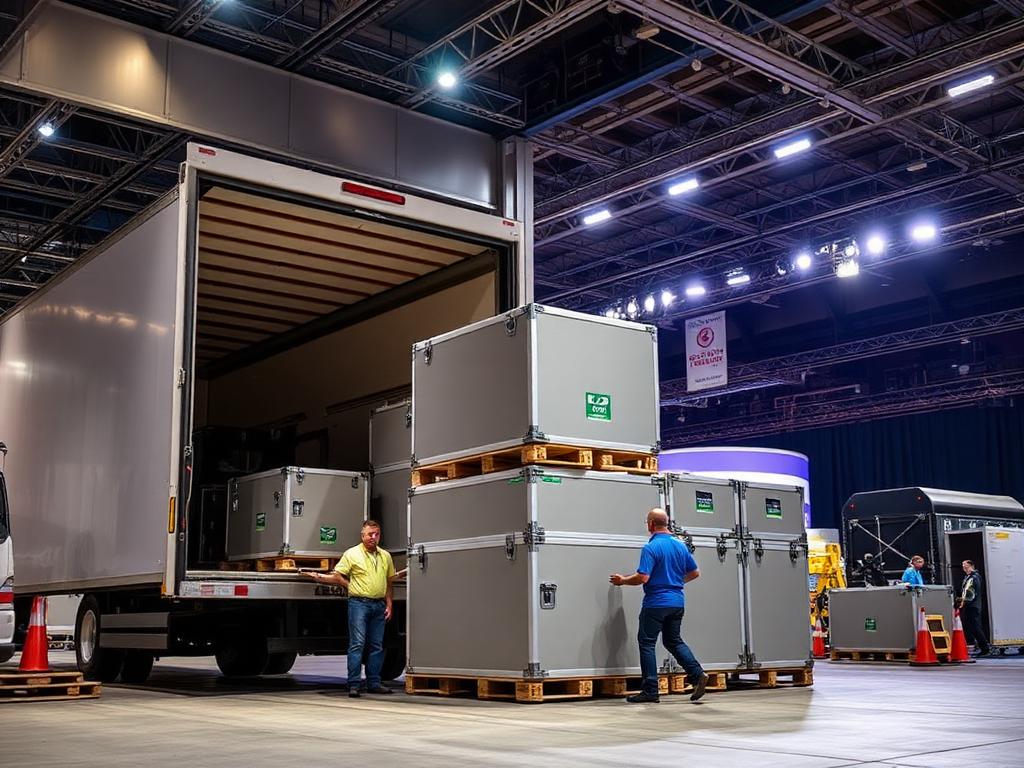
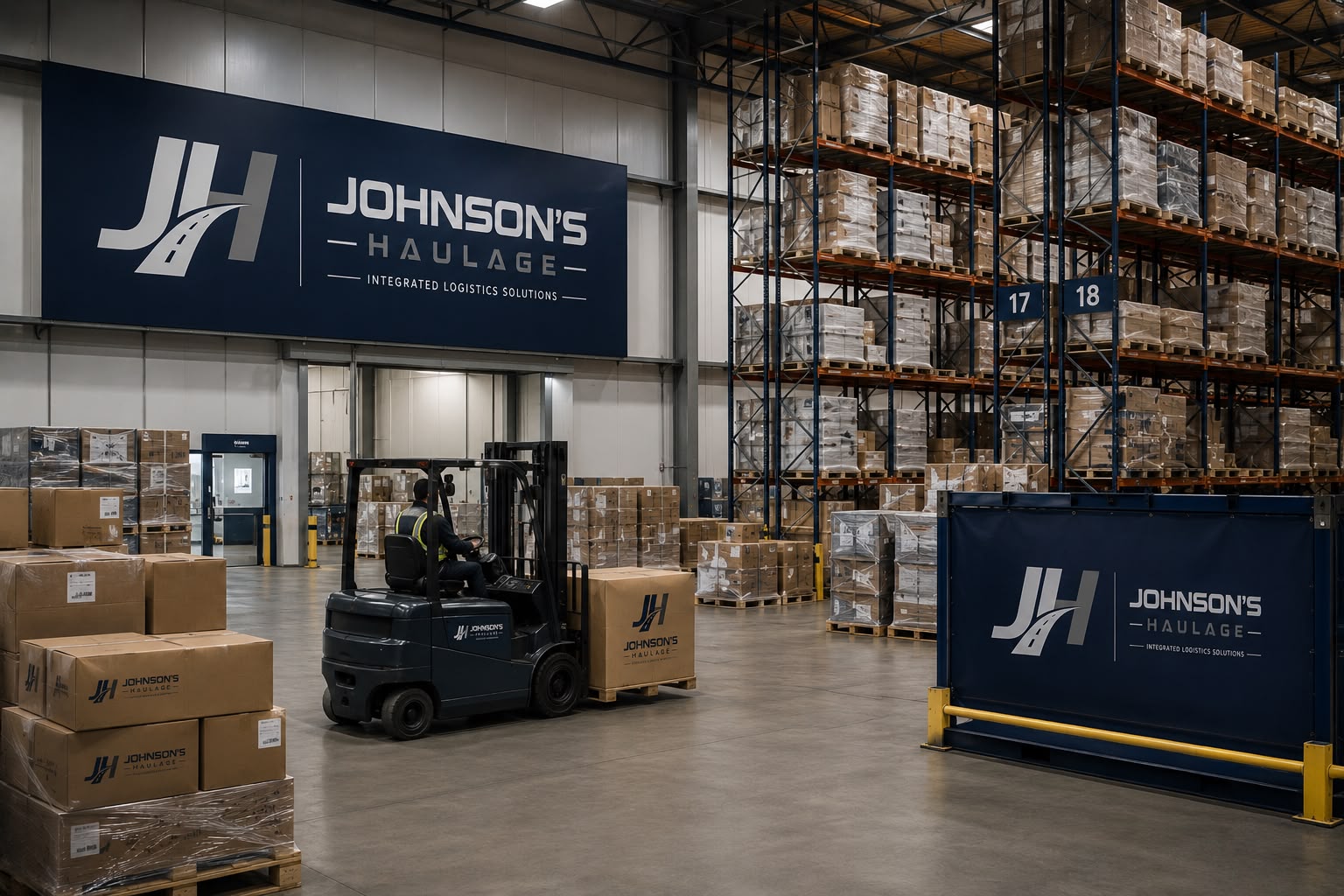
Pallet freight is the most common way to move one to six palletised consignments around the UK. Goods are collected locally, consolidated at a hub overnight and delivered by the carrier covering the destination postcode.
Best suited to
When this option is the right one
- One to six palletised consignments
- Regular distribution to trade or retail customers
- Stackable, shrink-wrapped goods on standard UK pallets
- Next-day, economy or timed delivery requirements
- Nationwide coverage including Scotland and Northern Ireland
Pricing
What the price depends on
- Pallet size — quarter, half, light or full pallet
- Weight per pallet and whether it can be stacked
- Destination postcode zone
- Service level: economy, next day, AM or timed
- Tail-lift, residential or restricted access requirements
Pallet sizes and how they are charged
Networks price by footprint and height rather than weight alone. A quarter pallet is roughly 1.2m by 1.0m up to around 0.6m high, a half pallet up to around 1.0m and a full pallet up to around 2.2m. Loading beyond the declared height moves the consignment into the next band, so measure the finished, wrapped pallet before booking.
Preparing pallets so they arrive intact
Use a sound pallet in good condition, keep the load within the pallet footprint, distribute weight evenly, and shrink-wrap down to the deck so the goods and pallet move as one unit. Label every pallet with the delivery address and a contact number, and note any fragile or this-way-up requirements clearly on the top face.
Service levels and delivery windows
Economy typically runs on a two to three working day transit, next day delivers the following working day, and AM or timed options guarantee a narrower window at a premium. Highlands, islands, Northern Ireland and offshore postcodes carry extended transit times, which we confirm at the quotation stage rather than after collection.
Related services
Services that cover this load type
Common questions
Frequently asked questions
How heavy can one pallet be?
Most networks accept up to 1,000kg on a full pallet, with lighter limits on quarter and half pallets. Heavier single pallets can still travel, usually on a dedicated or part-load vehicle instead.
Do I need a forklift at each end?
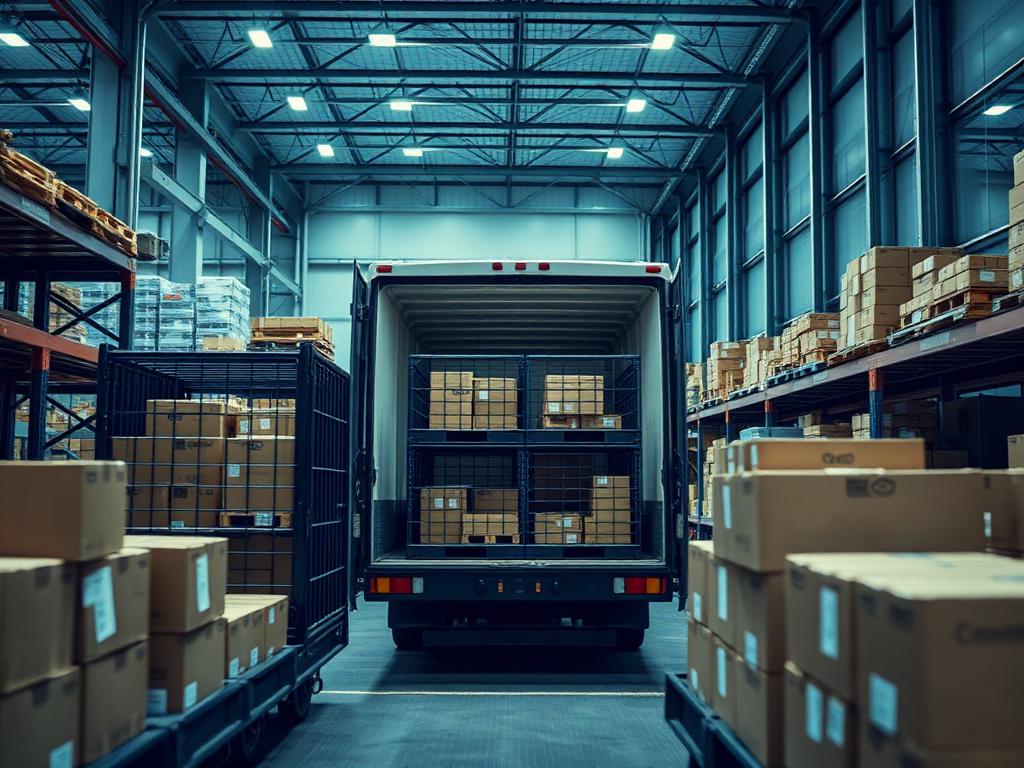
Not necessarily. Where there is no forklift or loading dock we arrange a tail-lift vehicle and a pump truck, which needs firm level ground at the kerbside to work safely.
Can pallets be delivered to a residential address?
Yes, with a tail-lift vehicle and kerbside delivery. Tell us at booking so the right vehicle is sent — a standard artic often cannot access residential streets.
What if my goods are not on a pallet?
Loose cartons, drums and awkward items can often be palletised before collection. If that is not practical we quote a van or a part-load vehicle instead.
How do I track a pallet?
Consignment progress updates and signed proof of delivery are provided by your coordinator. A self-serve Customer Portal is available to approved Johnson's Haulage customers, with more features released progressively.
Are pallets insured while in the network?
Standard cover is weight-based under RHA conditions. Tell us the consignment value up front and we can arrange higher all-risks cover where the goods warrant it.
Not sure which option fits?
Send the postcodes, pallet count, dimensions and weight and our Stockport planning team will price the sensible options side by side.