













Defining the Logistics Link in Your Supply Chain
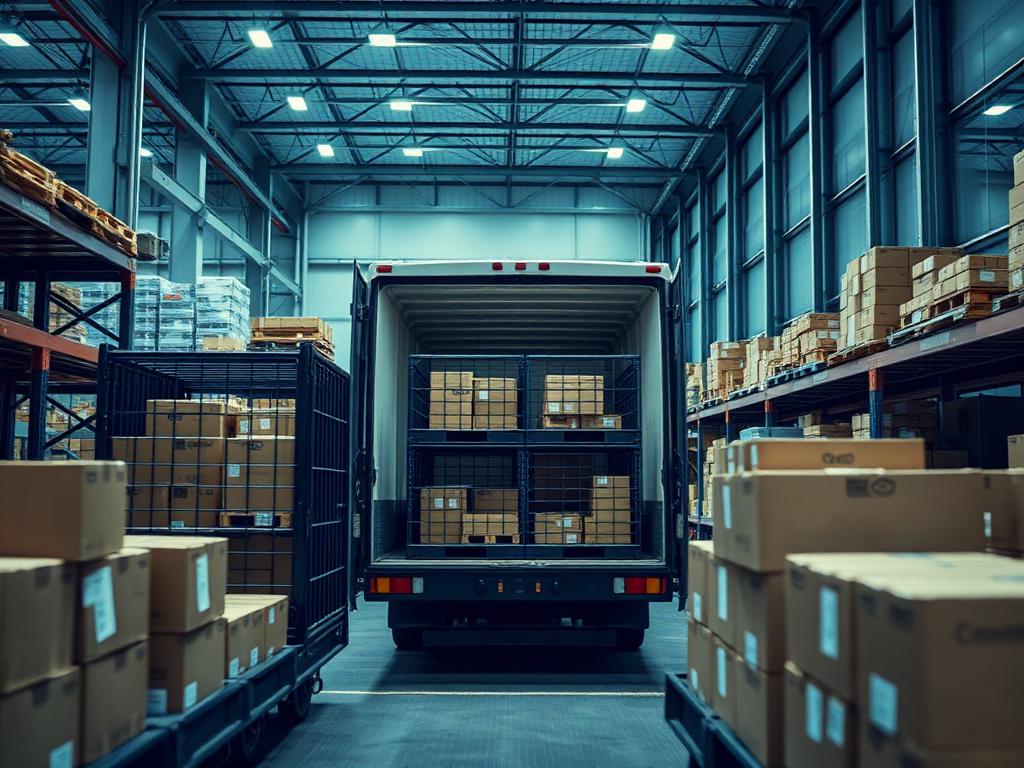
Moving goods from a factory floor to a customer door involves more than just a truck and a driver. For many UK businesses, the logistical requirements of international trade or nationwide distribution create a significant administrative burden. This is where a freight forwarder acts as a critical intermediary, managing the movement of goods on behalf of the importer or exporter.
A freight forwarder is not typically the carrier that moves the cargo. Instead, they act as an expert agent, coordinating the entire transport chain by sourcing capacity from various transport providers. By leveraging a network of road, sea, and air carriers, a forwarder ensures that goods reach their destination through the most efficient and cost-effective route possible.
Understanding how a freight forwarding company operates allows businesses to focus on their core production or sales activities while leaving the complexities of carrier negotiations, document preparation, and customs coordination to specialists. In an environment where regulations change frequently, this expertise is often the difference between a successful delivery and a costly delay.
The Difference Between a Freight Forwarder and a Haulage Company
The terms freight forwarder and haulage company are often used interchangeably, but they represent different functions within the logistics industry. A haulage company, or carrier, is a firm that owns and operates the physical assets used for transport, such as lorries and trailers. Their primary focus is the execution of a specific road movement.
In contrast, a freight forwarder manages the overarching strategy of the shipment. While a haulier moves the goods from point A to point B, a forwarder might arrange for a collection by a local courier, sea freight across the ocean, and final delivery by a separate road carrier at the destination. The forwarder holds the contract with the client and takes responsibility for the coordination, though they do not necessarily own the vehicles involved.
| Feature | Freight Forwarder | Haulage Company |
|---|---|---|
| Asset Ownership | Usually manages third-party assets | Owns and operates vehicles/trailers |
| Service Scope | Multimodal (Road, Air, Sea, Rail) | Primarily Road Freight |
| Documentation | Manages Bills of Lading, Customs, Insurance | Focuses on PODs and Driver Logs |
| Network Capability | Global reach via carrier partnerships | Limited to where their fleet can travel |
Core Services Offered by Freight Forwarders
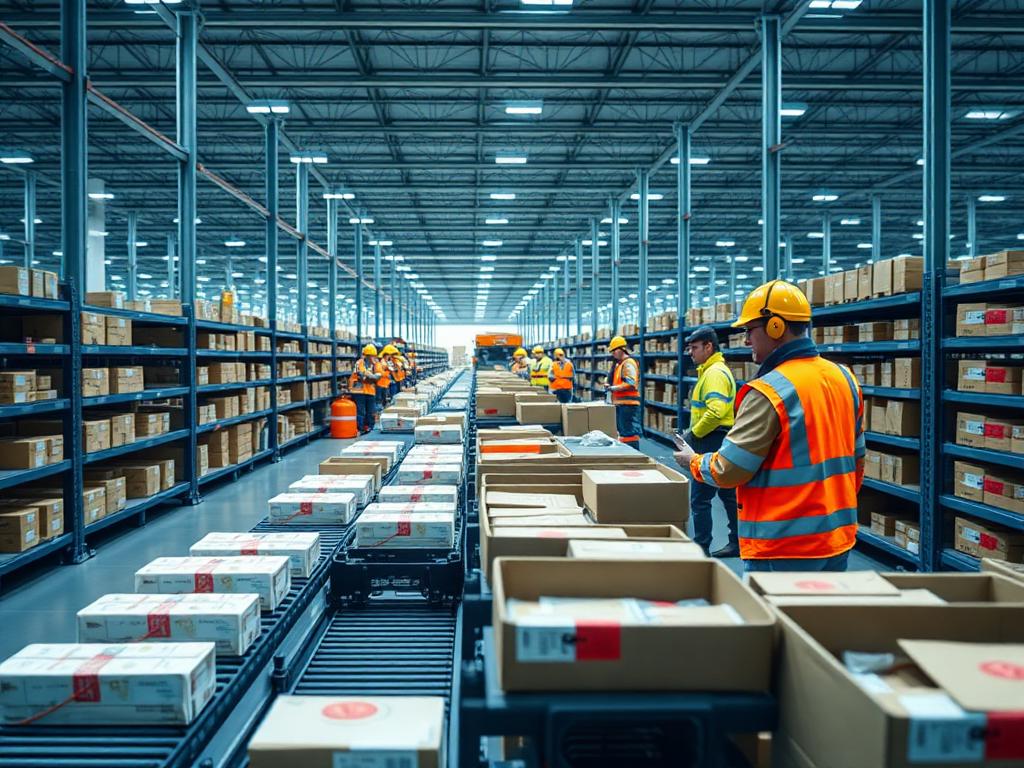
A comprehensive freight forwarding service covers every stage of the journey. This includes the initial consultation to determine the best mode of transport based on the cargo's urgency, value, and dimensions. Forwarders handle the booking of space with carriers, which can be difficult for individual businesses to secure during peak seasons.
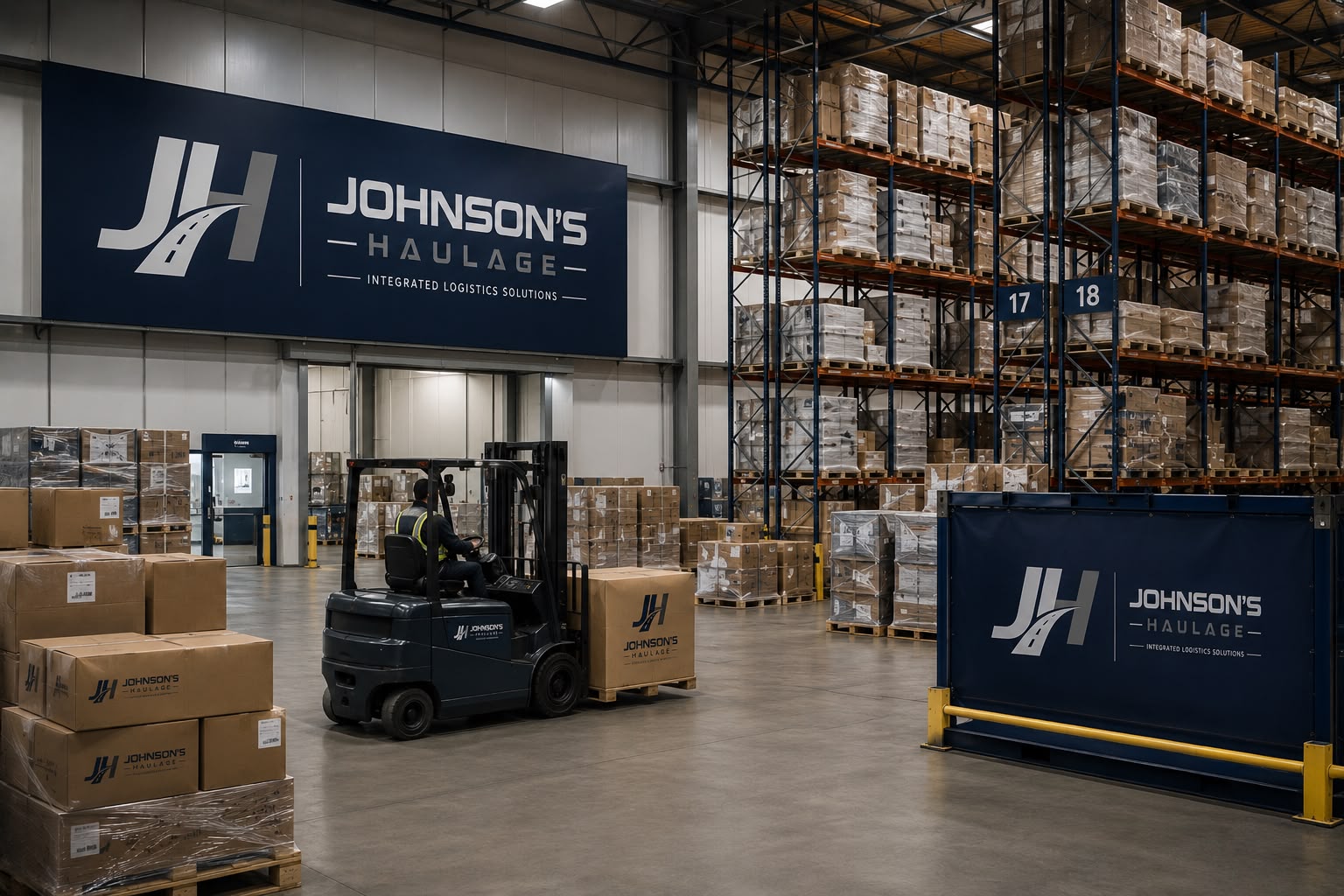
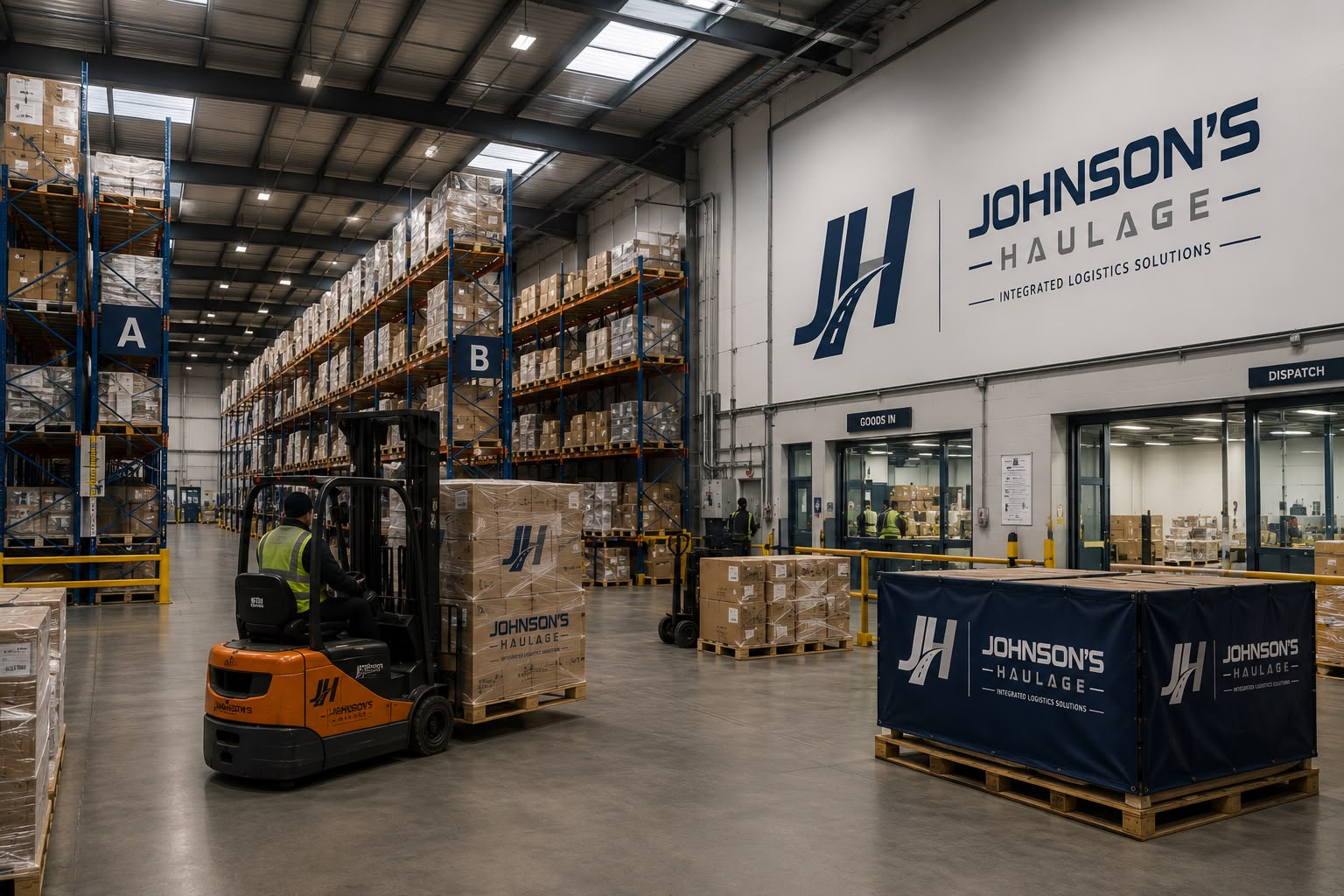
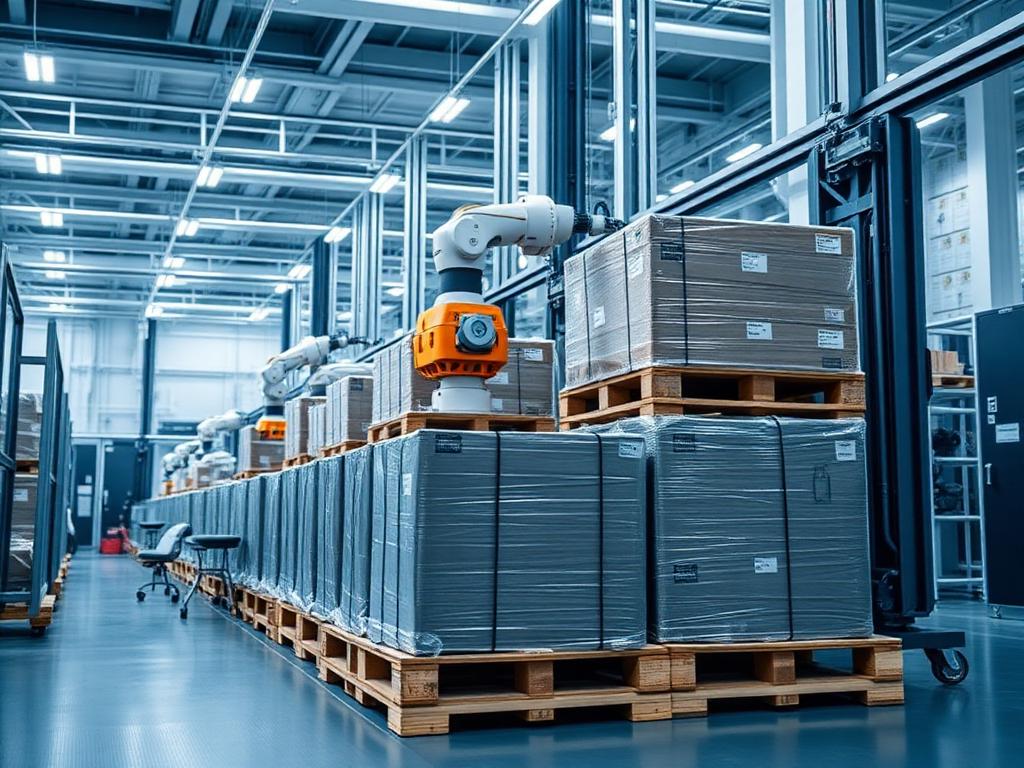
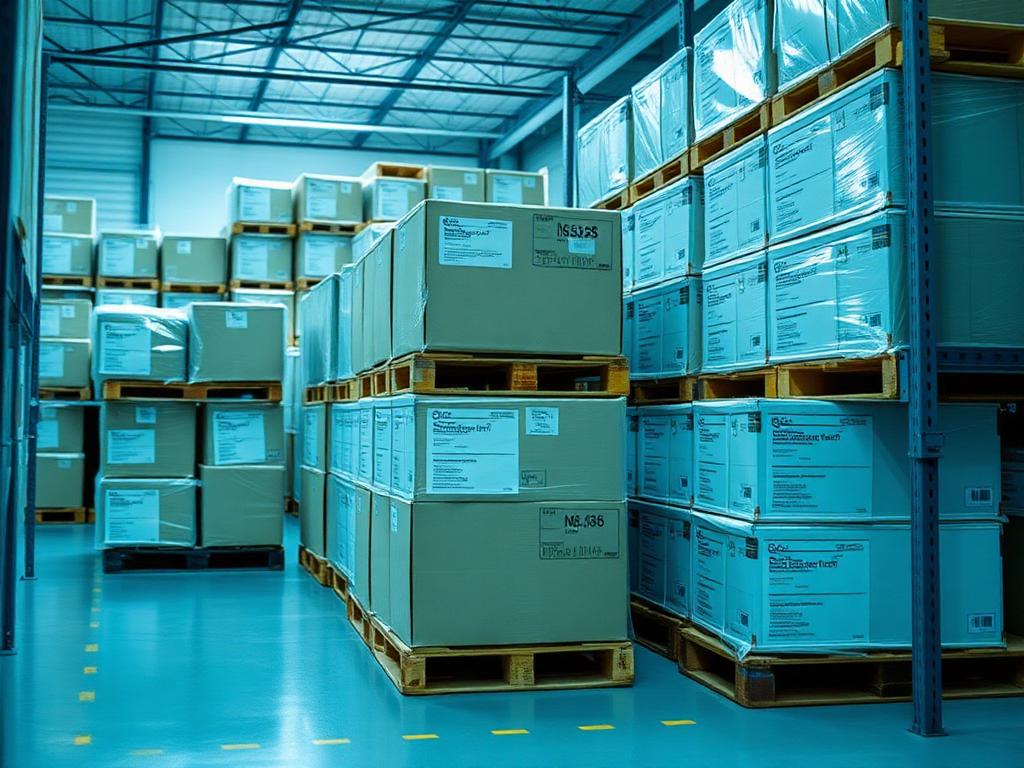
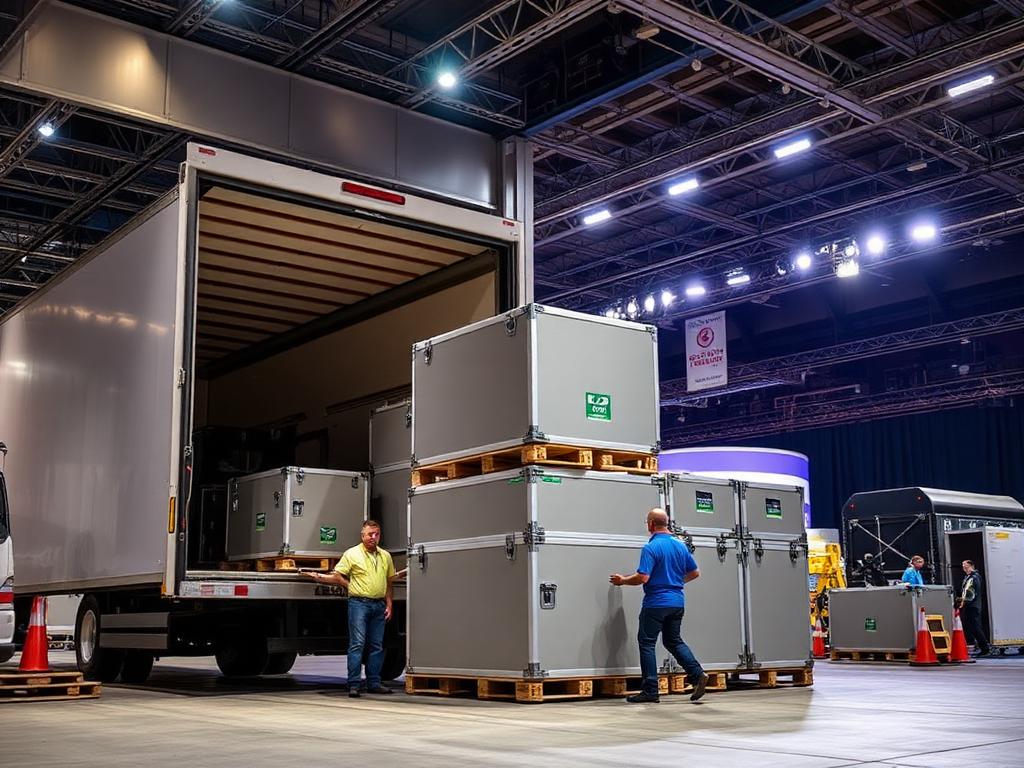
Beyond transport, forwarders provide essential value-added services. These include warehousing and storage solutions for goods awaiting distribution, and pallet distribution for smaller consignments that do not require a full vehicle. By consolidating shipments from multiple clients, forwarders can often secure better rates than a business could obtain by approaching a carrier directly.
Customs coordination is another vital function, particularly for UK businesses trading with the EU following the transition period. Forwarders assist with the preparation of commercial invoices and ensure that the correct commodity codes are used in accordance with HMRC guidelines. This reduces the risk of goods being held at ports due to incorrect paperwork.
The Johnson’s Haulage Approach to Transport Management
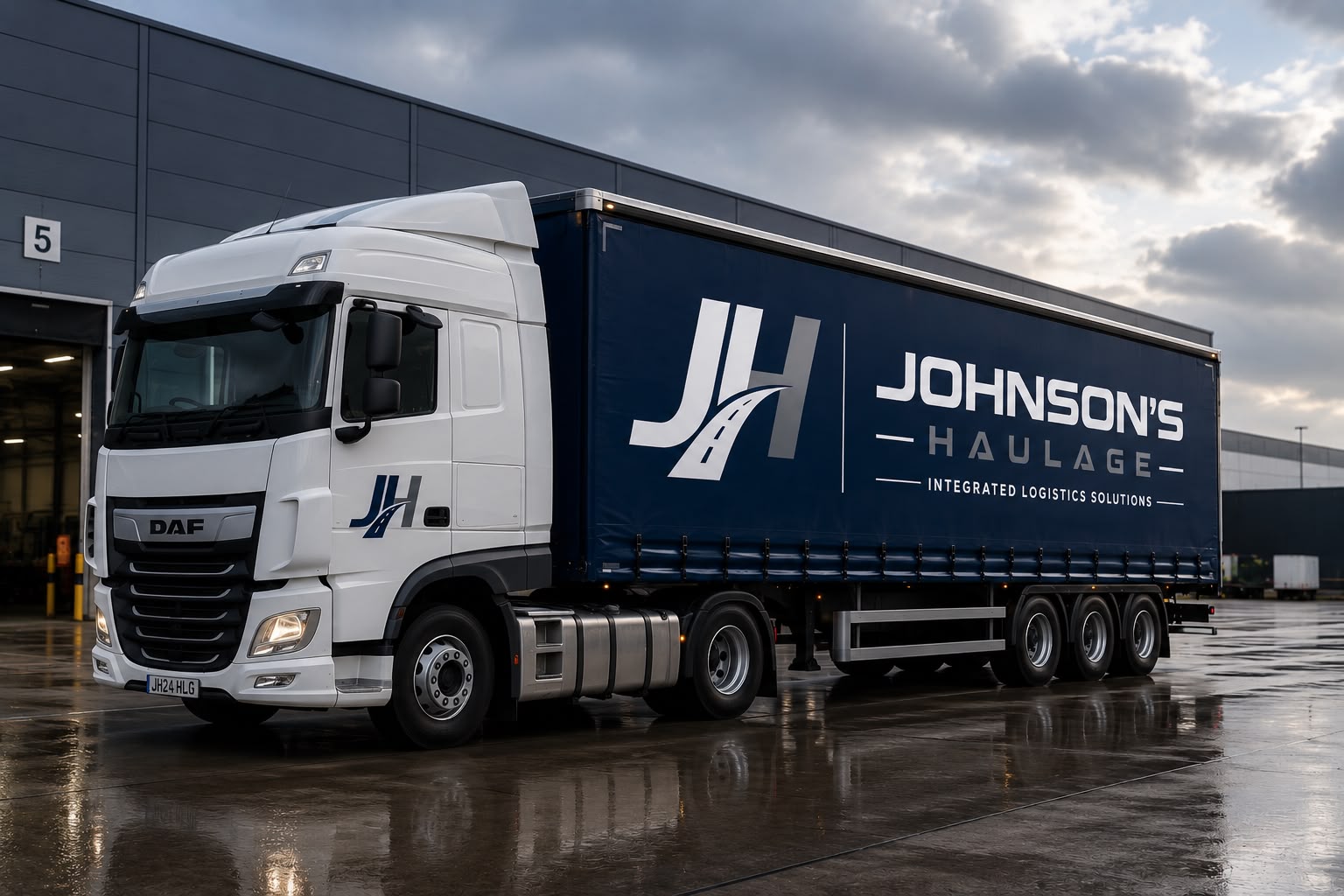
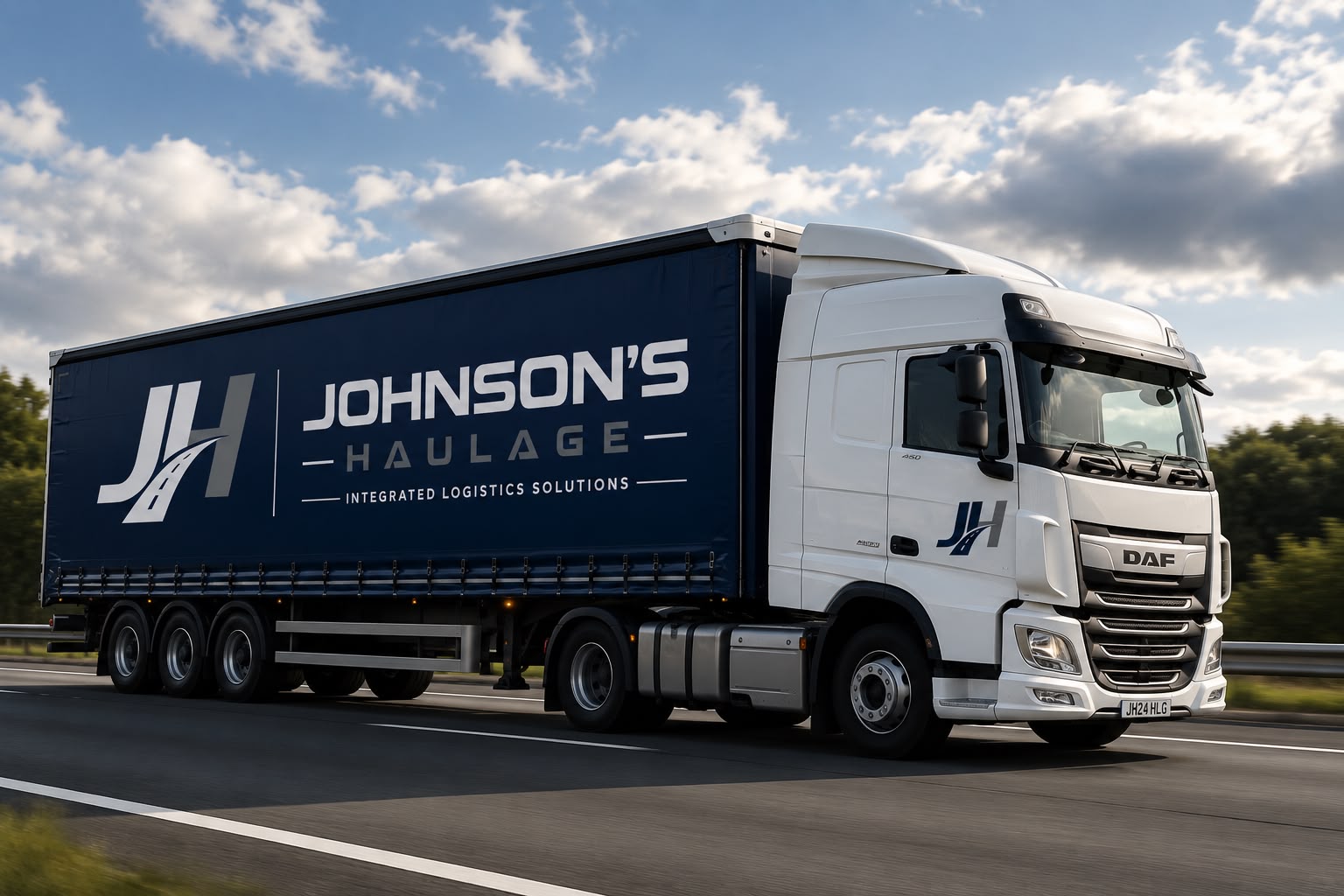
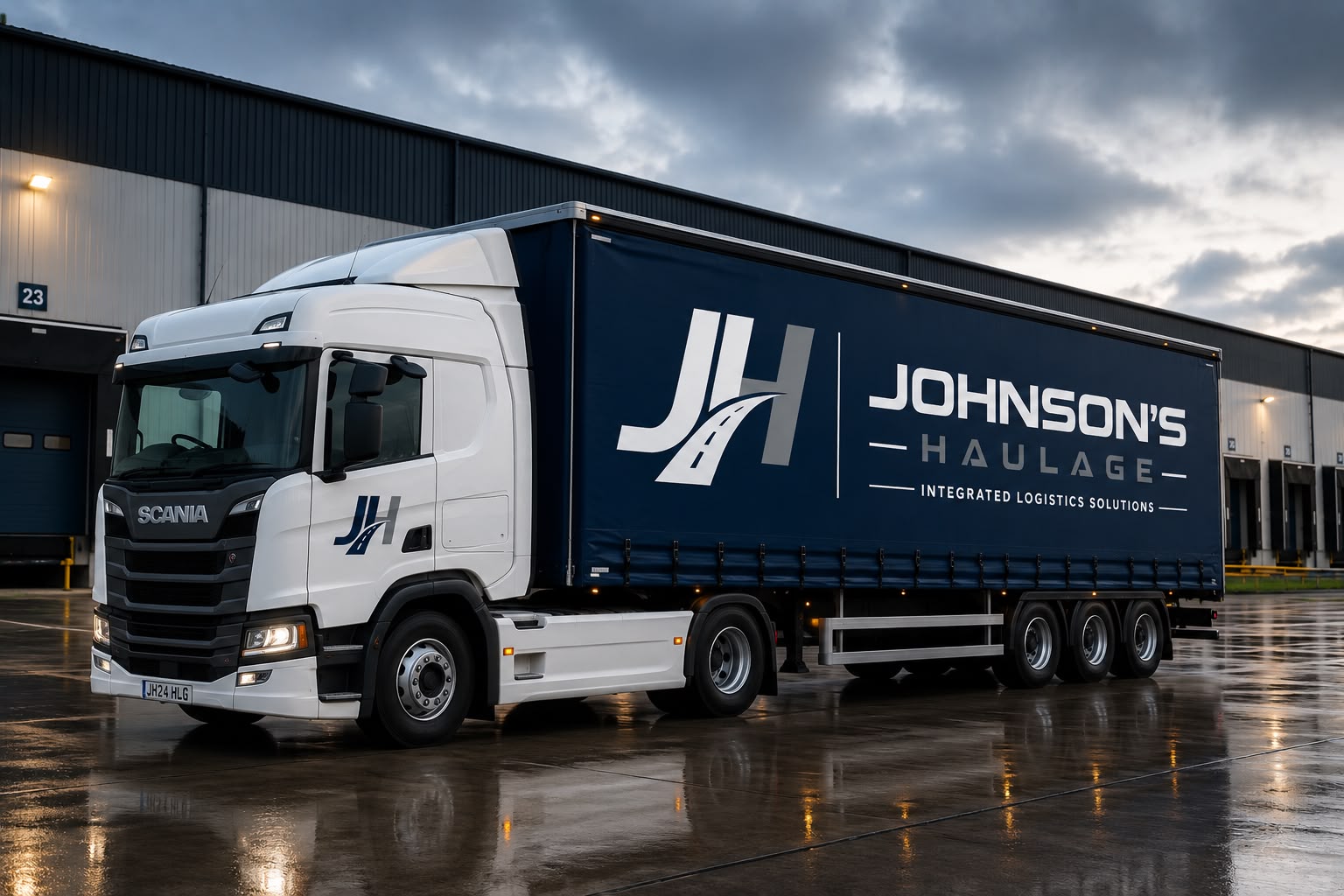
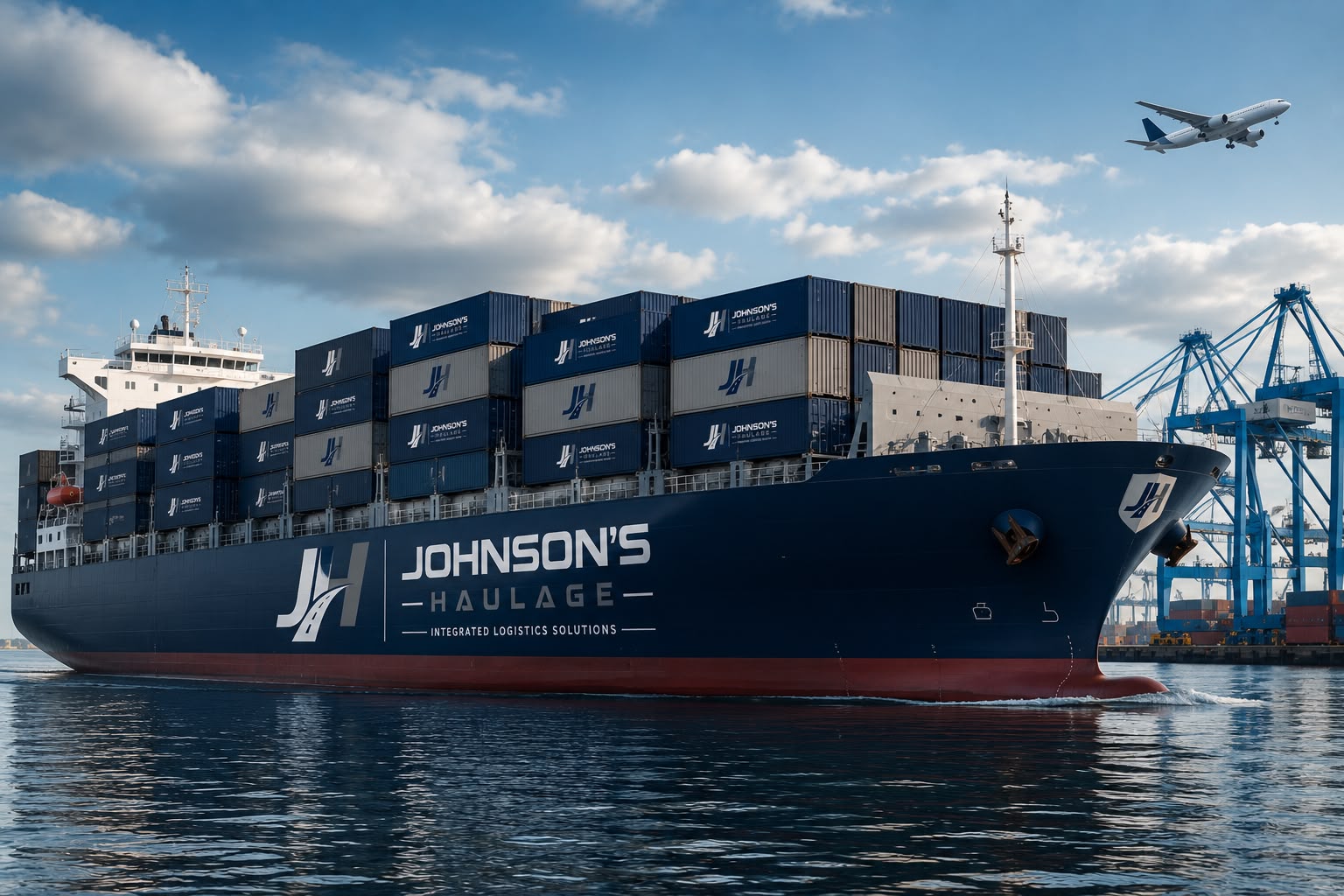
Based at Houldsworth Mill in Reddish, Stockport, Johnson’s Haulage functions as a dedicated transport manager and freight forwarder Manchester businesses rely on for regional and international reach. Rather than being limited by the capacity of a fixed fleet, the company sources and manages transport through an approved network of assessed carriers and partners.
This model allows for a high degree of flexibility across various service lines, including UK road freight, European road transport, and global air and sea freight. By operating as an asset-light logistics provider, the focus remains entirely on the client’s specific requirements, whether that involves same-day dedicated transport or long-term contract logistics. Logistics management is handled by a professional team in Stockport, with a Customer Portal available to approved Johnson's Haulage customers to further enhance the transparency of the supply chain.
Choosing Between Road, Air, and Sea Freight
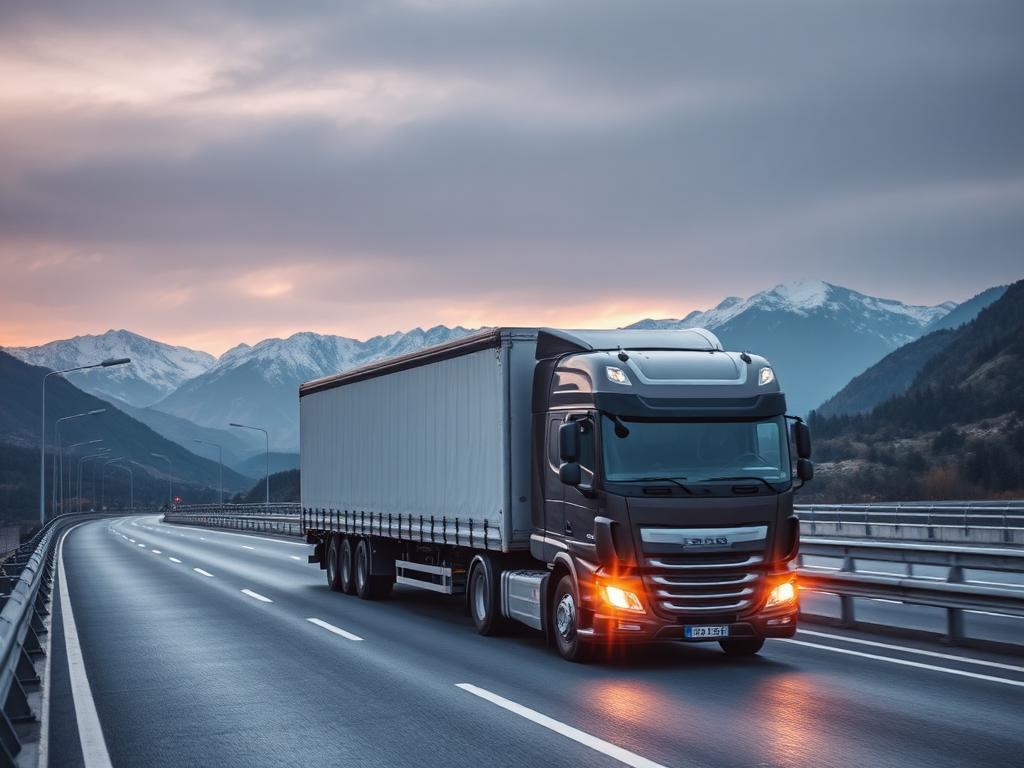
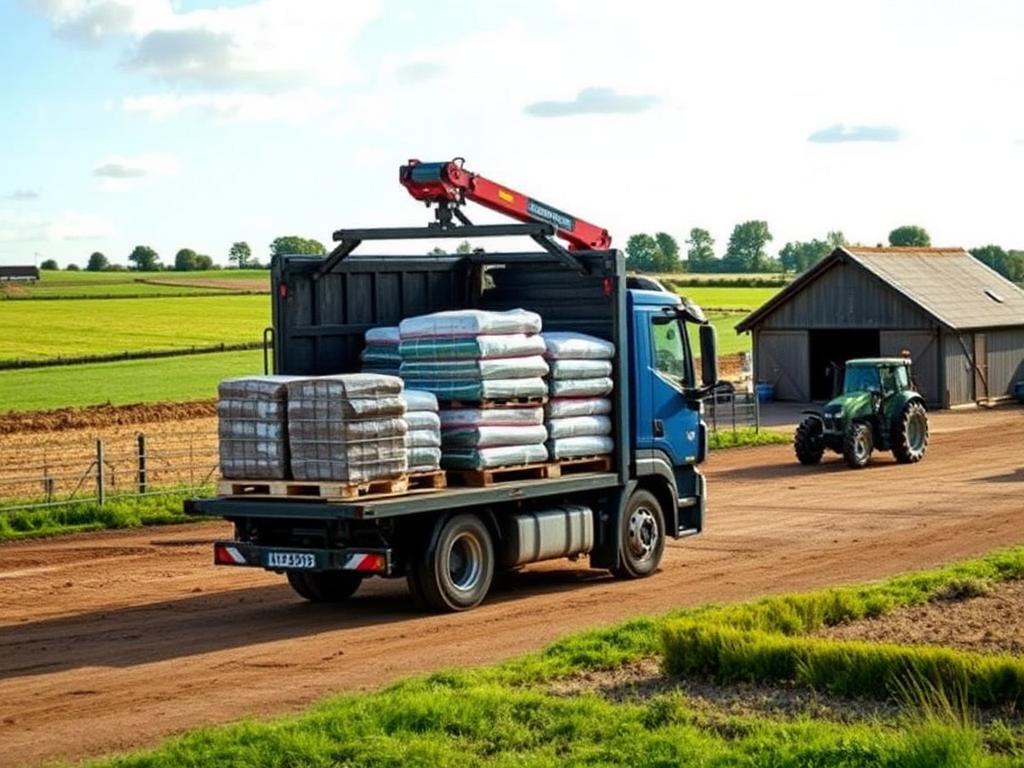
Selecting the right mode of transport is a balance of speed, cost, and the nature of the cargo. Road freight remains the backbone of UK and European trade, offering door-to-door reliability for everything from single pallets to full loads. It is generally the most flexible option for regional distribution.
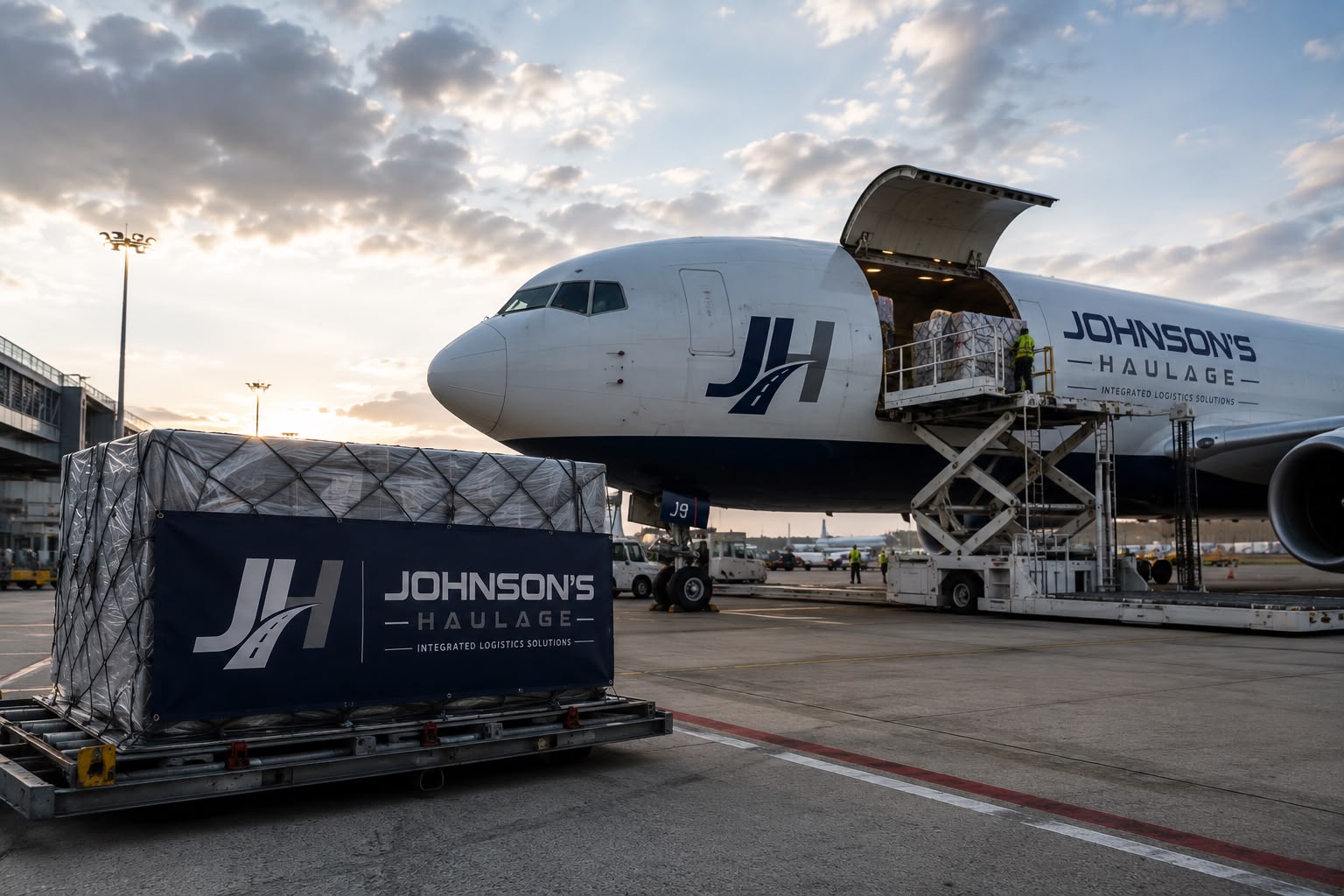
Air freight is the fastest method and is typically used for high-value or time-sensitive items. While the cost per kilogram is higher, the reduced transit time can significantly lower inventory holding costs. Forwarders manage the strict security requirements and airport handling procedures associated with air cargo.
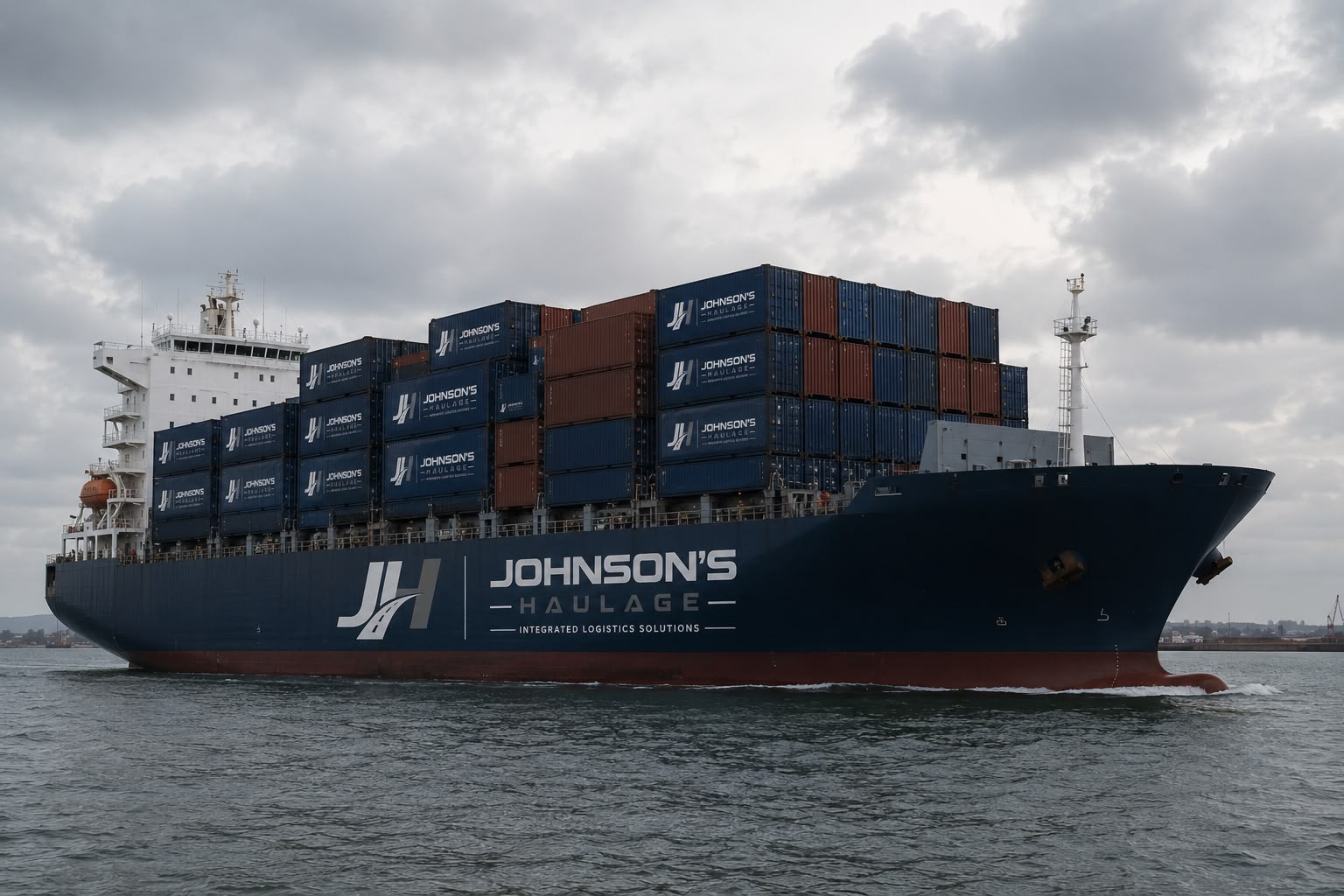
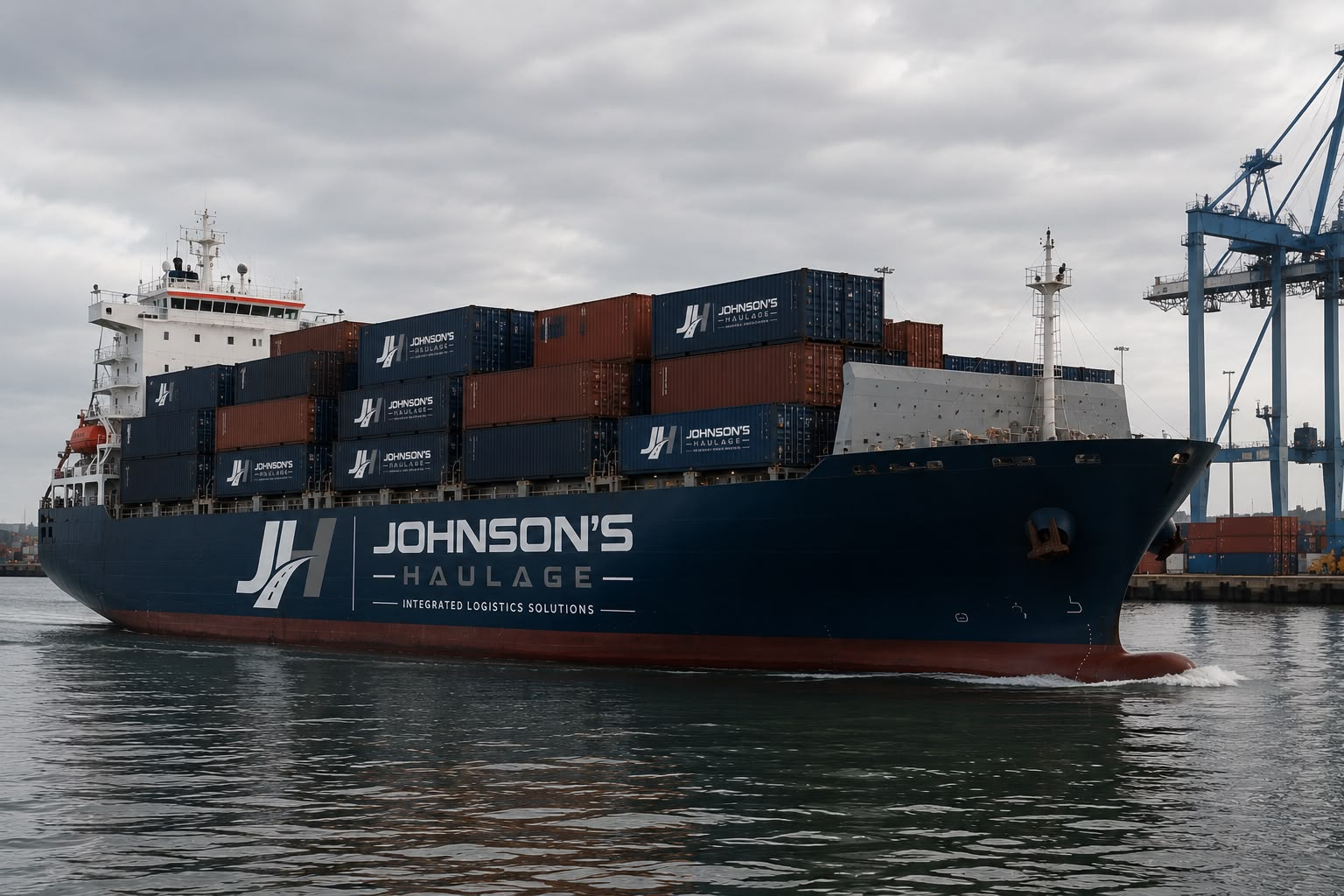
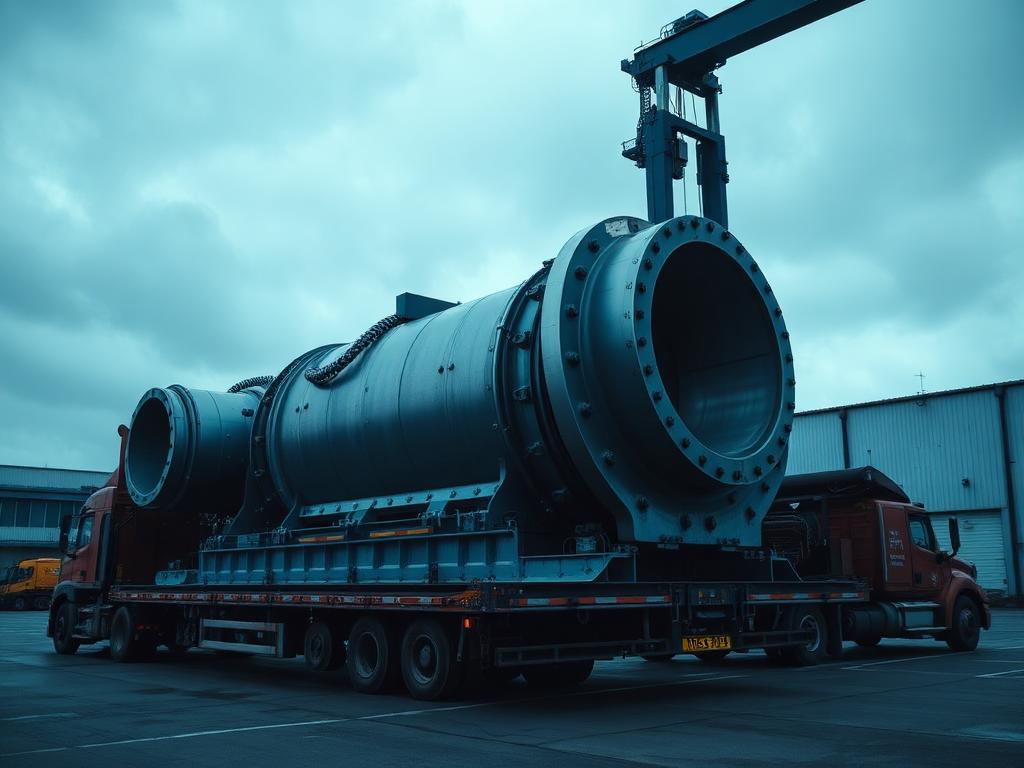
Sea freight is the most economical choice for large volumes of goods or heavy equipment being moved over long distances. Businesses can choose between Full Container Loads (FCL) or Less than Container Load (LCL) shipments. While sea freight has the longest transit times, it is often the only viable option for global supply chain management involving bulk commodities.
When Should a UK Business Hire a Forwarder?
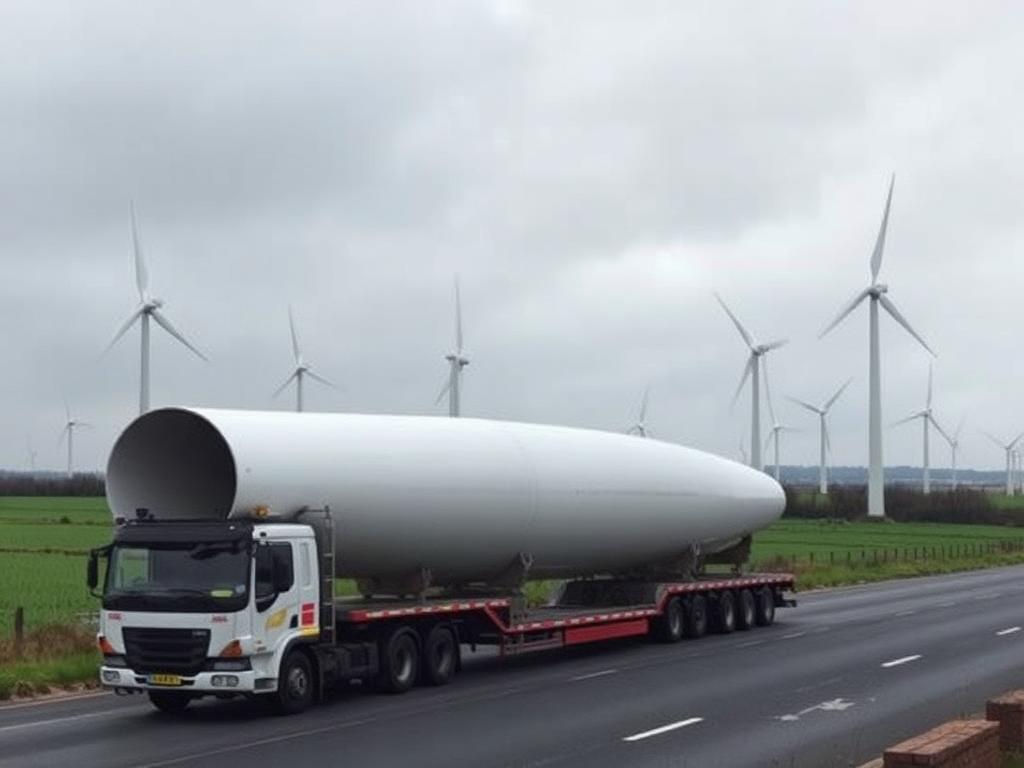
For small to medium enterprises, managing logistics in-house can quickly become overwhelming. If a business is expanding into international markets, the regulatory requirements of different jurisdictions make a forwarder’s expertise invaluable. Even for domestic movements, a forwarder can provide access to specialized equipment that a single haulage company might not have available.
Businesses dealing with seasonal fluctuations in demand also benefit from the scalability a forwarder provides. Instead of maintaining a fleet that sits idle during quiet periods, a forwarder allows the business to pay only for the capacity they use. Furthermore, if a shipment is urgent, a forwarder’s access to same-day and dedicated transport networks ensures that critical deadlines are met.
How Freight Forwarding Costs are Calculated
Freight forwarding charges are not one-size-fits-all. They are built from several components, including the carrier’s base rate, fuel surcharges, and handling fees. For road freight, the distance and the number of pallets usually dictate the price, while air and sea freight are often charged based on volumetric weight.
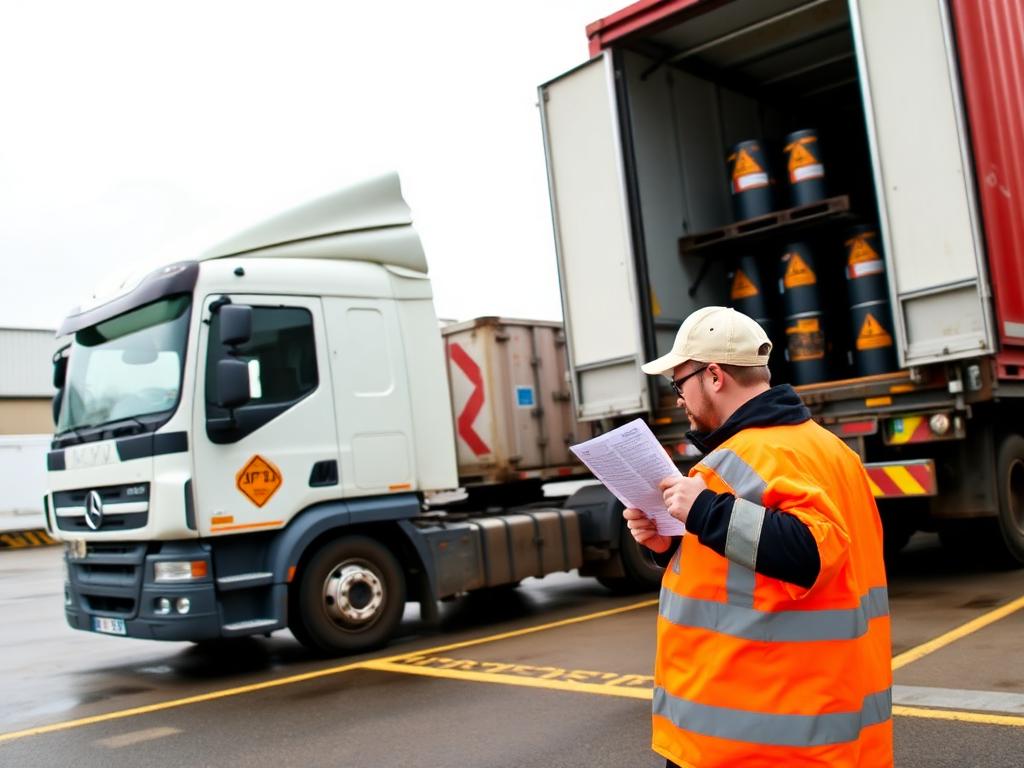
Volumetric weight is a calculation that factors in the space a shipment occupies rather than just its physical weight. This ensures that light but bulky items are charged fairly compared to small, heavy items. Forwarders also include fees for documentation, customs clearance, and any specialized handling required, such as tail-lift deliveries or hazardous goods requirements.
What to Provide When Requesting a Quote
To receive an accurate quote from a freight forwarder UK businesses should have specific information ready. Clear data prevents delays and ensures the quoted price is realistic. The following details are essential for any transport enquiry:
| Information Required | Why It Matters |
|---|---|
| Collection and Delivery Postcodes | Determines the distance and local access requirements. |
| Weight and Dimensions (LxWxH) | Required to calculate space and volumetric weight. |
| Description of Goods | Identifies if items are hazardous, fragile, or require special permits. |
| Stackability | Informs the forwarder if goods can be loaded on top of each other to save space. |
| Required Lead Time | Determines if the shipment needs express air freight or standard road transport. |
Securing Your Supply Chain Logistics
A freight forwarder acts as an extension of your business, providing the logistical infrastructure needed to operate at scale. By coordinating the various links in the supply chain, they remove the technical barriers to trade, allowing UK businesses to reach customers across the globe with confidence.
If you are looking for a reliable partner to manage your UK road freight, international shipments, or warehousing needs, the team at Johnson’s Haulage is ready to assist. We provide professional transport management through our assessed network of carriers, ensuring your cargo is in safe hands from start to finish. Contact our Stockport office on 0161 669 1949 or email info@johnsonshaulage.com to discuss your requirements or request a quote.
Frequently asked questions
Talk to our team.
Get a tailored quote or speak to our operations team about your transport requirements.