












The most common transport mistake we see
When businesses overpay for transport, it is rarely because the rate was wrong. It is because the consignment was sent on the wrong service. Three pallets booked as a dedicated same-day vehicle will cost several times what the same goods would cost on a next-day pallet network — and twelve pallets squeezed onto network pricing can cost more than simply hiring the whole vehicle.
The fix is not complicated: match the load size to the service band it belongs in, and ask your transport partner to price the crossover points both ways.
A quick rule of thumb
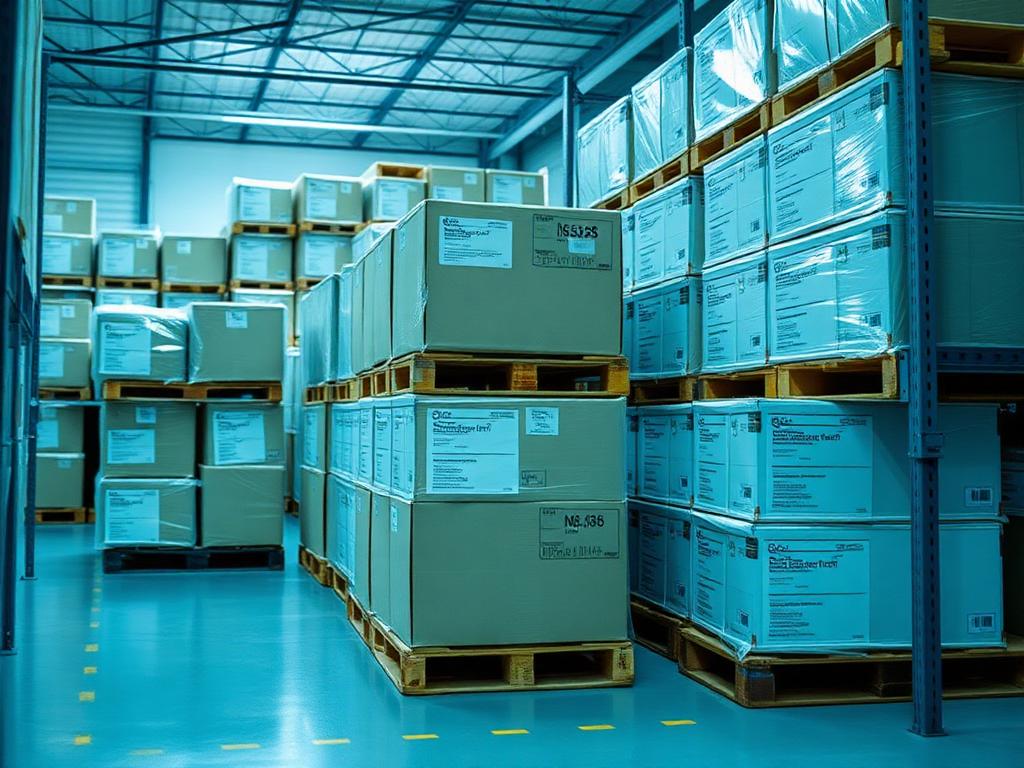
One to four pallets usually belongs on a pallet network. Five to ten pallets is part-load territory, where your goods share a vehicle with other consignments and you pay for the space you use. Beyond roughly half a vehicle, a full load often wins on price per pallet — and always wins on handling, because your goods are loaded once and delivered directly.
Urgency changes the calculation, not the principle. If it genuinely has to be there today, a dedicated vehicle is the right answer at any load size — but it is worth asking whether next morning would do, because the saving is usually significant.
What to ask before you book
Three questions keep costs honest. First: is this the cheapest service level that meets my deadline? Second: have you priced it as both a part load and a full load? Third: what would I save if I could be flexible on the collection day or delivery window?
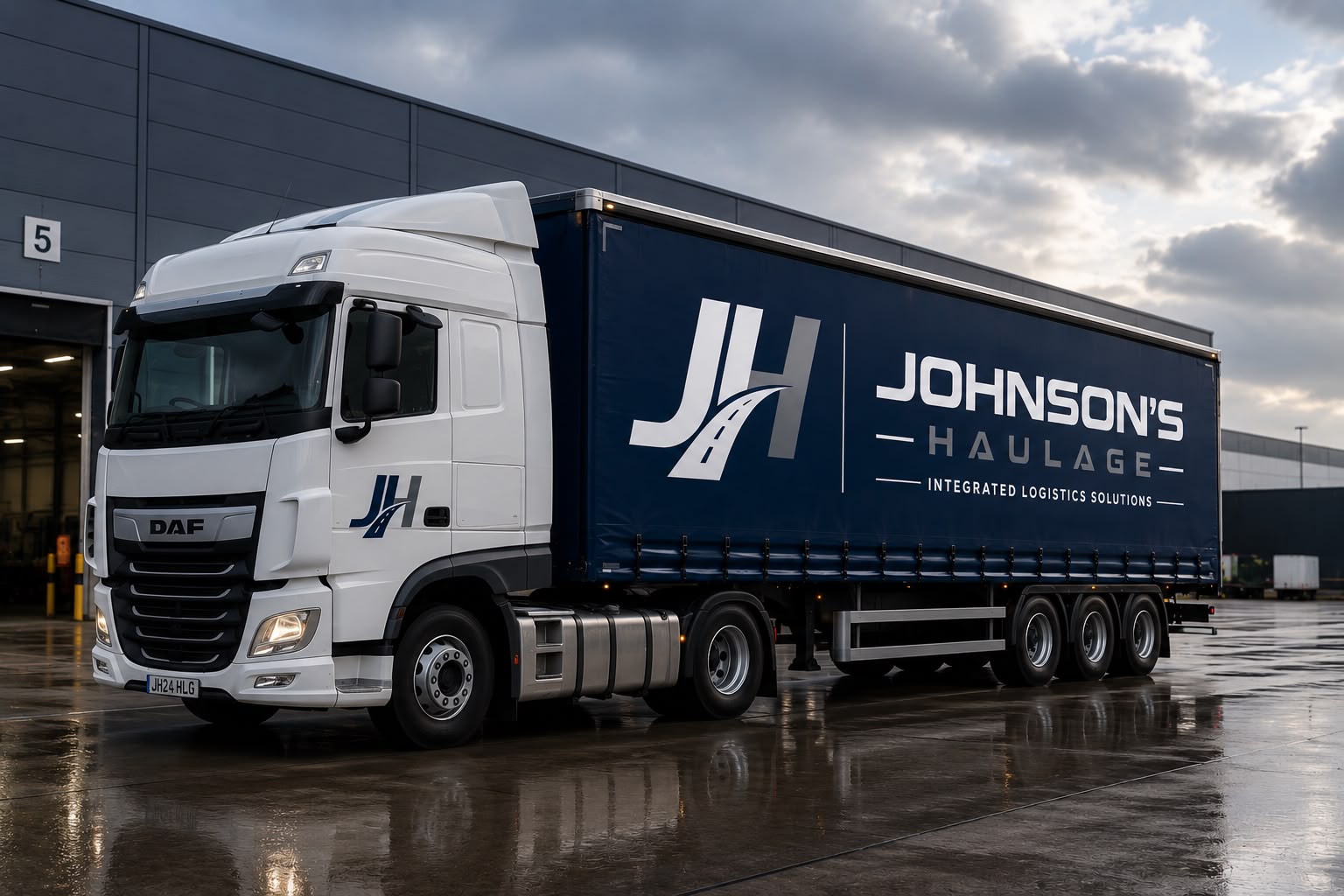
A transport partner who coordinates a carrier network — rather than filling their own fleet — has no reason to sell you a bigger vehicle than you need. That is the model we work to at Johnson's Haulage, and it is why we will happily tell you when the cheaper option is the right one.
Frequently asked questions
Talk to our team.
Get a tailored quote or speak to our operations team about your transport requirements.