










What Manchester haulage services actually cover
Haulage is a broad term, and Manchester providers use it to describe everything from a single pallet on a network service to a dedicated artic running nightly trunk routes. Before comparing prices, it helps to know which service band your consignment belongs in — because the right answer changes the price dramatically.
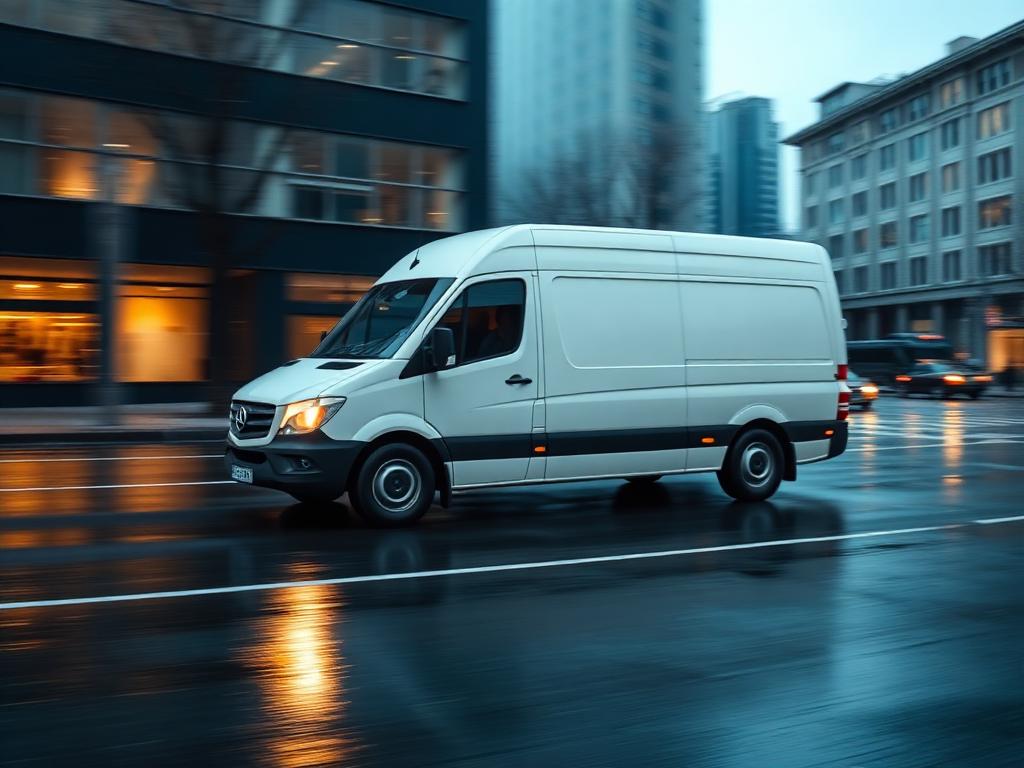
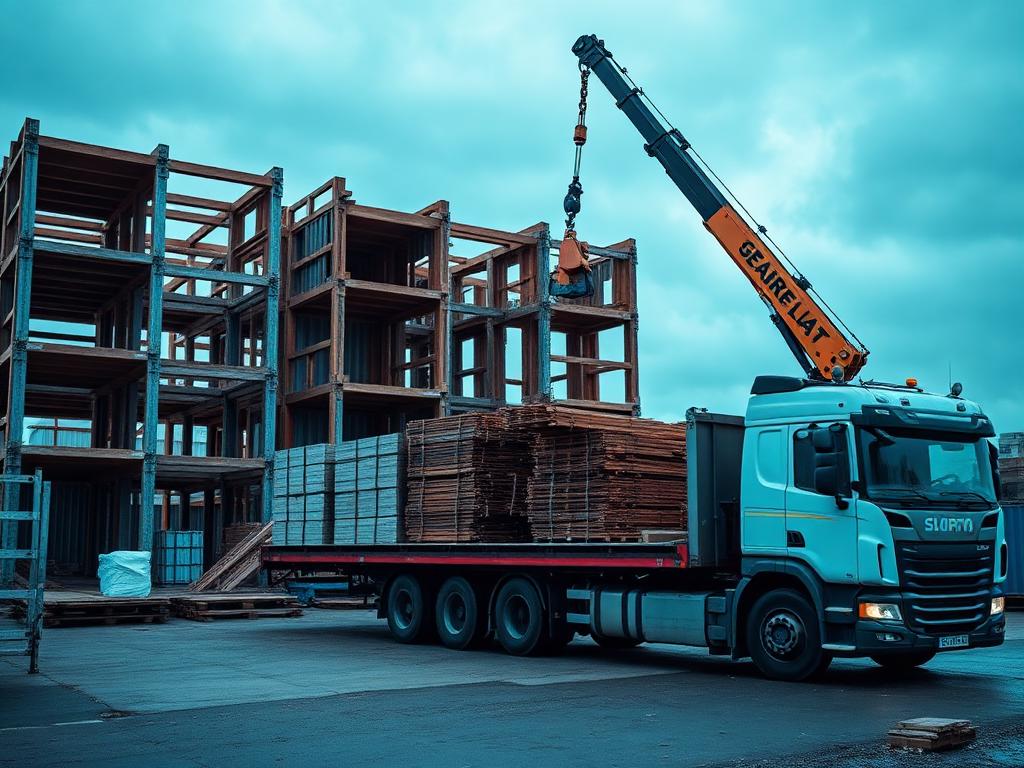
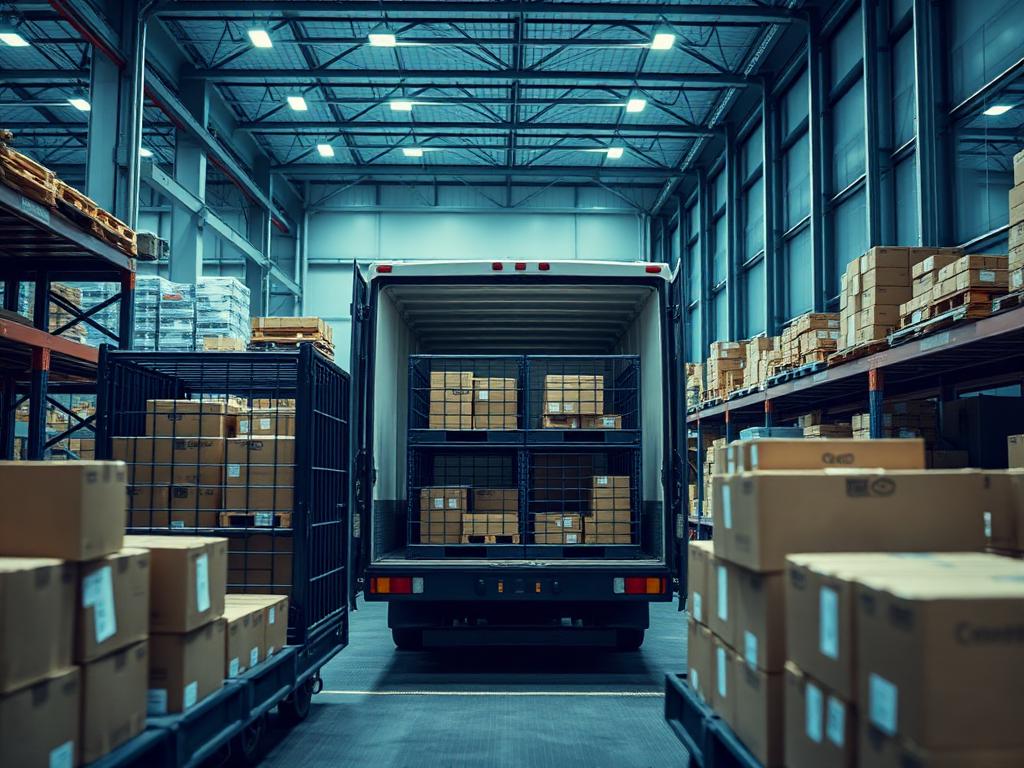
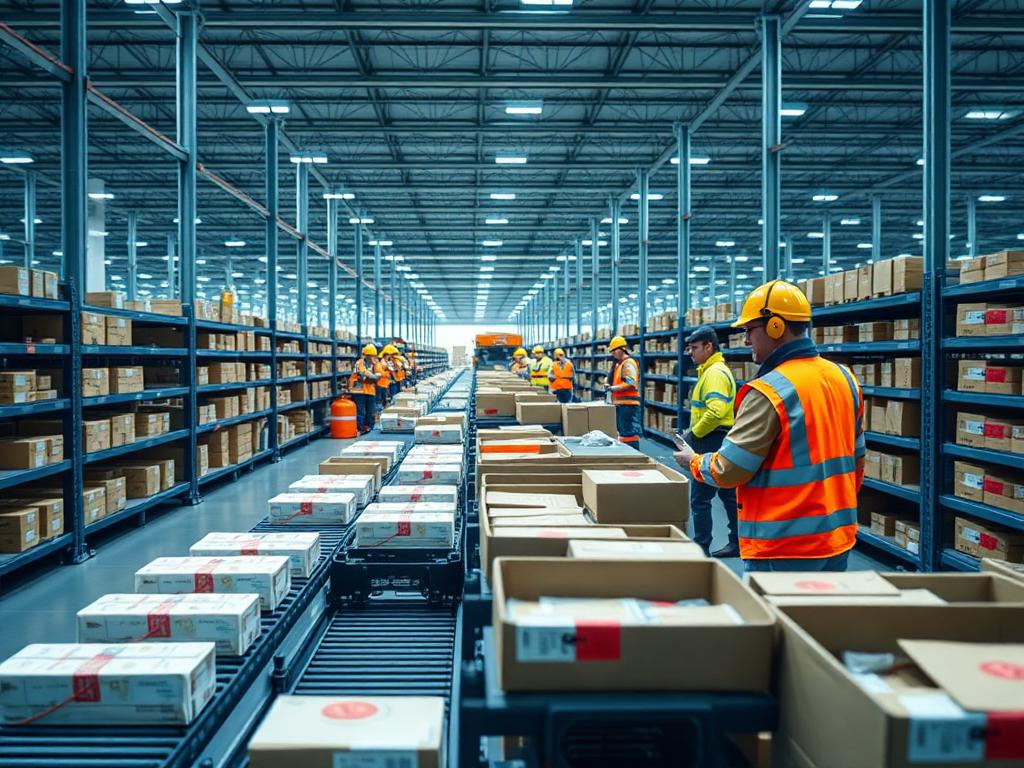
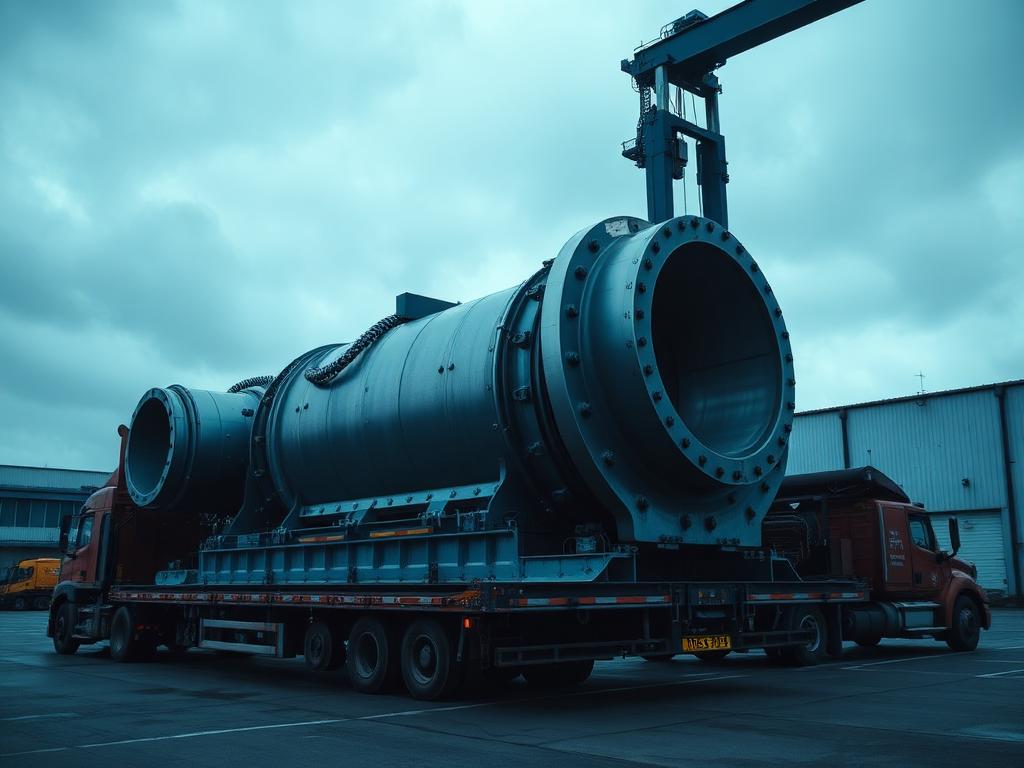
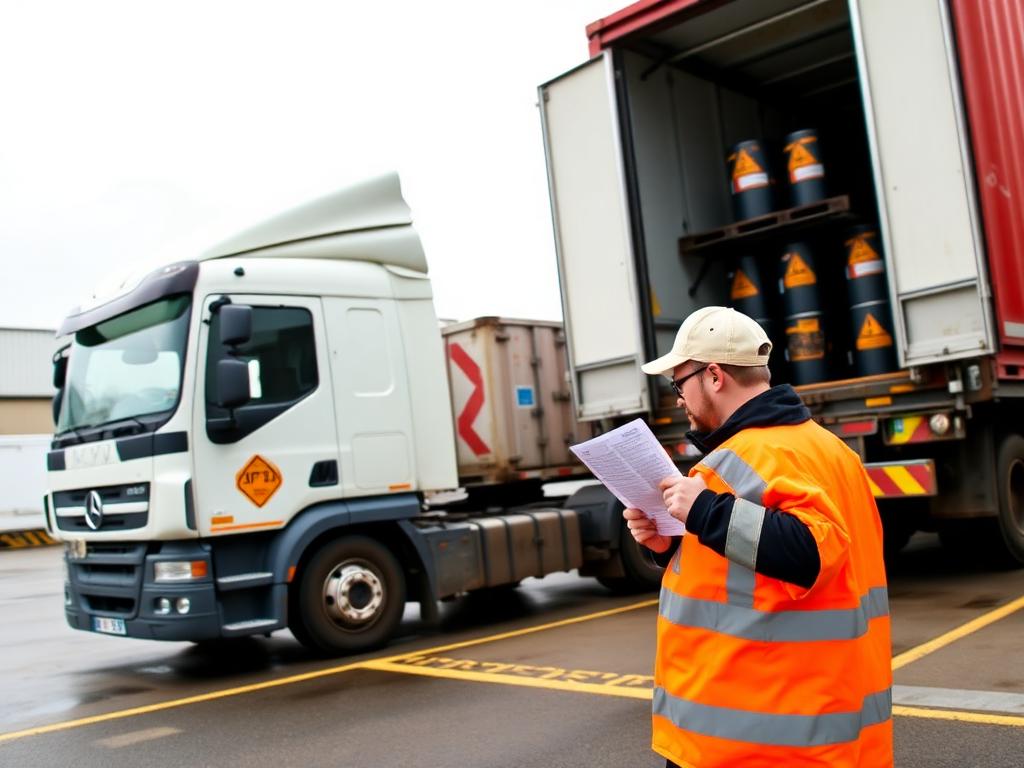
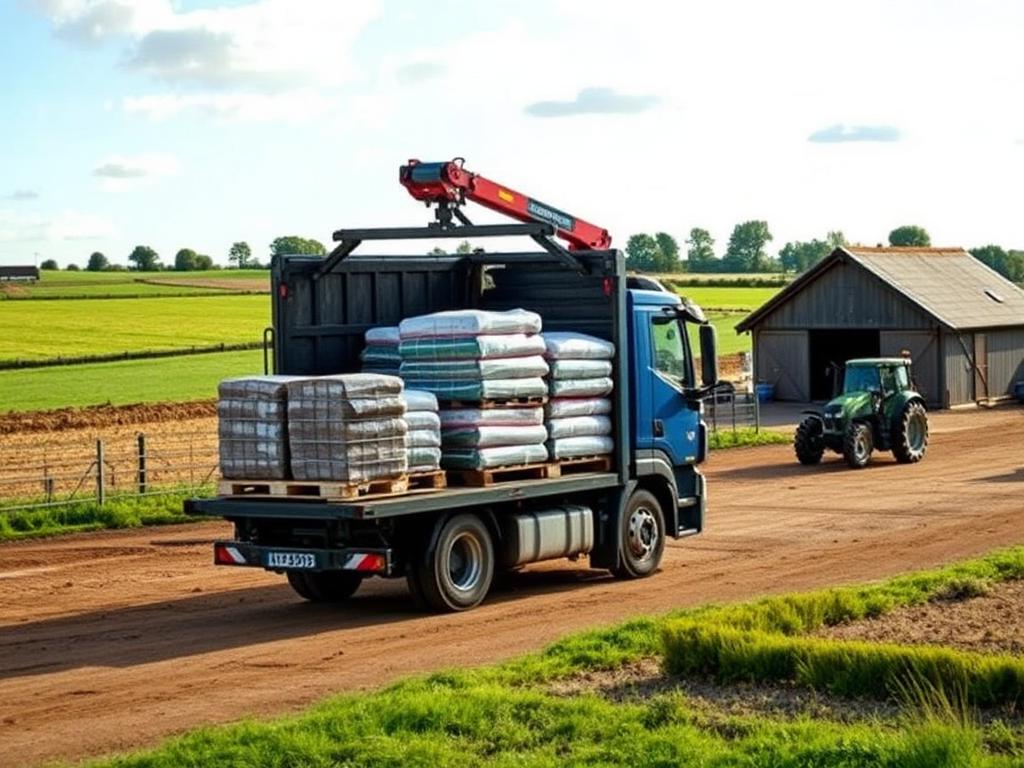
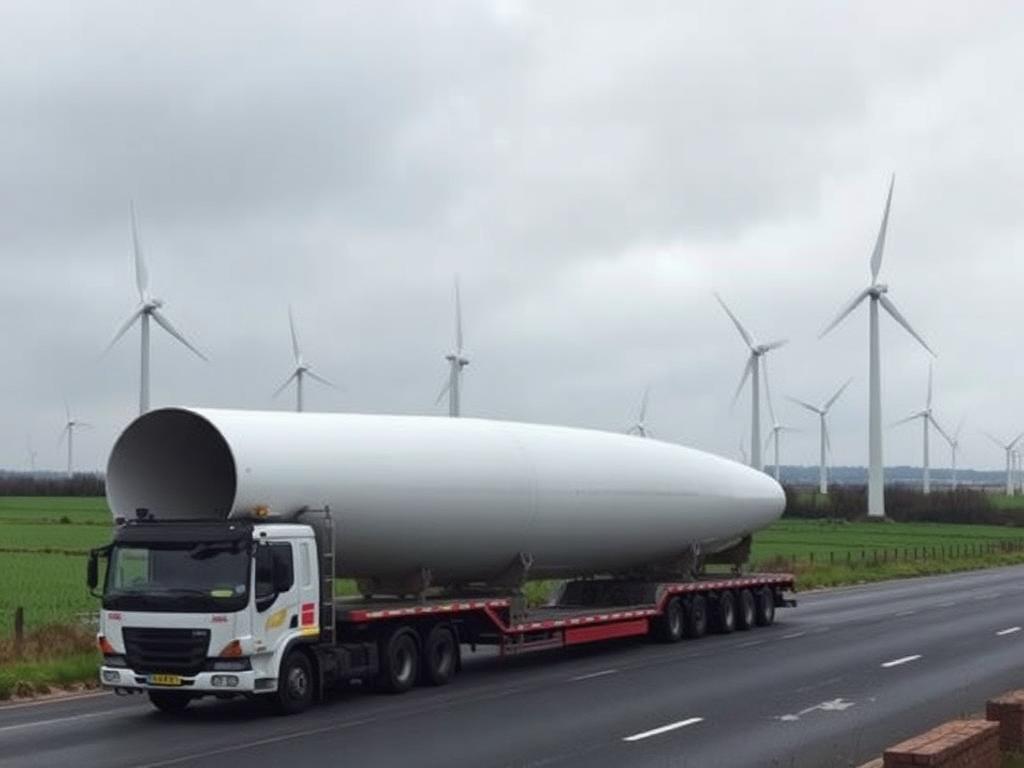
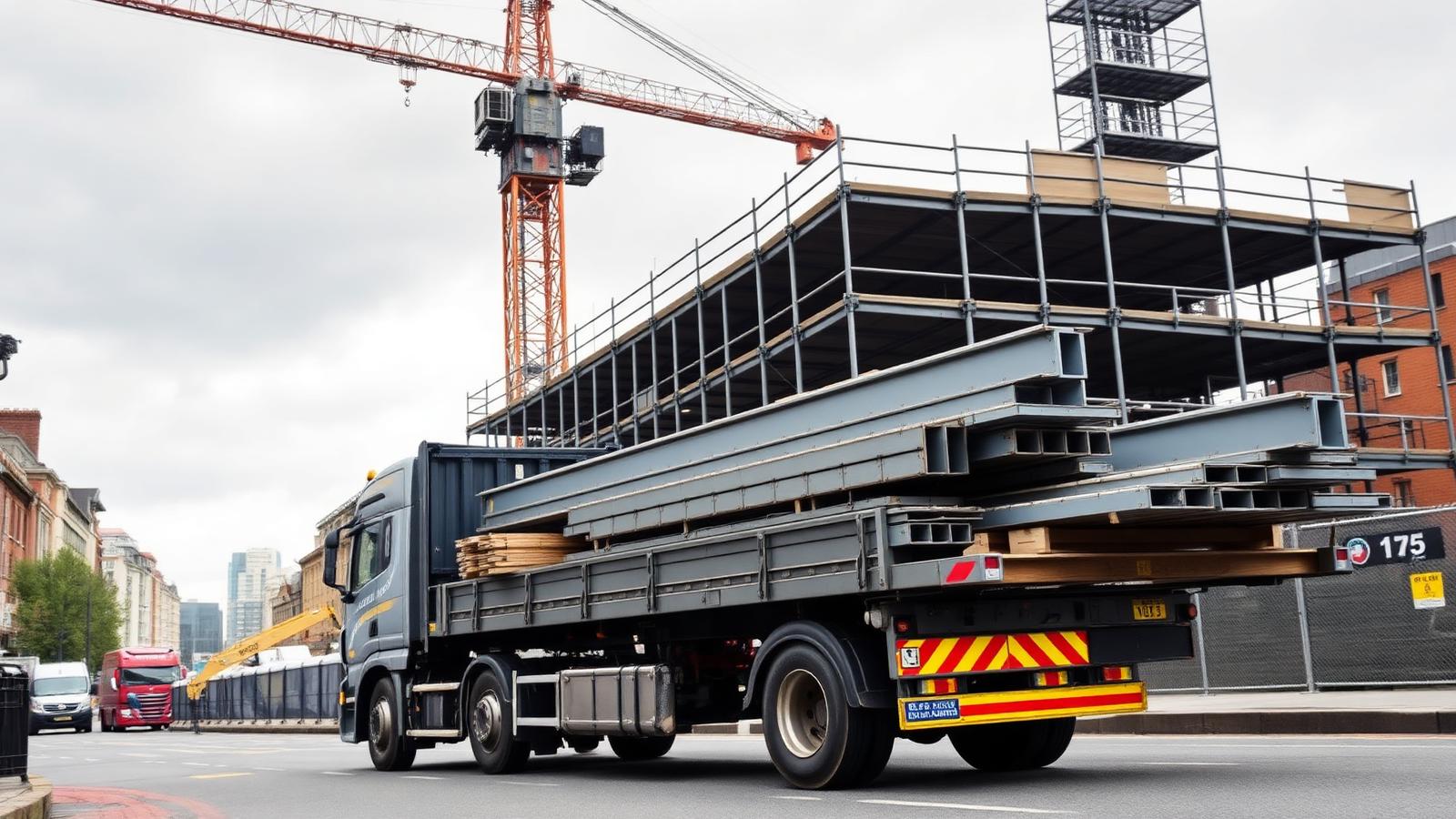
Most freight haulage from Manchester falls into four practical categories: pallet network distribution for small consignments, part-load (LTL) services where your goods share a vehicle, full-load (FTL) bookings where the vehicle is yours alone, and dedicated or same-day transport for urgent or time-critical work. Specialist movements — HIAB crane offloads, ADR hazardous goods, temperature-controlled cargo — sit alongside these and need specific vehicles and insurance.
Coverage: where Manchester haulage reaches
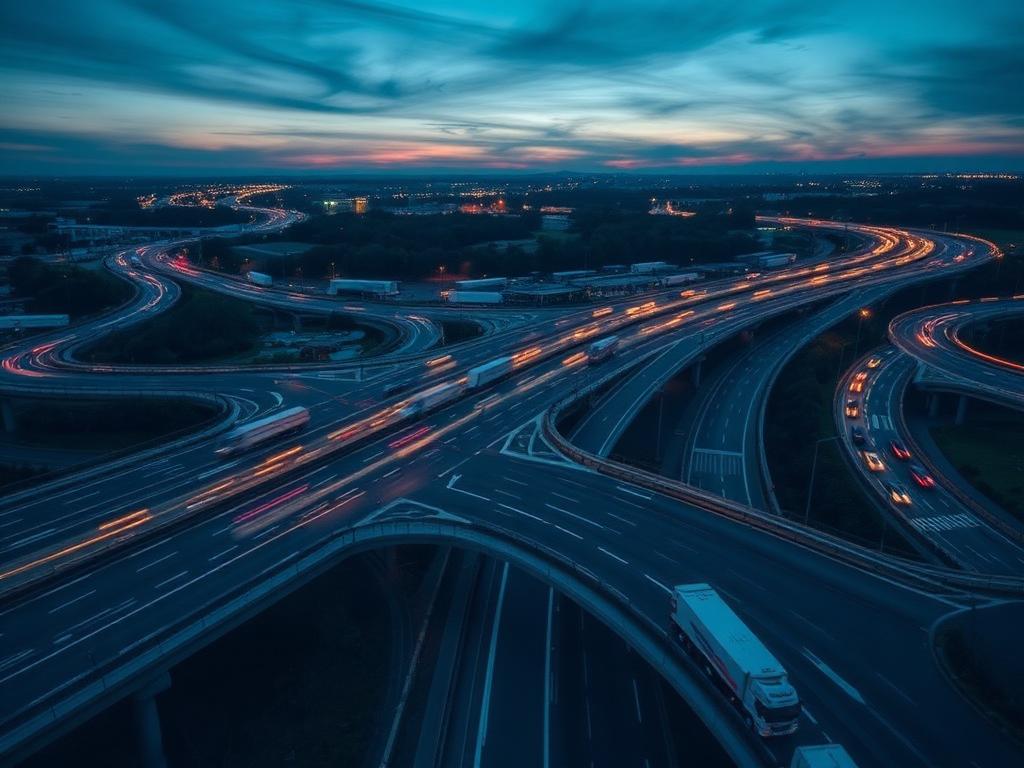
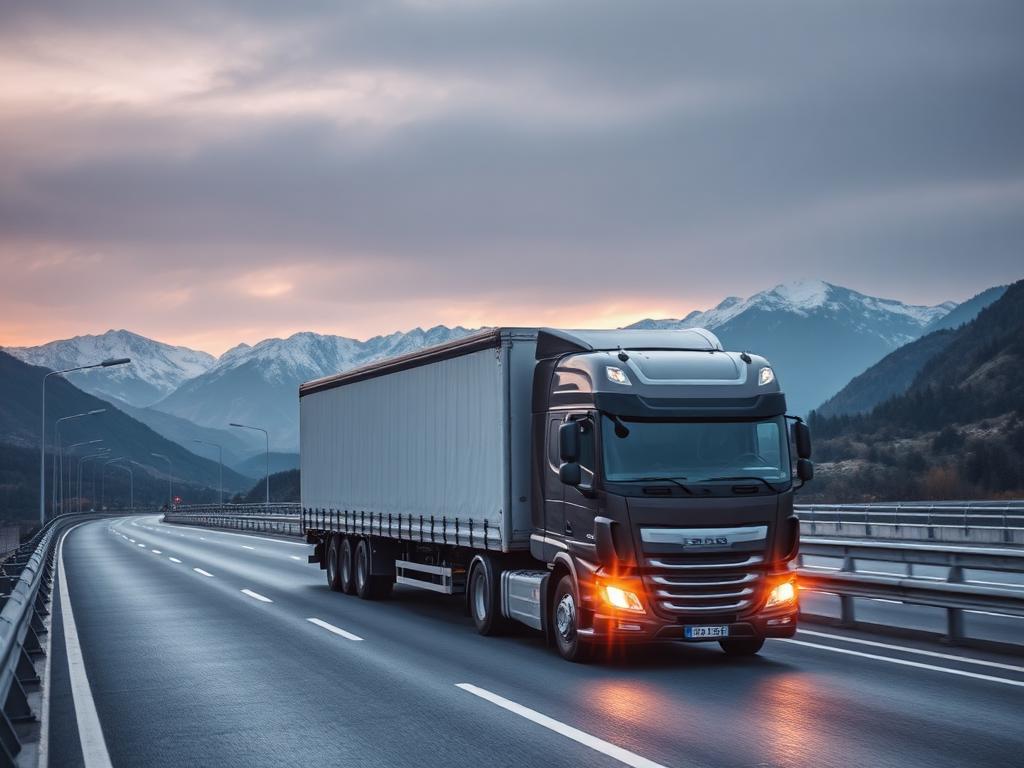
Manchester's position on the motorway network — the M60 ring with the M62, M56, M61 and M6 all within easy reach — makes it one of the best-connected freight origins in the UK. Same-day and next-day services cover the whole of the North West routinely, and UK-wide delivery is standard through pallet networks and trunking services.
European movements also run from Manchester daily, typically via the Channel ports or the Hull and Liverpool ferry routes. Transit times and customs requirements depend on the destination, so European work should always be quoted with the delivery country and Incoterms agreed up front.
How to choose between Manchester haulage companies
The Manchester market includes owner-drivers, regional fleets, national carriers and transport management companies that coordinate approved carrier networks. Each model has strengths: a local fleet can be responsive for regular work, while a network-coordinating partner can match each job to the most suitable vehicle and price the same consignment across several service levels.
Whatever the model, the same checks apply. Ask for evidence of goods-in-transit insurance, confirm who actually carries the goods and under what conditions (RHA or BIFA terms are the industry standards), and make sure the quote itemises what is included. A provider who coordinates an approved carrier network should be able to tell you exactly how carriers are vetted.
- Goods-in-transit insurance appropriate to your cargo value.
- Clear trading conditions — RHA or BIFA terms are the norm.
- Itemised quotes with no vague 'additional charges may apply'.
- Proof of delivery as standard, not an optional extra.
- A named contact who knows your job when you call.
Booking freight haulage from Manchester: what to expect
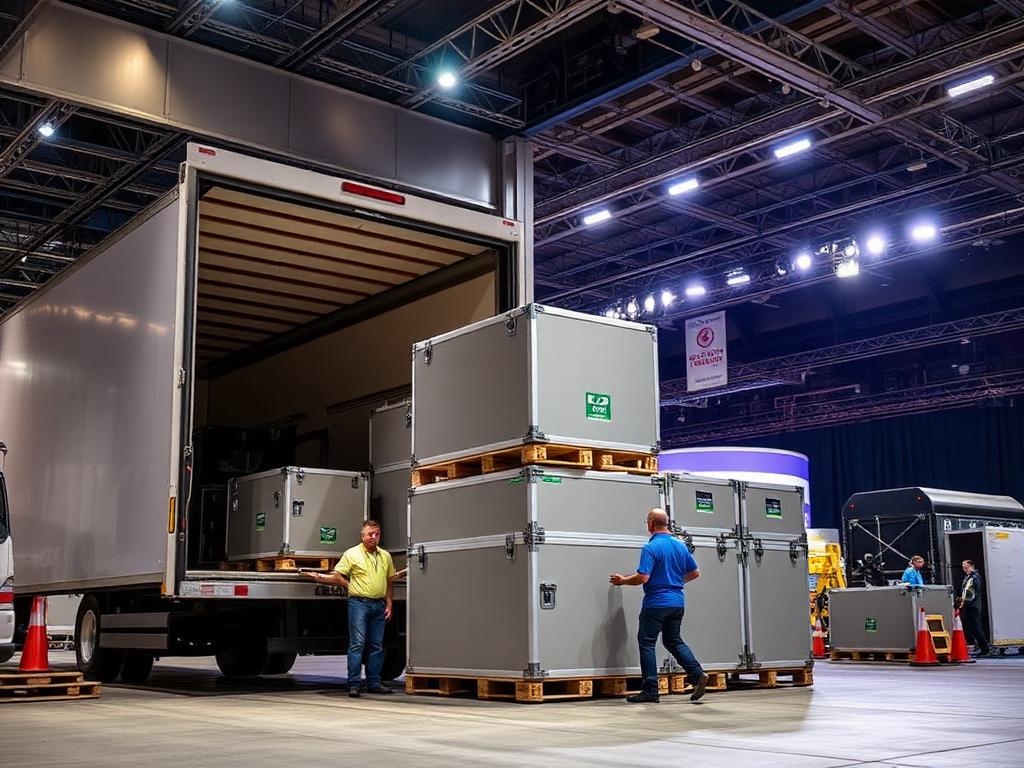
A straightforward booking follows the same pattern almost everywhere: you share the collection and delivery postcodes, the measured dimensions and weight of the goods, and when they are ready. The provider quotes the suitable service levels, you confirm, and the vehicle is booked. For economy services, collection is typically within an agreed window; for dedicated and same-day work, the vehicle arrives at a specific time.
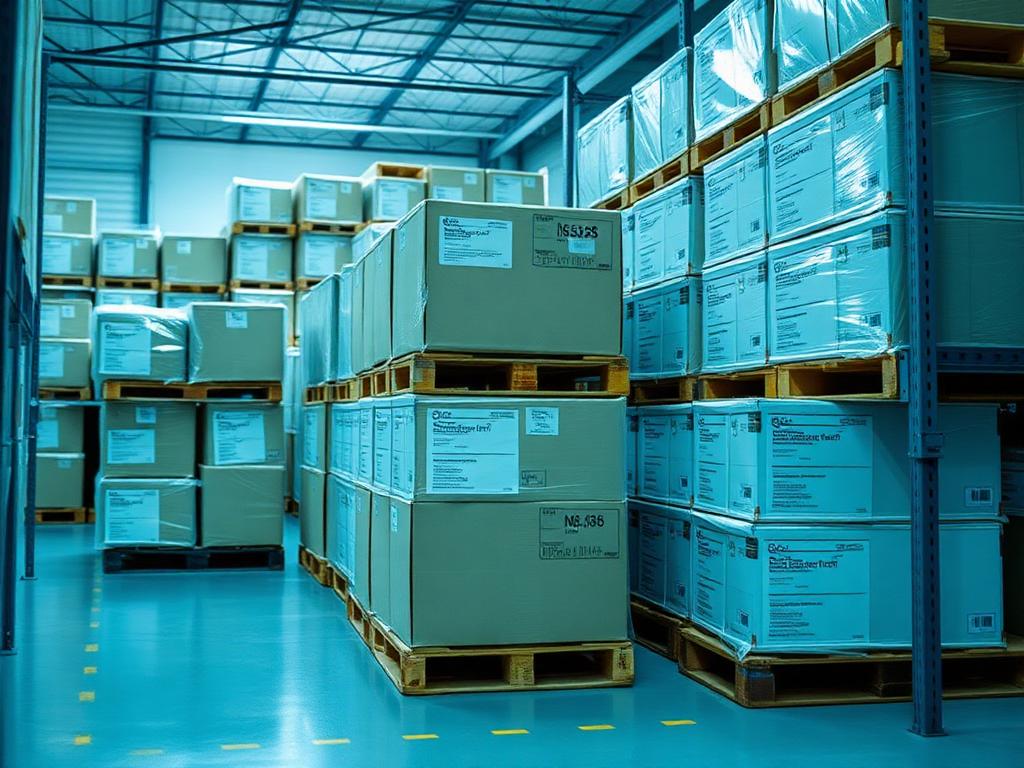
The details that prevent problems are practical ones: accurate dimensions and weight, honest answers about loading equipment at each end, and goods that are genuinely packed and ready when the vehicle arrives. Waiting time and aborted collections are the two most common avoidable charges in haulage, and both usually trace back to information that was incomplete at booking.
Frequently asked questions
Talk to our team.
Get a tailored quote or speak to our operations team about your transport requirements.