









Four ways to move a shipment
When you send goods from Manchester, the options usually fall into four groups. Each balances cost, handling and timing differently, and the right one depends on the shipment rather than a single rule.
| Option | How it works | Typical trade-offs |
|---|---|---|
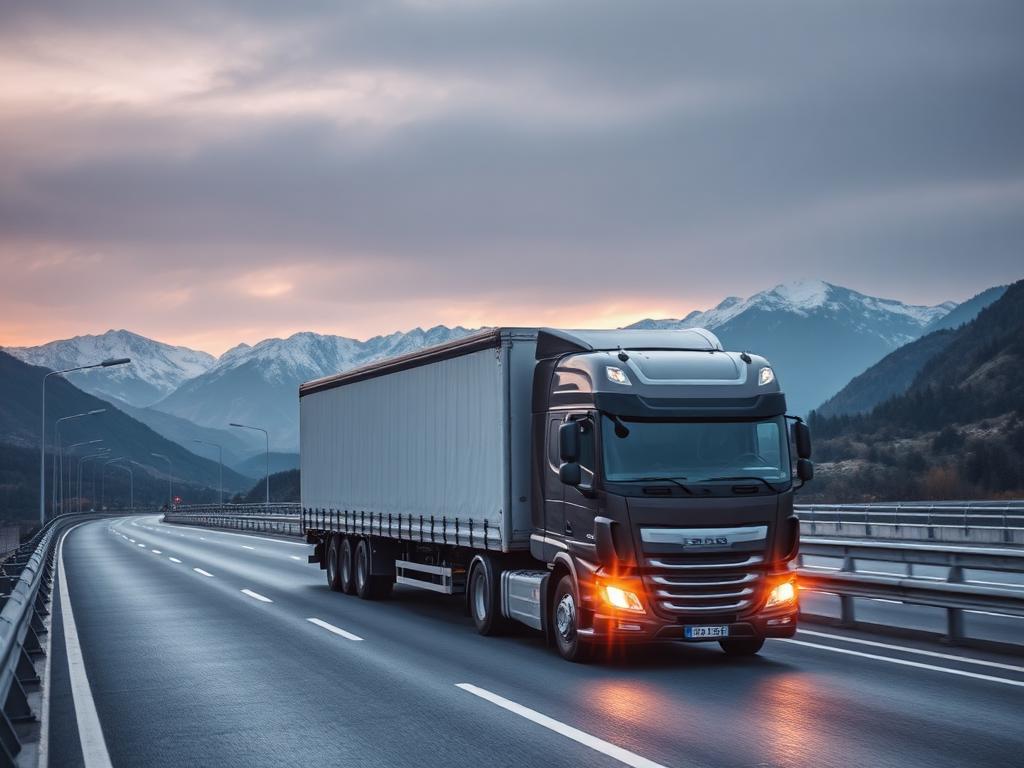
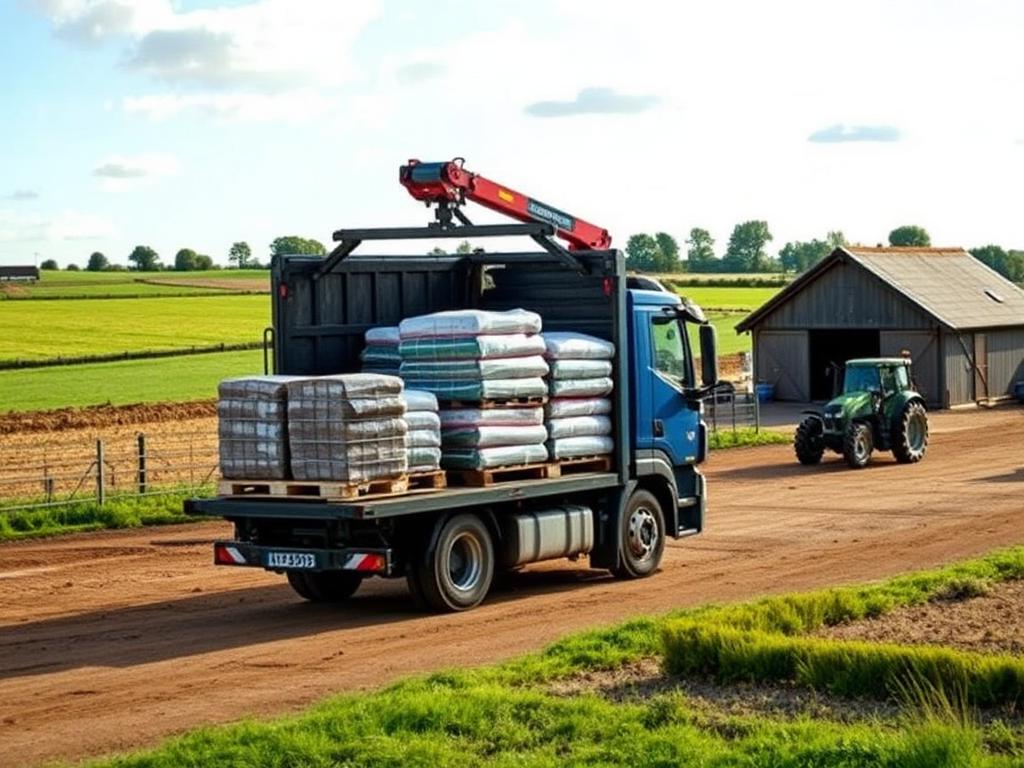
| Full load (FTL) | Your goods use a whole vehicle, running direct | Minimal handling and predictable timing; you pay for the vehicle |
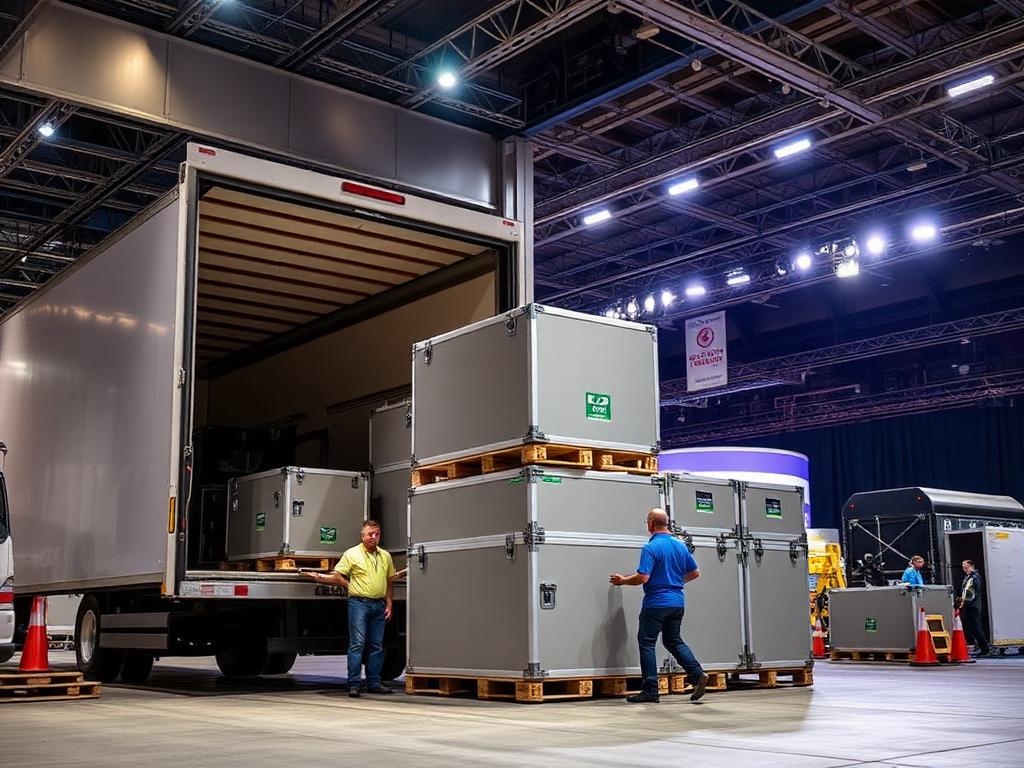
| Part load (LTL) | Your goods share a vehicle with other loads on a compatible route | Pay for the space used; timing depends on the other loads |
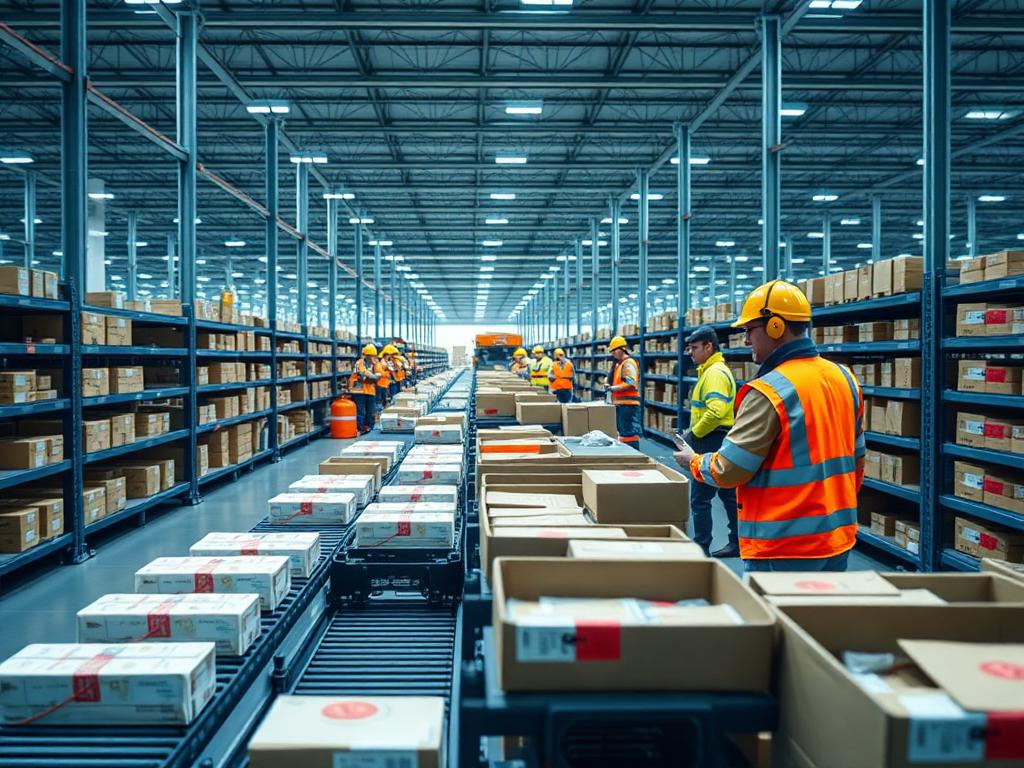
| Groupage / pallet network | Goods are consolidated through hubs with other freight | Cost-effective for smaller volumes; more handling and set schedules |
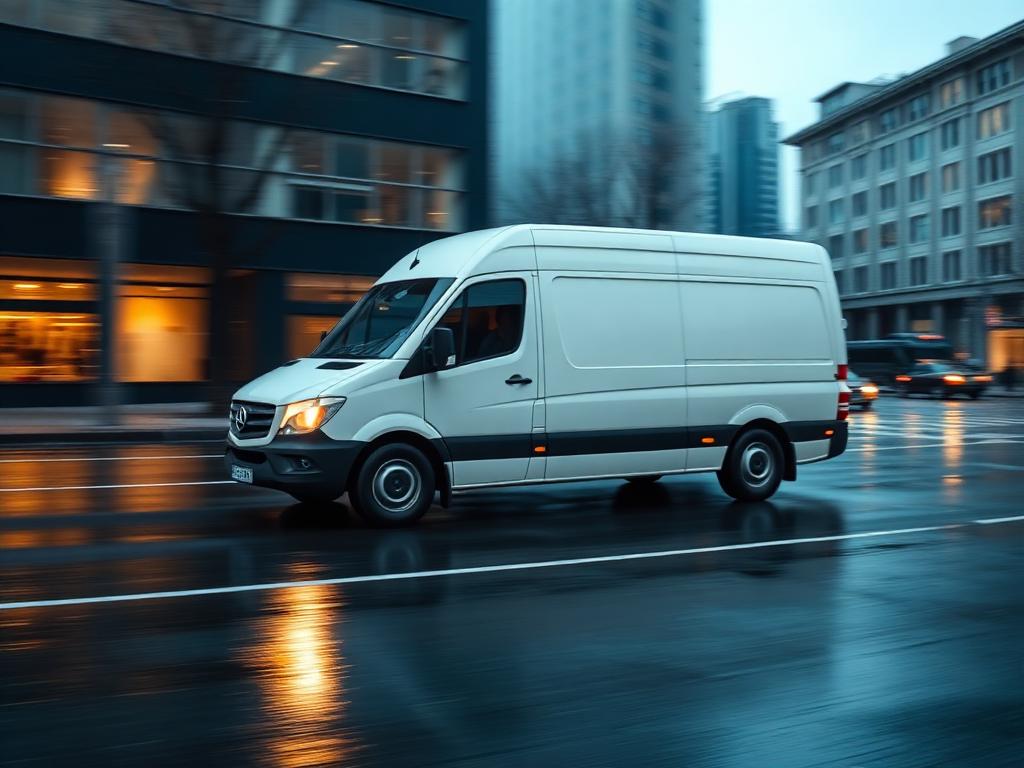
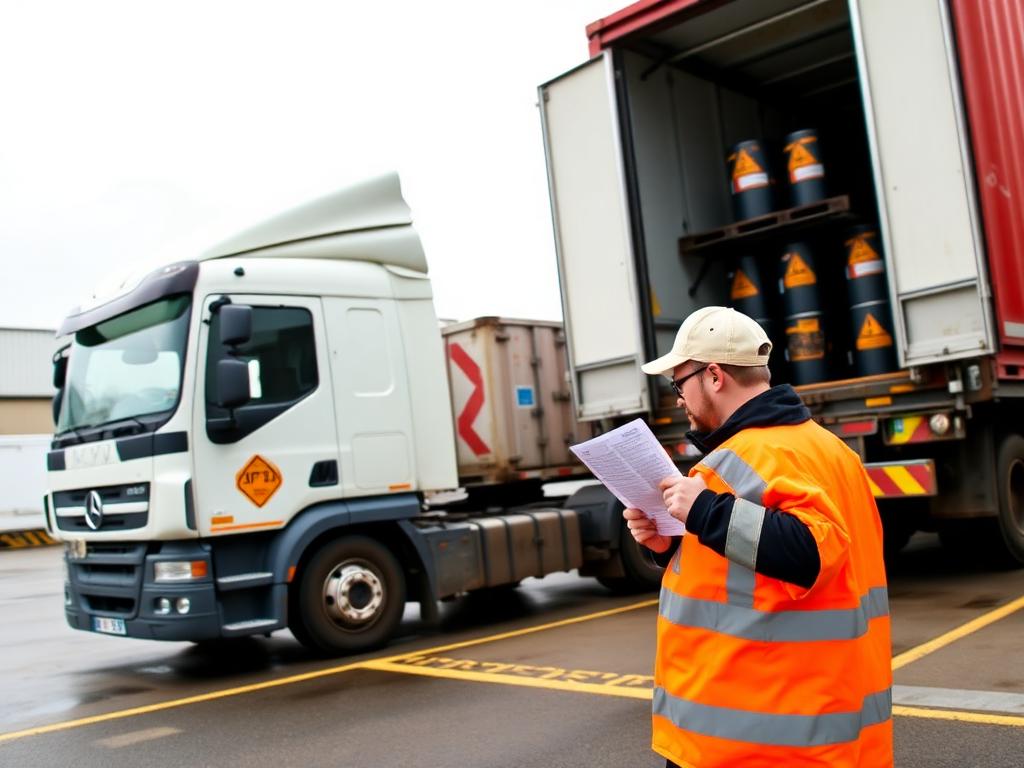
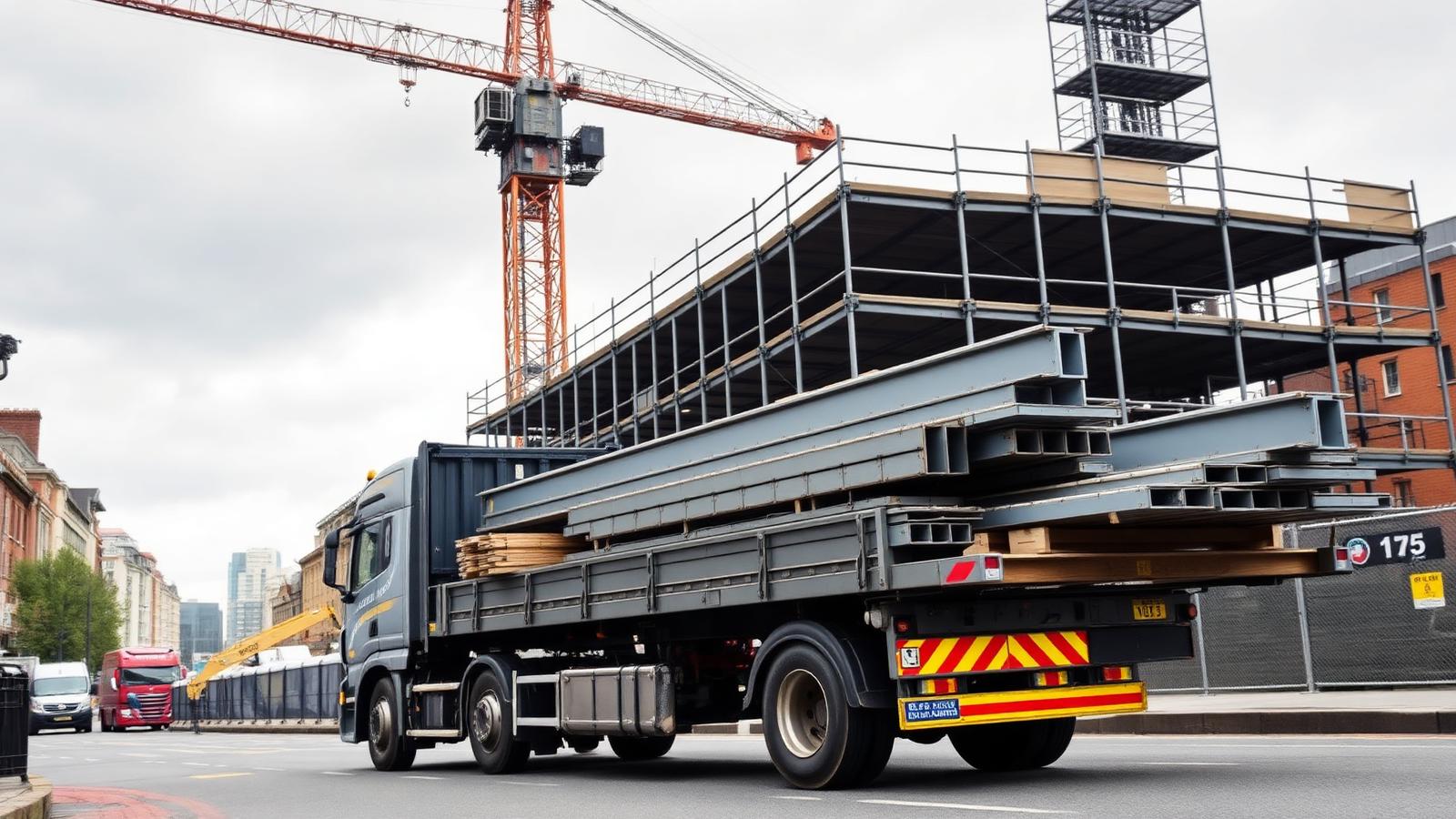
| Dedicated vehicle | A vehicle booked for your consignment only, sized to the load | Direct and flexible on timing; priced for exclusive use |
How the main options compare
Handling and how much your goods are moved
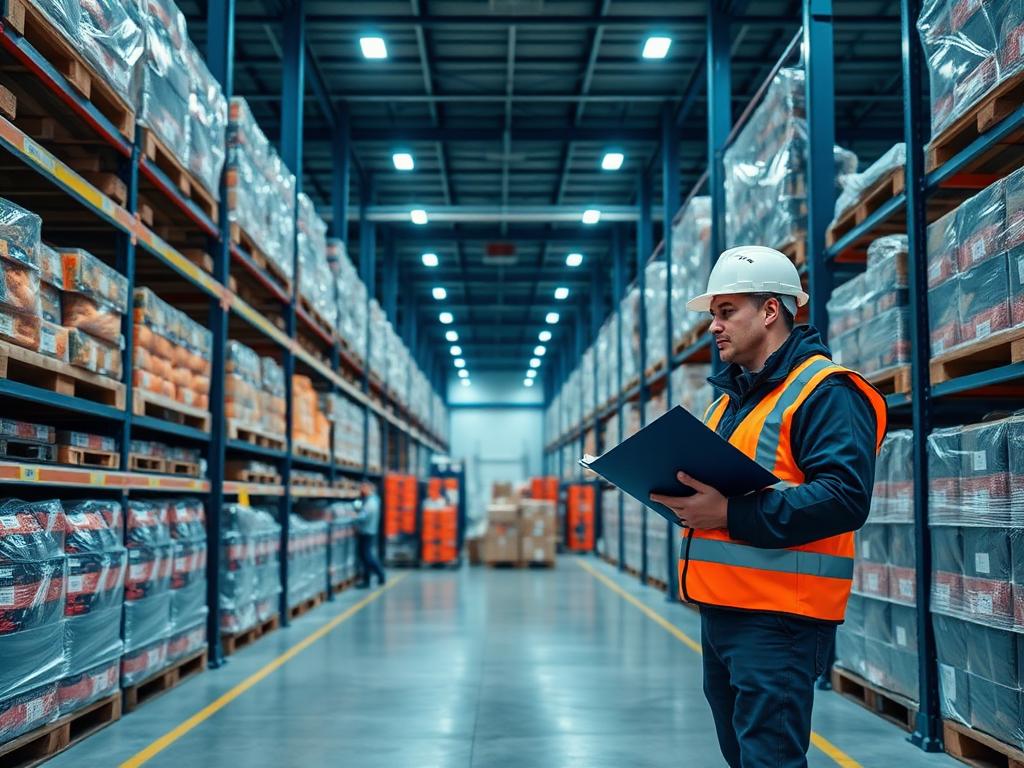
Every transfer between vehicles is another opportunity for delay or damage. Full load and dedicated vehicles normally travel direct, so goods are loaded once and unloaded once. Groupage and pallet networks move goods through one or more hubs, which works well for robust, well-packed pallets but is less suitable for fragile, high-value or awkward items. Part loads sit between the two, depending on how the route is planned.
Timetables and delivery windows
Direct options generally give more control over collection and delivery times. Shared and network services run to their own schedules, so delivery days and windows may be less flexible, although they are often well suited to deliveries where the date is not critical. If a delivery must arrive at a specific time, say so when asking for quotes, as it may change which option is suitable.
Dimensions, weight and fragility
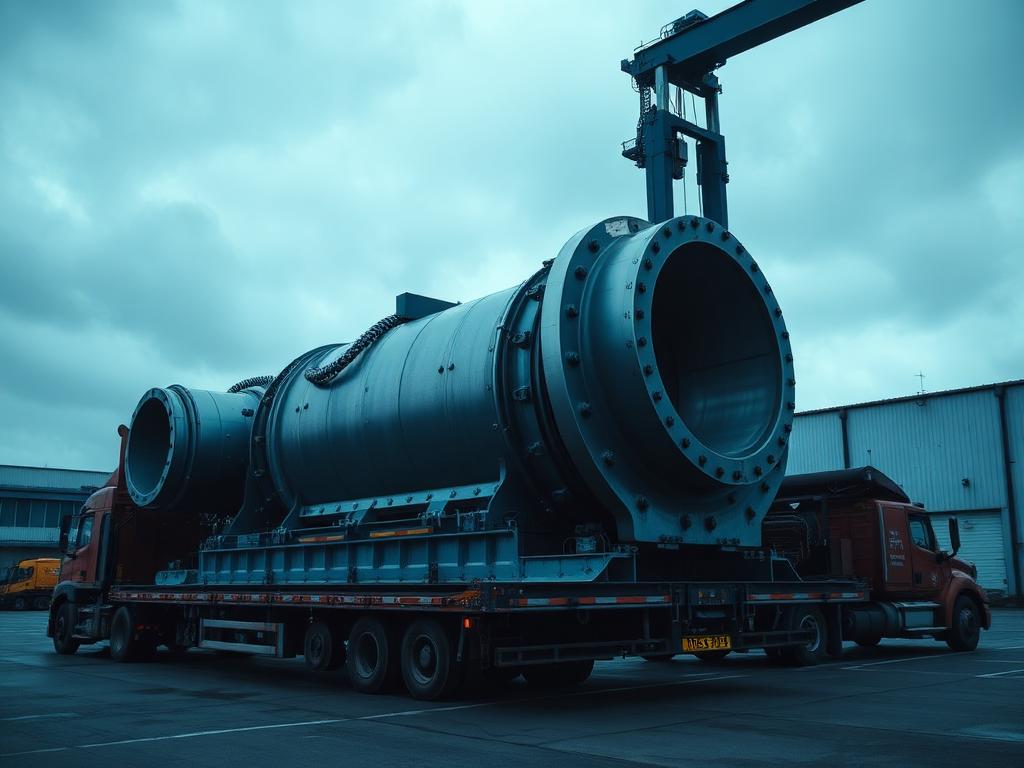
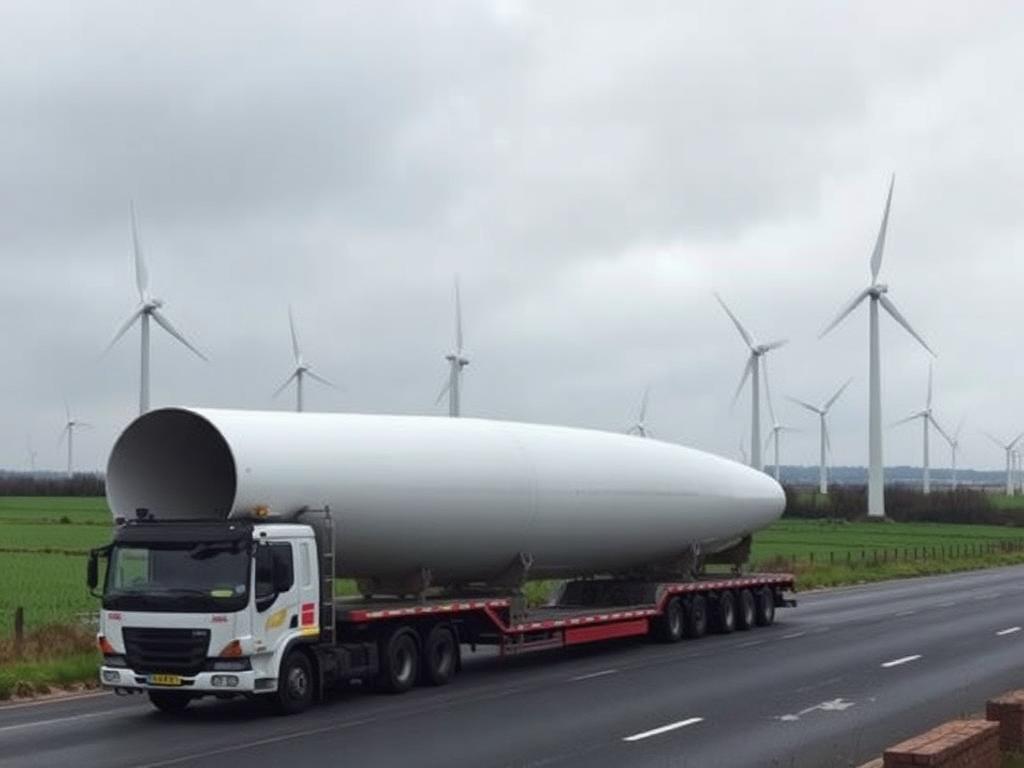
The size, weight and nature of the goods narrow the choice. Long, heavy, oversized or non-stackable items may not be accepted on some network services, or may need a particular vehicle. Fragile goods may be better on a direct service with less handling. Accurate measurements and an honest description help each provider suggest the right option.
Access at each end
Vehicle size and loading equipment matter as much as the goods. A site that cannot take an articulated lorry, or has no forklift or loading dock suitable for the vehicle, may need a smaller vehicle or a tail-lift, with firm, level ground and space to use it. Booking-in requirements at distribution centres can also affect which services are practical.
Why a pallet count alone does not decide the answer
It is tempting to look for a fixed point — a number of pallets above which a full load becomes cheaper. In practice the answer depends on the route, how the goods are packed, whether they can be stacked, how quickly they are needed and capacity on the day. The most reliable approach is to ask for more than one option and compare them on the same basis.
Comparing quotes fairly
When you have more than one quote, check that each covers the same things:
- The same collection and delivery dates or windows
- Direct or consolidated service, and how much handling is involved
- Tail-lift, timed delivery or other requirements included
- Any charges that may be added later, such as waiting time
- How tracking and proof of delivery are provided
Get advice on your Manchester shipment
Johnson's Haulage arranges full load, part load, pallet and dedicated transport from Manchester through our approved carrier network. Read about our road freight and pallet distribution services, see transport company Manchester and pallet delivery in Manchester, or request a quote and we will suggest the options that suit your shipment.
Frequently asked questions
Talk to our team.
Get a tailored quote or speak to our operations team about your transport requirements.