












Choosing the Most Efficient Transport Mode for Your Cargo
Selecting the correct transport method is a fundamental decision in supply chain management. The choice between groupage, part loads, and full loads directly affects your overheads, delivery timelines, and the physical security of your goods. For many businesses, the default is often to stick with what they know, but shifting freight requirements frequently demand a more nuanced approach to pallet distribution.
Whether you are moving stock between UK regions or exporting across the continent, the volume and weight of your consignment dictate the most cost-effective solution. The industry standard terms for these services often overlap, leading to confusion when requesting quotes from freight forwarders or carriers. Distinguishing between Groupage, Less Than Truckload (LTL), and Full Truckload (FTL) is the first step toward reducing logistics expenditure.
This guide examines the mechanical and commercial differences between these three primary modes. By understanding how transport managers consolidate cargo, you can better align your shipping schedules with the operational realities of the UK and European road freight networks.
What is Groupage Freight?
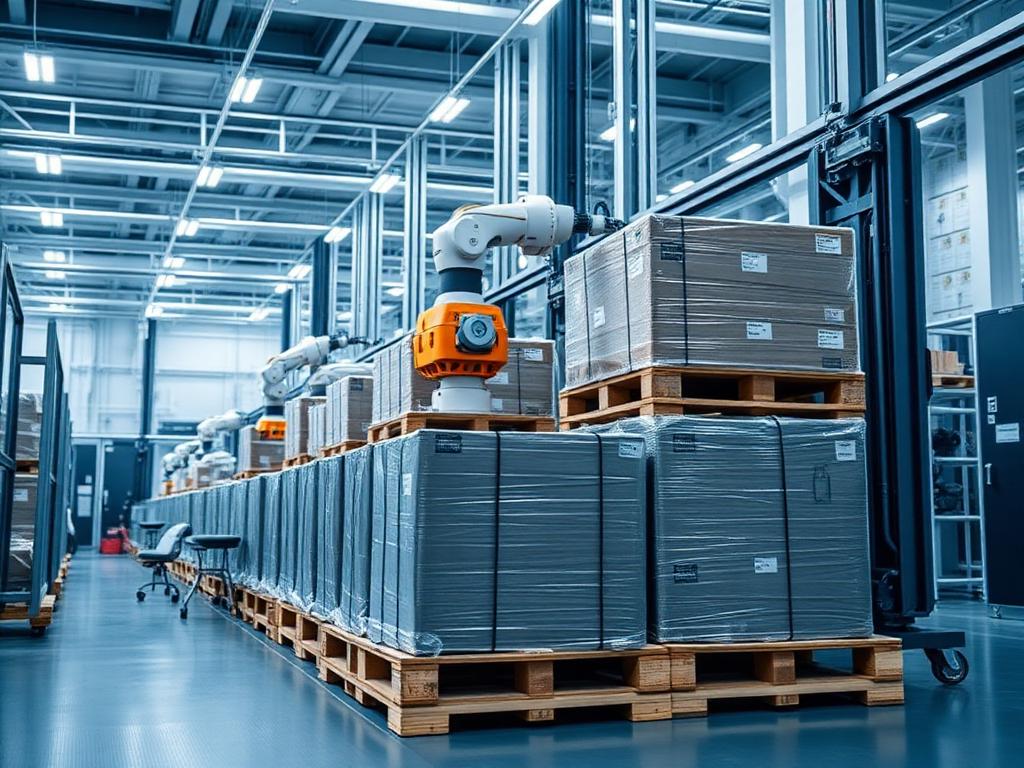
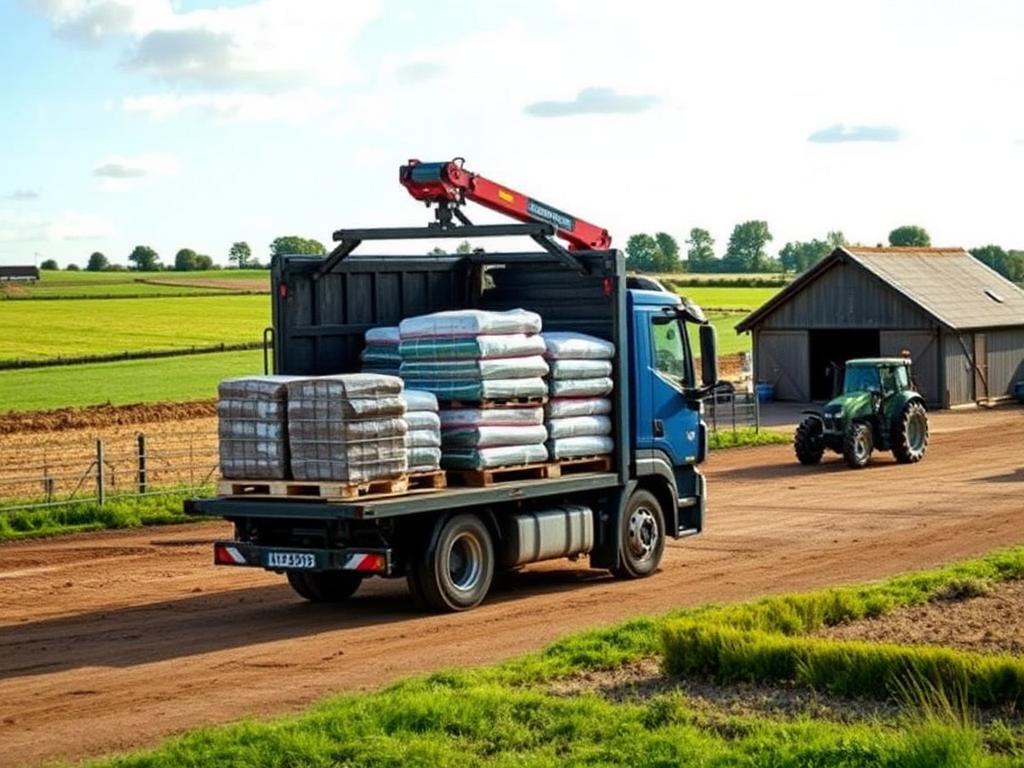
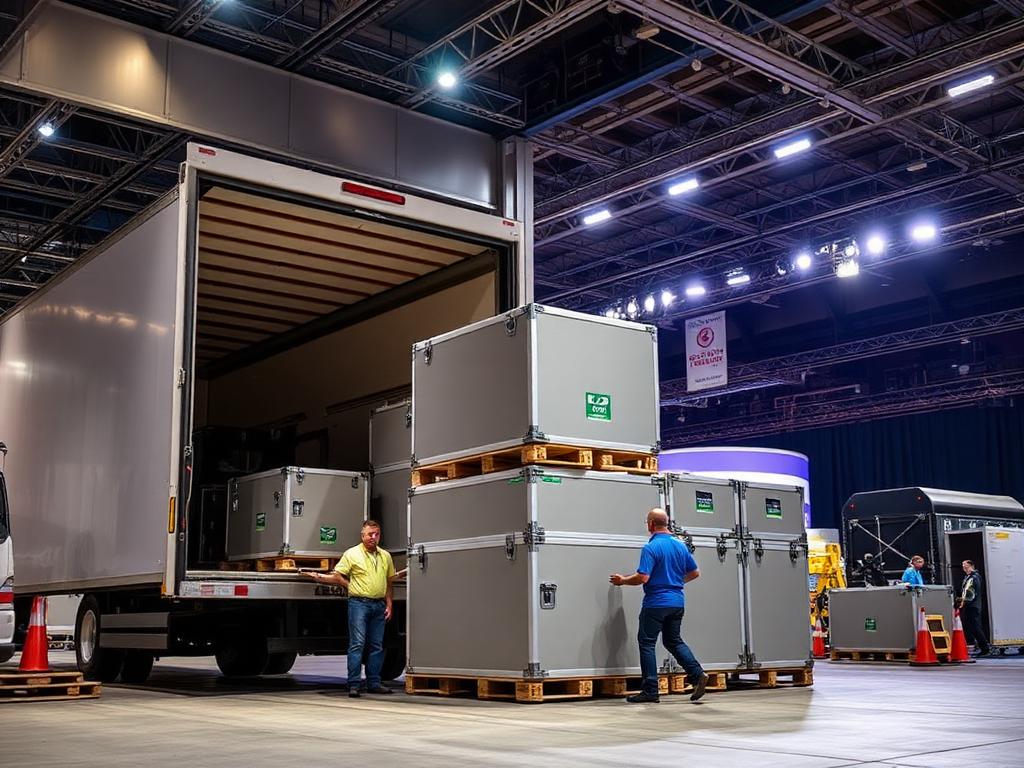
Groupage freight is the process of combining several small shipments from different customers onto a single vehicle. Each shipment typically consists of one to five pallets that do not require the space of a full trailer. This is a highly popular option for businesses that need to move regular, smaller volumes without the cost of a dedicated vehicle.
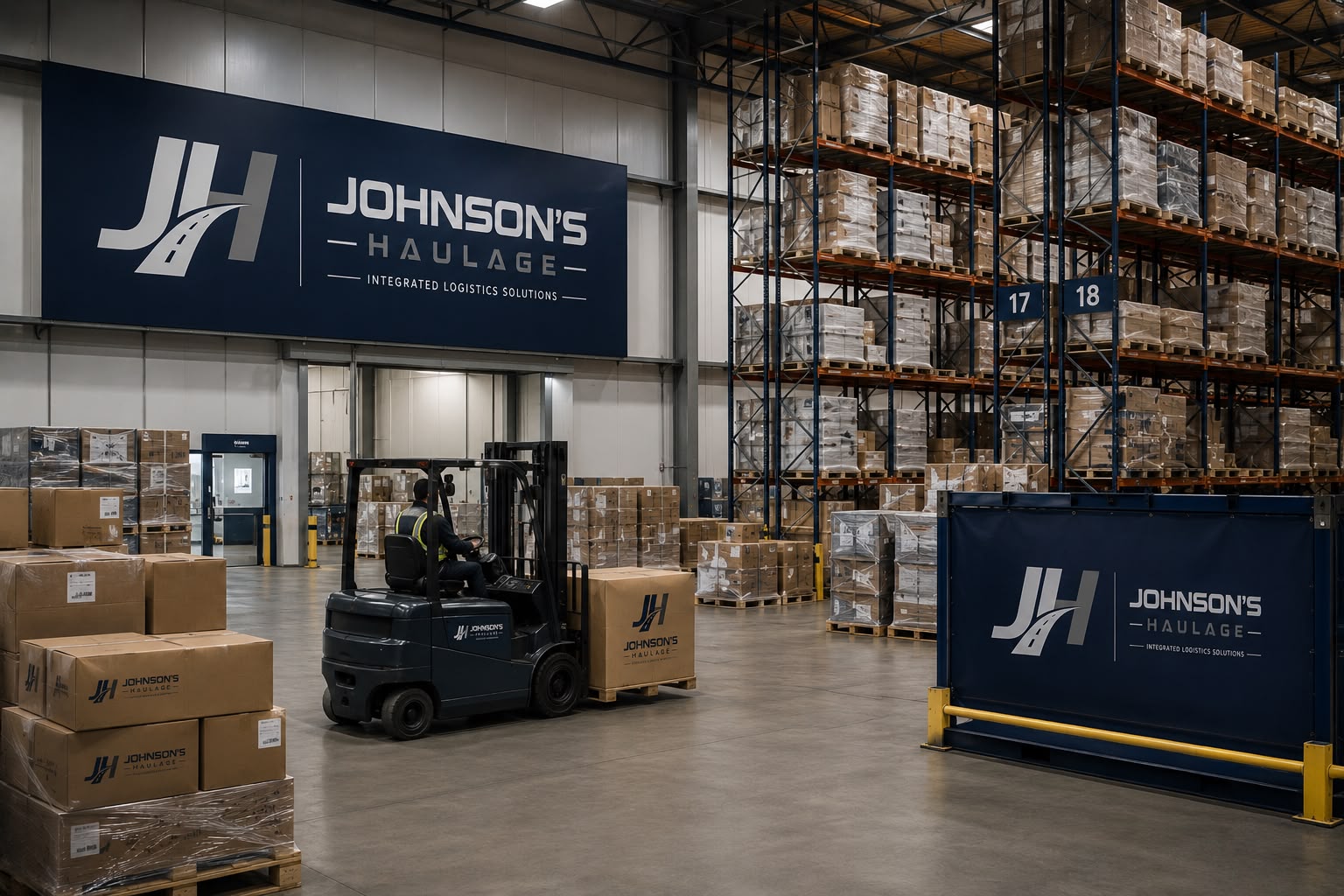
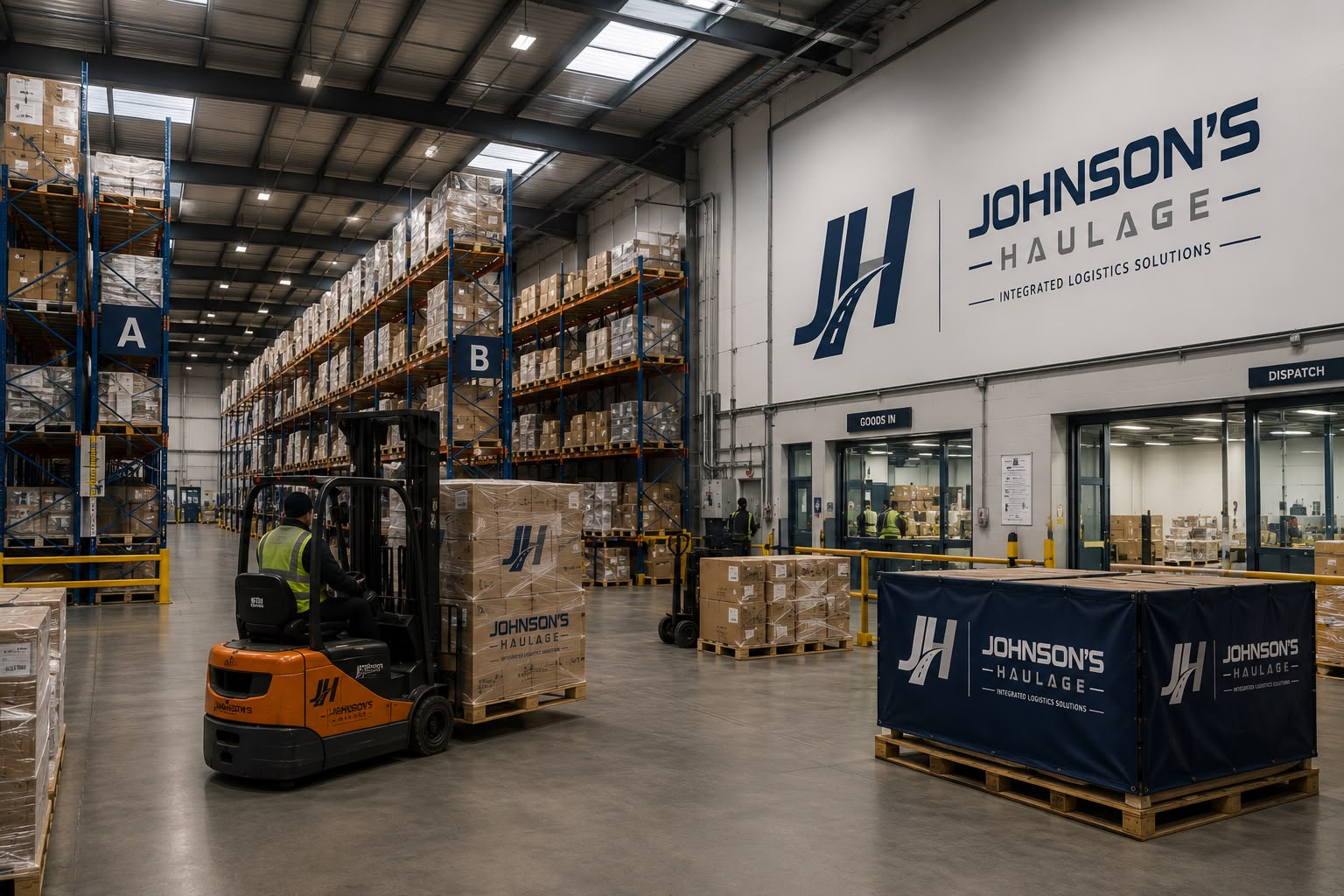
In a groupage model, your goods will usually travel through a hub-and-spoke network. A local vehicle collects the pallets and takes them to a regional consolidation hub. From there, they are loaded onto a larger trunking vehicle heading toward a destination hub near the final delivery point. A final local vehicle then completes the last-mile delivery.
The primary advantage of groupage is cost. You only pay for the space your pallets occupy. However, because the goods are handled at various transhipment points and the vehicle makes multiple stops, transit times are generally longer than other methods. This service is ideal for non-urgent stock replenishments where budget takes precedence over speed.
Understanding Part Load Transport (LTL)
Part load transport, often referred to as Less Than Truckload (LTL) in a broader context, sits between groupage and full loads. This service is generally utilised for shipments that occupy a significant portion of a trailer—usually six pallets or more—but not the entire vehicle. Unlike groupage, part loads often bypass the hub-and-spoke system.
When a transport manager arranges a part load, they look for other shipments moving in the same direction to fill the remaining space. Because the goods often stay on the same vehicle from collection to delivery, there is significantly less handling involved compared to groupage. This reduces the risk of transit damage and can result in faster delivery times.
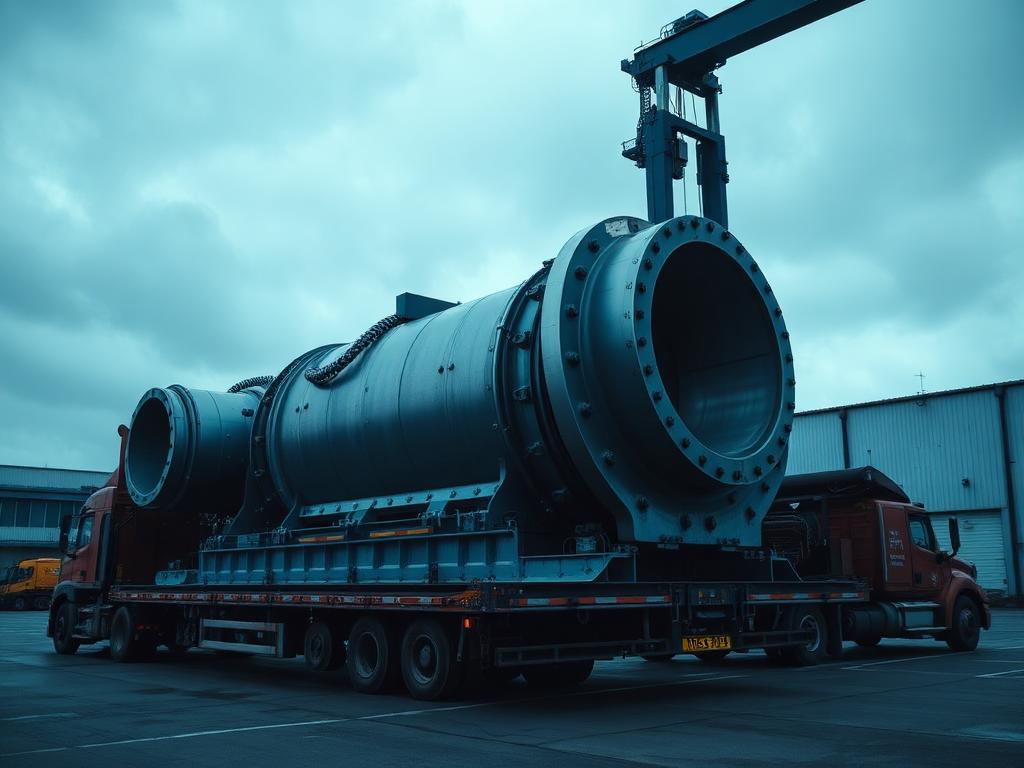
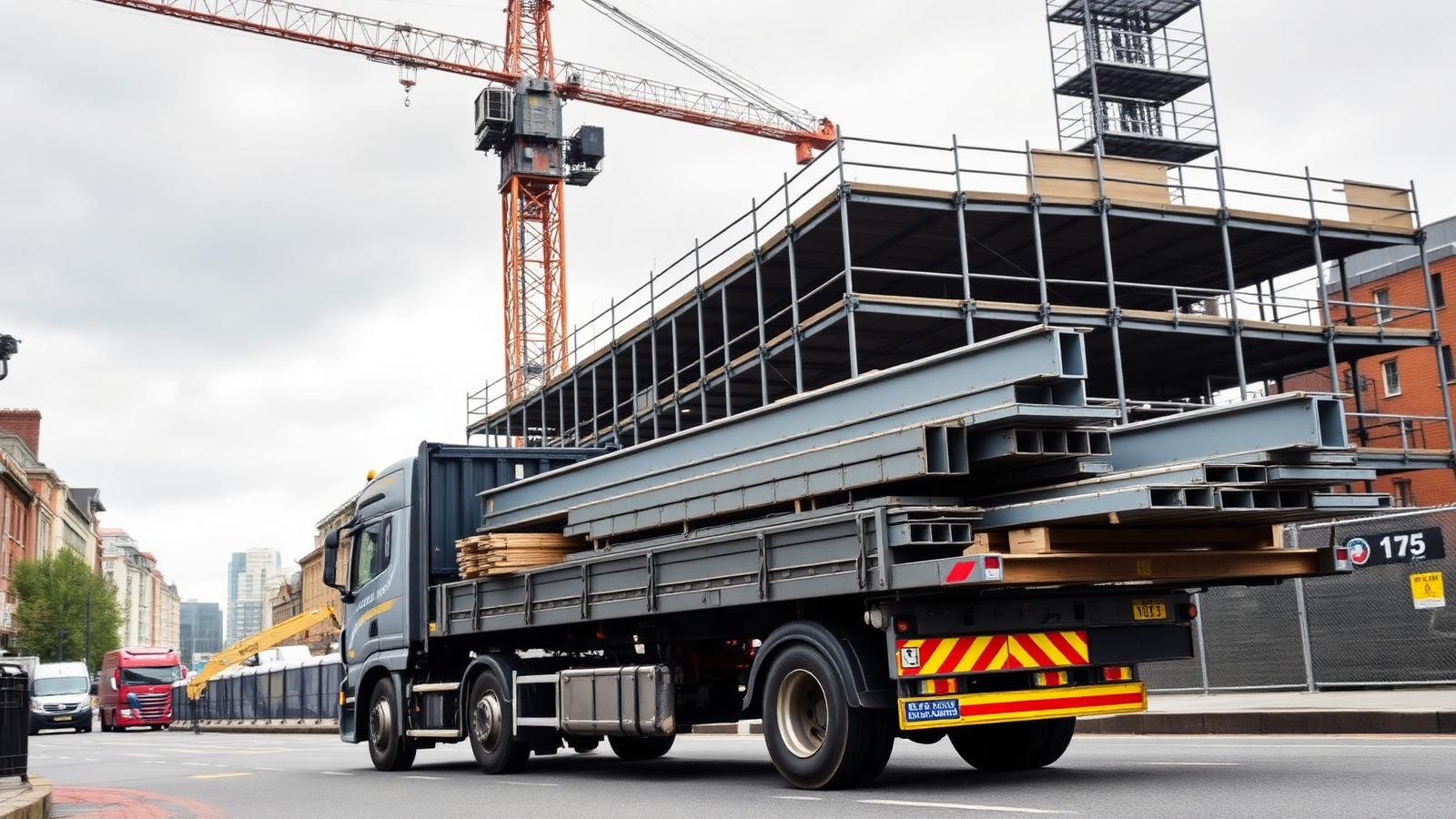
Part loads offer a balance of efficiency and security. They are particularly effective for oversized items or machinery that may not be suitable for standard pallet networks. Because the vehicle is shared, the cost remains lower than a dedicated full load, though it requires a degree of flexibility regarding collection and delivery windows to allow the carrier to co-load effectively.
The Mechanics of Full Load Haulage (FTL)
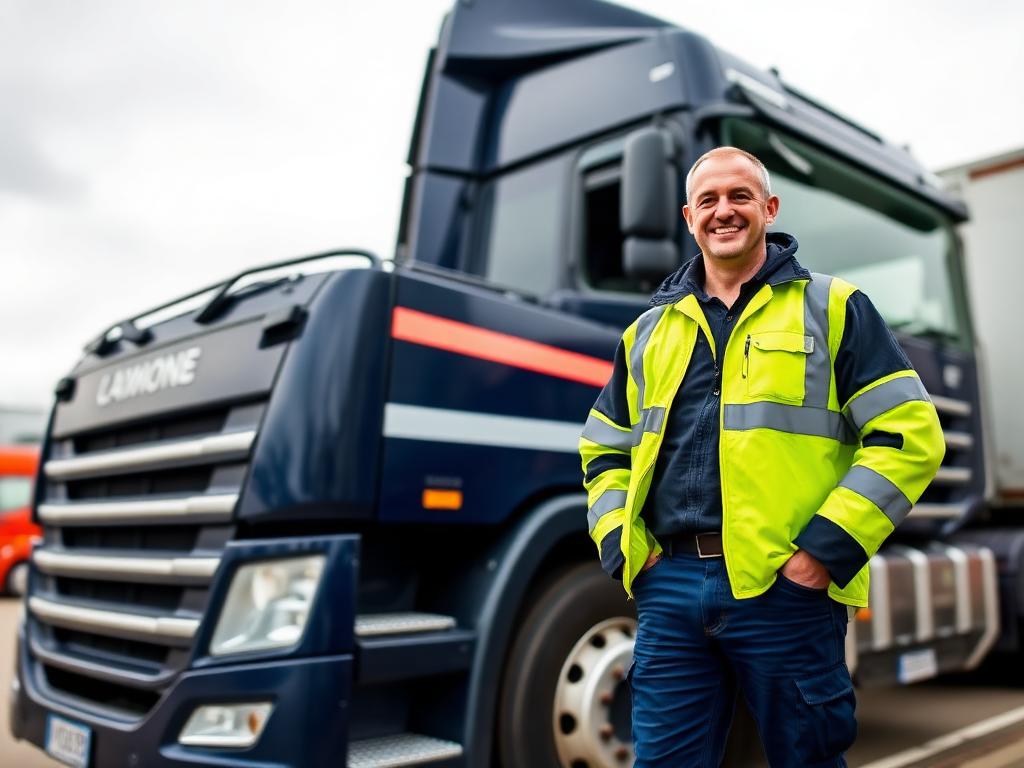
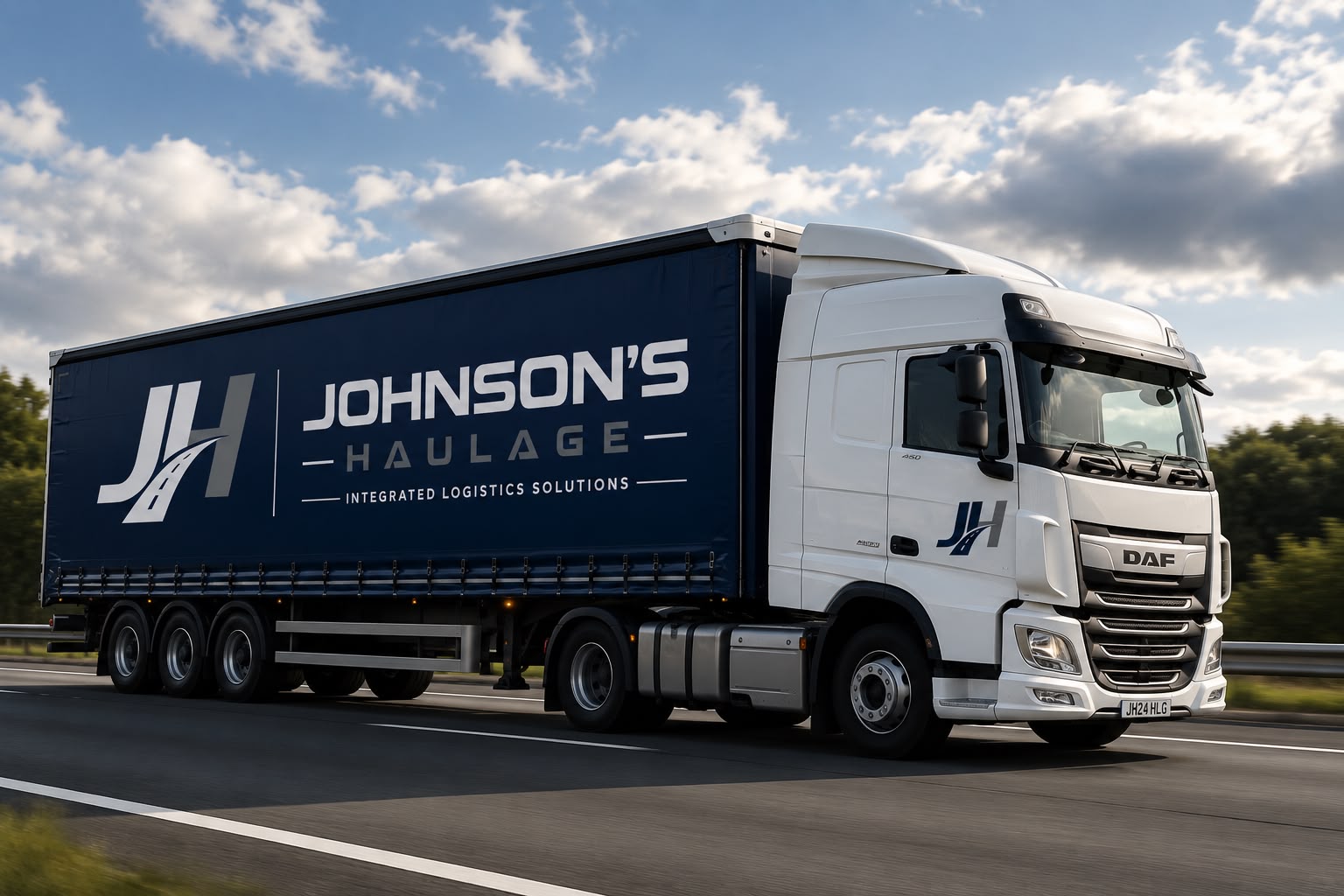
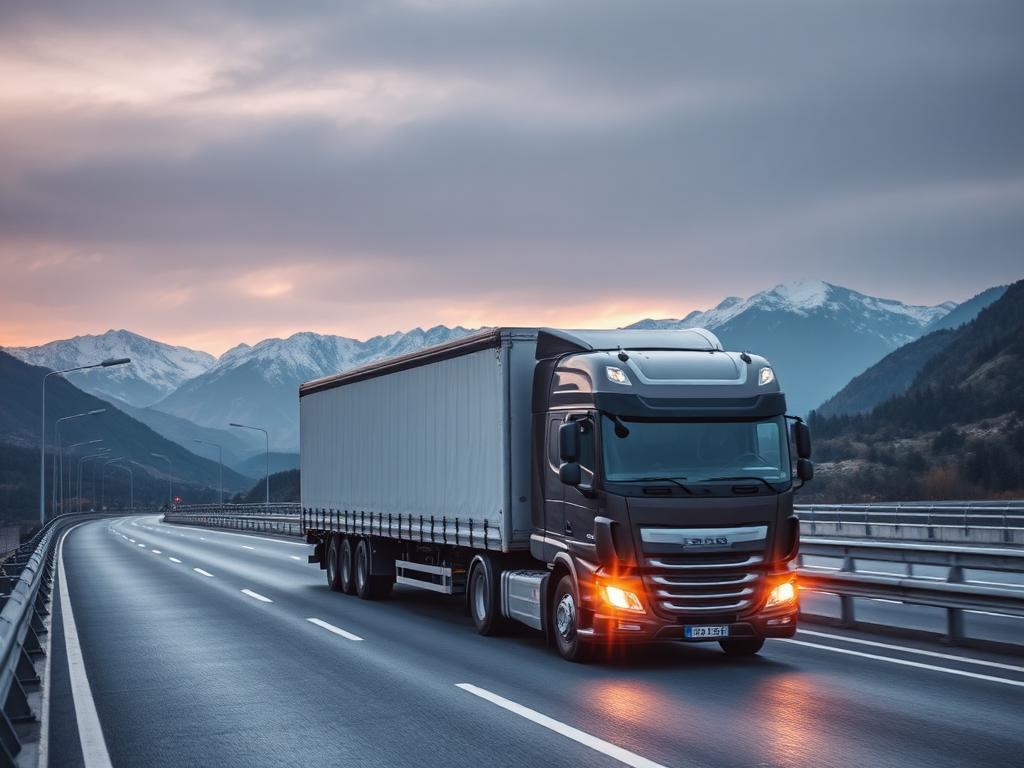
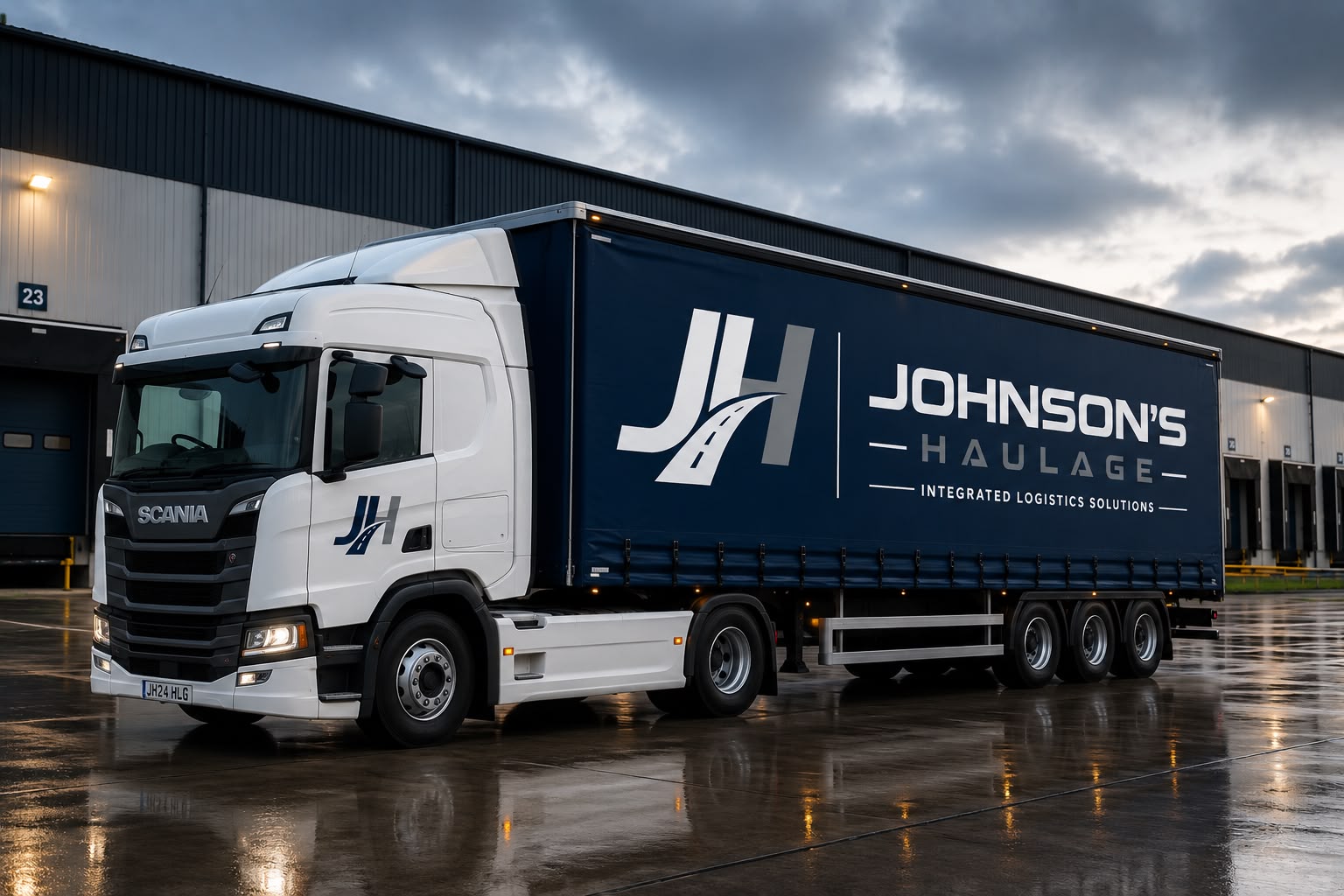
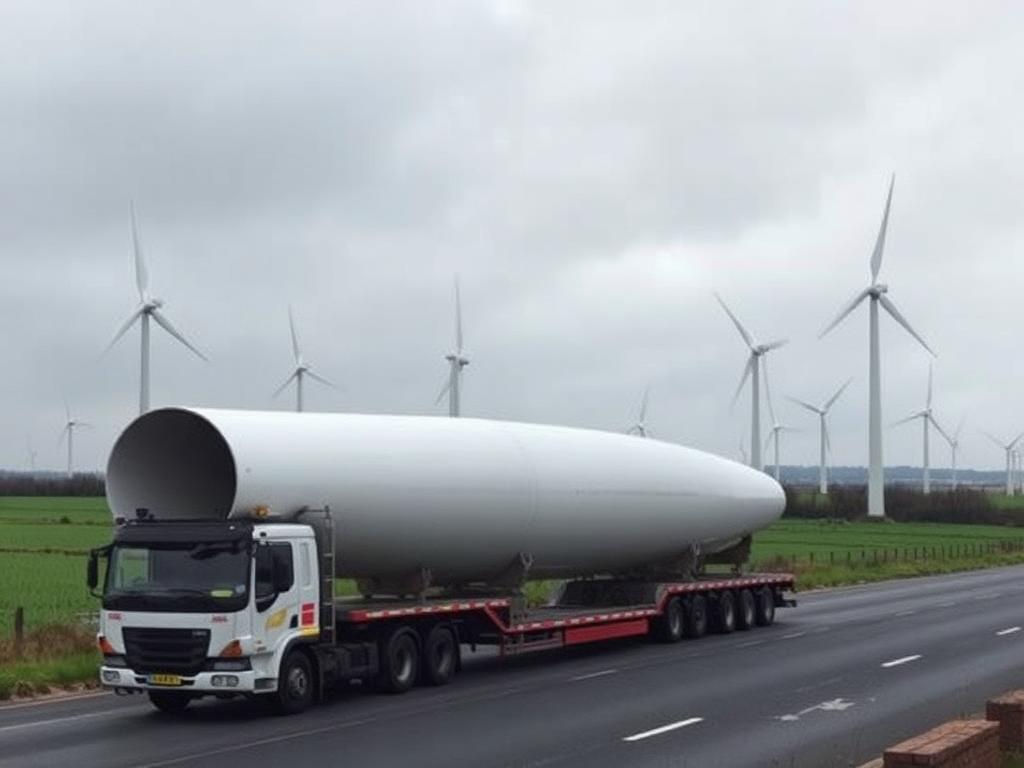
Full load haulage, or Full Truckload (FTL), involves a dedicated vehicle moving goods from one point to another without any other customers' cargo on board. You do not necessarily have to fill the entire trailer to its weight or volume capacity to book an FTL; the term refers to the fact that the vehicle is exclusively yours for that journey.
This is the fastest method of road transport because there are no intermediate stops for other deliveries or collections. Once the vehicle is loaded at your site, the driver proceeds directly to the destination. FTL is the preferred choice for high-value cargo, time-critical deliveries, and fragile goods that must remain untouched once secured in the trailer.
From a regulatory perspective, FTL operations are governed strictly by DVSA driver hours and tachograph rules. Unlike groupage, where a delay at one drop-off can cause a cascade of delays for other customers, an FTL gives you total control over the schedule. While it is the most expensive option per journey, it often offers the lowest cost per unit for high-volume shipments.
Comparison of Freight Services
To determine which service suits your current requirement, it is helpful to compare the core operational metrics side-by-side. The following table outlines the typical characteristics of each mode.
| Feature | Groupage | Part Load (LTL) | Full Load (FTL) |
|---|---|---|---|
| Cost Efficiency | Highest (per pallet) | Moderate | Lowest (per journey) |
| Transit Speed | Slowest (network based) | Moderate to Fast | Fastest (direct) |
| Handling Frequency | High (multiple hubs) | Minimal | None (point-to-point) |
| Risk Level | Moderate (more handling) | Low | Very Low |
| Typical Volume | 1-5 Pallets | 6-14 Pallets | 15-26+ Pallets |
| Best For | Small, non-urgent orders | Mid-sized consignments | Bulk or urgent stock |
Comparison of Road Freight Service Models
How Johnson's Haulage Manages Consolidations
Navigating these options requires a deep understanding of carrier capabilities and current market capacity. At Johnson's Haulage, we act as the central point of contact for your logistics requirements. Based at Houldsworth Mill in Stockport, our transport team manages these complexities by sourcing and assessing capacity through a trusted network of carriers.
We do not own the vehicles or warehouses ourselves. Instead, we focus on transport management and supply chain coordination. This model allows us to remain objective; if a groupage service is the most logical choice for your budget, we secure space within an assessed pallet network. If your cargo requires the security of a dedicated FTL, we source a vetted haulier whose equipment matches your specific needs.
Our role is to manage the flow of information between you and the transport provider. By assessing every carrier in our network, we ensure that whether you are using UK road freight or European road transport, your cargo is handled by professionals who comply with relevant GOV.UK transport standards and HMRC customs requirements for international movements.
Key Considerations for International Movements
When moving goods between the UK and Europe, the choice between groupage and FTL becomes even more critical due to customs procedures. Following the transition to new trading rules, the ICC (International Chamber of Commerce) Incoterms you choose will dictate who is responsible for customs declarations and duties.
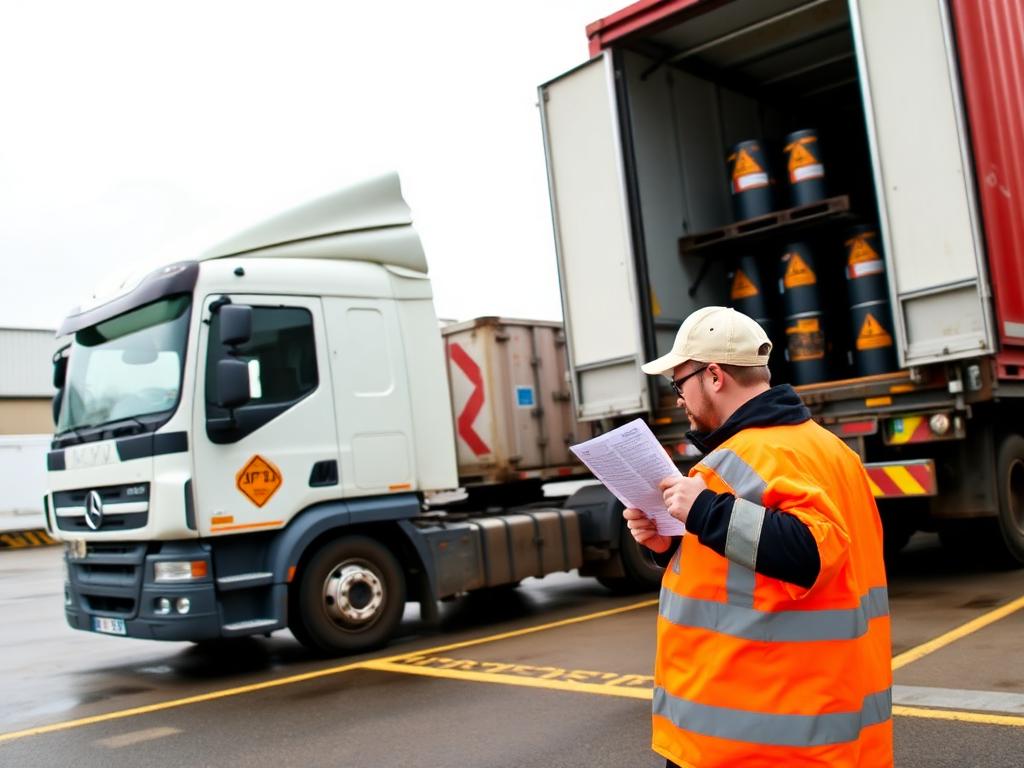
Groupage shipments can sometimes experience delays at borders if one shipment on the vehicle has incorrect paperwork, as the entire vehicle may be held for inspection by customs authorities. In contrast, an FTL only carries your documentation, significantly reducing the risk of third-party delays. For businesses exporting to the EU, FTL or part loads often provide a more predictable timeline for this reason.
Our team at Johnson's Haulage assists with the logistical coordination of these international movements. We ensure that all necessary information is relayed to the carriers, helping to maintain supply chain fluidity regardless of the transport mode selected.
Security and Risk Mitigation
Risk management is a primary driver in the selection of freight services. Every time a pallet is moved by a forklift in a hub environment, the statistical probability of accidental damage increases. For this reason, delicate or high-value electronics are rarely suited for groupage networks.
Bullets to consider for risk assessment:
| Service Type | Primary Risk | Mitigation Strategy |
|---|---|---|
| Groupage | Forklift damage/Loss | High-quality packaging and labeling |
| Part Load | Load shifting | Correct lashing and dunnage use |
| Full Load | Theft (stationary) | Secure parking and GPS tracking |
Risk Factors by Transport Mode
Deciding Which Service Fits Your Business
To make the right choice, start by calculating your total pallet count and the total weight of the shipment. If you have a single pallet that is not time-sensitive, groupage is almost always the answer. If you have ten pallets that need to be at a customer's site within 24 hours, a part load or a dedicated FTL is necessary.
Cost should not be the only factor. Consider the 'cost of failure'—the commercial impact if a delivery is late or damaged. For many of our clients at Johnson's Haulage, the slightly higher cost of a part load is justified by the peace of mind that comes with reduced handling and a more direct route.
Effective supply chain management often involves a mix of all three services. A robust strategy might use groupage for routine regional distribution while reserving FTL for bulk inbound stock from manufacturers. Balancing these methods ensures that you are not overpaying for empty space on a truck while still meeting your customers' delivery expectations.
Conclusion and Next Steps
Identifying the right freight service is a balance of cost, speed, and risk. Groupage offers the best value for small consignments, while full loads provide the ultimate speed and security for large volumes. Part loads offer a flexible middle ground for growing businesses.
If you are unsure which mode is best for your upcoming shipments, the team at Johnson's Haulage can help. We manage the entire process, from sourcing the right carrier to coordinating the delivery, allowing you to focus on your core business. Reach out to our transport experts today to discuss your requirements.
Contact us on 0161 669 1949, email info@johnsonshaulage.com, or message us via WhatsApp on 07895 362166 to request a quote or professional advice on your road freight needs.
Frequently asked questions
Talk to our team.
Get a tailored quote or speak to our operations team about your transport requirements.