















The fundamental trade-off: speed versus cost
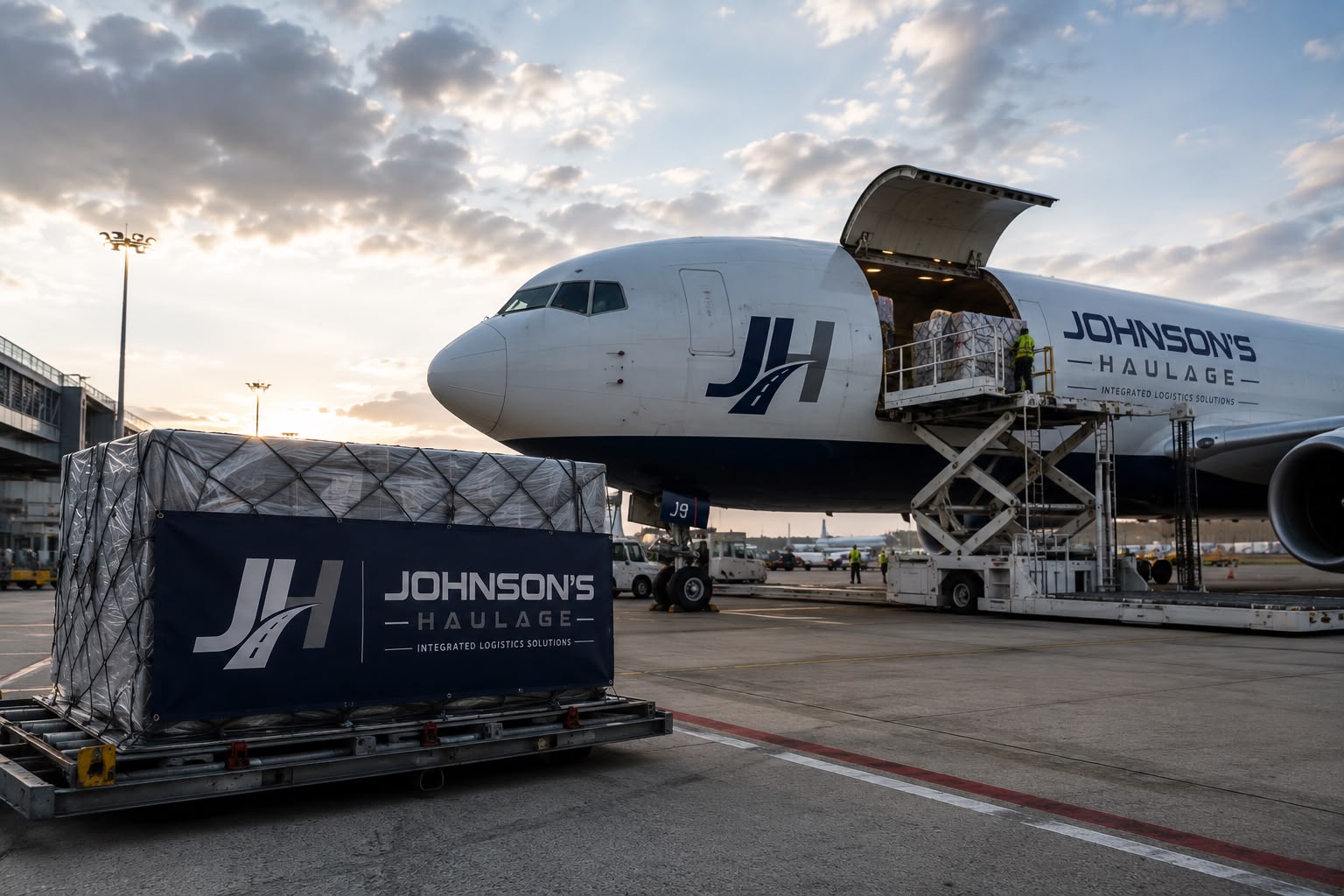
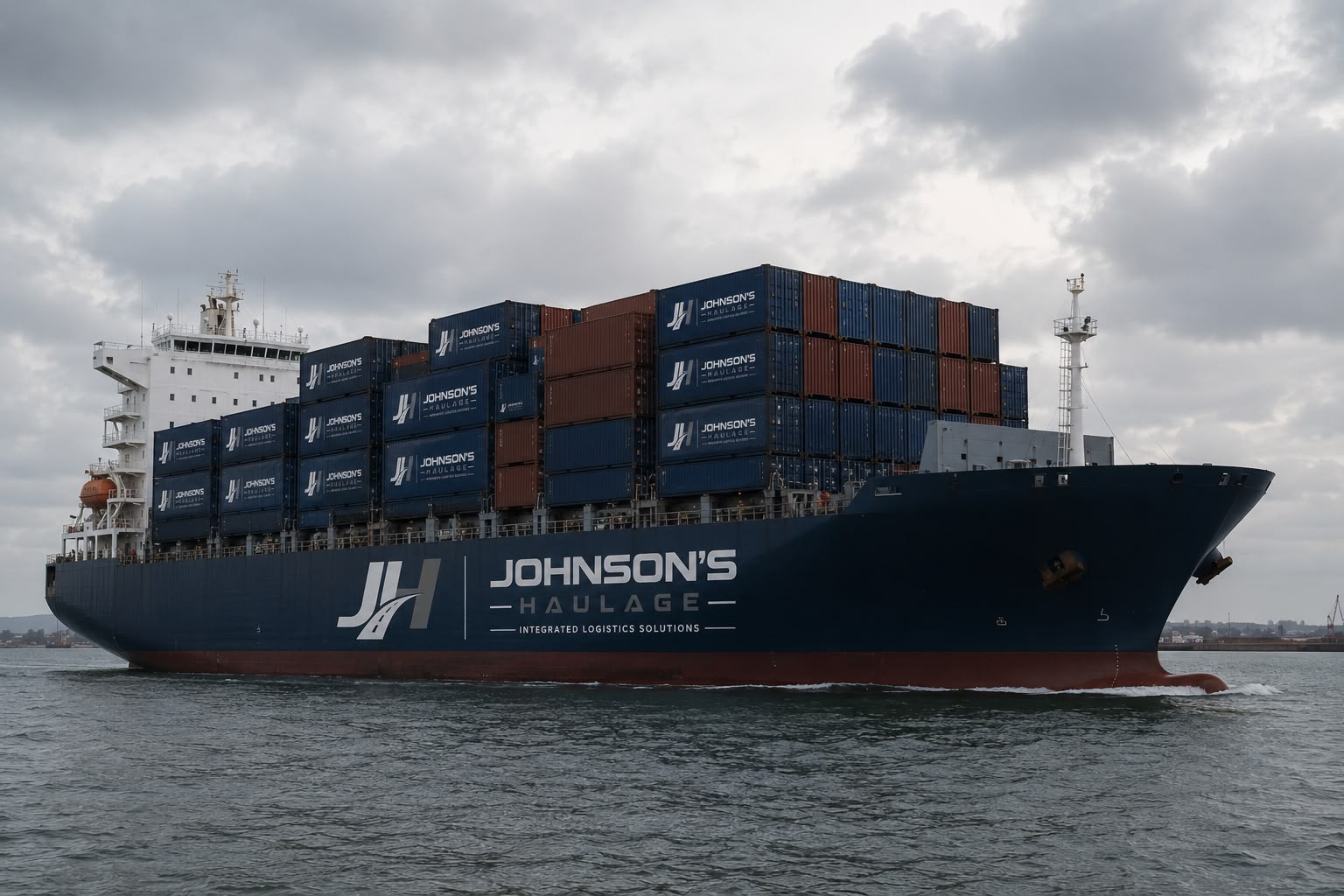
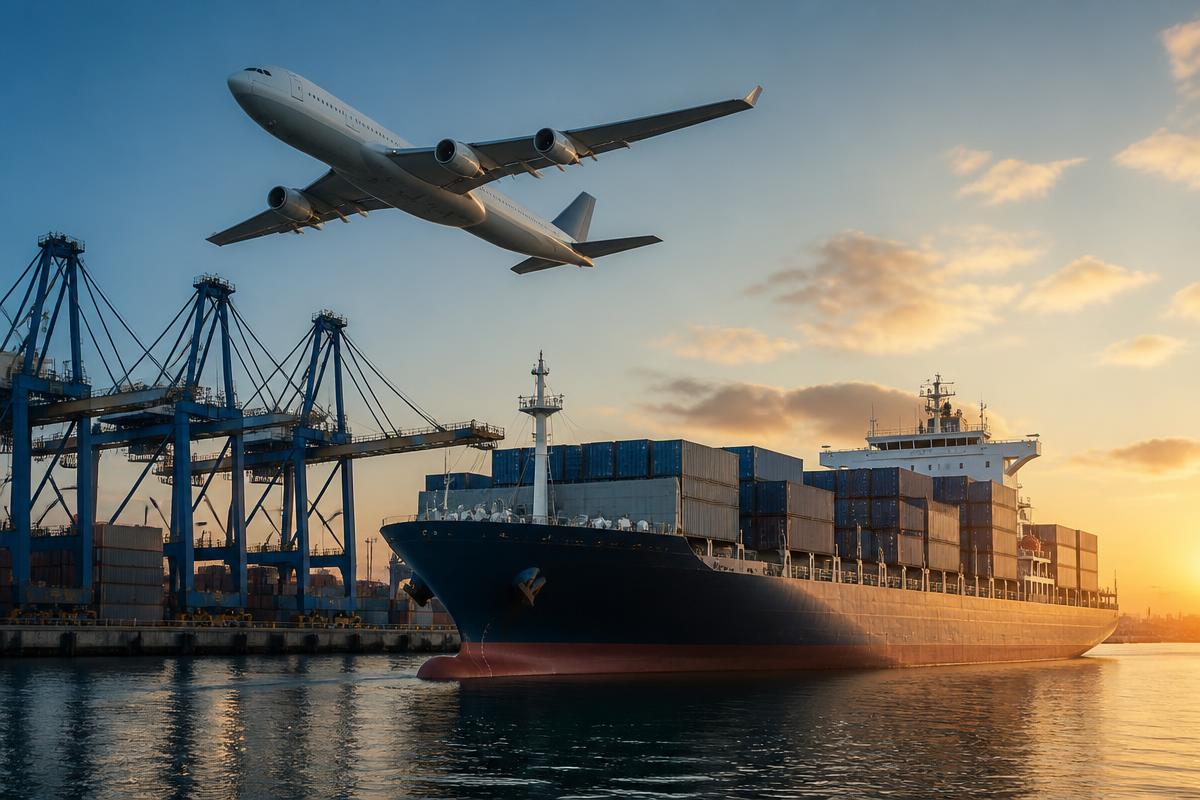
Air freight and sea freight sit at opposite ends of the same trade-off. Air freight moves goods in hours to a few days but costs considerably more per kilogram; sea freight is far more cost-effective for larger volumes but takes weeks rather than days, particularly on long-haul routes such as Asia to the UK.
For many businesses, the decision isn't purely 'air or sea' but a question of which shipments justify which mode — with some businesses splitting a single order, sending an initial portion by air to protect a launch date while the bulk of the volume follows by sea at lower cost.
When air freight makes sense
Air freight is generally justified when speed outweighs cost — for time-critical shipments, high-value or low-weight goods where transport cost is a small proportion of product value, or when a supply chain disruption needs an urgent fix.
- Time-critical shipments with fixed launch or event dates
- High-value, low-weight goods (electronics, pharmaceuticals, luxury items)
- Perishable goods with a short shelf life
- Emergency replenishment to avoid a stock-out or production stoppage
When sea freight makes sense
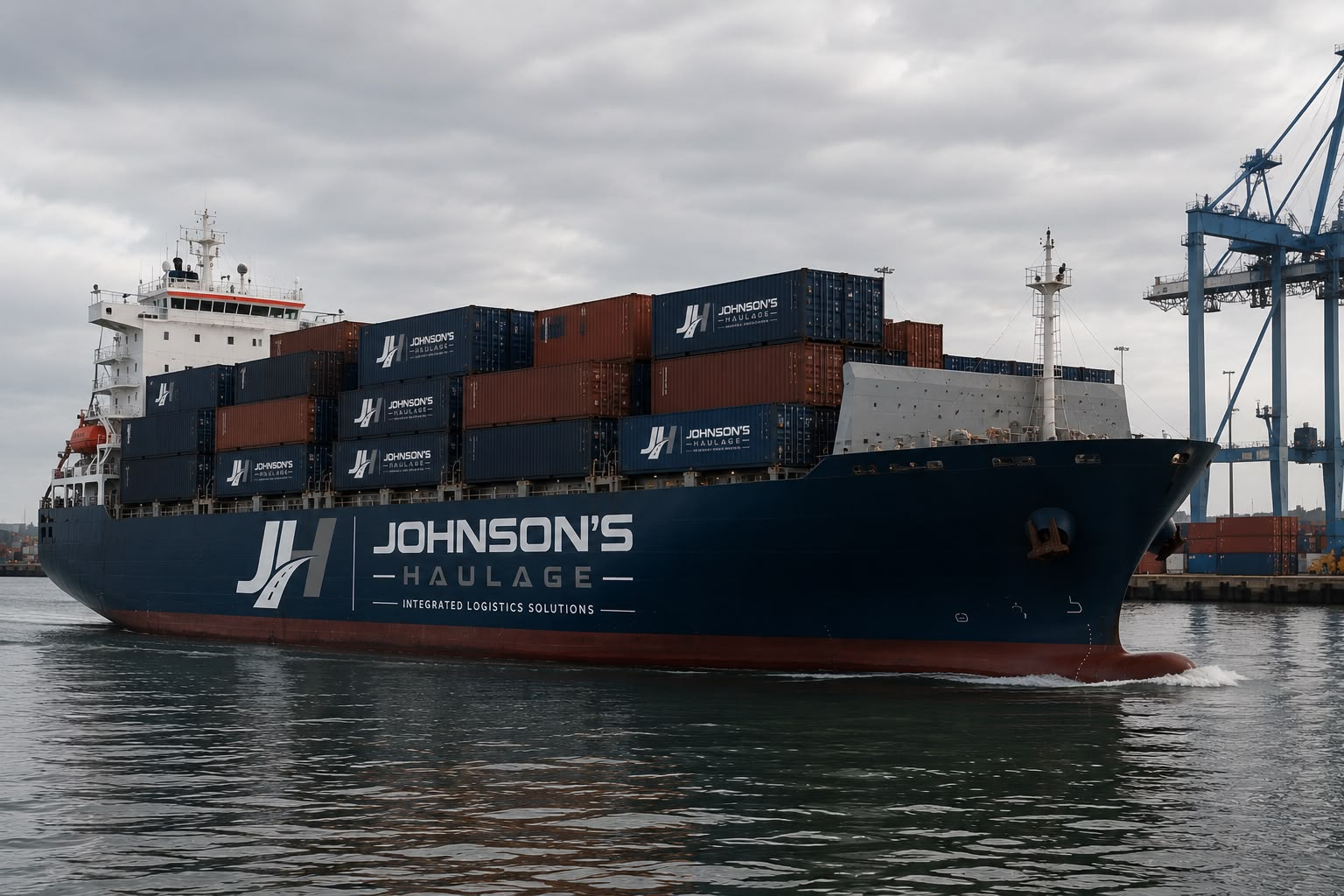
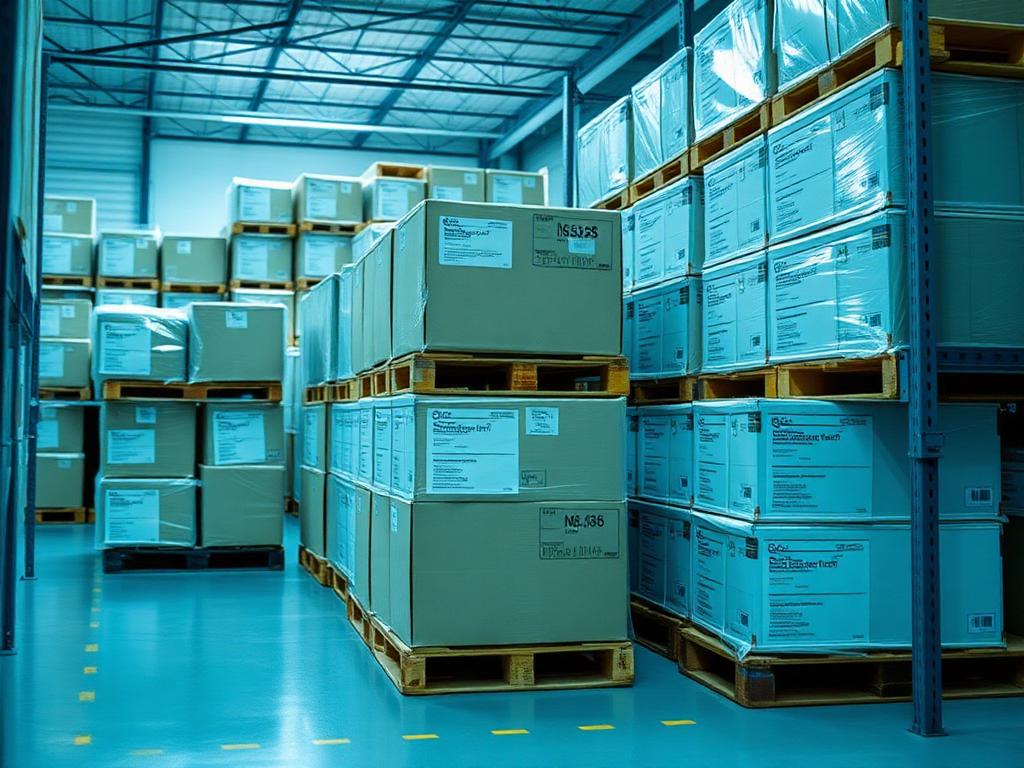
Sea freight is the default choice for the majority of international trade volume, particularly for bulky, heavy or lower-value goods where cost per unit matters more than speed, and where lead times can be planned well in advance.
- Large volumes where cost per unit is the priority
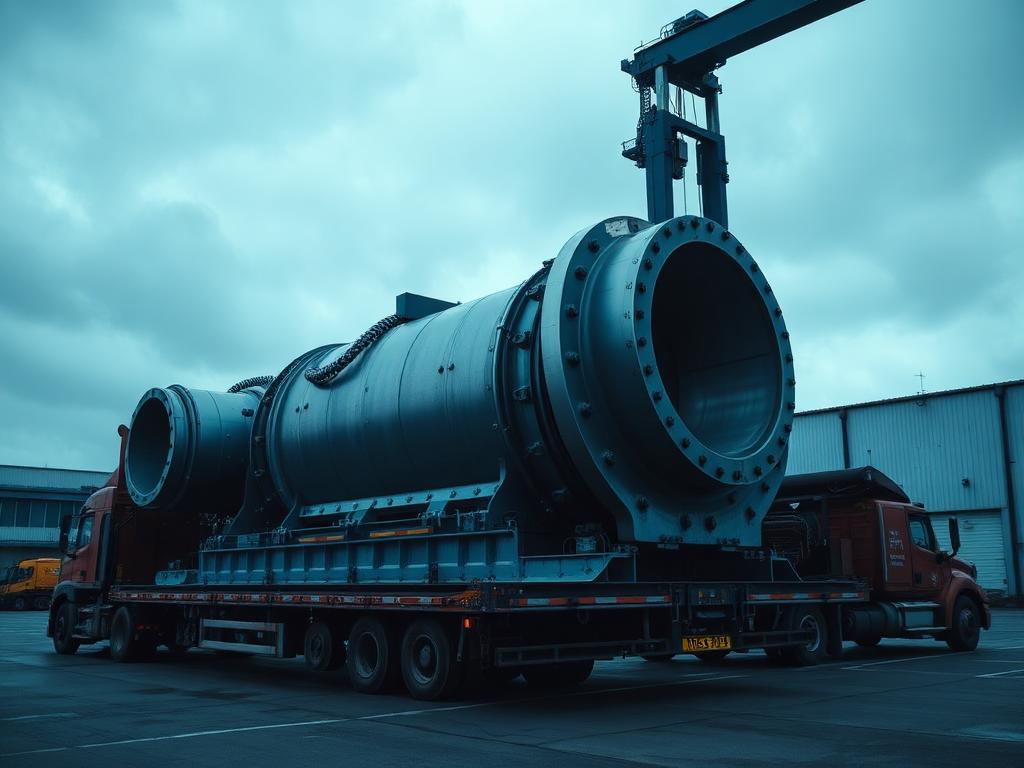
- Bulky or heavy goods where air freight costs would be disproportionate
- Non-perishable goods with flexible delivery timeframes
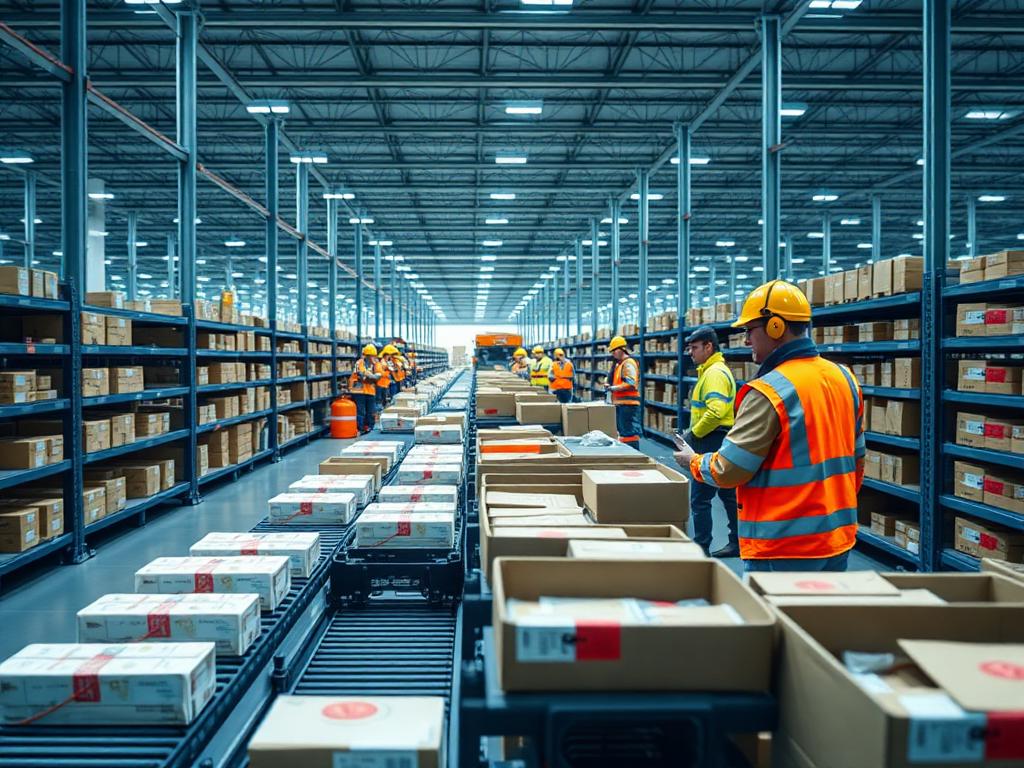
- Full container load (FCL) or consolidated less-than-container load (LCL) shipments
Other factors that influence the decision
Minimum shipment volumes, packaging requirements, customs clearance timing, and the reliability of the destination port or airport infrastructure all factor into the real-world decision, beyond the headline cost-per-kilo comparison. Seasonal congestion — for example around Chinese New Year or peak retail season — can also affect both cost and transit reliability for sea freight in particular.
Getting expert input before you commit
Because the right choice depends on product characteristics, timing constraints and total landed cost rather than transport cost alone, it's worth getting a comparative quote for both modes before committing. Our team arranges both air freight and sea freight through our carrier network and can talk through the true cost and timing implications for your specific shipment — including whether a split shipment approach makes sense for your situation.
Frequently asked questions
Talk to our team.
Get a tailored quote or speak to our operations team about your transport requirements.