














The Economic Factors Driving UK Haulage Costs in 2026
UK businesses managing supply chains face a shifting financial environment when budgeting for transport. Haulage prices UK wide are influenced by a complex interplay of energy prices, regulatory changes, and labour availability. While the logistical sector has traditionally been reactive to price fluctuations, the 2026 outlook suggests that forward planning is no longer optional for maintaining margins.
Operating a commercial vehicle in Britain involves significant overheads that are often invisible to the end customer but critical to the carrier. From the impact of the HGV Road User Levy to fluctuating insurance premiums, every mile travelled is underpinned by specific cost drivers. Understanding these components allows procurement managers to better interpret the quotes they receive and identify where genuine savings can be made without compromising service reliability.
Fuel and Energy: The Shift Toward Diversified Power
Fuel remains the single largest variable cost for any transport operation. Although the UK government has historically implemented fuel duty freezes, global oil volatility remains a constant risk. By 2026, the mix of fuels on UK roads is changing as more carriers integrate alternative fuels to meet carbon reduction targets. According to data from the Department for Transport (DfT), the transition to zero-emission heavy goods vehicles is a long-term goal, but the immediate cost burden lies in the infrastructure and the higher initial price point of cleaner technology.
Many transport providers now utilise fuel escalators or fuel surcharges. These mechanisms protect the carrier from sudden price spikes at the pump, ensuring that the haulage rate remains sustainable. For businesses, this means that the base rate for a delivery might remain stable, but the final invoice will reflect the actual cost of energy at the time of transit. Monitoring these surcharges is a vital part of managing freight costs effectively.
Labour and the Driver Shortage Legacy
The shortage of qualified HGV drivers has been a recurring theme in the UK logistics sector for several years. To attract and retain talent, haulage companies have had to significantly increase wages and improve working conditions. These driver costs are a permanent fixture in transport costs UK businesses must absorb. The DVSA (Driver and Vehicle Standards Agency) continues to oversee rigorous testing and CPC (Driver Certificate of Professional Competence) requirements, which ensure safety but also add to the training overhead of the workforce.
Beyond basic wages, employers face increased costs related to pension contributions and National Insurance. When a business hires a dedicated transport service, they are essentially paying for a highly skilled professional whose expertise ensures that goods arrive safely and within legal driving hour limits. Attempting to undercut these costs often leads to lower service levels or, worse, regulatory non-compliance.
Breakdown of a Standard Haulage Rate
It is helpful to see exactly what a transport quote covers. While every job is different, the underlying cost structure remains relatively consistent across the industry. The table below outlines the primary cost centres that dictate the final price of a movement.
| Cost Category | Description | Impact on Final Price |
|---|---|---|
| Fuel & Energy | Diesel, HVO, or electric charging costs. | High (Fluctuates weekly) |
| Driver Wages | Hourly rates, overtime, and subsistence allowances. | High (Fixed/Semi-fixed) |
| Vehicle Maintenance | Parts, labour, tyres, and mandatory safety inspections. | Medium (Steady) |
| Insurance & Liability | Goods in Transit and Public Liability cover. | Medium (Annual premiums) |
| Taxes & Levies | HGV Road User Levy, VED, and London ULEZ/CC charges. | Low to Medium (Fixed) |
| Administrative Overhead | Route planning, compliance management, and customer service. | Low (Standardised) |
Common Components of a UK Haulage Rate
Regulatory Compliance and Vehicle Operating Costs
Operating a heavy goods vehicle in the UK requires strict adherence to safety standards set by the Traffic Commissioners and the DVSA. Regular preventative maintenance inspections (PMIs) are a legal requirement, and the cost of parts and specialist labour has risen in line with general inflation. Furthermore, the expansion of Clean Air Zones (CAZ) across major UK cities like Birmingham, Bristol, and Manchester adds a daily cost for vehicles that do not meet the latest Euro VI emissions standards.
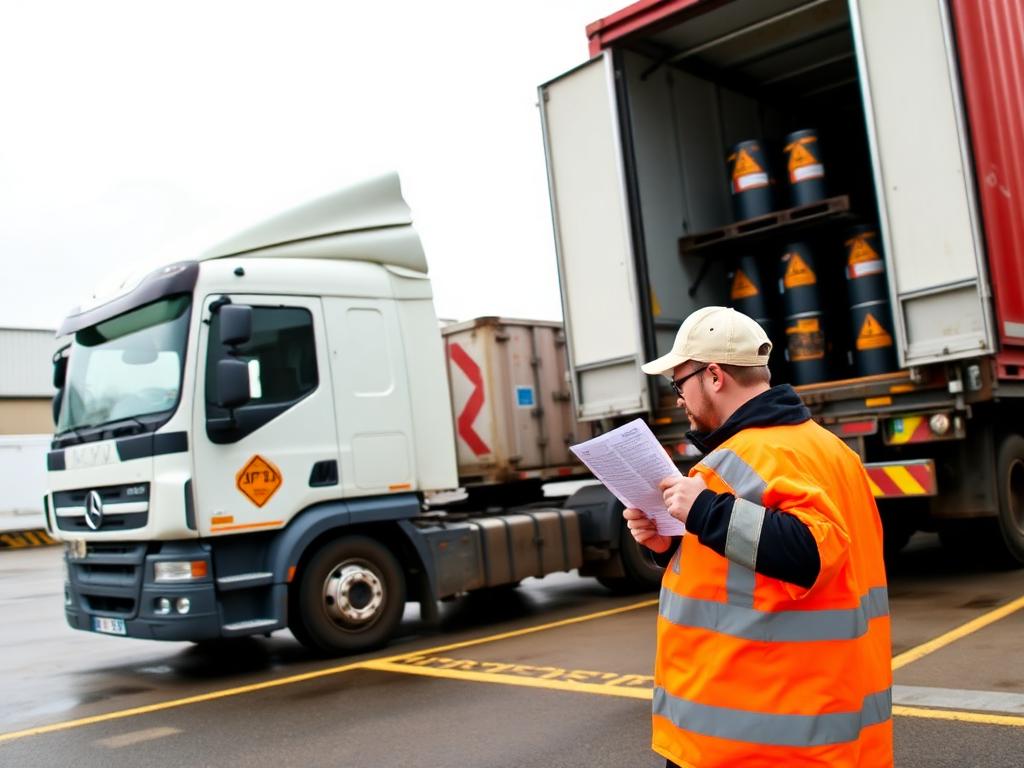
Insurance premiums for the haulage sector have also seen upward pressure. Carriers must maintain robust Goods in Transit insurance to protect the value of the cargo. For high-value or hazardous goods, these premiums are even higher. Businesses should always verify that their transport partner has the appropriate level of cover for the specific commodity being moved, as under-insuring can lead to significant financial exposure in the event of a claim.
The Role of Johnson’s Haulage in Cost Management
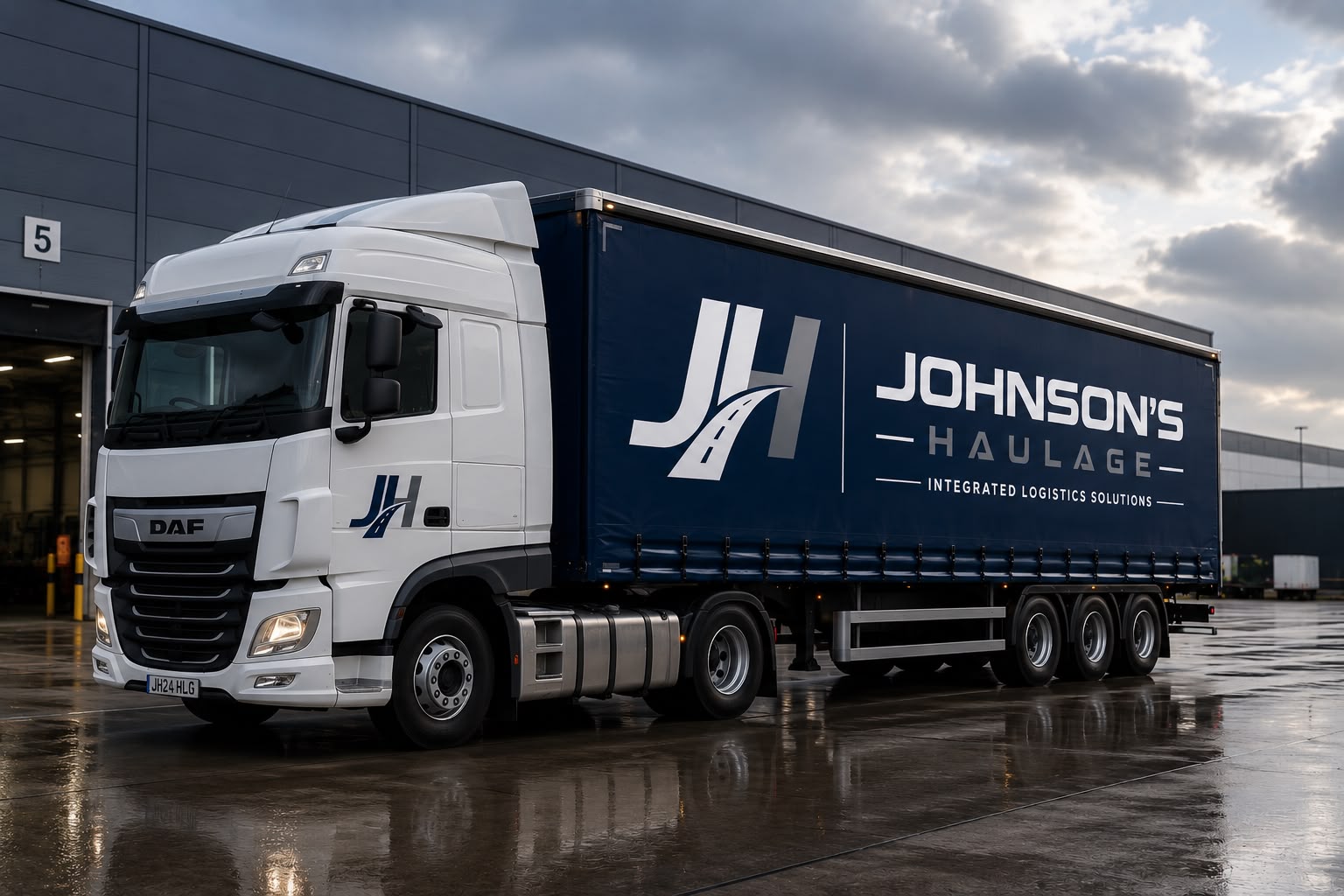
Navigating the complexities of freight costs requires a strategic approach to capacity. At Johnson’s Haulage, based at Houldsworth Mill in Stockport, we do not own a fleet of vehicles or warehouses. Instead, we act as a central hub, managing and sourcing capacity through an approved network of assessed carriers and partners. This model allows us to remain agile, matching specific customer requirements with the most efficient transport solution available in the market at any given time.
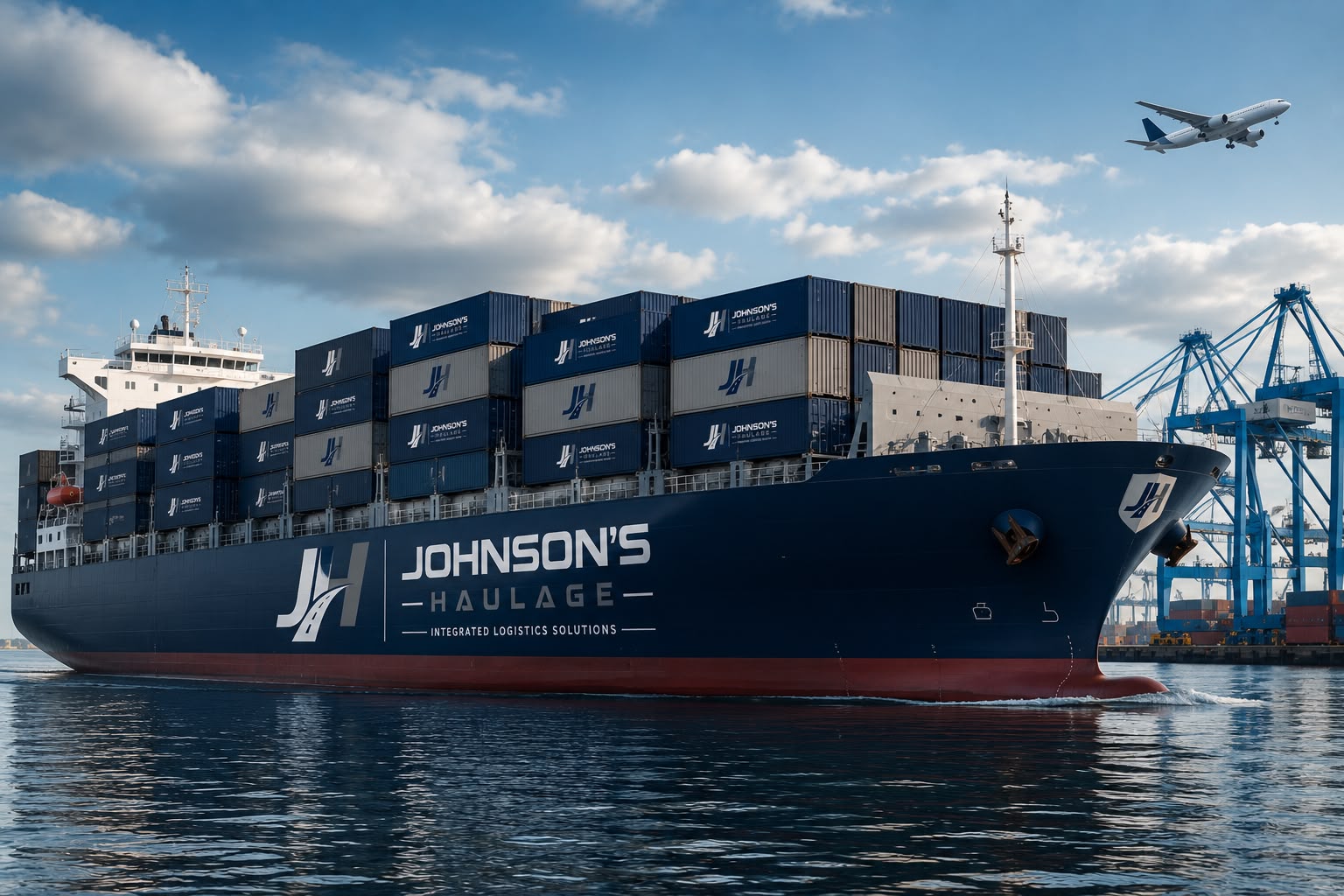
Our team manages everything from UK road freight and same-day dedicated transport to complex international air and sea freight. By leveraging a broad network, we can often find backload opportunities or consolidated routes that a single-fleet operator might miss. We also handle contract logistics and supply chain management, focusing on route efficiency to keep commercial distribution costs as predictable as possible for our clients. For businesses looking for a more streamlined experience, our Customer Portal is available to approved Johnson's Haulage customers, with enhanced visibility features being added progressively.
Capacity, Route Efficiency, and Consolidation
One of the most effective ways to control haulage prices UK businesses pay is through consolidation. Moving half-empty vehicles is an inefficient use of resources and a primary driver of high transport costs. By using pallet distribution networks or groupage services, businesses can share vehicle space with other shippers, significantly reducing the cost per unit. This is particularly effective for non-urgent shipments where a slightly longer transit time is acceptable in exchange for a lower rate.
Route efficiency is another critical factor. Advanced routing software now allows planners to account for traffic patterns, road works, and delivery windows to minimise empty running. According to the RHA (Road Haulage Association), reducing empty miles is one of the most significant challenges and opportunities for the industry. Businesses that can offer flexible collection or delivery windows often benefit from better rates, as it allows the transport provider to optimise their schedule more effectively.
Planning Ahead: Strategies for 2026 and Beyond
The best way to mitigate rising UK haulage costs 2026 is through early engagement with your transport partner. Spot market rates—prices quoted for immediate, one-off jobs—are typically higher and more volatile than rates secured through long-term planning. By sharing volume forecasts with a freight forwarder, businesses enable the logistics provider to secure capacity in advance, often at a more competitive price point.
Data transparency is also becoming more important. The more information a business can provide about their cargo—accurate dimensions, weights, and loading requirements—the more accurately a job can be priced. Inaccurate data often leads to delays, additional charges, or the deployment of the wrong vehicle type, all of which drive up the total cost of ownership in the supply chain. Prioritising clear communication ensures that there are no hidden surprises when the final invoice arrives.
International Freight: Air and Sea Considerations
For businesses involved in global trade, road freight is only one part of the equation. Air and sea freight costs are influenced by different variables, such as global shipping lane demand and fuel bunker adjustment factors (BAF). Since the UK left the European Union, customs compliance has become a major factor in the overall cost of international transport. Ensuring that all paperwork is correctly filed with HMRC is essential to avoid costly delays at the border.
European road transport also requires careful management of driver hours and posting of worker rules, which vary by country. A managed logistics approach ensures that these regulatory hurdles are handled by experts, preventing fines and ensuring that goods flow smoothly between the UK and the Continent. Whether moving goods by road, air, or sea, the focus should always be on total landed cost rather than just the initial freight quote.
Securing Your Supply Chain for the Future
Managing haulage costs in 2026 requires a balance of market knowledge, regulatory awareness, and strategic partnerships. While the price of fuel and labour is largely outside a business's control, how those resources are used is not. By focusing on consolidation, route efficiency, and accurate data, UK firms can keep their transport spend under control even in a challenging economic climate.
If you are looking to review your current logistics spend or need advice on managing your supply chain more effectively, the team at Johnson’s Haulage is here to help. We provide expert management across road, air, and sea freight, tailored to your specific commercial needs. Contact our transport team today at Houldsworth Mill on 0161 669 1949 or email info@johnsonshaulage.com to discuss your requirements. For quick enquiries, you can also reach us via WhatsApp on 07895 362166.
Frequently asked questions
Talk to our team.
Get a tailored quote or speak to our operations team about your transport requirements.