










Managing the Realities of UK-EU Trade in 2026
The logistical landscape between the United Kingdom and mainland Europe has stabilized into a structured yet demanding environment. For many UK businesses, the transition from seamless trade to a formal customs border is no longer new, but the administrative burden remains a significant overhead. Moving goods across the Channel requires more than just a vehicle; it requires precise timing and a rigorous approach to documentation.
Current cross-border operations are defined by the need for digital compliance and physical readiness. Whether you are shipping automotive parts to Germany or importing textiles from Italy, the margin for error at the border has narrowed. Incomplete paperwork does not just cause a delay for one pallet; it can compromise an entire trailer’s schedule, leading to storage charges and missed production deadlines.
Success in European road freight now depends on how well an importer or exporter can synchronize their commercial invoices with the physical movement of the truck. By understanding the specific requirements of each transit lane, businesses can turn what is often seen as a barrier into a predictable part of their supply chain.
Core Services in European Road Transport
The choice of service level often dictates the cost and speed of a shipment. Most UK to Europe transport falls into three distinct categories: Groupage, Part Loads (LTL), and Full Loads (FTL). Selecting the right one depends entirely on the volume of goods and the urgency of the delivery.
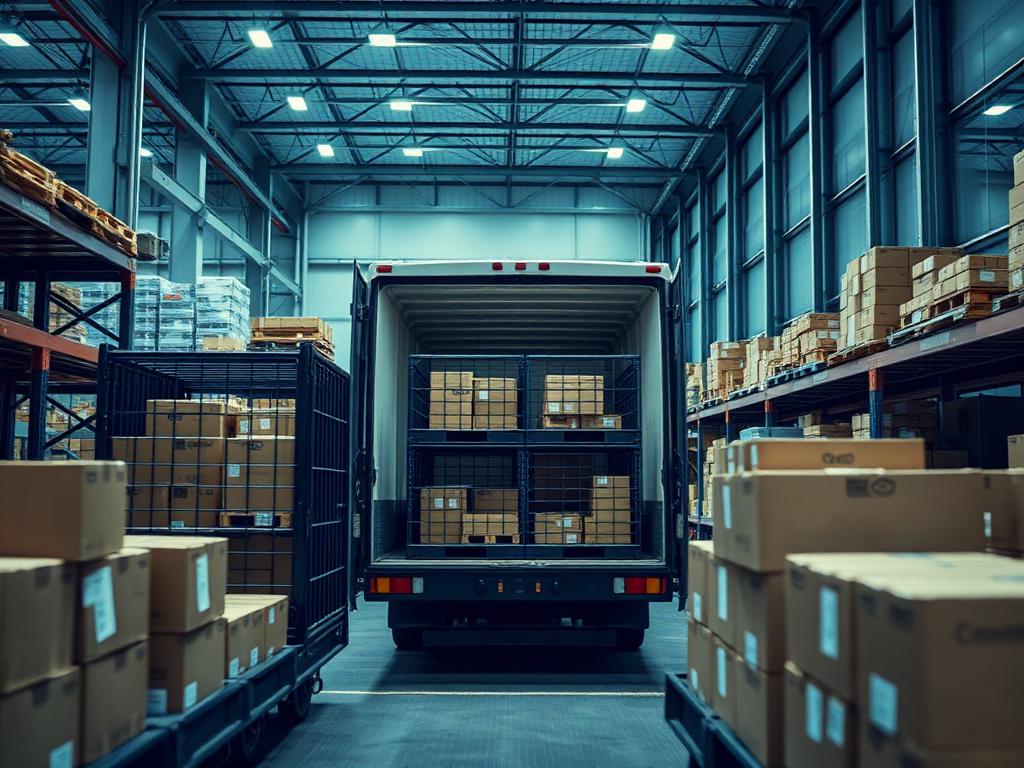
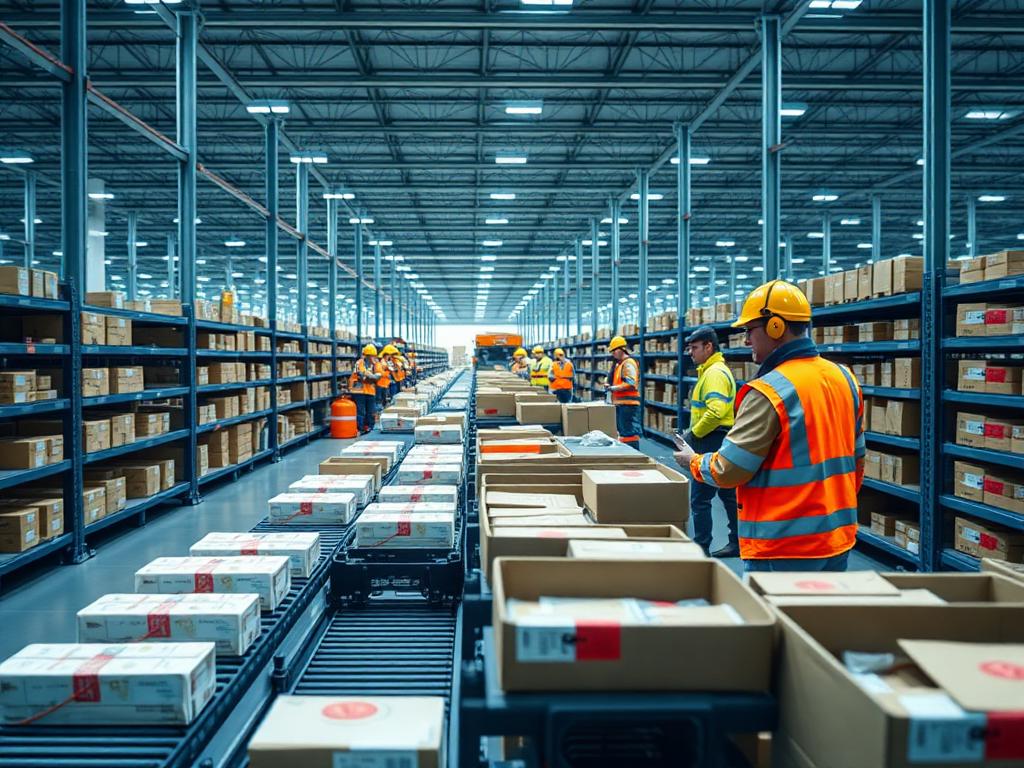
Groupage is the most cost-effective method for smaller shipments, typically between one and five pallets. Goods from multiple shippers are consolidated onto a single trailer. While this reduces the price per pallet, it often results in slightly longer transit times as the vehicle must make several stops for collections and deliveries. It also requires the most diligent documentation, as one incorrect customs entry for a single pallet can delay the entire vehicle at the border.
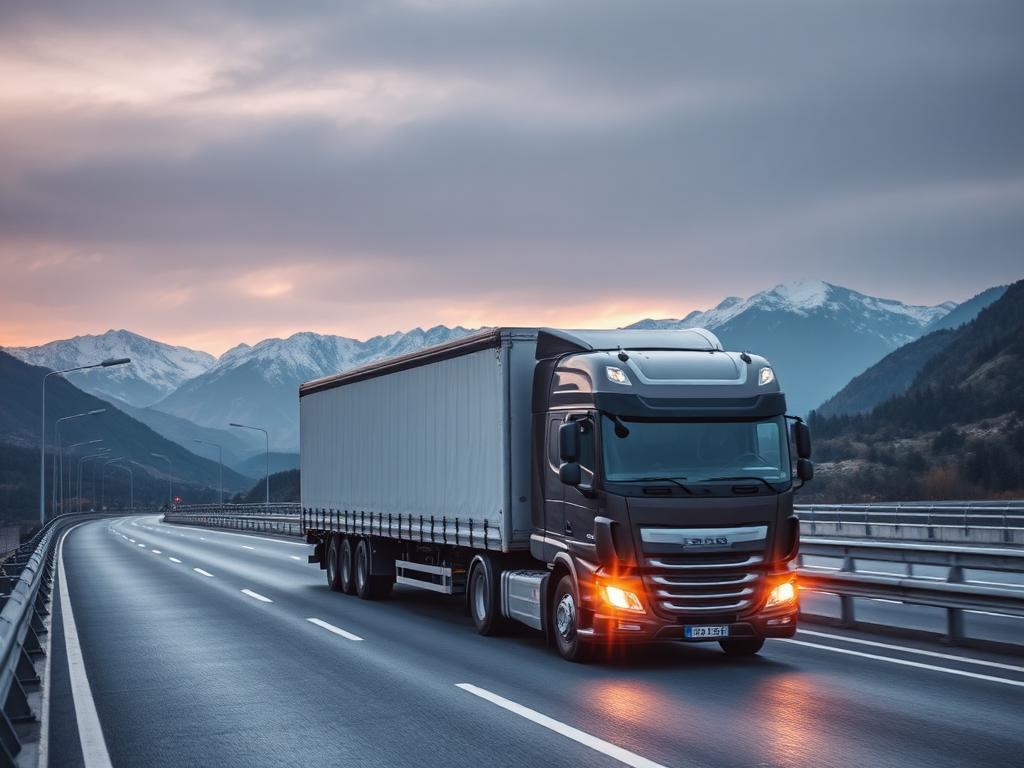
Full Truck Loads (FTL) provide the fastest transit times and the highest security. A dedicated vehicle is assigned to a single consignor, moving directly from the collection point to the delivery address. This eliminates the risks associated with multi-stop handling and is the preferred choice for high-value cargo or time-critical manufacturing components. Part loads sit between the two, offering a middle ground for shipments that occupy a significant portion of a trailer but do not require the entire space.
Navigating Customs and Border Formalities
Since the implementation of the Trade and Cooperation Agreement (TCA), all goods moving between the UK and the EU must be declared to customs. This process is governed by HMRC in the UK and respective national authorities across the European Union. Traders must ensure they have a valid Economic Operators Registration and Identification (EORI) number starting with GB for UK exports, and an EU EORI for the importing party.
The Commercial Invoice is the most critical document in European road freight. It must clearly state the Incoterms (International Commercial Terms), which define who is responsible for the transport, insurance, and customs duties. The ICC (International Chamber of Commerce) updates these terms periodically, and using the correct version is vital to avoid disputes over costs at the border. Incorrectly declared Commodity Codes are a frequent cause of delays and can lead to overpayment of VAT or duties.
For goods moving through the Eurotunnel or via ferry ports like Dover and Calais, the Goods Vehicle Movement Service (GVMS) is the standard system used to link declarations to the vehicle. Drivers must have a valid Goods Movement Reference (GMR) before they can even board the vessel or train. Without this digital link, the transport stops before it has left the country of origin.
The Johnson’s Haulage Approach to European Logistics
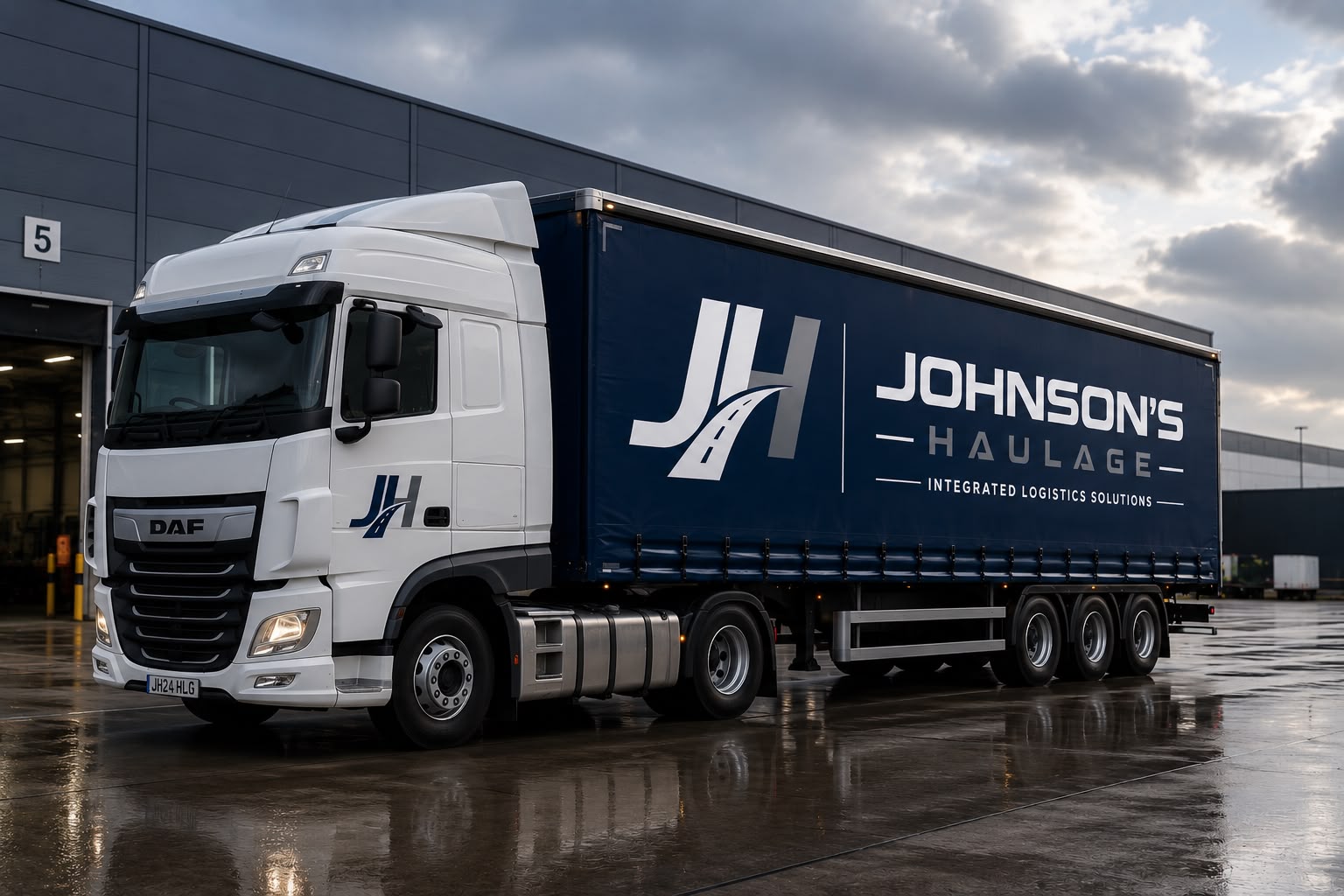
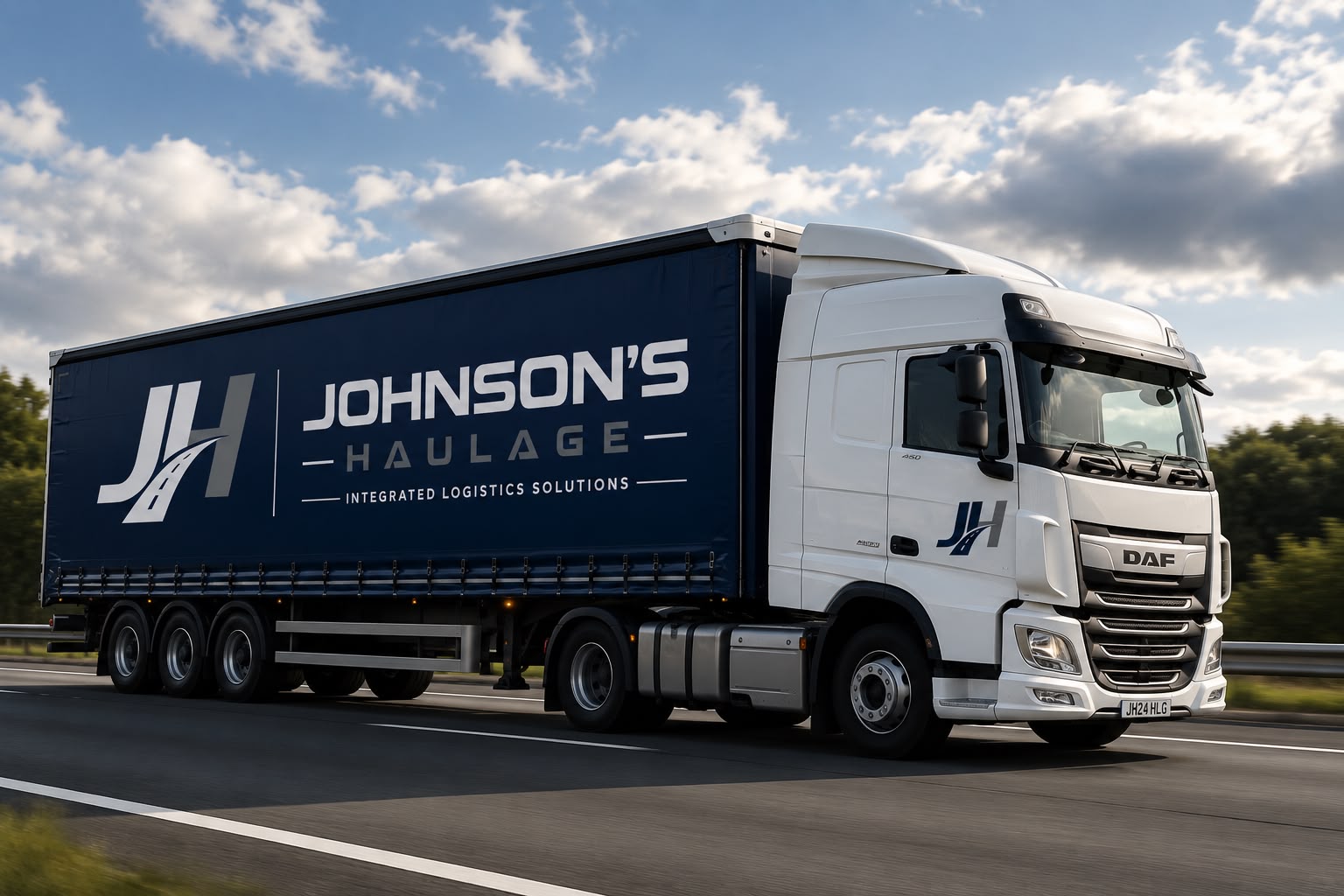
At Johnson’s Haulage, we act as the central point of contact for businesses navigating these cross-border complexities. Operating from our base at Houldsworth Mill in Stockport, we do not own a fleet of vehicles or aircraft. Instead, we manage transport requirements through a meticulously assessed network of carrier partners. This model allows us to source the most appropriate equipment for specific lanes, from temperature-controlled trailers to curtain-siders.
Our role is to manage the risk and the administrative flow. We vet every carrier in our network to ensure they meet the necessary standards for international transport, including the correct insurances and a proven track record of cross-border compliance. By coordinating with these partners, we provide UK to Europe transport solutions that are flexible rather than tied to the availability of a specific fleet.
Communication is the foundation of our service. Our team monitors the progress of shipments and handles the dialogue between the driver, the carrier, and the customs agents. This ensures that when a vehicle reaches the border, the digital paperwork is already processed and ready for clearance, minimizing the time spent in port holding areas.
Indicative Transit Times for Common European Lanes
Transit times vary based on the service level chosen (Groupage vs FTL) and the distance from the UK. The following table provides a general guide for standard road freight movements from the North West of England to key European hubs. These figures are for guidance only and do not constitute a guarantee, as factors such as border congestion and driver rest periods can impact timings.
| Destination Country | FTL Transit (Days) | Groupage Transit (Days) | Primary Entry Port |
|---|---|---|---|
| France (Paris/Lille) | 1 - 2 | 3 - 4 | Calais / Dunkirk |
| Germany (Ruhr/Frankfurt) | 2 - 3 | 4 - 5 | Rotterdam / Zeebrugge |
| Netherlands (Amsterdam) | 1 - 2 | 3 - 4 | Rotterdam / Hook of Holland |
| Spain (Madrid/Barcelona) | 3 - 4 | 5 - 7 | Bilbao / Santander / Calais |
| Italy (Milan/Turin) | 3 - 4 | 5 - 7 | Calais / Mont Blanc Tunnel |
| Poland (Warsaw) | 3 - 4 | 5 - 6 | Dover / Calais |
Indicative Transit Times for Road Freight from North West UK
The Importance of Incoterms in 2026
Choosing the correct Incoterm is no longer a mere formality; it is a financial strategy. Most European haulage company operations now focus heavily on DAP (Delivered at Place) or DDP (Delivered Duty Paid). Under DAP, the seller is responsible for the transport, but the buyer handles the import VAT and duties in the destination country. This is often the preferred method for B2B transactions as it keeps the tax liabilities clear.
DDP puts the entire burden on the seller, including the payment of import taxes in a foreign country. This can be complex for UK exporters who may not be VAT-registered in the EU. We often advise clients to consult with their tax advisors and the official GOV.UK guidance to ensure the chosen terms align with their commercial capabilities. Misunderstanding these terms can lead to goods being held at the destination because neither the sender nor the receiver is prepared to pay the local VAT.
Capacity Management and Sustainable Transport
The transport industry is under increasing pressure to optimize capacity and reduce "empty running"—where trucks travel without cargo. This is particularly relevant for European road freight, where fuel costs and road tolls represent a significant portion of the overhead. By using a freight forwarding model, we can tap into backhaul capacity. This means utilizing vehicles that have delivered in the UK and are looking for a load to take back to their home country, which can often result in more competitive pricing for the exporter.
While road transport remains the most flexible option, we also consider multimodal routes where appropriate. This might involve using unaccompanied trailers on ferry routes, which can help mitigate the impact of driver shortages and HGV drive-time restrictions. Planning for these variables requires a forward-looking approach to the supply chain, moving away from last-minute bookings toward a more scheduled distribution model.
Securing Your Supply Chain for the Future
European road freight in 2026 requires a partner that understands the nuances of both the physical and the digital journey. As logistics requirements become more stringent, the value of professional transport management becomes clear. By focusing on accuracy in documentation and reliability in carrier selection, businesses can maintain their competitive edge in the European market.
If you would like to discuss a specific shipment or require a review of your current European transport arrangements, the team at Johnson’s Haulage is available to assist. We can provide tailored quotes for groupage, part loads, or full truck movements across the continent. Contact our transport office at Houldsworth Mill on 0161 669 1949 or email info@johnsonshaulage.com to start a conversation.
Frequently asked questions
Talk to our team.
Get a tailored quote or speak to our operations team about your transport requirements.