

















When sea freight suits a shipment
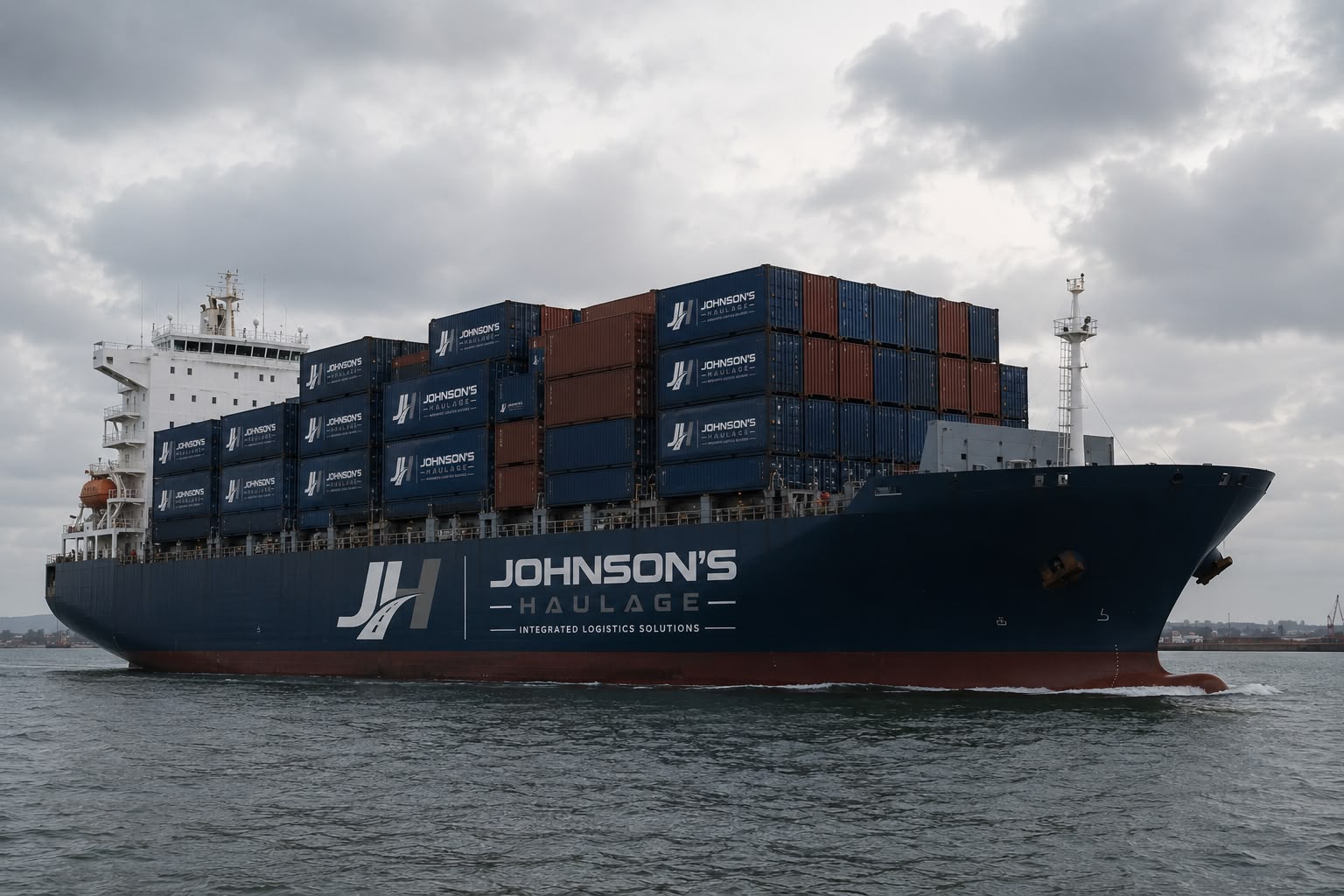
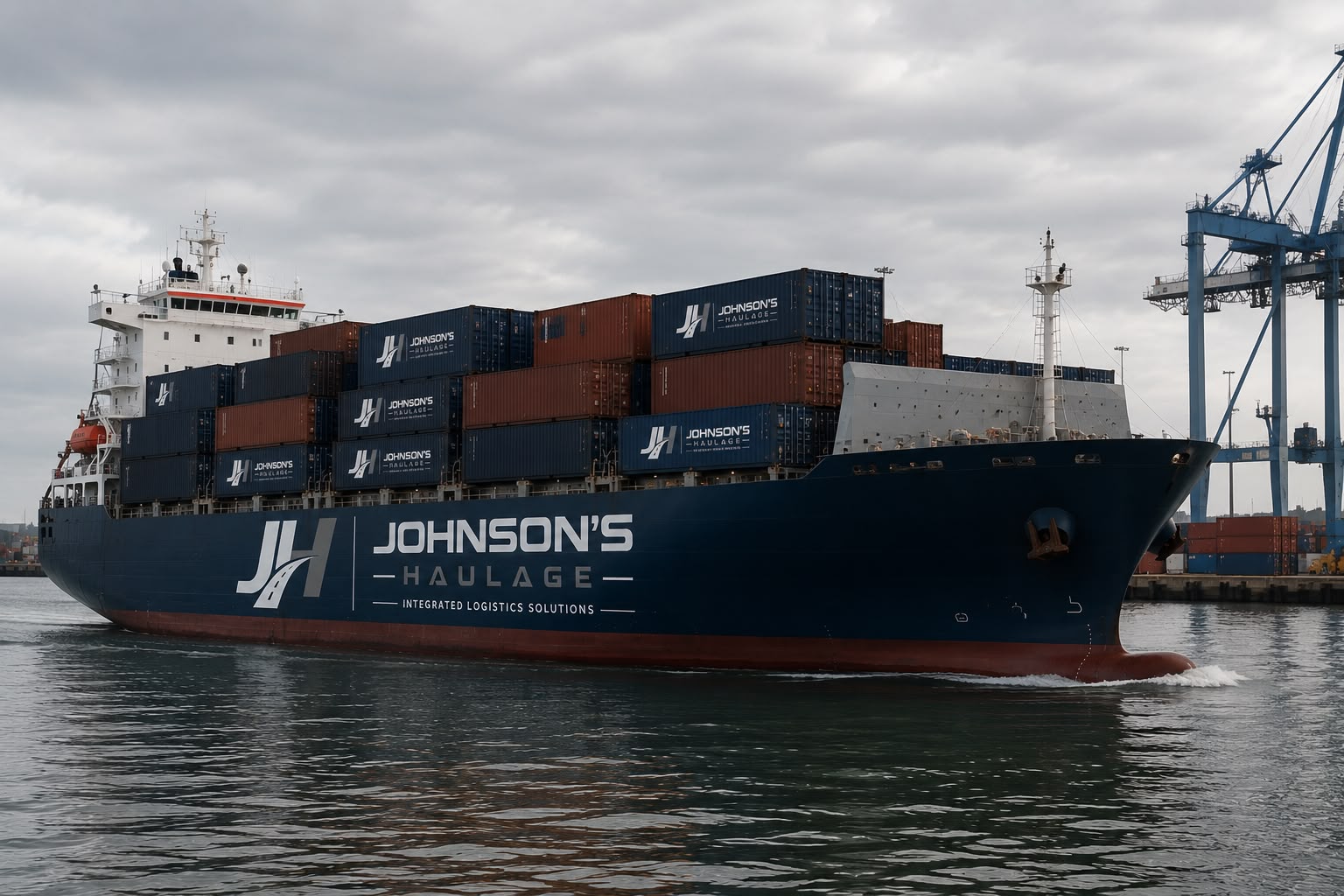
Sea freight is worth comparing for larger or heavier international shipments where the timescale allows. The complete cost depends on the route, cargo and services at each end, not just the ocean freight rate. It generally suits planned stock movements rather than urgent replenishment. Building realistic shipping times into your plans is the key to using it well.
Full container or shared container
With a full container load (FCL), you book a whole container for your goods. With less than container load (LCL), your goods share a container with other shippers and are consolidated and separated at depots either side. A full container means less handling; a shared container lets you pay for the space you use. Which is better depends on the volume, the goods and the timing, so it is worth asking for both where the volume is borderline.
Getting goods to and from port
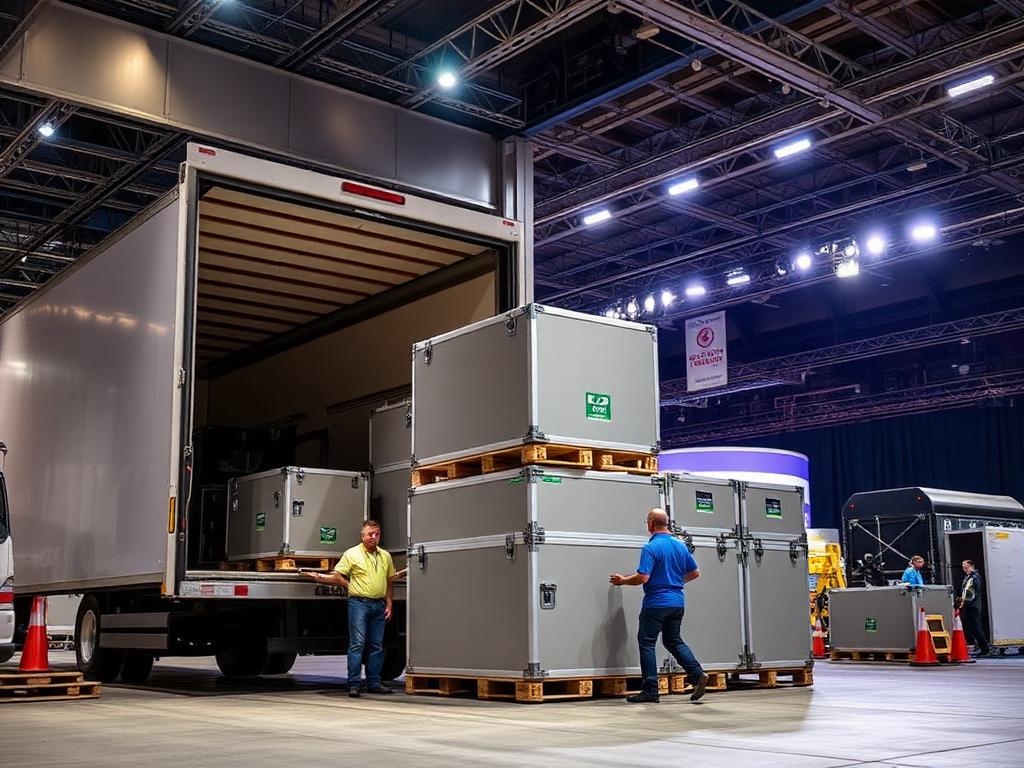
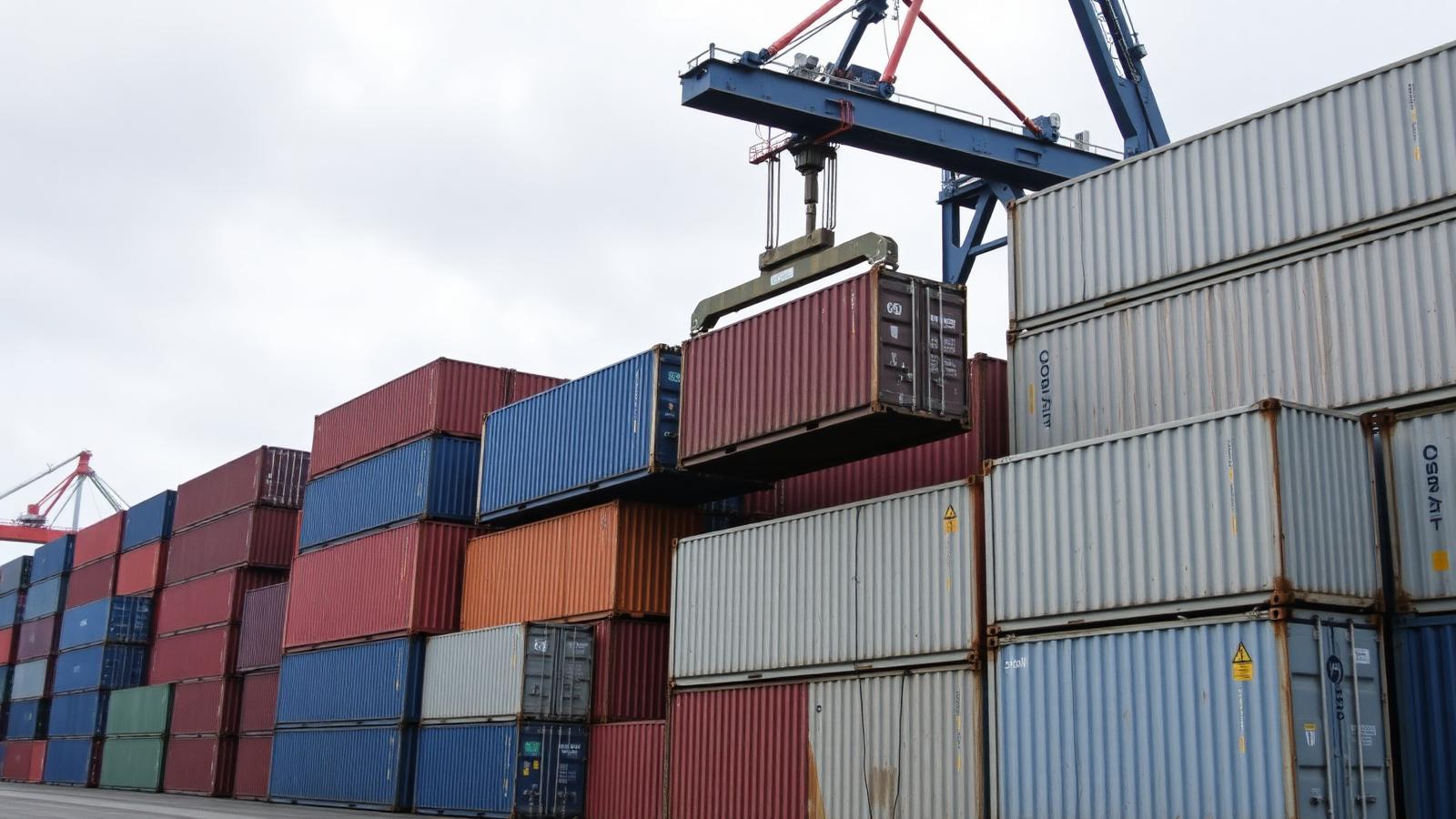
The sea leg is only part of the journey. Containers need to be collected or delivered by road, and loose goods may be packed or unpacked at a depot. Check whether your site can take a container vehicle, how long is allowed for loading or unloading, and whether goods will be palletised or loose-loaded, as this affects handling time and charges.
Details to have ready
A provider will normally ask for:
- Collection and delivery addresses, or the ports involved
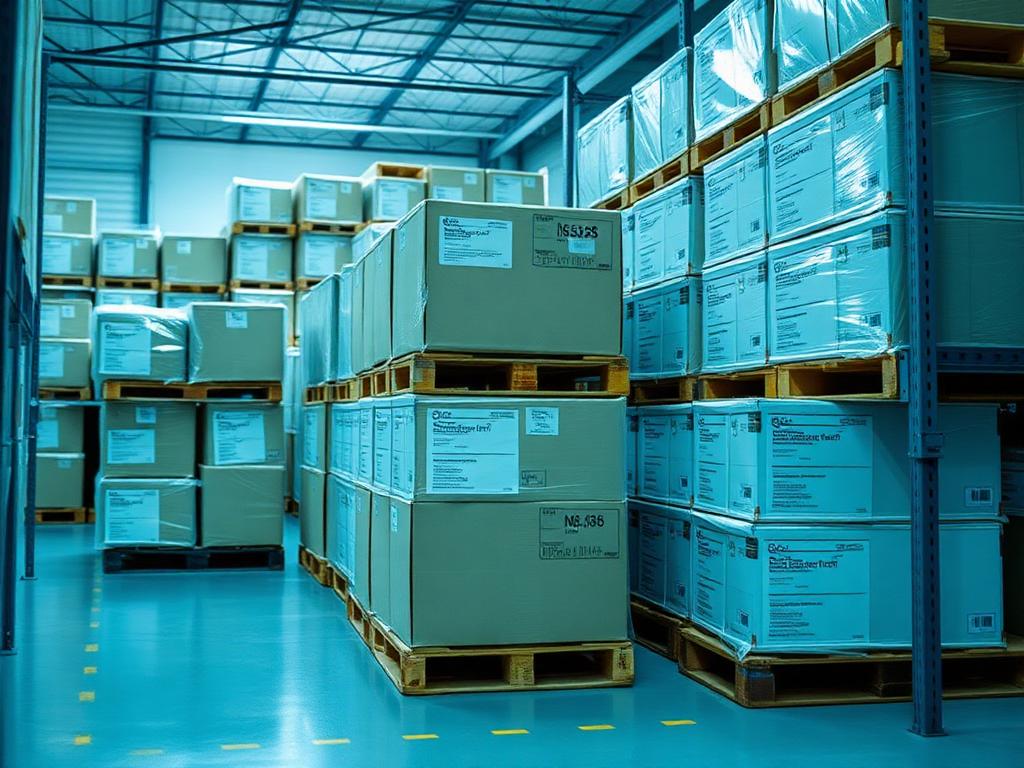
- Volume, weight and packaging — number of pallets or cartons and their dimensions
- A description and value of the goods
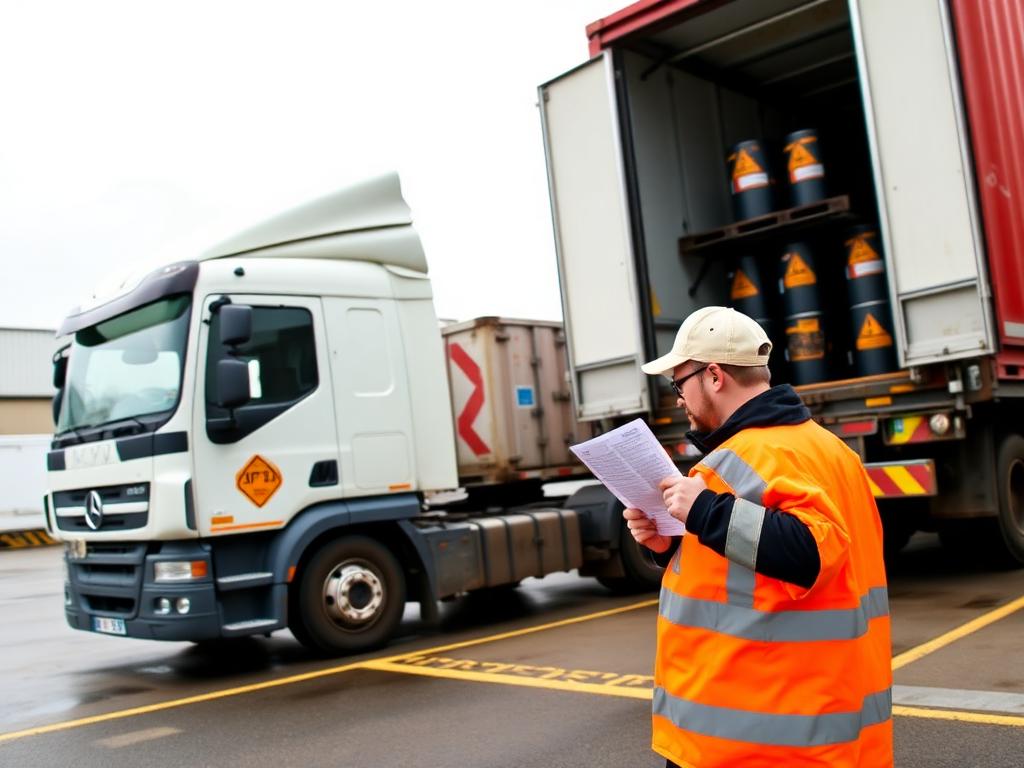
- Whether any goods may be hazardous
- When goods are ready and when they are needed
Paperwork and customs
International sea shipments need commercial documents and customs declarations. Agree who arranges each part and who pays any duties or taxes, as this depends on your terms with the buyer or seller. Rules change, so check current GOV.UK guidance or take specialist advice for your goods.
Comparing quotes
Sea freight quotes vary in what they cover. Check each one for:
- Door to door, port to port, or something in between
- Port, depot and handling charges, and which are estimated
- Customs clearance at each end
- How long is allowed for loading and unloading before extra charges apply
- Estimated transit time and how updates are provided
Choose the routing before assuming the nearest port
For a Manchester or Stockport shipper, Liverpool may be an option to investigate, but the nearest port is not automatically the appropriate departure point. Ask which port, sailing and destination route are proposed, whether there is transshipment, and how inland collection and final delivery fit around them. Cargo acceptance, service availability and the end destination can change the comparison.
Compare a complete movement from the full collection postcode to the consignee's address. A lower ocean price may exclude inland transport, origin handling or destination services included elsewhere. Ask for the intended routing in writing and establish whether an alternative port or sailing would change the price or timetable.
FCL and LCL: compare handling as well as volume
There is no universal pallet count at which a full container becomes the right choice. The packed dimensions, gross weight, stackability and usable space all matter. Ask the provider to assess the actual load and the container equipment proposed, rather than assuming every pallet footprint or container can be used in the same way.
LCL involves consolidation and separation of different consignments, so packaging should be suitable for those extra handling stages. FCL can reduce shared-cargo handling, but still needs a safe loading and securing plan. For fragile, awkward or high-value goods, discuss handling requirements and liability as well as freight cost. Where both options are feasible, compare the full door-to-door charges and expected milestones.
Check whether your premises can load a container
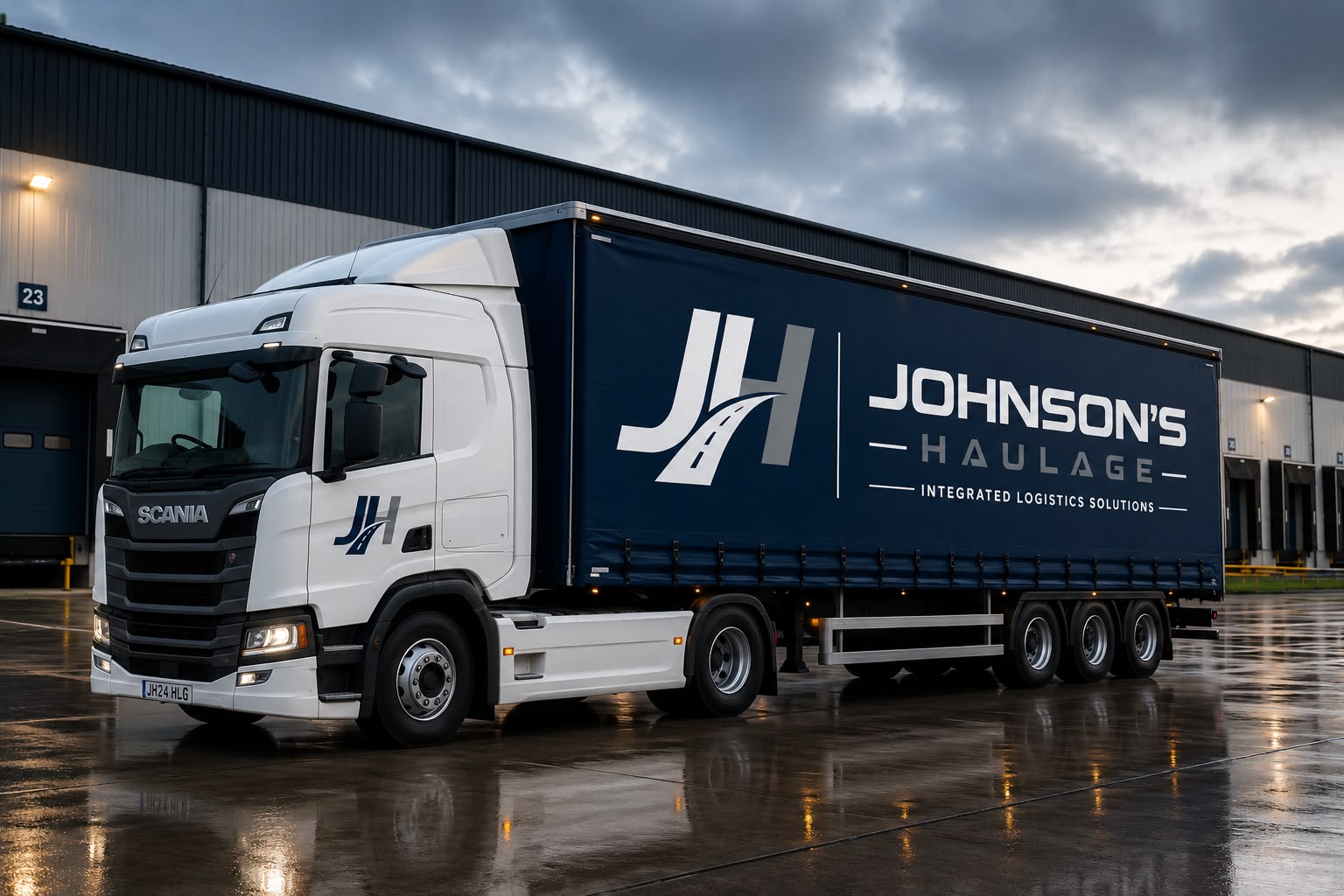
Tell the haulier about approach roads, gates, turning space, surface conditions and site restrictions. Confirm the proposed vehicle and how the container will be positioned for loading or unloading. A container arriving on a trailer is not automatically a ground-level storage unit; any lifting or grounding arrangement needs to be specifically agreed.
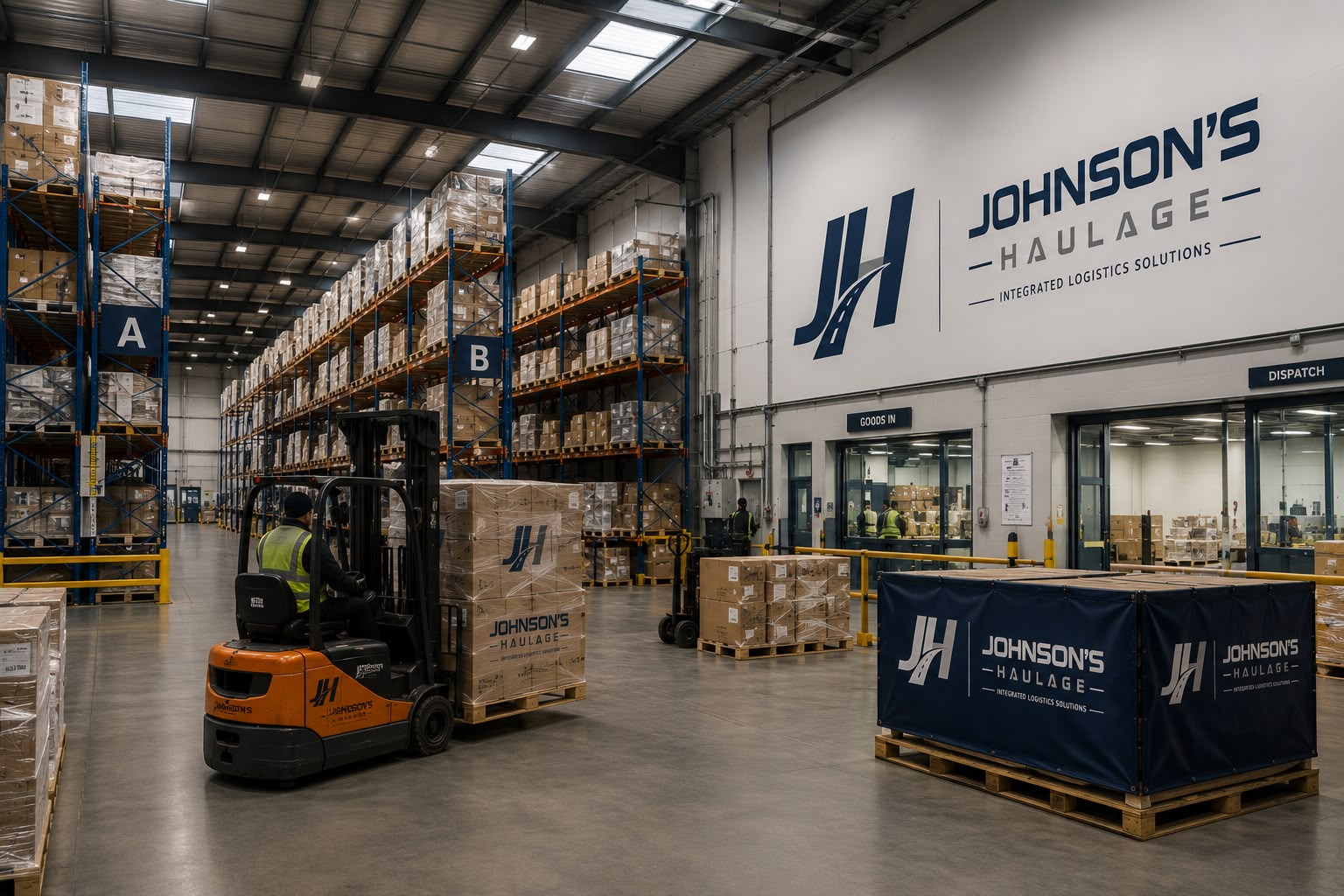
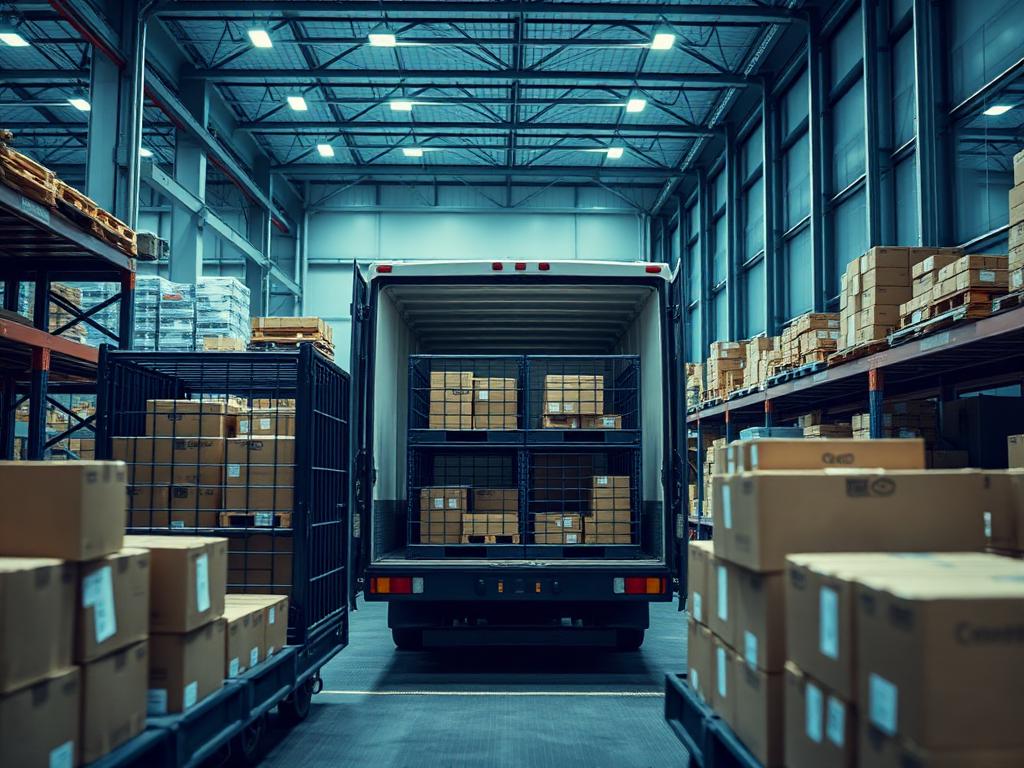
Agree a suitable loading dock, forklift or other safe method appropriate to the equipment and cargo. A pallet truck alone cannot lift goods from the ground to vehicle deck height. For pallet deliveries using a separate tail-lift vehicle, confirm load suitability, firm level ground and operating space. Do not assume a container vehicle includes a tail lift.
For loose-loaded cartons, explain the number of pieces and the labour needed. Ask how much loading or unloading time is included and how additional time is charged. If your premises cannot accommodate the proposed operation, ask whether loading or unloading at a suitable depot is an available alternative and request the additional costs.
Understand cut-offs, free time and possible extra charges
A sailing date is not the deadline for everything preceding it. Ask for the cargo-ready, documentation and terminal acceptance cut-offs that apply to your booking, and who is responsible for meeting each one. For a full container, establish who supplies any required weight information and when it must be submitted.
Ask what storage or container-use allowances apply at both ends. Terms such as demurrage and detention may refer to charges for extended terminal stays or keeping equipment beyond the allowed period; ask the provider to explain the definitions, start dates, free time and rates that apply to your booking. These are contract-specific, so do not assume one provider's allowance carries across to another quote.
Plan destination collection, unloading and empty-container return before arrival. Confirm who makes appointments and who can authorise release. Customs queries, missing documents or a consignee unable to receive goods can affect the timetable and generate costs, so identify the decision-maker for exceptions in advance.
Prepare a door-to-door sea freight enquiry
Send the same details to each provider: full postcodes and overseas address, packed dimensions and gross weights, goods description and value, readiness date and required arrival window. Describe stackability, hazardous contents and any non-standard cargo. State whether the goods are palletised, crated or loose and whether the load needs depot handling.
Request a breakdown of inland haulage, ocean freight, handling and any customs services, distinguishing included charges from estimates or amounts payable by the consignee. Check quote validity, currency and the responsibilities agreed with your buyer or seller. Compare the expected date goods can reach the customer, not only the port arrival date.
Plan your sea shipment with us
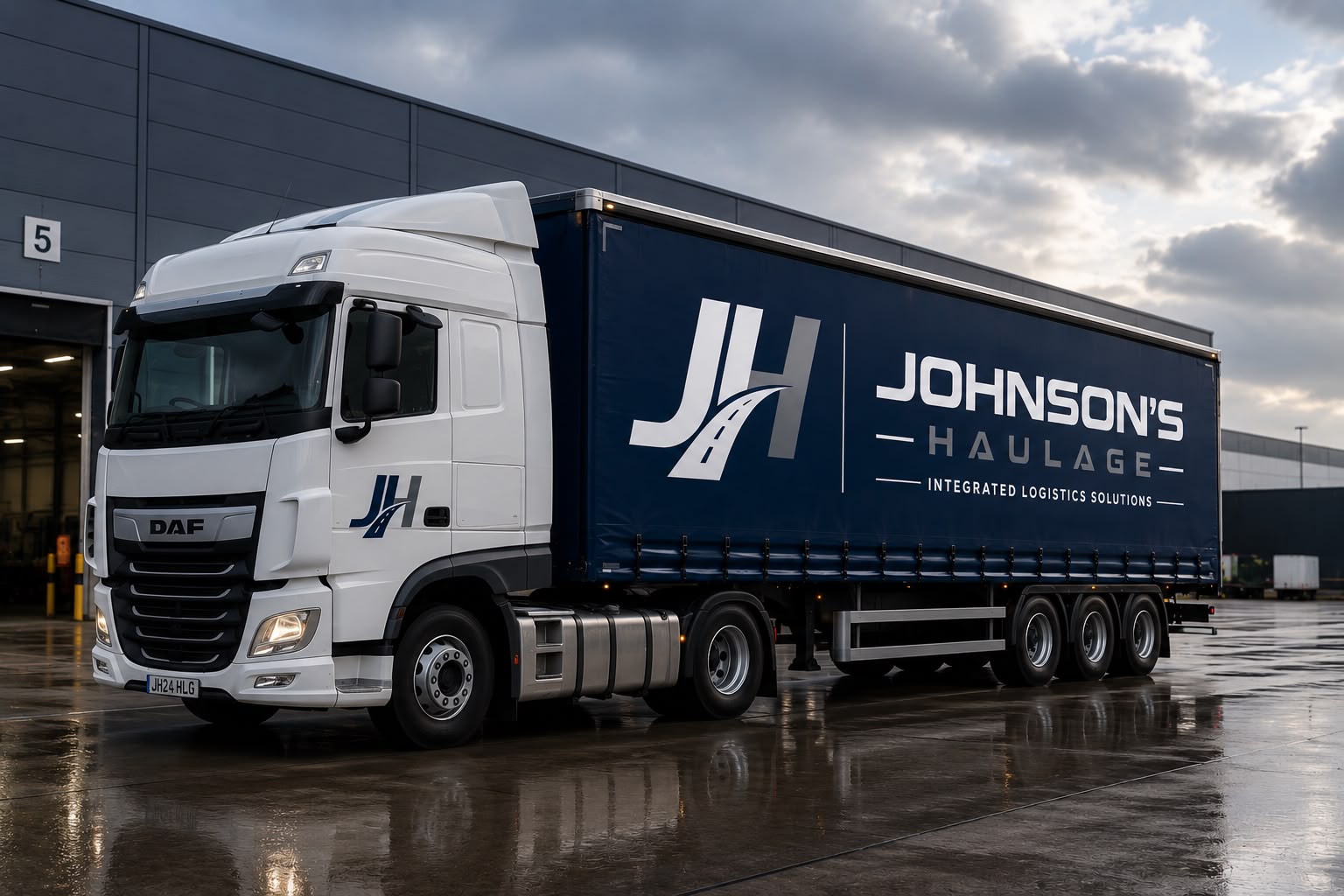
Discuss your sea freight and inland haulage requirements with Johnson's Haulage. Read about our sea freight and road freight services, or request a quote with the collection postcode, destination, cargo measurements and realistic readiness date.
Frequently asked questions
Talk to our team.
Get a tailored quote or speak to our operations team about your transport requirements.