






















Determining the Most Cost-Effective Sea Freight Route
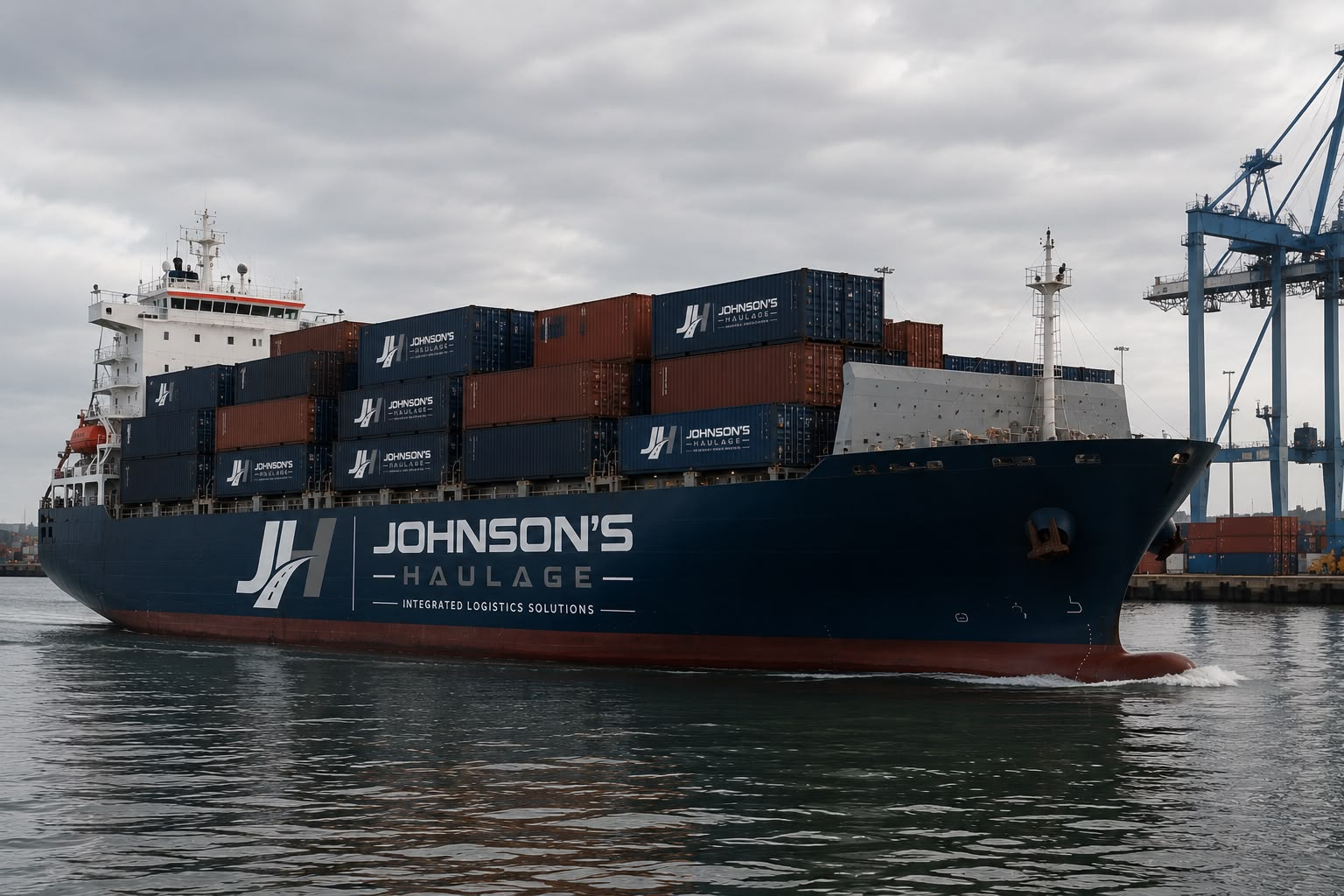
UK importers often face a dilemma when sourcing goods from overseas: how to move products across oceans without the transport costs eroding profit margins. The choice between Full Container Load (FCL) and Less than Container Load (LCL) is not merely a matter of volume; it is a strategic decision that affects lead times, port handling fees, and the integrity of the cargo. Each method carries its own set of administrative requirements and logistical hurdles.
Selecting the wrong shipping mode can lead to unnecessary expenses at the port of entry. While a half-empty container might seem like a waste of space, the alternative of sharing a container with other importers introduces additional handling steps that can delay arrival at your Stockport or Greater Manchester facility. Understanding the nuances of container shipping UK wide is essential for maintaining a lean supply chain.
FCL Shipping: Privacy and Capacity
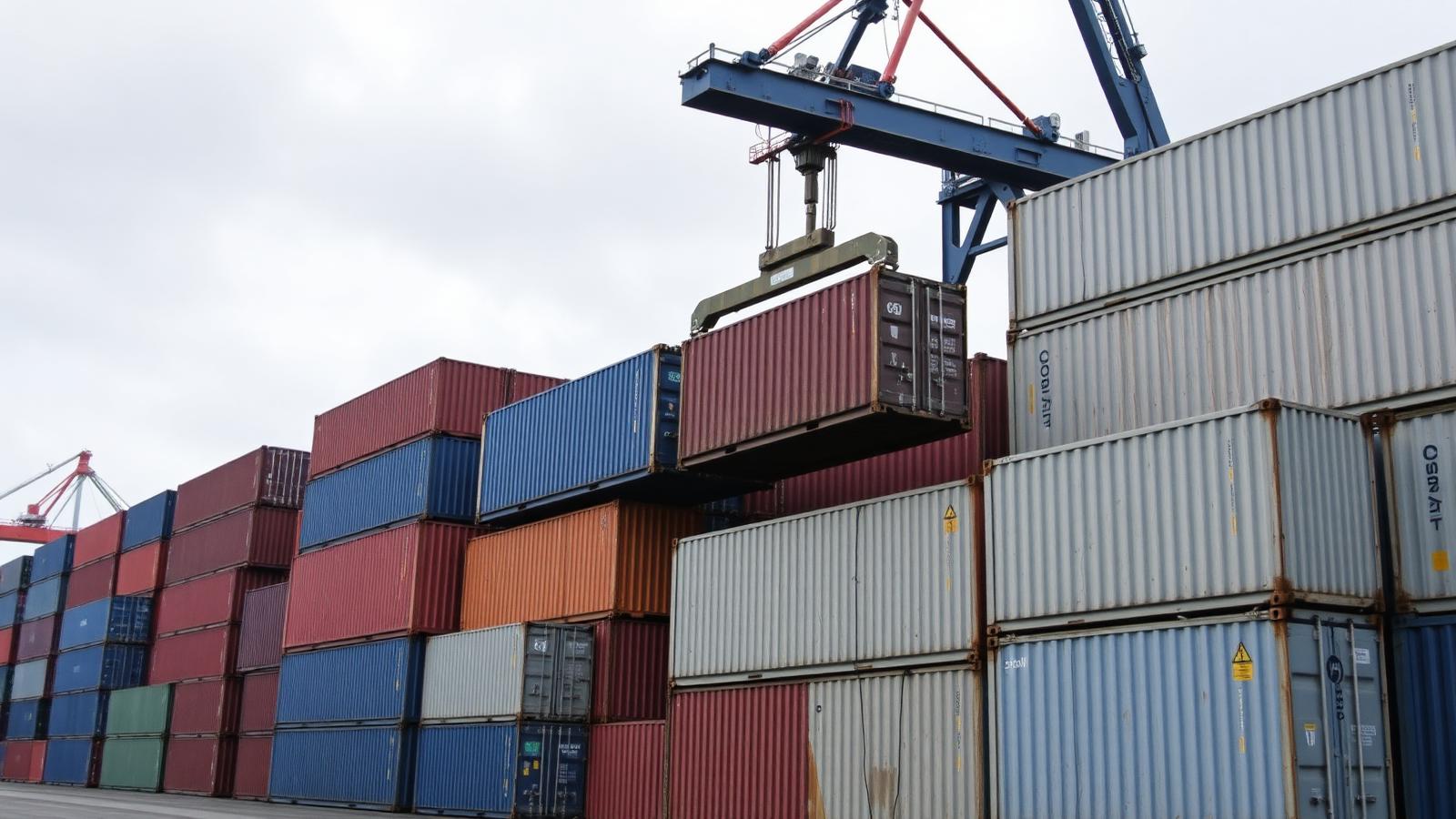
Full Container Load (FCL) refers to a shipment where a single importer occupies the entire space of a shipping container. You do not necessarily need to fill the container to its maximum capacity to book it as FCL. In many instances, once a shipment exceeds a certain volume, it becomes more economical to pay for the exclusive use of the unit rather than paying for individual cubic metres in a shared space.
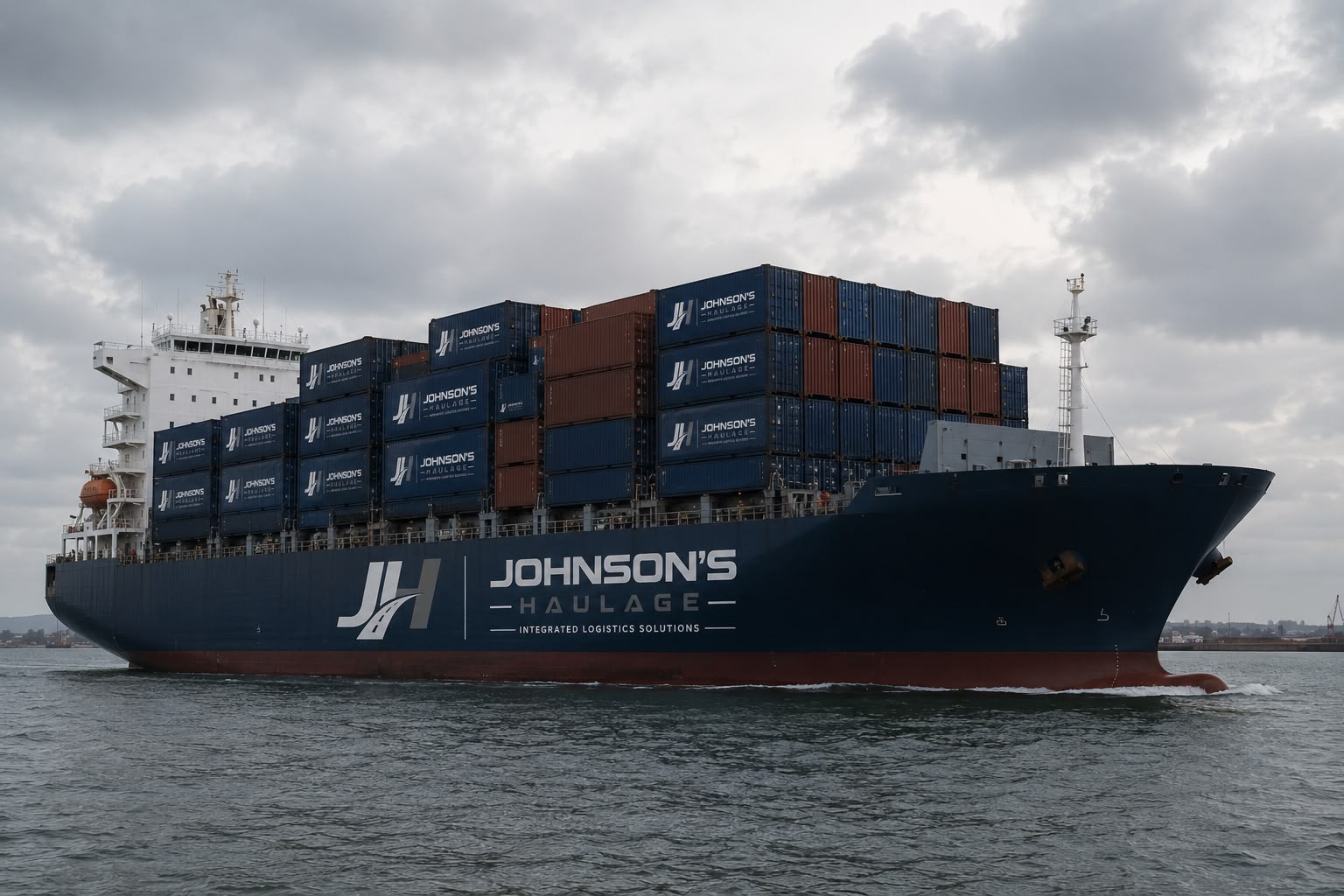
The most common container types used in UK sea freight are 20-foot and 40-foot units. A standard 20-foot container (1 TEU) generally offers around 33 cubic metres of space, though practical loading usually permits 25 to 28 cubic metres. A 40-foot container offers double the length and roughly 67 cubic metres of space. For larger, lightweight goods, High Cube containers provide extra height to maximise volume.
| Container Type | Approx. Volume (cbm) | Standard Pallet Capacity (1.2m x 1m) | Euro Pallet Capacity (1.2m x 0.8m) |
|---|---|---|---|
| 20ft Standard | 33 cbm | 10-11 pallets | 11-12 pallets |
| 40ft Standard | 67 cbm | 20-21 pallets | 23-24 pallets |
| 40ft High Cube | 76 cbm | 20-21 pallets | 23-24 pallets |
Typical Container Dimensions and Pallet Capacities
LCL Shipping: The Shared Logistics Model
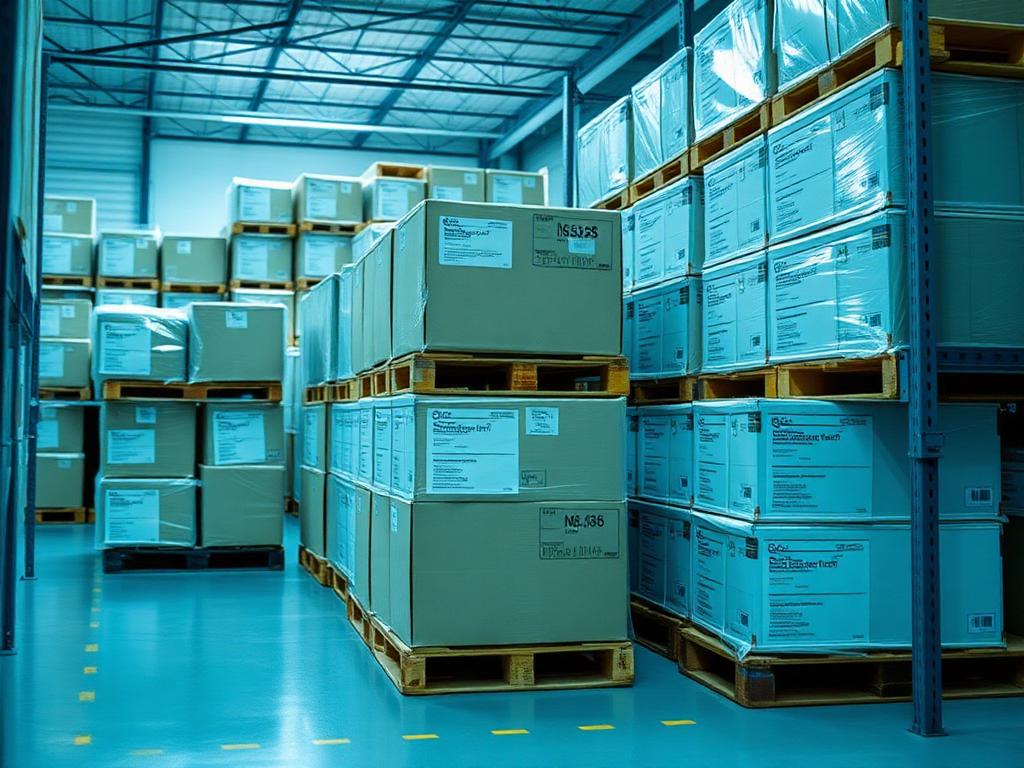
LCL shipping involves consolidating multiple shipments from different importers into a single container at the port of origin. This is the standard choice for smaller consignments that do not justify the cost of an entire container. Importers pay for the space they occupy, typically calculated by the cubic metre (CBM) or weight, whichever is greater.
While LCL allows for smaller capital outlays on stock, it requires more intensive handling. Cargo must be brought to a Container Freight Station (CFS) at the origin to be packed (stuffed) with other goods. Upon arrival at a UK port like Felixstowe, Southampton, or Liverpool, the container must be moved to a bonded warehouse for deconsolidation (unstuffing) before individual shipments can be cleared by HMRC and released for onward delivery.
Comparing Cost Structures and Handling Fees
The price of FCL is usually a flat rate per container. This makes budgeting predictable. However, importers must be aware of potential 'landside' charges. If the container is not returned to the quay within the agreed 'free time'—a period governed by the shipping line's terms—you will incur demurrage and detention charges. These daily penalties can quickly escalate if there are delays in clearing customs or securing a delivery slot.
LCL costs are more granular. While the base freight rate per CBM might look attractive, LCL involves higher terminal handling charges and documentation fees relative to the volume of goods. Because the container must be managed at a CFS, there are additional 'de-van' fees. Importers should always request a full breakdown of UK arrival charges to avoid unexpected costs when the goods reach British shores.
Risk Management and Cargo Integrity
Risk profiles differ significantly between FCL and LCL. With FCL, the container is sealed at the supplier’s factory and typically remains unopened until it reaches your warehouse. This reduces the risk of theft, loss, or damage caused by repeated handling. If you are shipping fragile items or high-value machinery, FCL provides a level of security that LCL cannot match.
In an LCL shipment, your goods are handled multiple times: during consolidation, at the CFS, and during deconsolidation. There is also the risk of 'co-loading' issues. While carriers follow safety protocols, you have no control over what other cargo shares the container. If another importer's poorly packaged liquid goods leak, your shipment could be affected. Proper export packing and marine insurance are non-negotiable for LCL cargo.
How Johnson’s Haulage Manages Container Logistics
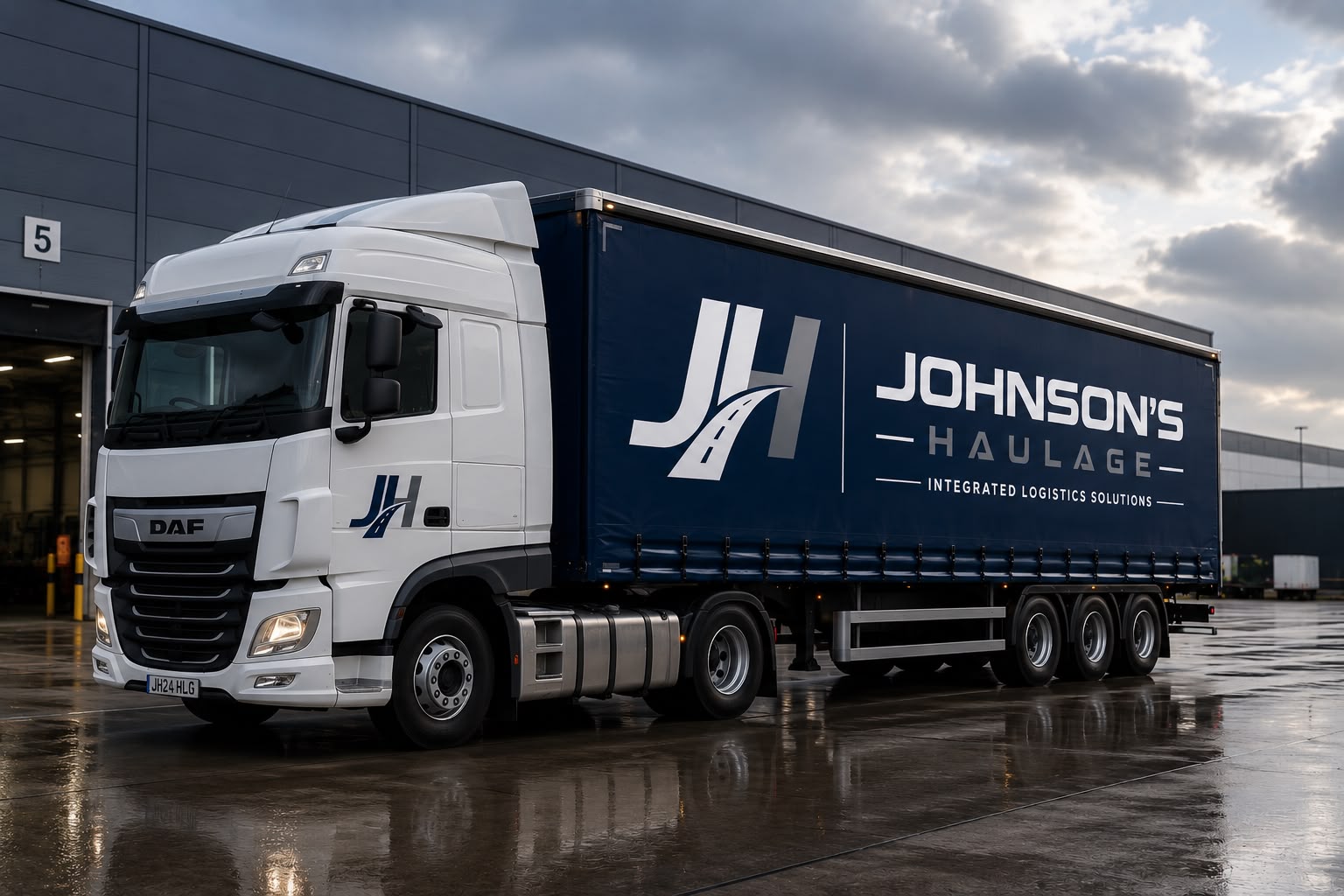
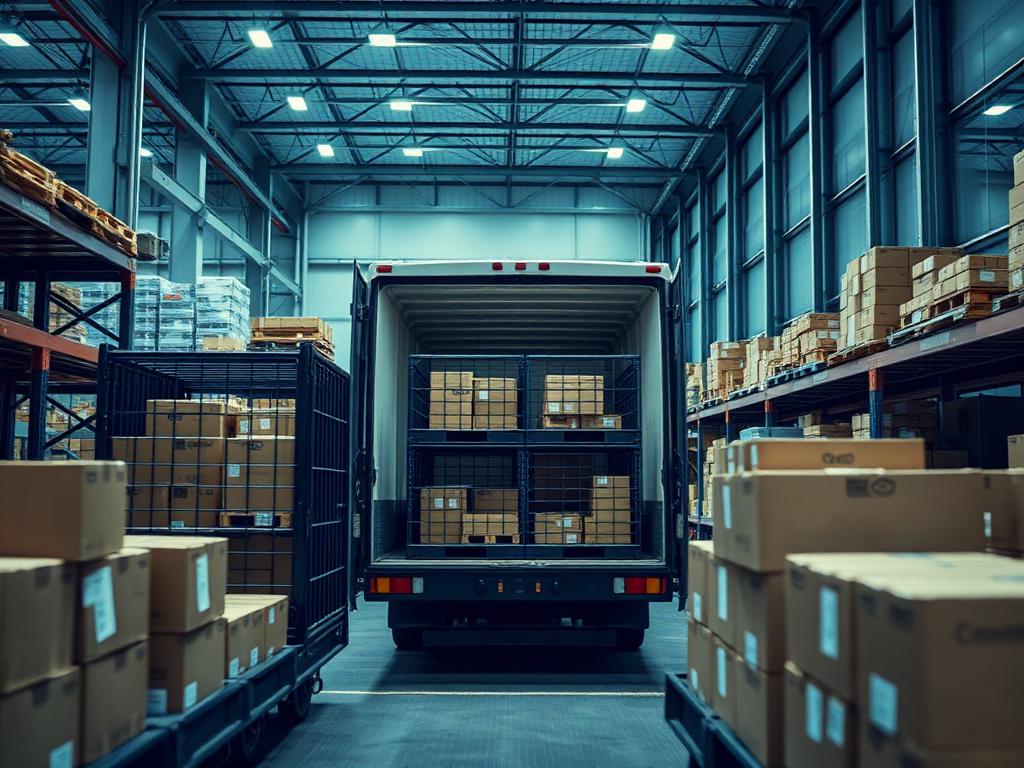
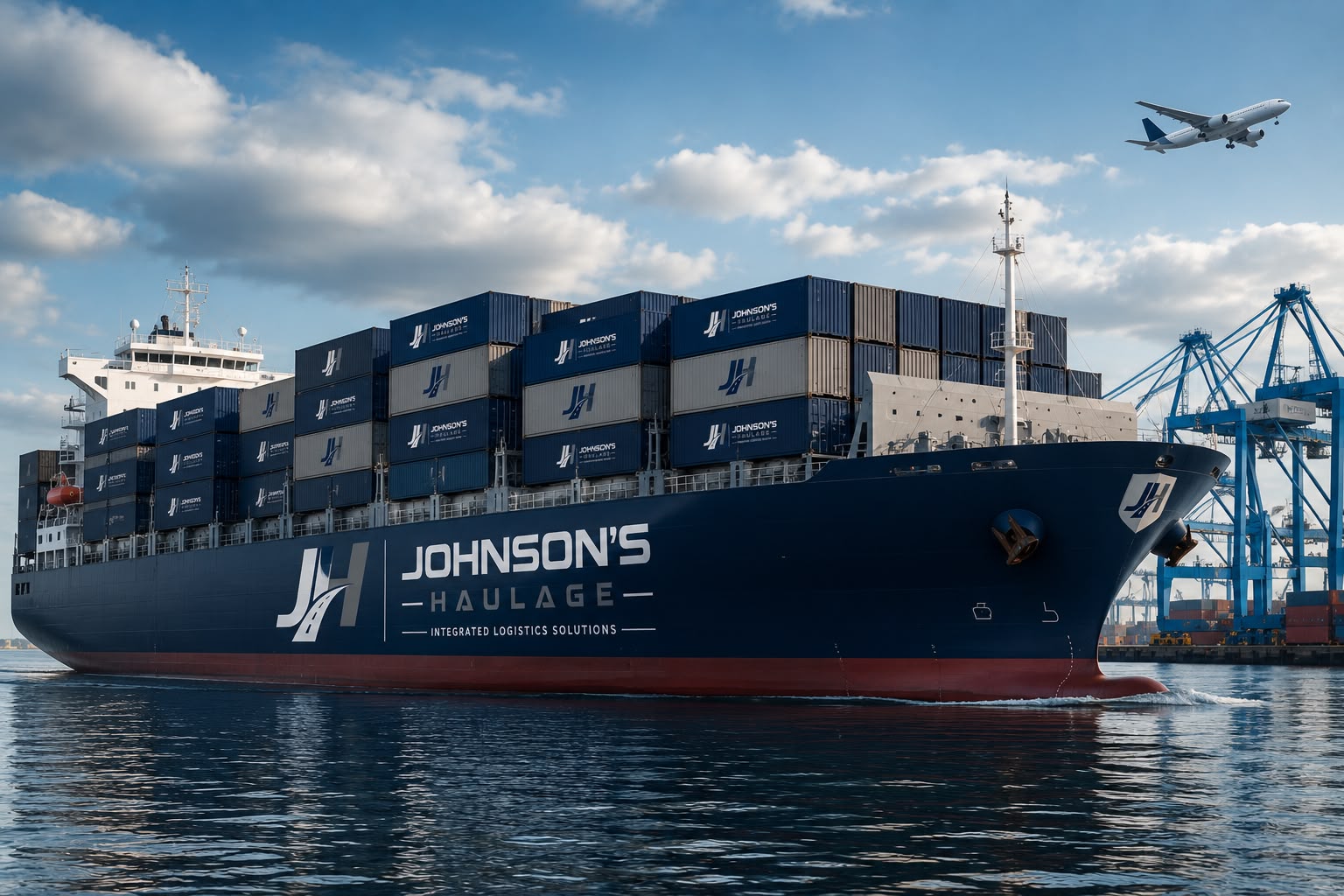
At Johnson's Haulage, we act as a central point of contact for importers navigating the complexities of sea freight UK wide. Because we do not own the ships or the containers, our priority is selecting the best-performing carriers and consolidation partners from our assessed network. We match your specific cargo requirements with the most efficient route, whether that involves a direct FCL movement or a consolidated LCL service.
Our transport management team based at Houldsworth Mill oversees the entire process from the port of arrival to your door. We coordinate the collection of containers or pallets from UK ports and manage the final mile delivery using our network of road freight partners. By monitoring the movement of your goods, we help mitigate the risk of demurrage by ensuring that transport is scheduled as soon as the cargo is cleared for release.
Transit Times and Deconsolidation Delays
Time-sensitive shipments generally benefit from FCL. Once the container is offloaded from the vessel and cleared by customs, it can be loaded onto a skeletal trailer and delivered directly to the destination. There are very few touchpoints between the port and the warehouse.
LCL inevitably takes longer. You must factor in an additional 3 to 7 days for the deconsolidation process. The container must be transported from the quay to a secondary warehouse, emptied, and the goods sorted and checked against the manifest. Only then can the UK road freight portion of the journey begin. Importers working with tight production schedules must account for this lag when choosing LCL.
Regulatory Compliance and HMRC Customs Clearance
Regardless of whether you choose FCL or LCL, all imports into the UK must comply with HMRC regulations. This includes ensuring you have a valid EORI number and that the correct Commodity Codes are applied to your goods to determine VAT and Duty obligations. The ICC’s Incoterms® 2020 rules define whether the buyer or seller is responsible for costs and risks at each stage of the journey.
For FCL, the customs entry is for the entire container. For LCL, each individual shipment within the container must be cleared separately. If one shipment in a shared container is flagged for a physical inspection by Border Force, it can occasionally delay the release of other goods in that same unit, although most modern bonded warehouses are adept at managing these situations without groundings the entire container.
Onward UK Delivery and Final Mile LogisticsLocalised Logistics
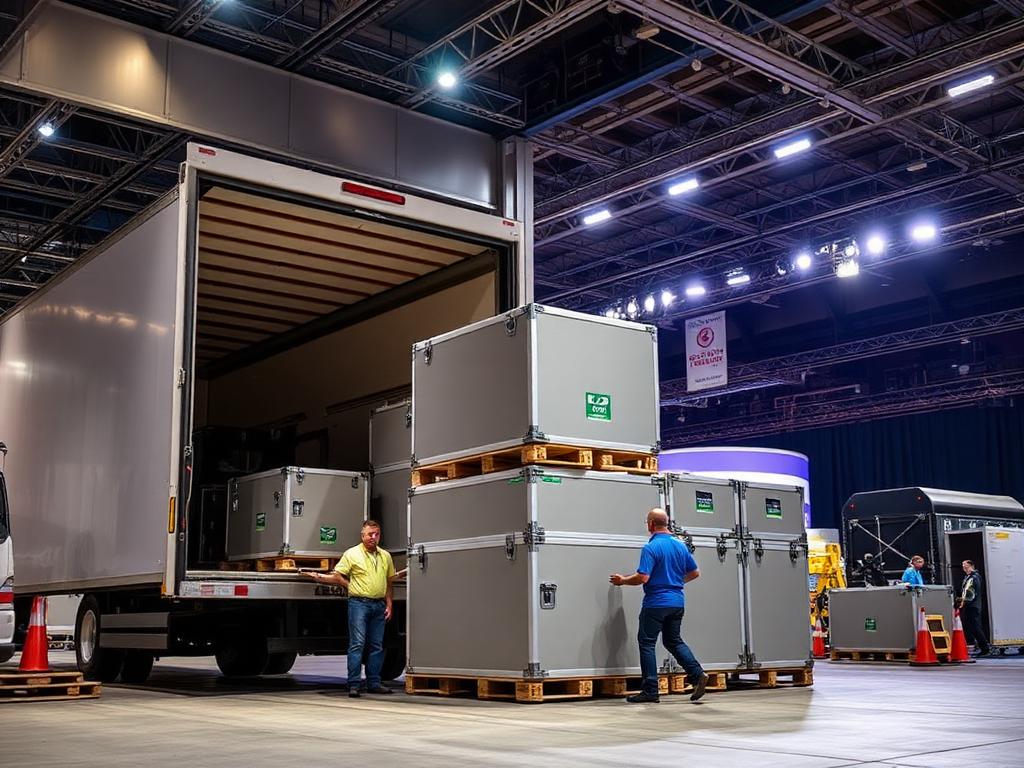
Once the sea freight component is complete, the focus shifts to road transport. FCL delivery requires a site capable of handling a large container. You will need to consider whether you have a loading dock or if the goods need to be delivered on a side-loader or via a 'drop and collect' service where the container is left for a few days.
LCL shipments are typically delivered as palletised freight. This offers more flexibility, as deliveries can be made using smaller vehicles with tail-lifts if your premises cannot accommodate a 40-foot trailer. Johnson's Haulage manages this transition, ensuring that once your LCL shipment is deconsolidated, it is integrated into a pallet distribution network or a dedicated same-day vehicle for prompt arrival in Stockport, Manchester, or beyond.
Conclusion: Making the Right Strategic Choice
The choice between FCL and LCL is a balance of volume, budget, and urgency. FCL offers speed, security, and lower per-unit costs for large shipments. LCL provides a vital entry point for businesses testing new products or managing smaller inventory levels without the overhead of a full container. By understanding the cost drivers at the port and the handling requirements of each mode, you can protect your margins and ensure your supply chain remains resilient.
If you are planning your next import and need professional guidance on the most efficient way to bring goods into the UK, the team at Johnson's Haulage is here to help. We can review your requirements and provide a clear, managed transport solution tailored to your cargo. Reach out to our transport team at Houldsworth Mill on 0161 669 1949 or email info@johnsonshaulage.com to discuss your requirements.
Frequently asked questions
Talk to our team.
Get a tailored quote or speak to our operations team about your transport requirements.