



























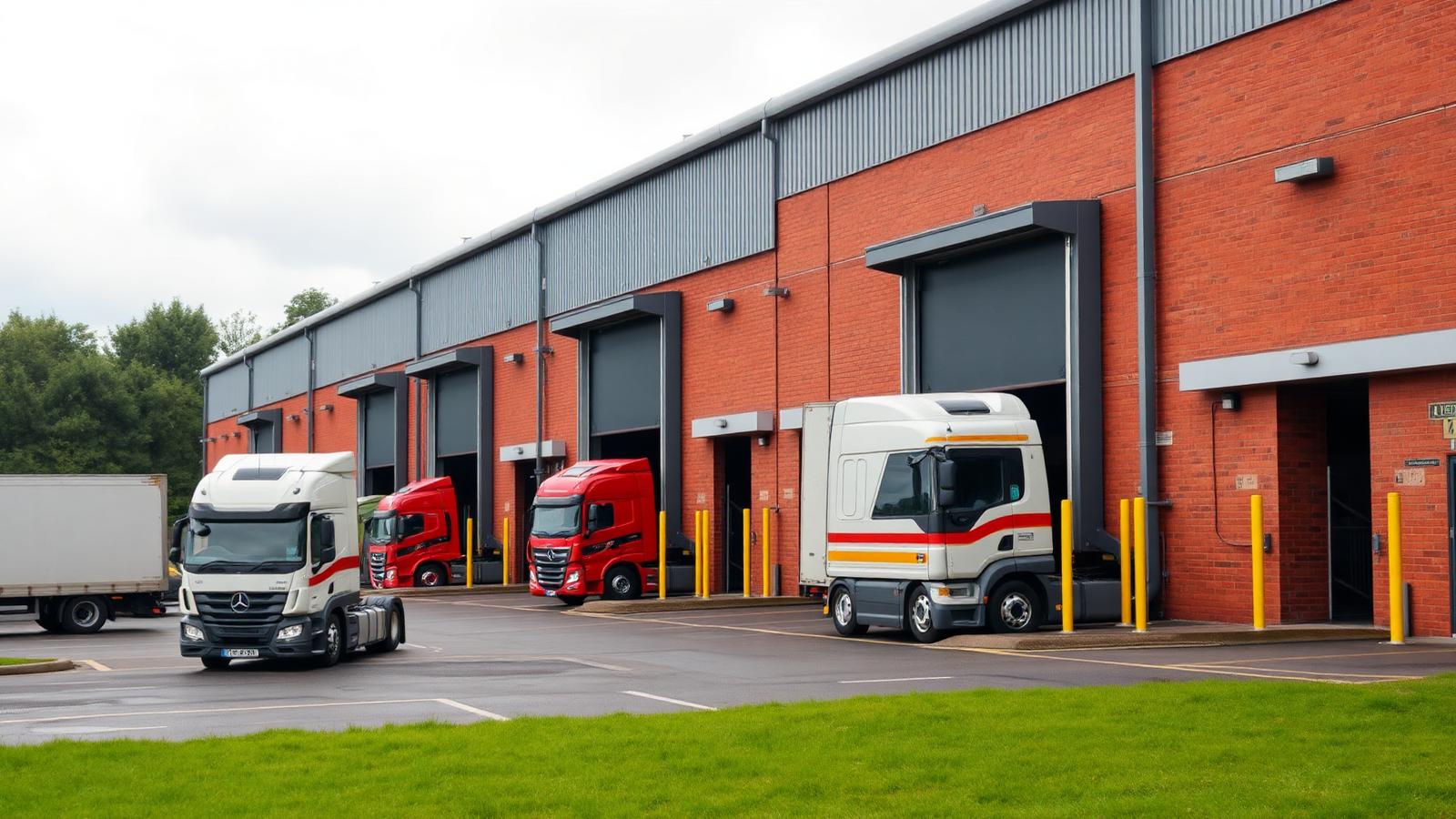
Start with what you are storing and why
Warehousing works best when the provider understands the job. Short-term overflow during a busy season, long-term storage of slow-moving stock and a site that picks and dispatches orders every day are very different services, even if they happen in the same building. Before asking for prices, be clear about which of these you need and for how long.
How storage and handling are usually charged
Warehousing is normally priced in parts rather than as a single figure. The exact structure varies between providers, so ask each one to set out how their charges work:
- Storage — often per pallet space per week, or by floor area for larger or non-palletised goods
- Handling in and out — receiving goods, putting them away and loading them for dispatch
- Picking and packing — where individual items or cartons are selected for orders
- Extras — labelling, re-palletising, stock counts, returns or container unloading
- Transport — collection into the warehouse and onward delivery, if arranged together
Information a provider will need
The more accurate the picture, the more useful the quote. It helps to prepare:
- Pallet or carton sizes and weights, and whether goods can be stacked
- How many pallets or items you expect to hold, and how that changes through the year
- How often goods arrive and leave, and in what quantities
- Any special requirements, such as fragile, high-value or temperature-sensitive goods
- How deliveries arrive — loose-loaded containers need more handling than palletised loads
Questions worth asking
Before you commit, check:
- How stock levels are reported to you, and how often
- What cut-off times apply for same-day dispatch, if you need it
- What insurance covers goods in storage, and whether you need your own cover
- The notice period and any minimum term
- How goods are released, and who can authorise collections
Linking storage with transport
Arranging storage and transport together can reduce the number of handovers and make it easier to plan collections and deliveries. If transport is arranged separately, make sure the warehouse and the haulier agree booking-in times and loading arrangements in advance.
Manchester warehouse space or a managed storage service?
Renting a building and buying a warehousing service solve different problems. A property lease gives you space, but you may still need to organise labour, handling equipment, stock controls, security and transport. A managed storage arrangement can include receiving and releasing goods, with picking or other work agreed separately. Establish which option you are comparing before treating two prices as alternatives.
For a business dispatching from Manchester, Stockport or elsewhere in Greater Manchester, the right location depends on where goods actually travel. A site close to your office is not necessarily convenient for suppliers or customers. Compare the complete journey: inbound haulage, storage, order preparation and outbound delivery. Use full collection and delivery postcodes rather than a broad description such as 'Manchester area'.
Do not choose on proximity to a motorway alone. Check vehicle access, delivery appointments, restrictions on larger vehicles and the equipment available at the warehouse. A seemingly convenient location can still create extra work if your inbound load cannot be unloaded in the agreed way.
Build a stock profile before comparing pallet storage
Describe stock at its usual level and its likely peak. Ten pallets that remain untouched for several months require a different service from ten pallet spaces turning over repeatedly each week. Include expected inbound and outbound movements, the number of product lines and whether orders leave as whole pallets, cartons or individual items.
Measure the loaded pallet, including packaging and any overhang, and provide its gross weight. State whether stacking is permitted and whether goods need particular storage conditions. Do not assume a warehouse can accept hazardous, temperature-sensitive or unusually valuable goods; ask for suitability and any restrictions to be confirmed before transport is booked.
- Separate average stock from peak stock, and say how long the peak is likely to last.
- Identify mixed pallets, batch numbers or serial numbers that need recording.
- Describe returns, damaged stock and goods that must be kept apart.
- Specify who can authorise release and what reference must accompany an order.
Compare the total storage and distribution cost
Ask each provider to price the same activity profile, not just a pallet-space rate. Include receipt, put-away, storage duration, picking, packing, dispatch and transport where required. Check whether charges depend on movements, labour time, pallet spaces occupied or a minimum commitment. Ask how part weeks, unusually sized pallets and stock counts are treated.
A useful comparison has a typical month and a busier month based on your own forecasts. This reveals whether a low storage charge is offset by frequent handling or order-processing charges. It also makes it easier to decide whether full-pallet dispatch or smaller, more frequent deliveries suit your customers. No saving should be assumed until the same work has been priced on both sides.
Agree the handover between the warehouse and the haulier
Confirm when goods become available for collection, who books the vehicle into the site and what happens if an order is not ready. A dispatch cut-off is not the same as a guaranteed delivery time. Ask how preparation, collection and the delivery window fit together, particularly when a customer requires an appointment.
Loading equipment needs to match the vehicle and the freight. A pallet truck moves a pallet on a suitable surface but cannot raise it from ground level to a vehicle deck. Agree a suitable forklift, loading dock or other equipment, or a tail-lift service where the load is suitable and there is firm, level ground and enough operating space. Confirm arrangements at both ends rather than assuming the driver can resolve them on arrival.
Reporting, liability and leaving the arrangement
Agree how received stock is checked, how discrepancies are reported and which record both parties will use. Ask whether reports show available, allocated and damaged stock separately. For regular dispatch, establish how order references connect to collection records and proof of delivery; do not assume a particular portal or system integration is included.
Read the storage and handling terms alongside the insurance explanation. A provider's liability is not necessarily the same as cover for the full value of your goods. Ask about limits, exclusions and the claims process, and seek insurance advice where needed. Also agree notice periods, final stock checks, collection appointments and charges for removing goods at the end of the contract.
Talk to us about warehousing
Johnson's Haulage coordinates warehousing alongside road freight for businesses in Manchester and the North West. Read about our warehousing and road freight services, see logistics company Manchester, or request a quote with your storage requirements.
Frequently asked questions
Talk to our team.
Get a tailored quote or speak to our operations team about your transport requirements.