

































Understanding the structure of modern warehousing costs
Managing the financial side of a supply chain requires a clear understanding of how warehousing providers calculate their fees. Many businesses transition to third-party logistics (3PL) to convert fixed overheads into variable costs, yet the complexity of monthly invoices can be a source of frustration. Understanding the individual components of 3PL storage is essential for accurate budgeting and price comparisons.
Warehouse pricing is rarely a single flat fee. Instead, it is a composite of space rental, physical labour, and administrative management. For many companies, the challenge lies in predicting these costs as inventory levels fluctuate throughout the financial year. A transparent cost model ensures that both the service provider and the client are aligned on the scope of work and the required service levels.
Pallet storage costs and space allocation
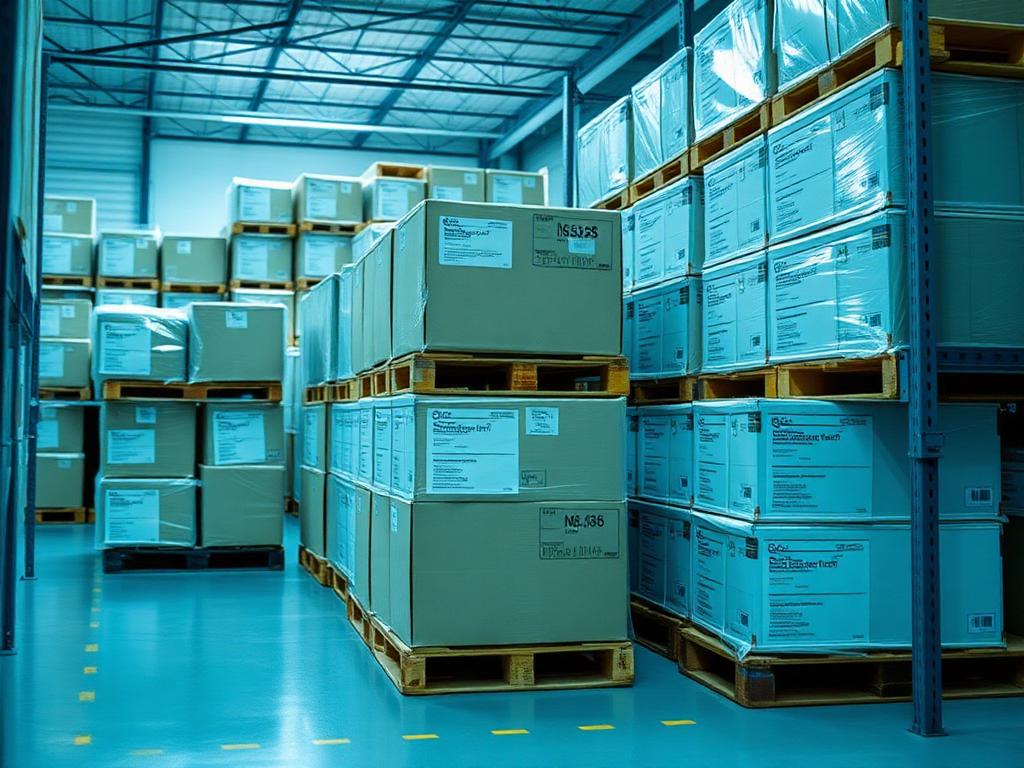
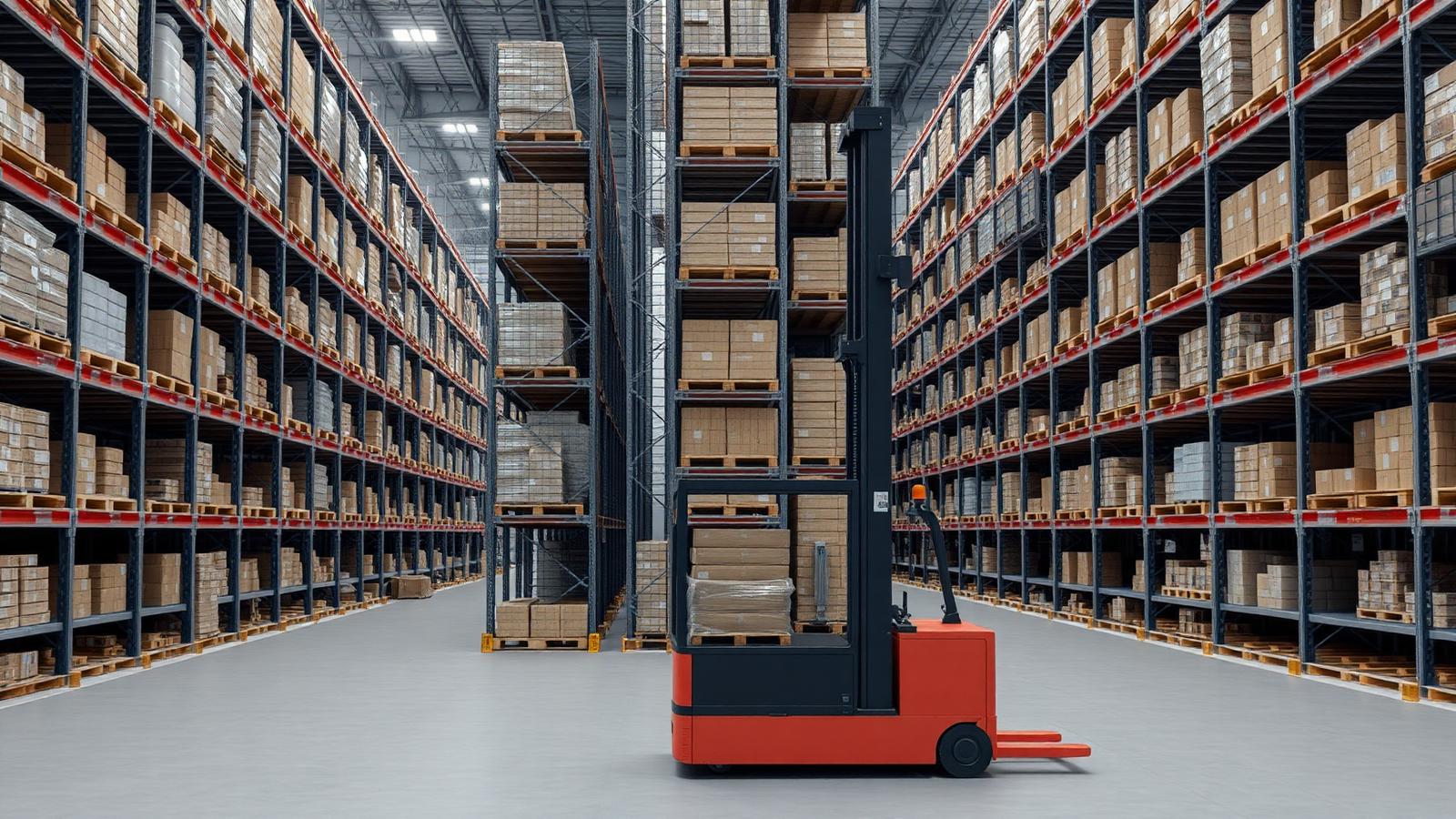
The foundational element of most warehousing agreements is the pallet storage cost. In the UK, this is typically billed per pallet, per week (or part thereof). Rates often depend on the dimensions and weight of the pallet, as well as whether the goods can be safely stacked or if they require dedicated racking space. Standard UK pallets (1200mm x 1000mm) are the benchmark, but Euro pallets or oversized pallets may attract different rates due to their footprint in the warehouse.
Storage charges are generally calculated based on the maximum number of pallets held during a specific billing cycle. Some providers use a 'mid-week' or 'end-of-week' inventory count, while others charge based on the peak volume recorded. It is important to clarify with your provider whether you are paying for occupied space or if there is a minimum floor space commitment required to maintain the account.
| Charge Type | Description | Frequency |
|---|---|---|
| Pallet Storage | Rental of rack or floor space for inventory. | Weekly per pallet |
| RH&D (Receipt, Handling & Despatch) | The cost to unload a vehicle and put goods into a pick location or rack. | Per pallet/unit upon arrival |
| Pick and Pack | The labour involved in selecting items from stock and preparing them for dispatch. | Per order or per item |
| Admin/System Fee | Management of the WMS and reporting requirements. | Monthly or per order |
| Packaging Materials | Boxes, tape, bubble wrap, and void fill used for shipping. | Per unit used |
Standard Components of Warehousing and Fulfilment Fees
Goods-in and RH&D: The cost of entry
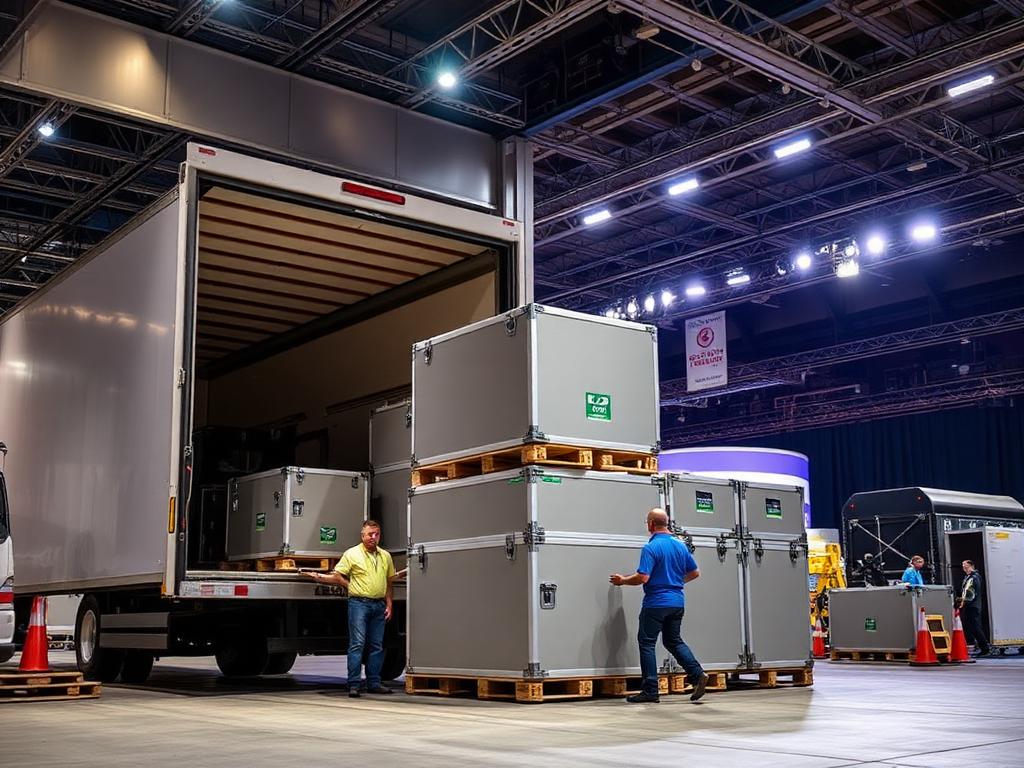
Before a single item can be sold, it must be received and processed. This is known as Receipt, Handling, and Despatch (RH&D). This fee covers the physical labour and equipment required to unload a delivery vehicle, inspect the goods for damage, verify the quantity against a packing list, and move the stock to its designated storage location.
RH&D is often a 'one-off' fee charged per pallet when it first enters the facility. However, the complexity of the delivery can impact this price. For example, a container of loose-loaded cartons that requires manual palletisation upon arrival will be significantly more expensive than a vehicle carrying pre-palletised, shrink-wrapped goods. Clear communication regarding the state of incoming stock is vital to avoid unexpected surcharge fees at the point of arrival.
Pick and pack pricing and order fulfilment
Pick and pack pricing is the most variable part of a warehousing invoice. It covers the labour required to physically retrieve items from their storage locations and prepare them for shipping. The cost usually depends on the number of 'picks' per order. A single-item order is faster to process than a multi-line order requiring several different products to be consolidated into one package.
Beyond the physical act of picking, this stage includes the application of shipping labels, the inclusion of packing slips, and the use of protective packaging materials. High-volume e-commerce operations often seek a 'cost per order' model to simplify their financial forecasting. If your products require specialist handling, such as gift wrapping or the insertion of marketing materials, these are typically billed as additional value-added services (VAS).
The Johnson's Haulage approach to storage management
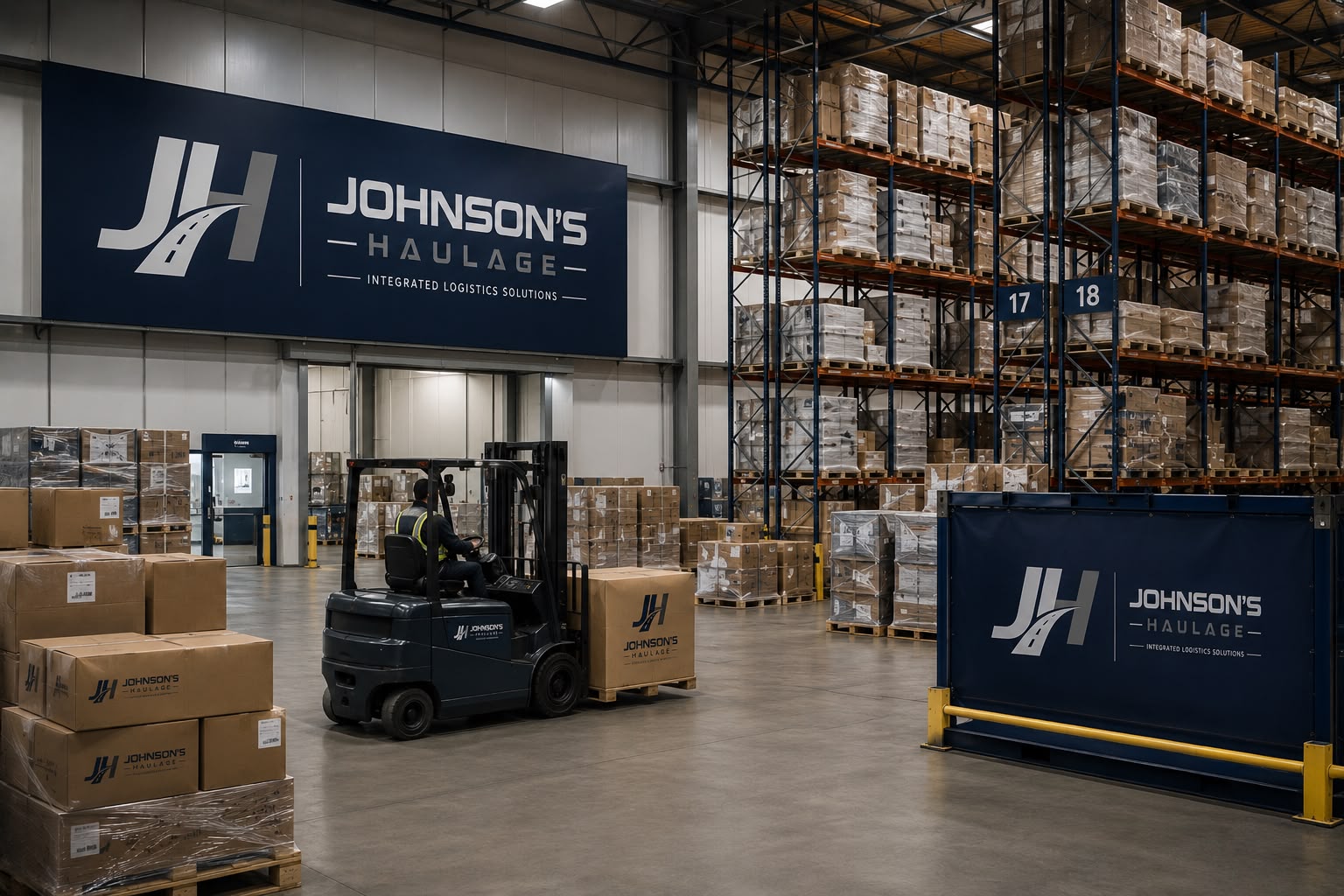
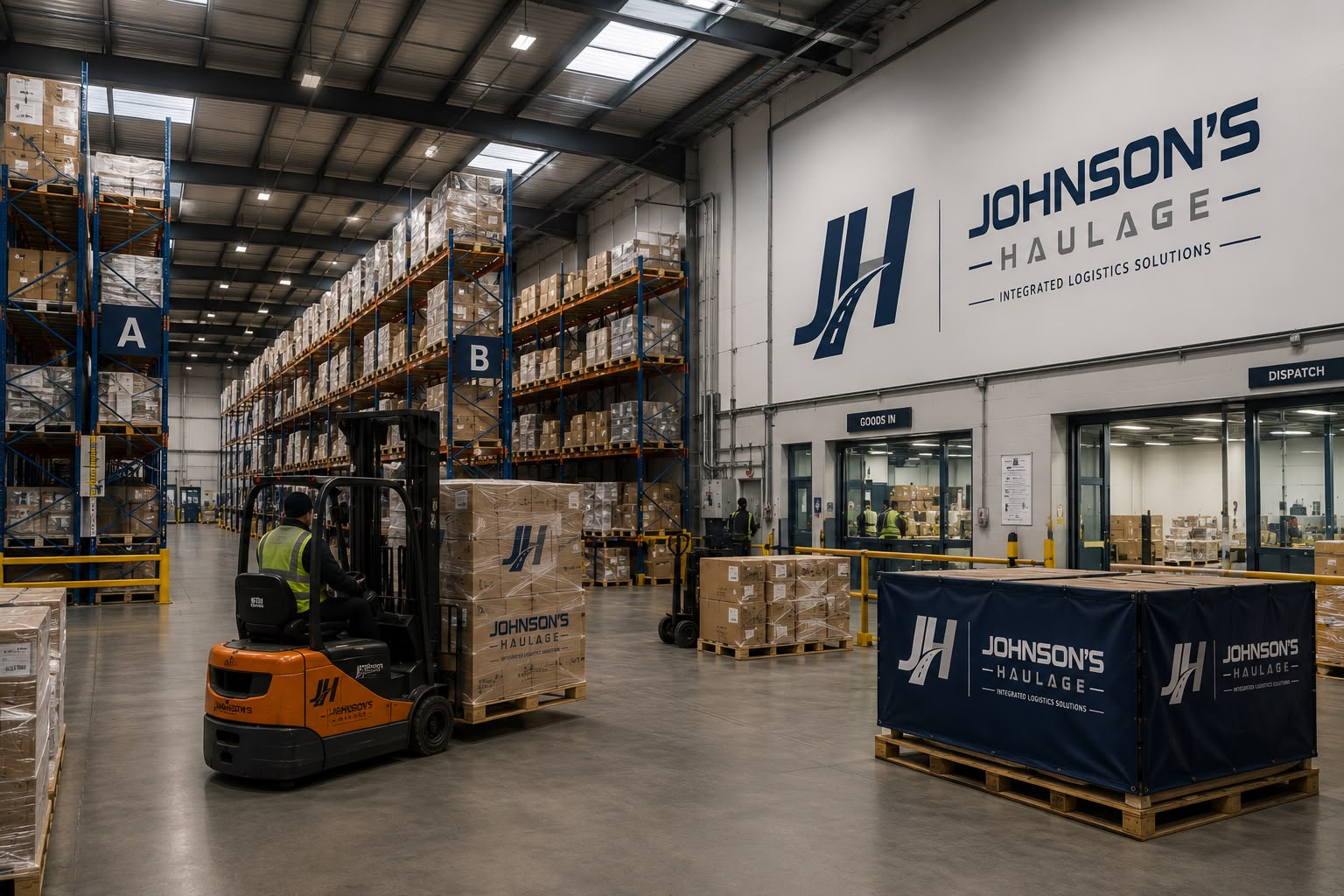
At Johnson's Haulage, we act as an intermediary between our clients and an approved network of assessed warehousing partners. Rather than owning the physical bricks and mortar, we leverage our industry relationships to source capacity that fits the specific needs of a business, whether that requires chilled storage, high-security facilities, or standard ambient racking.
Our team, based at Houldsworth Mill in Stockport, manages the logistics of moving goods from the point of manufacture into the warehouse and eventually to the end customer. By managing the carrier network and the warehousing partners through a single point of contact, we aim to provide a cohesive supply chain experience. This model allows for greater flexibility, as we can move stock between different locations in our partner network as a client’s geographical needs change.
Minimum charges and ad-hoc labour fees
Most 3PL providers implement a minimum monthly spend or a minimum storage volume. This ensures that the administrative cost of maintaining an account is covered even during periods of low inventory. Small businesses should be particularly aware of these thresholds when comparing quotes, as a low pallet rate can be offset by a high monthly minimum management fee.
Ad-hoc labour is another common line item on warehousing invoices. This covers tasks that fall outside the standard scope of work, such as stocktakes, reworking damaged packaging, or applying specific retail labels. These are usually charged at an hourly rate. Transparency is key here; businesses should request an estimate for any non-standard work before it commences to maintain control over their warehousing budget.
Seasonality and peak surcharges
The logistics industry experiences significant fluctuations in demand, particularly during the final quarter of the year. During peak periods, such as the run-up to Christmas, warehouses often operate at near-capacity. This can lead to the introduction of peak surcharges to cover the cost of seasonal labour and extended operating hours.
Managing inventory levels effectively is the best way to mitigate these costs. Businesses that hold excess 'dead stock'—inventory that does not move for months—will find their storage spend increasing without a corresponding return on investment. Regularly reviewing stock turn ratios and removing slow-moving items from the warehouse can significantly reduce the total cost of 3PL storage.
Regulatory considerations and insurance
When storing goods in the UK, it is important to understand the regulatory framework. For example, HMRC has strict requirements for the storage of bonded goods, which are items where duty and VAT have not yet been paid. Only specific, authorised facilities can handle such inventory. While a standard warehouse may suffice for most commercial goods, items like alcohol, tobacco, or certain chemicals require specialised licensing.
Insurance is another critical factor. Most warehouse operators provide limited liability coverage based on industry standard terms, such as those set by the Road Haulage Association (RHA) or the United Kingdom Warehousing Association (UKWA). These terms often limit the payout based on the weight of the goods rather than their market value. Businesses should always verify if they need additional 'all-risks' insurance to protect the full value of their inventory while it is in third-party care.
How to reduce your warehousing and storage spend
The most effective way to lower warehousing costs is through data-driven inventory management. By maintaining accurate records of what is in stock and how fast it moves, you can avoid paying for space you don't need. Consolidating shipments to ensure pallets are full before they arrive at the warehouse also reduces the per-unit cost of RH&D.
Negotiating long-term commitments can sometimes lead to lower pallet rates, but this reduces your ability to scale down during quiet periods. Alternatively, reviewing your packaging dimensions can sometimes allow more units to fit onto a single pallet, effectively lowering your storage cost per item. Consistent communication with your logistics partner about upcoming promotions or expected stock arrivals helps them manage their labour more efficiently, which can prevent unexpected surcharges.
Conclusion and next steps for your logistics strategy
Navigating the complexities of warehousing costs requires a balance between operational efficiency and financial control. By understanding the nuances of pallet storage, handling fees, and pick and pack pricing, you can make informed decisions that protect your margins. Whether you are looking for a new storage solution or aiming to optimise your current distribution network, a clear view of the cost components is the first step toward a more efficient supply chain.
The team at Johnson's Haulage is available to discuss your specific road freight and warehousing requirements. We focus on sourcing the right capacity through our assessed network of partners to ensure your goods are handled professionally. Contact our transport team today on 0161 669 1949 or email info@johnsonshaulage.com to discuss how we can support your commercial distribution.
Frequently asked questions
Talk to our team.
Get a tailored quote or speak to our operations team about your transport requirements.