







What pallet delivery means
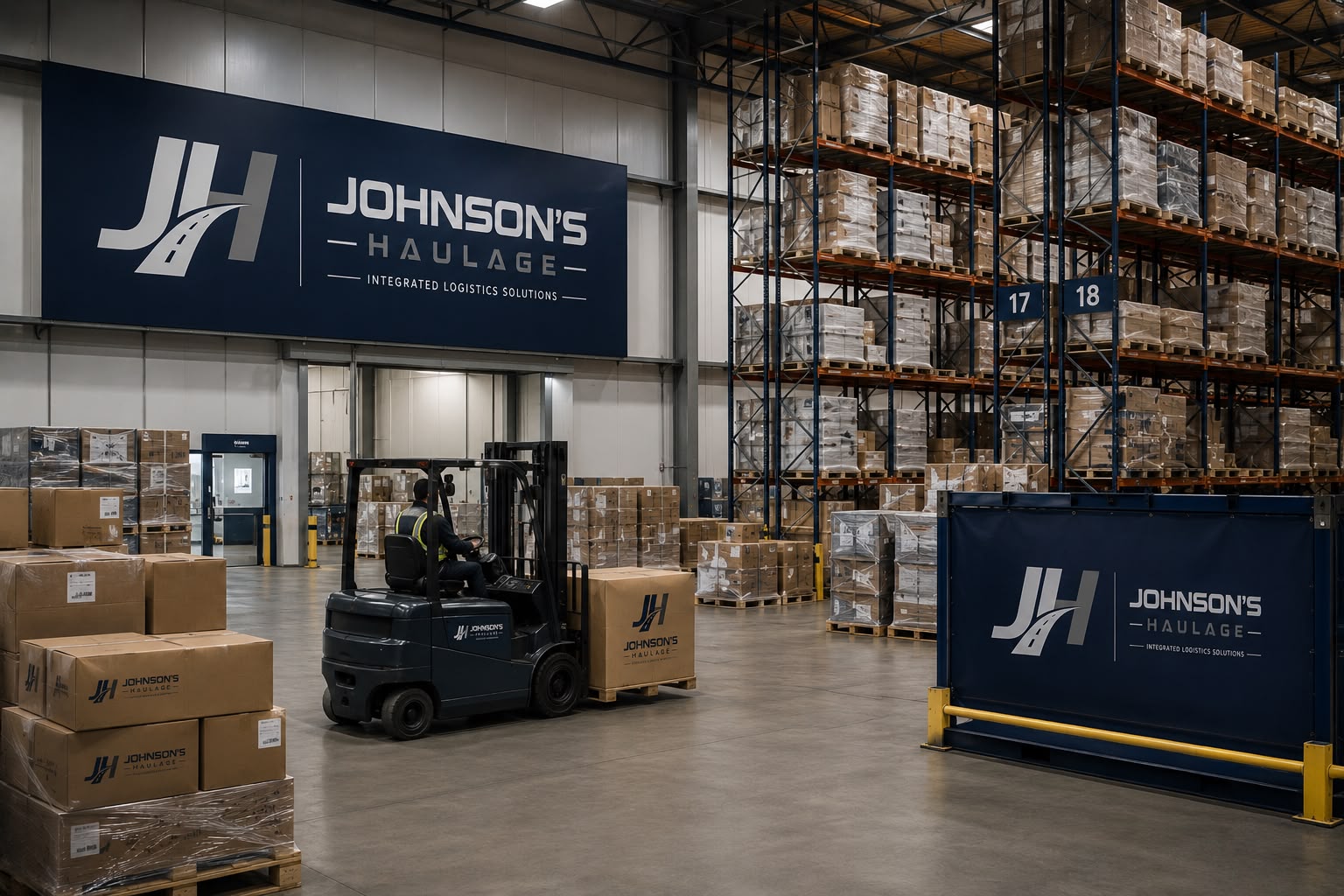
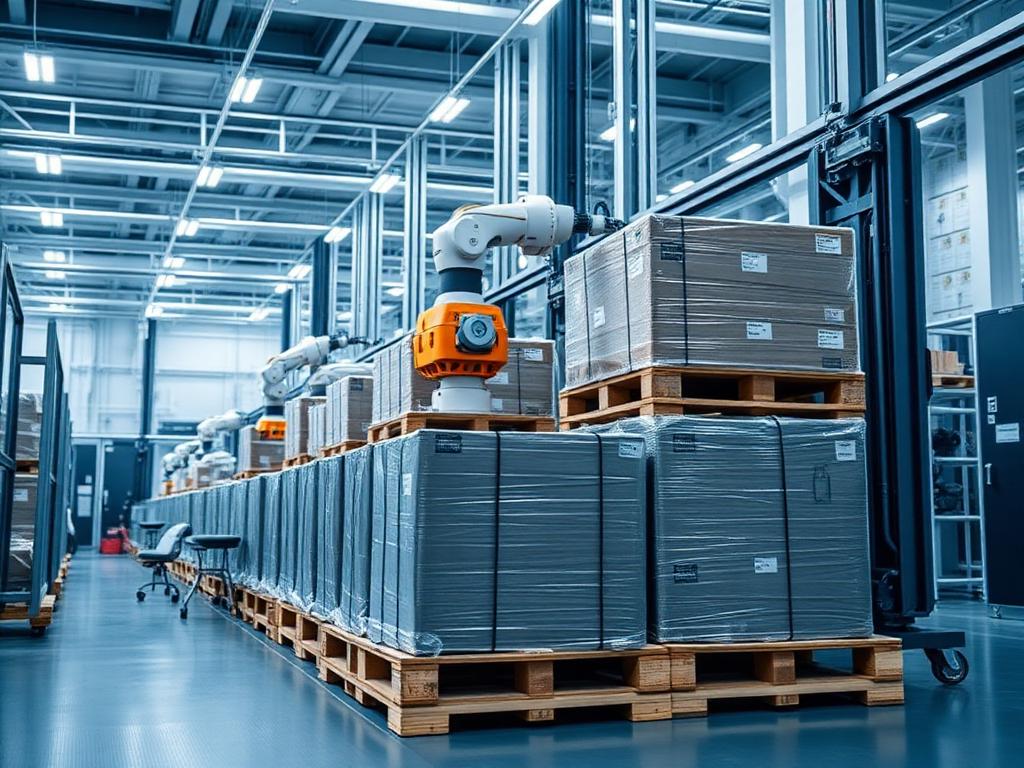
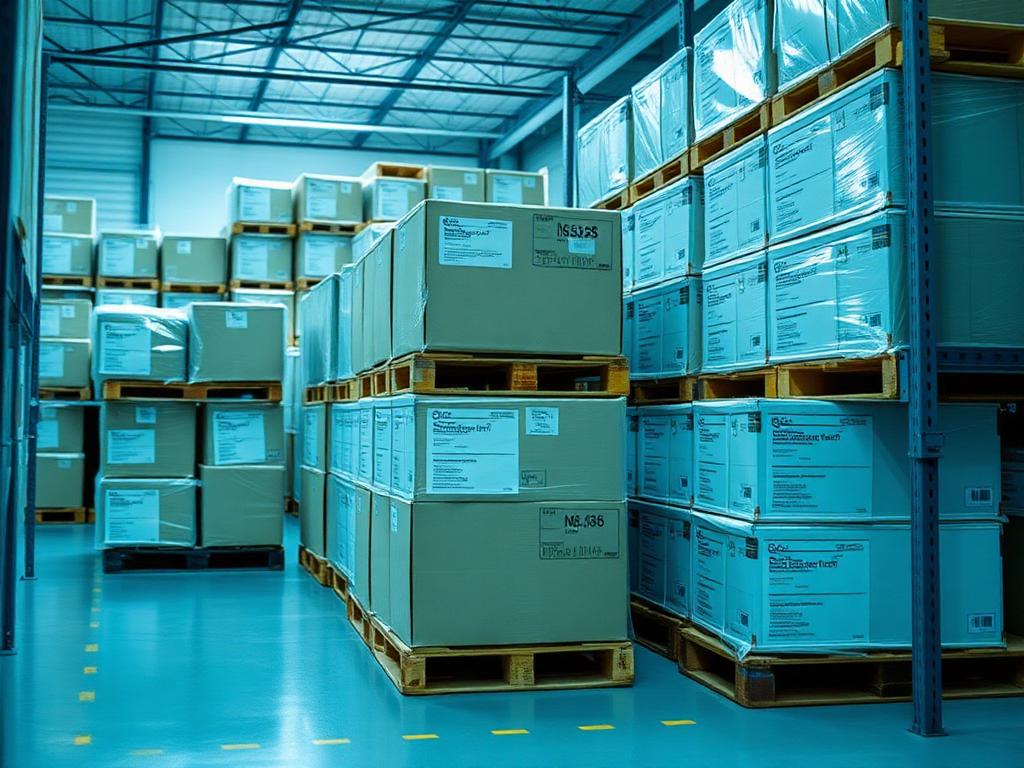
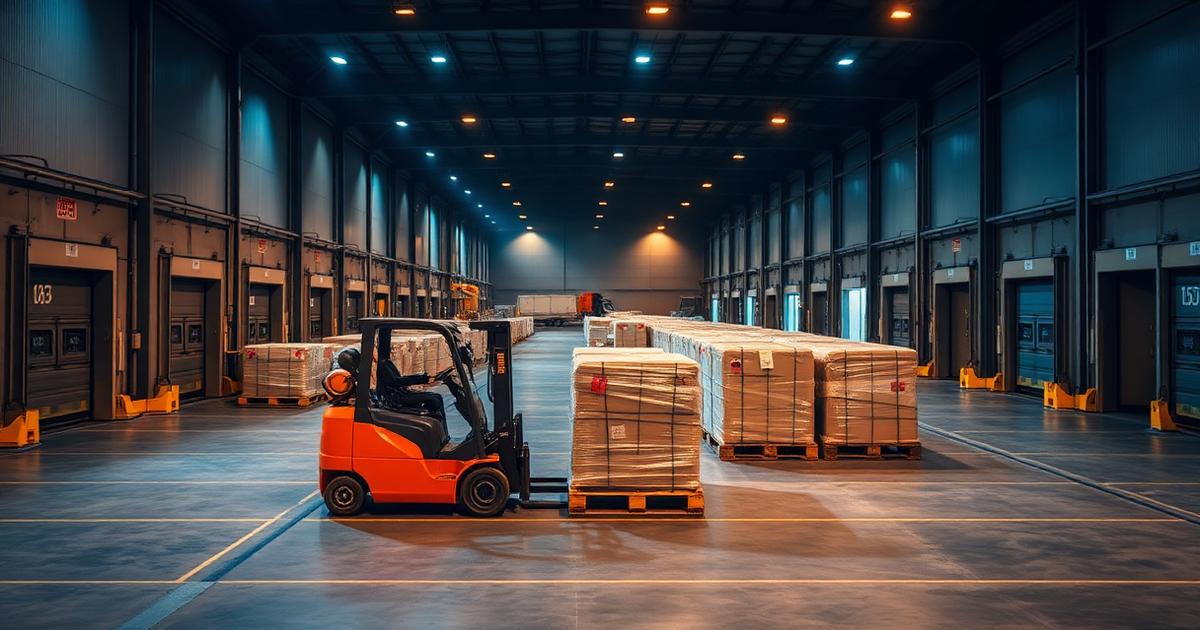
Pallet delivery is the movement of goods that have been stacked, wrapped and secured onto a wooden pallet so they can be handled as one unit by a forklift or pallet truck. Instead of a carrier handling forty individual cartons, they handle a single item, which is faster, safer and considerably cheaper per kilogram.
It sits between parcel carriage and full-load haulage. If your consignment is too big or too heavy for a parcel network but does not justify a whole vehicle, palletised freight is almost always the right answer for UK domestic movements.
How a pallet network moves your freight
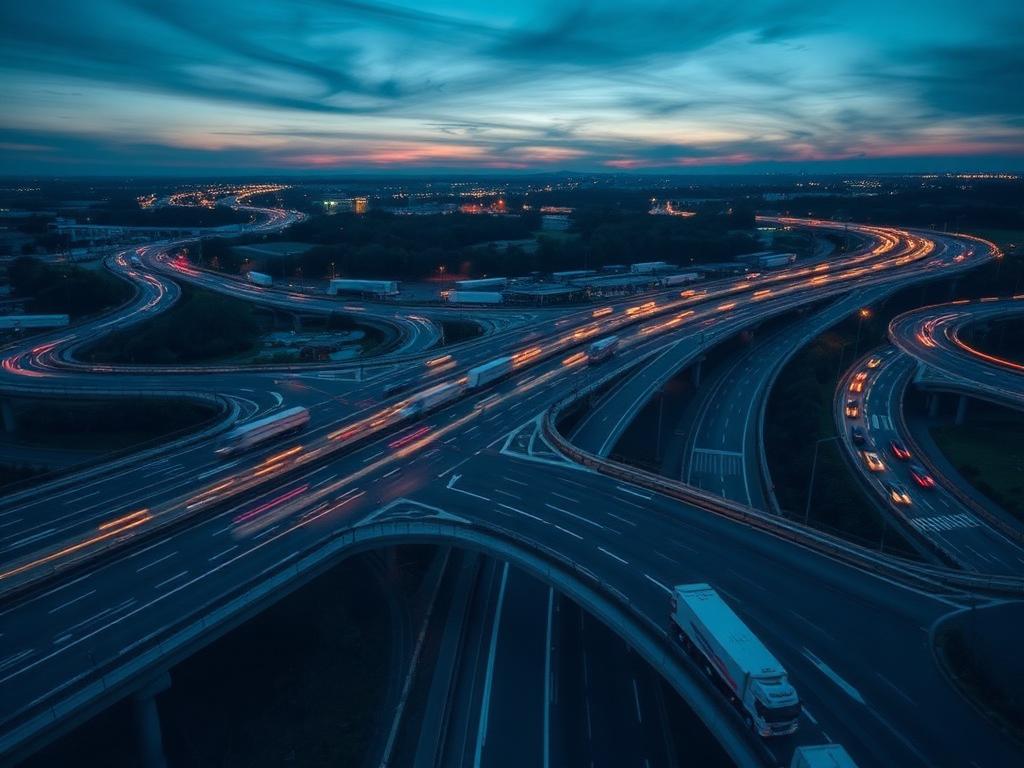
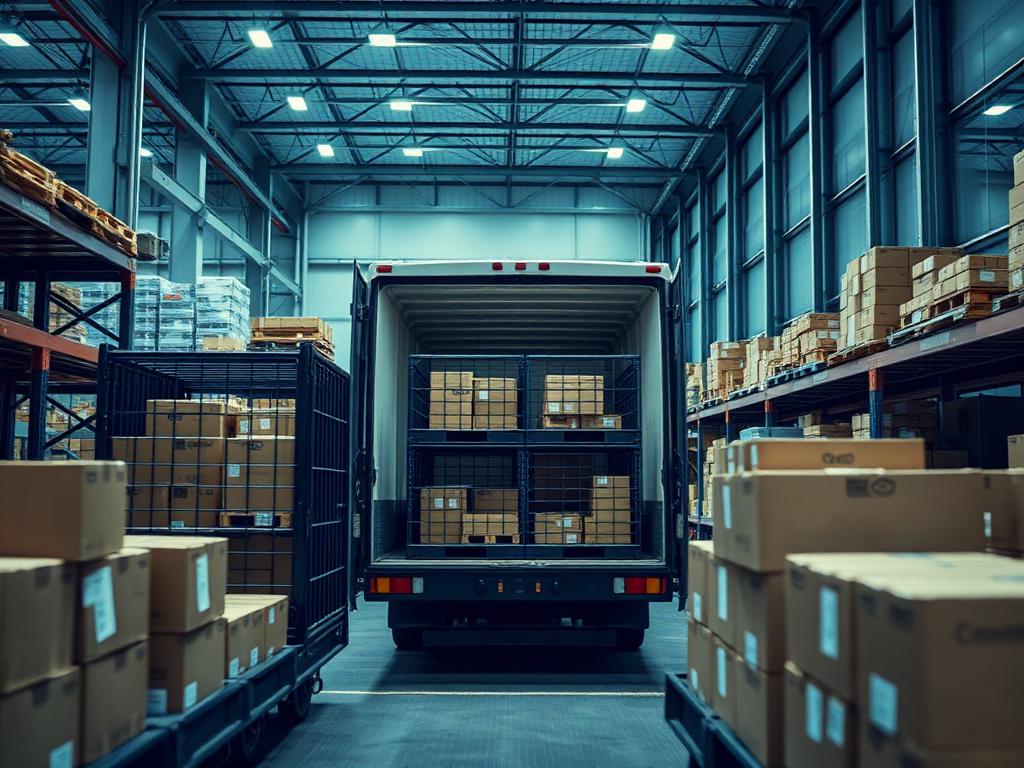
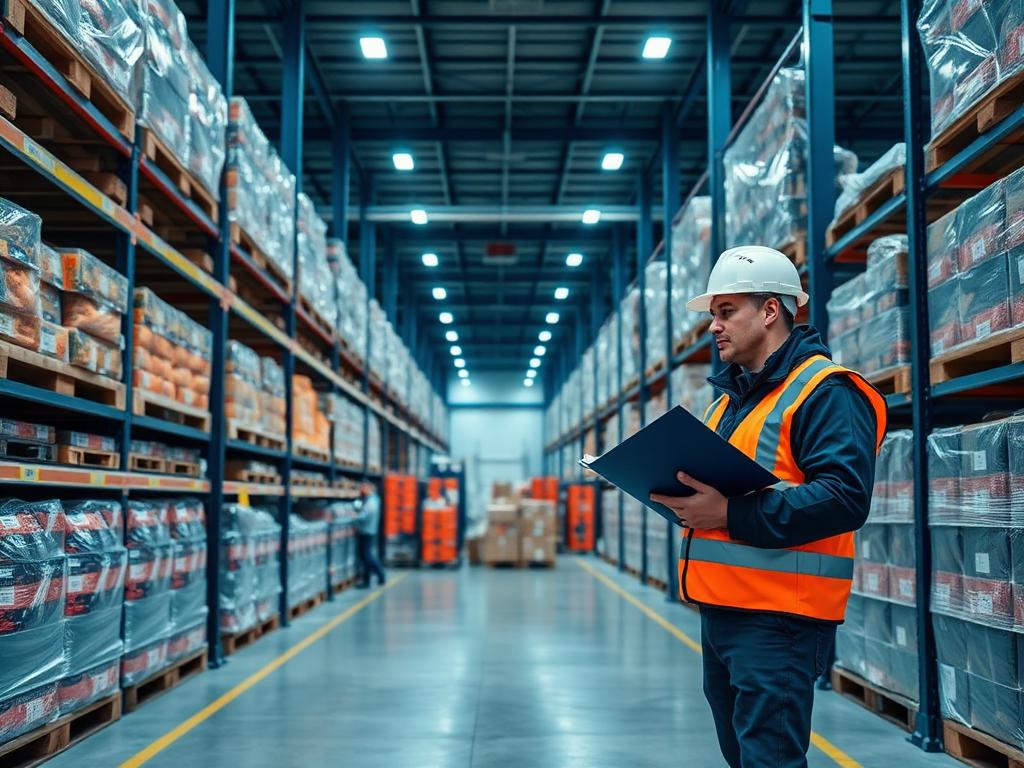
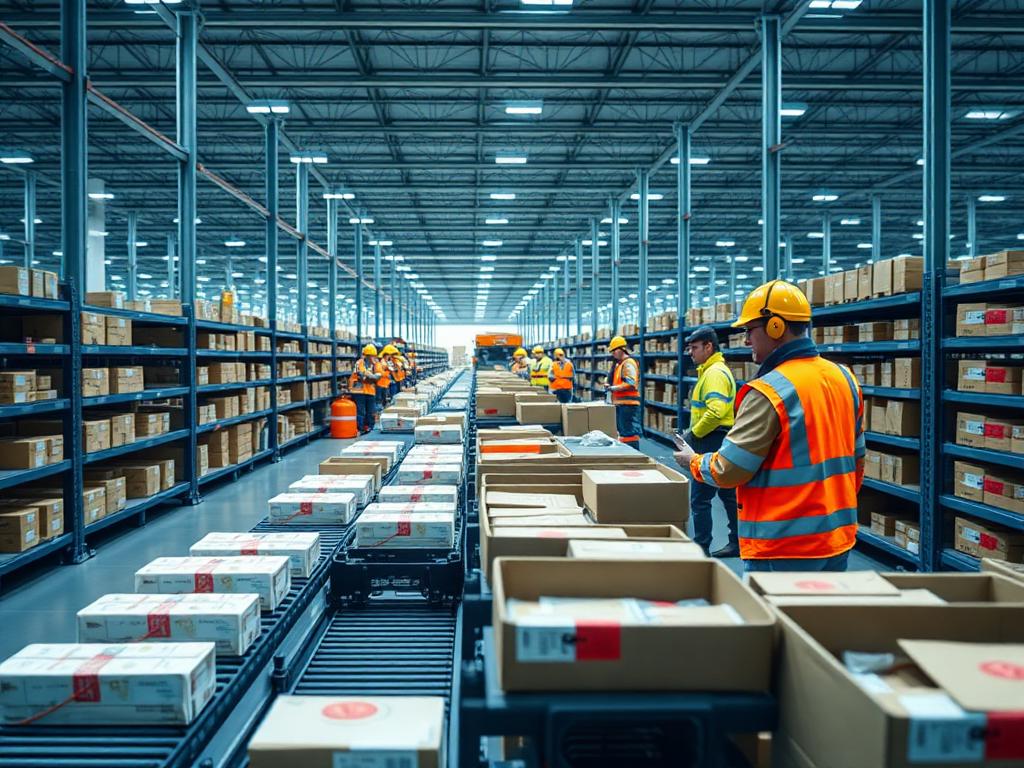
UK pallet networks operate on a hub-and-spoke model. A local member carrier collects your pallet during the afternoon and trunks it overnight to a central hub in the Midlands, where it is unloaded, scanned and sorted onto an outbound trailer for the region it is going to. Another member carrier then delivers it the following working day.
That shared model is why palletised freight is so cost-effective: each vehicle carries freight for dozens of different customers, so the cost of the trunk run is spread across every pallet on board. It also explains the fixed shape of the service — collections happen in the afternoon and deliveries in the morning, because the network is built around a single overnight sortation.
Pallet sizes and service levels
Most networks price by footprint and height rather than by weight alone. A quarter, half and full pallet are the common sizes, with light and oversized variants on top. Getting the declared size right matters, because a pallet that is taller or wider than booked can be reclassified at the hub and re-rated on the invoice.
Service levels typically run from economy (two to three working days) through next-day, to timed AM, pre-noon or Saturday delivery. Economy is cheapest because it gives the network planning flexibility; timed services constrain the delivery round and are priced accordingly.
Tail-lift, kerbside and site access
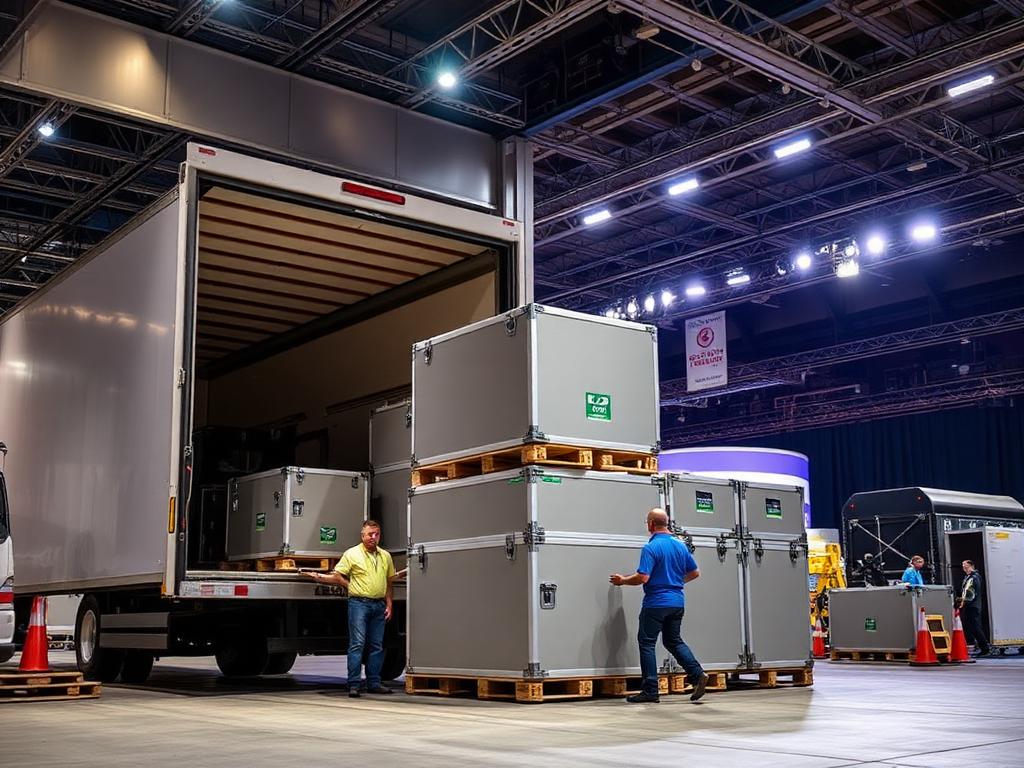
Networks assume both ends of the journey have a forklift or loading dock. Where they do not, you need a tail-lift vehicle, which lowers the pallet to ground level. Tail-lift deliveries are kerbside by default: the driver places the pallet at the nearest safe hard-standing point and is not obliged to move it inside a building.
Declaring access constraints at booking — no forklift, narrow lane, restricted height, residential address, timed access window — is the single biggest thing you can do to avoid a failed delivery and a redelivery charge.
Packaging, labelling and proof of delivery
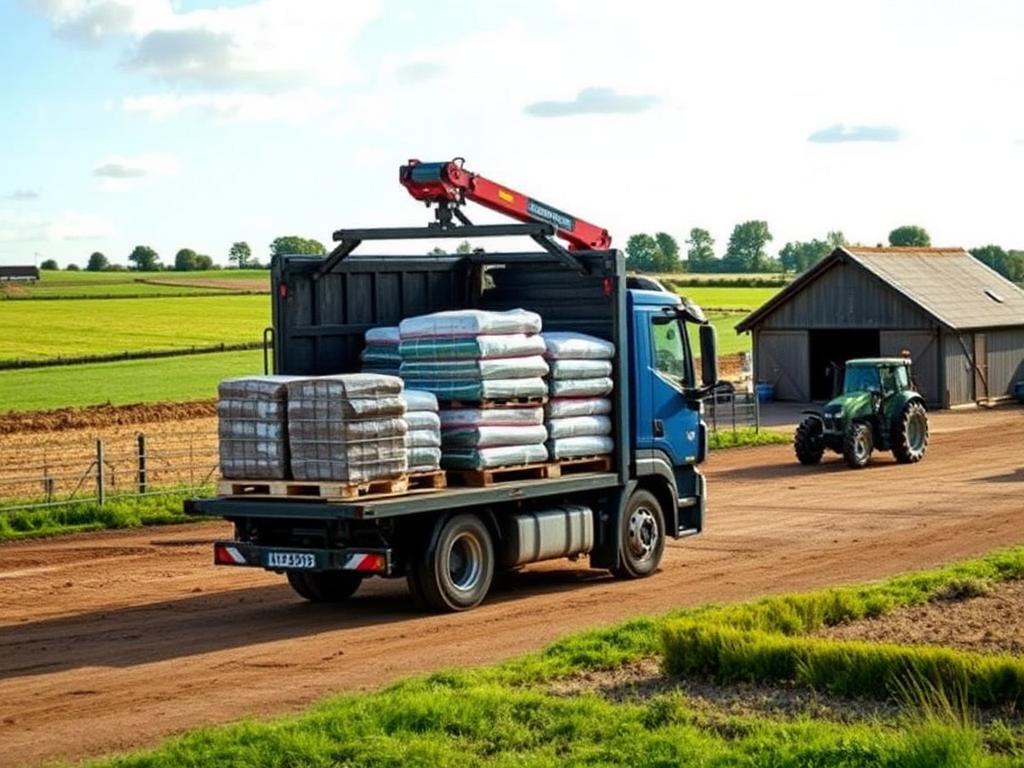
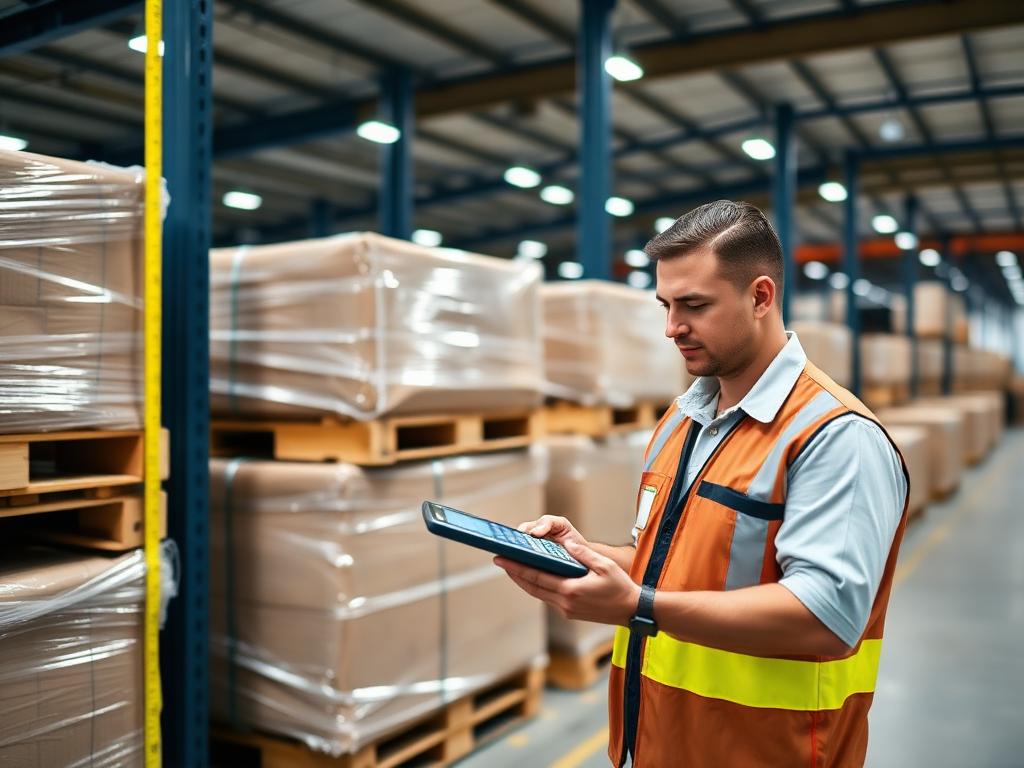
Goods should sit within the footprint of the pallet, be shrink-wrapped or strapped to the base, and carry a clearly visible label on at least two sides. Overhang is the most common cause of damage in a hub environment, because the protruding edge is what catches on other freight.
Every scan point in the network generates a tracking event, and delivery is confirmed with a signed or photographic proof of delivery. Keep that POD: it is the evidence you need if you ever have to raise a claim, and claim windows are short.
How Johnson's Haulage arranges pallet delivery
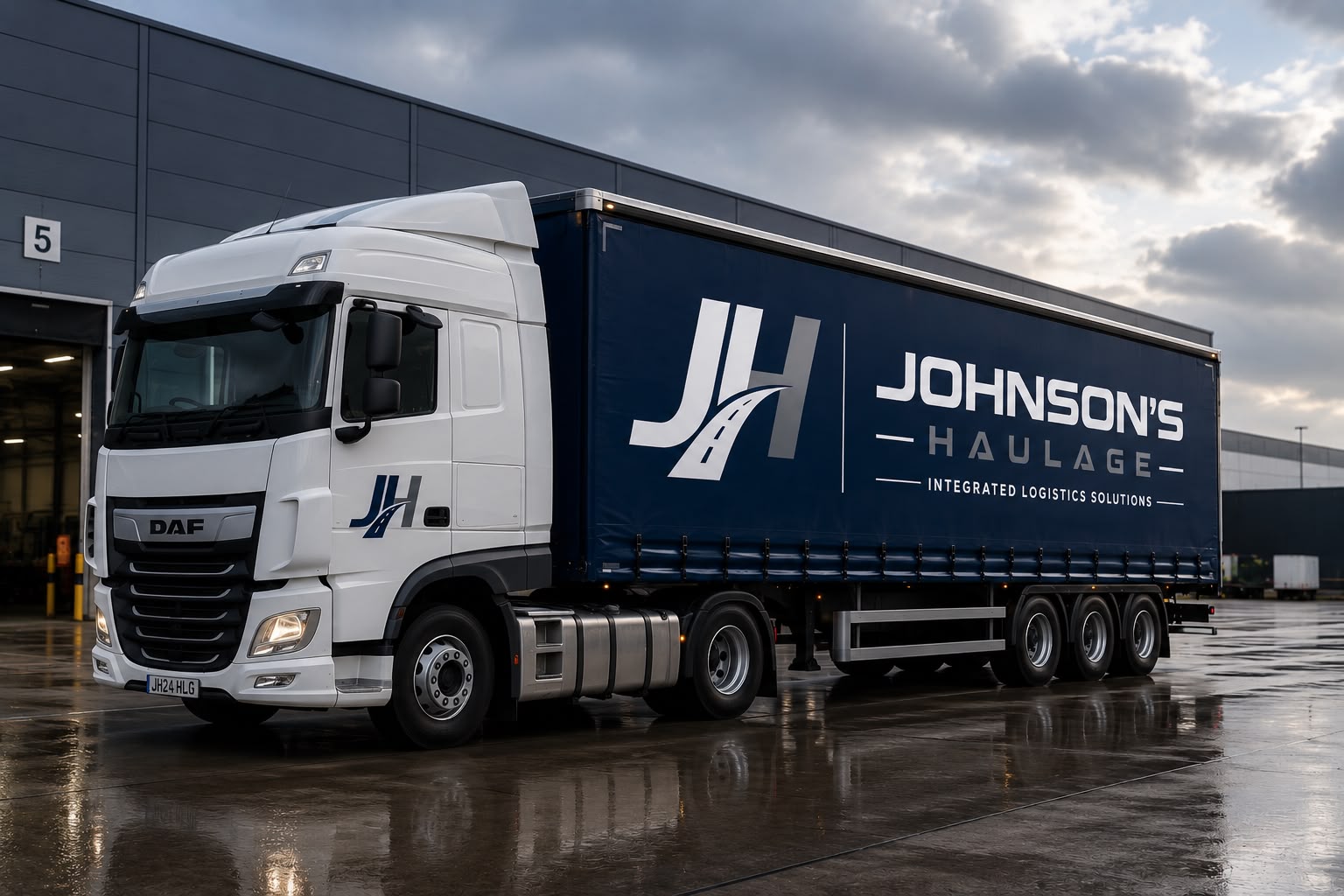
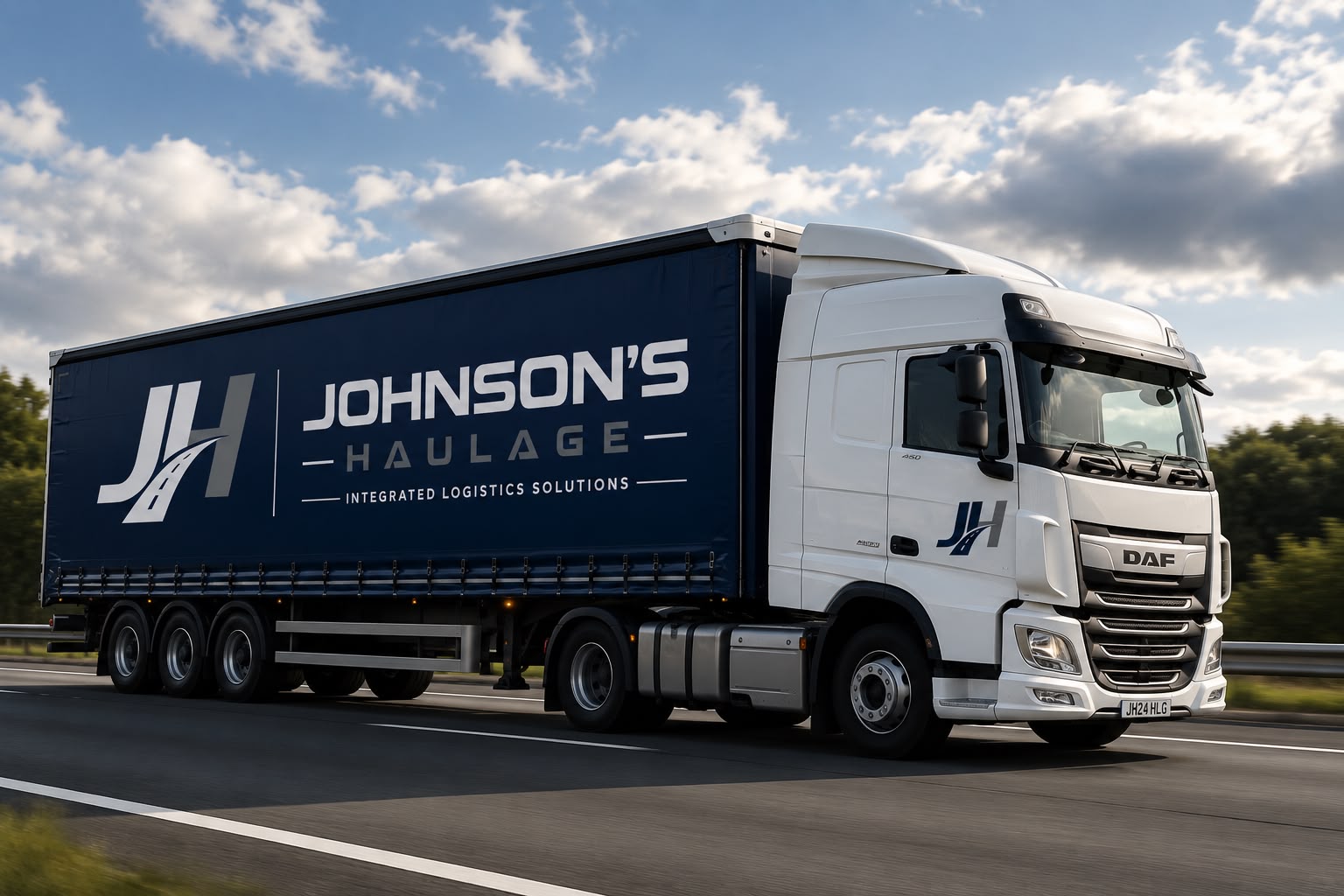
As a transport and logistics management company, we place palletised freight with assessed carriers in our approved network rather than pushing every consignment down one route. That means we can match the service level, vehicle type and access requirements to the job instead of forcing the job to fit one carrier's rules.
To arrange a collection or get a price, call our transport team on 0161 669 1949 or email info@johnsonshaulage.com with your postcodes, pallet count, dimensions and weight (Mon–Fri 08:00–17:30).
Frequently asked questions
Talk to our team.
Get a tailored quote or speak to our operations team about your transport requirements.