

















Distance and route are the starting point, not the whole picture
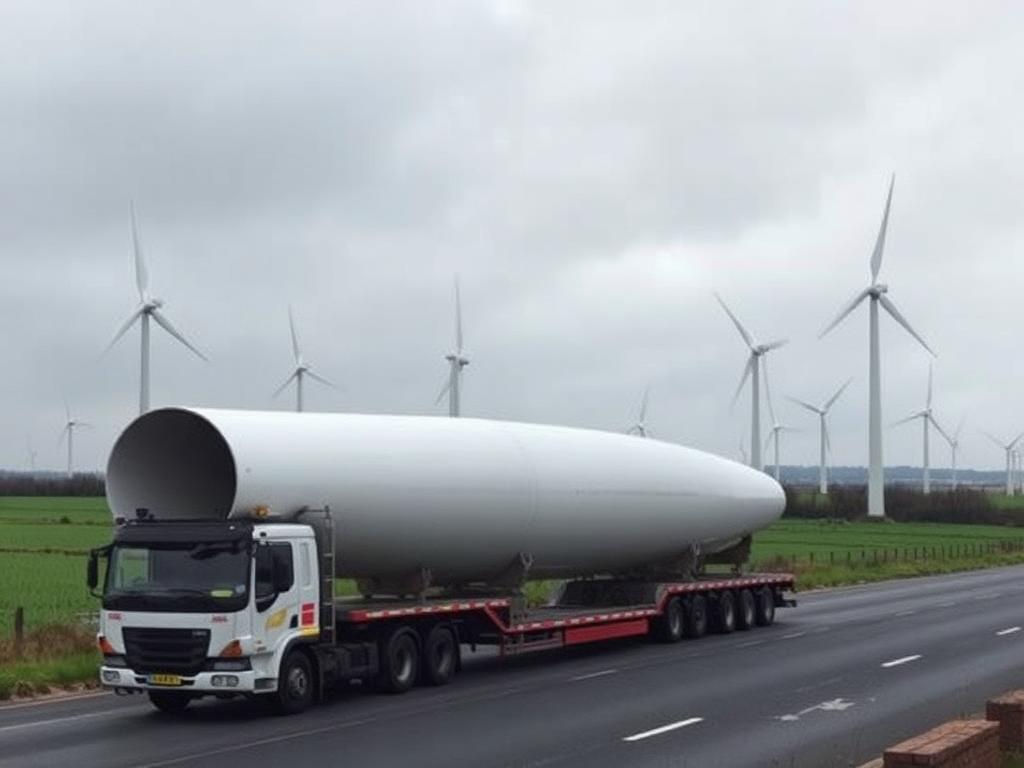
It's tempting to assume transport cost is simply a function of distance, but that's only part of the equation. Route difficulty, congestion, tolls, and whether a return load can be found for the vehicle all influence the final price. A short urban journey through a congested city centre can, in practice, cost more per mile than a long, straightforward motorway run.
Weight, volume and vehicle utilisation
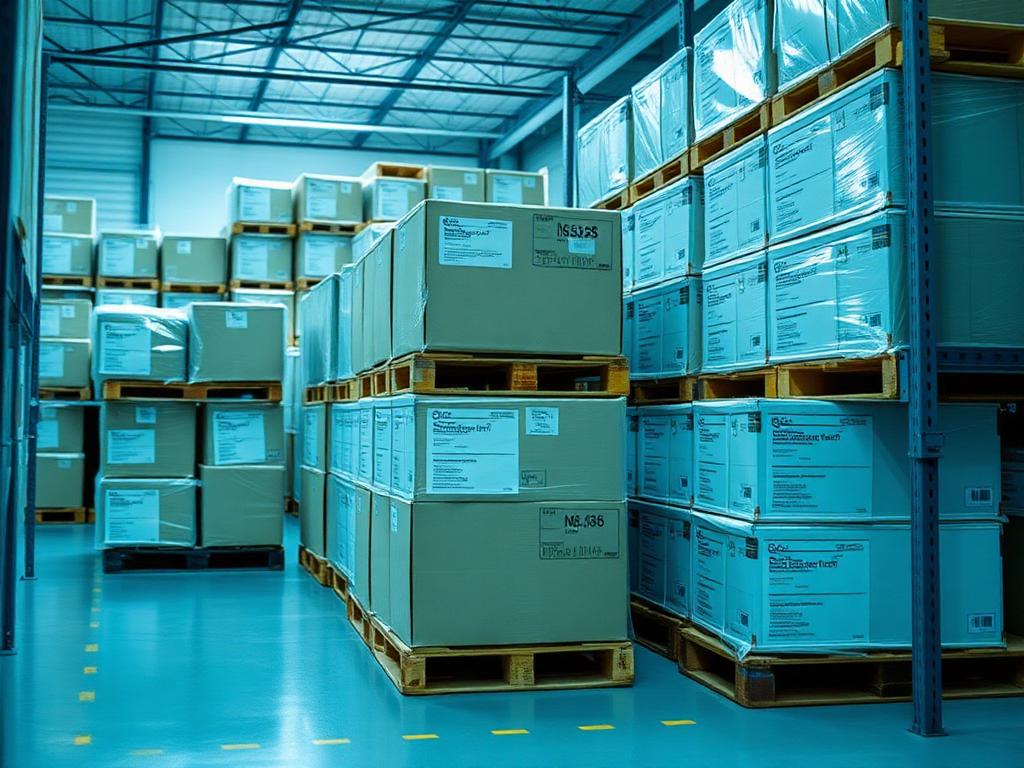
Carriers price against whichever is the limiting factor for a vehicle — weight or volume — since a vehicle can be full by either measure before the other is reached. Freight that is bulky but light (taking up a lot of space without much weight) is often priced closer to a full-vehicle rate, even though the actual weight is low, because it prevents other freight sharing the vehicle.
Fuel, tolls and surcharges
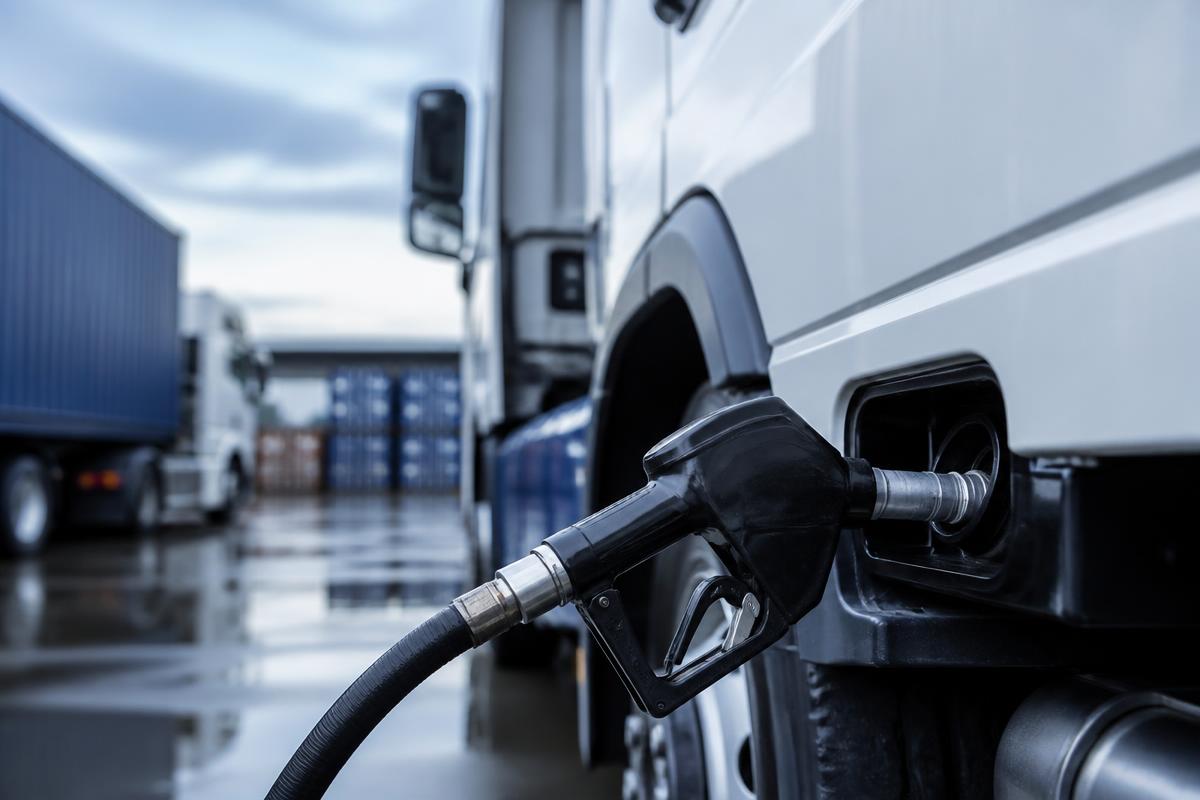
Fuel is one of the largest variable costs in road transport, and most professional quotes include a fuel surcharge that moves with the market price of diesel rather than being baked into a fixed rate — this protects both sides from sudden cost swings. Tolls, ferry crossings and Eurotunnel charges for European routes, along with clean air zone charges such as ULEZ, are typically itemised separately.
- Base transport rate for the vehicle and route
- Fuel surcharge, reviewed periodically against market fuel prices
- Tolls, ferry or Eurotunnel charges for cross-border routes
- Clean air zone or congestion charges where applicable
- Waiting time charges if loading or unloading overruns booked slots
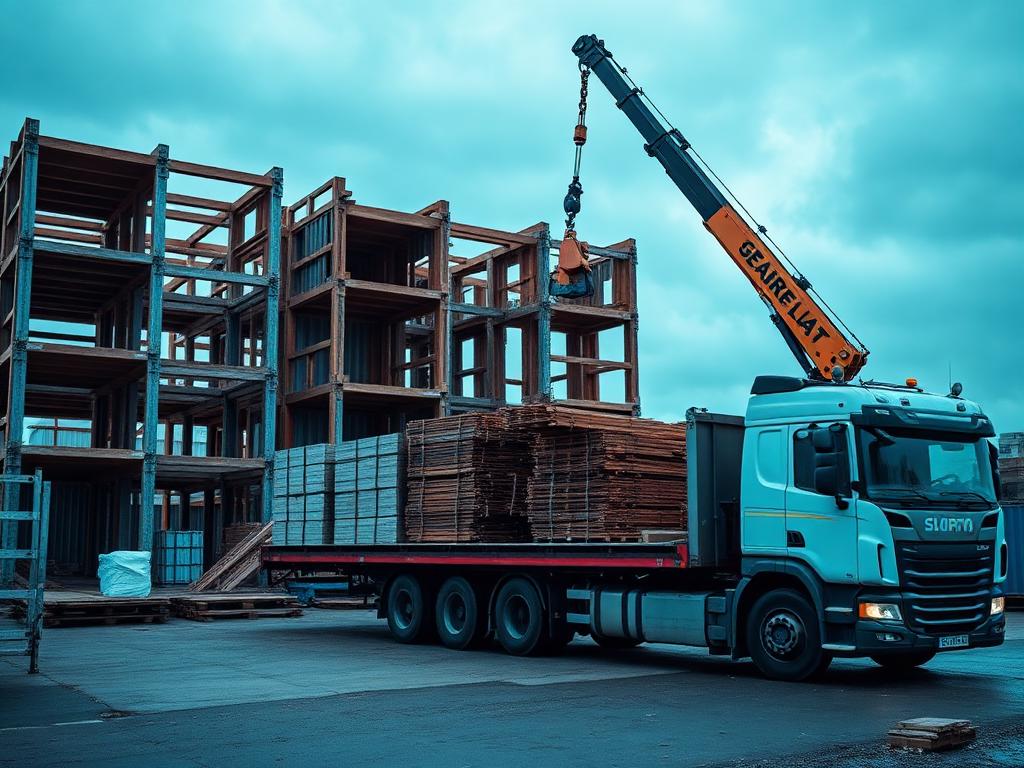
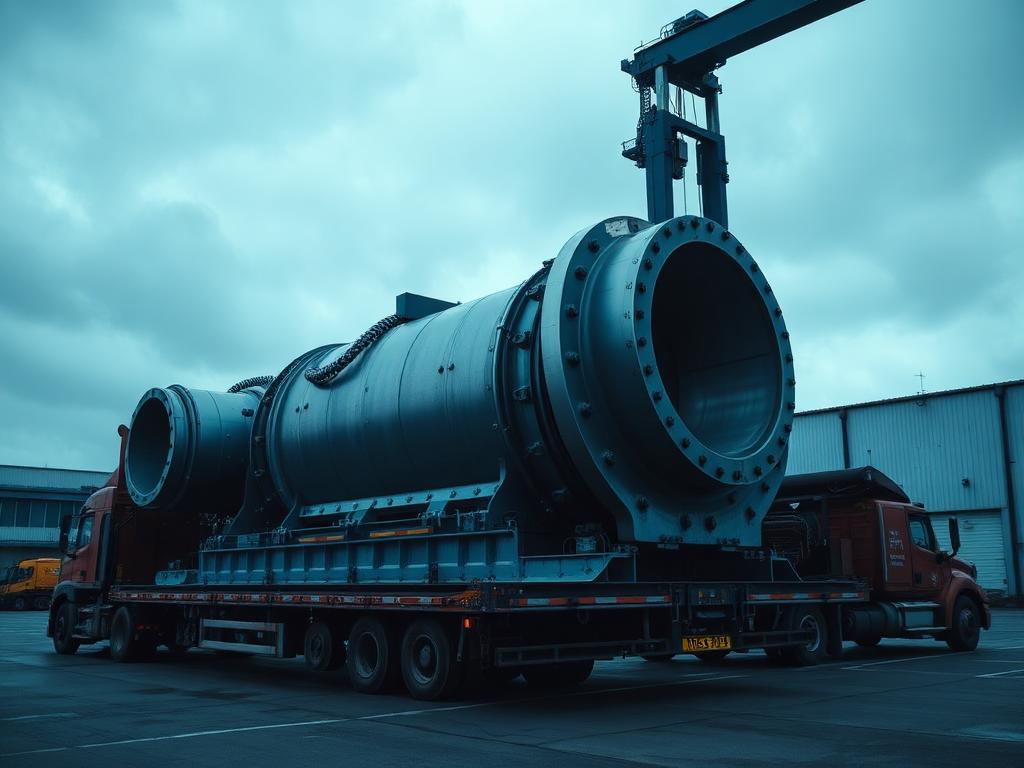
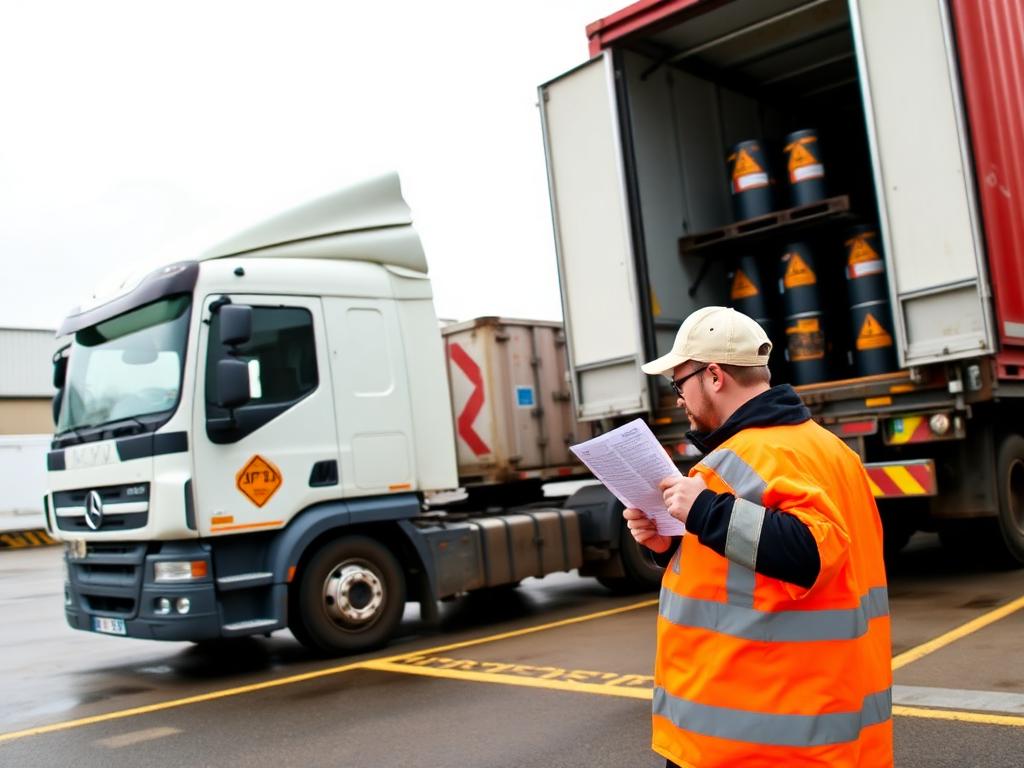
- Special handling charges — Hiab, ADR, temperature control
Timing and urgency change the price
Booking well in advance, particularly outside peak periods, generally gives access to better rates because carriers can plan the vehicle's onward workload. Urgent, same-day or out-of-hours bookings cost more because they typically require a dedicated vehicle to be diverted or a driver's schedule adjusted at short notice.
How to keep costs predictable
The most effective way to manage transport costs isn't necessarily chasing the lowest quote on every individual job — it's building a relationship with a transport partner who quotes transparently, flags cost drivers up front, and helps you plan around known pinch points like peak season or clean air zones. If you'd like a clearer breakdown of what's driving your current transport spend, our team can review your typical shipment profile and talk through where costs might be optimised — see our road freight and European transport services for more context, or get in touch directly.
Frequently asked questions
Talk to our team.
Get a tailored quote or speak to our operations team about your transport requirements.