








What a tail-lift delivery is
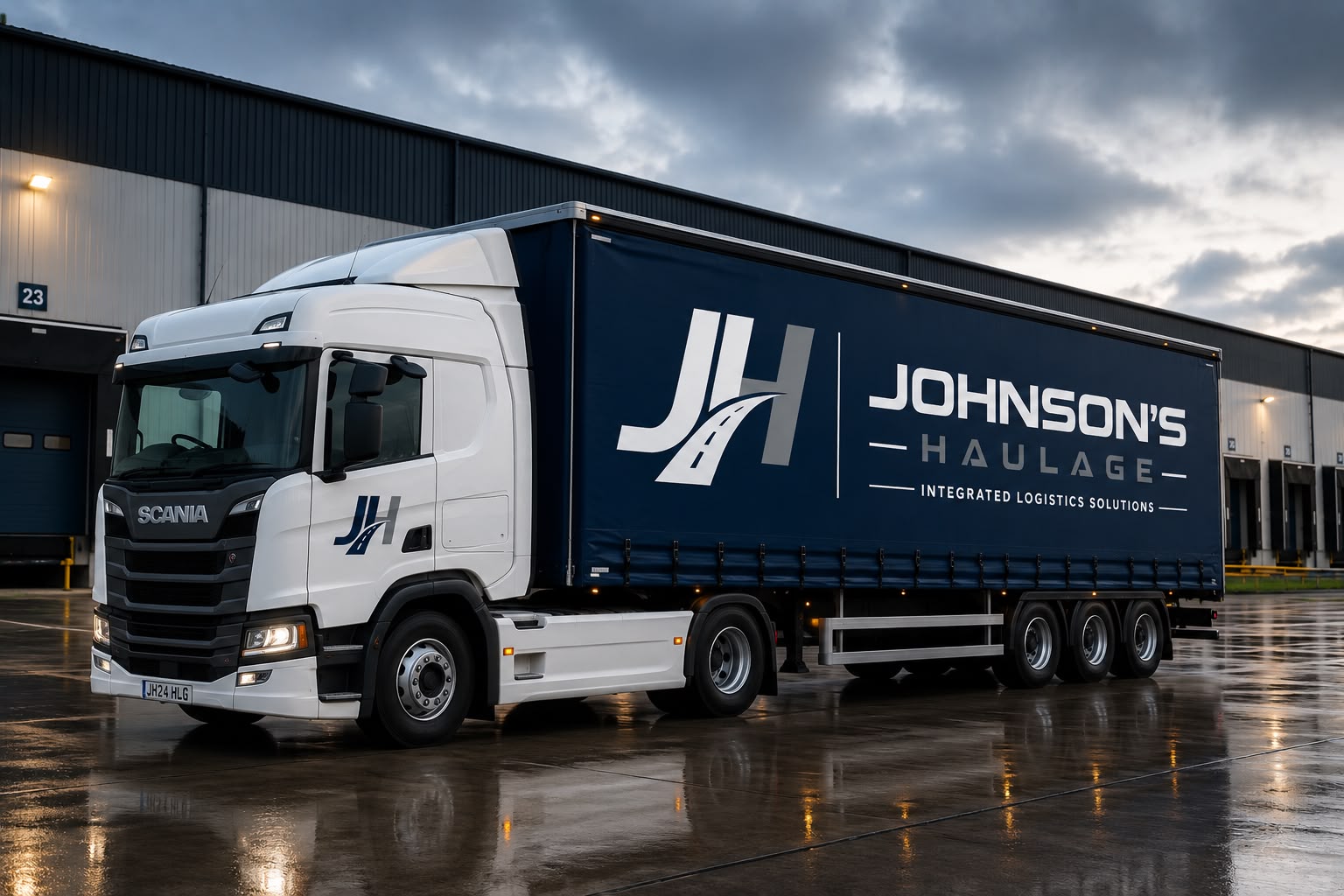
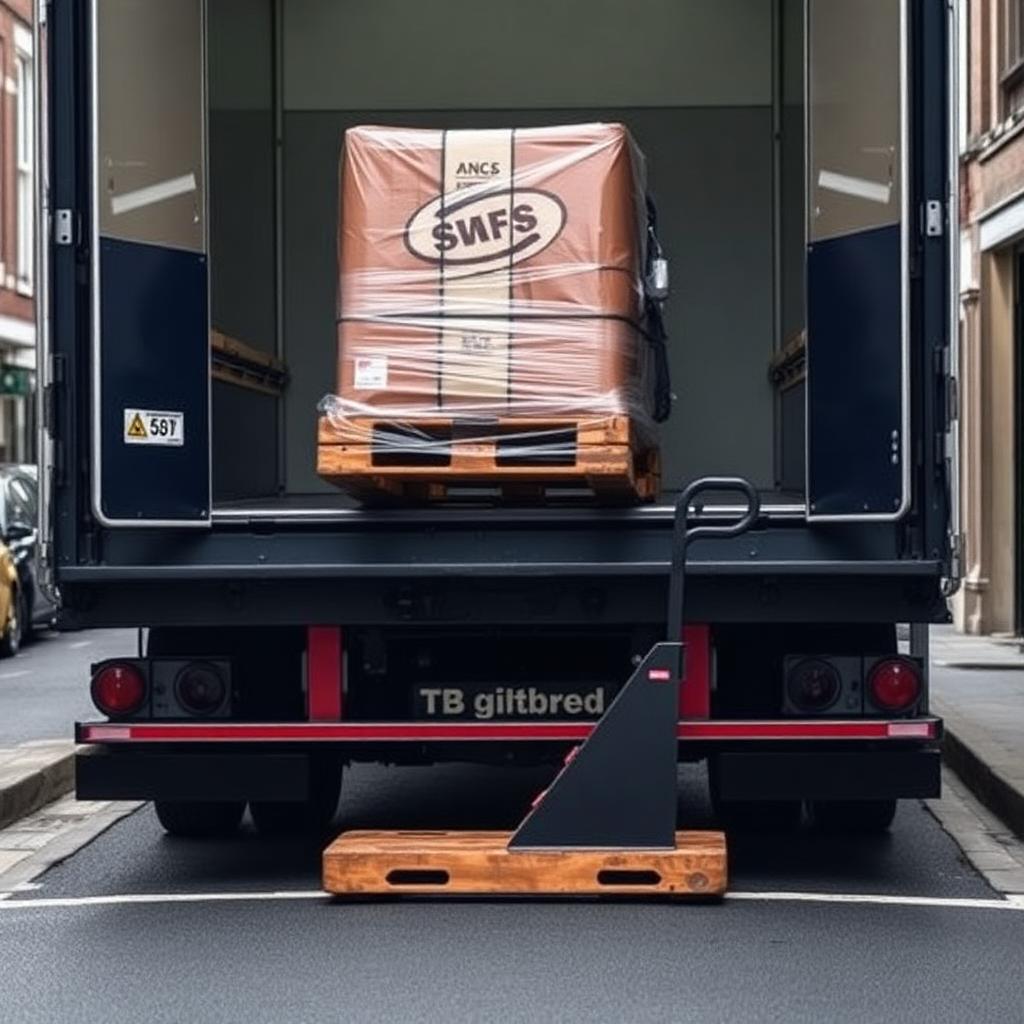
A tail-lift is a hydraulic platform fitted to the back of a lorry that lowers freight from the vehicle bed to ground level. A tail-lift delivery means the driver can unload your pallet with a manual pallet truck at a premises that has no forklift or loading dock — the standard arrangement for shops, offices, construction sites, farms and most small businesses.
You must request it at booking. Networks do not assume a tail-lift; if the vehicle arrives without one and you cannot unload, the pallet goes back to the depot and you pay for a re-delivery on the correct vehicle.
Weight and size limits
Most tail-lifts in general haulage are rated around 750kg to 1,000kg, with heavy-duty units up to about 1,500kg — but the platform size and the pallet truck's ability to move the load often bite first. Very long, wide or top-heavy pallets may not sit safely on the platform even when they are within the weight limit.
As a working rule, keep tail-lift consignments to standard or Euro pallets within roughly 750kg, and declare anything heavier or oversized at booking so a suitable vehicle — or a different unloading method — can be arranged.
When you need one — and when you don't
You need a tail-lift whenever neither side has mechanical unloading: no forklift, no dock, no telehandler. Think high-street deliveries, residential-area businesses, site cabins and event venues. Kerbside delivery is the default pairing — the driver lowers the pallet and wheels it to the nearest safe hard-standing point.
You don't need one where a forklift and trained operator will unload, or where there is a proper loading dock. Declaring that honestly saves money, because tail-lift vehicles are a scarcer resource and some carriers price them at a premium.
Ground conditions and safety
A tail-lift needs firm, reasonably level ground to deploy. Loose gravel, steep slopes, soft verges and steep dropped kerbs can all stop a driver from unloading safely, and the driver's judgement on safety is final — they are responsible for the load until it is on the ground.
If your delivery point is awkward, tell us at booking. A photo of the entrance or bay is genuinely useful, and it is far cheaper than a failed delivery.
Alternatives worth knowing
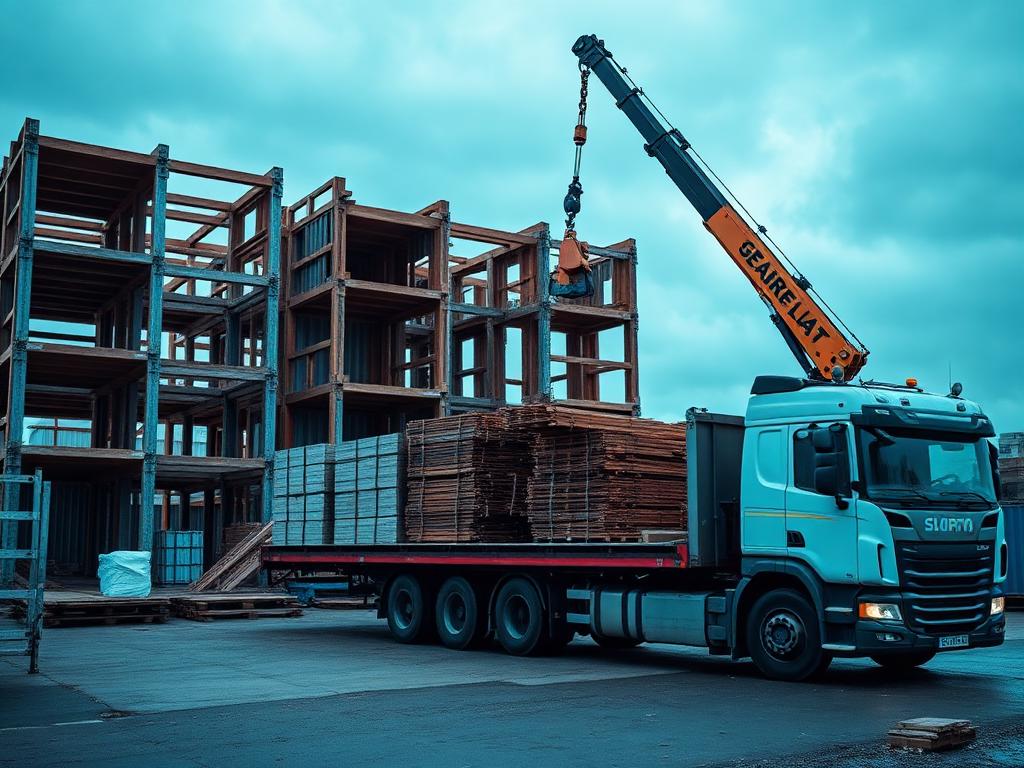
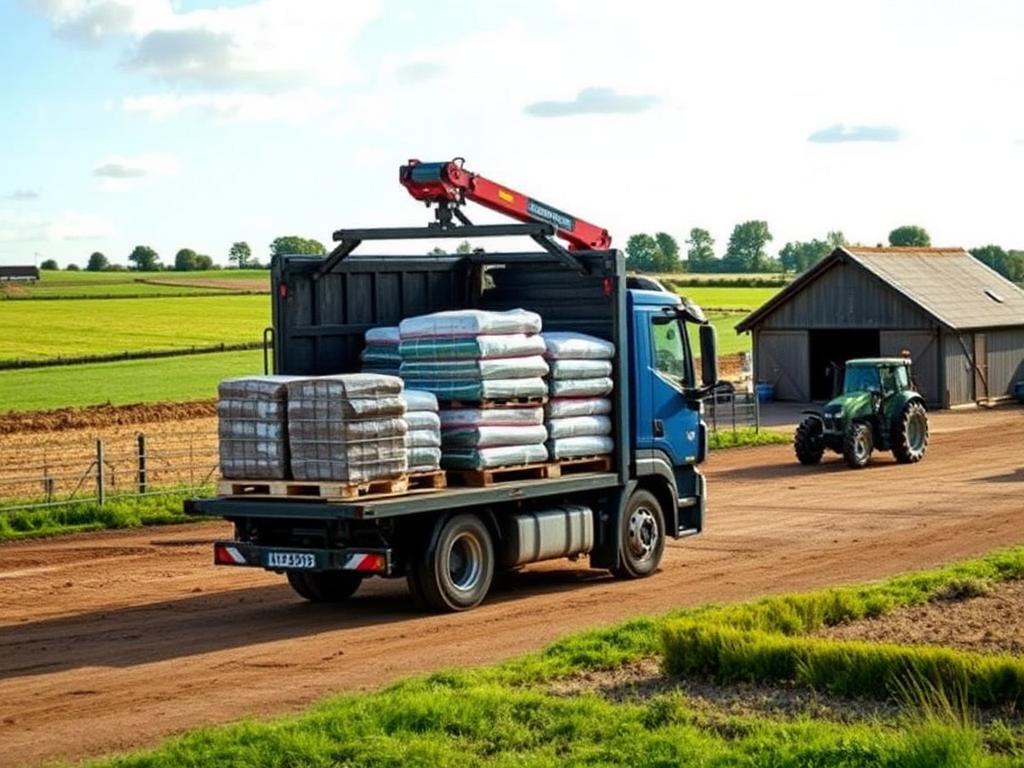
Where a tail-lift won't work, the options are a crane-offload (HIAB) vehicle for heavy or awkward items, a smaller van or 7.5-tonner that can reach tighter sites, or delivering to a nearby address with a forklift and moving goods the last stretch yourself.
For regular deliveries to the same difficult site, a standing instruction on your account — vehicle type, access notes, contact — removes the guesswork from every future booking.
Booking a tail-lift with Johnson's Haulage
Tell us what facilities exist at both ends and we will match the vehicle accordingly — tail-lift, HIAB or dock-loaded — through our approved carrier network.
Call 0161 669 1949 or email info@johnsonshaulage.com with your postcodes, pallet details and any access concerns (Mon–Fri 08:00–17:30).
Frequently asked questions
Talk to our team.
Get a tailored quote or speak to our operations team about your transport requirements.