



















Moving Past the Uncertainty of Traditional Freight Tracking
For years, the standard for commercial road freight and international shipping was built on a series of reactive updates. A transport planner would receive a request, book a carrier, and the customer would hear nothing until the goods arrived or, more likely, until a delay occurred. This lack of transparency forces logistics managers into a defensive position, spending hours on the phone chasing Proof of Delivery (POD) documents or estimated times of arrival (ETA).
In the current UK market, uncertainty in the supply chain is a significant financial risk. When a production line relies on a specific component or a retailer is waiting on seasonal stock, knowing exactly where a shipment is located allows for proactive contingency planning. The transition from reactive tracking to real-time visibility is no longer a luxury; it is a fundamental requirement for maintaining operational efficiency and customer trust.
The Operational Value of Real-Time Logistics Data
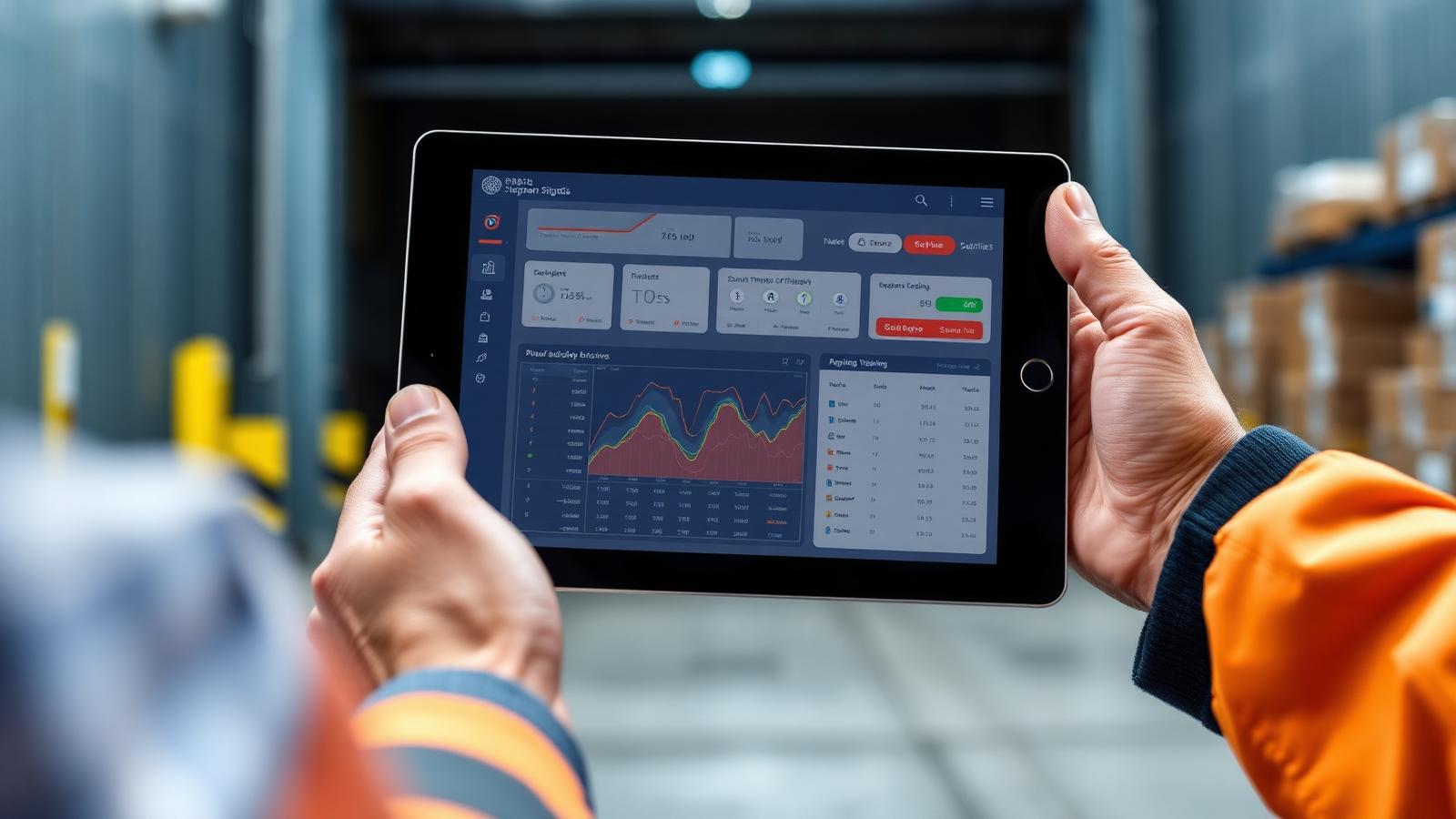
Visibility in freight is often misunderstood as simply knowing a GPS coordinate on a map. While location data is vital, true logistics visibility encompasses the entire lifecycle of a shipment, from the initial booking to the final digital signature. This includes the digitisation of transport documents, which reduces the administrative burden on both the sender and the receiver.
Having immediate access to status updates helps businesses manage their internal resources more effectively. For example, a warehouse team can be scaled up or down based on accurate ETAs, rather than keeping staff on standby for a vehicle that is delayed in traffic on the M6. By integrating tracking data into daily operations, companies can reduce demurrage charges and avoid the penalties often associated with missed delivery slots at major distribution centres.
Managing Exceptions Before They Become Failures
Exception management is perhaps the most critical benefit of enhanced freight visibility. In logistics, things occasionally go wrong due to weather, port congestion, or road closures. The difference between a successful logistics provider and a poor one is how these disruptions are communicated.
Real-time alerts allow transport managers to identify a potential delay the moment a vehicle deviates from its planned route or schedule. This early warning system provides a window of opportunity to inform the end customer, rearrange delivery schedules, or source alternative transport if necessary. Proactive communication built on accurate data is always preferable to an apologetic phone call after a deadline has already passed.
The Transition from Paper to Digital Documents
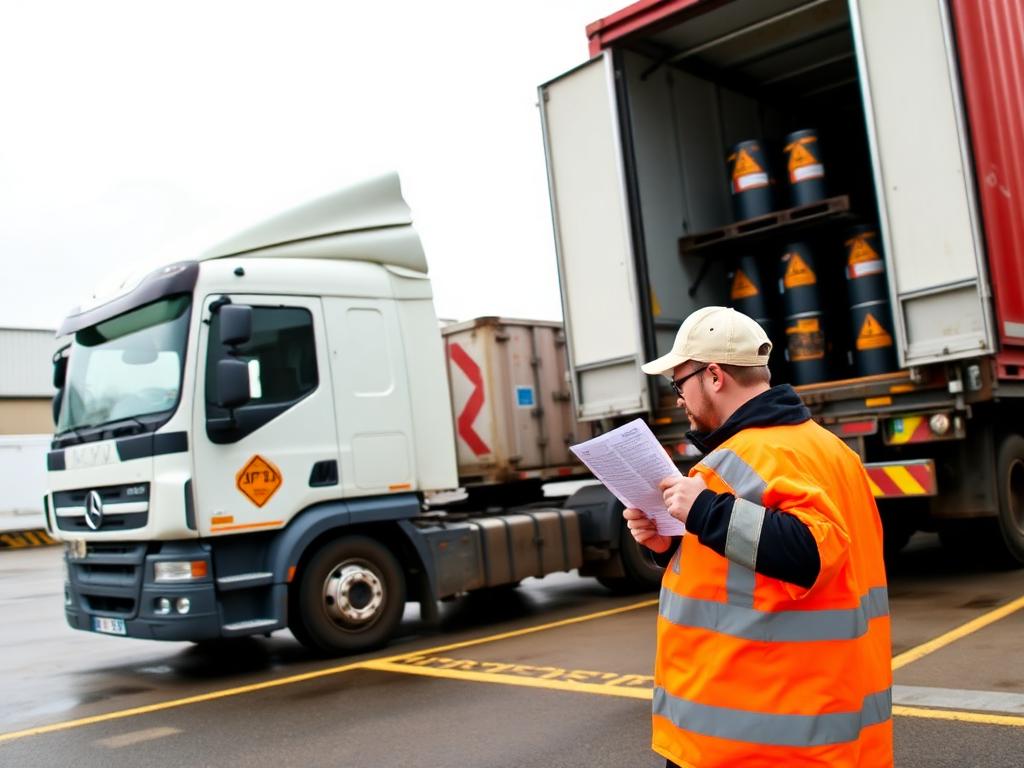
The UK government and international bodies like the ICC (International Chamber of Commerce) have been vocal about the benefits of digital trade documents. Moving away from physical paperwork reduces the risk of lost invoices, damaged consignment notes, and delayed PODs. In a digital-first environment, a POD should be available moments after the consignee has signed for the goods.
Quick access to these documents is essential for cash flow. For many businesses, an invoice cannot be processed until the POD is verified. When this process is manual, it can take days or weeks to move paper from a driver’s cab to a back office. Digital visibility ensures that the evidence of a successful delivery is instantly accessible to all stakeholders in the supply chain.
| Feature | Traditional Tracking | Real-Time Visibility |
|---|---|---|
| Update Frequency | Manual / On Request | Automated / Live Status |
| Documentation | Physical Paperwork | Digital PODs & Invoices |
| Communication | Reactive (Phone/Email) | Proactive Alerts |
| Data Accessibility | Siloed in Spreadsheets | Centralised Portal Access |
Comparison of Traditional vs. Modern Freight Tracking Methods
Strategic Sourcing and Network Management at Johnson's Haulage
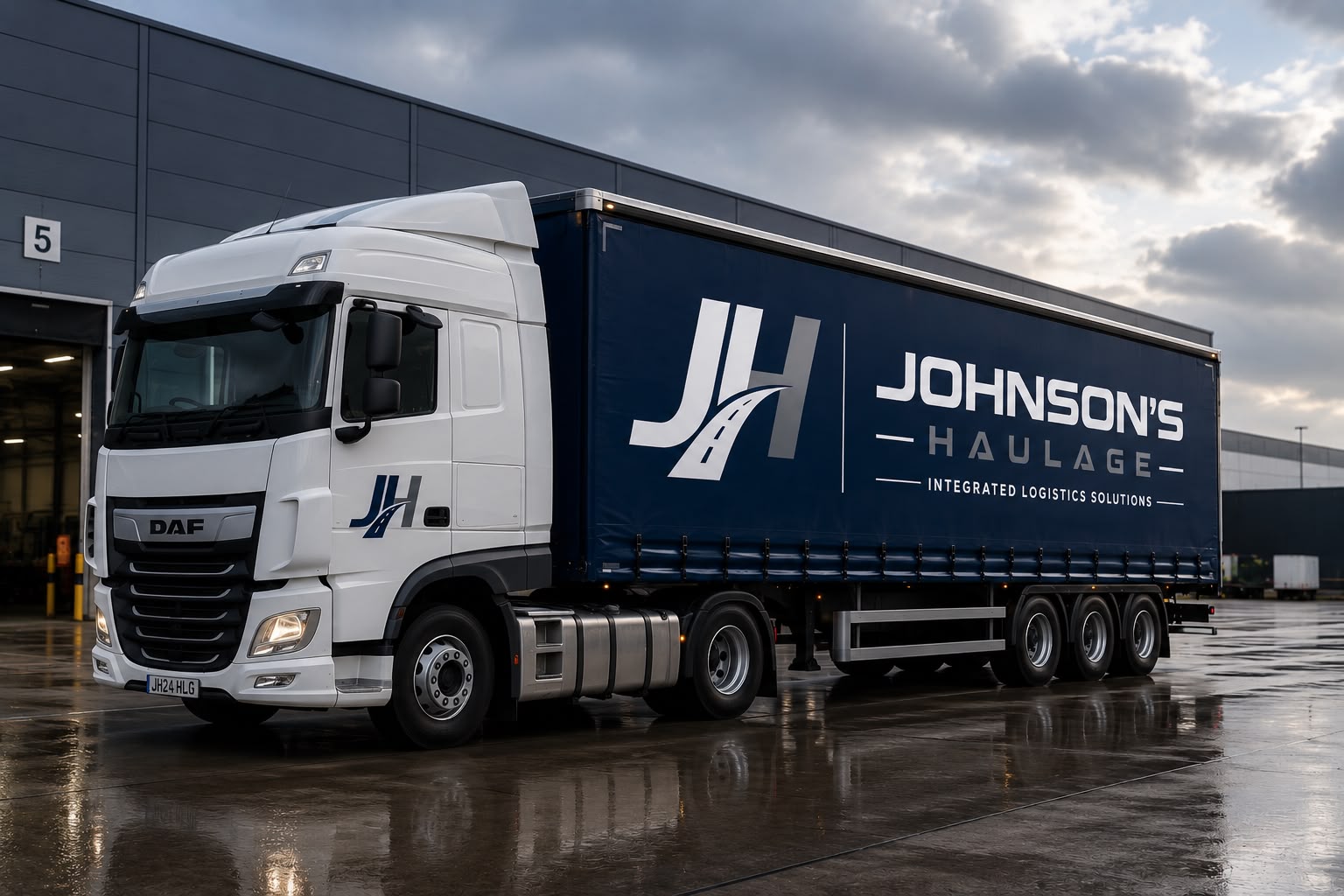
At Johnson's Haulage, based at Houldsworth Mill in Stockport, the approach to visibility is rooted in the management of an extensive, assessed carrier network. Because the company does not own its own vehicles or warehouses, the focus is entirely on the quality of information and the reliability of the partners chosen for UK and European road transport.
Every carrier in the network is vetted to ensure they meet the service standards required for modern logistics. This management-led model allows for greater flexibility, as transport managers can select the best-fit vehicle and route for a specific job while maintaining oversight of the shipment’s progress. To further enhance this experience, a dedicated customer logistics portal is available to approved Johnson's Haulage customers. This tool centralises account and quotation data, with shipment data being added progressively so clients can access the information they need without manual intervention.
Regulatory Compliance and Customs Transparency
For businesses involved in European road transport, air freight, or sea freight, visibility is closely tied to customs compliance. Since the UK’s exit from the European Union, the requirements for moving goods across borders have become more stringent. HMRC and GOV.UK provide detailed guidance on the documentation required, such as EORI numbers and customs declarations.
A transparent supply chain ensures that all necessary customs documentation is linked to the shipment record. This prevents delays at the border caused by missing or incorrect paperwork. When a freight forwarder has clear visibility into the status of customs clearances, they can provide more accurate timelines for international deliveries, helping businesses avoid the costly bottlenecks often seen at major UK ports like Dover or Felixstowe.
The Role of Data in Supply Chain Optimisation
Beyond the immediate need to track a single pallet or container, long-term visibility provides a wealth of data that can be used for supply chain optimisation. By reviewing historical performance data, businesses can identify patterns in carrier reliability, transit times, and common points of failure.
This data-driven approach allows for more informed decision-making when planning future commercial distribution. If a particular route consistently suffers from delays, the logistics strategy can be adjusted to account for this. Visibility turns logistics from a hidden cost centre into a transparent part of the business that can be measured and improved over time.
| KPI Metric | Operational Benefit |
|---|---|
| On-Time Delivery (OTD) | Measures reliability of the transport network. |
| Dwell Time | Identifies inefficiencies at loading and unloading points. |
| POD Turnaround Time | Improves billing cycles and administrative speed. |
| Exception Rate | Tracks how often shipments deviate from the planned schedule. |
Key Performance Indicators (KPIs) Enabled by Freight Visibility
Building Trust Through Professional Communication
Ultimately, technology is a tool that facilitates better human relationships. In the haulage industry, trust is the primary currency. A business that provides its customers with clear, honest, and timely information is more likely to retain those customers long-term. Even when a delivery is delayed, providing that information promptly shows a level of professional respect that is highly valued in commercial partnerships.
The integration of same-day and dedicated transport services requires even tighter communication loops. When a shipment is urgent, the need for real-time updates is magnified. By using a managed network and professional transport managers, businesses can ensure that even the most time-critical consignments are handled with the necessary oversight and transparency.
Conclusion: Preparing Your Business for the Future of Logistics
The demand for real-time visibility is driven by the need for greater control, reduced risk, and improved efficiency. As the UK logistics industry continues to digitise, the businesses that embrace these changes will be better positioned to compete. Relying on outdated tracking methods is no longer a viable strategy for those looking to scale their operations or manage complex international supply chains.
If your business requires a more transparent approach to UK and European road freight, air, or sea transport, the team at Johnson's Haulage is available to discuss your requirements. Contact the transport team today to discuss how managed logistics and clear communication can improve your supply chain. You can reach the Stockport office on 0161 669 1949 or email info@johnsonshaulage.com to request a quote.
Frequently asked questions
Talk to our team.
Get a tailored quote or speak to our operations team about your transport requirements.