











Two different ways to move the same freight
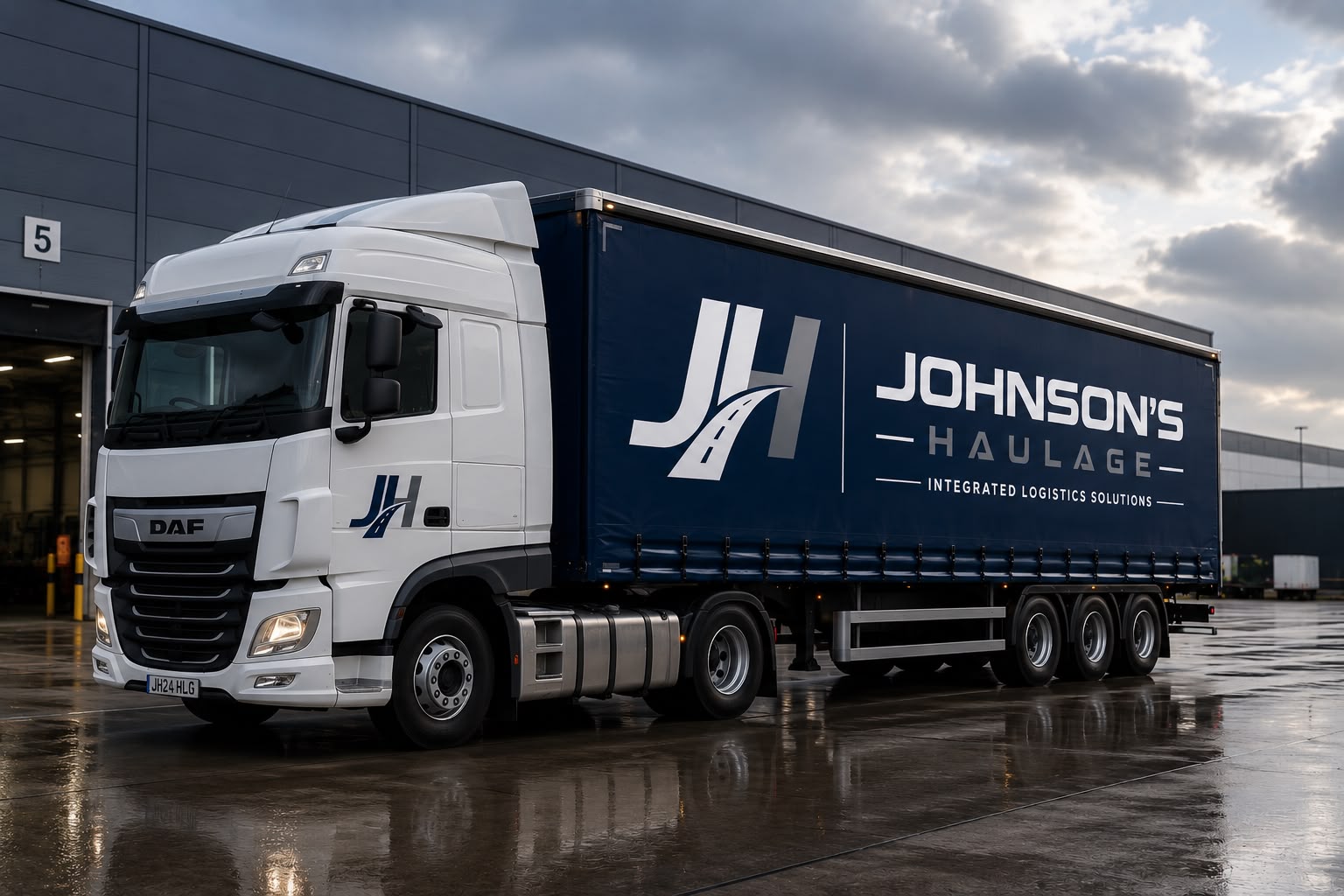
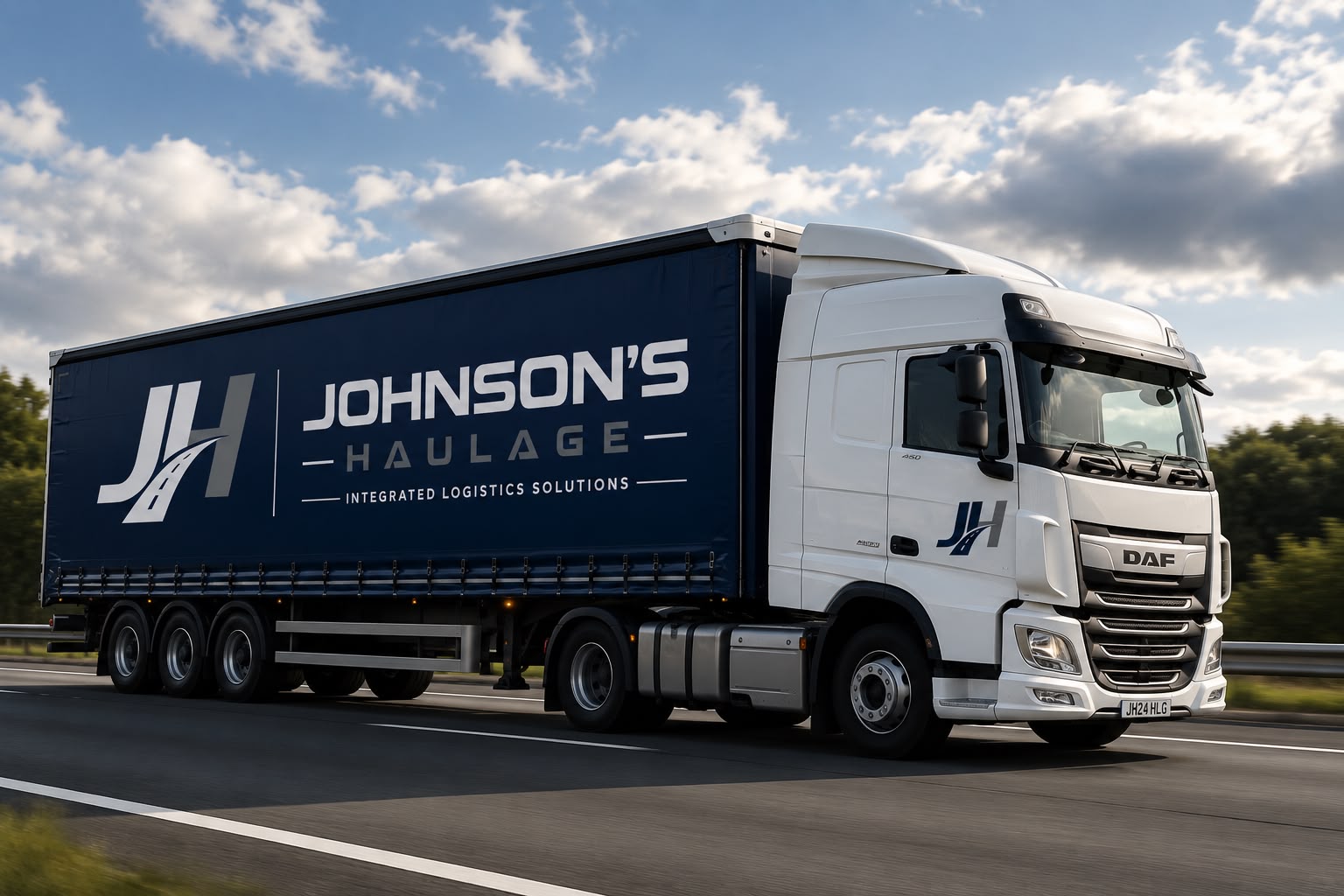
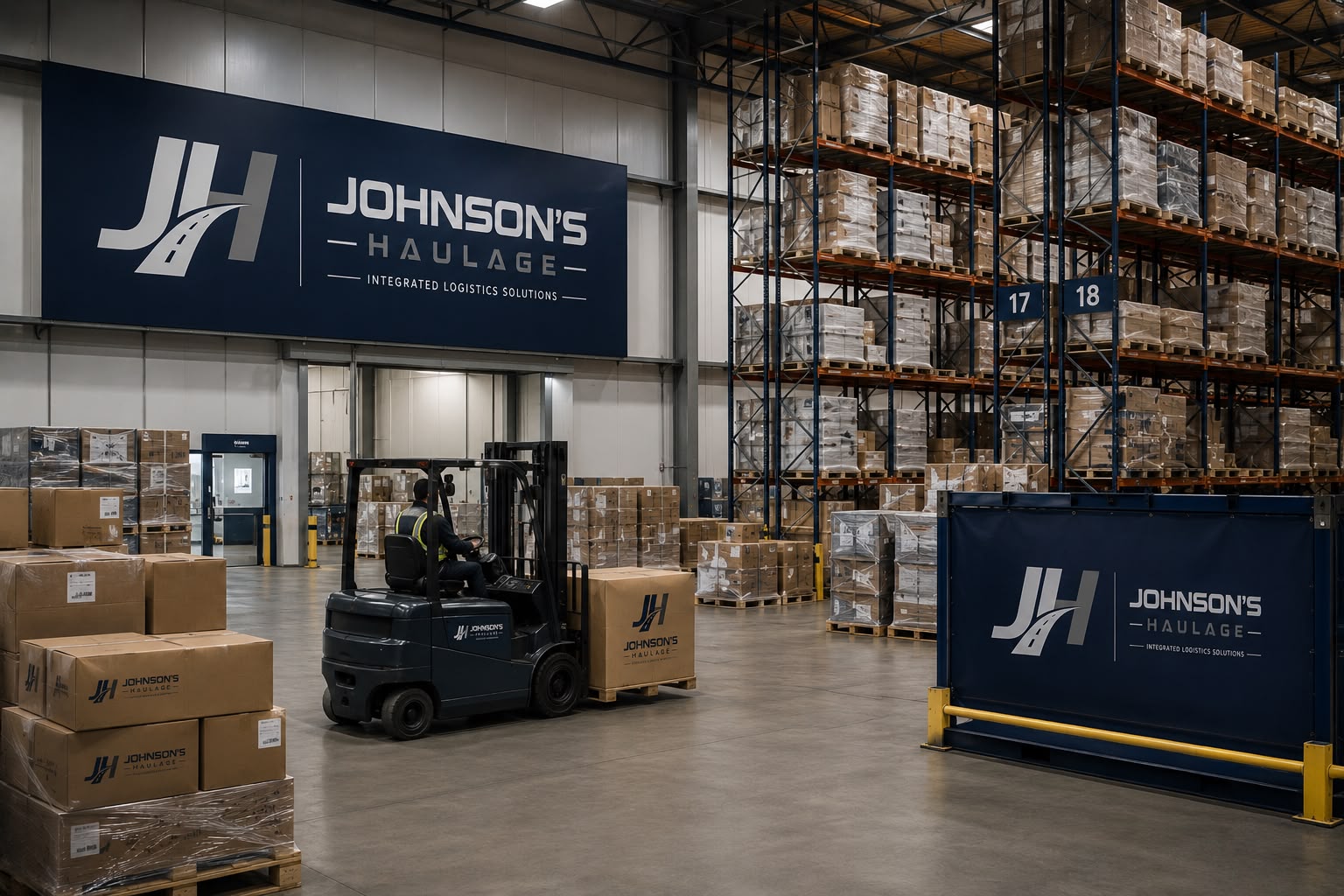
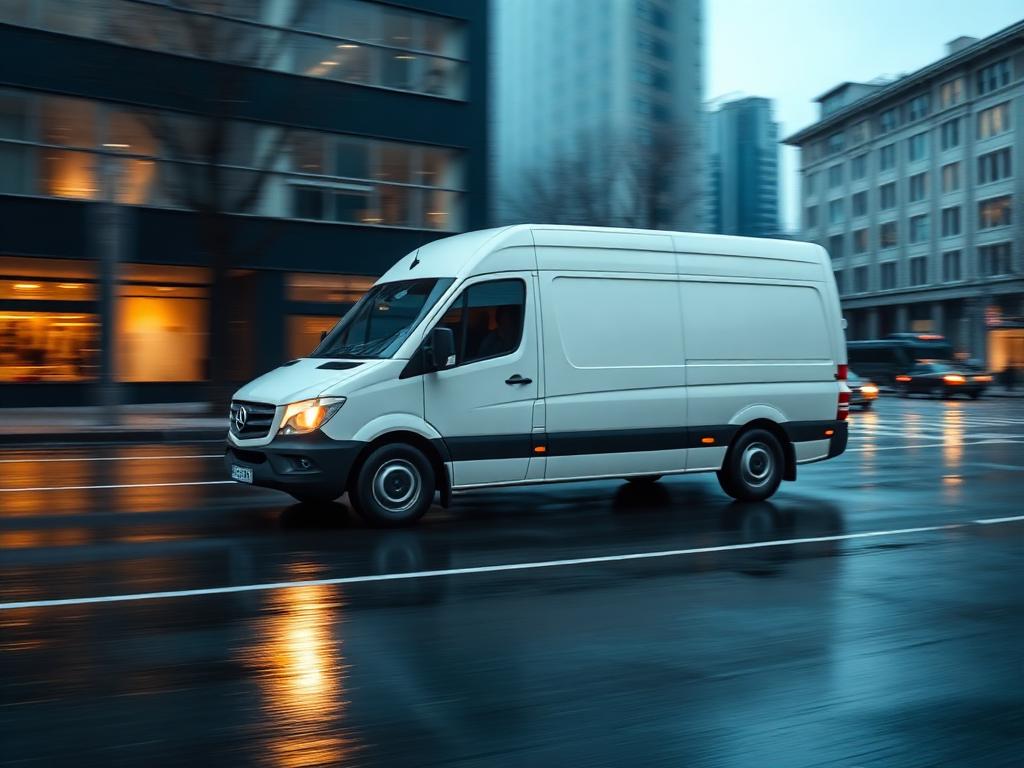
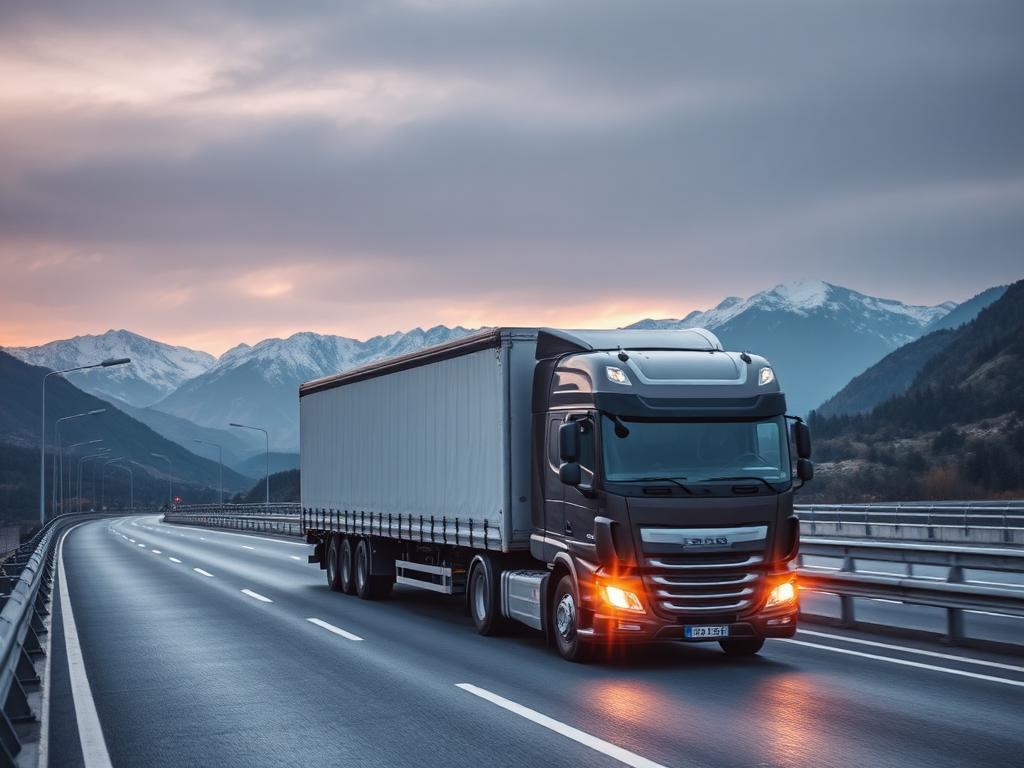
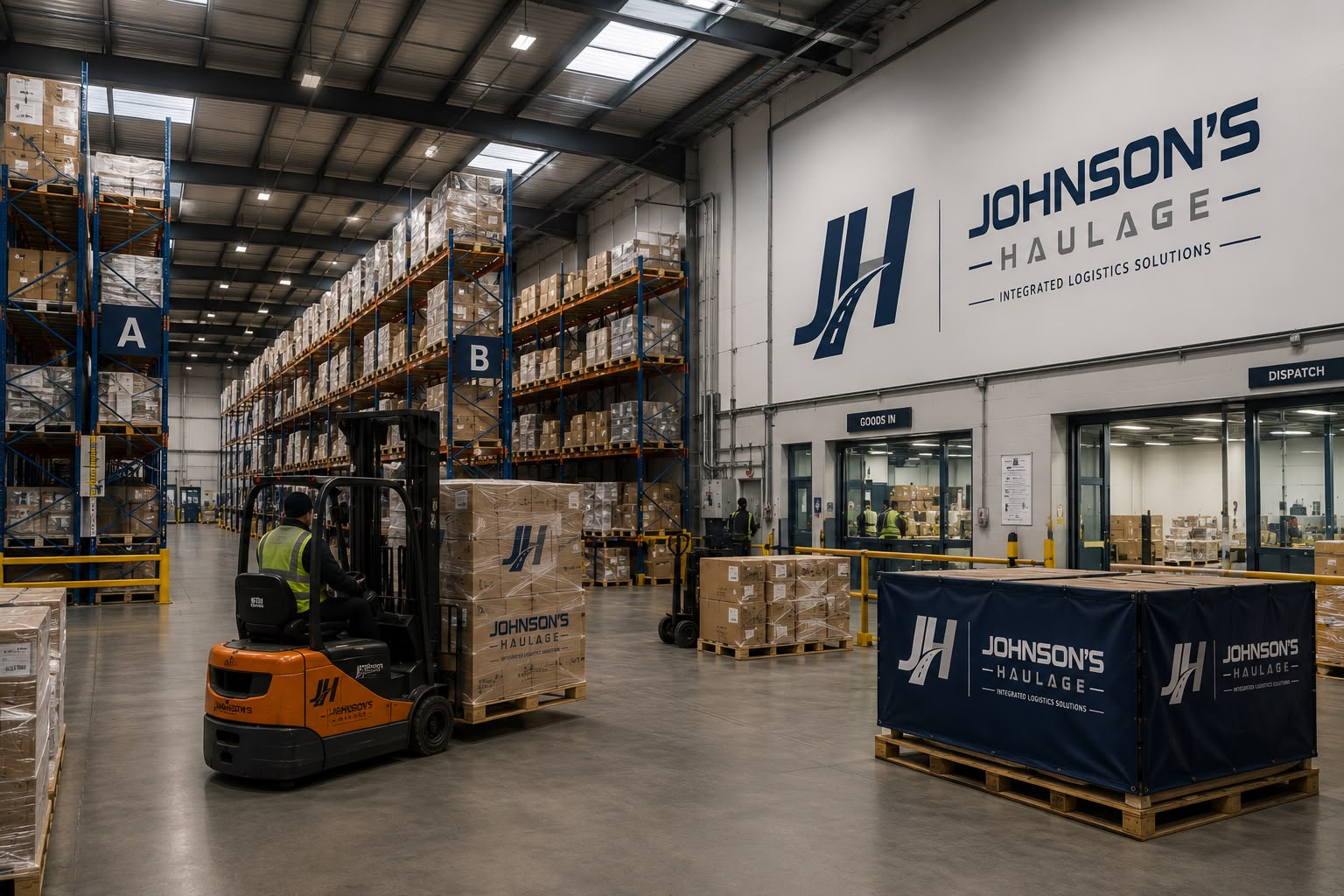
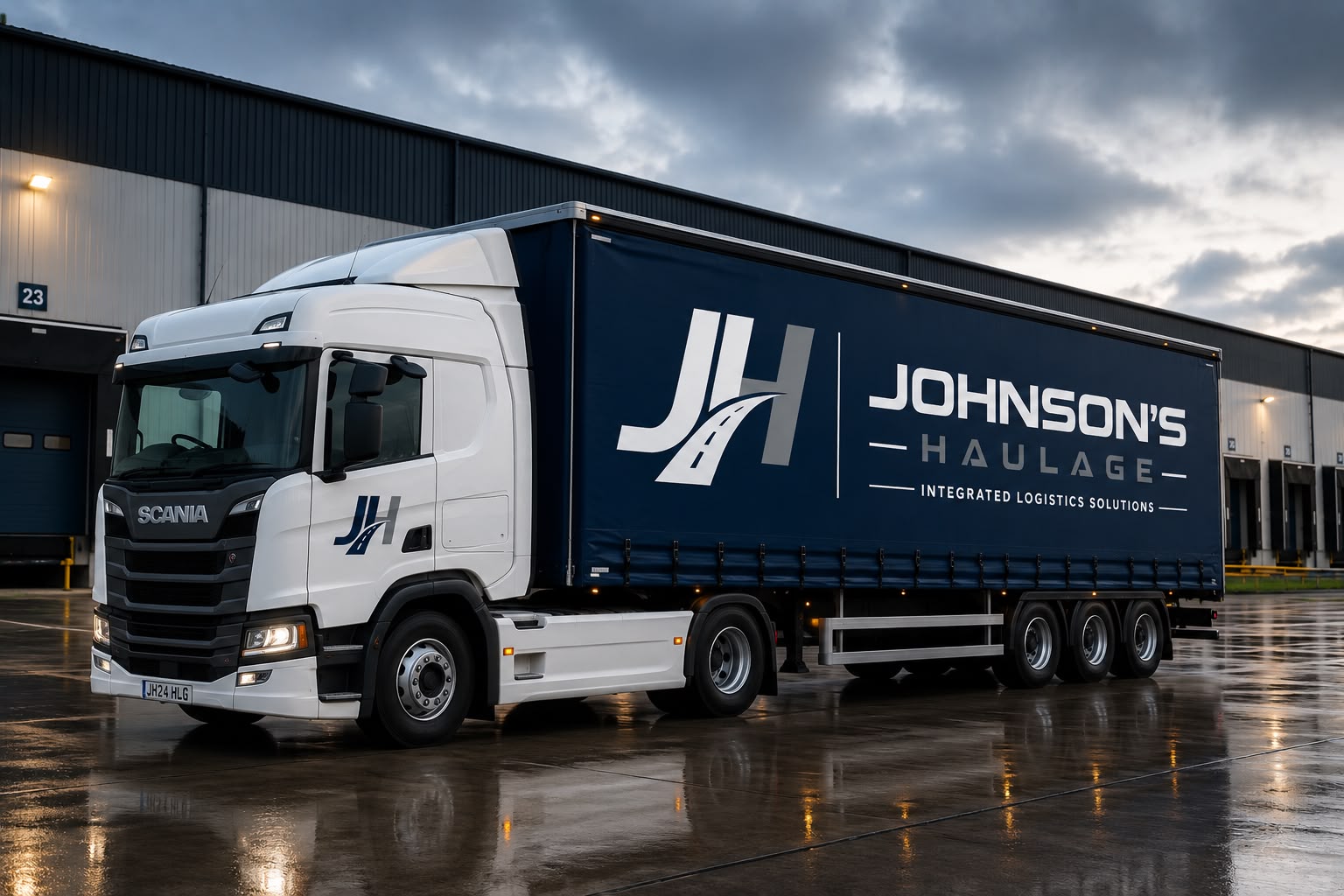
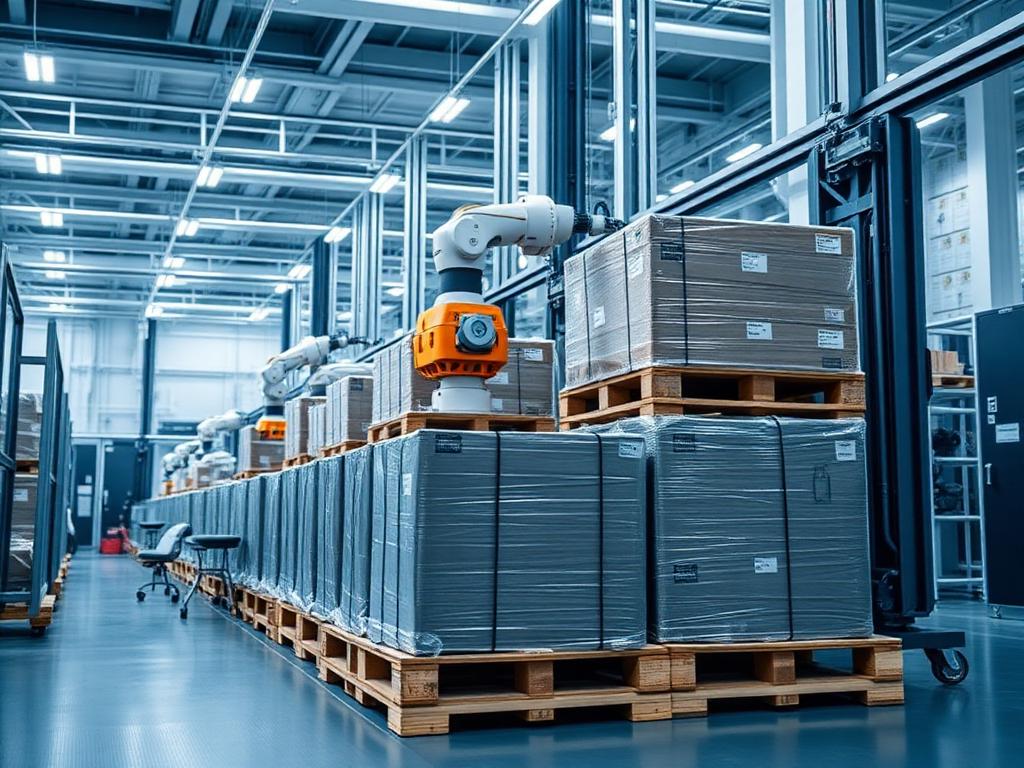
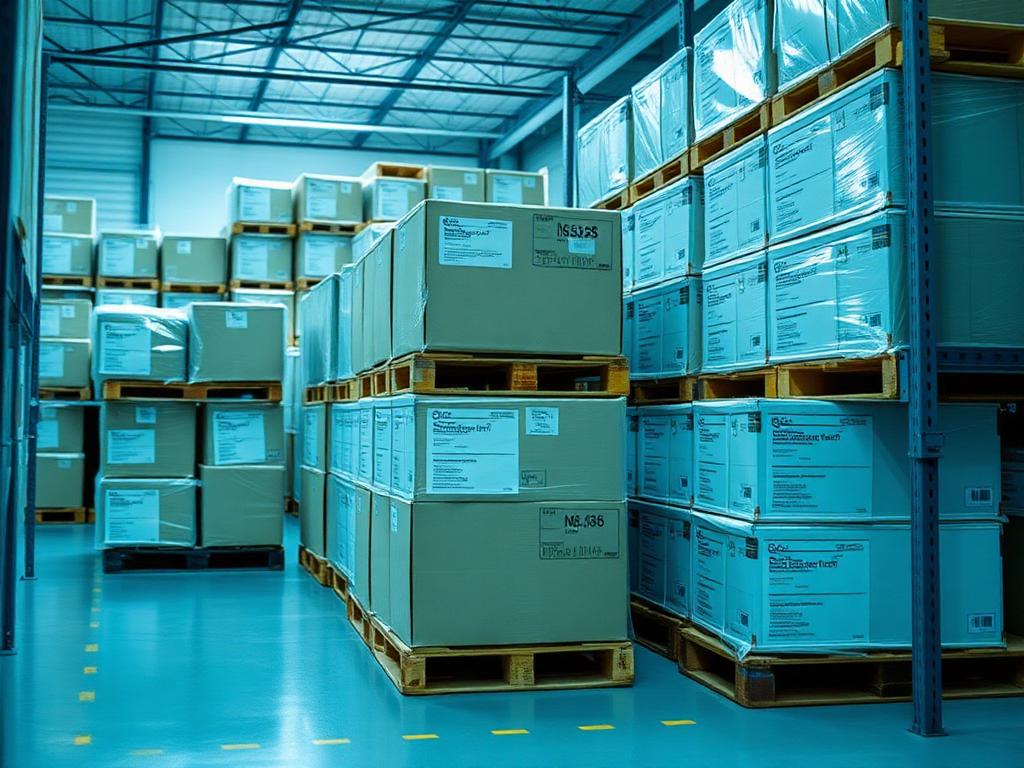
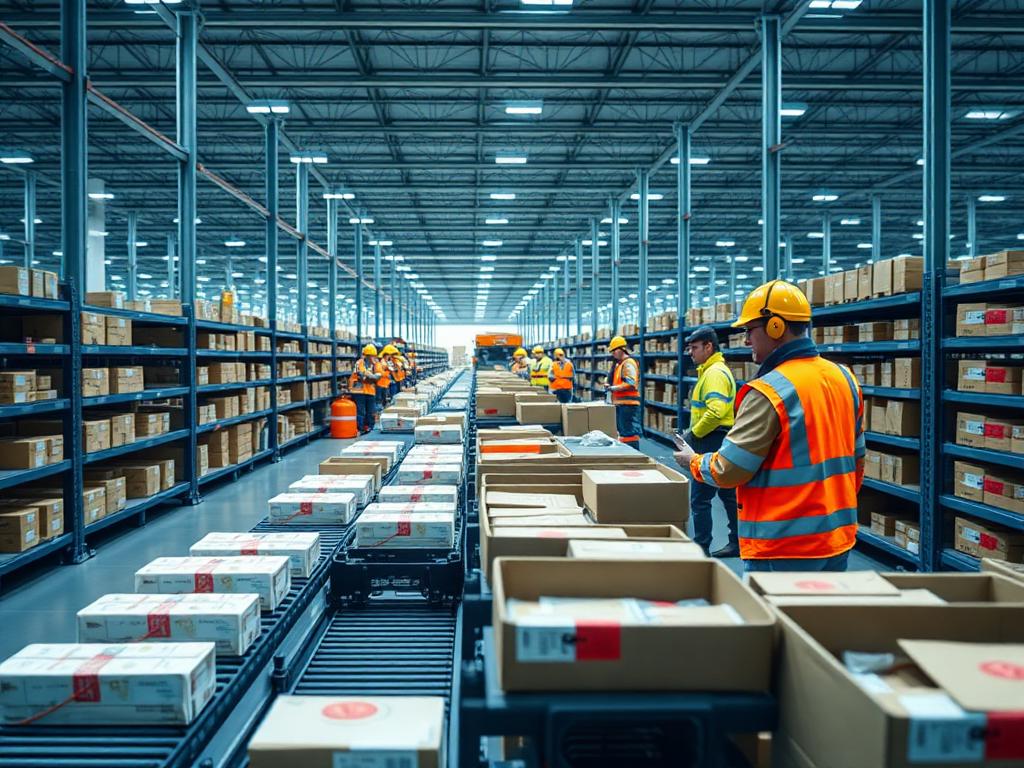
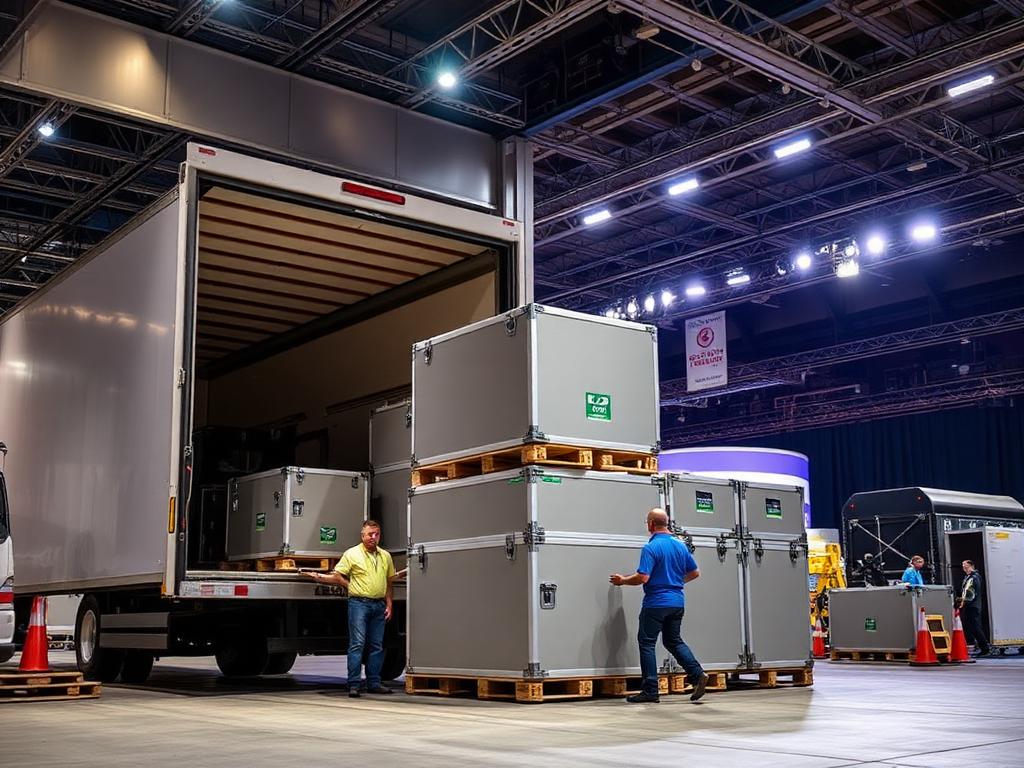
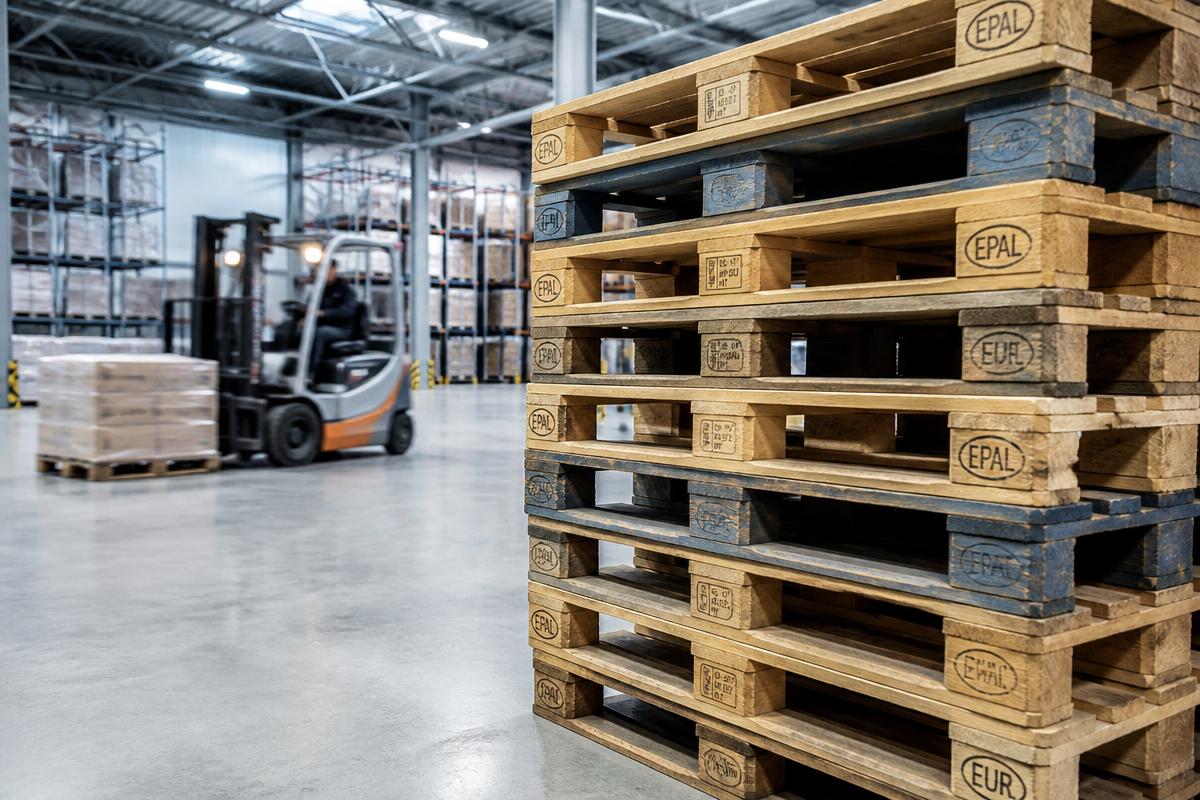
Palletised distribution moves individual pallets through a shared network of hubs, consolidating freight from many customers onto trunking vehicles before it's broken down and delivered locally the next day. A full (or dedicated) load, by contrast, uses a single vehicle for a single customer's freight, direct from collection to delivery.
When pallet networks make sense
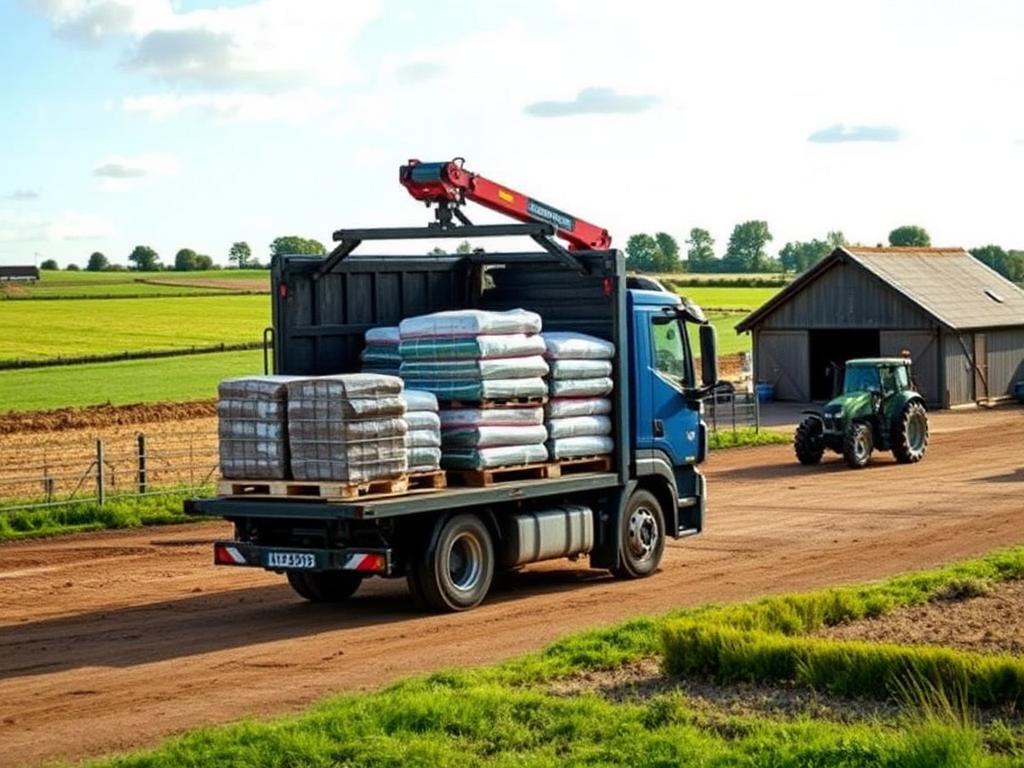
For businesses shipping one to a dozen pallets to multiple UK destinations, a pallet network is usually the more cost-effective option, since you're only paying for the space your pallets occupy rather than an entire vehicle. Next-day delivery is standard across most of the UK mainland, and tracking is available at pallet level.
When a dedicated vehicle is the better choice
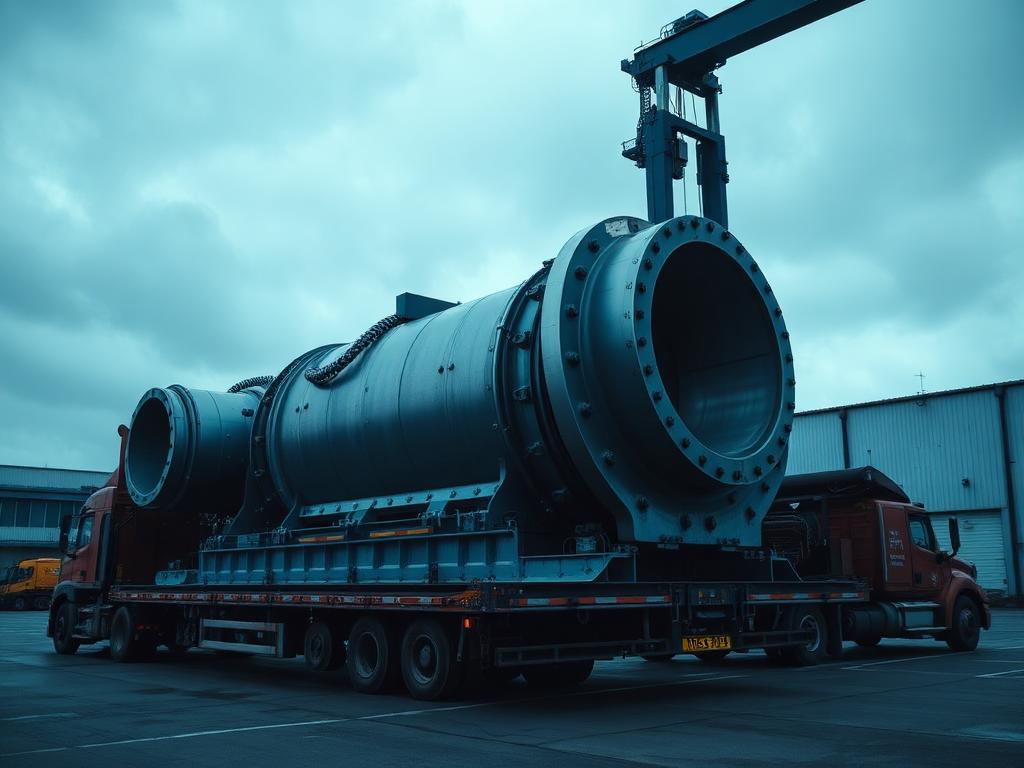
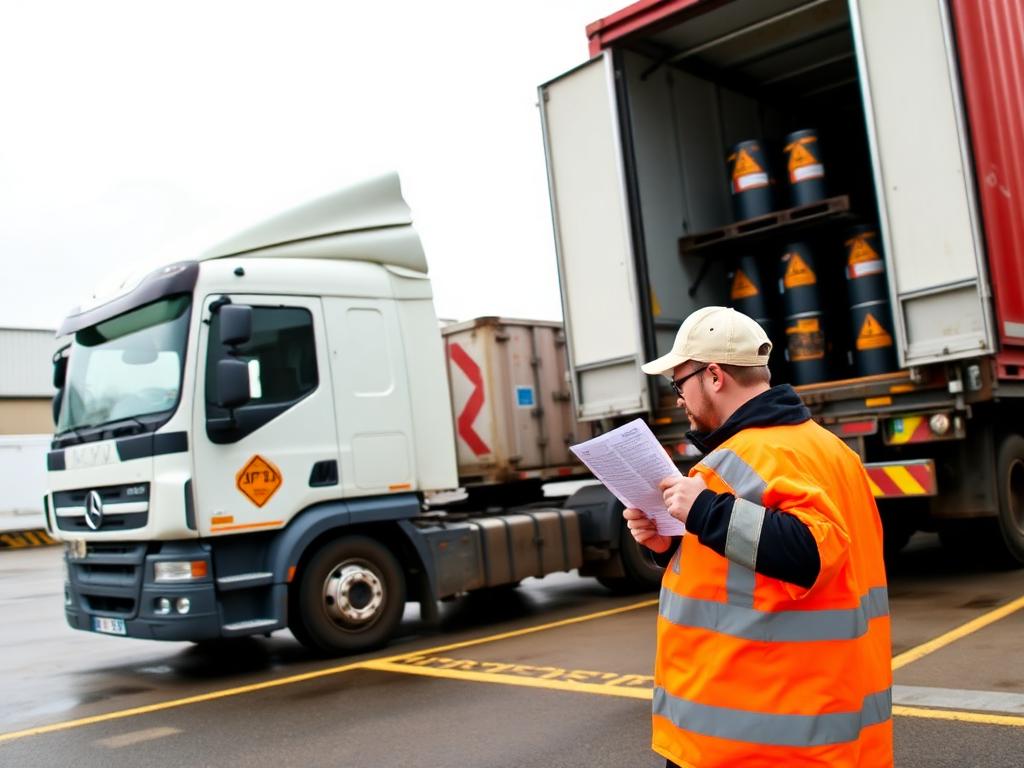
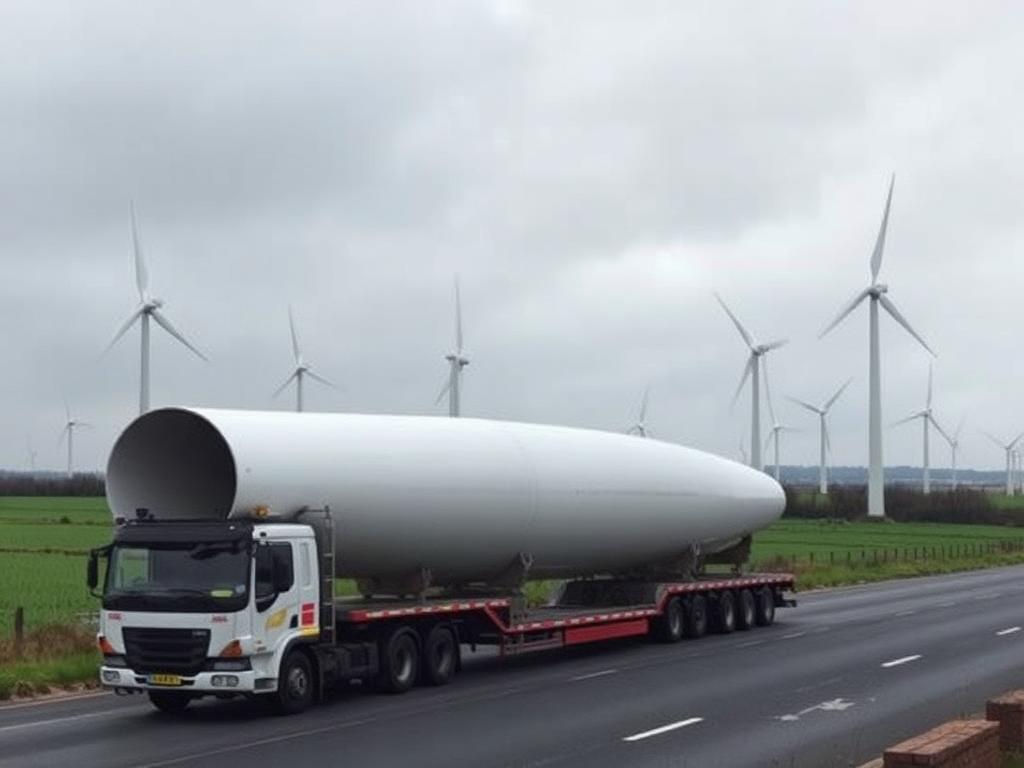
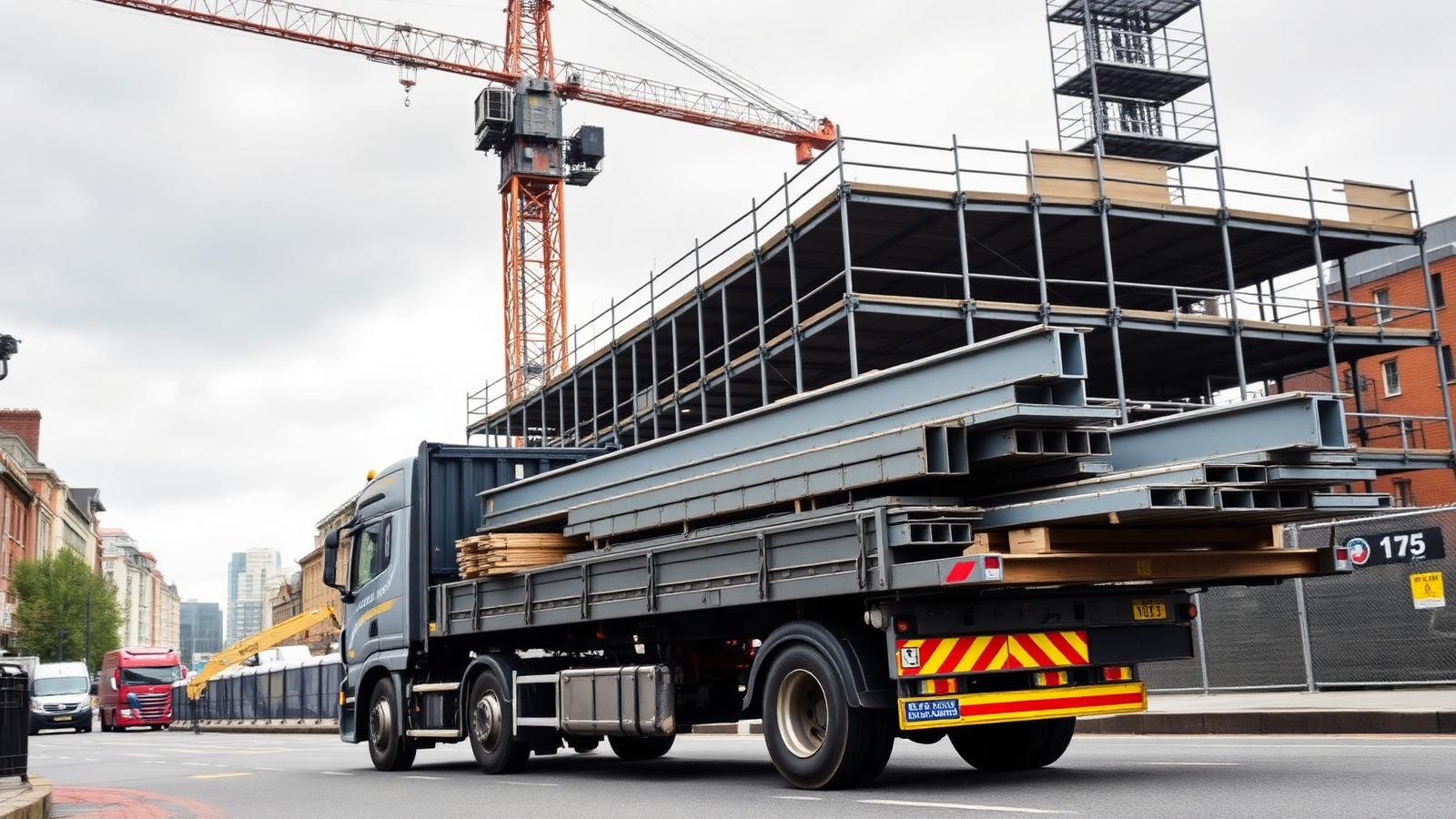
Full loads make more sense when you have enough volume to fill a vehicle, when goods are fragile, high value, or awkwardly shaped and would be at greater risk of damage moving through multiple handling points, or when timing is critical and you can't accept the standard overnight network transit.
- High pallet volumes to a single destination
- Fragile, high-value or irregularly shaped freight
- Time-critical deliveries with fixed appointment windows
- Multi-drop routes that benefit from a dedicated vehicle's flexibility
Making the right call for your business
In practice, many businesses use both — pallet networks for routine UK-wide distribution and dedicated vehicles for larger or more sensitive movements. Our team assesses volume, destination spread, product characteristics and required delivery windows on a job-by-job basis to recommend the most cost-effective and reliable option.
Talk to our team.
Get a tailored quote or speak to our operations team about your transport requirements.