











Understanding the Variables of Pallet Distribution Rates
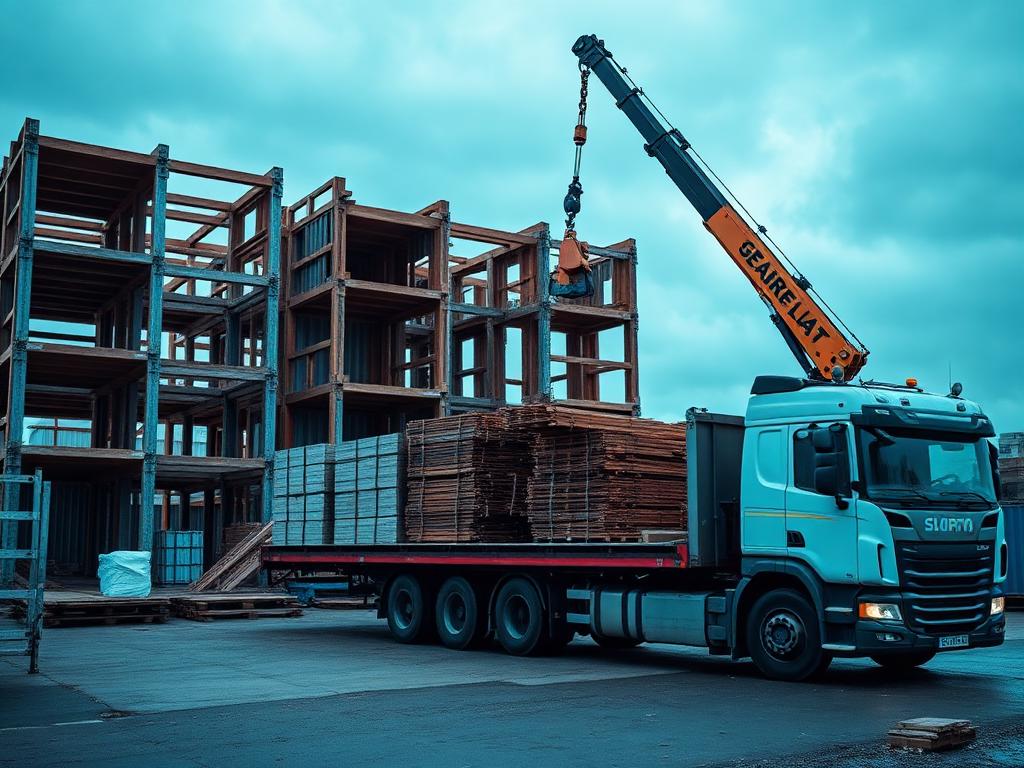
Estimating pallet delivery cost is a primary concern for procurement teams and supply chain managers looking to balance service reliability with budget constraints. When you need to send a pallet in the UK, the price is rarely a fixed figure found on a standard rate card. Instead, transport providers calculate rates based on a volatile mix of operational variables, regional demand, and specific cargo requirements.
A single pallet space in a heavy goods vehicle (HGV) represents a fraction of that vehicle's total earning potential for the day. Consequently, hauliers and freight forwarders price their services based on how much space the goods occupy, how much they weigh, and how difficult the collection and delivery points are to access. Understanding these mechanics is the first step toward optimizing your shipping spend.
The Core Factors Influencing Pallet Transport Cost
Several fundamental elements dictate the final invoice for pallet delivery UK wide. While it might seem like a simple point-A to point-B transaction, the logistics involved are complex. The following factors are the most significant drivers of price.
| Cost Factor | Impact on Pricing |
|---|---|
| Distance and Postcode | Longer routes increase fuel consumption and driver hours. Certain remote postcodes attract 'area surcharges'. |
| Pallet Dimensions | The footprint (length x width) and height determine how many units fit on a trailer. Overhanging goods often incur double charges. |
| Total Weight | Heavier pallets increase vehicle fuel consumption and may require specific vehicle types to stay within legal payload limits. |
| Collection/Delivery Access | Residential areas or narrow streets requiring smaller vehicles often lead to additional handling fees. |
| Urgency and Timing | Next-day (premium) services cost more than economy (48/72 hour) windows due to the tighter scheduling required. |
Primary Cost Drivers in UK Pallet Shipping
Pallet Sizes and Volume Classifications
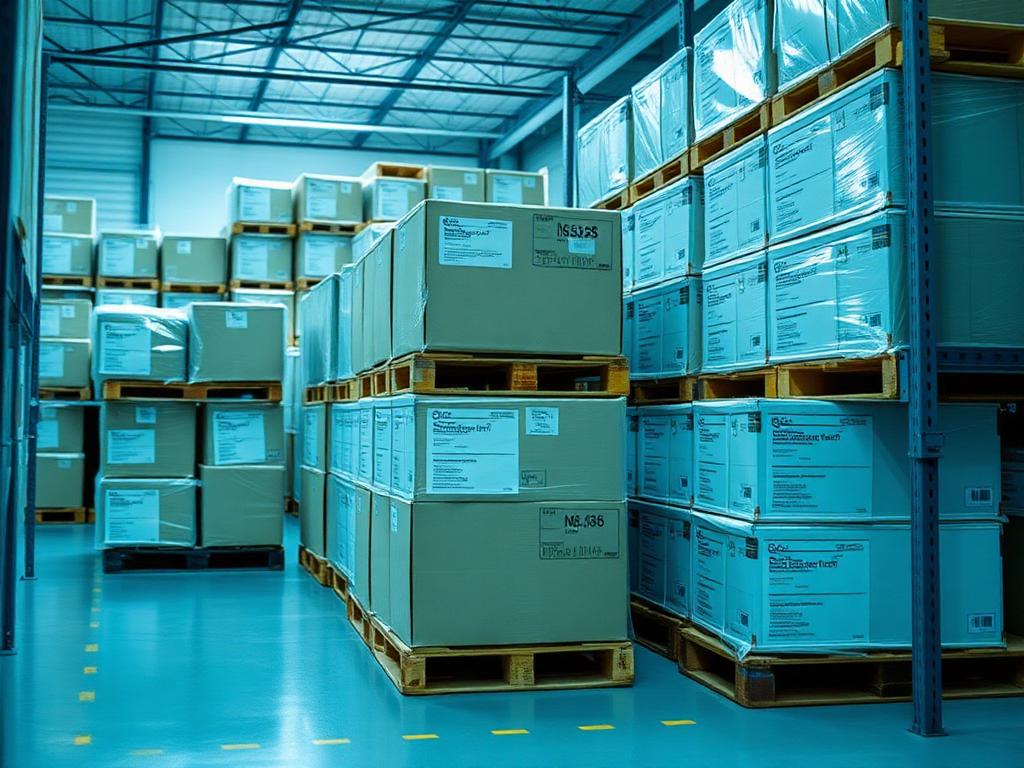
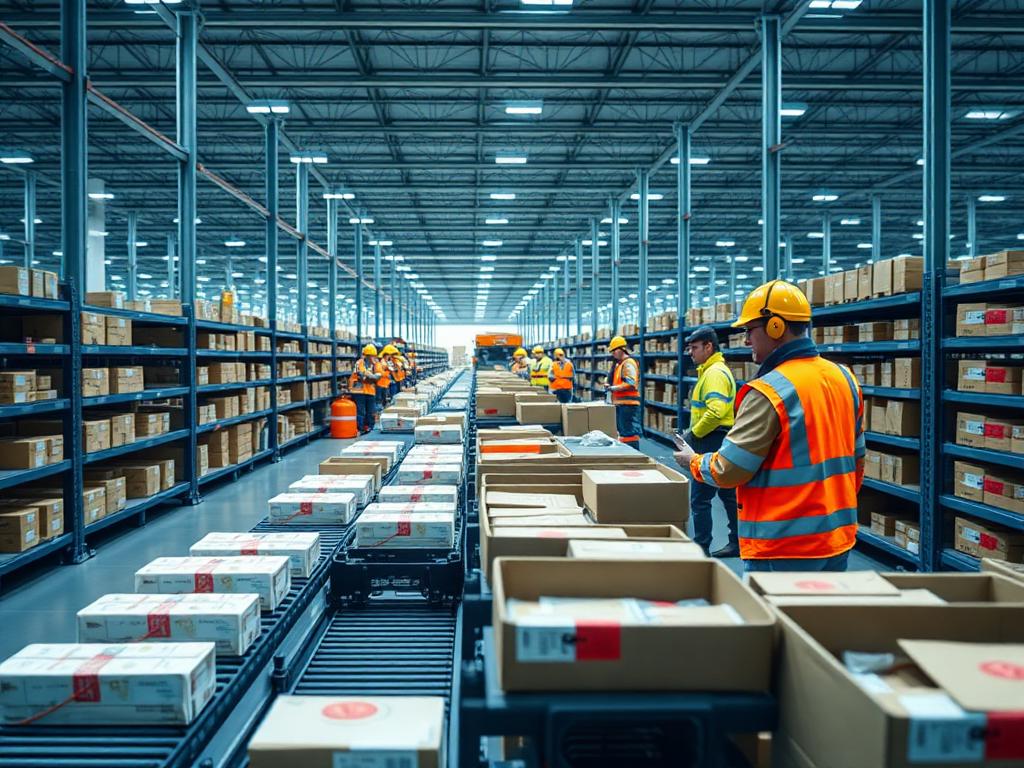
In the UK, the standard 'UK Pallet' footprint is typically 1200mm x 1000mm. However, transport networks and hauliers categorise these by height and weight to maximise trailer space. A 'Full Pallet' that reaches the maximum allowable height will naturally cost more than a 'Quarter Pallet' that allows the haulier to double-stack other goods on top.
When you send a pallet UK wide, it is vital to declare the correct dimensions. Inaccurate declarations can lead to 're-shares' or additional charges if the pallet occupies more space than anticipated upon arrival at a hub or transshipment point.
| Pallet Type | General Description | Typical Application |
|---|---|---|
| Full Pallet | Max height (often up to 2.2m) and max weight (approx 1000kg-1200kg). | Bulk commercial goods and industrial equipment. |
| Half Pallet | Usually restricted to 1.1m in height. mid-weight limits. | Medium-sized retail orders or dense, heavy materials. |
| Quarter Pallet | Limited height (approx 0.6m to 0.8m) and lower weight capacity. | Small consignments or heavy, low-profile items like tiles. |
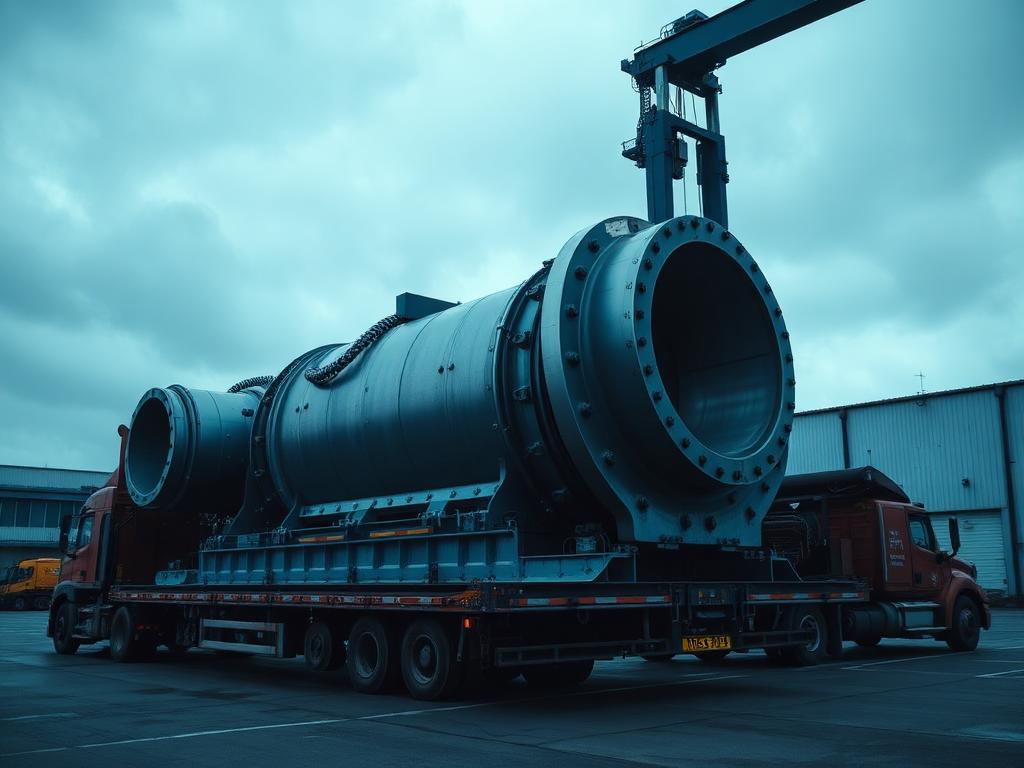
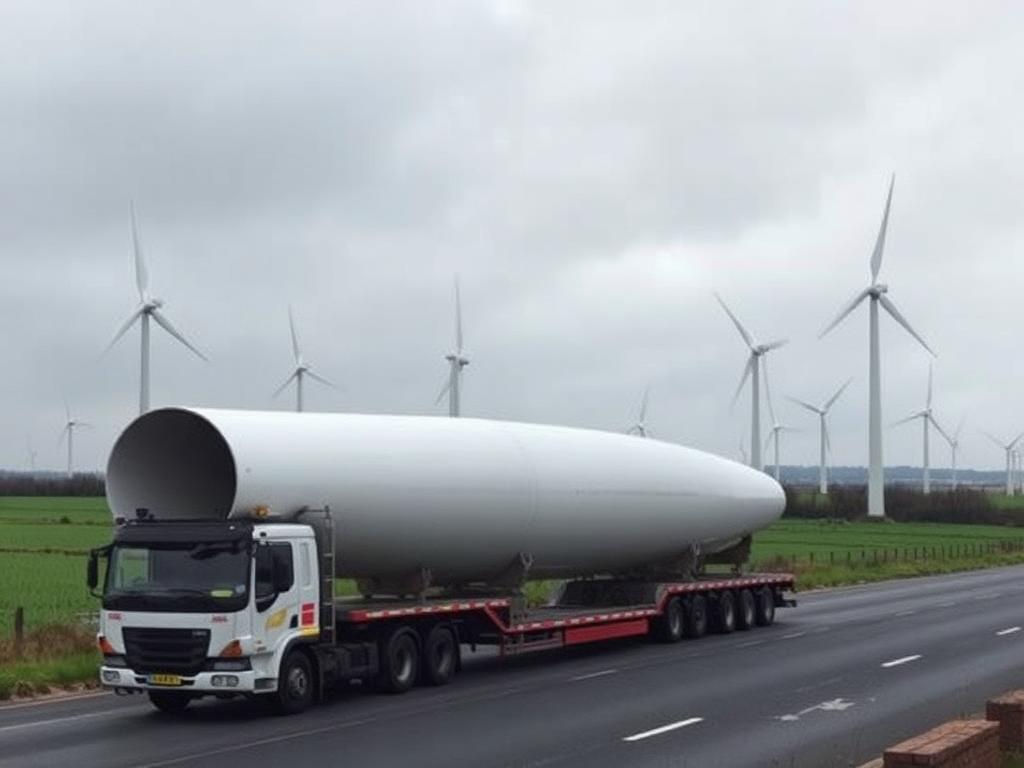
| Oversized Pallet | Goods exceeding the 1200x1000mm footprint. | Machinery, furniture, or long industrial components. |
Standard Pallet Size Classifications
The Role of Vehicle Equipment and Access Requirements
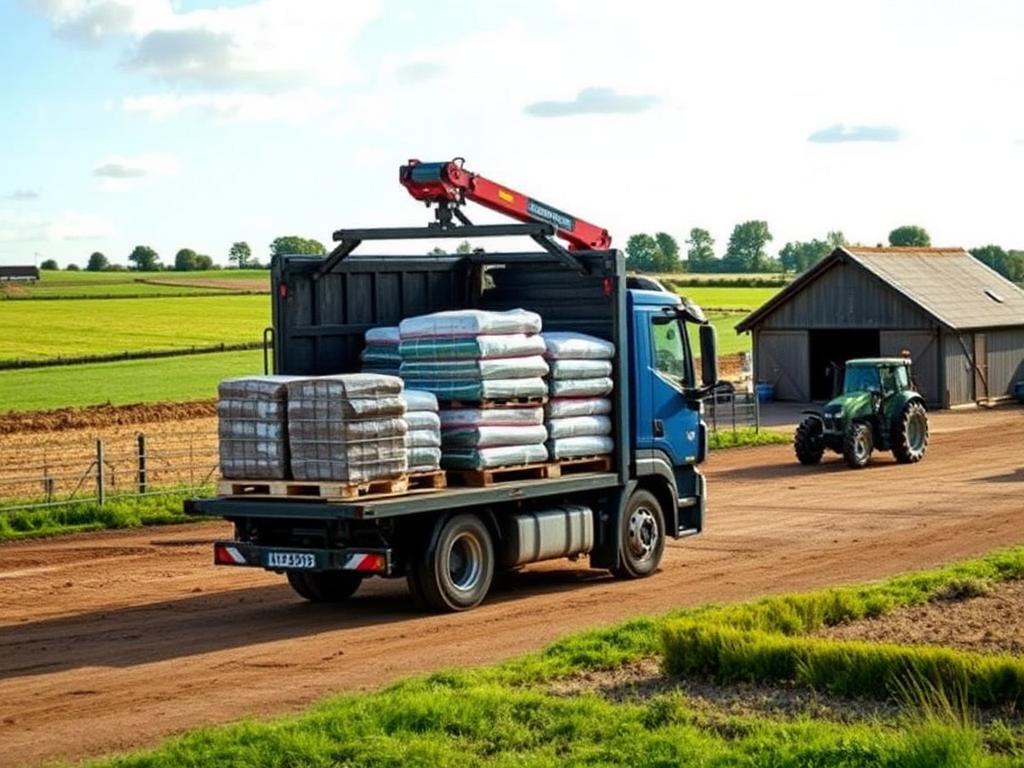
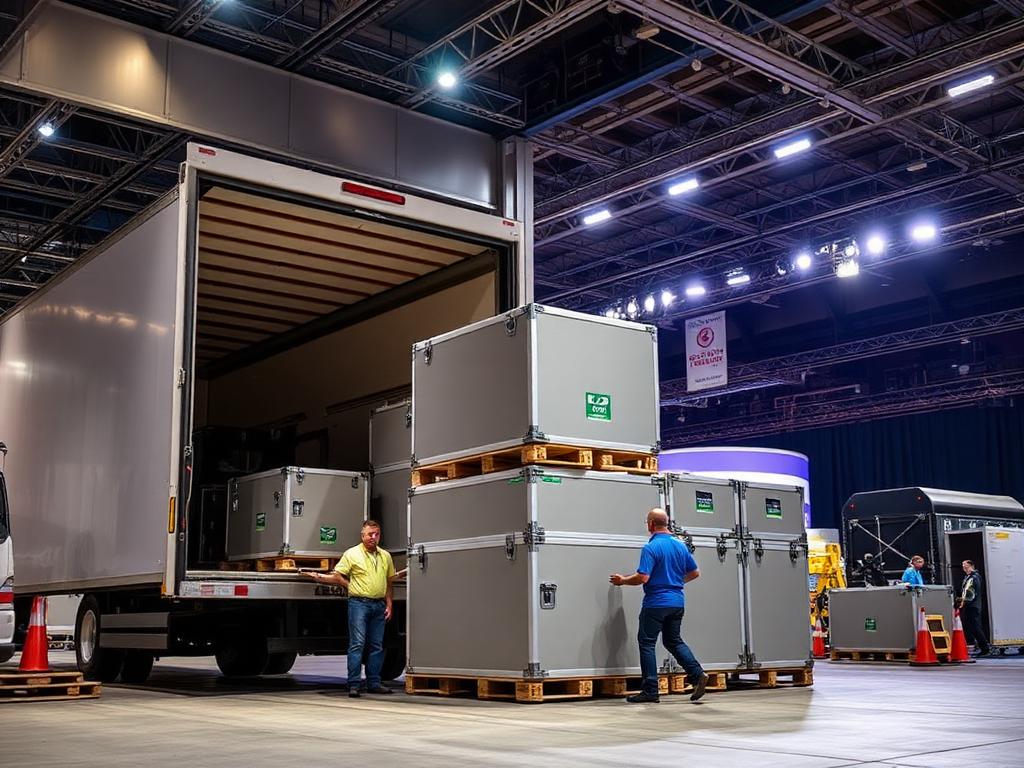
Standard pallet transport cost assumes that both the sender and the receiver have a loading bay or a forklift on-site. If a forklift is not available, you must request a tail-lift vehicle. This allows the driver to lower the pallet to the ground using a hydraulic platform and move it with a manual pallet truck.
Tail-lift services are subject to weight restrictions for safety reasons. According to health and safety guidelines often cited by the DVSA and various industry bodies, manual handling of heavy pallets on an incline or uneven ground presents significant risks. If your delivery point is a residential address or a high-street shop with no loading area, the added time and equipment required will be reflected in the quote.
How Johnson’s Haulage Manages Pallet Freight
At Johnson’s Haulage, we approach pallet delivery as a management task rather than a simple brokerage. Based at Houldsworth Mill in Stockport, we do not own a fleet of vehicles or warehouses ourselves. Instead, we utilise an approved network of assessed carriers and partners to source the most efficient capacity for our clients.
This model allows us to select the best-suited provider for a specific route or cargo type, whether that involves a dedicated vehicle for high-value goods or a cost-effective pallet network for smaller consignments. By managing the supply chain through our network, we can often identify capacity that individual shippers might struggle to access, providing a professional interface between the client and the carrier. We are also in the process of developing a new customer portal to further streamline how our clients track their shipments.
Fuel Surcharges and Economic Pressures
Fuel is one of the largest overheads for any transport operation. Most UK transport providers apply a Fuel Surcharge (FSC) as a percentage on top of the base freight rate. This fluctuates based on the national average price of diesel, ensuring that hauliers can remain viable during periods of extreme price volatility.
Beyond fuel, the UK logistics sector faces inflationary pressures related to driver wages, vehicle maintenance, and insurance. Compliance with government standards, such as Clean Air Zones (CAZ) in cities like Greater Manchester or the London Ultra Low Emission Zone (ULEZ), also introduces operational costs that are factored into regional pricing. Directives from HMRC regarding road tax and customs procedures for goods moving to Northern Ireland or Europe further influence the administrative cost of transport.
Dedicated Transport vs. Pallet Networks
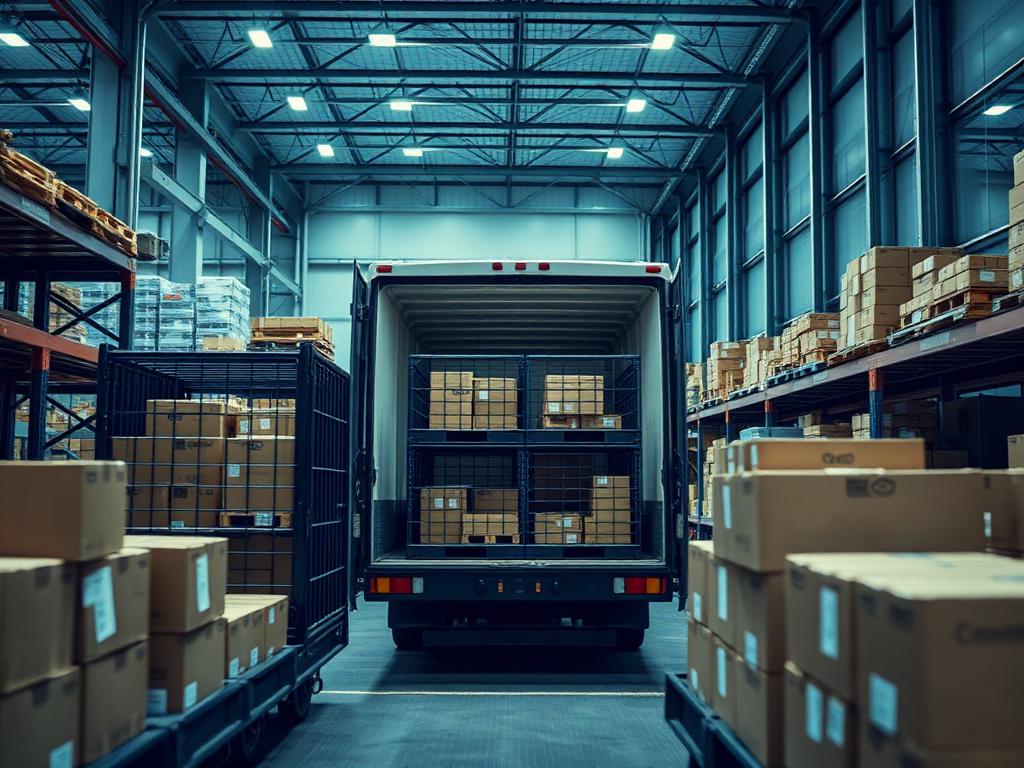
When evaluating pallet delivery cost, businesses must choose between a network model and a dedicated service. In a pallet network, your goods are collected, taken to a regional hub, sorted, and then sent to a delivery depot. This 'hub-and-spoke' system is highly efficient for single pallets but involves more handling.
A dedicated transport service means your pallet stays on the same vehicle from collection to delivery. This is typically more expensive as you are paying for the exclusive use of the vehicle's time and space. However, for time-critical, fragile, or high-value items, the reduced risk of damage and the certainty of a direct route often justify the higher investment. Commercial distribution strategies often use a mix of both depending on the urgency of the order.
Hidden Costs to Avoid in Pallet Shipping
Unexpected fees can quickly inflate your logistics budget. The most common 'hidden' costs include re-delivery fees, which occur if the driver arrives and no one is present to receive the goods. Waiting time is another factor; most hauliers allow a specific window for loading (often 15 to 30 minutes) before charging an hourly rate for delays.
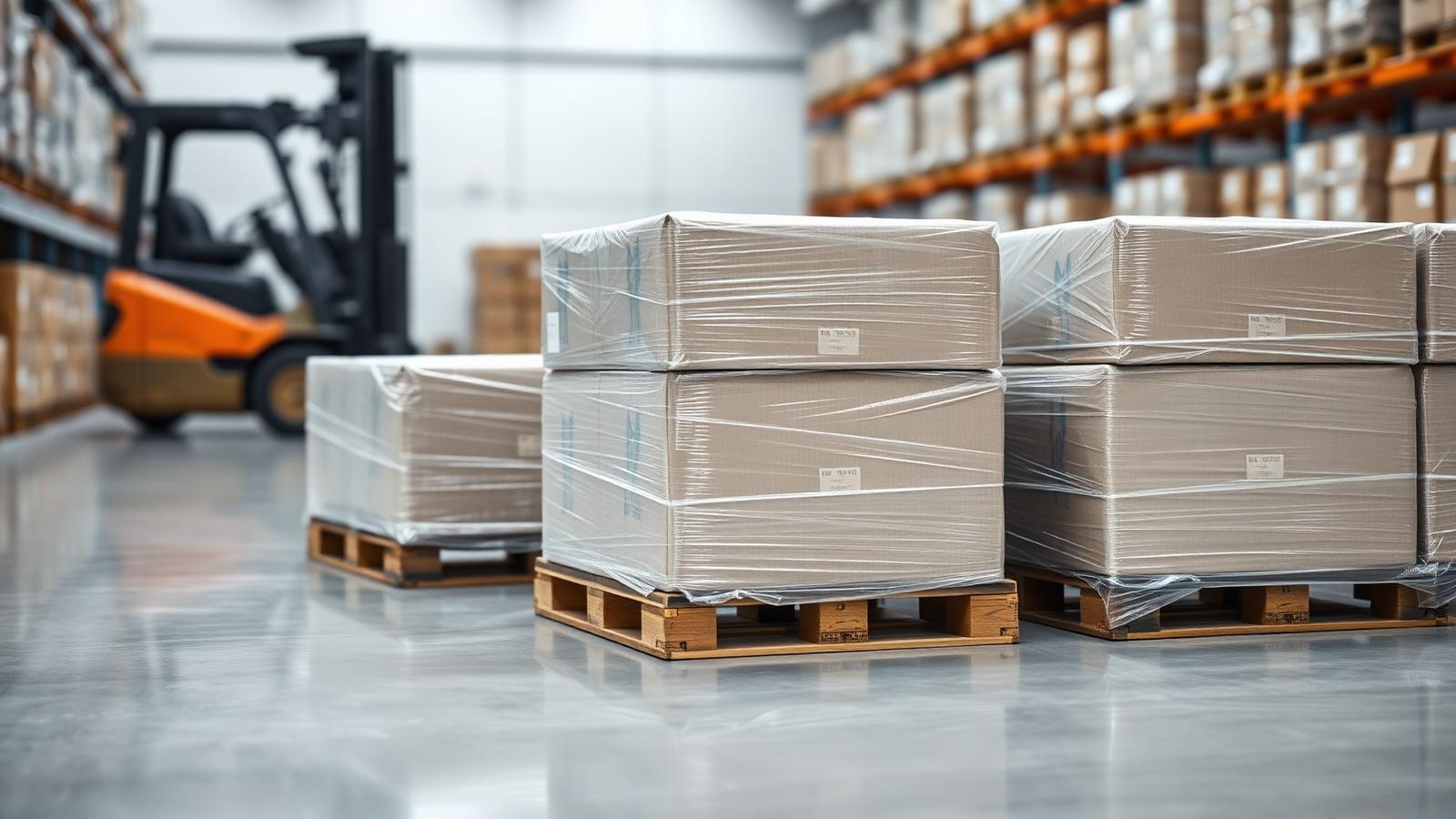
Inadequate packaging can also lead to costs. If a pallet is poorly wrapped and deemed unsafe for transport by the driver or the hub, they may refuse to collect it or charge a fee to re-wrap it. Ensuring that goods do not overhang the pallet base is crucial, as overhanging items are susceptible to damage and often result in the pallet being charged as two spaces.
Requesting a Professional Quote for Your Freight
Because pallet transport is so dependent on specific details, the most accurate way to understand your costs is to request a formal quote. Avoid relying on generic price lists that do not account for your specific postcode or delivery constraints. A professional logistics provider will ask for the dimensions, weight, collection/delivery postcodes, and any special requirements before providing a firm price.
To get an accurate price for your next shipment, contact our transport team at Johnson's Haulage. We manage UK and European road freight by matching your requirements with our assessed carrier network. You can reach our Stockport office at 0161 669 1949 or email info@johnsonshaulage.com. For quick enquiries, our team is also available via WhatsApp at 07895 362166.
Frequently asked questions
Talk to our team.
Get a tailored quote or speak to our operations team about your transport requirements.