









What a carrier needs to know before arriving
A collection goes wrong far more often at the booking stage than on the road. The carrier is planning a route hours in advance, so the details you give — postcode, number of pallets, dimensions, weight, whether a tail-lift is needed and the site's opening hours — determine which vehicle turns up and whether it can load.
Give the full site address with any unit number, a named contact and a mobile number. Drivers work to tight schedules; a two-minute phone call at the gate is often the difference between a completed collection and a wasted journey that both parties pay for.
Site access and vehicle suitability
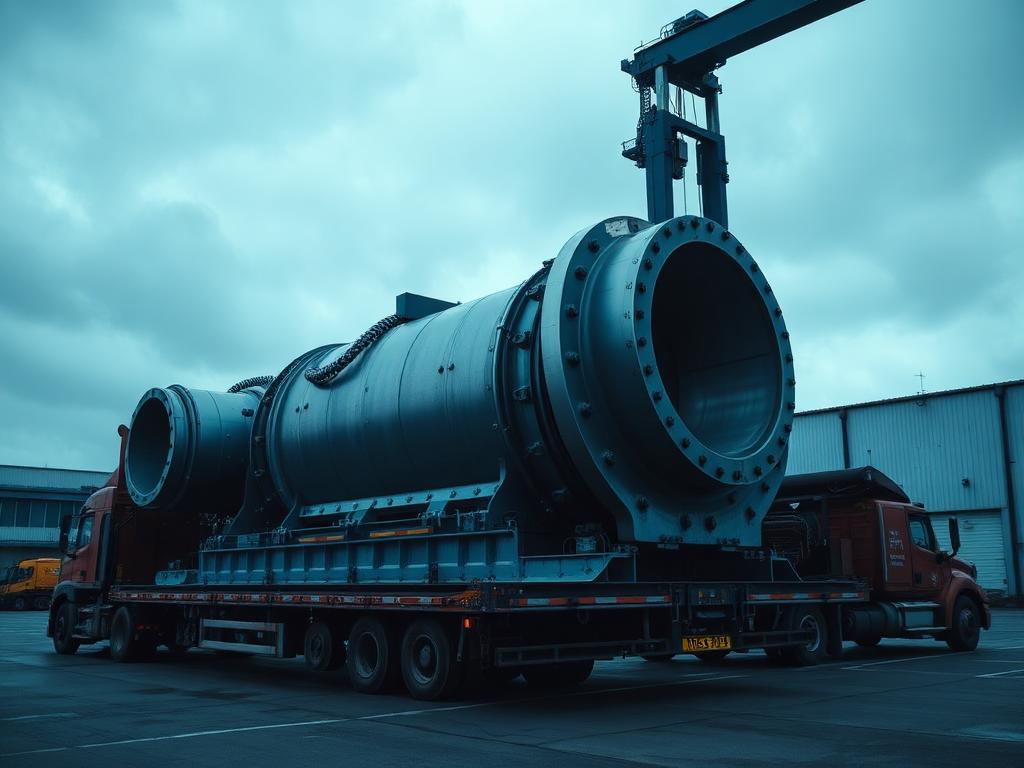
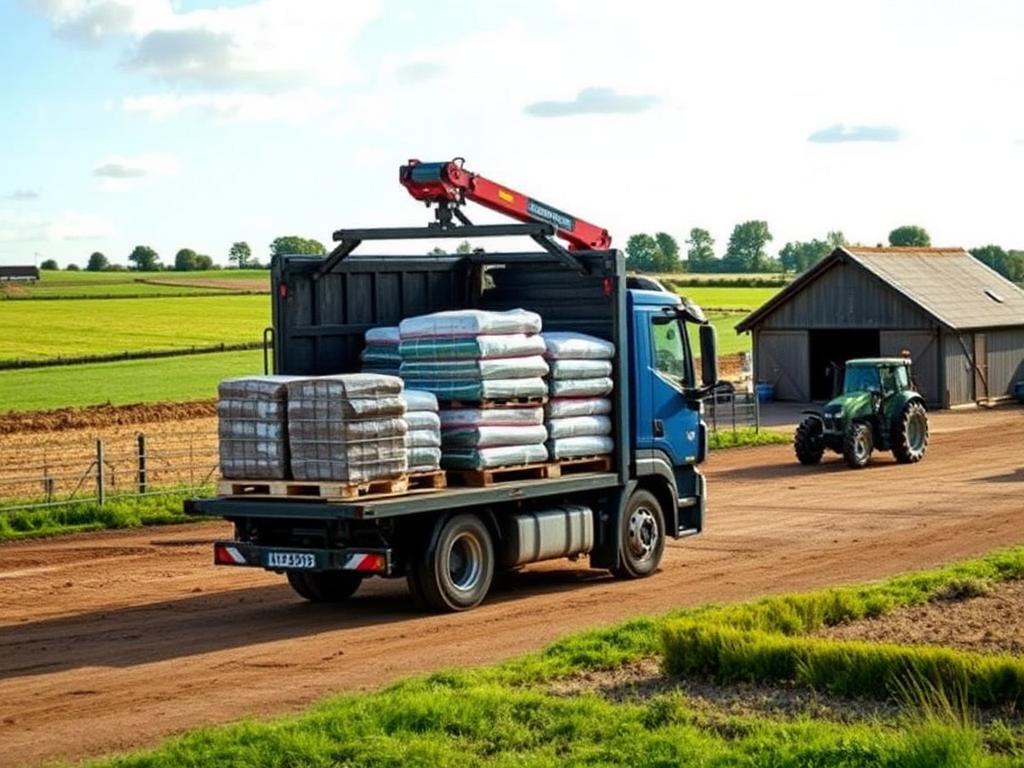
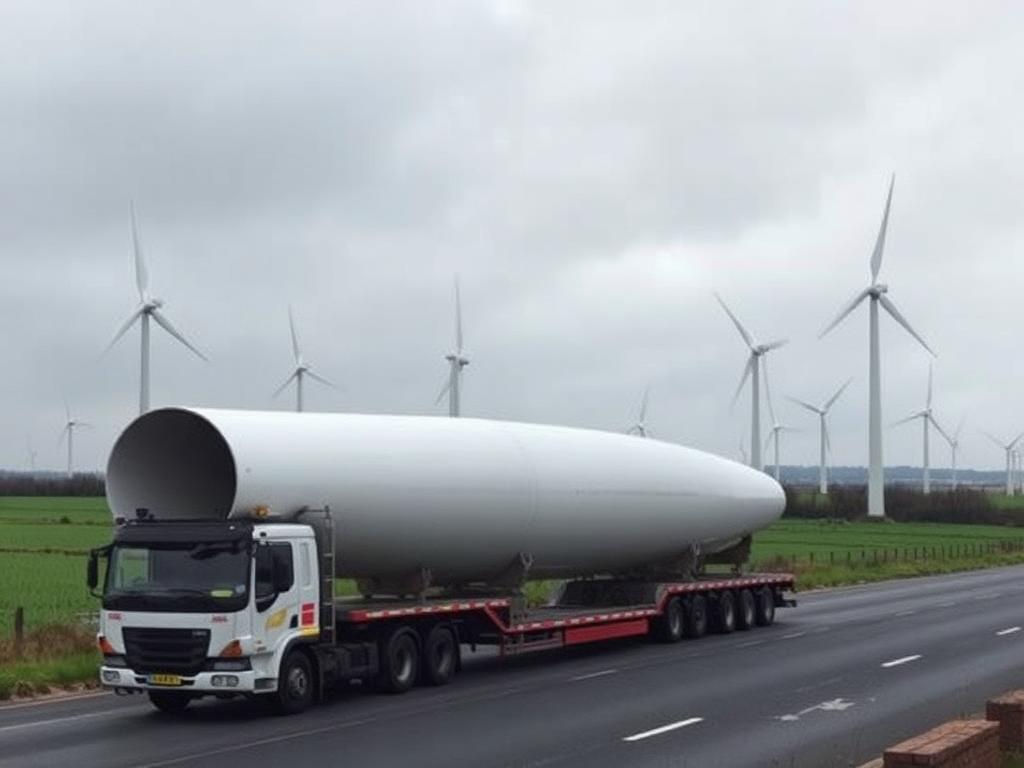
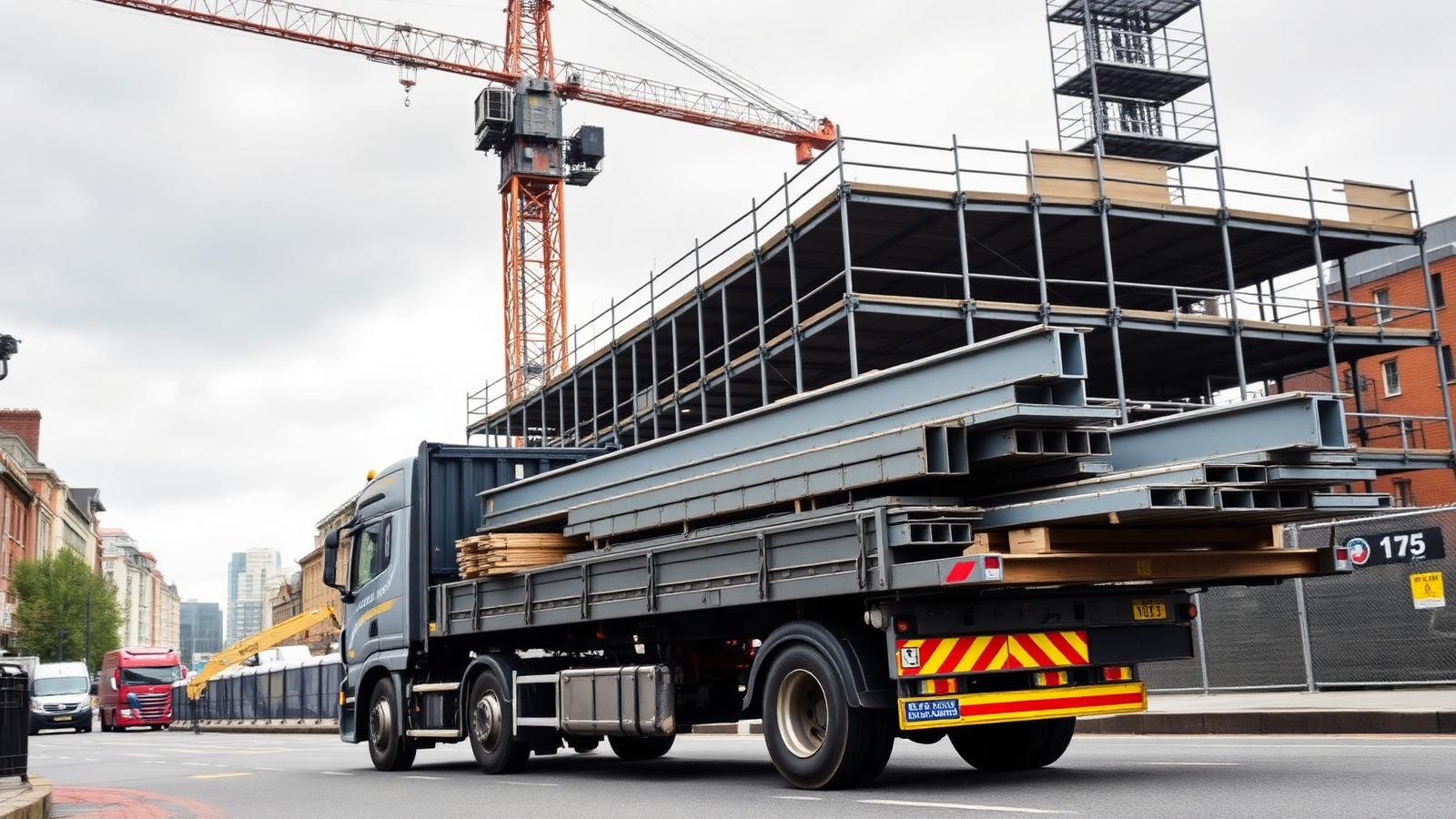
Check what can physically reach you. An articulated vehicle needs turning space and a hard standing yard; many industrial estates, farms and town-centre premises can only take a rigid or a small van. Low bridges, weight limits, height barriers, bollards and permit zones all narrow the options and must be flagged at booking.
If the vehicle has to reverse onto a public road or wait on a red route, say so. Where access is genuinely difficult, a smaller collection vehicle running the pallet into a local depot for consolidation is usually cheaper than a failed attempt by a full-size trailer.
Loading equipment and who does the lifting
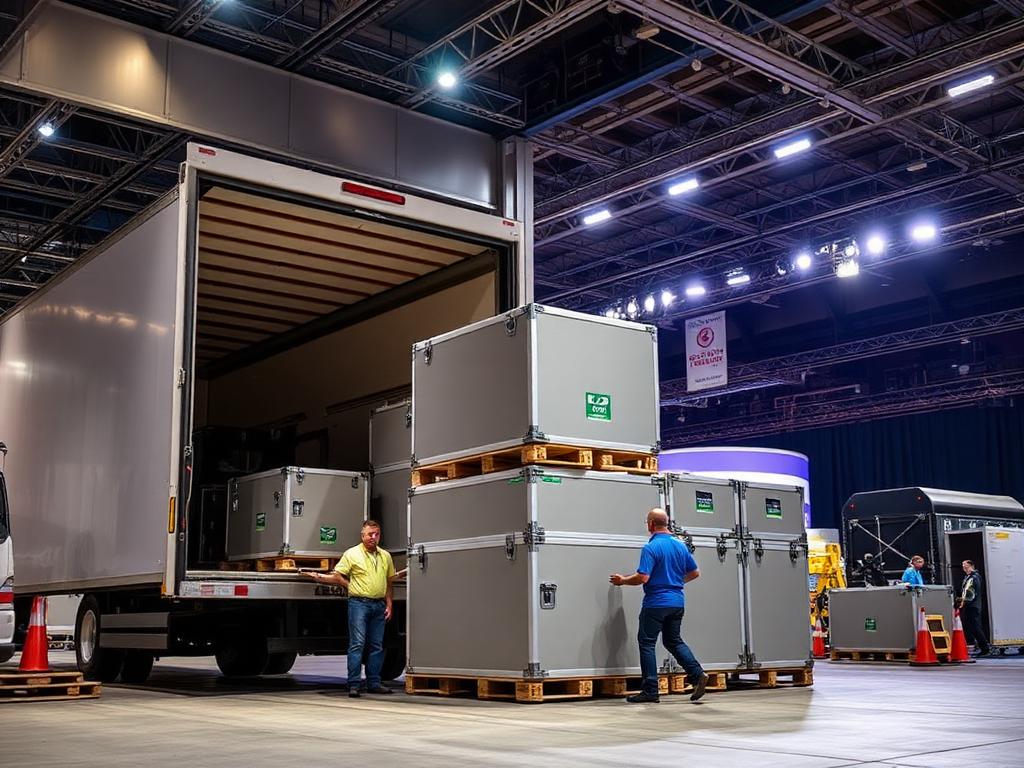
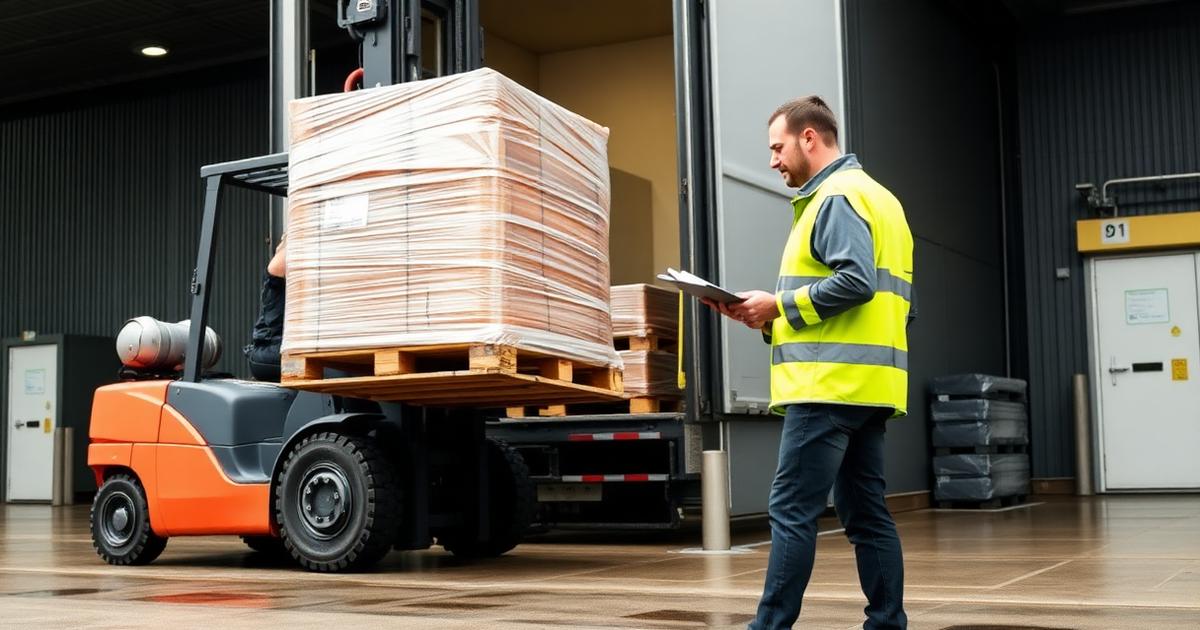
The standard assumption is that you load the vehicle. If you have a forklift or a loading dock, loading takes minutes. Without one, you need a tail-lift vehicle and a pallet that is within the tail-lift's safe working limit — commonly around 750kg — and on a sound pallet that a manual pallet truck can actually move.
Drivers are not obliged to hand-ball loose goods or to enter your building to retrieve freight. If the goods are not palletised and ready at a loading point when the driver arrives, expect the collection to fail. Where you cannot palletise in-house, tell us in advance and we will arrange a service that includes it.
Packaging, labelling and paperwork
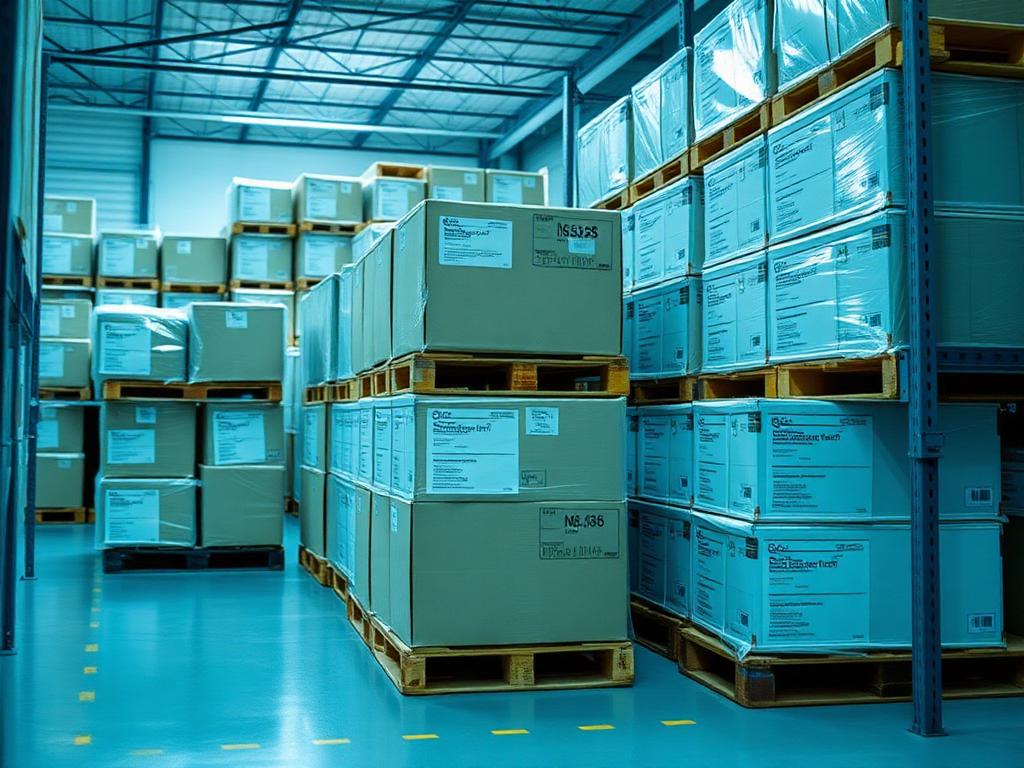
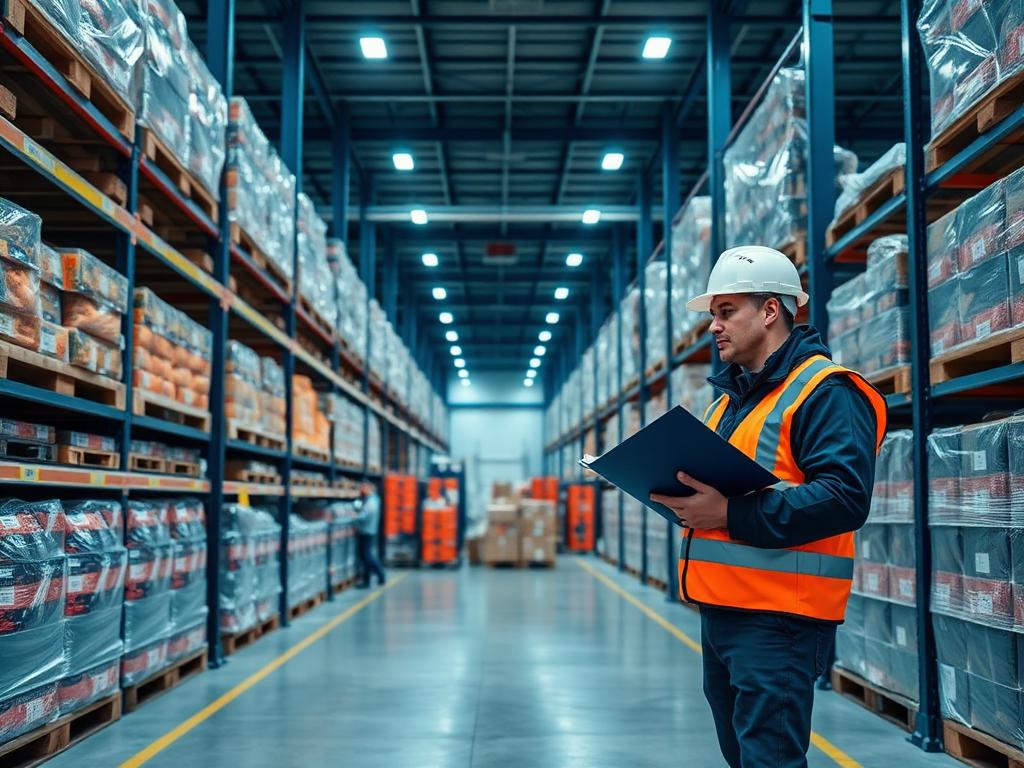
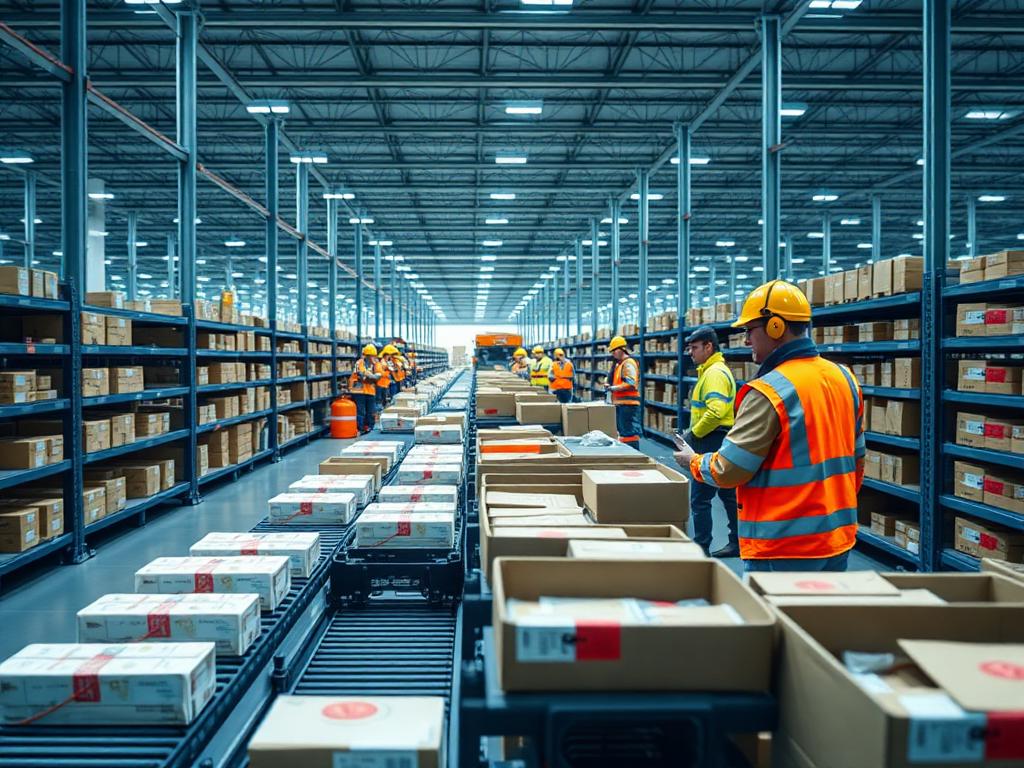
Goods should sit inside the pallet's footprint, be stretch-wrapped or strapped to the base and be stable enough to be moved without shifting. Overhang is the leading cause of damage in hub environments. Heavier items go at the bottom, and fragile goods need proper internal protection, not just wrap.
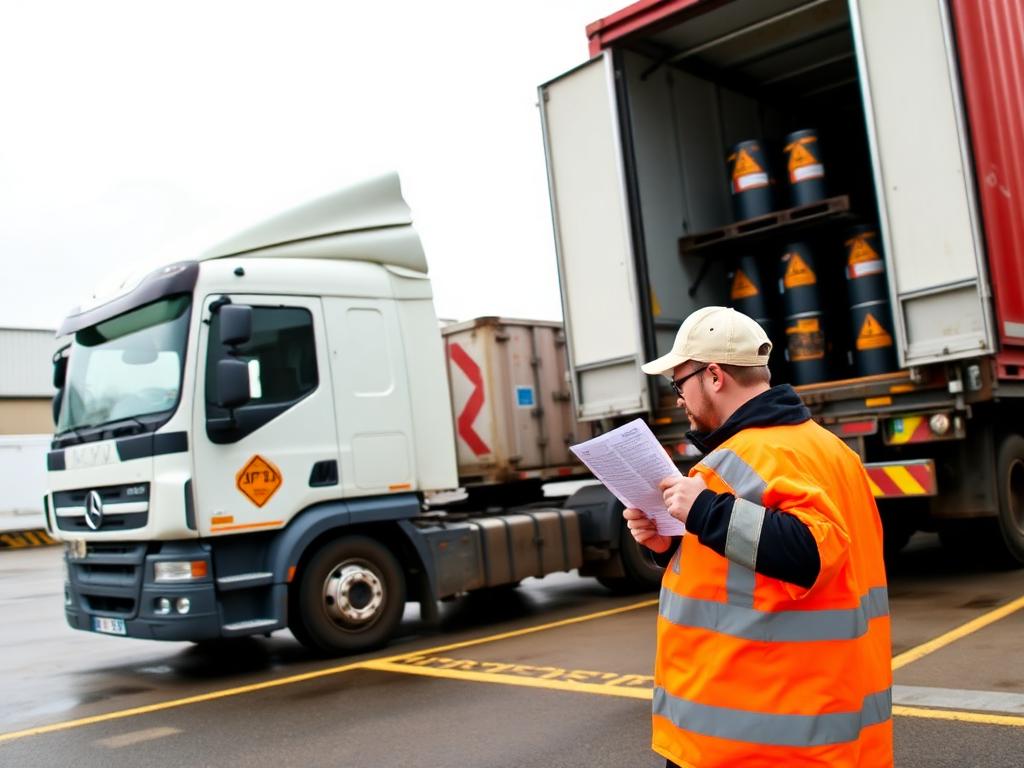
Label every pallet on at least two sides with the delivery address, contact name and consignment reference. Hazardous goods need correct classification, documentation and labelling before the driver will accept them, and international consignments need commercial invoices and customs paperwork ready at collection, not emailed later.
Collection windows and cut-off times
UK pallet networks collect in the afternoon so freight can be trunked to the hub overnight. In practice that means booking before the daily cut-off — often late morning — for a same-day collection, and having goods ready from early afternoon. A specific collection hour is not guaranteed on a standard service; if you need one, book a timed or dedicated collection.
Make sure the site will still be staffed at the end of the collection window. A driver arriving at 16:45 to a yard that locks at 16:30 is one of the most common and most avoidable failures we see.
Booking a collection with Johnson's Haulage
We arrange collections through our approved carrier network, matching the vehicle and service to your site rather than expecting the site to fit the vehicle. Tell us about your access constraints once and we can hold them against your account for future bookings.
To book, call 0161 669 1949 or email info@johnsonshaulage.com with the collection postcode, pallet count, dimensions, weight and readiness time (Mon–Fri 08:00–17:30).
Frequently asked questions
Talk to our team.
Get a tailored quote or speak to our operations team about your transport requirements.