























The hidden costs of running your own fleet
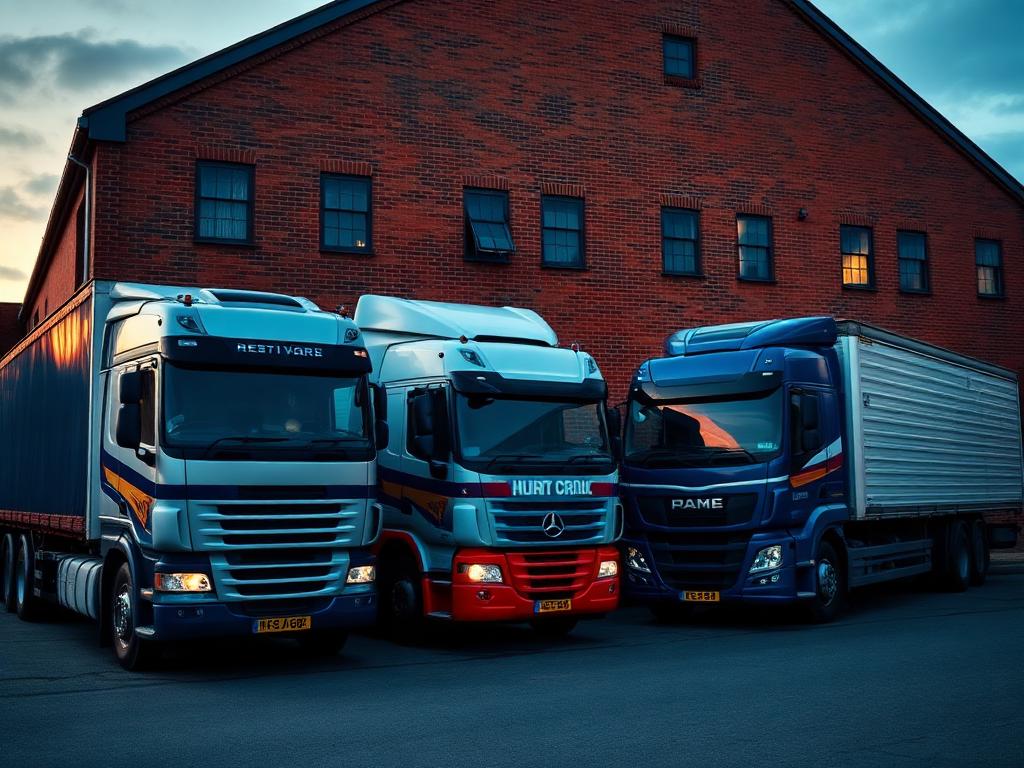
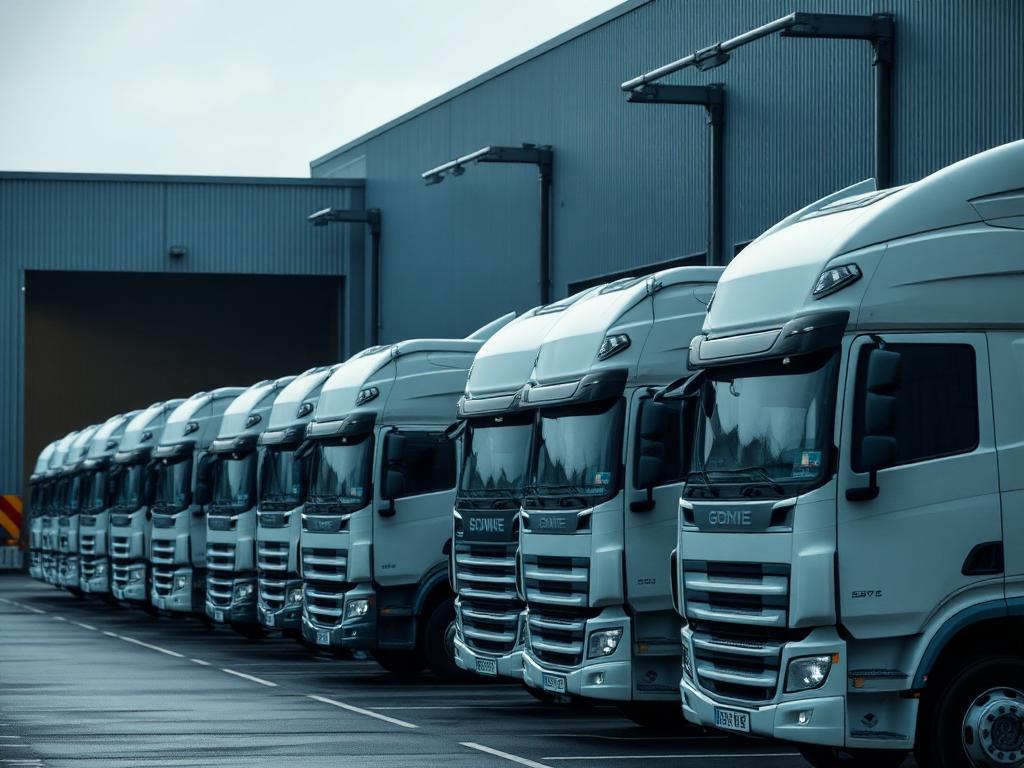
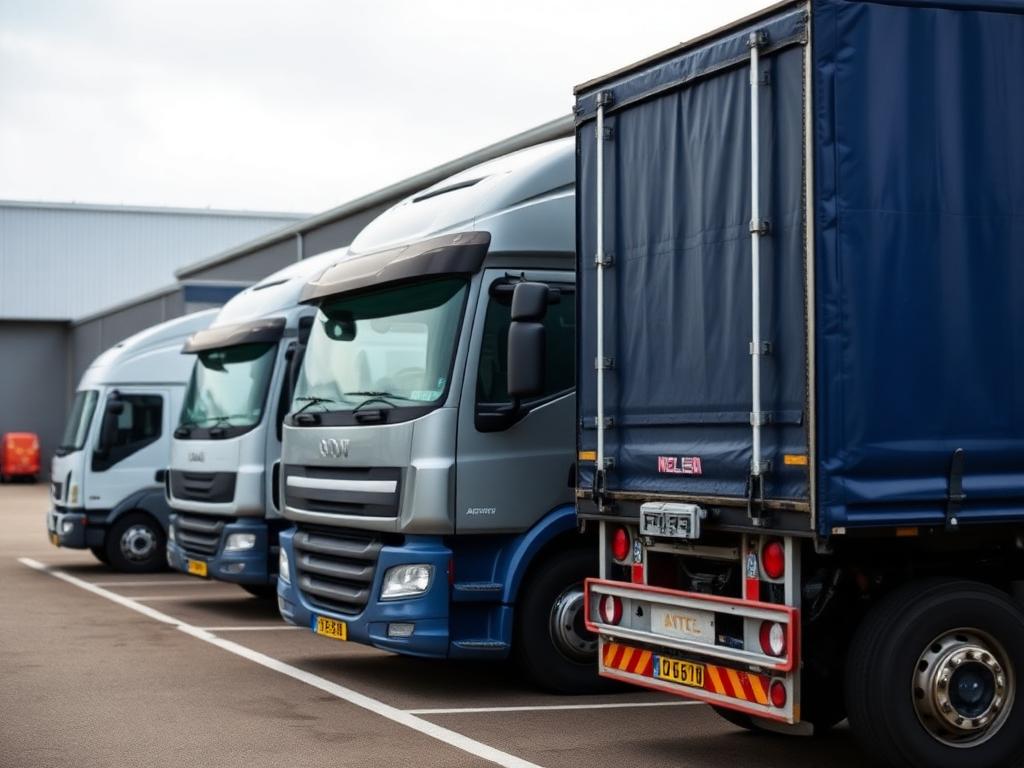
Owning vehicles looks straightforward on paper, but the total cost of operating a fleet extends well beyond the purchase or lease price. Operator licensing, MOT and maintenance schedules, insurance, fuel, driver employment costs, and the administrative burden of compliance all add up — and they don't scale down when demand is quiet.
A fleet is also a fixed asset. If your volumes are seasonal, or you're growing quickly in one direction and shrinking in another, owned vehicles can leave you either short of capacity at peak times or paying for idle vehicles the rest of the year.
What outsourcing actually buys you
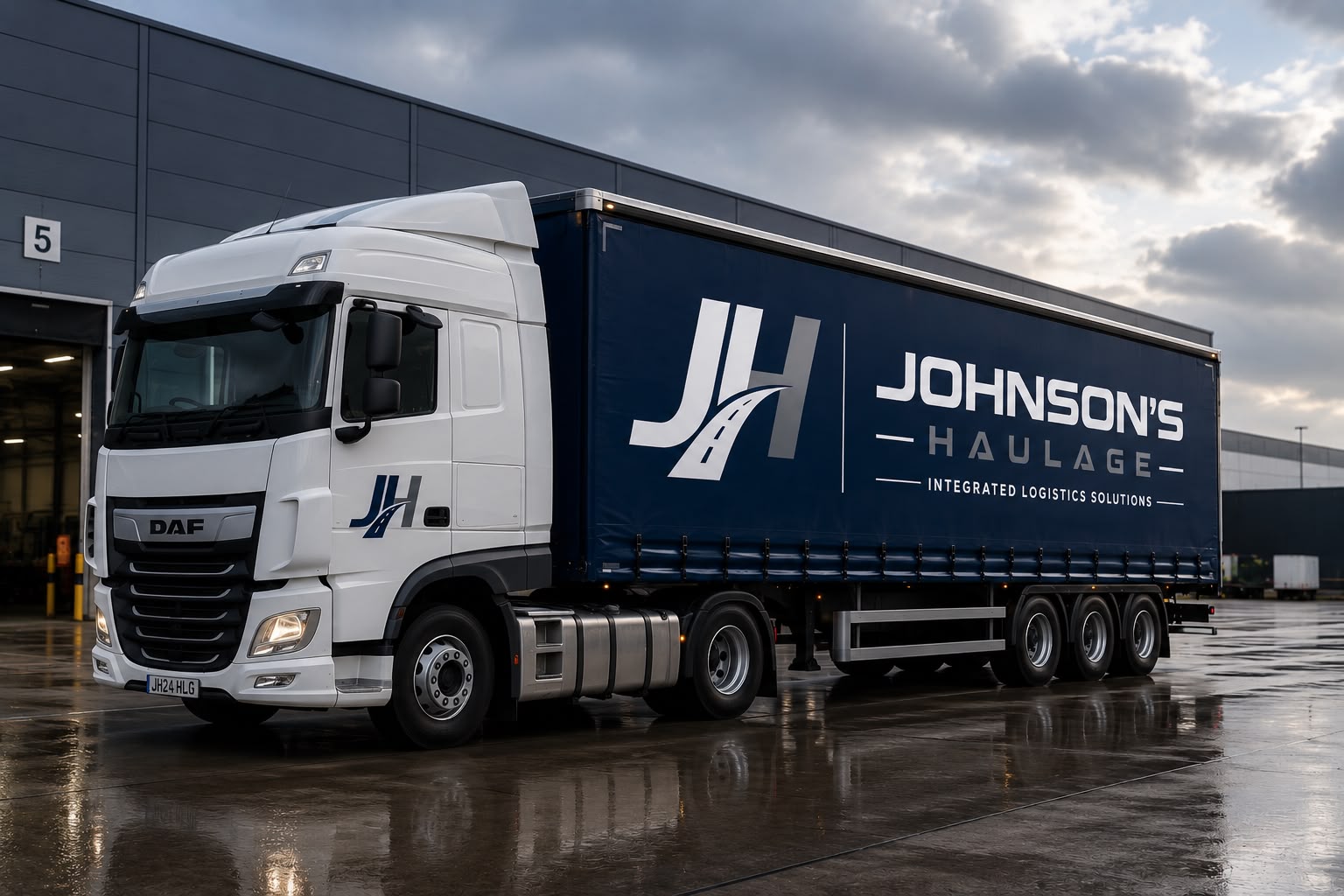
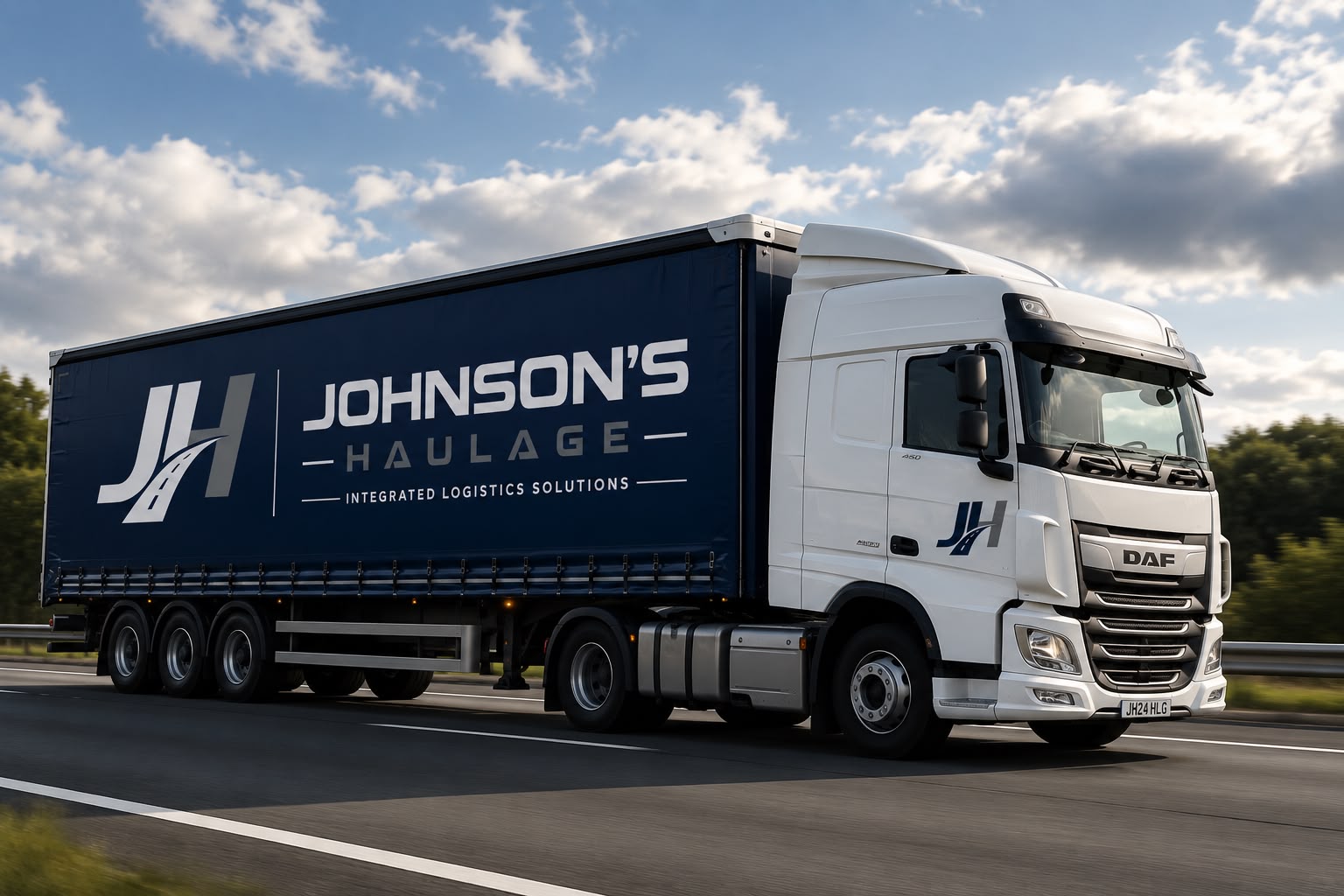
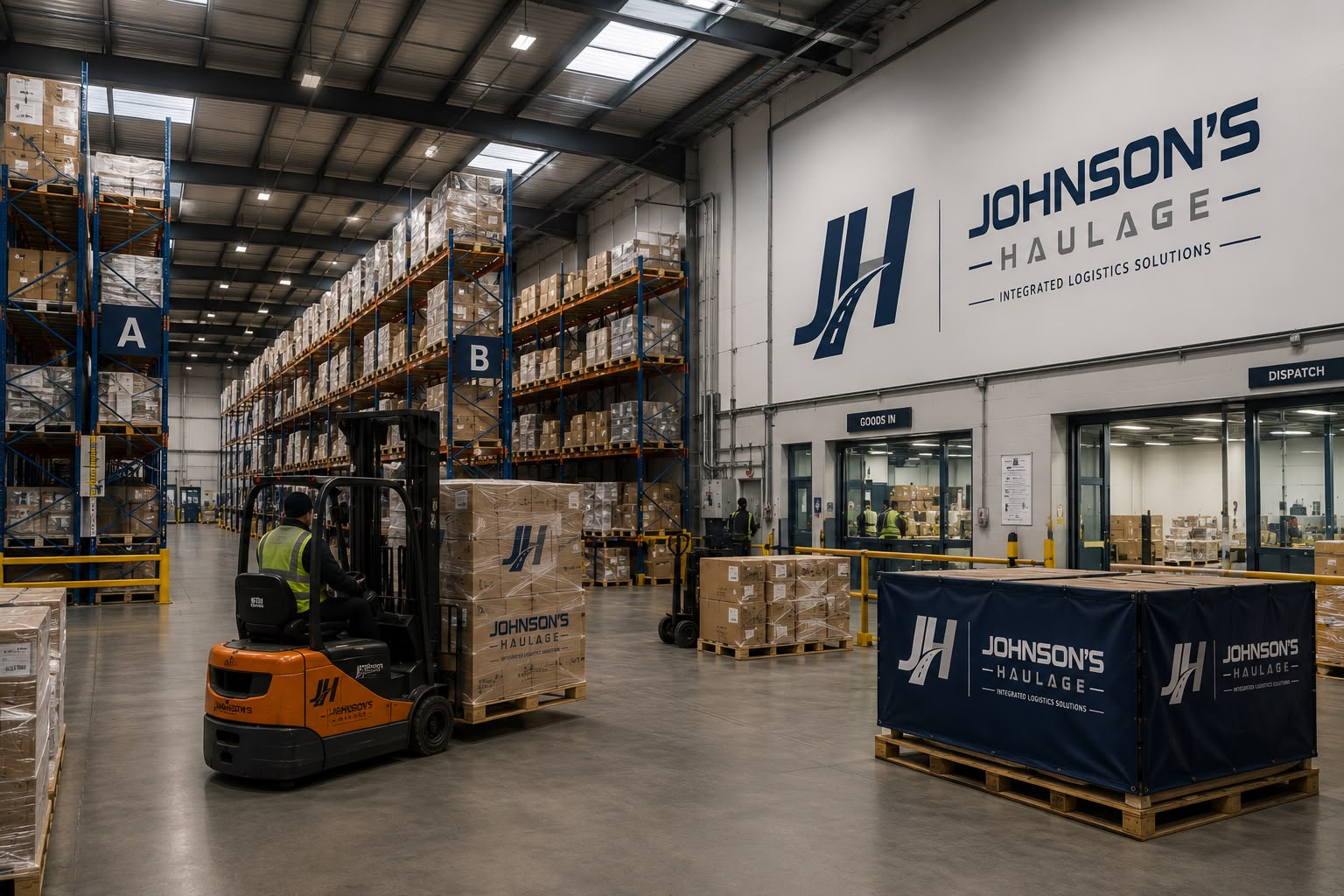
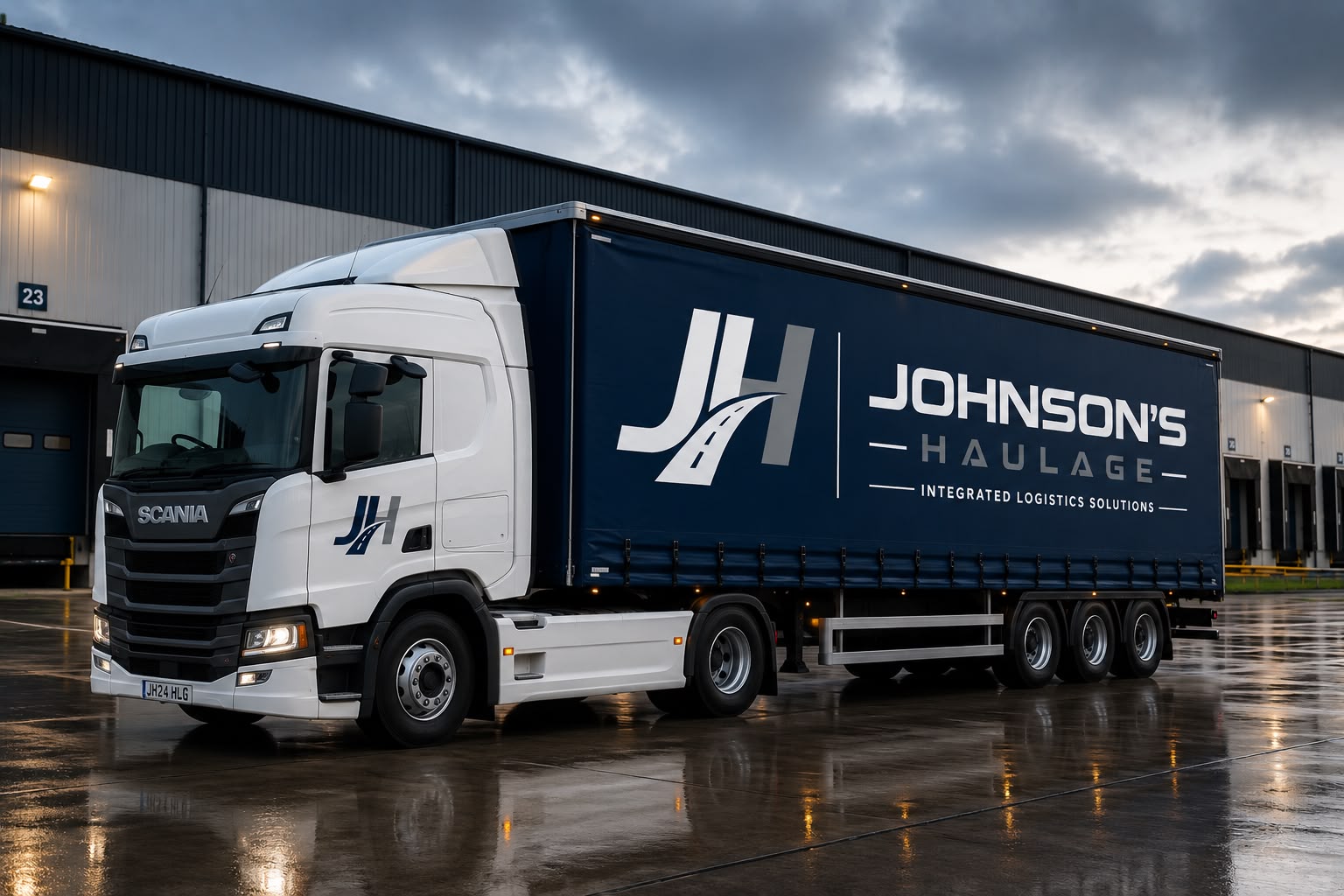
Working with a transport partner like Johnson's Haulage means you access capacity across an entire network rather than a fixed number of vehicles. That gives you flexibility to scale up for a busy month and scale down without carrying overheads, while transferring the compliance and insurance burden to specialists who manage it as their core business.
- No capital tied up in vehicles or depreciation
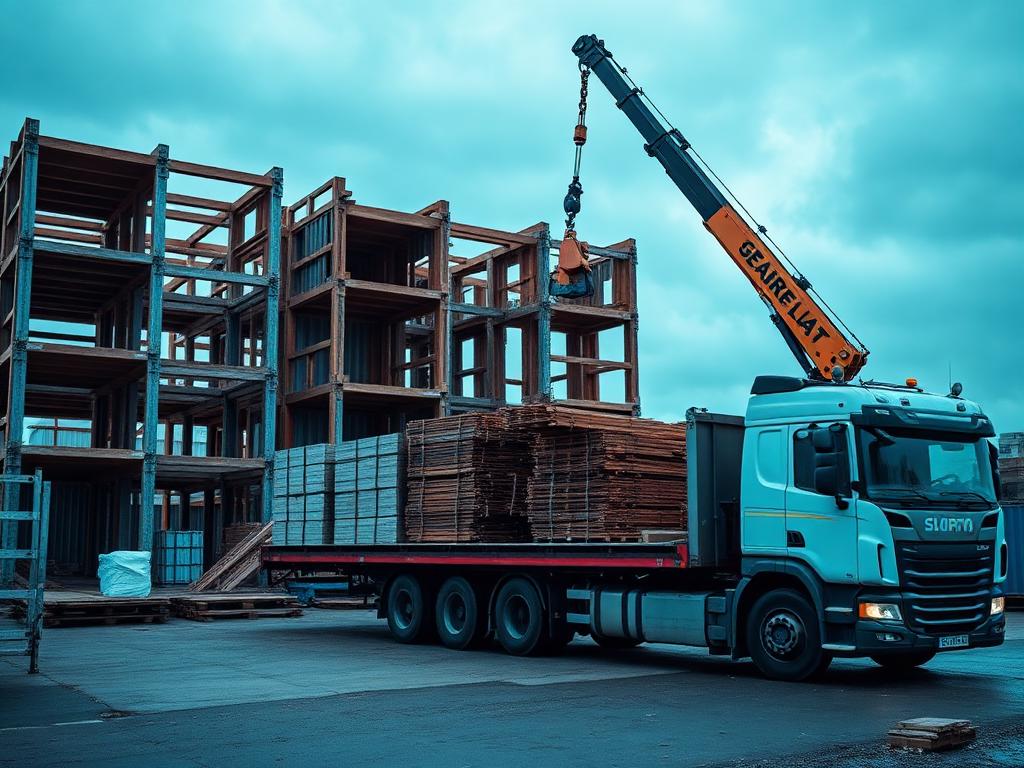
- Access to specialist vehicle types (ADR, temperature-controlled, Hiab) without owning them
- Compliance and insurance managed by the carrier network, not your business
- Capacity that flexes with demand rather than sitting idle
When ownership still makes sense
For a small number of businesses with very consistent, high-frequency local routes, ownership can make sense. But for most businesses moving freight nationally, internationally, or with variable volumes, an arranged transport model reduces risk and cost while improving flexibility.
Talk to our team.
Get a tailored quote or speak to our operations team about your transport requirements.