











Mastering the UK Import Process for Business Growth
Importing goods into the UK is a vital component of the modern supply chain, yet it remains one of the most complex operational hurdles for British businesses. Whether sourcing raw materials from Europe or finished retail goods from Asia, the efficiency of your import strategy directly impacts your bottom line and customer satisfaction. The transition from a pre-Brexit environment to the current regulatory framework has made professional oversight more important than ever.
Success in international trade requires a clear understanding of logistics modes, customs compliance, and the coordination of multiple stakeholders across borders. Mismanaged paperwork or poor transport choices can lead to costly port delays, storage charges, and frustrated end-customers. This guide outlines the essential steps to shipping goods to the UK, helping you move from the initial purchase order to final-mile delivery with confidence.
Selecting the Right Mode of International Freight
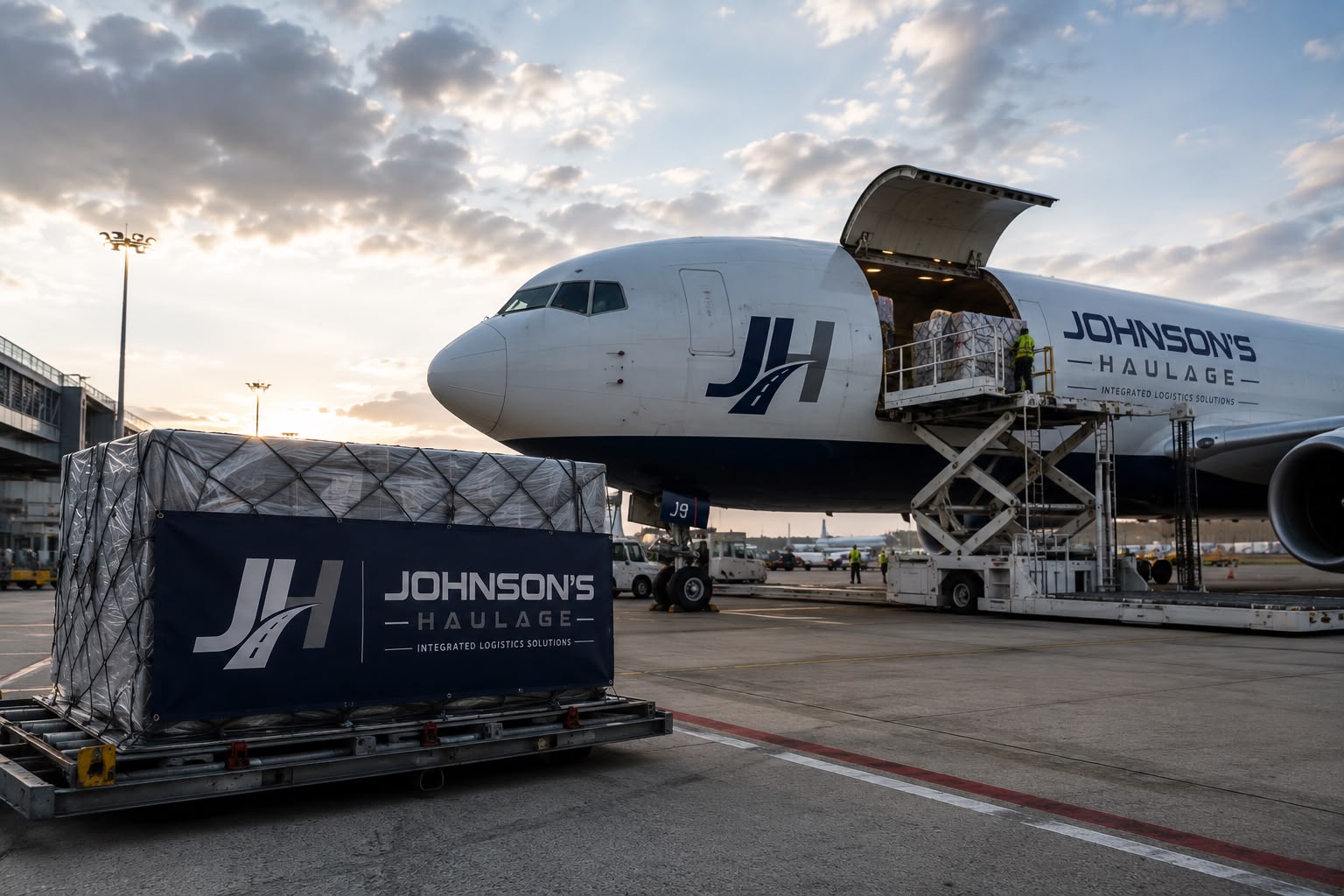
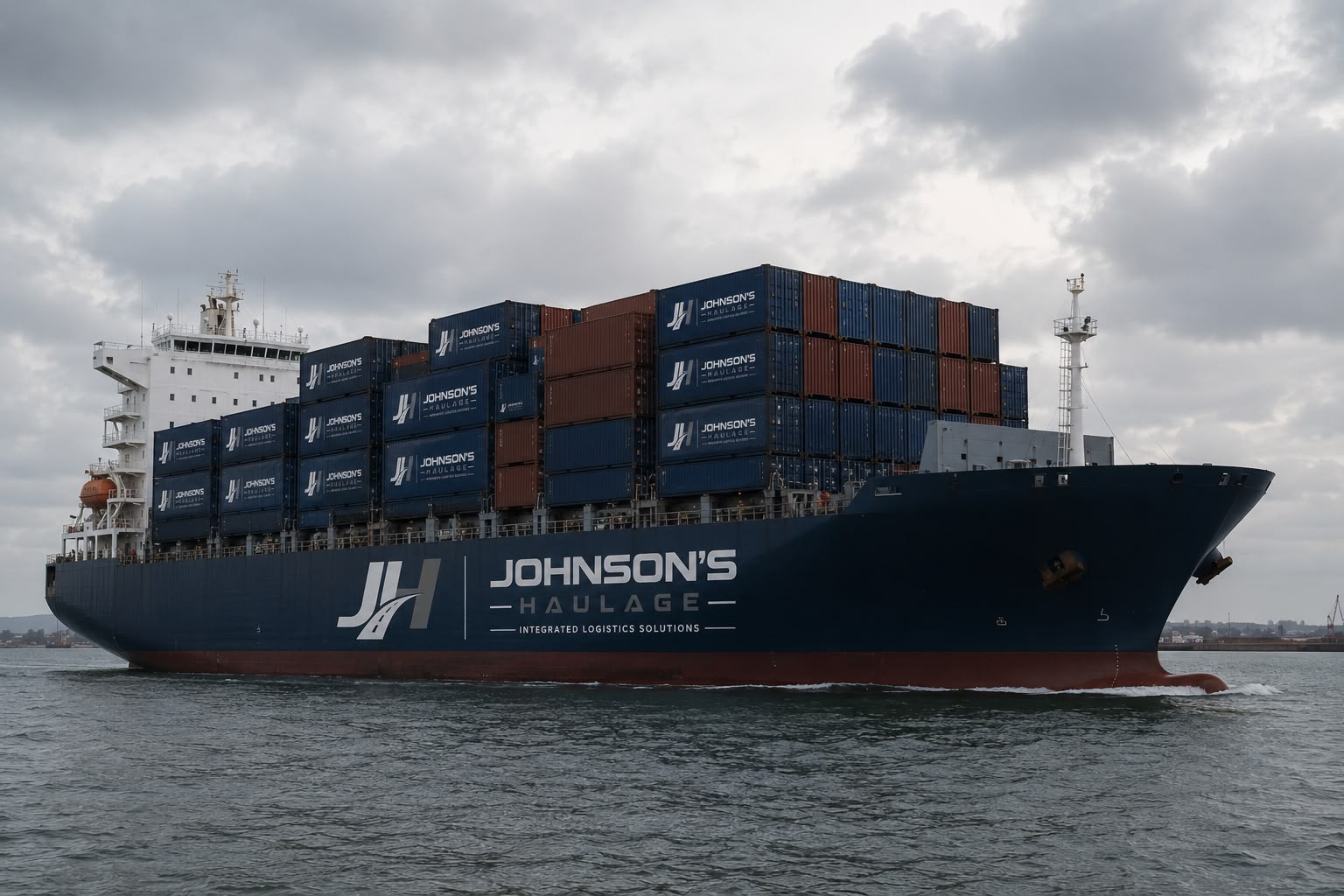
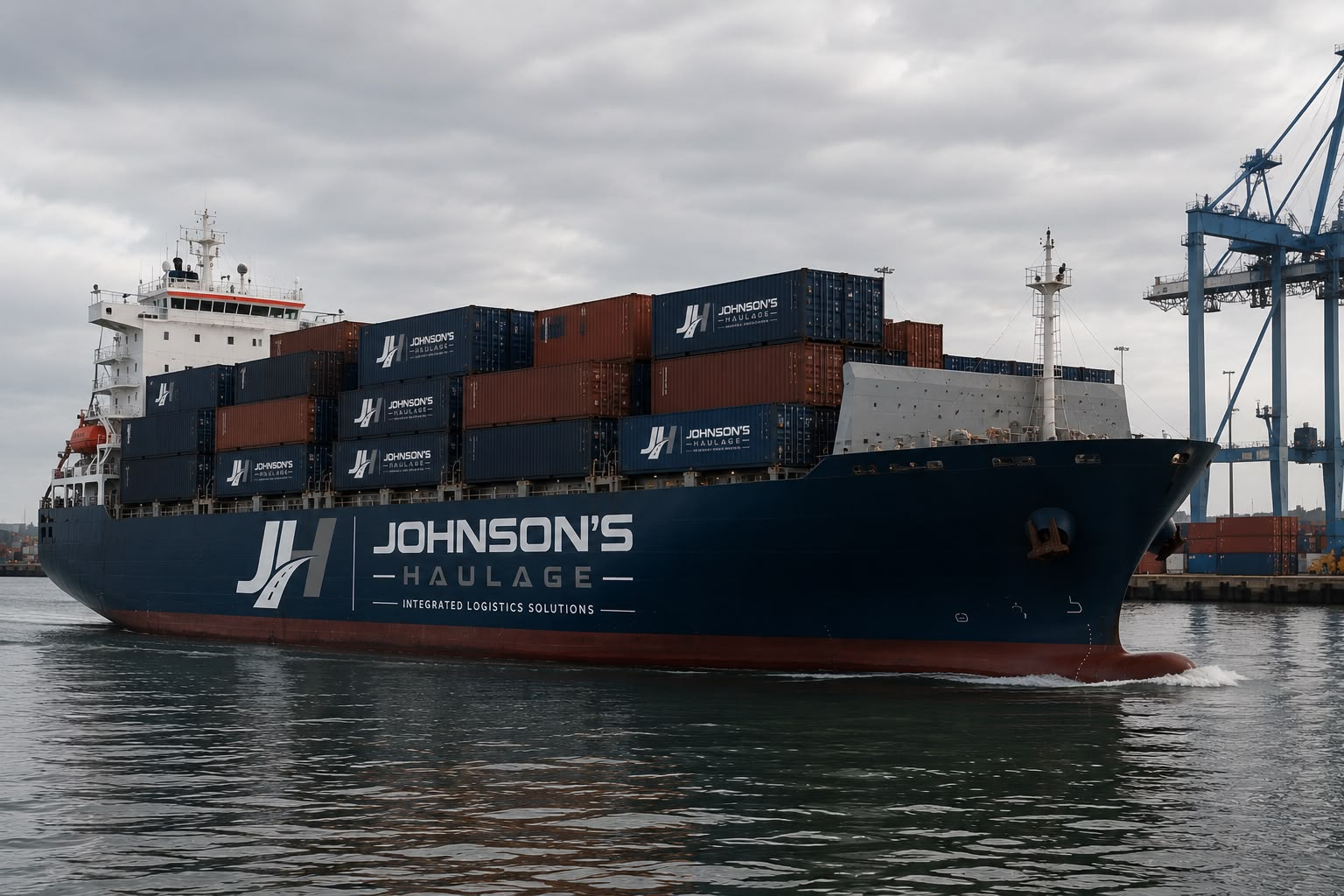
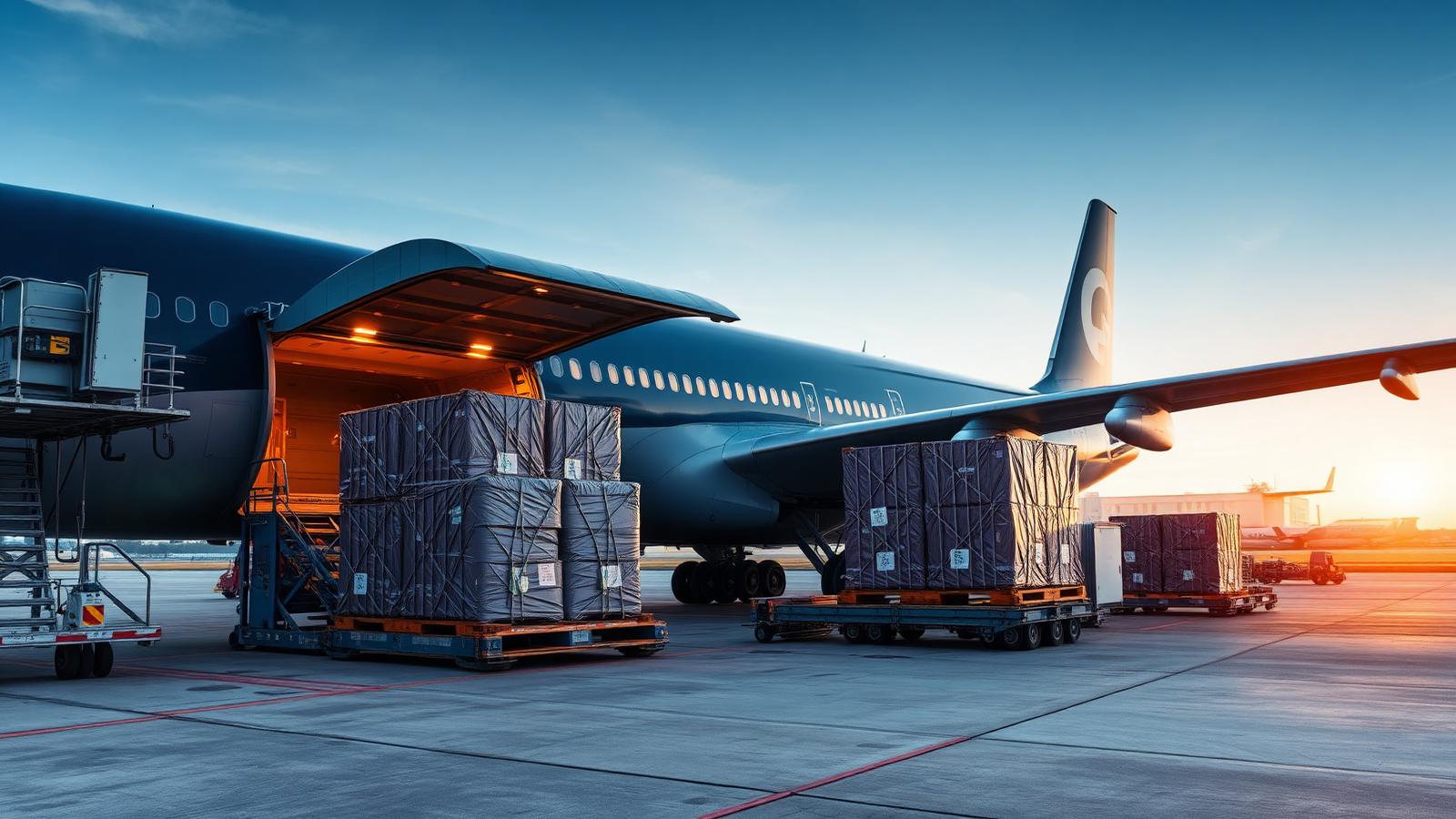
Choosing the most appropriate mode of transport is the first major decision in the import process. This choice is usually governed by the nature of the cargo, the urgency of the delivery, and the available budget. Air freight offers the highest speed but carries a premium price tag, while sea freight remains the most cost-effective method for bulk commodities and large volumes over long distances.
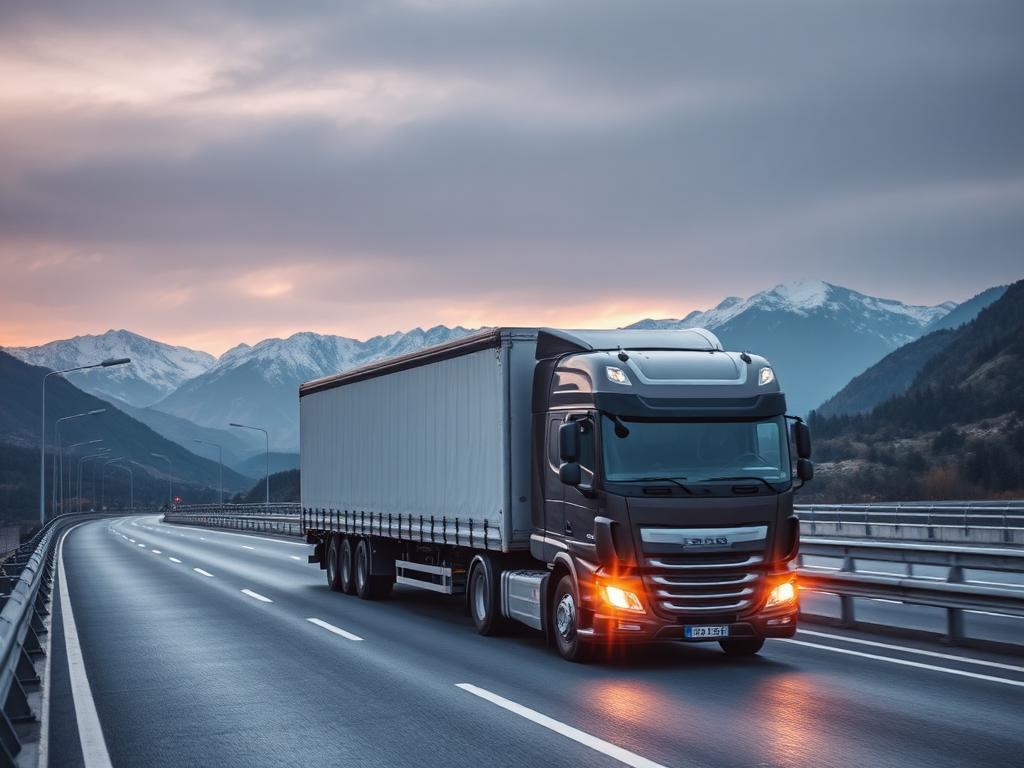
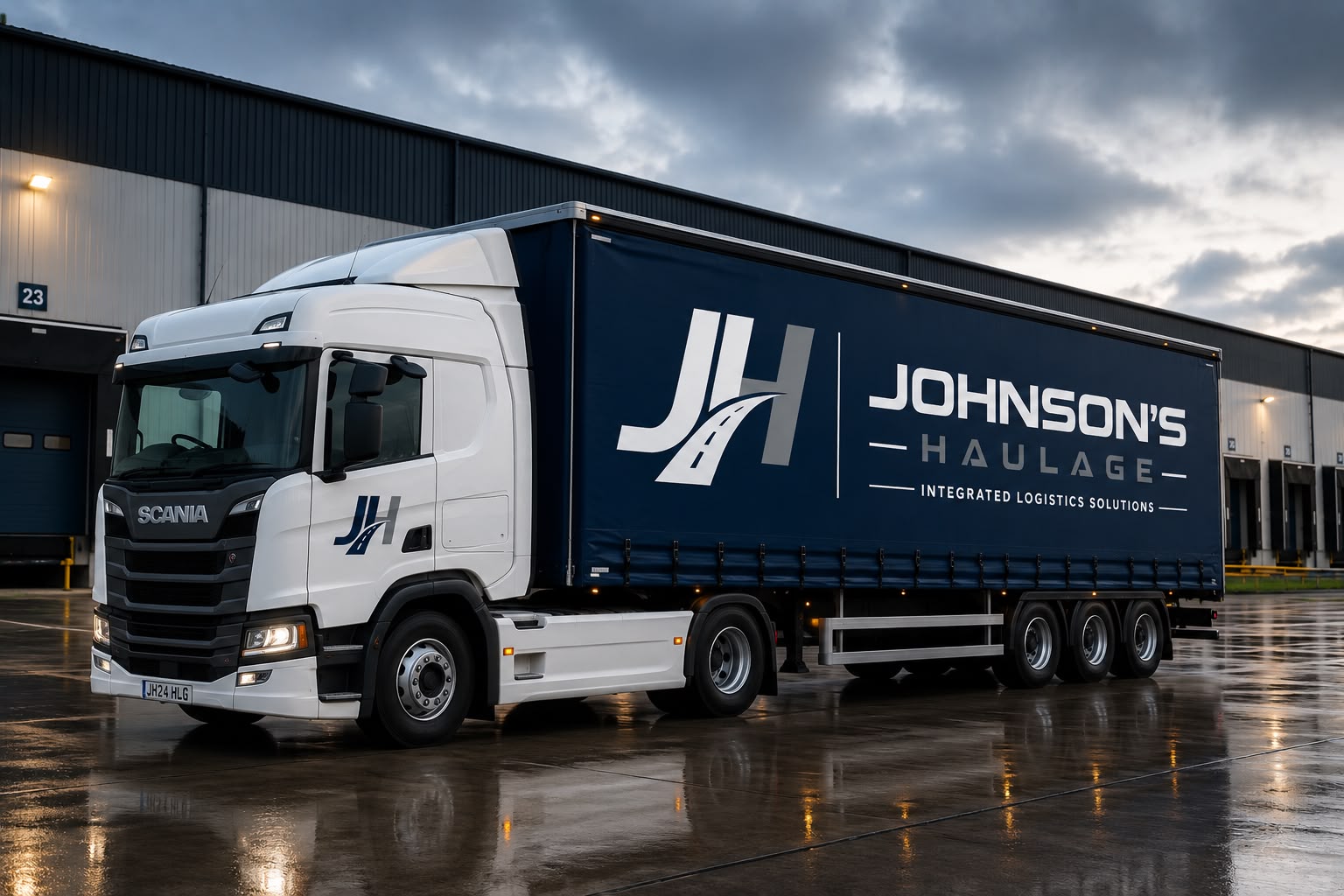
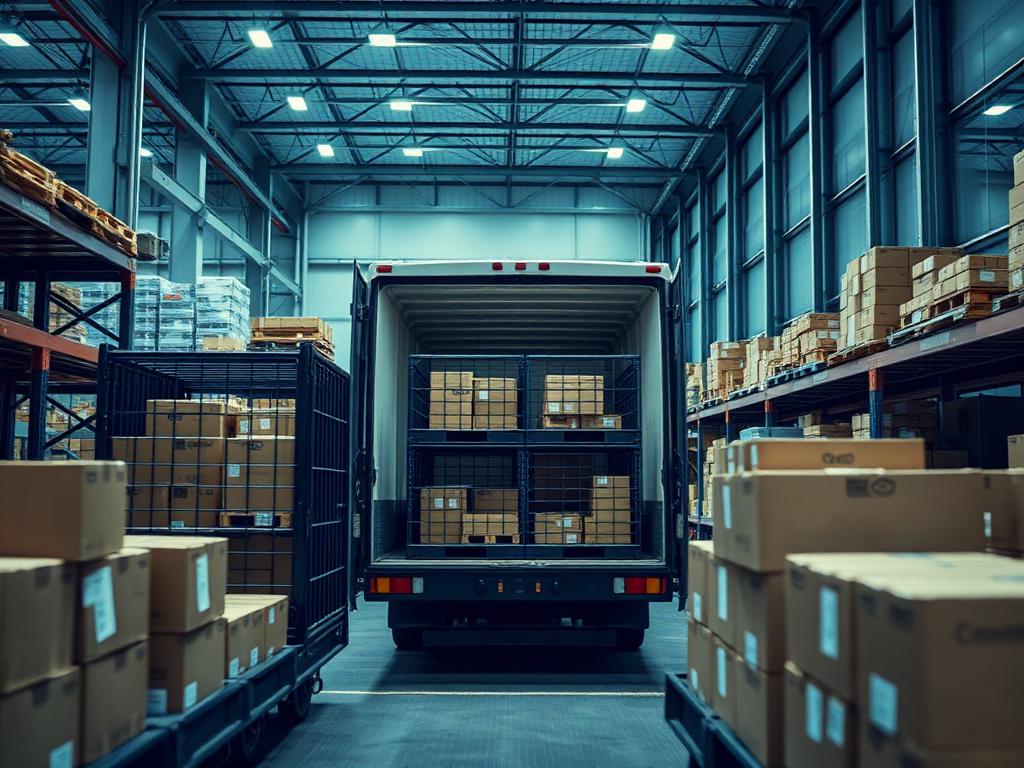
Road transport is the primary method for goods moving between the UK and mainland Europe. It offers a flexible middle ground, providing door-to-door service with relatively predictable lead times. For many importers, a multi-modal approach—combining sea or air with final-leg road transport—provides the best balance of cost and efficiency.
| Feature | Road Freight (Europe) | Air Freight (Global) | Sea Freight (Global) |
|---|---|---|---|
| Typical Lead Time | 2-5 Days | 1-5 Days | 20-45 Days |
| Cost Level | Moderate | High | Low |
| Capacity Limits | Moderate (Truck/Trailer) | Strict Weight/Size Limits | High (Containerised) |
| Best For | Pallets & Full Loads | High-value/Urgent Items | Bulk & Standard Stock |
Comparison of UK Import Transport Modes
Essential Documentation and Customs Compliance
The UK border is governed by strict regulations enforced by HMRC and Border Force. To import goods into the UK legally, your business must have an Economic Operators Registration and Identification (EORI) number starting with 'GB'. Without this, your shipments cannot be cleared through customs and will be held at the port or airport.
Documentation is the backbone of international freight forwarding in the UK. At a minimum, you will need a Commercial Invoice, a Packing List, and a transport document such as a Bill of Lading (sea) or an Air Waybill. Since the implementation of the Border Target Operating Model, additional certificates may be required for specific goods, such as phytosanitary certificates for plants or health certificates for animal products.
We strongly advise all importers to consult the official GOV.UK guidance on customs procedures. Given the complexity of Commodity Codes—the numbers that determine the rate of duty and VAT you pay—appointing a professional customs agent is often the most reliable way to ensure compliance and avoid penalties. Incorrect classification can lead to overpaying tax or facing audits from HMRC.
Managing the International Leg of the Journey
Once the transport mode is selected and the documentation is prepared, the physical movement begins with collection from the supplier. This stage is governed by Incoterms (International Commercial Terms), published by the International Chamber of Commerce (ICC). These terms define which party is responsible for the costs, risks, and insurance at every point of the journey.
For example, under 'Ex Works' (EXW) terms, the buyer is responsible for almost the entire journey, including collection from the factory floor. Under 'Delivered Duty Paid' (DDP), the seller handles nearly everything. Understanding your chosen Incoterm is critical; it ensures there are no disputes regarding who pays for freight charges or who is liable if goods are damaged in transit.
How Johnson’s Haulage Supports Your Import Strategy
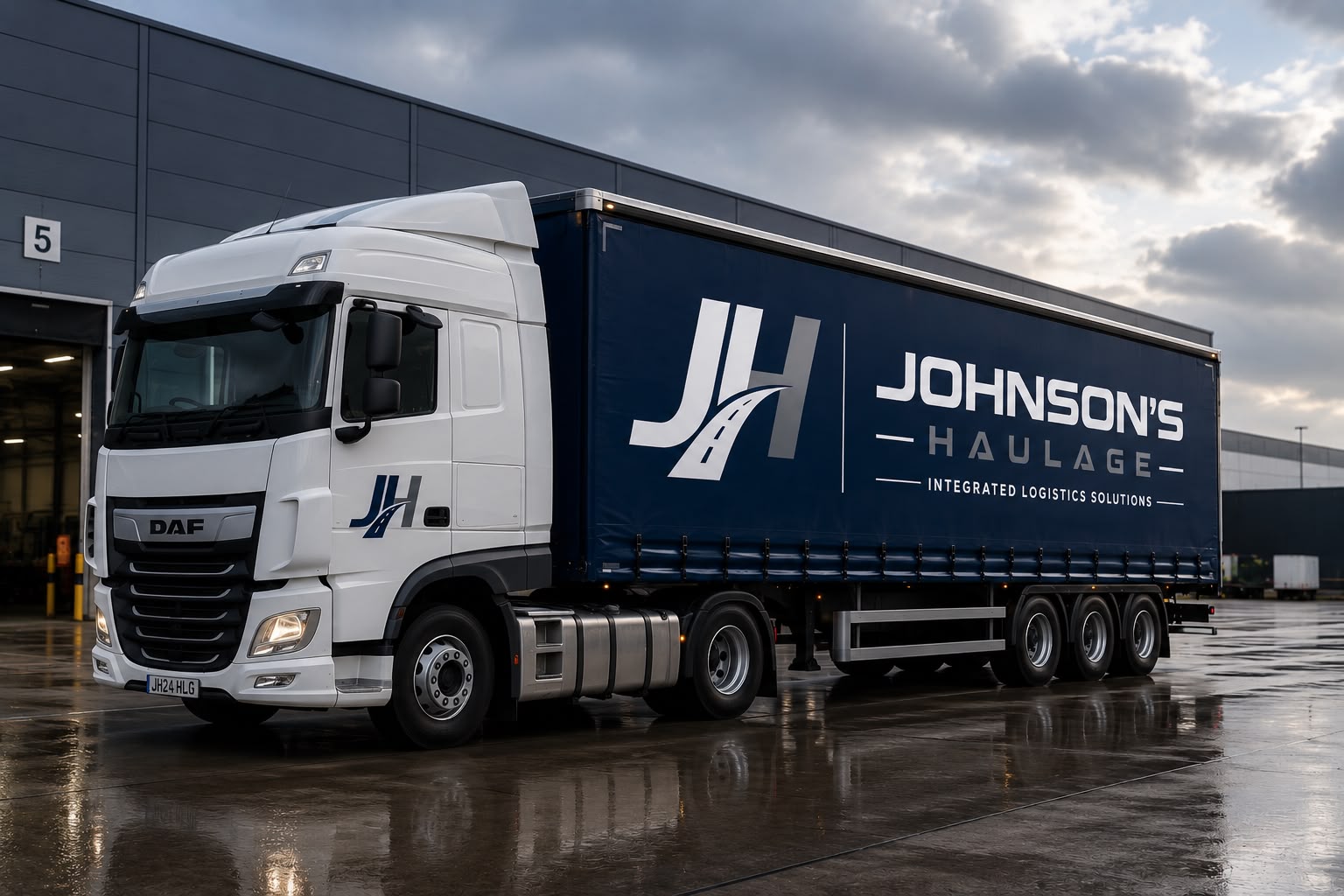
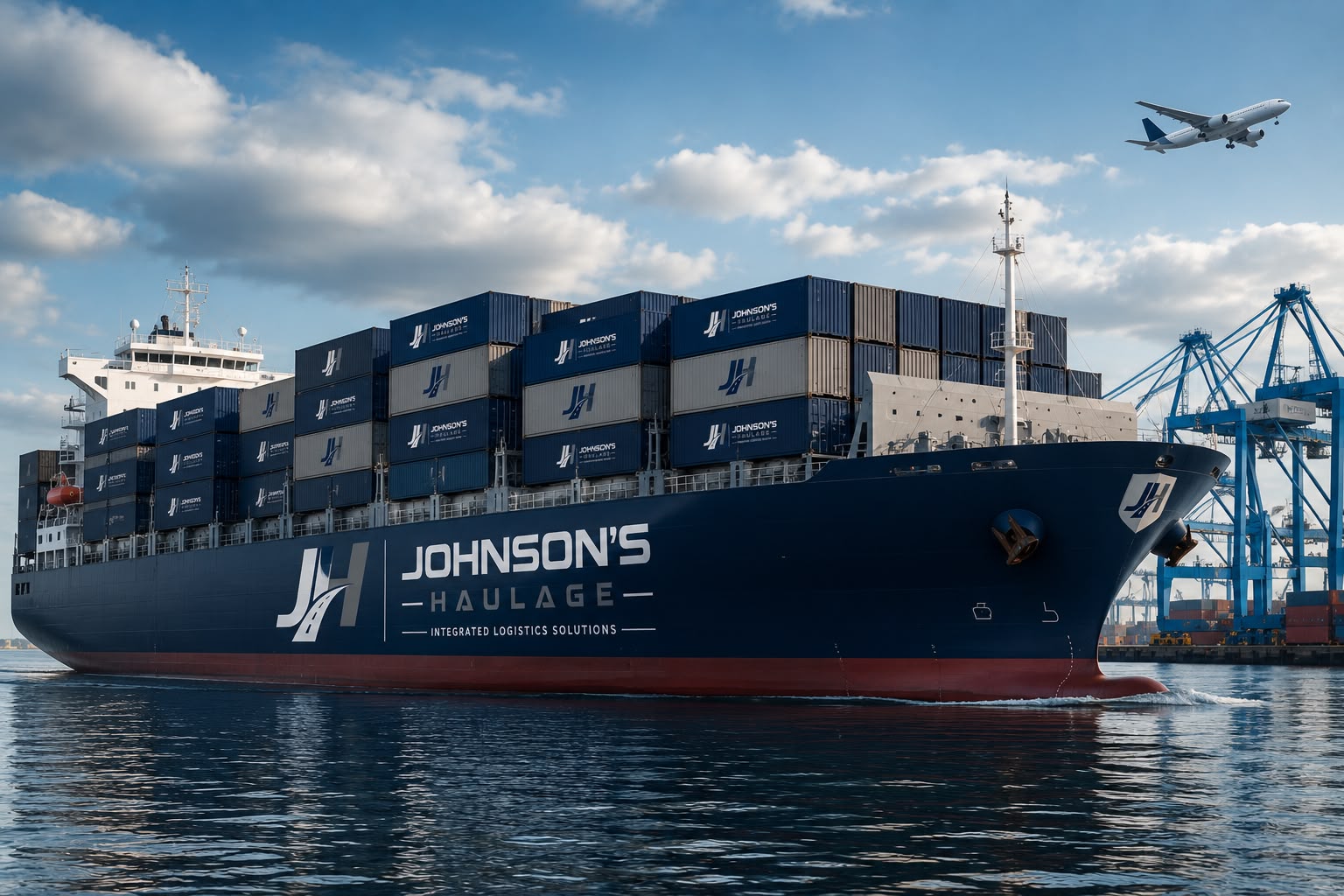
Managing international freight requires a vast infrastructure, but owning assets like ships or planes is not always the most efficient way to serve a client's specific needs. At Johnson’s Haulage, we operate as a transport manager and freight forwarder, sourcing capacity through an approved network of assessed carriers. This model allows us to select the best possible vehicle or route for your specific cargo rather than being limited by our own fleet availability.
Based at Houldsworth Mill in Stockport, our team coordinates UK road freight, European transport, and global air or sea shipments. We handle the logistics of moving goods from their origin to our partner warehousing facilities or directly to your commercial premises. By managing the supply chain through a vetted network, we provide the scale of a global operator with the dedicated service of a family-run business. To streamline this further, we are also in the process of developing a dedicated customer portal for our clients.
Arrival in the UK and Customs Clearance
When shipping goods to the UK, the arrival at the port of entry (such as Felixstowe, Southampton, or Dover) or airport (like Heathrow or Manchester) triggers the customs clearance process. If your paperwork is in order and your customs agent has submitted the declaration via the Customs Declaration Service (CDS), most goods are cleared within hours.
However, some shipments may be selected for physical inspection by Border Force or the DVSA. This is more common for certain types of high-risk goods or if there are discrepancies in the documentation. Once the goods are cleared and any relevant Import VAT and Duty are paid or deferred, the cargo is 'released' for the final leg of its journey within the UK.
Warehousing and Final-Mile Distribution
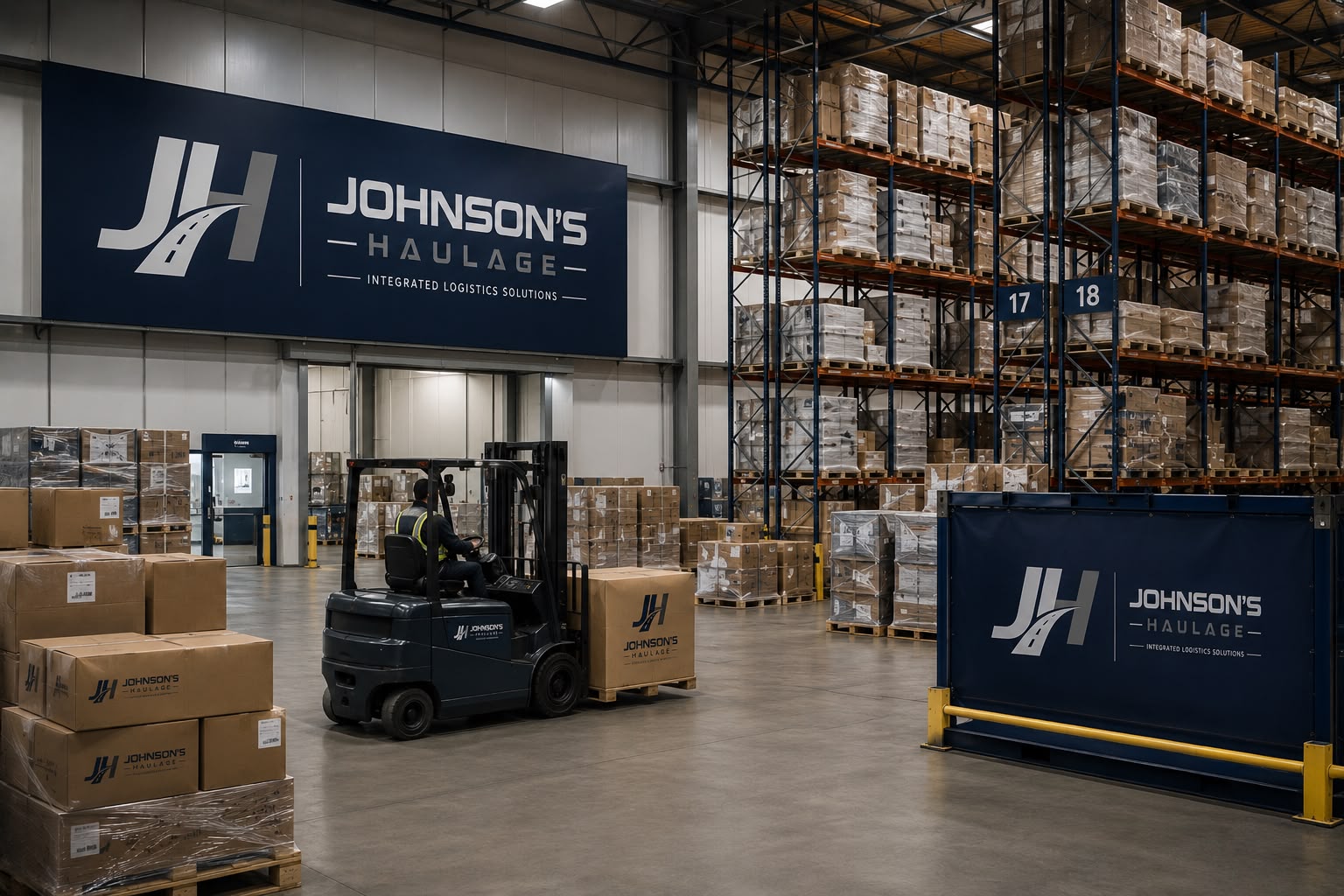
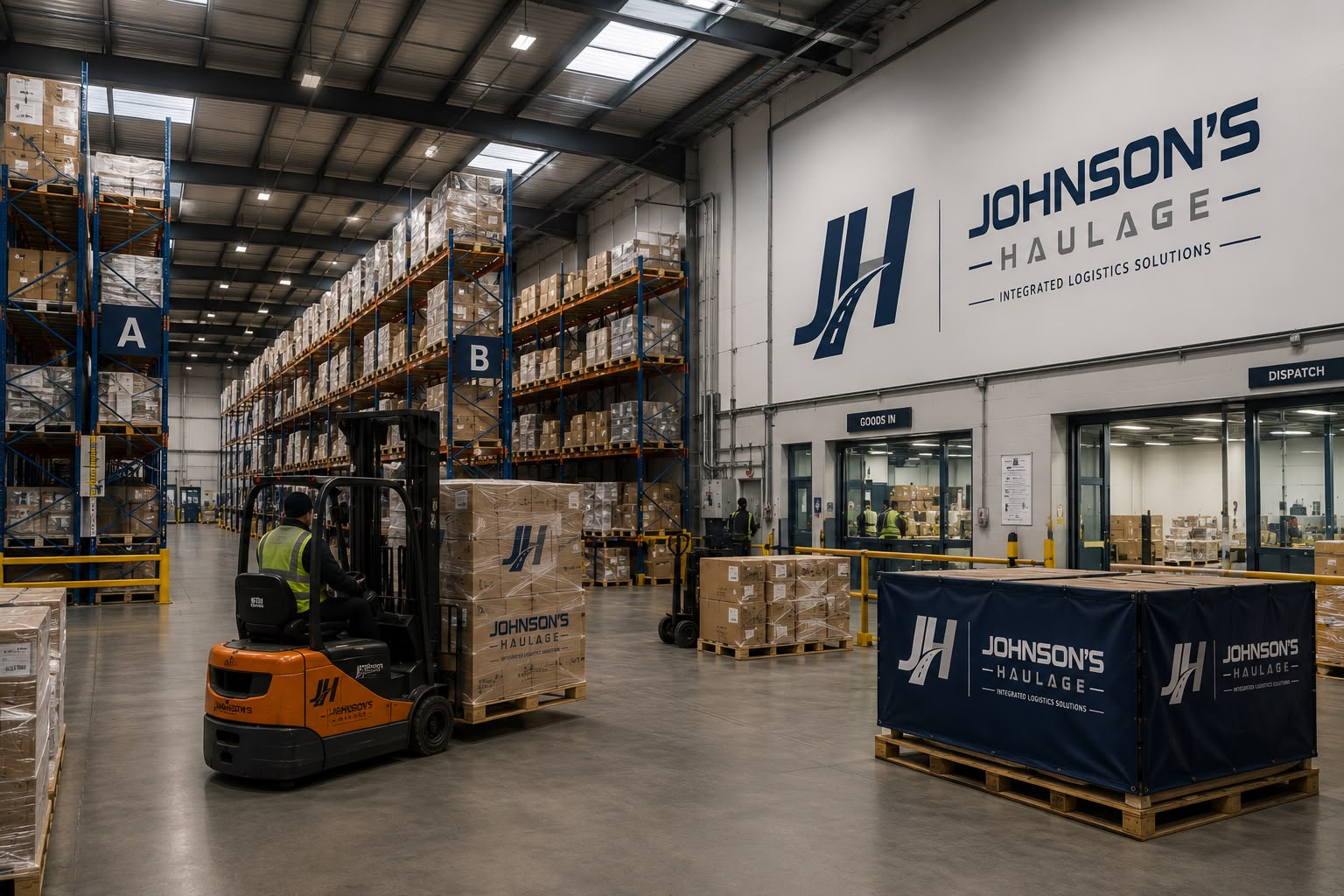
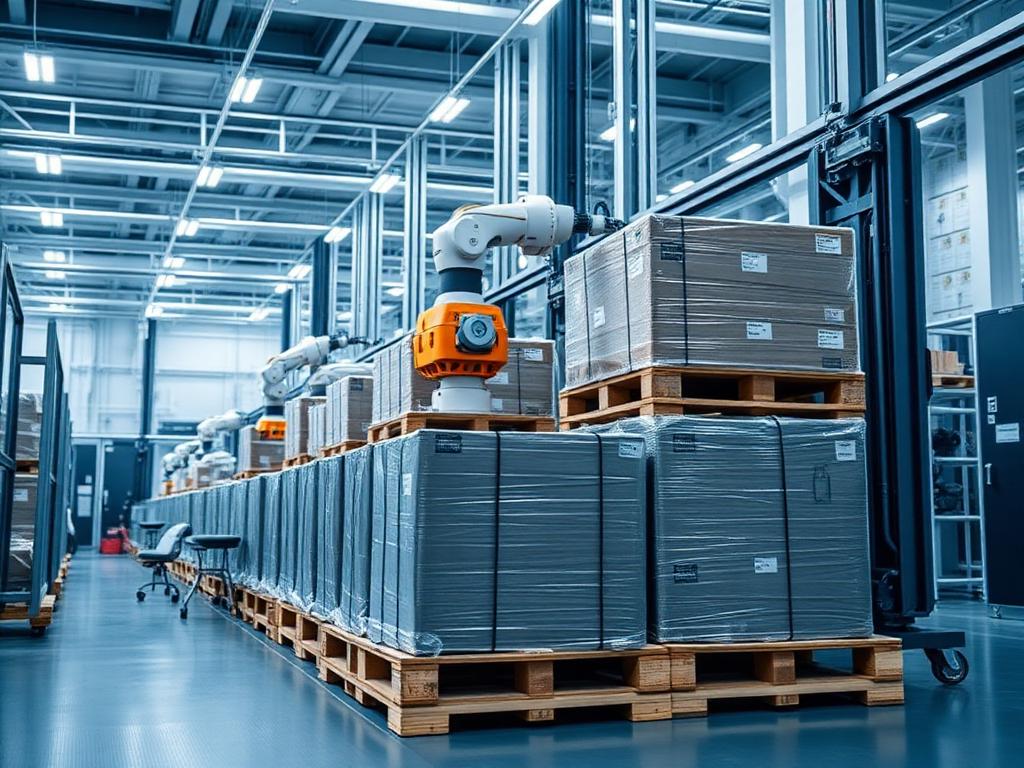
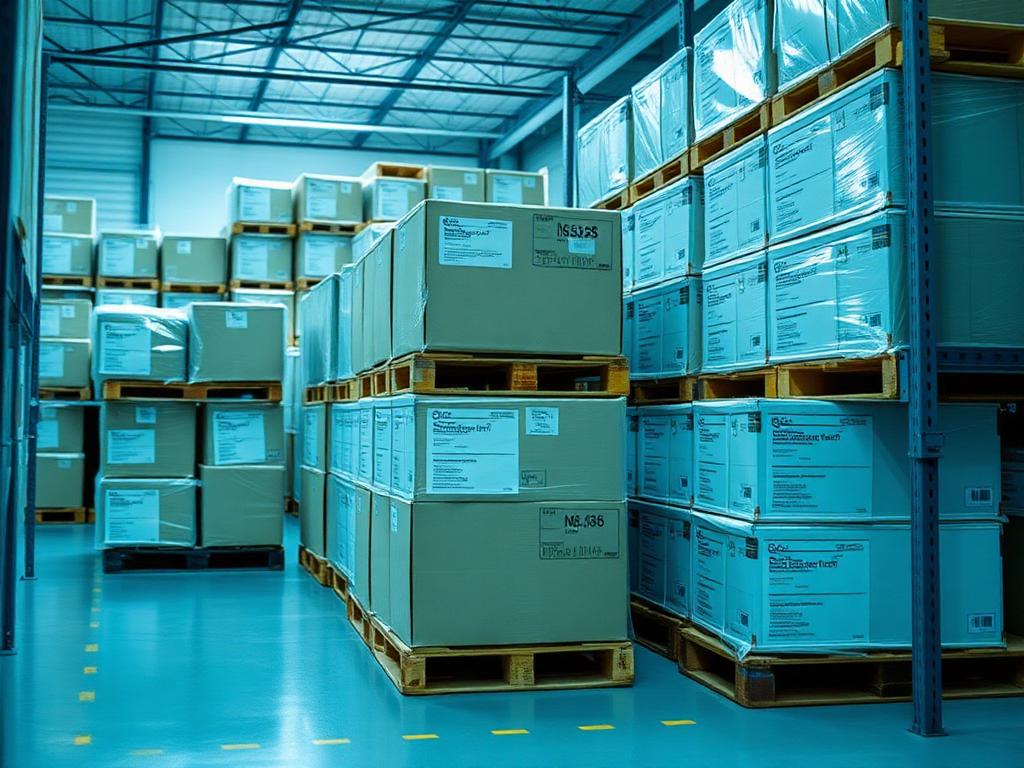
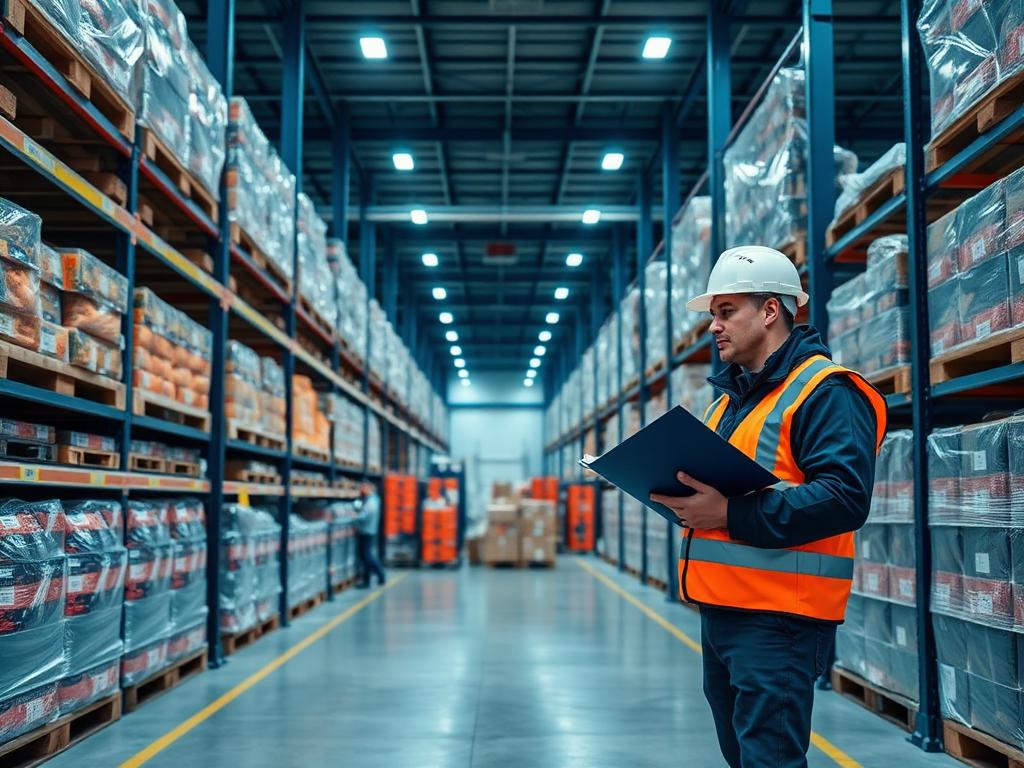
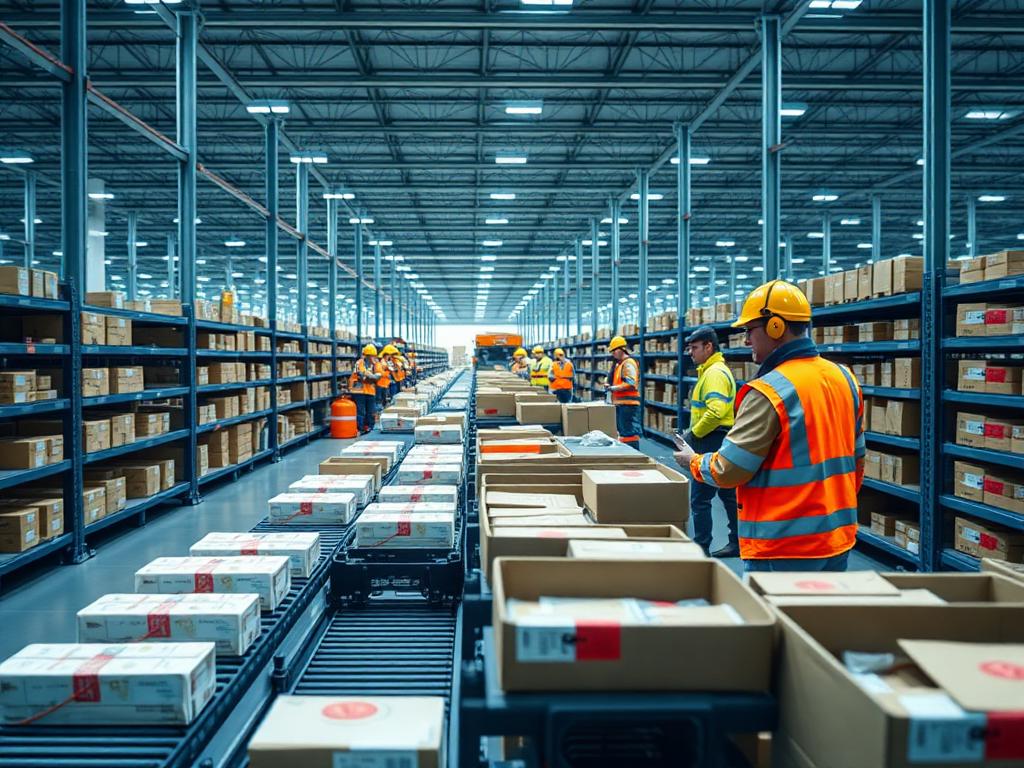
After clearing customs, goods often need to be stored before they reach their final destination. Warehousing provides a buffer in the supply chain, allowing businesses to hold stock closer to their customers. Contract logistics providers can manage this process, offering services such as de-vanning containers, palletising loose cargo, and inventory management.
The final-mile distribution is the last step in the import freight process. This involves transporting the goods from the port or warehouse to the end-user. Whether this requires a same-day dedicated van for urgent parts or a pallet distribution network for commercial stock, this stage must be handled with precision. Efficient UK road freight ensures that the time gained during the international leg isn't lost during local delivery.
Conclusion and Next Steps
Importing goods into the UK involves a series of interconnected steps, from choosing the right transport mode to ensuring full compliance with HMRC regulations. By understanding the roles of documentation, Incoterms, and customs clearance, you can build a more resilient and cost-effective supply chain. Professional management of these stages reduces risk and allows you to focus on your core business operations.
If you are planning your next shipment or need assistance with international freight forwarding in the UK, the team at Johnson’s Haulage is here to help. We can manage your transport requirements through our extensive partner network, ensuring your goods are moved efficiently and safely. Contact our transport team today on 0161 669 1949 or email info@johnsonshaulage.com to discuss your requirements.
Frequently asked questions
Talk to our team.
Get a tailored quote or speak to our operations team about your transport requirements.