
















Simplifying the Logistics of UK Pallet Shipping
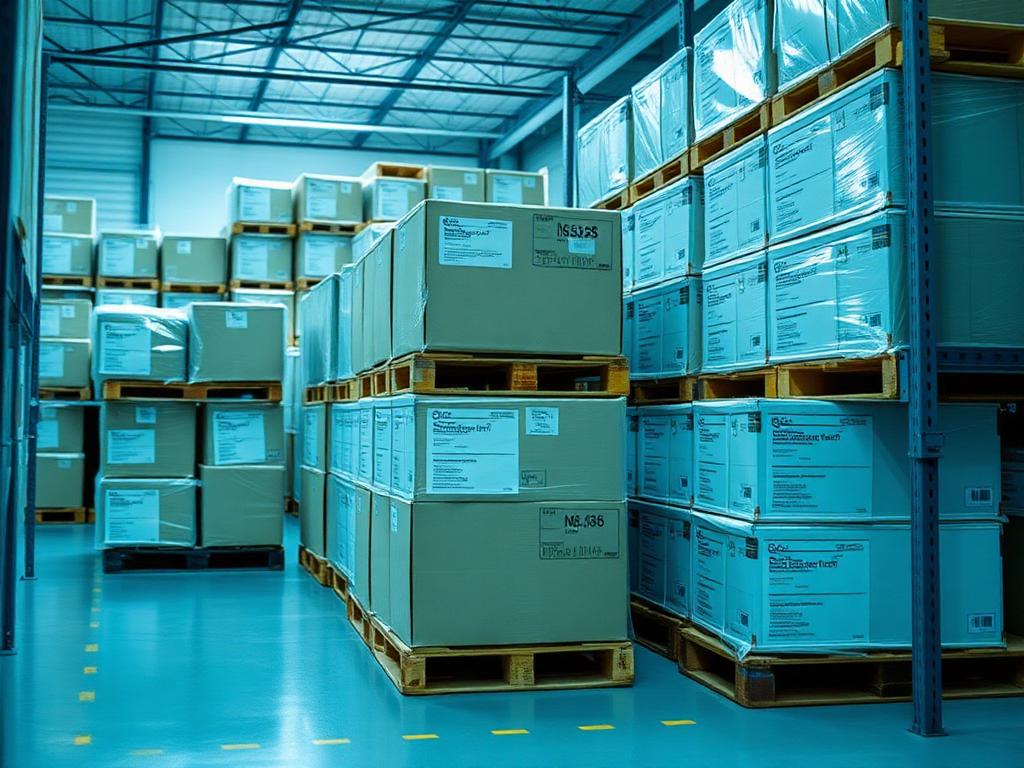
Sending goods on a pallet is the standard method for moving bulk items or heavy machinery across the UK. It offers a level of security and efficiency that individual parcel couriers cannot match. However, the transition from parcel shipping to palletised freight introduces new requirements regarding weight limits, vehicle access, and load stability. Errors at the booking stage often lead to failed collections or surcharges that could have been avoided with better preparation.
For businesses and commercial shippers, understanding the operational mechanics of pallet delivery is vital for maintaining supply chain reliability. Whether you are shipping a single oversized item or managing regular commercial distribution, the process requires a systematic approach. This guide outlines every stage of the journey, ensuring your cargo meets the standards required for safe transit through UK road networks.
1. Selecting the Correct Pallet Type and Size
The foundation of a safe shipment is the pallet itself. In the UK, the most common standard is the UK Standard Pallet (1200mm x 1000mm), while the Euro Pallet (1200mm x 800mm) is also frequently used for domestic movements. Selecting a pallet in good condition is non-negotiable; wood that is cracked, rotting, or has missing base boards will be rejected by most carriers as it poses a safety risk during forklift handling.
Weight distribution is equally important. When you book a pallet delivery, you must choose a category based on the height and weight of the load. While these can vary slightly between networks, the general classifications used by pallet couriers include:
| Pallet Size | Max Dimensions (Length x Width) | Typical Max Height | Typical Max Weight |
|---|---|---|---|
| Full Pallet | 1200mm x 1000mm | 2200mm | 1000kg to 1200kg |
| Half Pallet | 1200mm x 1000mm | 1100mm | 500kg |
| Quarter Pallet | 1200mm x 1000mm | 600mm | 250kg |
Common UK Pallet Dimensions and Weight Limits
2. Preparing and Securing Your Goods
The burden of responsibility for securing the load lies with the shipper. If a load shifts during transit because it was poorly wrapped, the carrier may refuse to transport it or claim indemnity for damages. Goods should be stacked in a 'chimney' fashion where possible, keeping the weight central and avoiding any overhang. Items that overhang the edges of the pallet are highly susceptible to damage and often incur 'oversized' surcharges because they occupy more than one pallet space in the vehicle.
Protective packaging should include edge protectors for fragile items and a significant amount of high-quality stretch wrap. The wrap must be anchored to the pallet base itself and wound tightly around the goods at least three times. This creates a single, unified unit that can withstand the vibrations and centrifugal forces of road transport. For very heavy or awkward items, consider using steel or plastic strapping to bolt the item to the wooden structure.
3. Labelling and Documentation Requirements
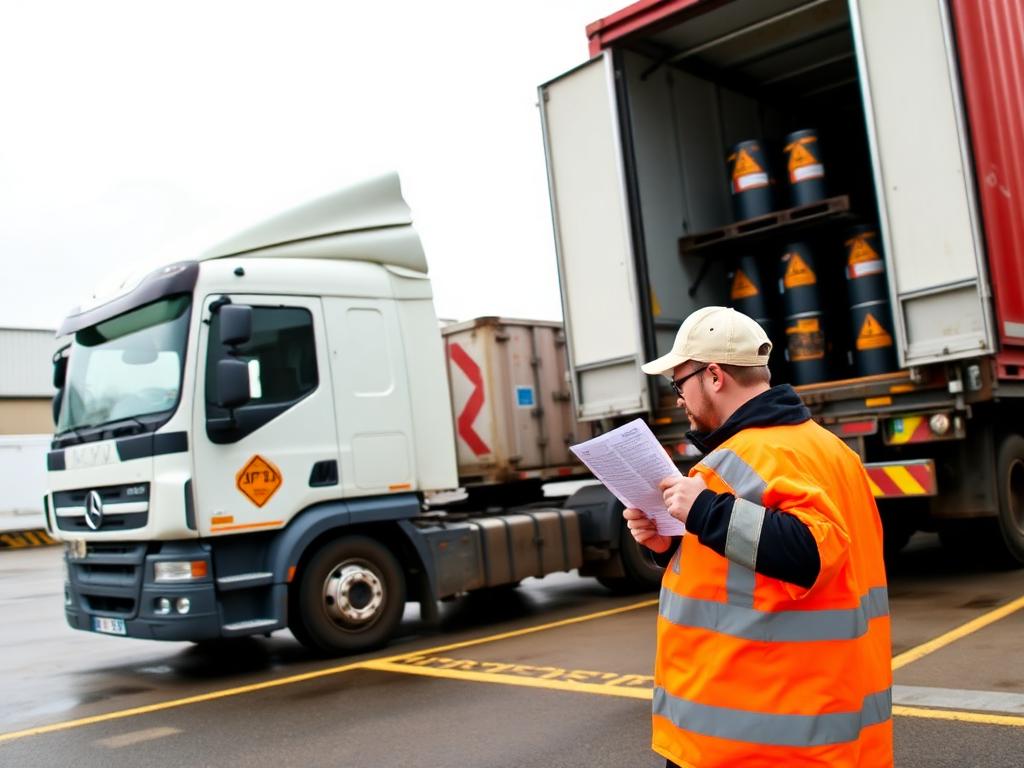
Clear identification is the only way to ensure your pallet reaches its destination without delay. Every pallet should have at least two labels, placed on opposite sides, ideally on the vertical faces rather than the top. Labels should include the full delivery address, a contact name, a telephone number, and the unique tracking number provided during the booking process. If you are shipping hazardous goods, specific ADR (Accord Dangereux Routier) labelling is required by law to inform the driver of the risks involved.
Documentation varies depending on the nature of the goods. For standard UK road freight, a standard delivery note or consignment note is usually sufficient. However, if the goods are moving into a bonded warehouse or involve specific commercial contracts, additional paperwork may be necessary. Always ensure the driver signs a Proof of Collection (POC) so you have a record of the goods leaving your premises in good condition.
4. Assessing Collection and Delivery Access
One of the most frequent causes of failed pallet collection is inadequate vehicle access. Most pallet deliveries are performed by Heavy Goods Vehicles (HGVs), often 18-tonne or 26-tonne trucks. If the collection point is on a narrow residential street, has low-hanging trees, or is situated behind a weight-restricted bridge, a standard vehicle will not be able to reach you. You must inform your transport provider if a smaller 7.5-tonne vehicle is required.
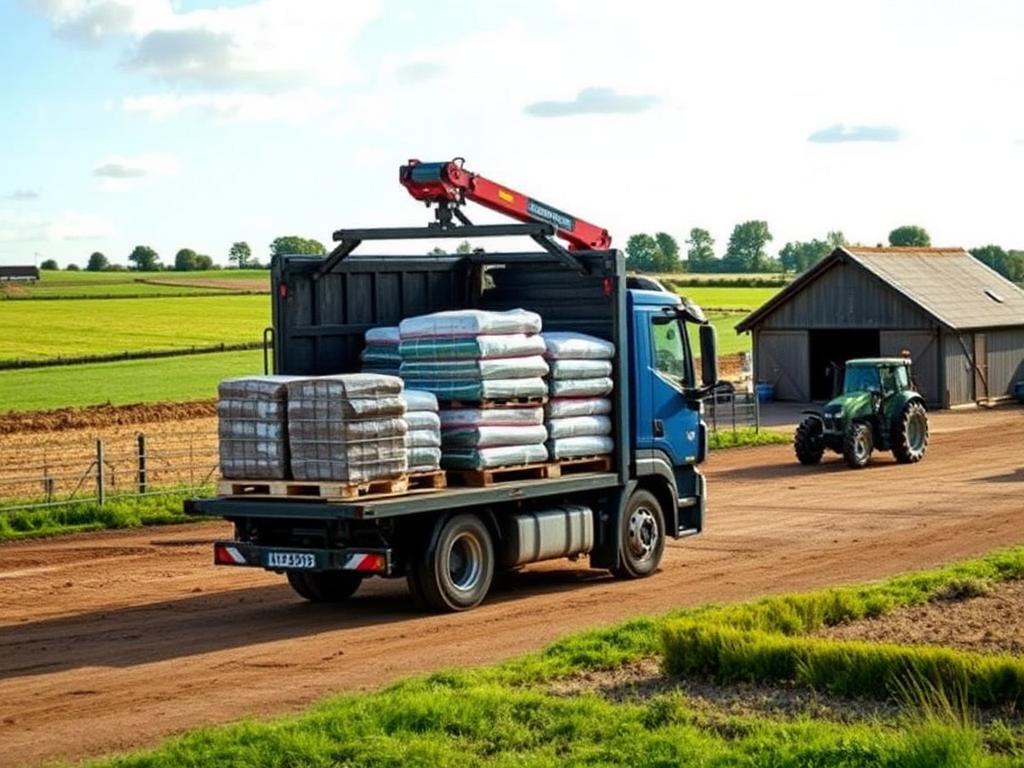
Furthermore, you must consider how the pallet will be loaded. If you do not have a forklift or a loading dock, you must request a 'tail lift' vehicle. This allows the driver to lower a hydraulic platform to the ground. In these instances, the ground must be flat, level, and solid (concrete or tarmac). A pallet truck cannot operate on gravel, grass, or steep inclines. Ensuring these details are correct at the time of booking prevents 'failed call' charges.
5. How Johnson's Haulage Manages Pallet Movements
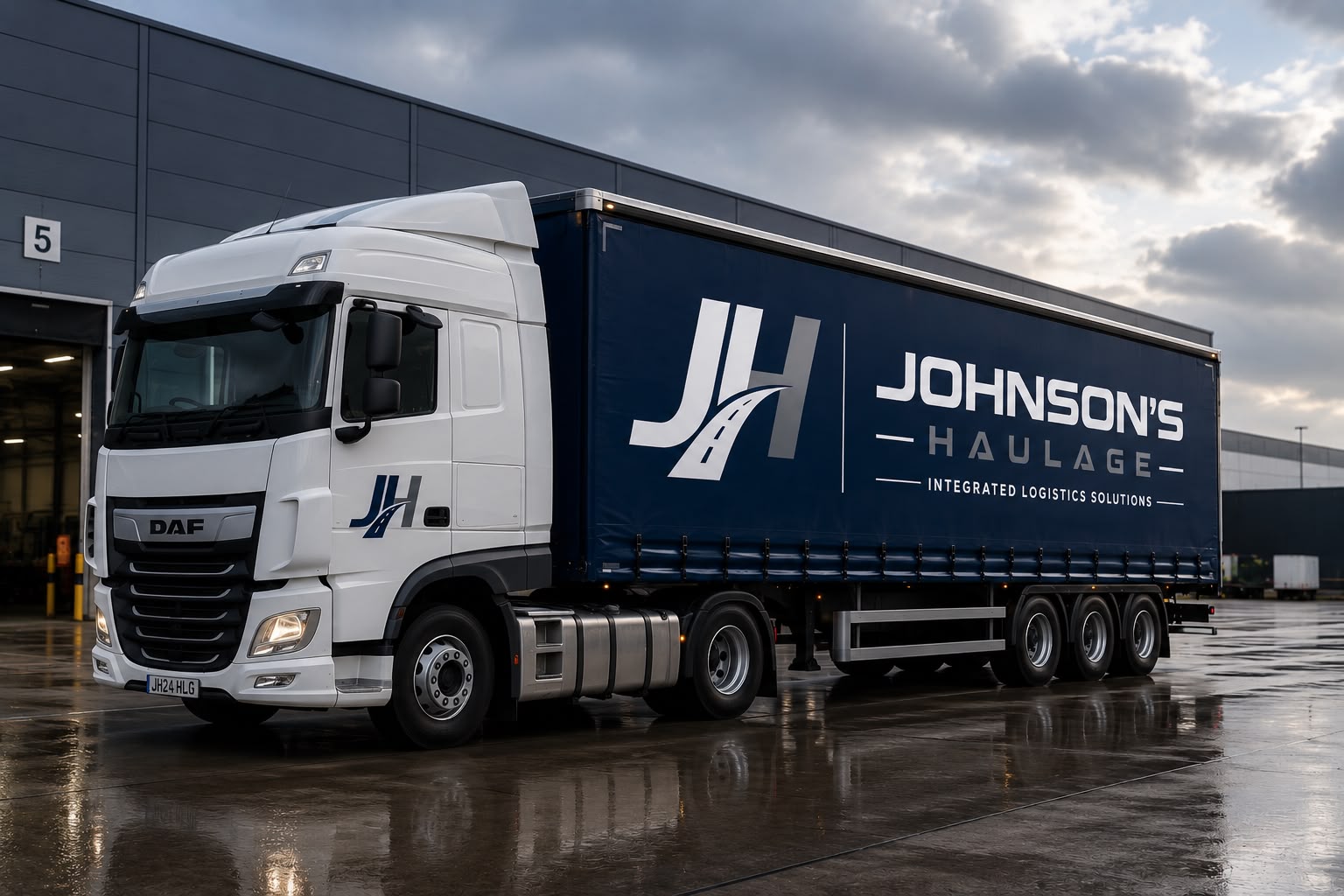
At Johnson's Haulage, we act as the central point of contact for your palletised freight requirements. Based at Houldsworth Mill in Reddish, Stockport, our team does not own a fleet of vehicles; instead, we source capacity through an approved network of assessed carriers. This model allows us to select the most appropriate partner for your specific route, whether you need a single pallet moved across Greater Manchester or a complex commercial distribution project spanning the UK.
We handle the administrative and logistical heavy lifting, from pallet collection to final delivery. Our transport managers oversee the communication between the shipper and the carrier, ensuring that requirements for tail lifts or timed deliveries are clearly communicated. By leveraging a diverse network, we can offer flexibility that single-fleet operators often cannot, providing solutions for standard, same-day, or dedicated transport needs.
6. Booking and Tracking Your Shipment
Once your pallet is wrapped and the access requirements are confirmed, the booking process involves providing accurate weights and dimensions. It is a common mistake to guess these figures, but the DVSA (Driver and Vehicle Standards Agency) regulates vehicle weights strictly. Overloading a vehicle is a serious offence, and carriers will often weigh pallets at their hubs. Discrepancies can lead to the pallet being held until an additional payment is made.
After the booking is confirmed, you will receive a tracking number. Modern pallet distribution relies on a hub-and-spoke model, where your pallet is collected by a local depot, taken to a central hub, and then trunked to a delivery depot. This system is highly efficient but means your pallet may be handled several times. This underscores why robust packaging and clear labelling are so critical to the success of the delivery.
7. The Final Step: Proof of Delivery (POD)
The process concludes once the recipient signs for the goods. A clean signature on the Proof of Delivery (POD) indicates that the goods arrived in satisfactory condition. If there is visible damage to the packaging, the recipient should note this clearly on the driver’s handheld device or paperwork before signing. This is a vital step for any subsequent insurance claims. If a pallet is signed for as 'received in good condition' and damage is discovered later, it becomes much harder to prove carrier liability.
We are currently developing a customer portal to make tracking these movements and accessing PODs even more streamlined. Until then, our team provides manual updates and confirmation of delivery to ensure you remain informed of your shipment’s status. For commercial clients, these PODs are essential for invoicing and completing the supply chain cycle.
Pre-Collection Checklist for Shippers
Before the vehicle arrives for collection, run through this checklist to ensure a smooth handover:
| Action Item | Verification Detail |
|---|---|
| Pallet Integrity | Ensure the pallet is sturdy with no broken or missing boards. |
| Stability Check | Give the load a 'push test' to ensure it does not wobble or lean. |
| Wrapping | Check that the stretch wrap covers the base of the pallet and the top of the goods. |
| Labelling | Ensure labels are clearly visible and not obscured by wrap or strapping. |
| Site Access | Confirm the ground is flat and solid for tail-lift operations if no forklift is present. |
| Documentation | Have the consignment note or delivery note ready for the driver to sign. |
Final Checklist for Pallet Collection
Managing Your UK Pallet Distribution
Sending a pallet requires more preparation than a standard parcel, but when done correctly, it is the most cost-effective way to move large volumes of goods. By focusing on load stability, accurate measurements, and clear communication regarding site access, you can significantly reduce the risk of delays or damage. Success in pallet shipping is built on preparation and choosing the right logistics partner to manage the movement.
If you require assistance with UK road freight, pallet distribution, or commercial logistics, the team at Johnson's Haulage is available to advise. You can request a quote or discuss your specific transport requirements by calling our Stockport office on 0161 669 1949 or emailing info@johnsonshaulage.com.
Frequently asked questions
Talk to our team.
Get a tailored quote or speak to our operations team about your transport requirements.