






















Why preparation matters more than most shippers realise
A large proportion of transport delays and damage claims trace back to preparation issues at the point of collection, not problems in transit. Freight that isn't packaged, labelled or documented correctly can be refused by the driver, delayed at a hub, or arrive damaged — all of which are avoidable with a bit of planning before the vehicle arrives.
Packaging and stacking
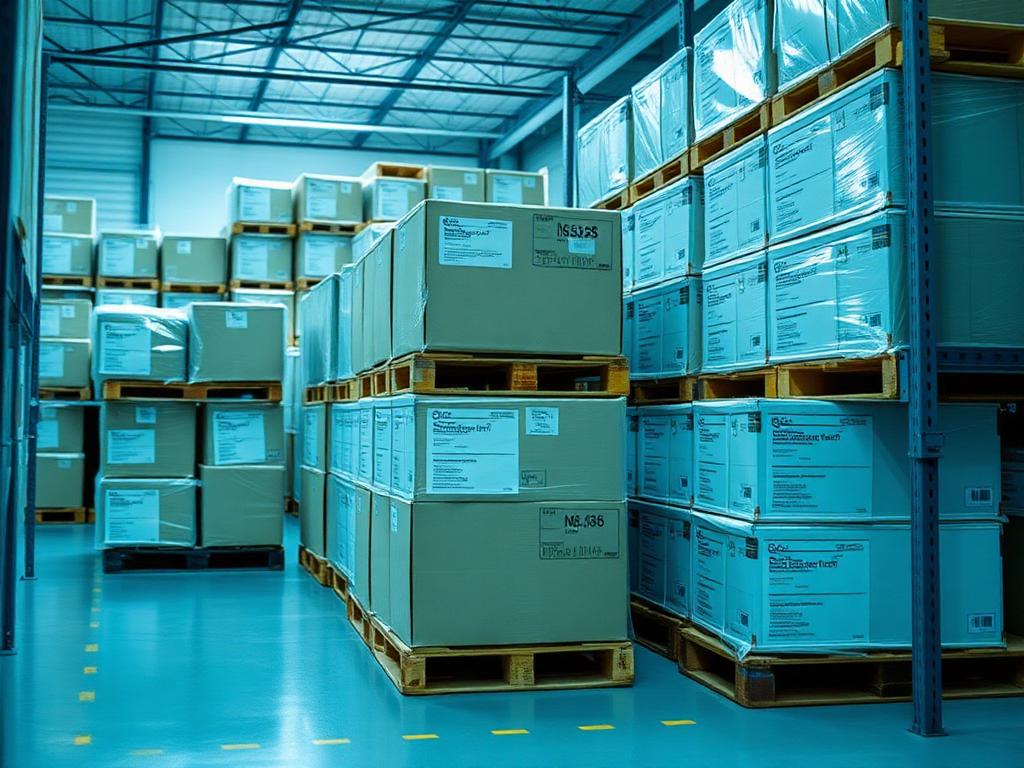
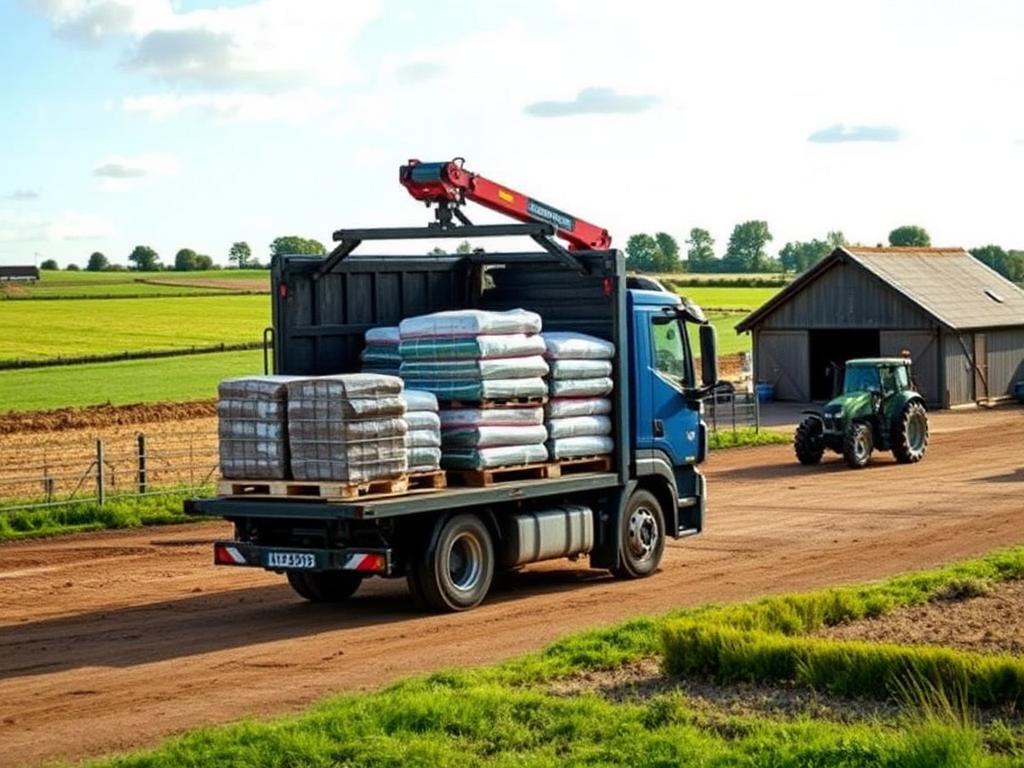
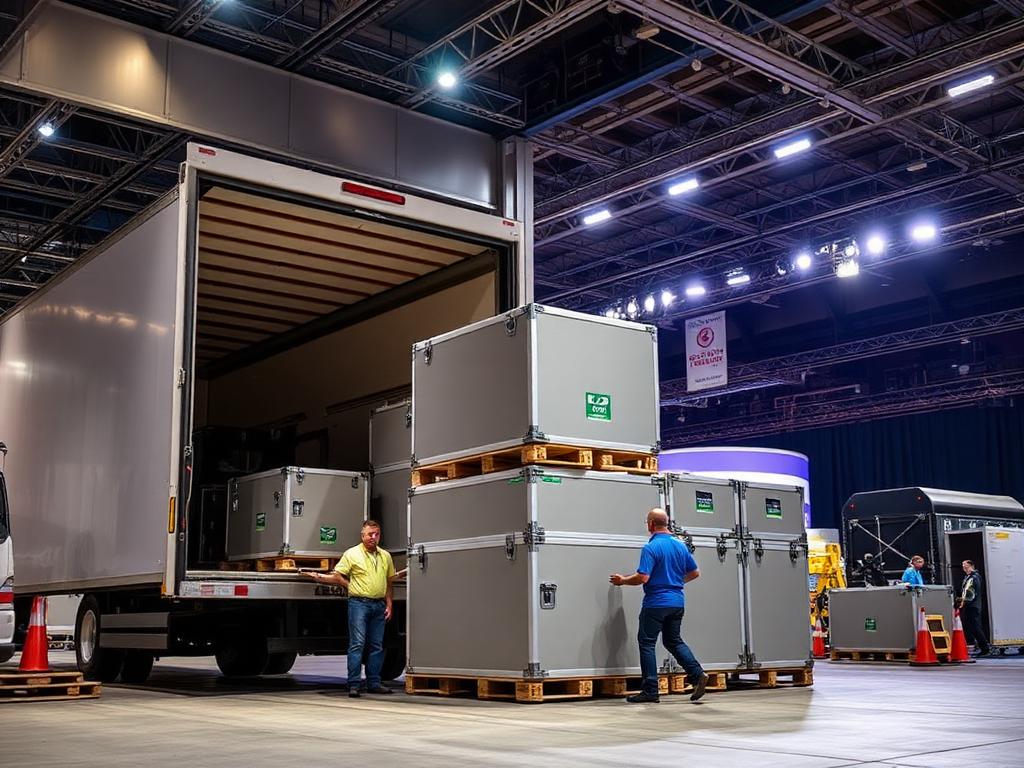
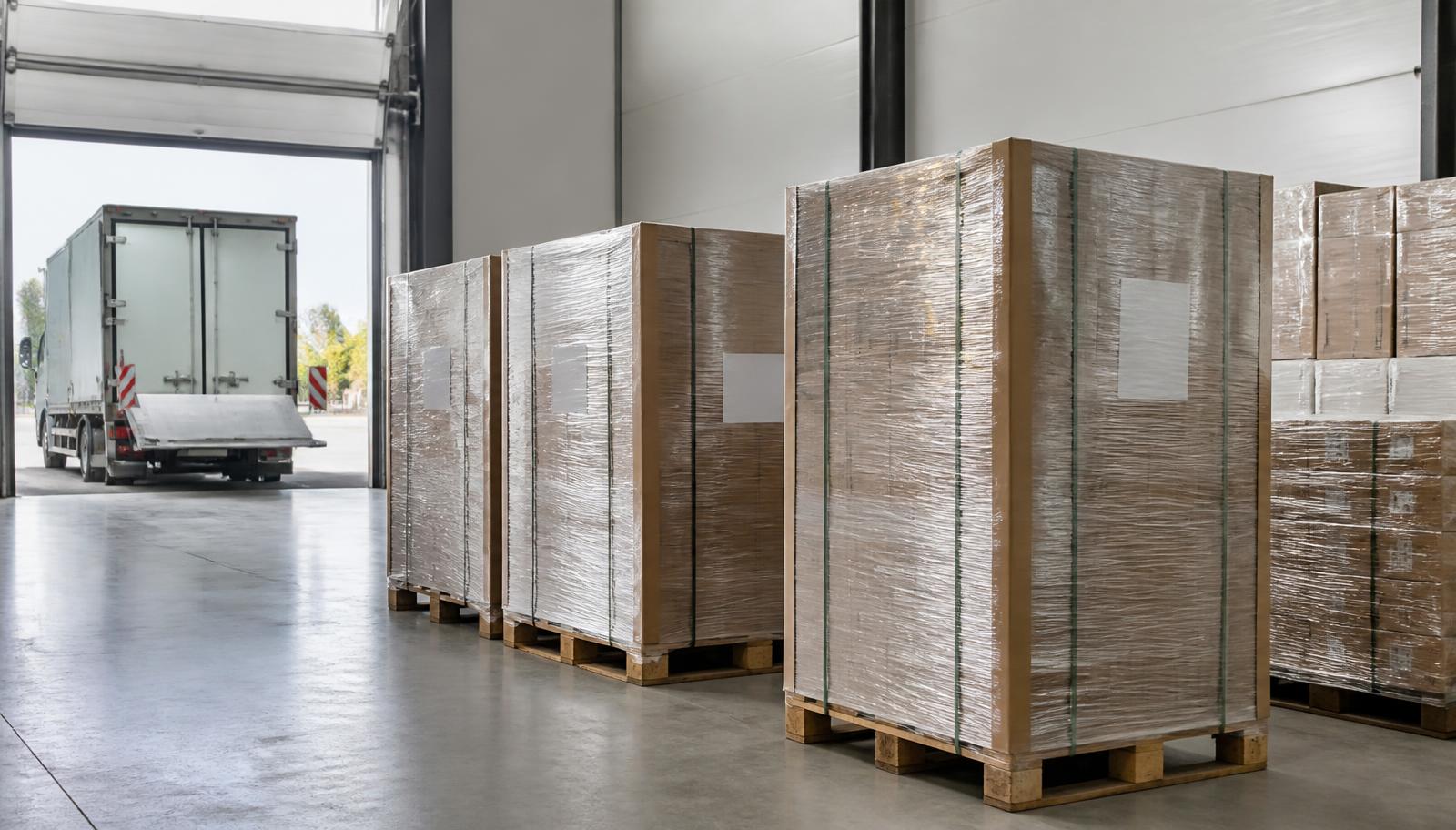
Goods should be packaged to withstand normal handling, including being moved by forklift, stacked with other freight, and transported over UK and European roads. Pallets should be stacked within safe height and weight limits, evenly distributed, and secured with appropriate stretch wrap or strapping so nothing can shift in transit.
- Use a pallet in good condition — no broken boards or protruding nails
- Keep the load within the pallet footprint; overhanging goods are a common cause of damage and rejection
- Wrap securely with stretch film, and strap heavier or taller loads
- Avoid mixed loads of fragile and heavy items on the same pallet unless properly separated
Labelling and documentation
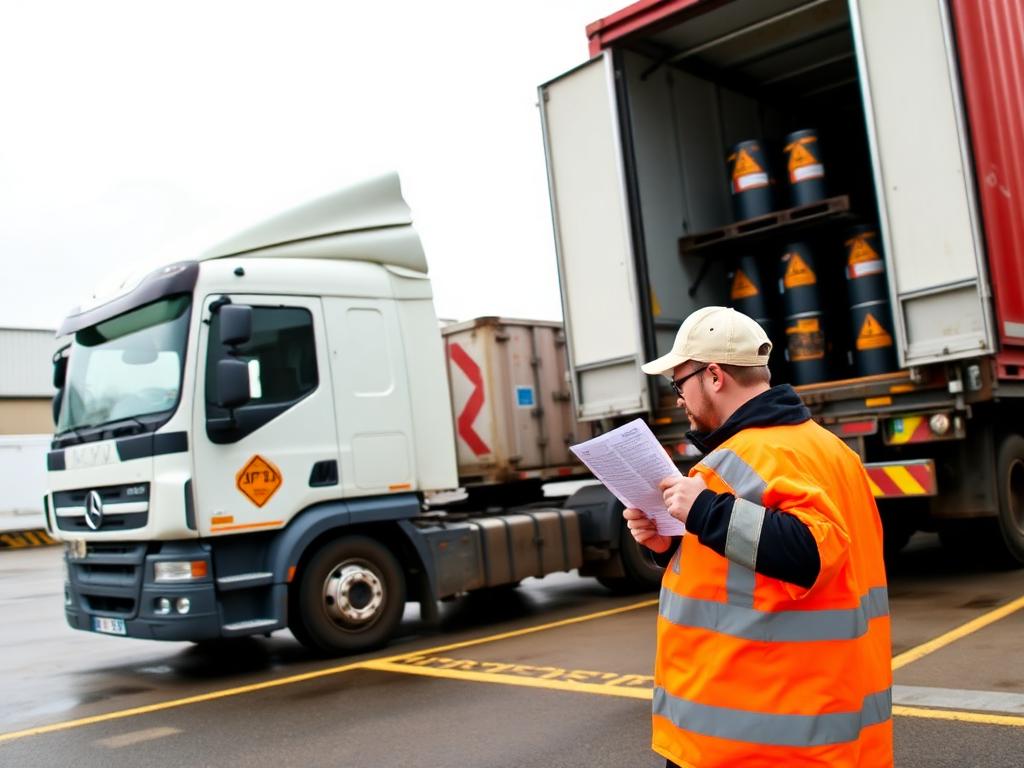
Every pallet or item should be clearly labelled with the delivery address, a reference number matching your paperwork, and any handling instructions (this way up, fragile, keep dry). For international movements, commercial invoices, EORI numbers and any customs paperwork should be finalised and available before the vehicle arrives — last-minute paperwork is one of the most common causes of delay at ports.
Site access and collection logistics
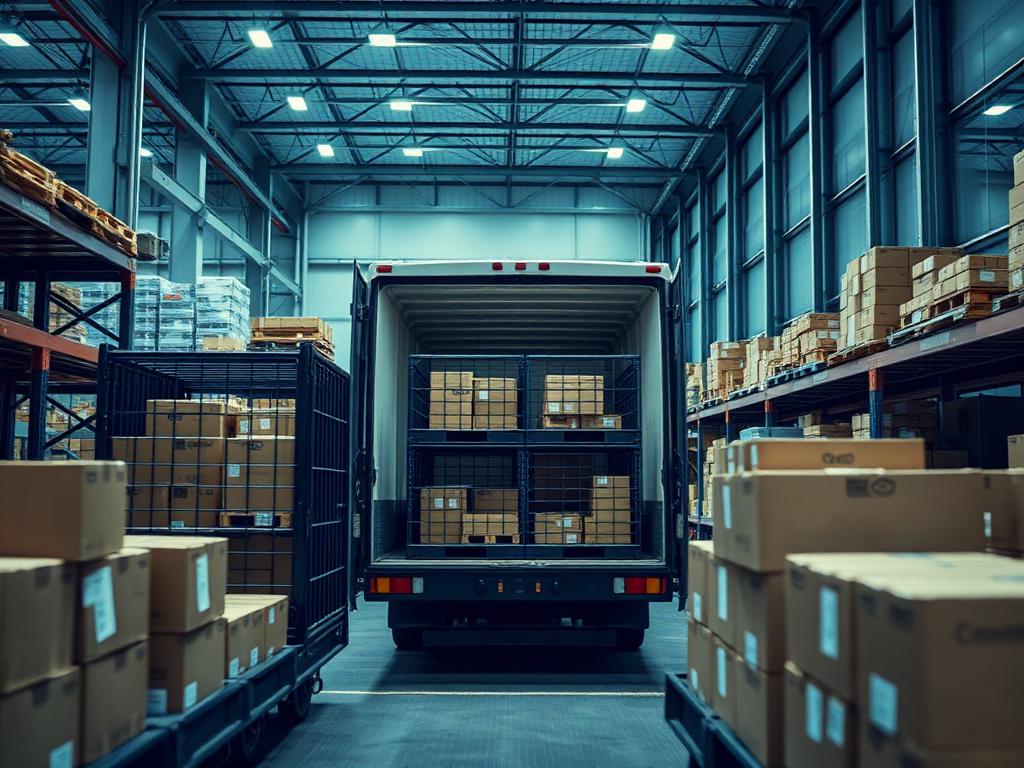
Make sure the collection address, access instructions, loading equipment availability (forklift, dock leveller) and any site-specific requirements (PPE, sign-in procedures, height restrictions) are communicated to your transport provider in advance. A vehicle arriving at a site it can't physically access, or without the right unloading equipment, results in delay and additional cost.
A quick pre-collection checklist
Running through this shortlist before every collection reduces the chance of an issue on the day.
- Goods packaged, wrapped and within safe pallet limits
- Labels clearly attached with address, reference and handling instructions
- All documentation (delivery note, customs paperwork if applicable) printed and ready
- Site access, contact name and loading equipment confirmed with your carrier
- Booking window confirmed and someone available on site to hand over the goods
How we help customers get this right
Our coordination team confirms collection details, access requirements and any special handling needs before a vehicle is booked, and will flag anything that looks likely to cause a problem — such as an oversized pallet or missing documentation — ahead of the collection date rather than on the day. This is part of how we support our road freight and warehousing customers in keeping freight moving smoothly.
Frequently asked questions
Talk to our team.
Get a tailored quote or speak to our operations team about your transport requirements.