



















Start with the right pallet
Use a sound pallet sized to the goods. The UK standard is 1200 x 1000mm, with the Euro pallet at 1200 x 800mm; networks price by these footprints, so a load that fits neatly on one of them is cheaper than an awkward custom base. Check the pallet for split boards, protruding nails and damaged bearers before you build on it — a broken pallet will fail under a forklift and take the load with it.
For exports outside the UK, use ISPM 15 heat-treated timber marked with the IPPC stamp, or a plastic or presswood alternative. Untreated wood is refused at many borders and can strand a consignment in customs.
Stack for stability, not for looks
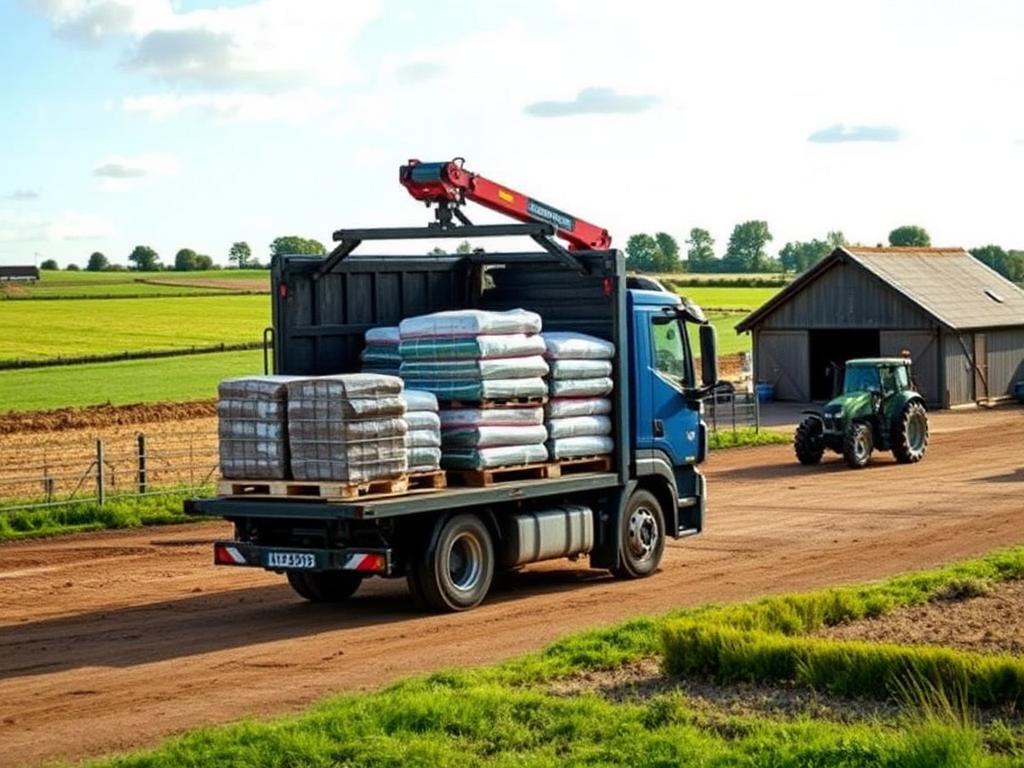
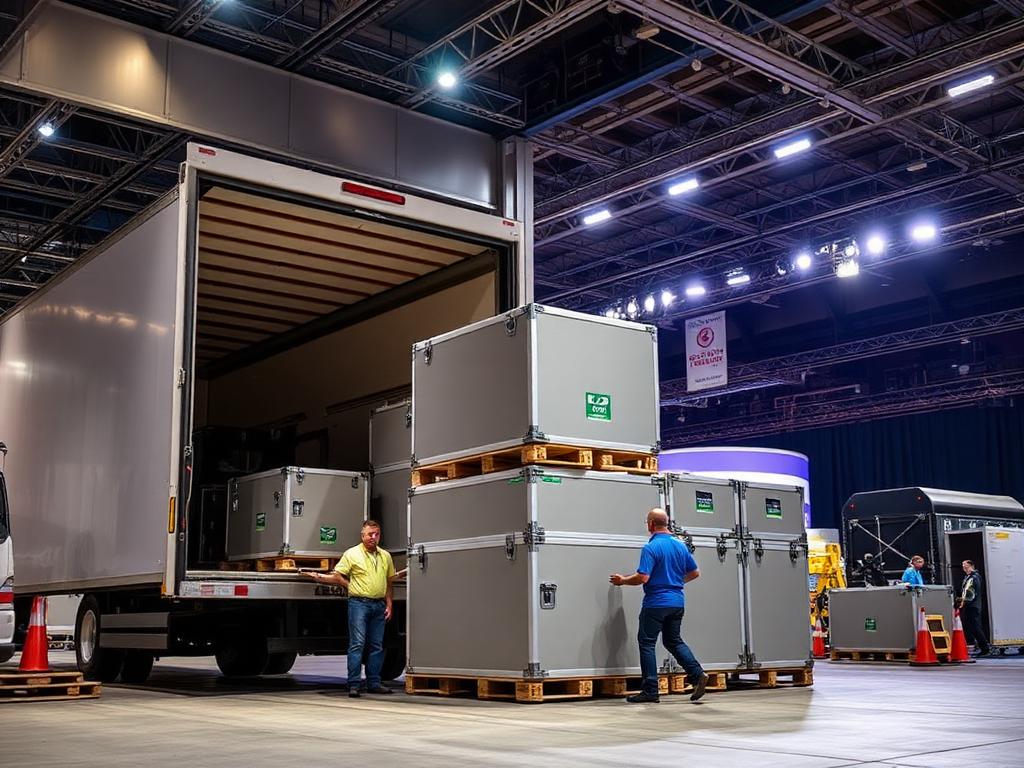
Build a square, column-stable stack that stays inside the pallet footprint. Heaviest and strongest cartons go at the bottom, lighter and fragile items on top. Keep the top surface flat so the pallet can be double-stacked if the network allows it; a domed or uneven top guarantees crushing if anything is placed on it.
Column stacking (boxes aligned corner to corner) carries far more vertical load than brick-style interlocking, but is less stable sideways, so it needs good wrapping. Fill voids with dunnage so nothing can shift, and never let cartons overhang the edges — the overhanging corner is what catches on racking, other freight and forklift tines.
Wrapping and strapping standards
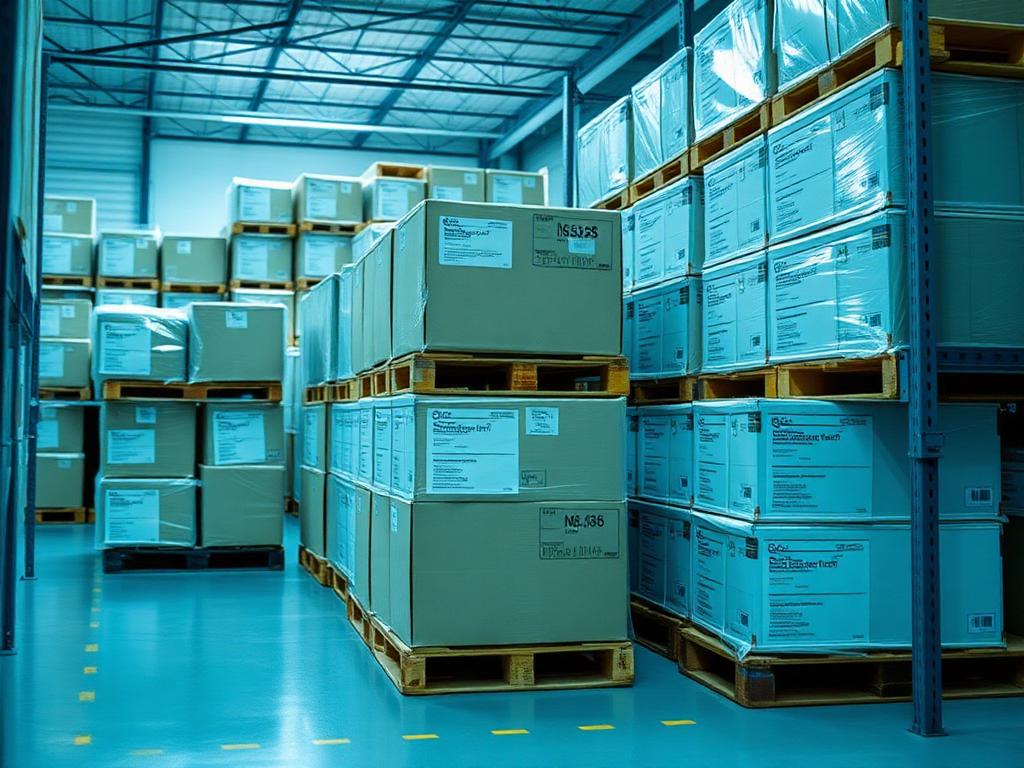
Stretch wrap holds the load together; it does not attach it to the pallet on its own. Start the wrap below the top deck of the pallet and take at least two full turns around the base so the goods and pallet become one unit, then work up and back down with roughly 50% overlap on each pass, applying consistent tension. Three to five layers is typical for a normal load, more for heavy or top-tall stacks.
Add edge or corner protectors on anything with sharp corners or a soft carton edge, and use polypropylene or steel strapping over the wrap for heavy, dense or high-value loads. Strapping resists the forward surge under braking, which is where unstrapped loads usually fail.
Weight, height and network limits
Most UK pallet networks accept up to around 1,000kg per standard pallet and roughly 2.2m in height for a full pallet, with lower limits for half and quarter pallets and for tail-lift deliveries. Distribute weight evenly across the base rather than concentrating it in one corner, and keep the centre of gravity low.
Declare the true dimensions and weight. Hubs re-measure and re-weigh a proportion of freight automatically, and an under-declared pallet is re-rated on the invoice — often at a worse price than if it had been booked correctly.
Labelling and documentation
Apply a clear label to at least two adjacent sides, at a readable height, showing the delivery address, contact name and number, consignment reference and pallet number in the sequence (for example 1 of 3). Remove or cover old labels and barcodes; conflicting labels are a common cause of misrouted pallets.
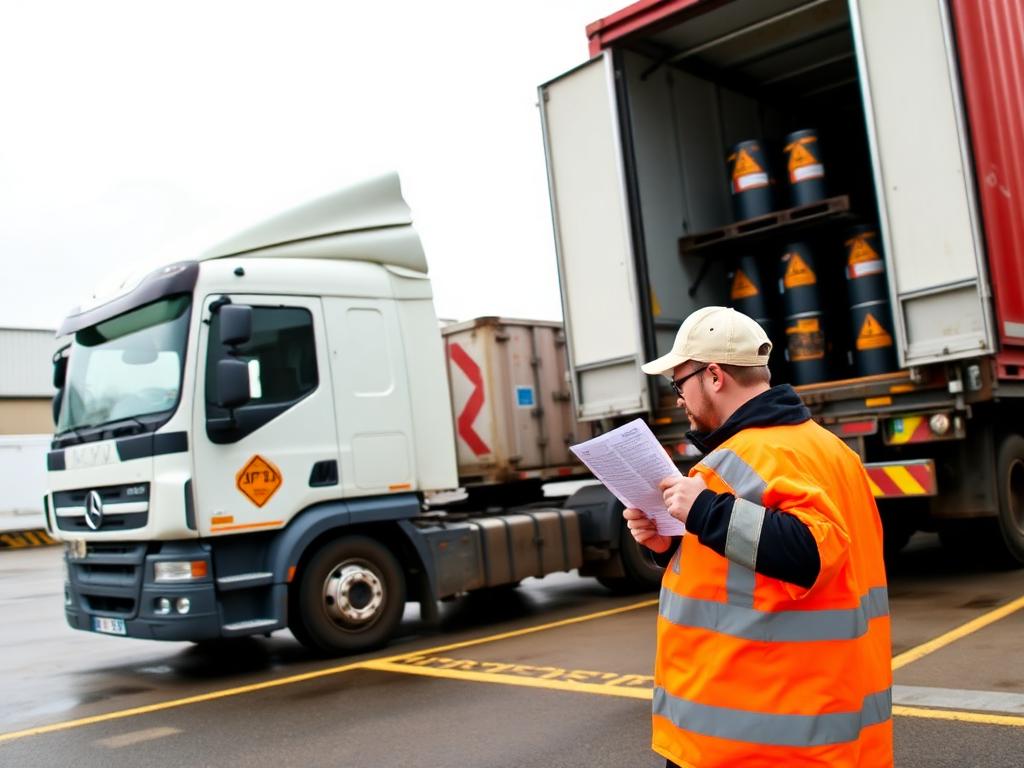
Mark fragile, this-way-up or do-not-stack loads clearly and tell the carrier at booking, because a 'do not stack' pallet occupies more space and must be planned for. Hazardous goods require correct UN classification, packaging and paperwork before collection.
Common causes of damage claims
In our experience, most damage claims trace back to four things: overhang, insufficient or poorly tensioned wrap, heavy items stacked on light ones, and pallets built on a broken base. All four are fixed at the point of packing, for a few pounds and a few minutes.
Photograph each finished pallet before collection. Combined with a signed proof of delivery, a timestamped photo is the strongest evidence you can have if you ever need to raise a claim, and claim windows in transport are short — usually a matter of days for visible damage.
Need a hand with palletising?
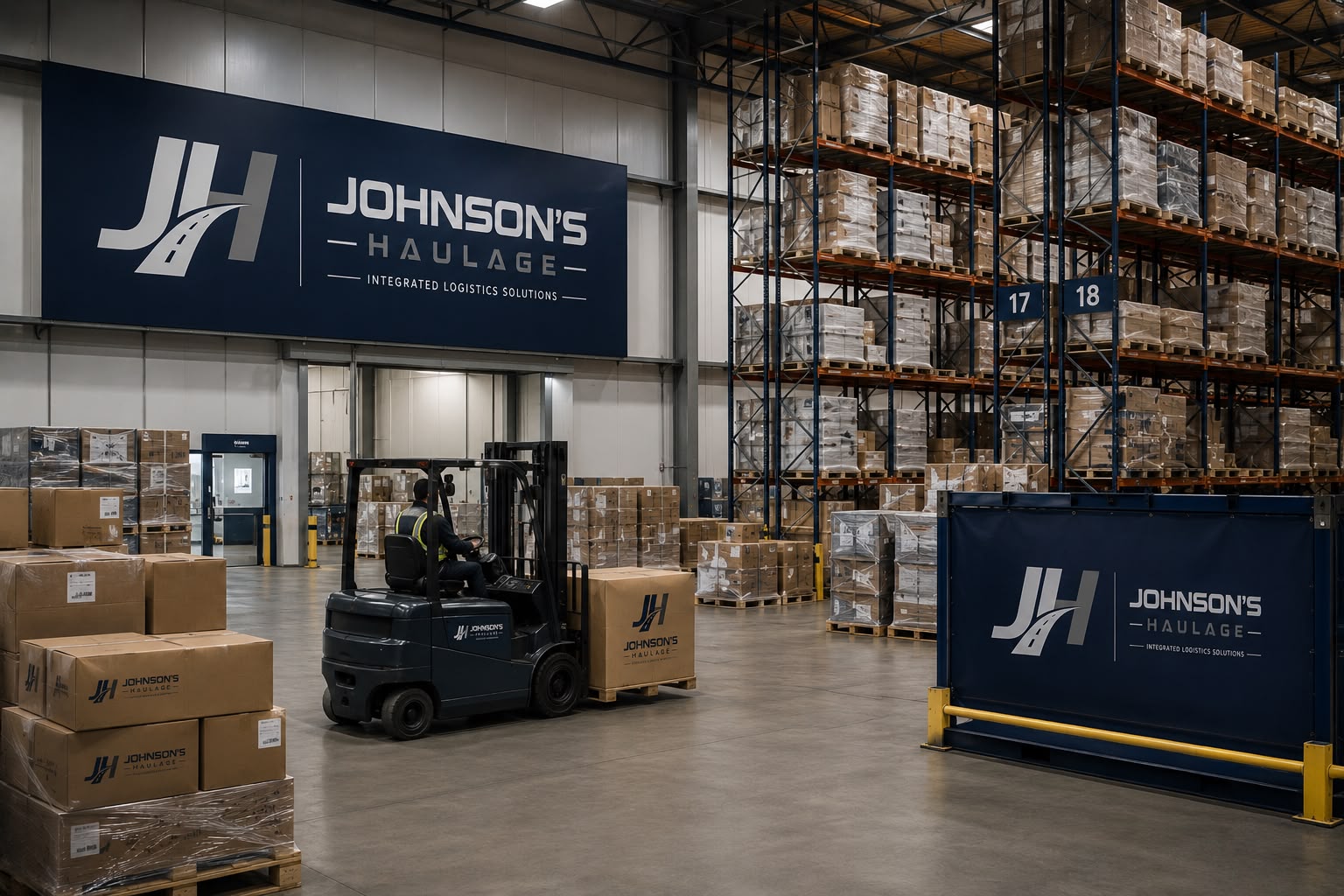
Our warehousing team can receive, palletise, wrap and label goods on your behalf before they enter the network, which is often the simplest answer for businesses without a forklift or packing bench.
Call 0161 669 1949 or email info@johnsonshaulage.com to talk it through (Mon–Fri 08:00–17:30).
Frequently asked questions
Talk to our team.
Get a tailored quote or speak to our operations team about your transport requirements.