











The basic mechanics of a pallet network
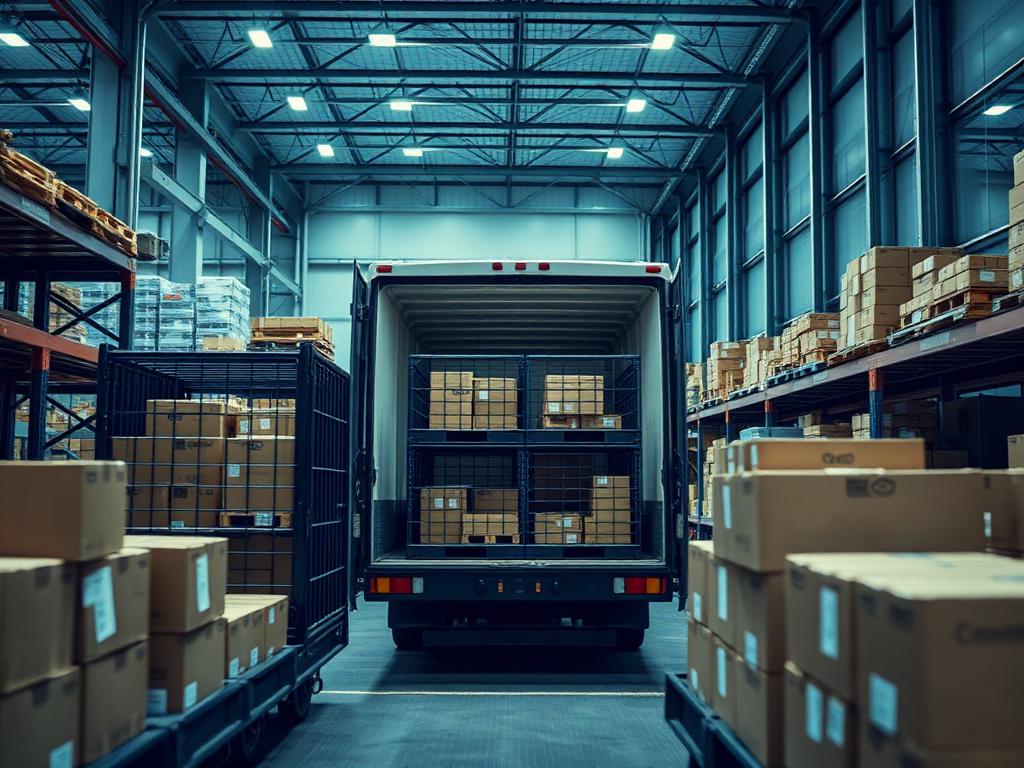
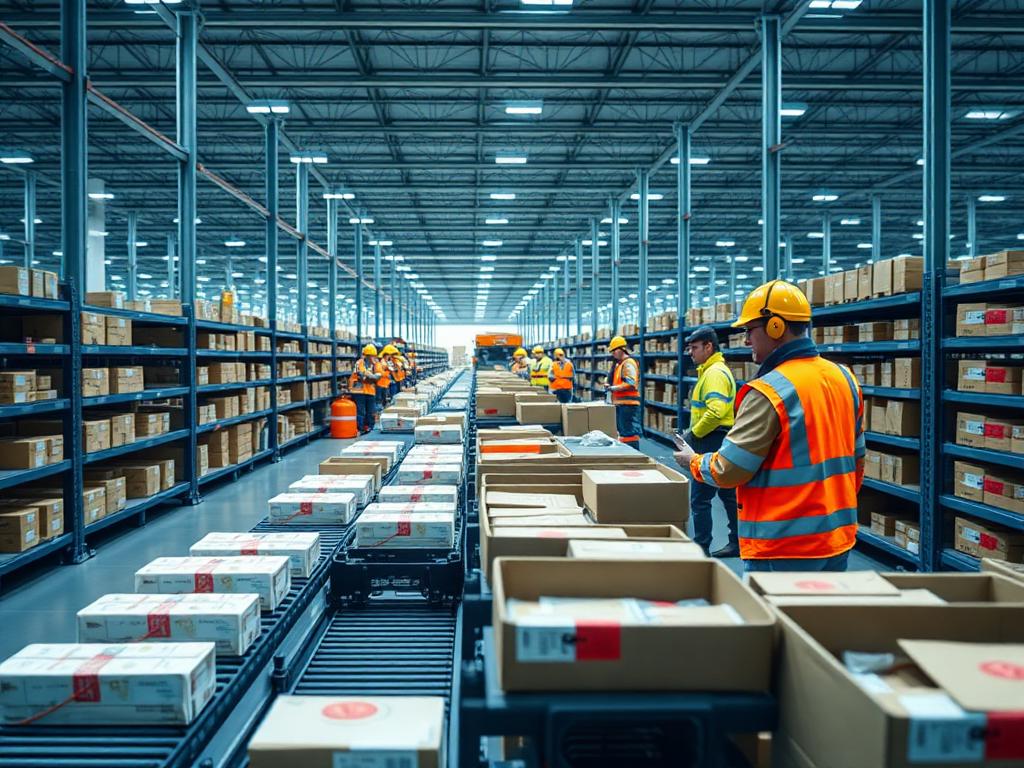
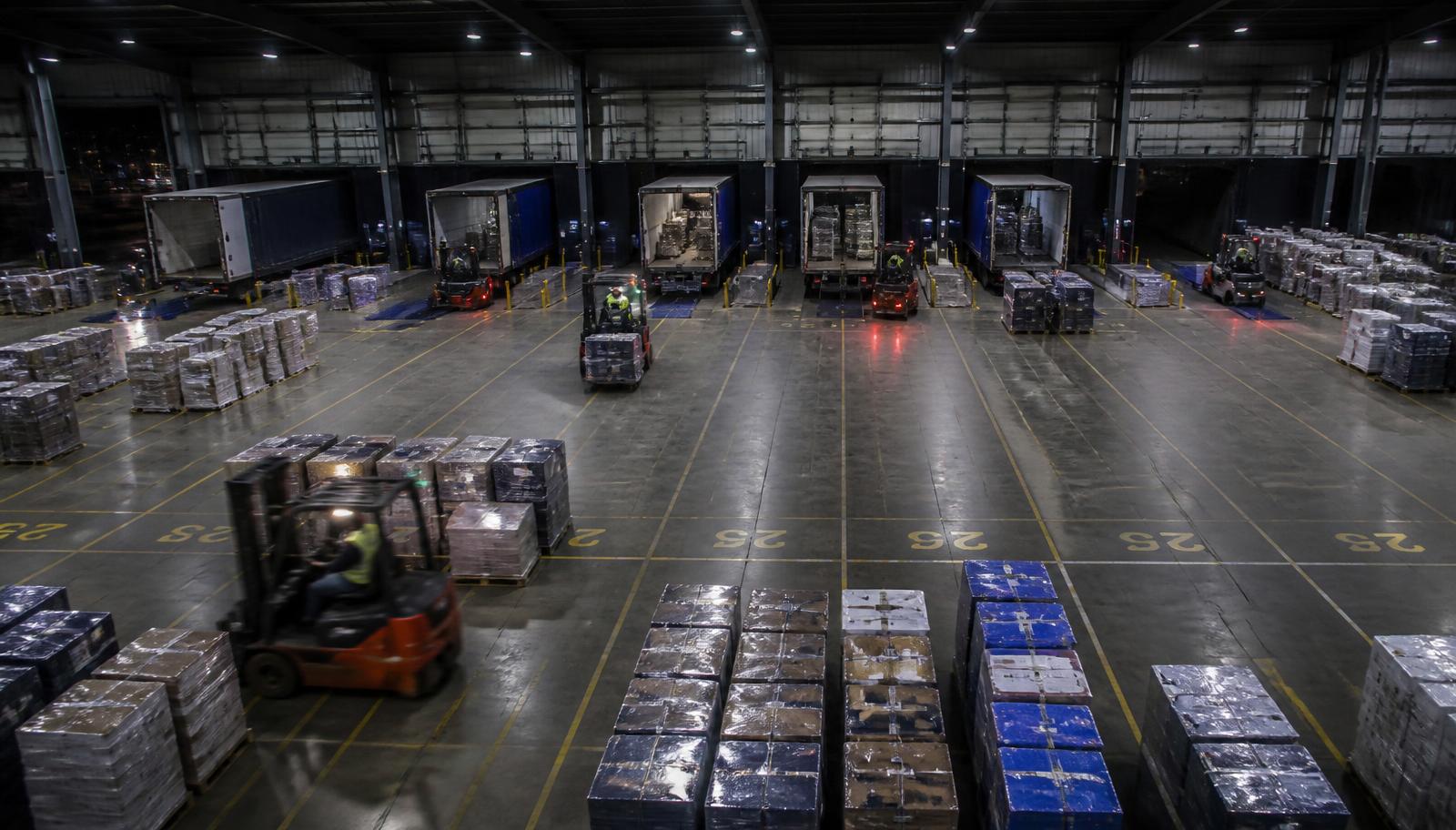
A pallet network operates on a hub-and-spoke model. A local carrier collects your pallet and takes it to a regional hub, where it's consolidated with pallets from many other customers heading in a similar direction. Overnight, trunking vehicles move consolidated loads between hubs, and the following morning, local carriers at the destination hub break the load down and deliver each pallet to its final address.
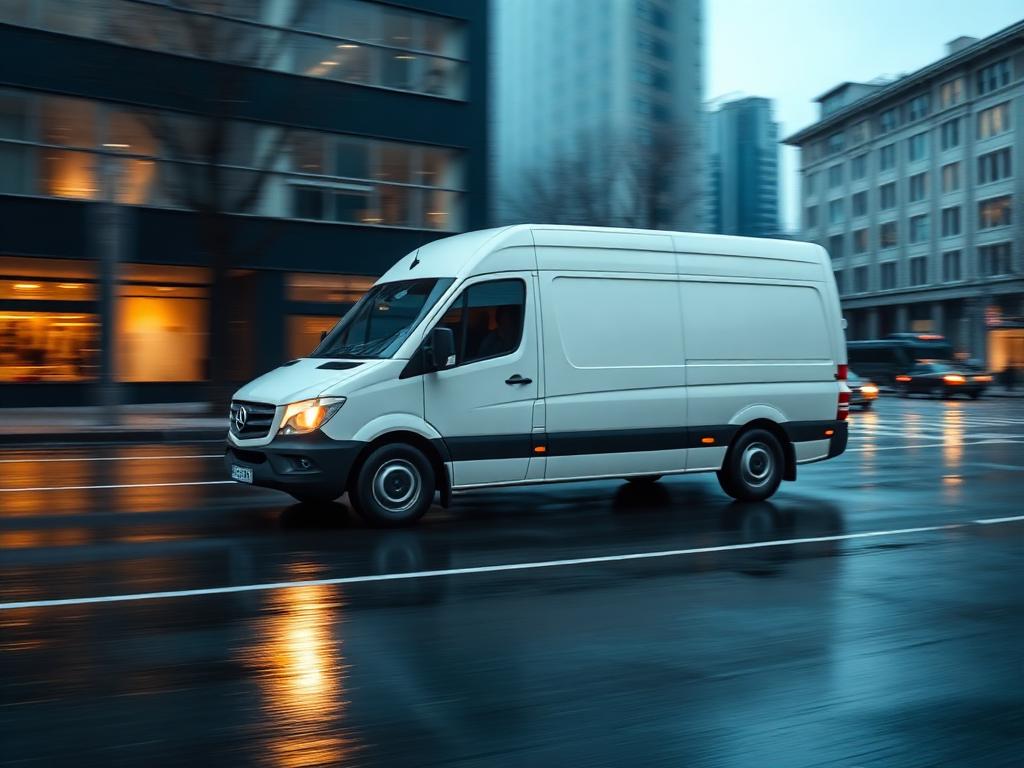
This is fundamentally different from a dedicated vehicle, which travels directly from collection to delivery carrying only your freight. The trade-off with a pallet network is that you share vehicle space (and therefore cost) with other shippers, in exchange for slightly less direct routing and one or two additional handling points.
Why this model is cost-effective
Because you're only paying for the space your pallets take up on a shared vehicle, rather than chartering an entire vehicle for your own freight, pallet networks are typically the most cost-effective way to move low-to-medium volumes to multiple UK destinations. Most UK pallet networks offer next-day delivery to the majority of UK postcodes as standard, with economy or timed options available depending on urgency.
What happens to your pallet along the way
Understanding the journey helps set realistic expectations, particularly around packaging and handling.
- Collection — a local vehicle collects from your site, usually within a booked morning or afternoon window
- Hub consolidation — your pallet is scanned and sorted alongside other freight heading in the same direction
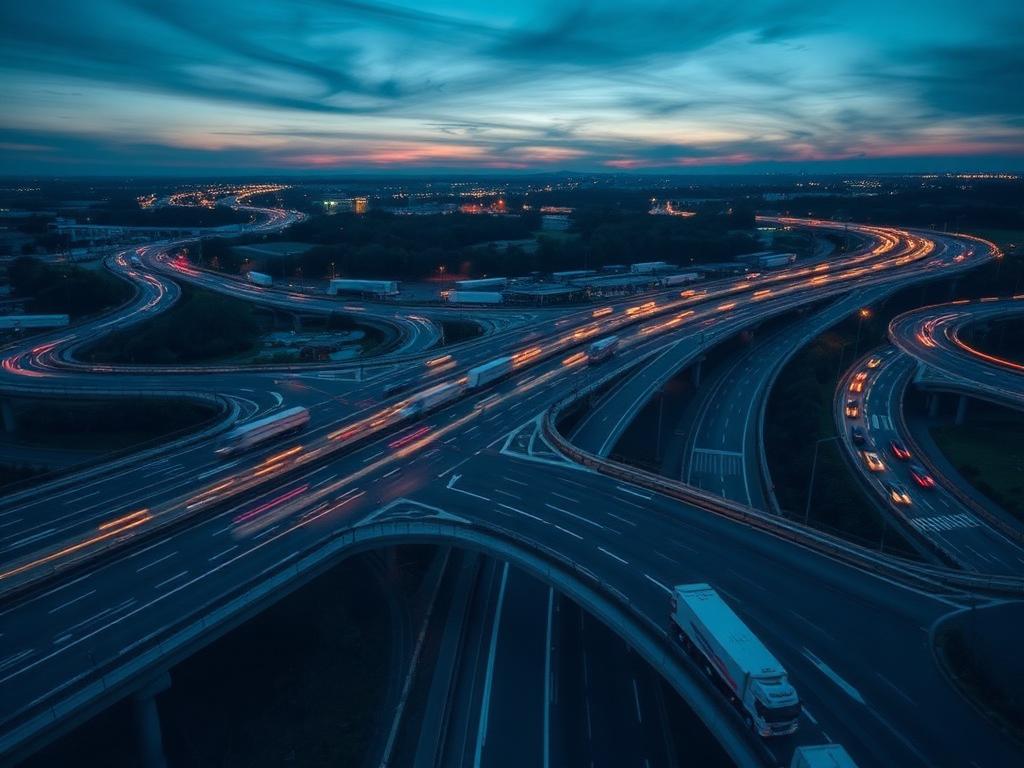
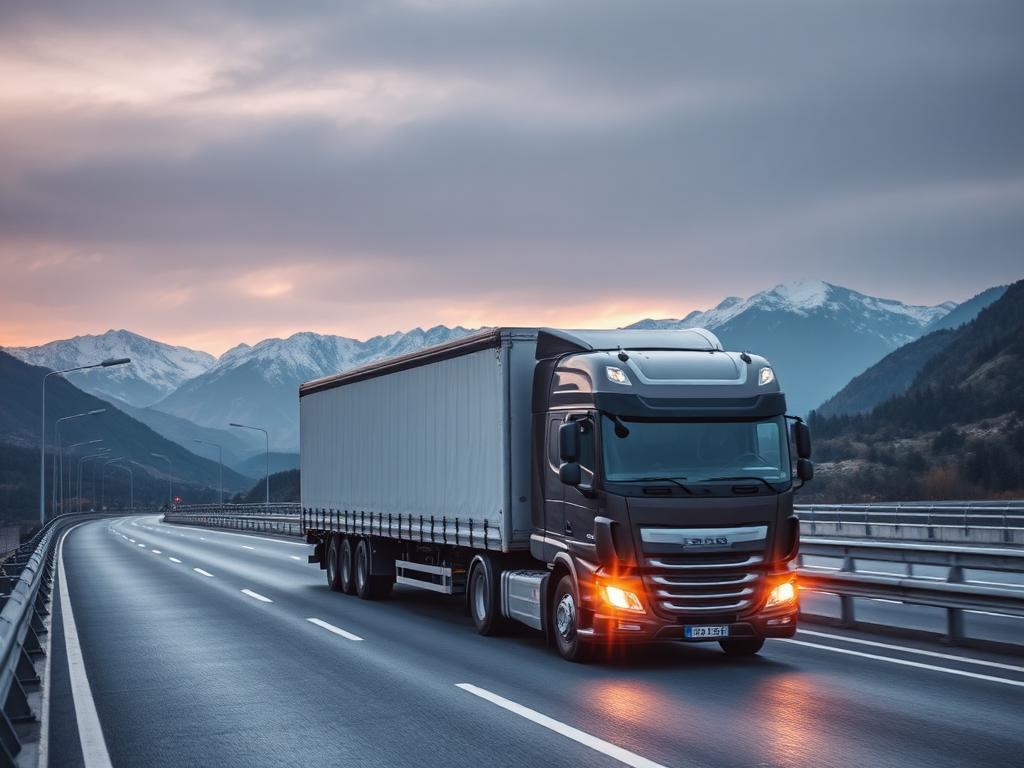
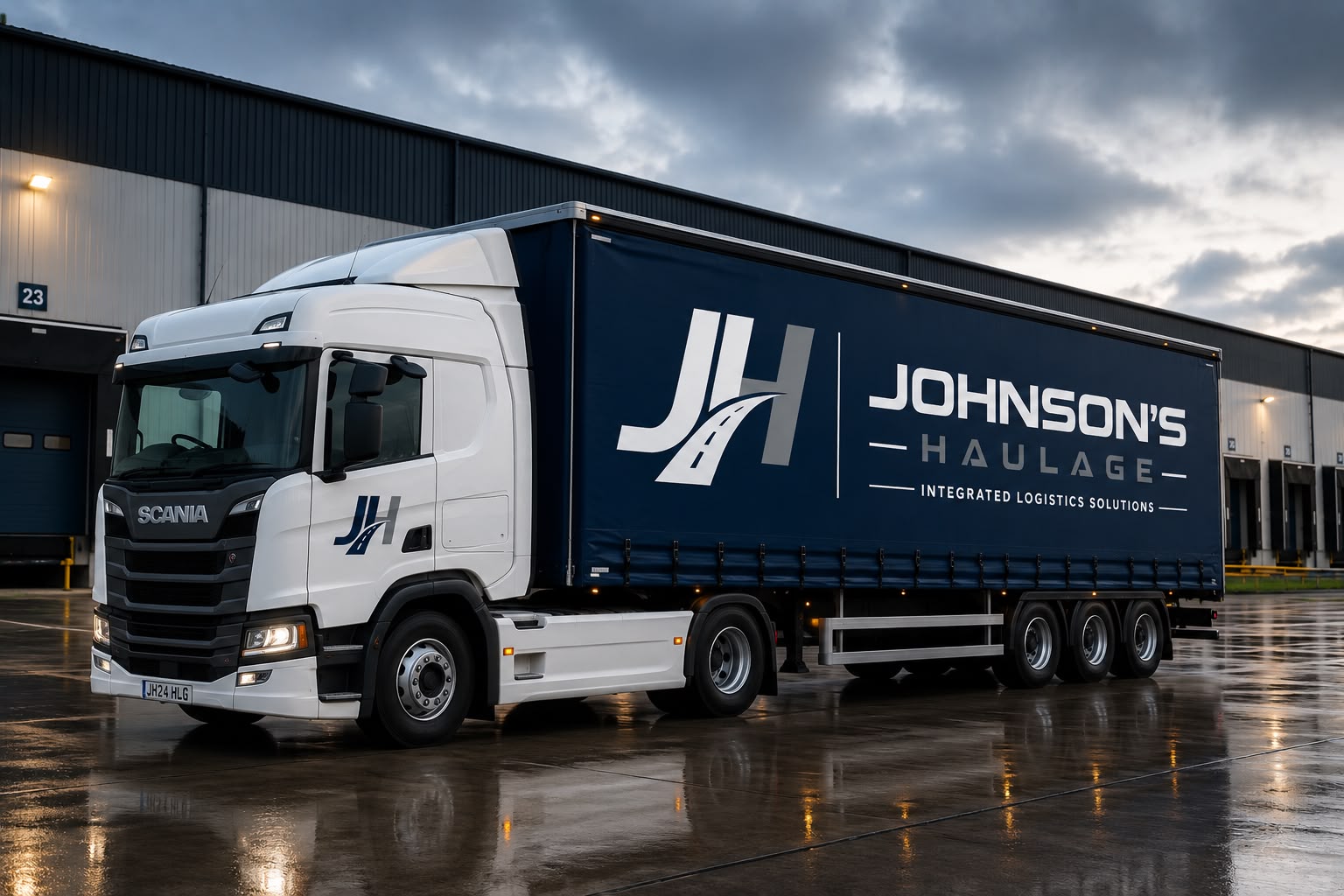
- Overnight trunking — a larger vehicle moves consolidated freight between regional hubs
- Destination hub sort — your pallet is separated out for local delivery
- Final delivery — a local vehicle delivers to the destination address, typically the next working day
Packaging and labelling matter more in a shared network
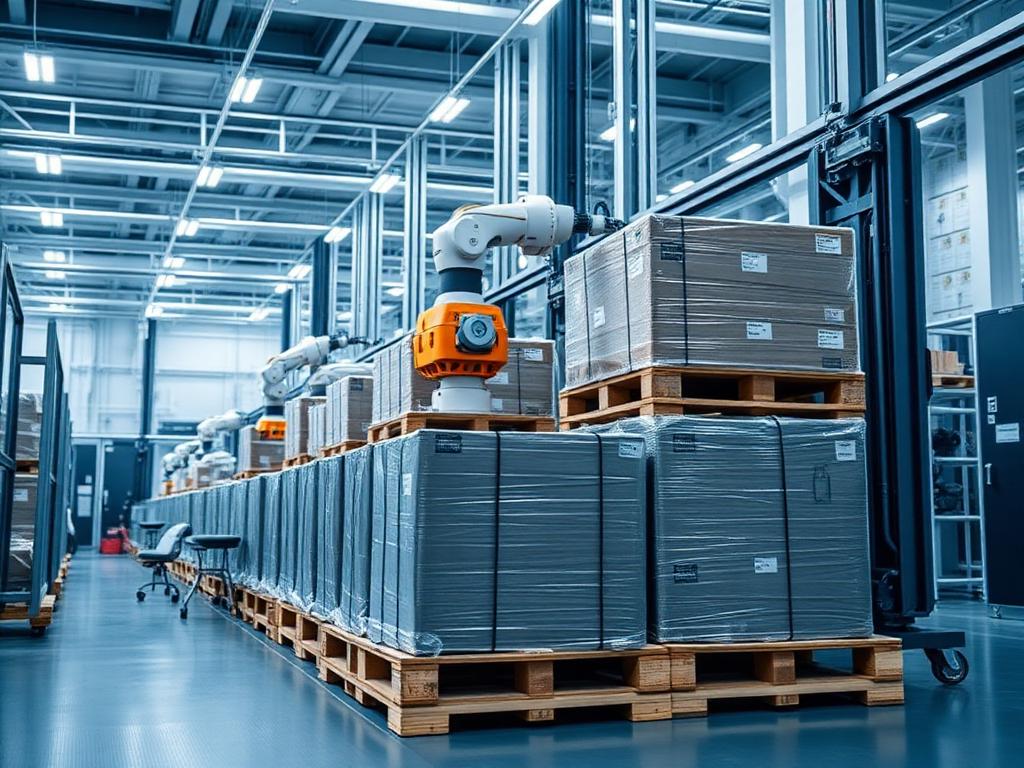
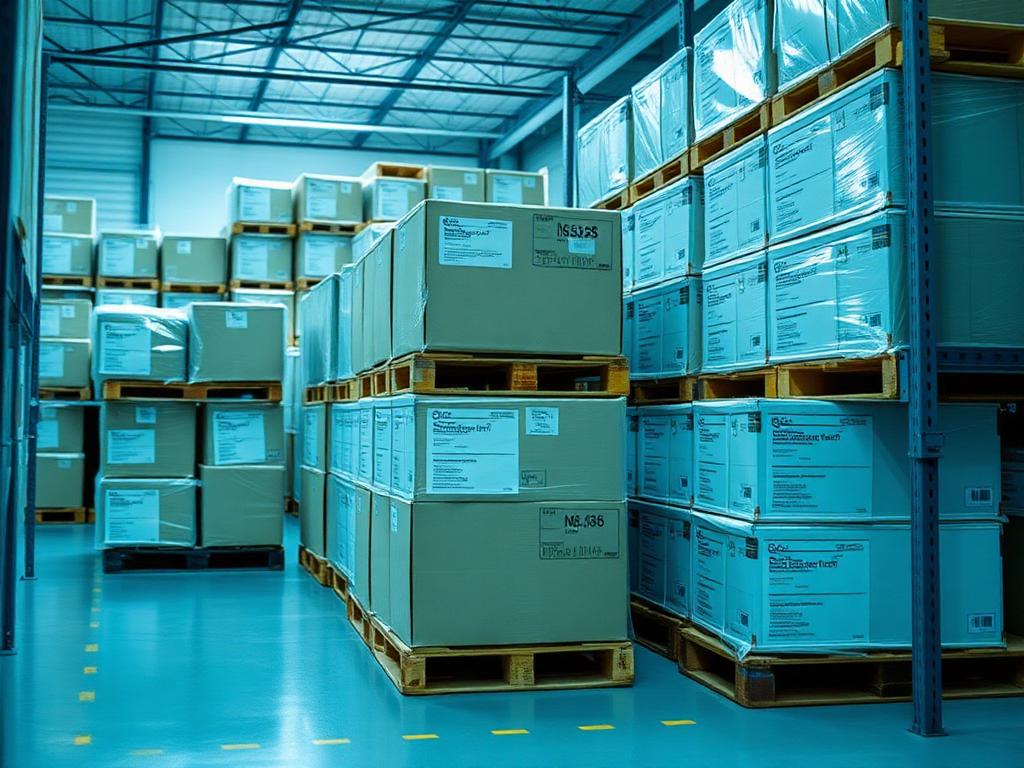
Because your pallet will be handled and moved several times alongside other freight, secure stacking, appropriate wrapping and clear, durable labelling are more important in a pallet network than with a dedicated vehicle. Pallets that are poorly stacked or under-wrapped are at greater risk of damage or delay when handled through multiple hubs.
When to choose a network versus a dedicated vehicle
Pallet networks suit businesses shipping a handful of pallets to varied UK destinations on a regular basis. If you're regularly filling a full vehicle to a single destination, if your goods are fragile or unusually shaped, or if you need a fixed delivery appointment, a dedicated vehicle is usually the better option — our team can advise which applies to your specific freight.
How we arrange pallet distribution
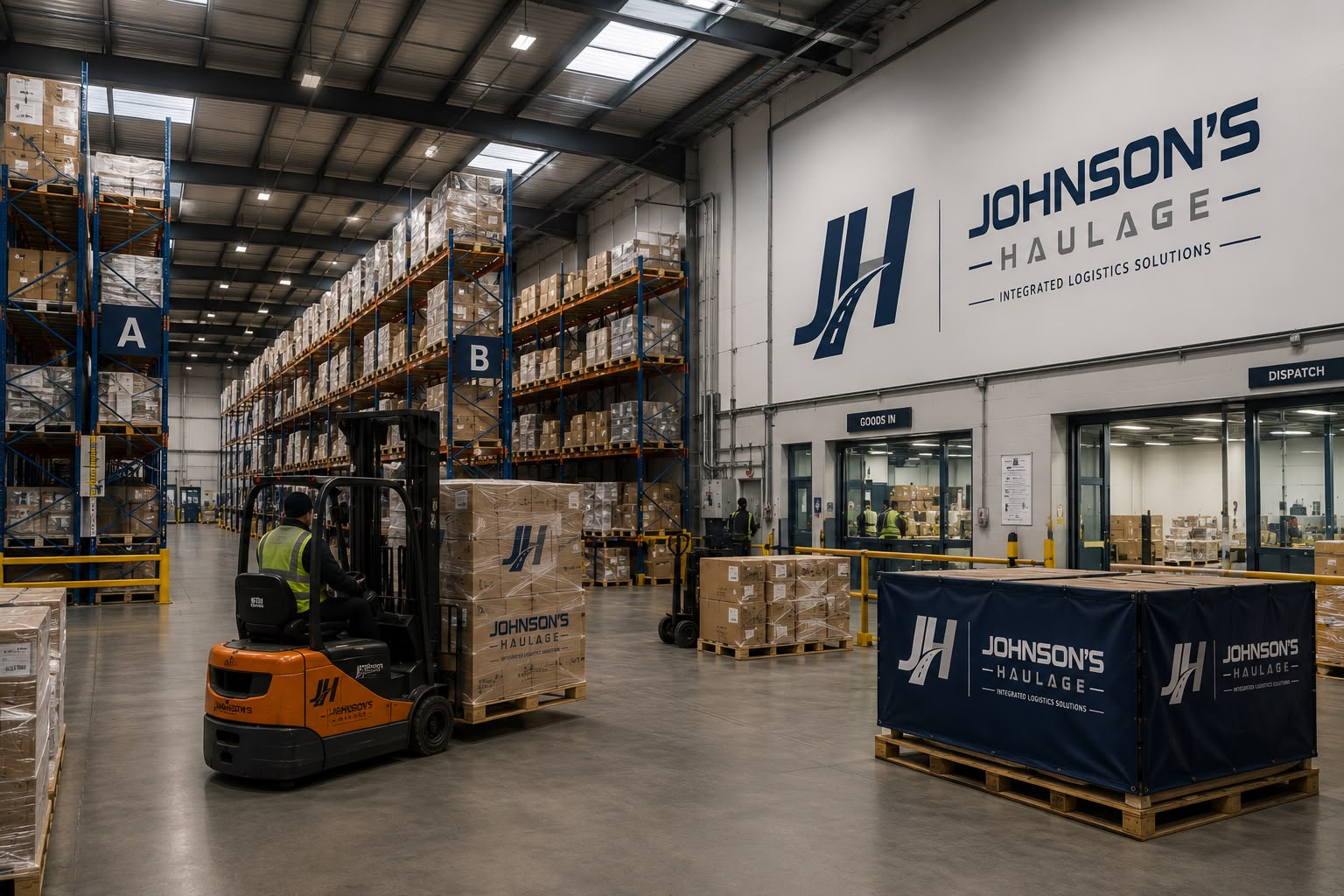
Johnson's Haulage sources pallet distribution capacity through our approved carrier network, so you get access to established UK-wide pallet coverage with a single point of contact for booking, tracking and any issue resolution. This sits alongside our wider road freight and warehousing services, giving you a joined-up option if your distribution needs grow beyond single pallets.
Frequently asked questions
Talk to our team.
Get a tailored quote or speak to our operations team about your transport requirements.