














The Operational Gap in UK Logistics Strategy
Selecting a logistics partner often feels like a choice between two distinct paths, yet many businesses struggle to define where one ends and the other begins. The decision usually comes down to whether you need a provider to physically move your goods or an architect to design the entire movement. When supply chains face disruption or costs fluctuate, understanding these roles determines how quickly your cargo reaches its destination and at what total cost.
A mismatch between your business needs and your provider's capabilities can lead to unnecessary overheads or, conversely, a lack of oversight. For a UK business, the choice between a haulage company and a freight forwarder impacts everything from insurance liability under RHA or BIFA terms to the level of custom support provided during international transit. Determining which model suits your current volume is the first step in optimising your distribution.
Defining the Role of a Haulage Company
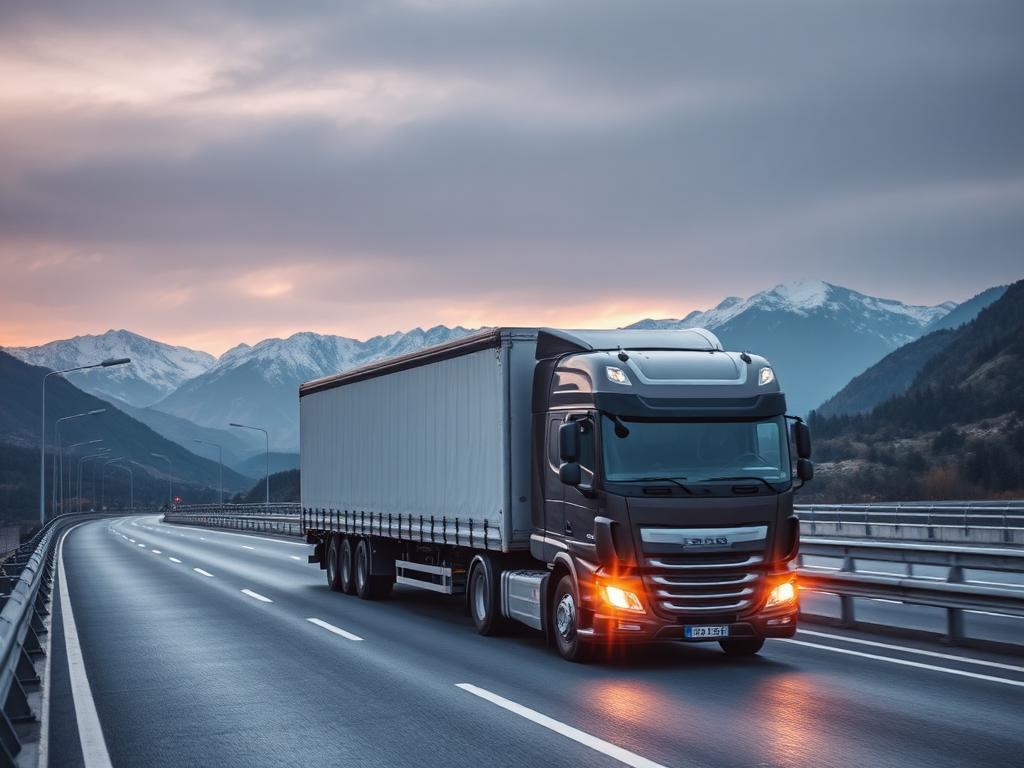
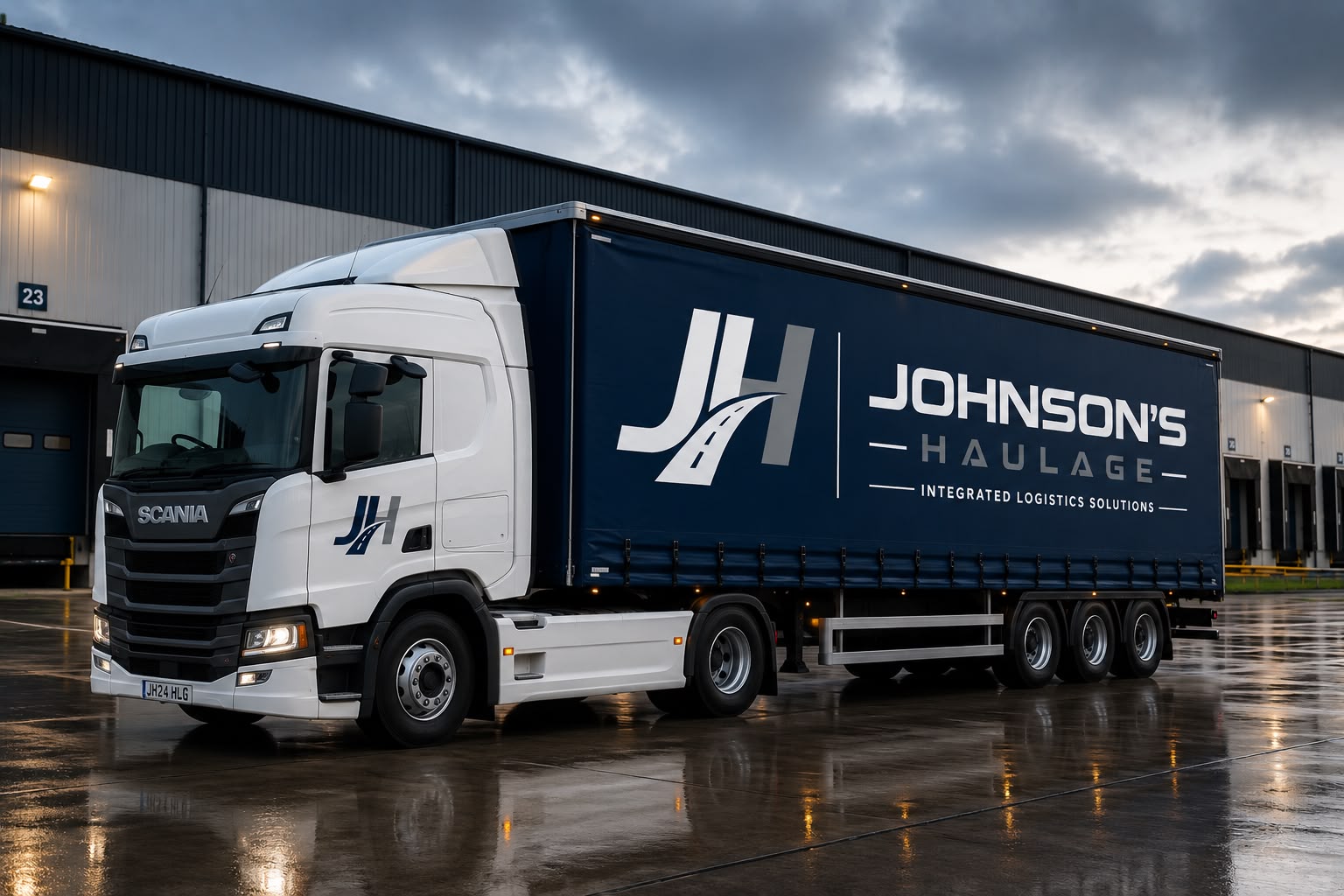
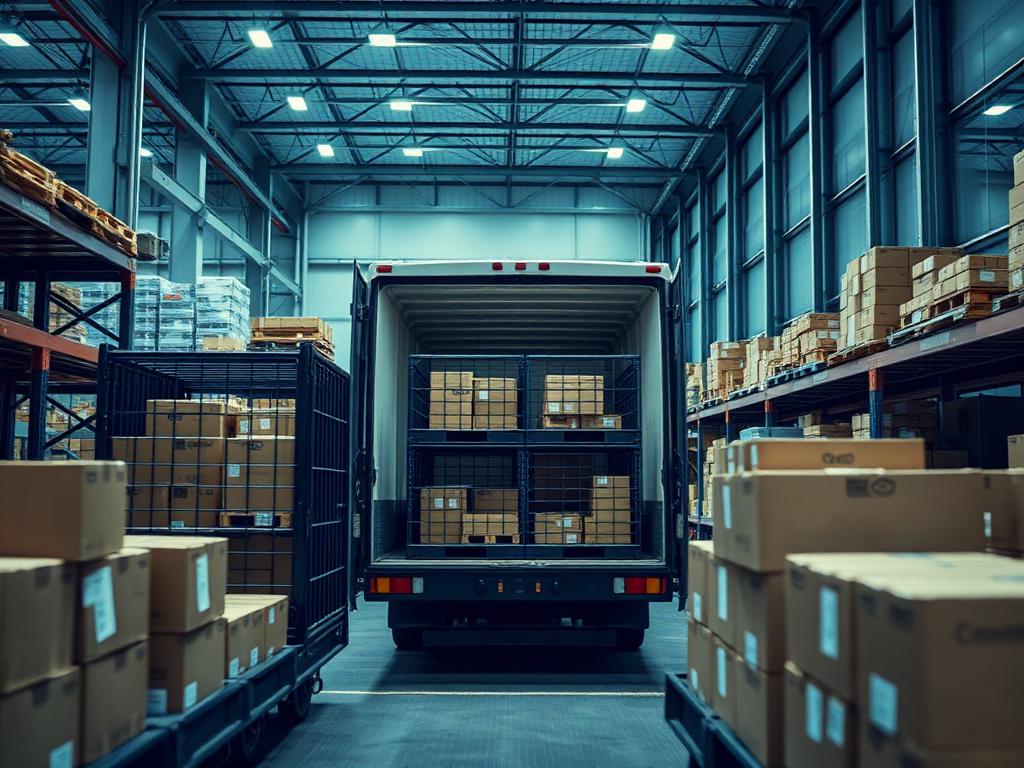
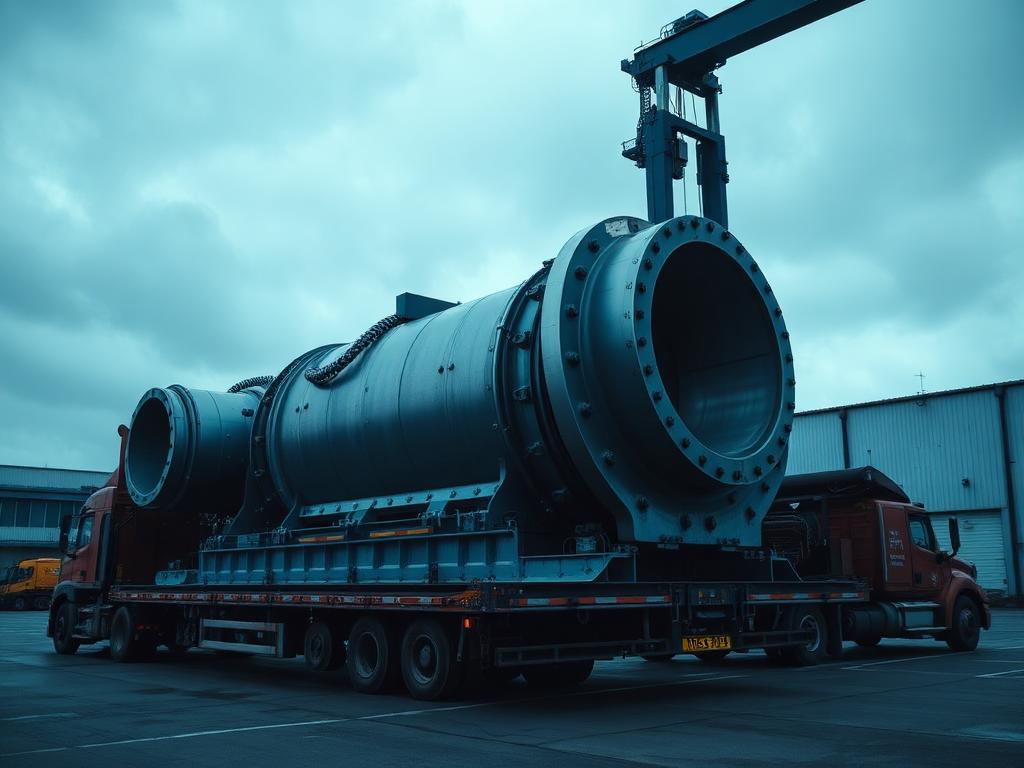
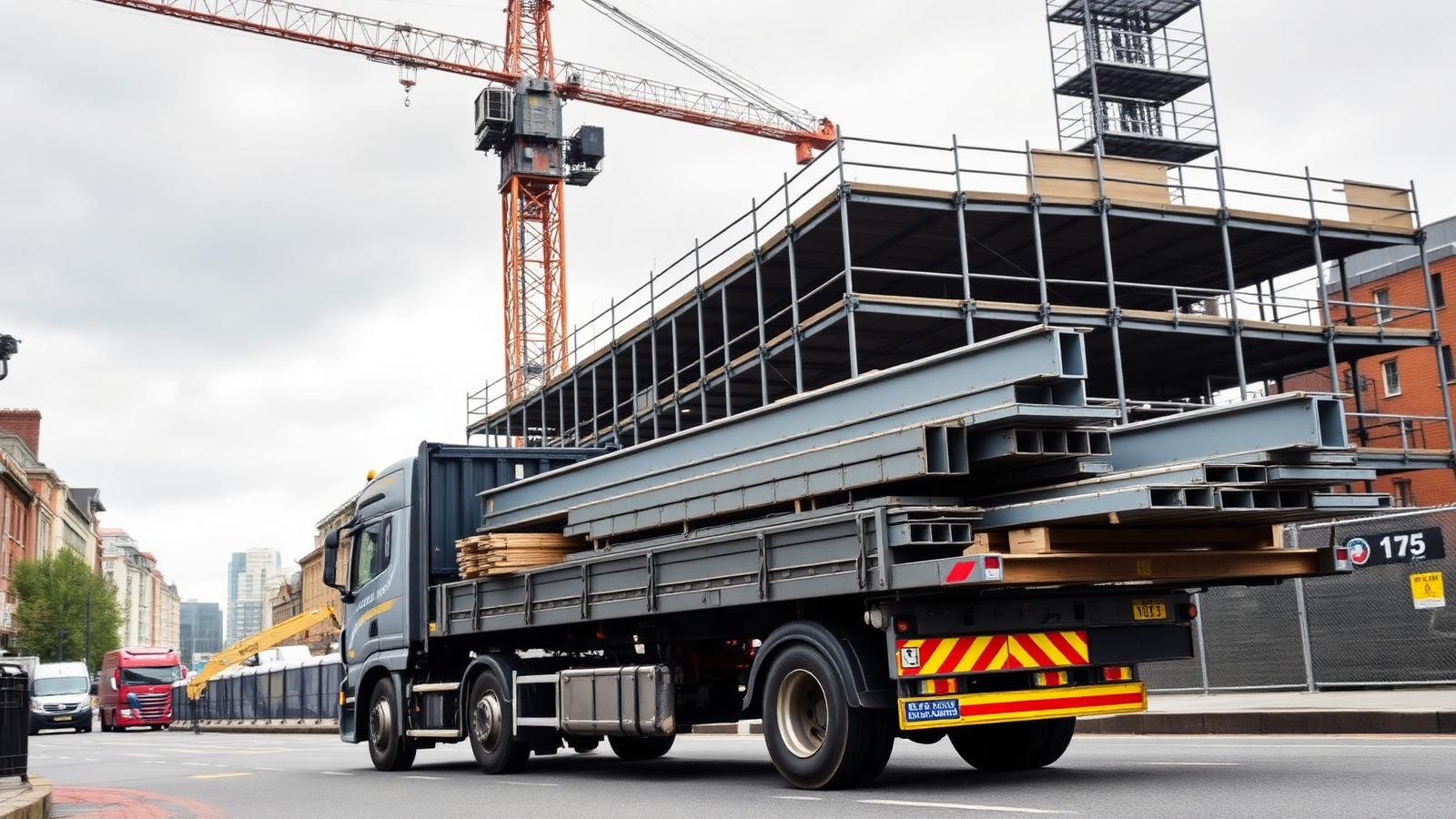
A traditional haulage company operates as a carrier. Their primary focus is the physical transport of goods by road, usually using their own fleet of vehicles and employed drivers. They are the frontline of the transport industry, providing the 'wheels on the road' for domestic or continental movements. When you hire a haulier, you are typically buying space on a specific truck for a specific journey.
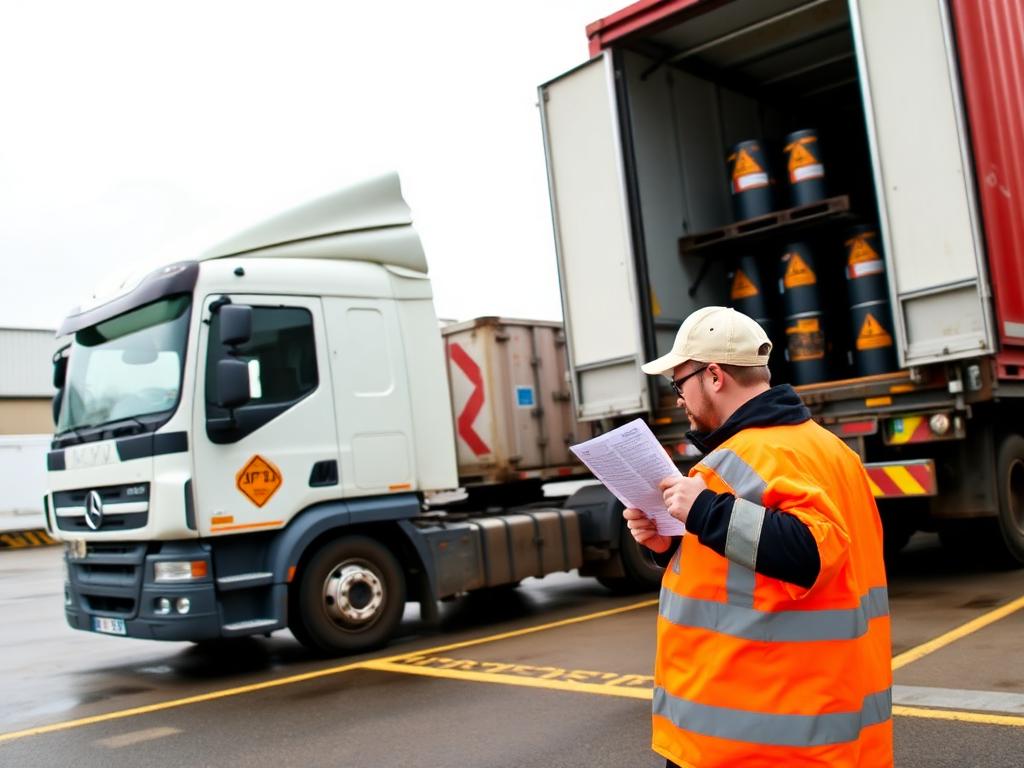
Hauliers are experts in operational execution. They manage the maintenance of their vehicles, driver hours in compliance with DVSA regulations, and the immediate safety of the cargo while it is on their vehicle. However, their scope is often limited to the routes their own fleet can cover. If a haulage company does not have a vehicle in a specific region, they may not be able to service that particular requirement without significant 'dead mileage' costs being passed to the customer.
The Function of a Freight Forwarder
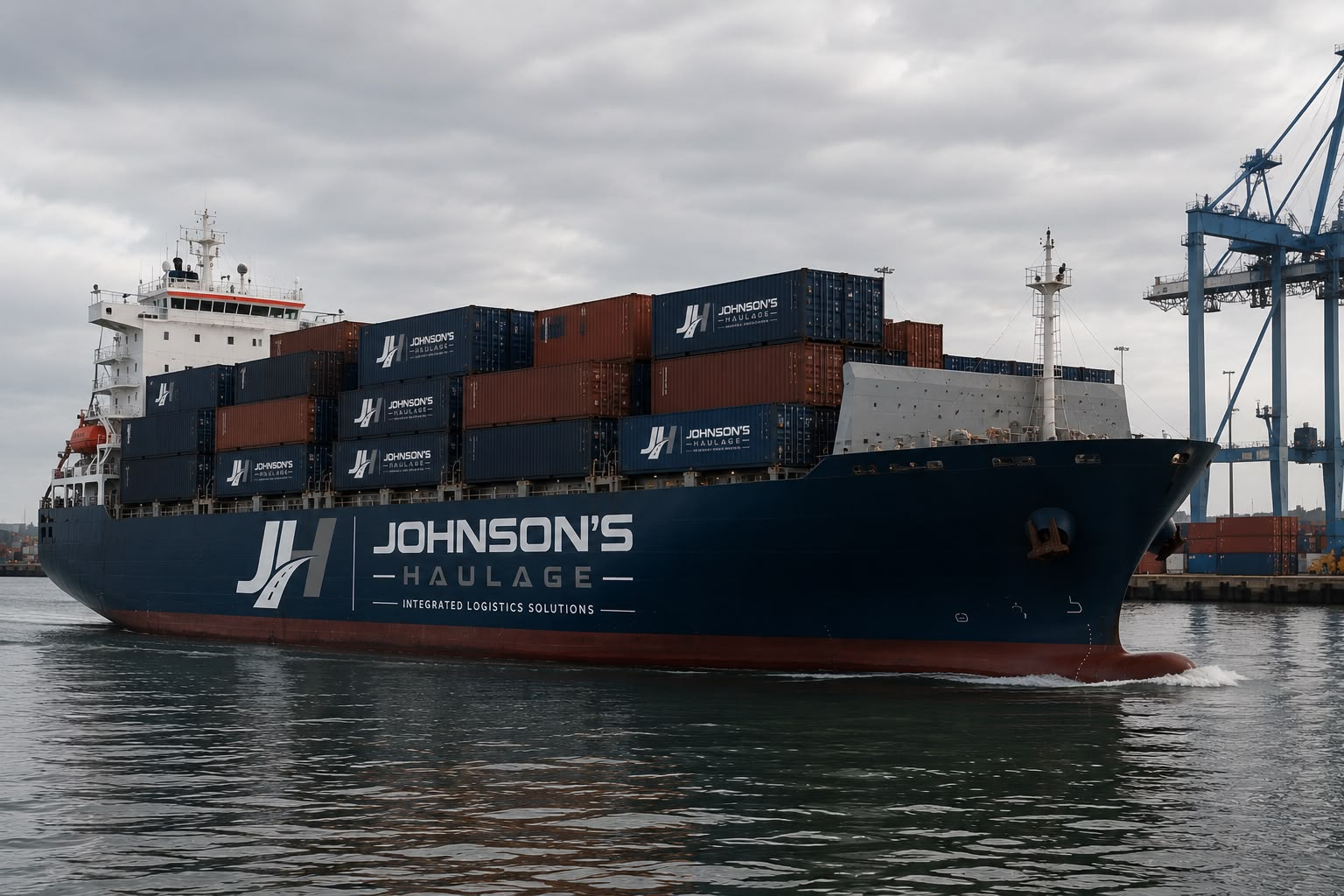
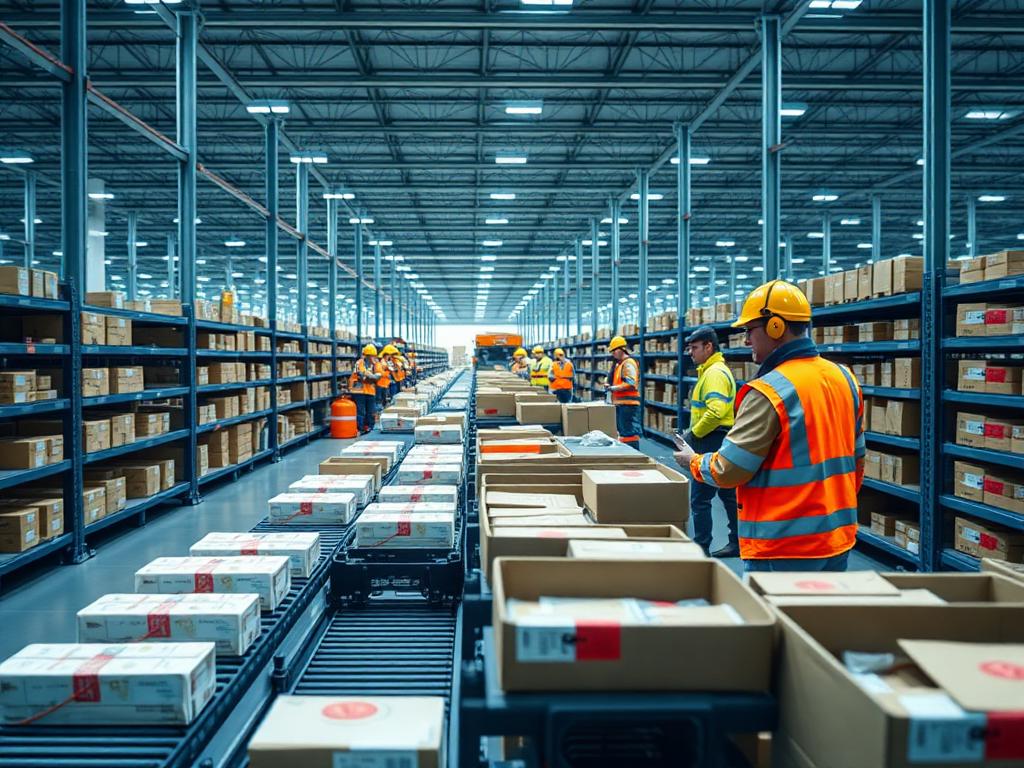
A freight forwarder acts as a travel agent for cargo. They do not necessarily own the ships, planes, or trucks used for the journey. Instead, they act as an intermediary, sourcing and managing capacity through an approved network of carriers. Their value lies in their ability to coordinate multi-modal transport, combining road, sea, and air freight into a single, cohesive movement.
Forwarders take on the administrative and strategic burden of the supply chain. This includes managing documentation, negotiating rates across different modes of transport, and handling the complexities of HMRC customs declarations for international trade. Because they are not tied to a single fleet, they offer greater flexibility, choosing the most efficient route or carrier based on the specific needs of the shipment rather than the availability of a specific vehicle.
Side-by-Side Comparison: Haulage vs Forwarding
To understand which service fits your current operational needs, it is helpful to look at how each entity handles control, pricing, and liability. The following table outlines the fundamental differences.
| Feature | Haulage Company | Freight Forwarder |
|---|---|---|
| Primary Control | Physical vehicles and drivers | Logistics network and strategy |
| Scope of Service | Point-to-point road transport | Multi-modal (Sea, Air, Road) and end-to-end |
| Pricing Model | Asset-based (fuel, driver, maintenance) | Market-based (negotiated rates and management fees) |
| Liability Basis | Usually RHA (Road Haulage Association) terms | Often BIFA (British International Freight Association) terms |
| Best For | Regular, high-volume domestic road routes | Complex, international, or varying transport needs |
Logistics Provider Comparison Matrix
The Johnson's Haulage Approach to Transport Management
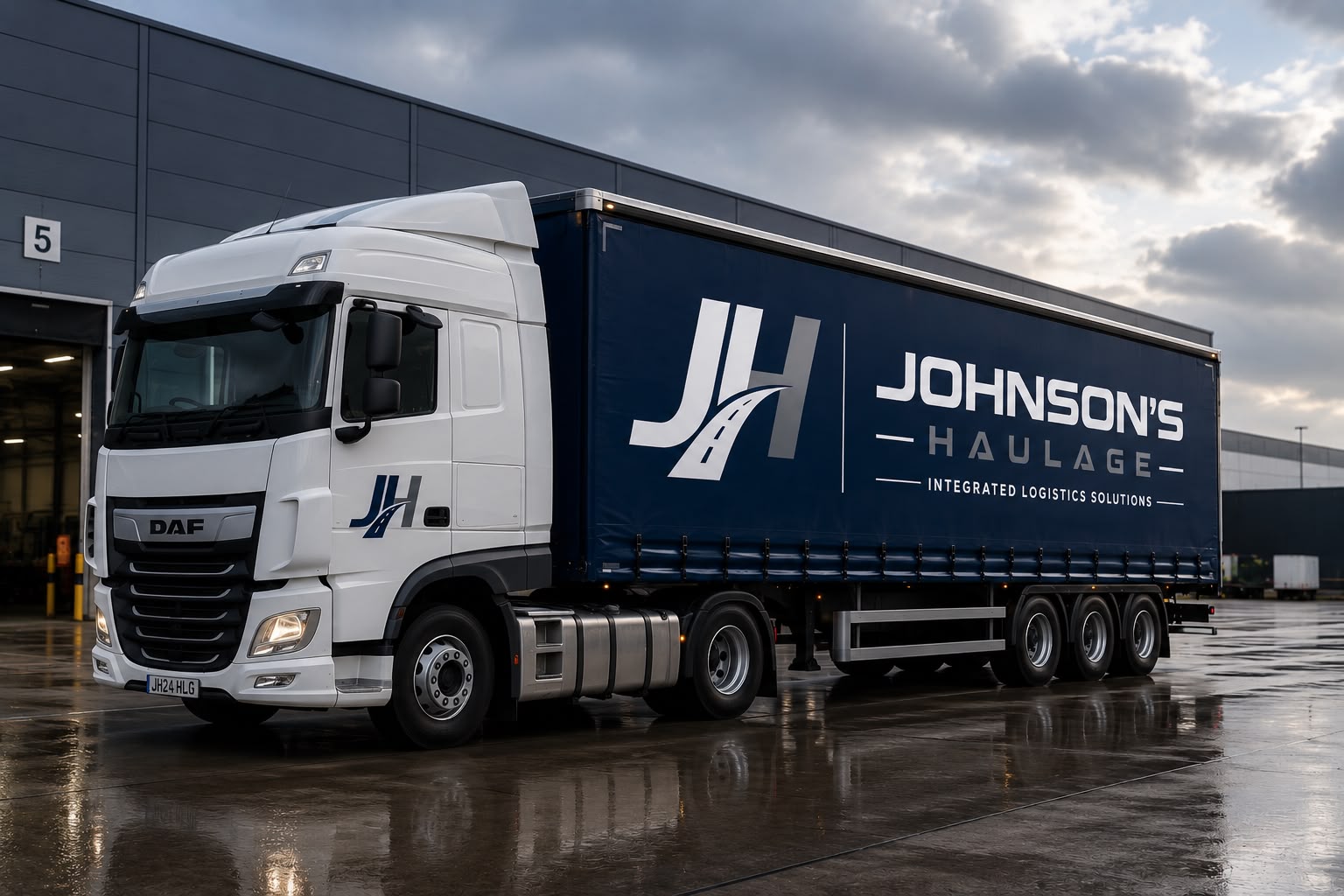
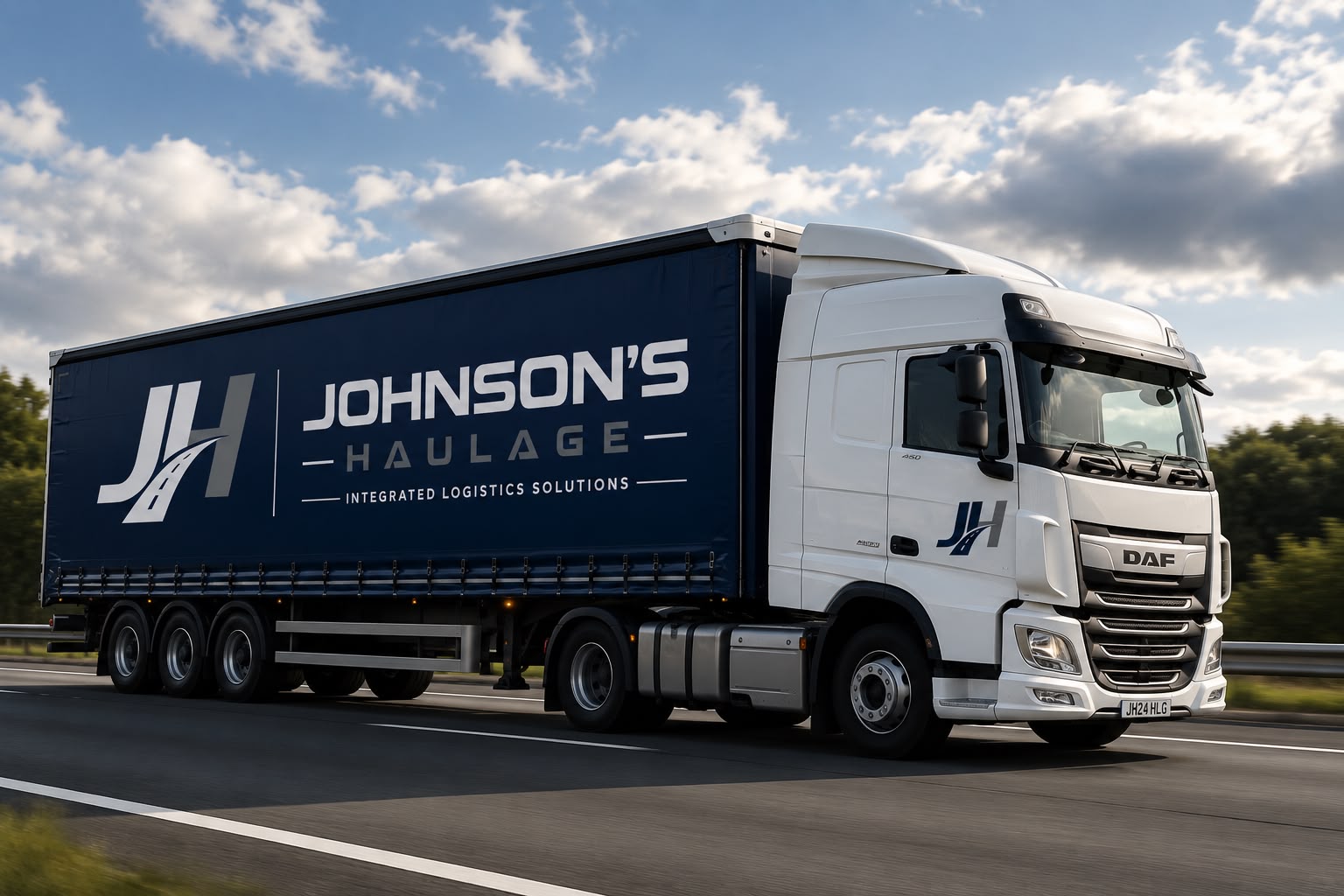
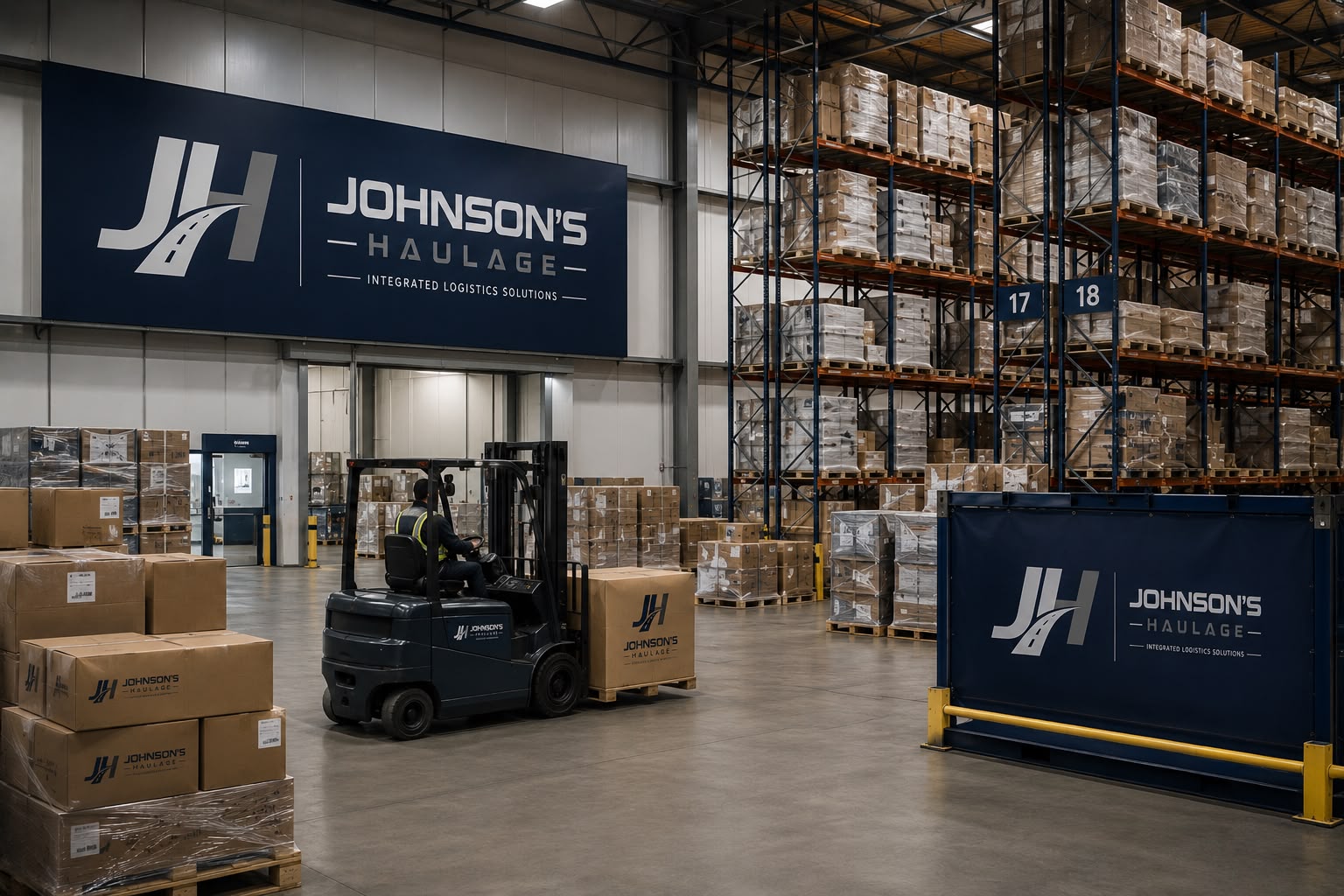
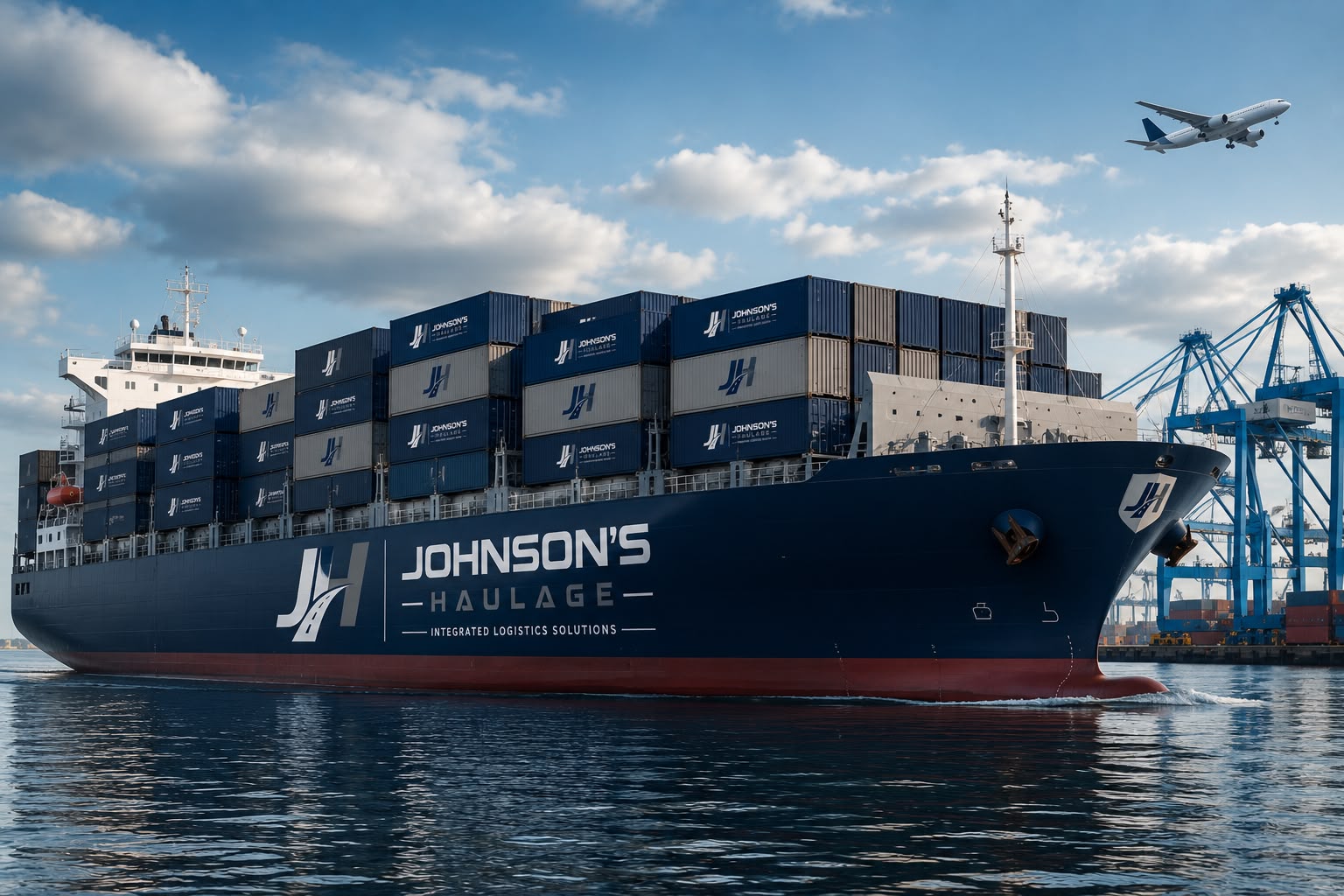
Operating from Houldsworth Mill in Stockport, Johnson's Haulage functions by bridging the gap between these two traditional roles. Rather than owning a static fleet that might be in the wrong location at the wrong time, the company manages an approved network of assessed carriers and partners. This allows for a focus on transport management and contract logistics without the limitations of asset ownership.
This model ensures that capacity is sourced based on the client's specific requirement, whether that involves UK road freight, European transport, or global air and sea freight. By assessing carriers for quality and reliability, Johnson's Haulage maintains oversight of the supply chain while offering the flexibility of a forwarder. This approach is particularly effective for businesses requiring dedicated transport or same-day deliveries where immediate availability is critical.
When to Choose a Haulage Company
There are specific scenarios where working directly with a haulier is the most logical step. If your business moves the same volume of goods between two fixed UK locations every day, a dedicated haulage contract can provide consistency. You build a relationship with the drivers, and the haulier becomes an extension of your warehouse team.
Choose a haulier when:
| Requirement | Reasoning |
|---|---|
| High-volume domestic shuttle runs | Consistency in driver and vehicle type is prioritised. |
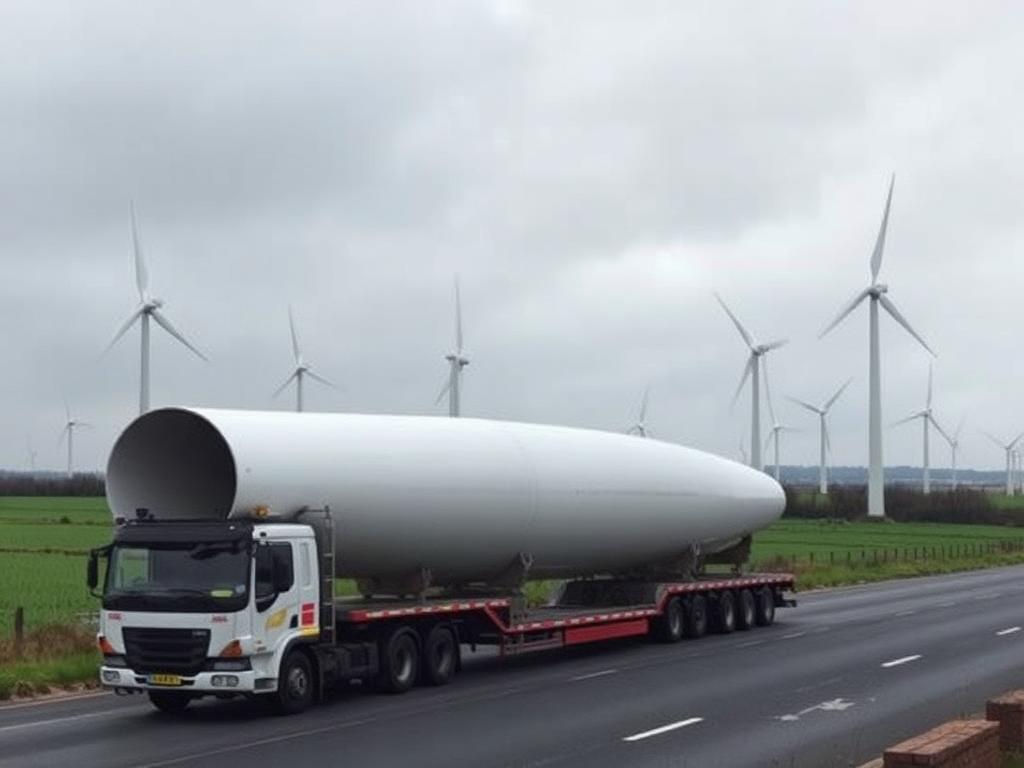
| Specialised equipment needs | If you require specific trailers like low-loaders or tankers daily. |
| Fixed, predictable scheduling | Where routes do not change and market flexibility is less important than asset certainty. |
When to Choose a Freight Forwarder
For most businesses dealing with fluctuating demand or international trade, a freight forwarder provides the necessary scale and expertise. International shipping involves more than just moving a container; it requires adherence to ICC Incoterms and complex customs procedures. A forwarder handles these technicalities so the business can focus on its core operations.
Choose a freight forwarder when:
| Requirement | Reasoning |
|---|---|
| International shipping (Import/Export) | Expertise in HMRC compliance and sea/air freight booking. |
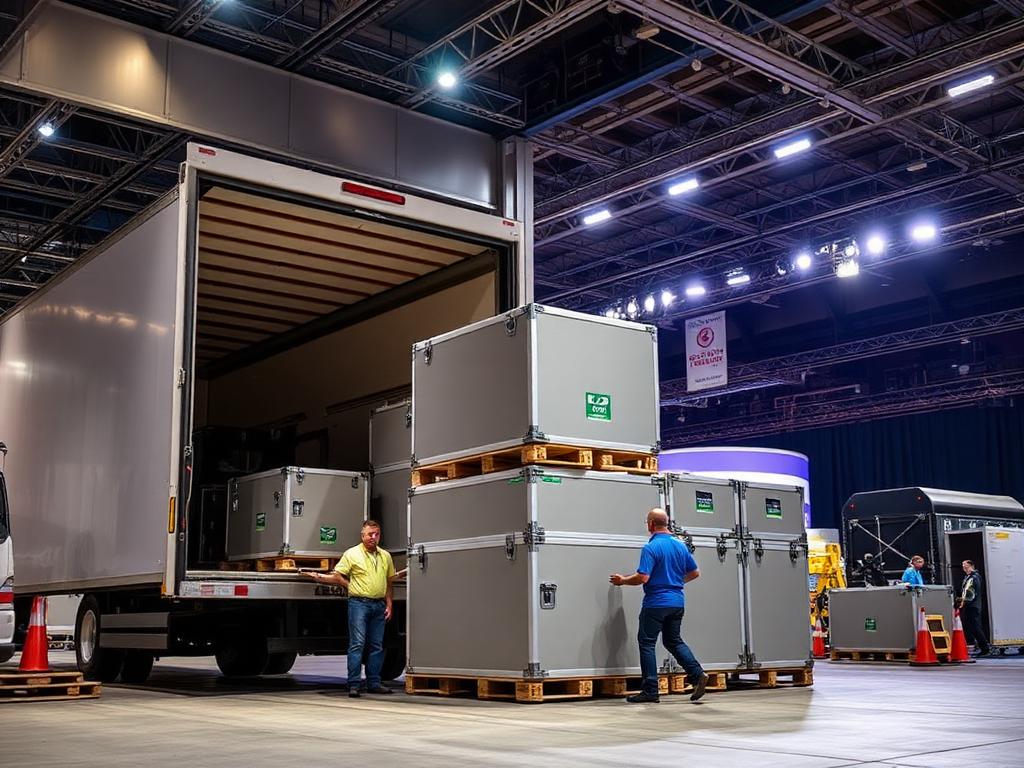
| Varying shipment sizes | Ability to switch between LTL (Less than Truckload) and FTL (Full Truckload) easily. |
| Supply chain resilience | Access to multiple carriers avoids delays if one provider fails or is at capacity. |
Understanding Liability and Regulations
One of the most overlooked differences between these providers is the legal framework governing the transport. In the UK, most hauliers operate under Road Haulage Association (RHA) conditions, which limit liability based on the weight of the goods (e.g., £1,300 per tonne). If you are moving high-value, low-weight electronics, this standard coverage may be insufficient.
Freight forwarders often operate under British International Freight Association (BIFA) terms. These terms define the forwarder's role as an agent or a principal and outline the limits of their responsibility. Regardless of the provider type, it is essential to check that your cargo is adequately insured for its full value, as standard industry terms rarely cover the total cost of high-value goods. Following GOV.UK guidance on commercial transport insurance is highly recommended for any business moving freight.
The Benefits of Integrated Transport Management
The modern supply chain often requires a hybrid approach. Many businesses find that a transport management partner offers the best of both worlds. By using a provider that sources capacity from a wide network, you gain the geographical reach of a global forwarder with the tactical, hands-on control usually associated with a local haulier.
This integrated approach allows for better pallet distribution, warehousing, and commercial distribution strategies. Instead of managing ten different haulage companies for ten different regions, a single point of contact manages the entire network. This reduces administrative hours and provides a consolidated view of the supply chain, which is further enhanced by the Johnson's Haulage Customer Portal, currently available to approved Johnson's Haulage customers.
Conclusion and Next Steps
The choice between a haulage company and a freight forwarder depends entirely on your specific logistics profile. If you need simple, repetitive road movements, a haulier may suffice. However, if you require flexibility, international reach, or comprehensive supply chain management, a forwarder or transport manager is the superior choice.
If you are unsure which model fits your current business needs, our transport team is available to discuss your requirements. We can provide a clear assessment of your routes and help you source the most efficient capacity through our assessed carrier network. Contact Johnson's Haulage today to discuss your next shipment.
Call us on 0161 669 1949, email info@johnsonshaulage.com, or message us on WhatsApp at 07895 362166. Our team is based at Houldsworth Mill, Reddish, Stockport.
Frequently asked questions
Talk to our team.
Get a tailored quote or speak to our operations team about your transport requirements.