











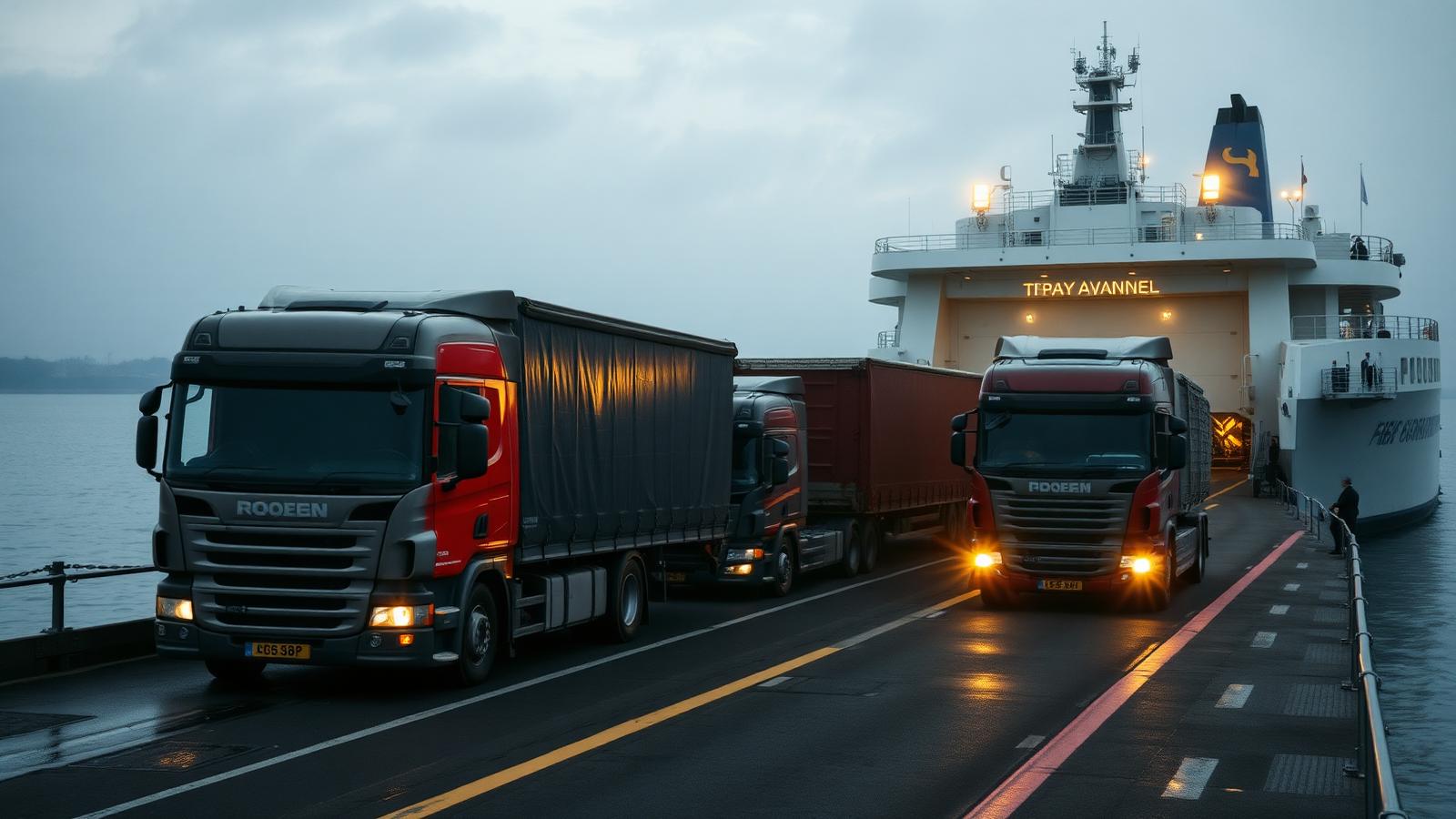

Commercial Reality of UK-EU Trade Post-Brexit
Exporting goods from the UK to Europe has undergone a fundamental shift since the UK departed the EU single market and customs union. What was once a domestic-style delivery now requires the same level of administrative rigour as shipping to the other side of the world. Businesses must manage complex documentation, VAT implications, and specific customs procedures that vary depending on the destination country.
For many UK exporters, the primary challenge is not the physical movement of the cargo, but the preparation required before the vehicle arrives at the loading bay. Errors in paperwork lead to delays at the border, storage charges at inland border facilities, and potential fines. Understanding the workflow of an international shipment is essential to maintaining a reliable supply chain and protecting your commercial reputation with European buyers.
Preparing Your Goods for International Transit
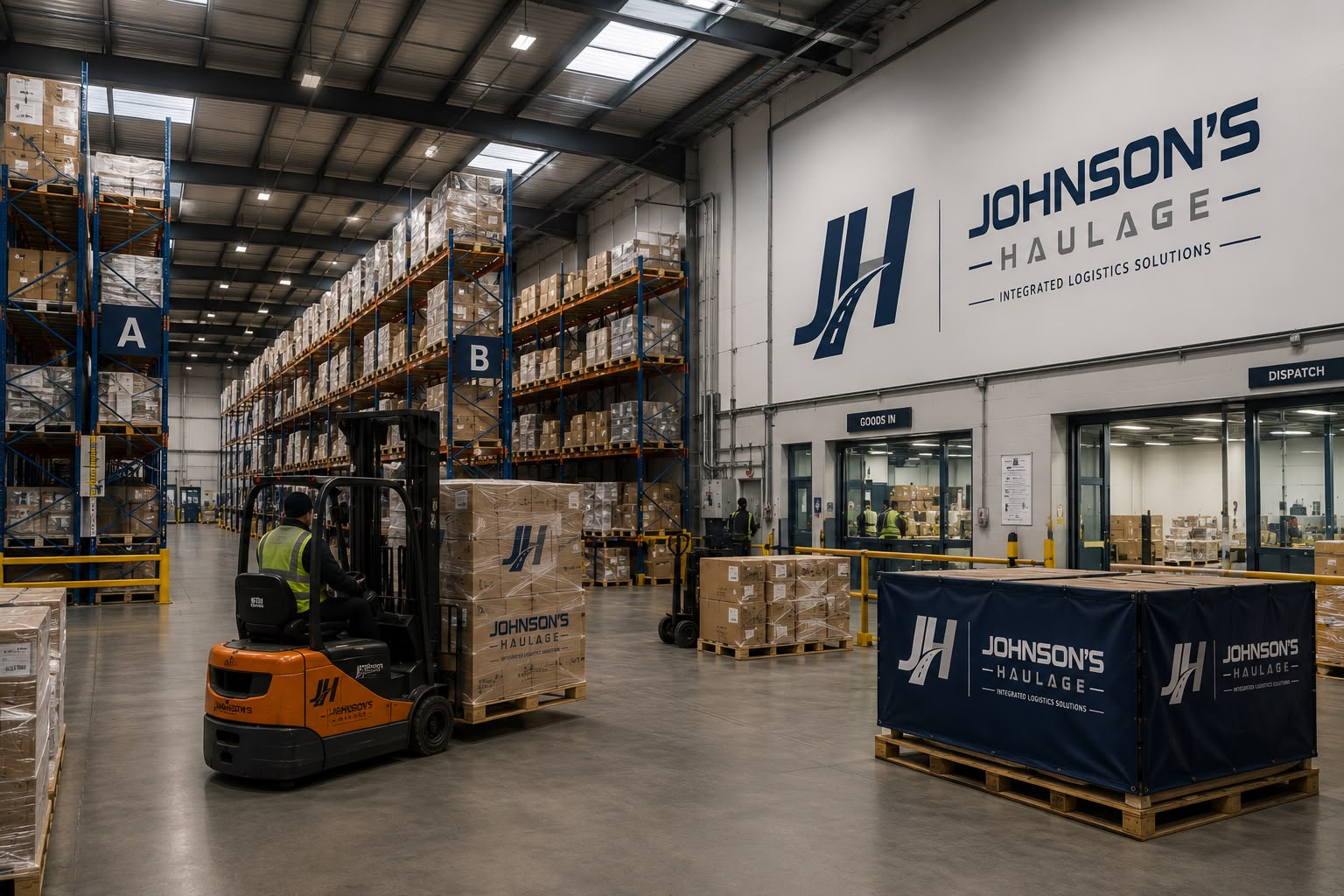
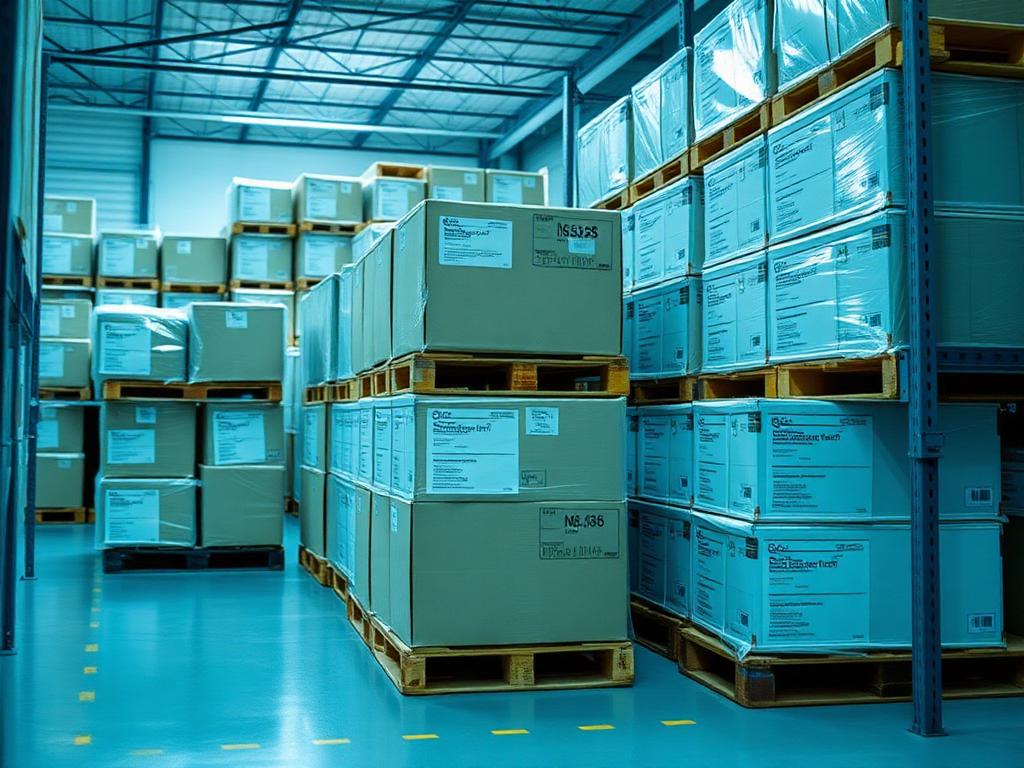
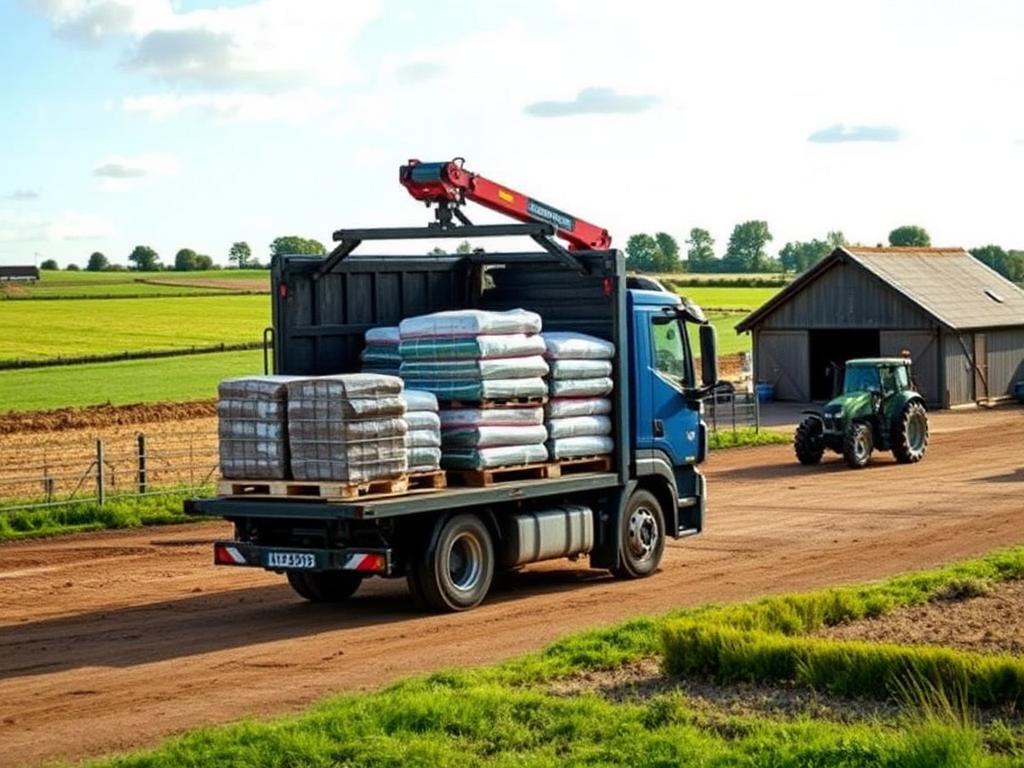
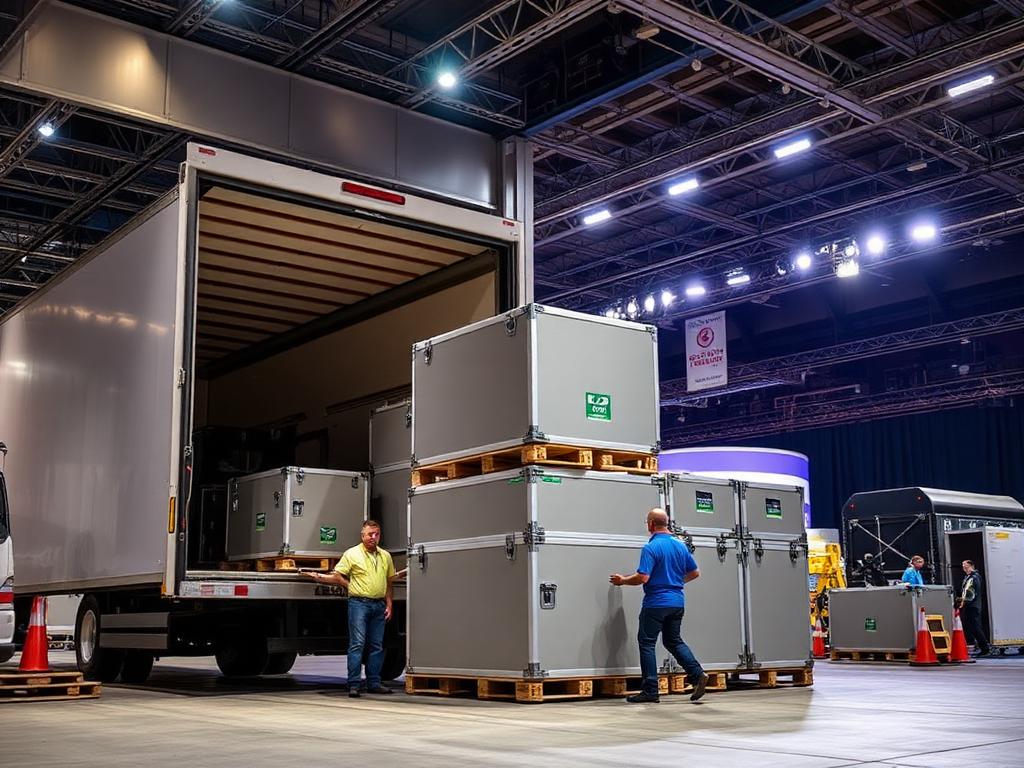
Preparation begins with a clear understanding of what you are shipping and how it must be protected. Standard UK pallet sizes are generally accepted across Europe, but the quality of packaging must be higher than for short-distance domestic trips. Goods will be handled multiple times, often being loaded and unloaded from different vehicles during the groupage process.
It is vital to ensure all wooden packaging, including pallets and crates, complies with ISPM15 standards. This international regulation requires wood to be heat-treated and marked with a specific stamp to prevent the spread of pests. GOV.UK provides detailed guidance on these requirements, and failure to comply can lead to the entire shipment being rejected at the border or even destroyed.
| Packaging Element | Requirement | Notes |
|---|---|---|
| Pallets | ISPM15 Compliant | Must feature the wheat stamp logo. |
| Labelling | Clear and Durable | Include recipient address and weight. |
| Securing | Shrink-wrap and Strapping | Avoid loose items that can shift in transit. |
| Weight Accuracy | Verified Gross Mass | Essential for customs declarations and vehicle safety. |
Essential Documentation for Exporting to Europe
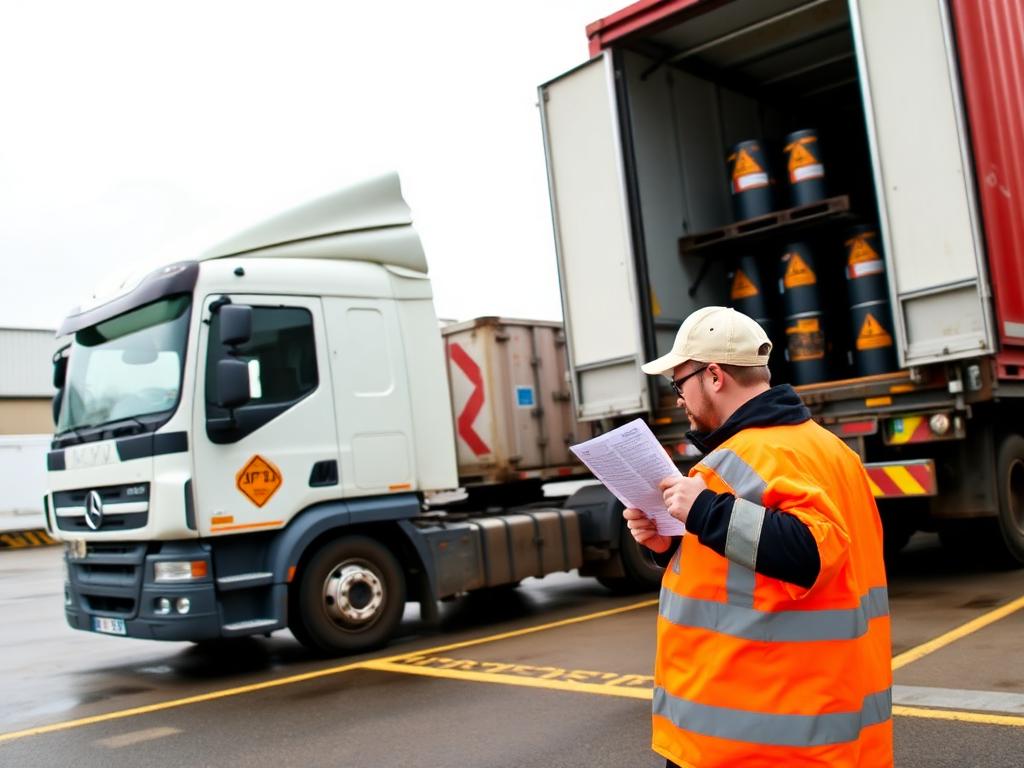
Documentation is the foundation of any successful export operation. The Commercial Invoice is the most critical document, as it informs customs authorities about the value, origin, and nature of the goods. This invoice must contain specific information, including your EORI number, the buyer's EORI number, and the correct Incoterms for the sale.
The Harmonized System (HS) codes, or commodity codes, determine the rate of duty applicable to your goods. You can check these using the UK Trade Tariff tool on the GOV.UK website. Accurate classification is non-negotiable; using an incorrect code can result in the wrong duty being paid, leading to audits and penalties from HMRC.
| Document Type | Purpose | Responsible Party |
|---|---|---|
| Commercial Invoice | Valuation and tax assessment | Exporter |
| Packing List | Detailed breakdown of cargo units | Exporter |
| Export Declaration | Notifying HMRC of departure | Customs Agent |
| CMR Note | Contract of carriage and proof of delivery | Haulier / Forwarder |
Understanding Road Transport Options
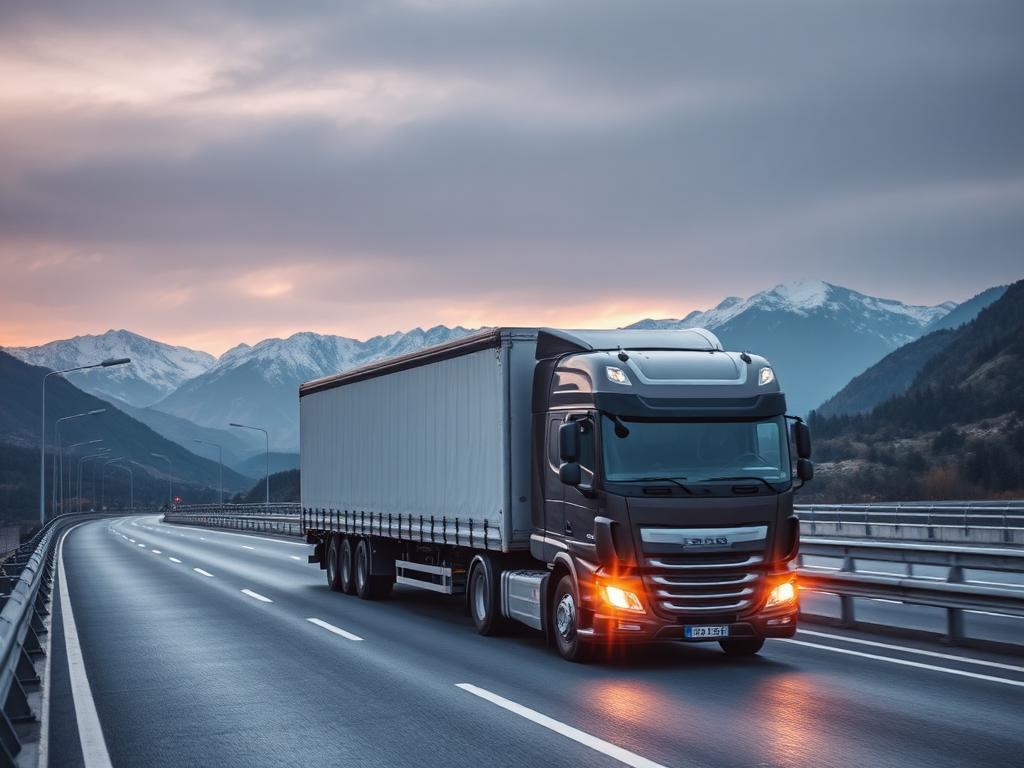
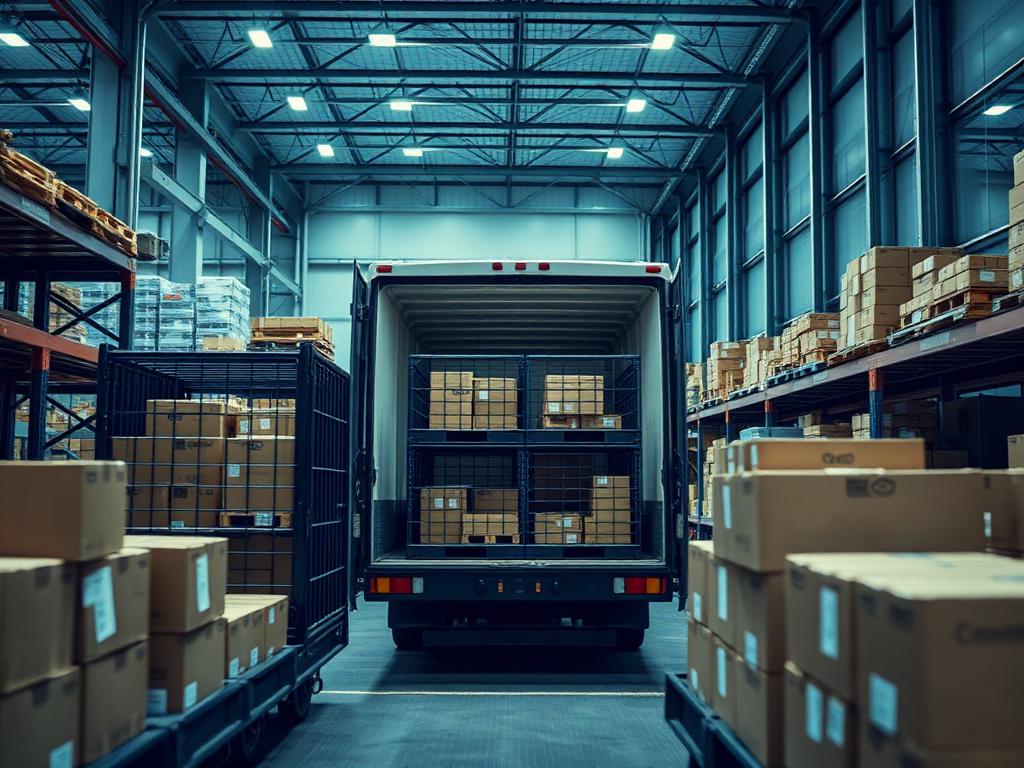
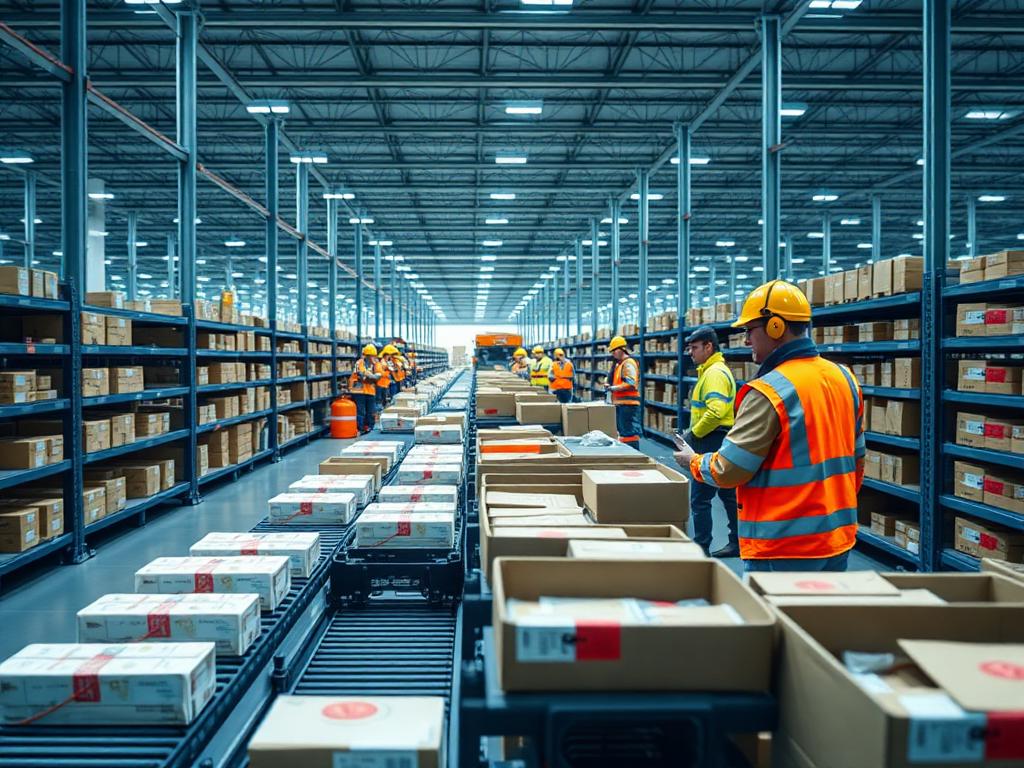
When shipping from the UK to Europe, you typically have three main service levels to choose from: Groupage, Part Loads (LTL), and Full Loads (FTL). Groupage is the most cost-effective for smaller shipments, where your goods share space on a trailer with cargo from other exporters. This often involves a hub-and-spoke model where goods are consolidated at a warehouse before heading to the continent.
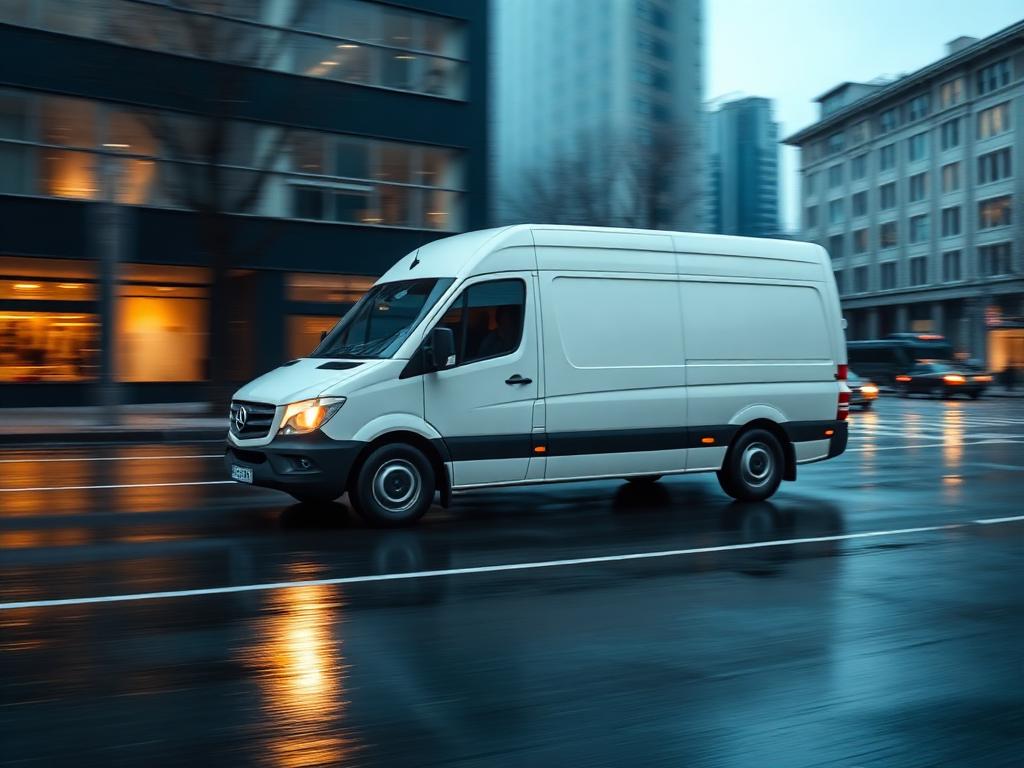
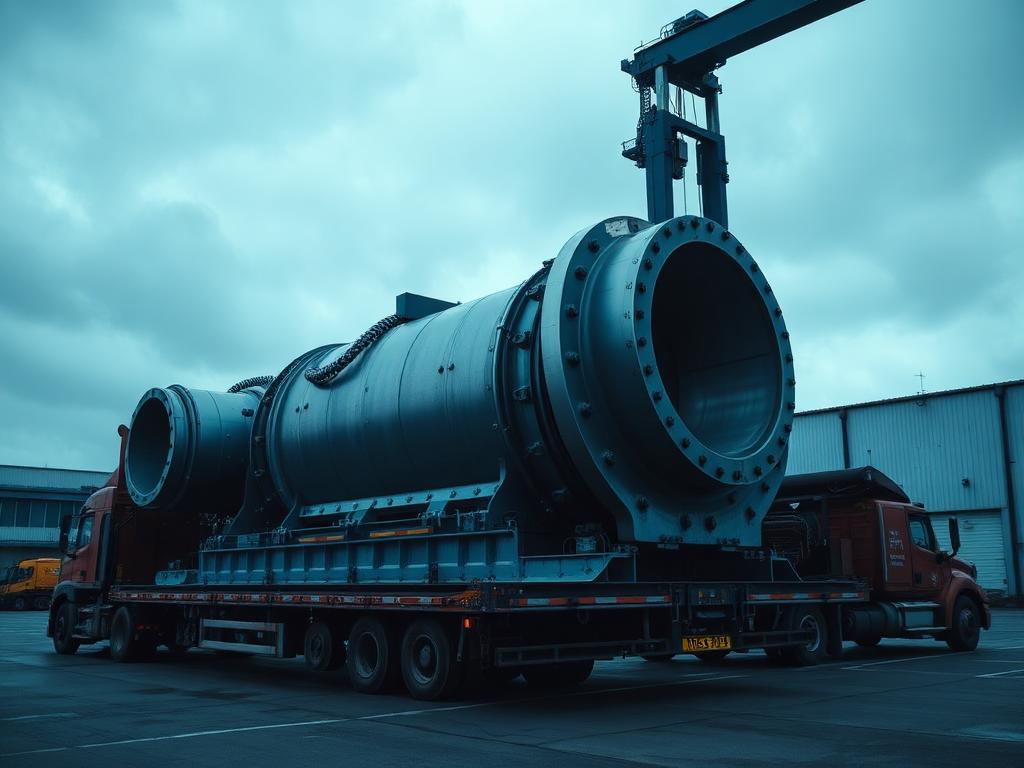
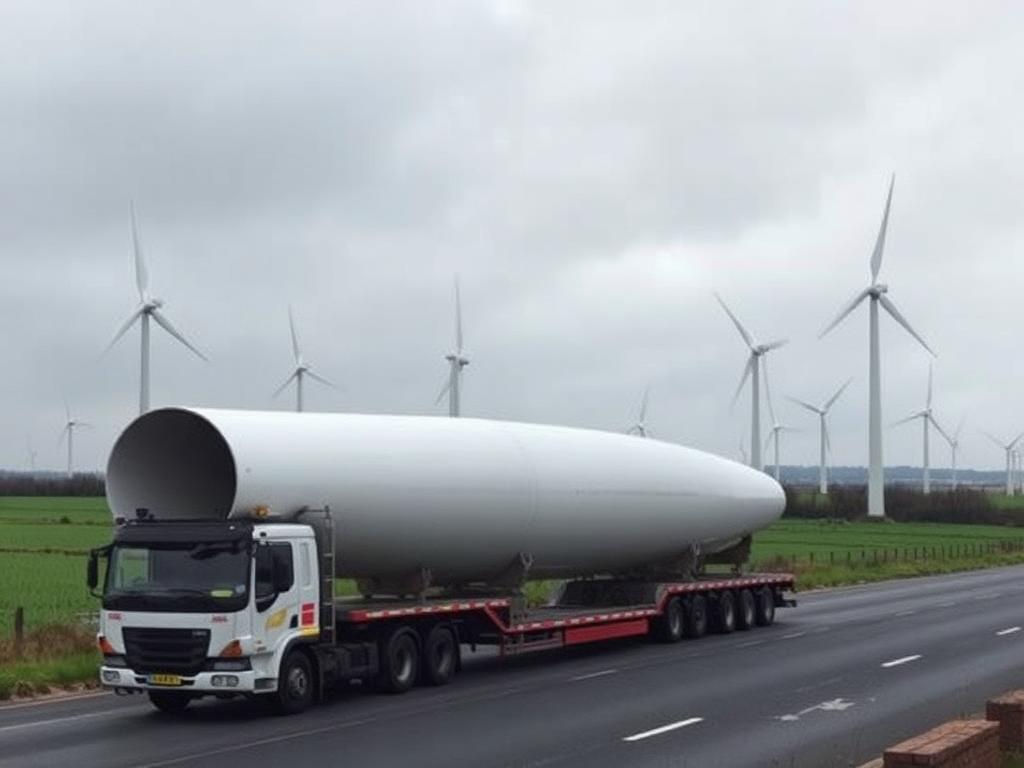
Part loads are suitable for larger shipments that do not require a full 13.6-metre trailer but are too large for standard groupage networks. Full loads are the quickest and most secure option, as the vehicle travels directly from your site to the delivery point without further handling. For time-critical or high-value shipments, dedicated express vans are often used to bypass the consolidation process entirely.
The Role of a Logistics Partner
Managing these moving parts requires significant oversight. Johnson's Haulage operates as a freight forwarder and transport manager, sourcing capacity through an approved network of assessed carriers. We do not own a fleet of vehicles or warehouses; instead, we manage the entire process on behalf of our clients from our base at Houldsworth Mill in Stockport.
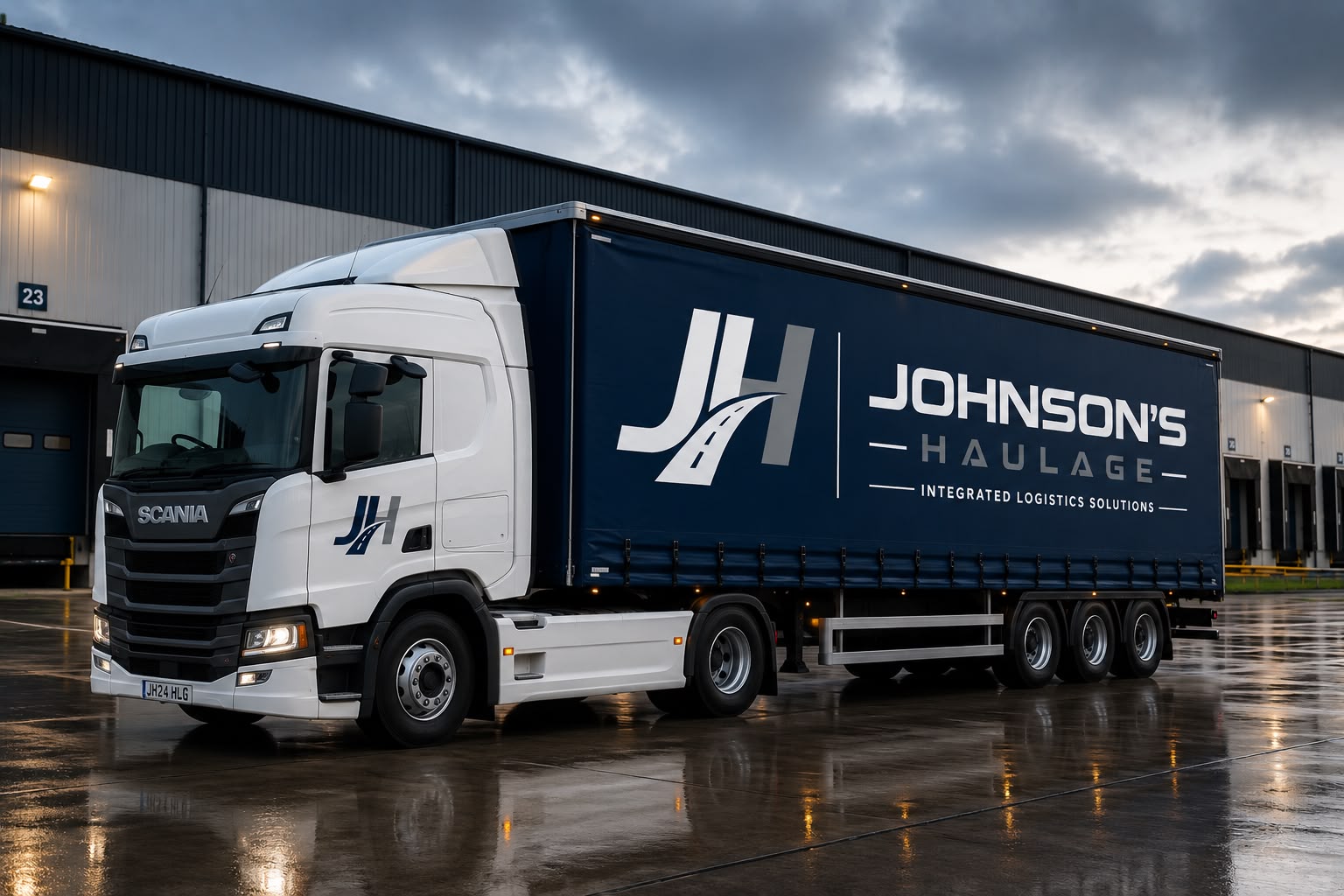
Our approach involves vetting carriers to ensure they meet the standards required for international road transport. By managing the relationship between the exporter, the transport provider, and the customs requirements, we provide a single point of contact for complex European movements. This model allows for flexibility, as we can source different vehicle types—from curtain-siders to temperature-controlled units—depending on the specific needs of the cargo.
Navigating Customs and Border Systems
The Goods Vehicle Movement Service (GVMS) is a key part of the UK’s border infrastructure. It allows hauliers to link multiple declaration references together into a single Goods Movement Record (GMR). This GMR is scanned at the port of departure, such as Dover or Folkestone, to ensure all customs formalities are in place before the vehicle boards the ferry or enters the Eurotunnel.
Depending on the destination, your goods may also need to move under 'Transit' (T1 or T2). This allows goods to cross multiple borders within Europe without paying duties until they reach their final destination or a designated customs warehouse. This process requires a transit bond, which acts as a financial guarantee to the relevant authorities that any duties will eventually be paid.
Routings and Transit Times
The majority of UK-Europe freight moves via the 'Short Straits'—the crossing between Dover and Calais or Folkestone and Coquelles. This route offers the highest frequency of departures and the shortest sea crossing. However, for shipments heading to Northern Europe or Iberia, other routes such as Hull to Rotterdam or Portsmouth to Bilbao may be more efficient to reduce road mileage.
Transit expectations have changed. While a next-day service was common pre-Brexit, most standard groupage shipments now take between 3 to 7 working days, depending on the distance and the speed of customs clearance. Dedicated full loads remain much faster, often reaching Western Europe within 24 to 48 hours of departure. Always factor in potential delays at inland border facilities where physical inspections may occur.
Delivery Planning and Local Requirements
The final mile of a European export is just as important as the border crossing. Many European cities have strict Low Emission Zones (LEZ) or vehicle weight restrictions that require specific equipment. It is also important to confirm if the delivery site has a loading dock or if a tail-lift vehicle is required for offloading at street level.
Standard operating hours in Europe can differ from the UK. For example, some countries have strict driving bans for heavy goods vehicles on Sundays and public holidays. Planning your shipment schedule with these restrictions in mind prevents the vehicle from being stranded over a weekend, which would incur additional costs. Communication with the consignee is essential to ensure they have the necessary import clearances ready to avoid 'demurrage' or 'detention' charges for the vehicle.
Finalising Your Export Strategy
Exporting to Europe is a repeatable process once the correct systems are in place. By ensuring your data is accurate, your packaging is compliant, and your transport provider understands the customs requirements, you can minimise the risks of international trade. If you are unsure about any part of the process, consulting official resources on GOV.UK or speaking with a logistics professional is the best way to safeguard your shipments.
If you would like to discuss a specific shipment or require a quote for European road transport, contact the Johnson's Haulage team on 0161 669 1949 or email info@johnsonshaulage.com. You can also reach us via WhatsApp on 07895 362166. We are located at Houldsworth Mill in Stockport and are ready to help manage your international logistics requirements.
Frequently asked questions
Talk to our team.
Get a tailored quote or speak to our operations team about your transport requirements.