





















What a freight forwarder actually does
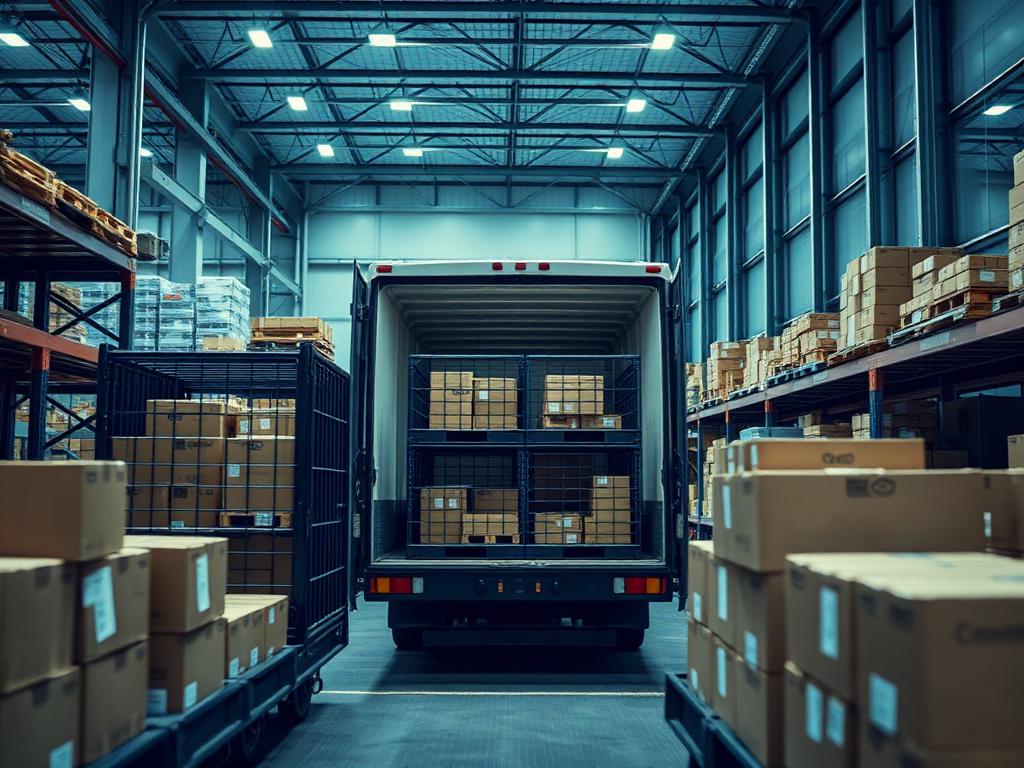
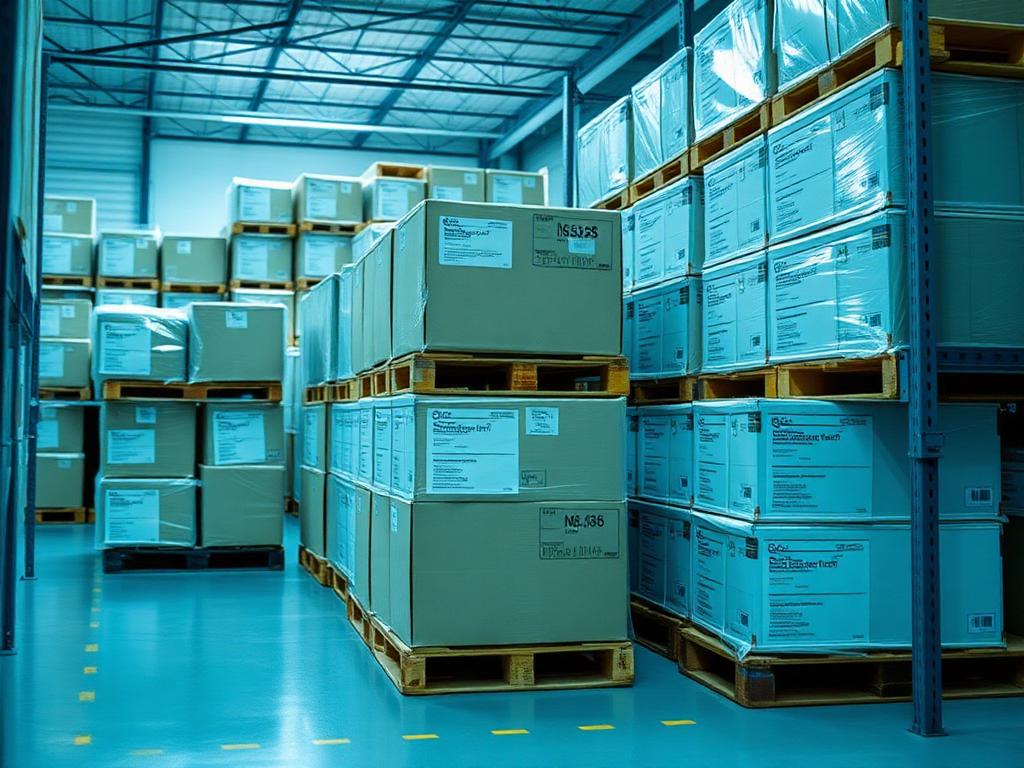
A freight forwarder does not usually move your goods on its own vehicles, aircraft or vessels. It designs the movement, selects and contracts the operators, prepares the documentation, and takes responsibility for coordinating everything between collection and delivery. For UK businesses shipping internationally, that coordination is often the difference between a predictable landed cost and a chain of unexpected charges.
The best UK forwarders combine three things: a genuinely vetted network of carriers, real experience across road, air and sea, and enough operational transparency that you always know what is happening to your consignment and why it costs what it costs.
How to compare UK freight forwarding companies
Most forwarders describe themselves in similar language, so comparison is easier when you assess them on a fixed set of criteria rather than on the sales pitch.
- Carrier vetting: how are operators approved, and how is insurance and licensing evidenced?
- Service modes: can the same provider handle road, air, sea and warehousing, or will you need multiple suppliers?
- UK coverage: is nationwide collection and delivery genuinely available, including remote postcodes?
- Customs and documentation: is export and import paperwork handled directly or arranged through partners?
- Pricing transparency: are surcharges, clean-air-zone charges and demurrage itemised up front?
- Communication: do you get a named contact, or a shared inbox and a ticket number?
Global networks versus independent UK forwarders
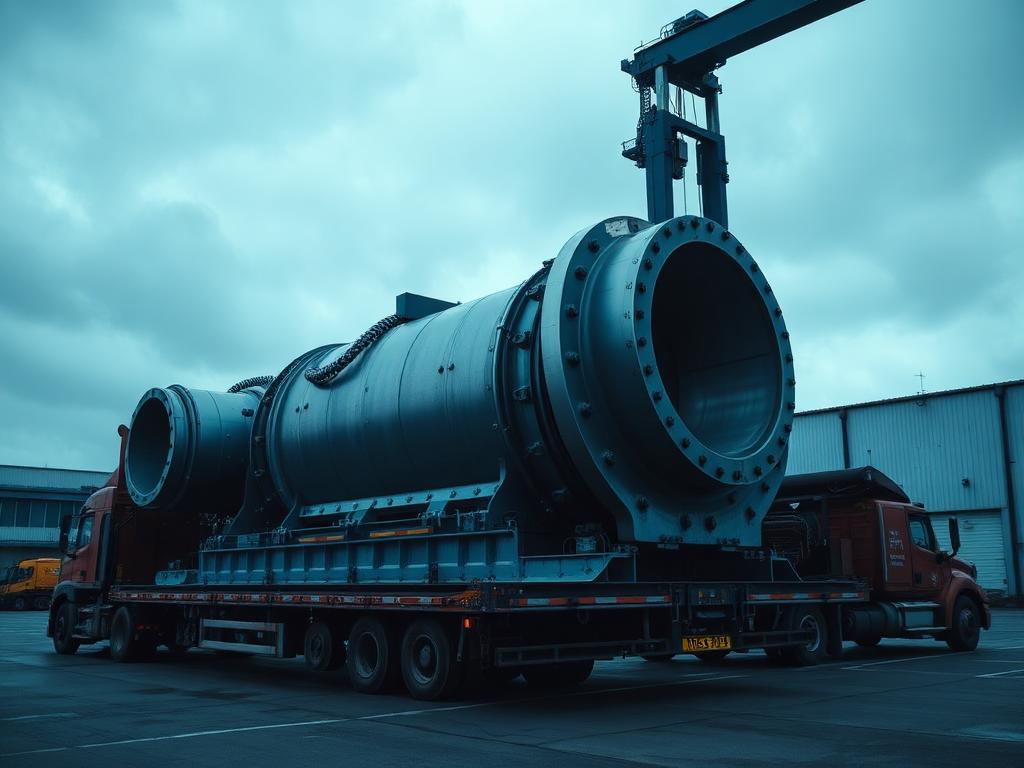
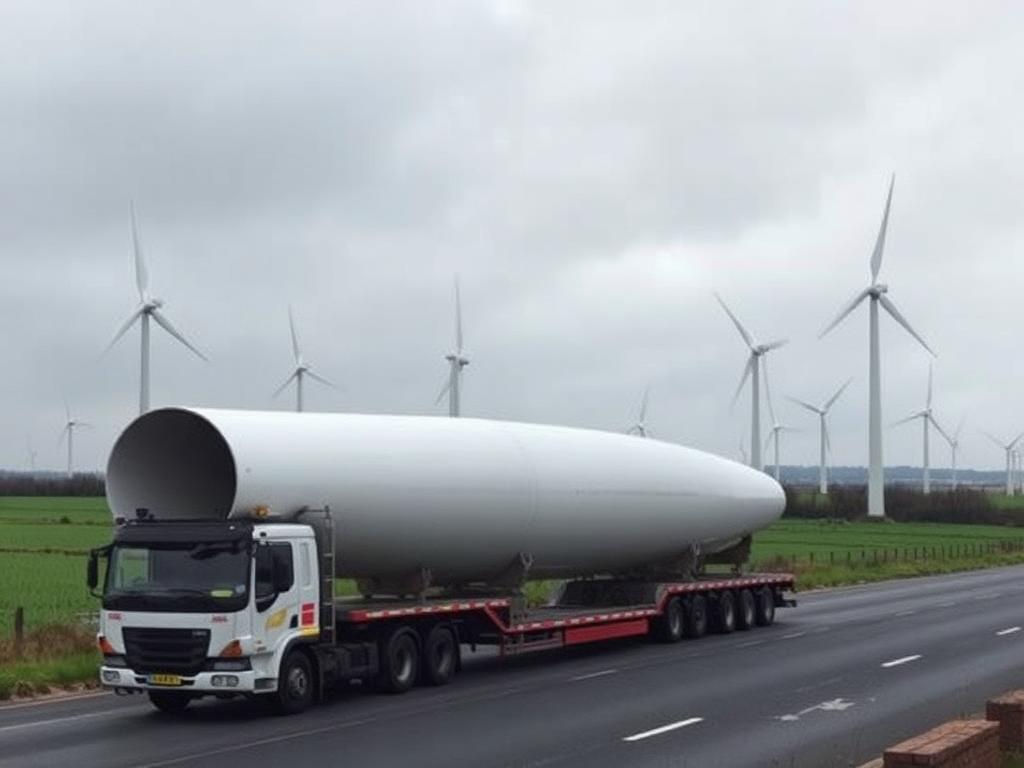
Large global forwarders offer scale, standardised systems and their own overseas offices. That suits high-volume, highly repetitive programmes. The trade-off is usually flexibility: exceptions, one-off project cargo and unusual dimensions tend to be handled by process rather than by judgement.
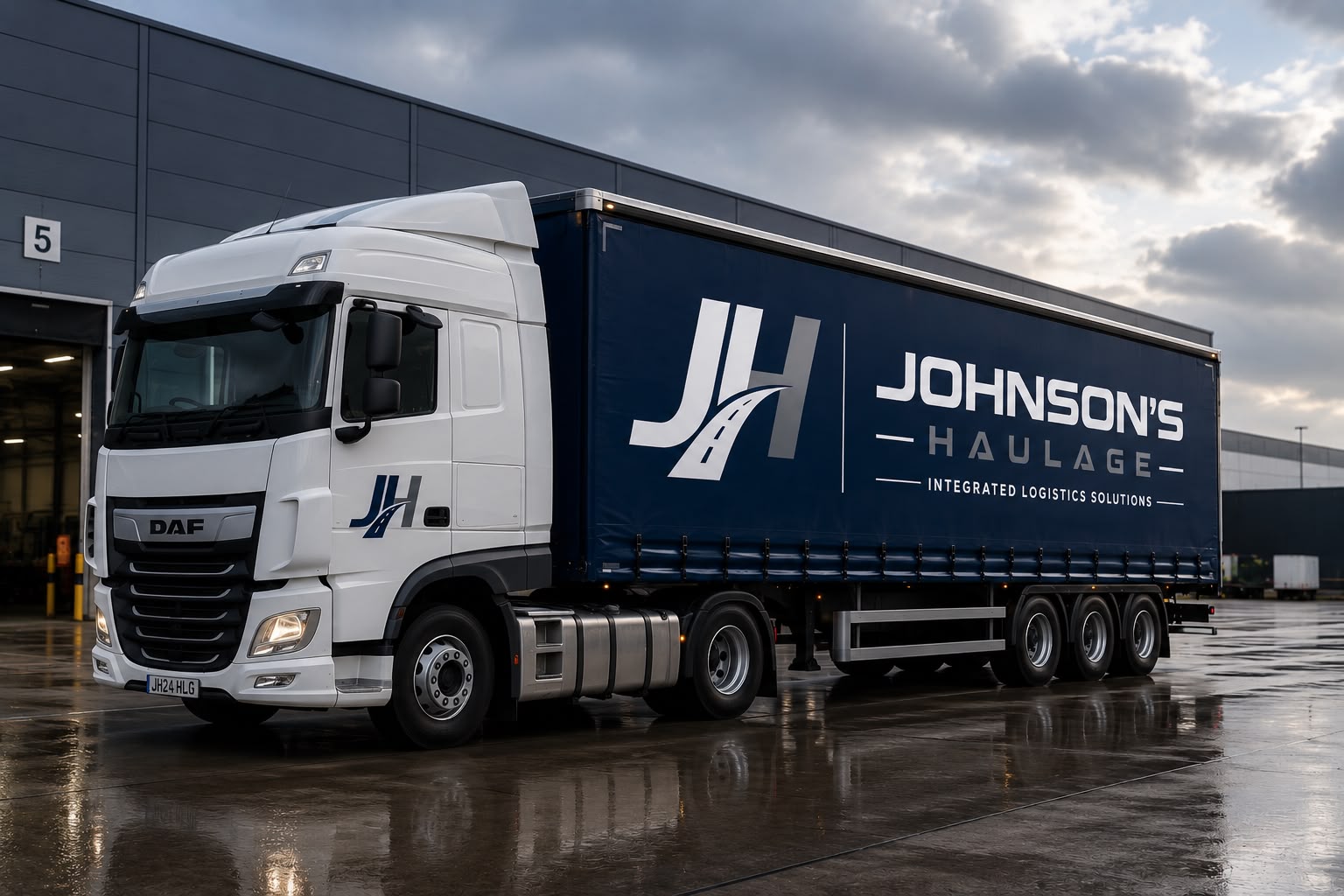
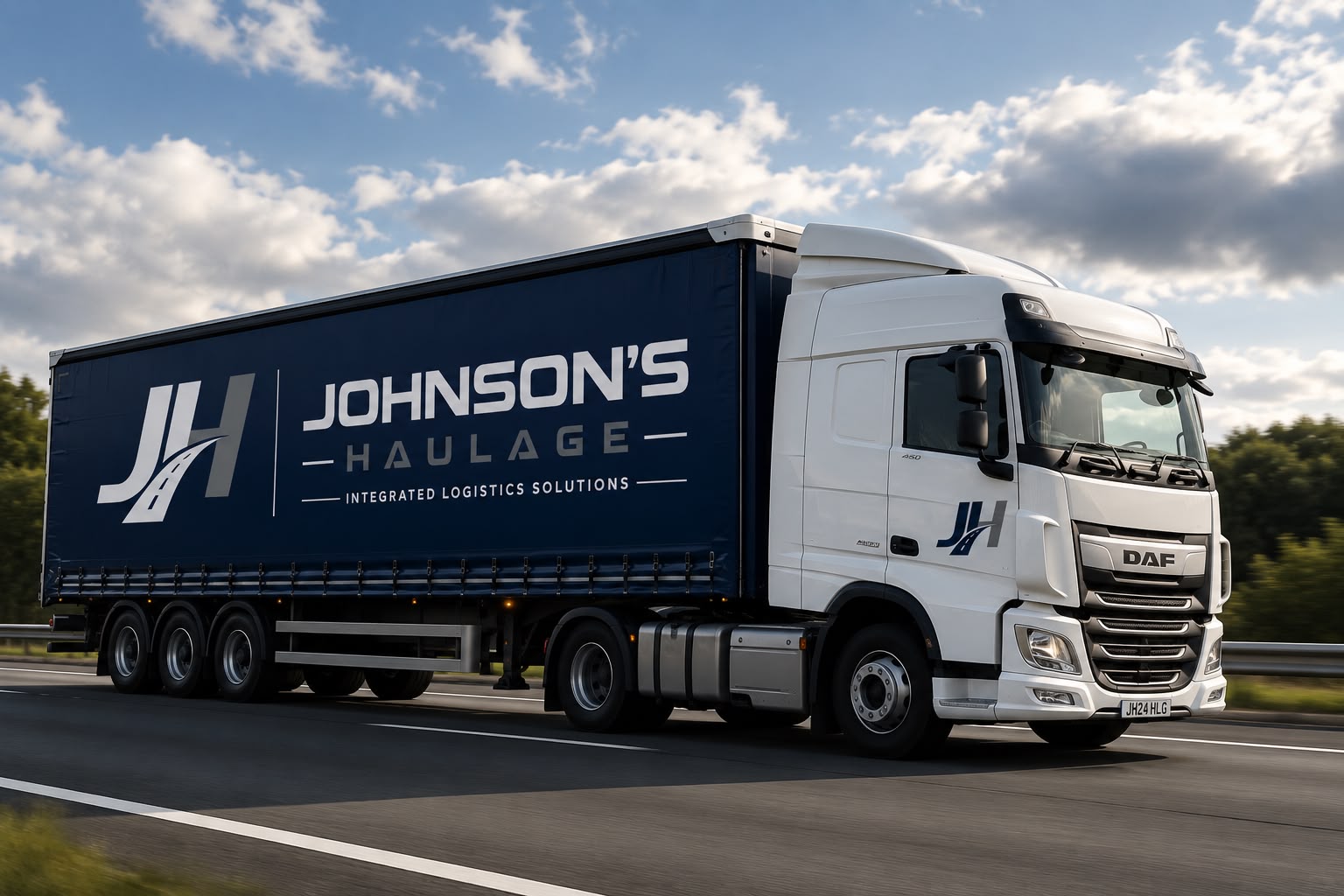
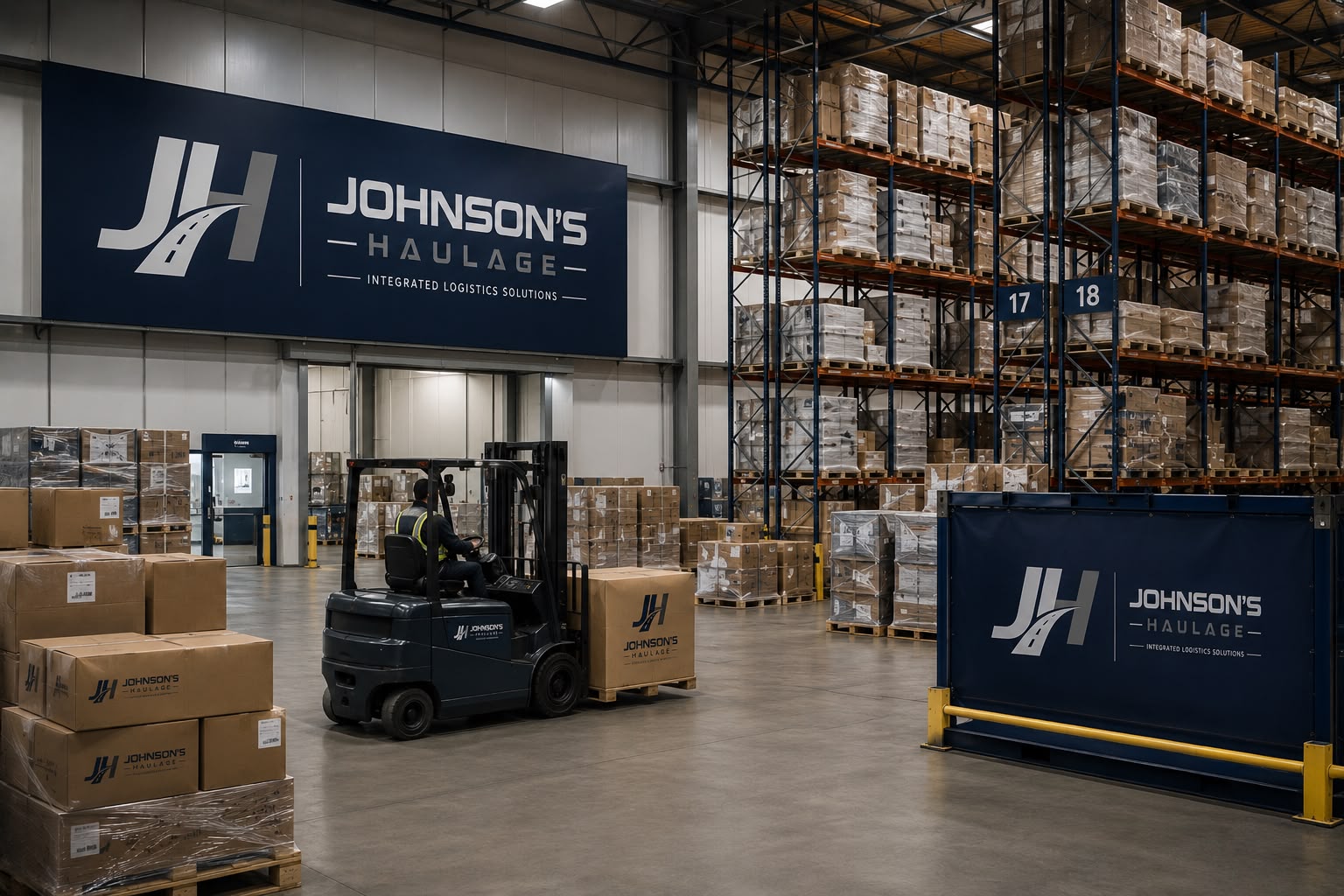
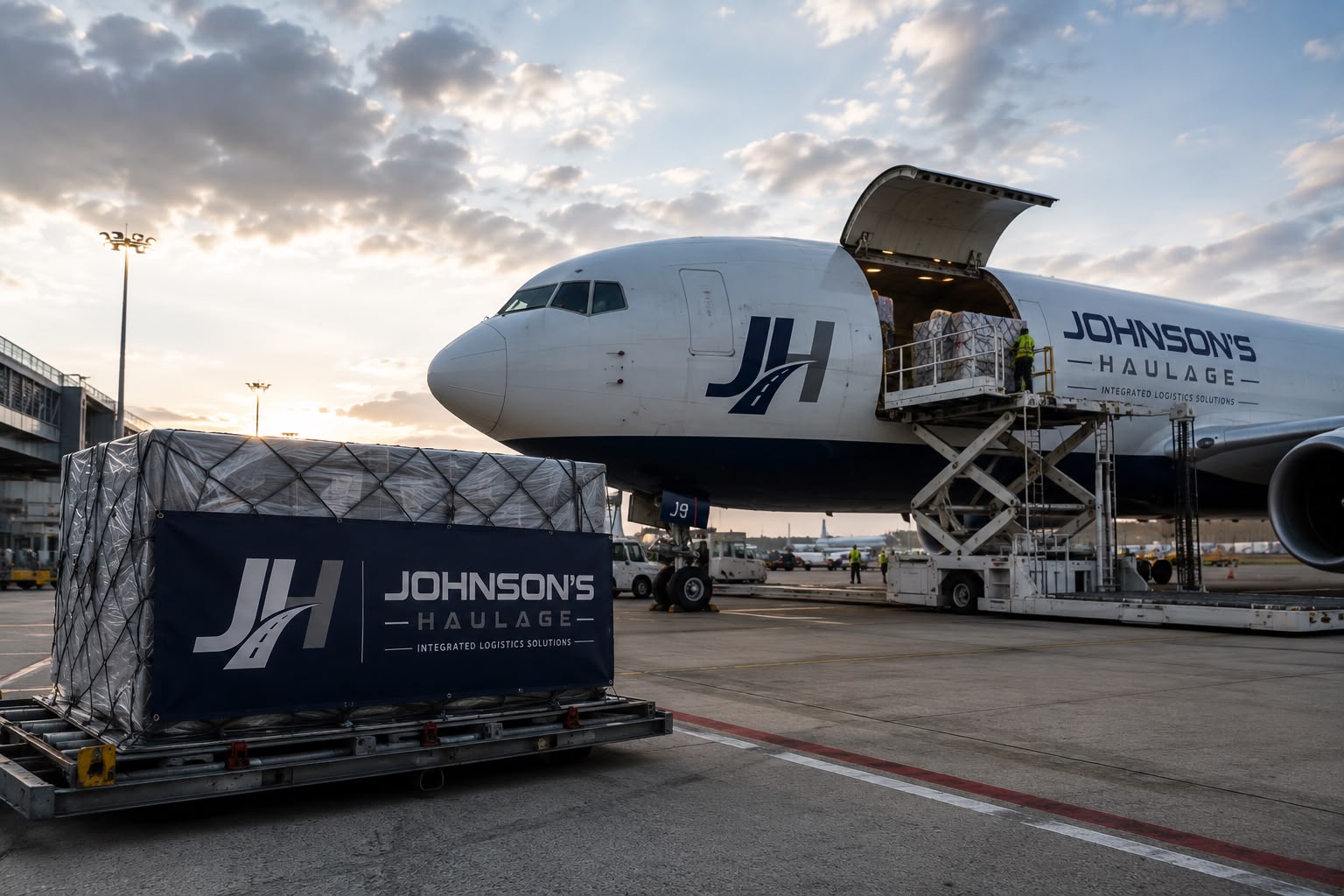
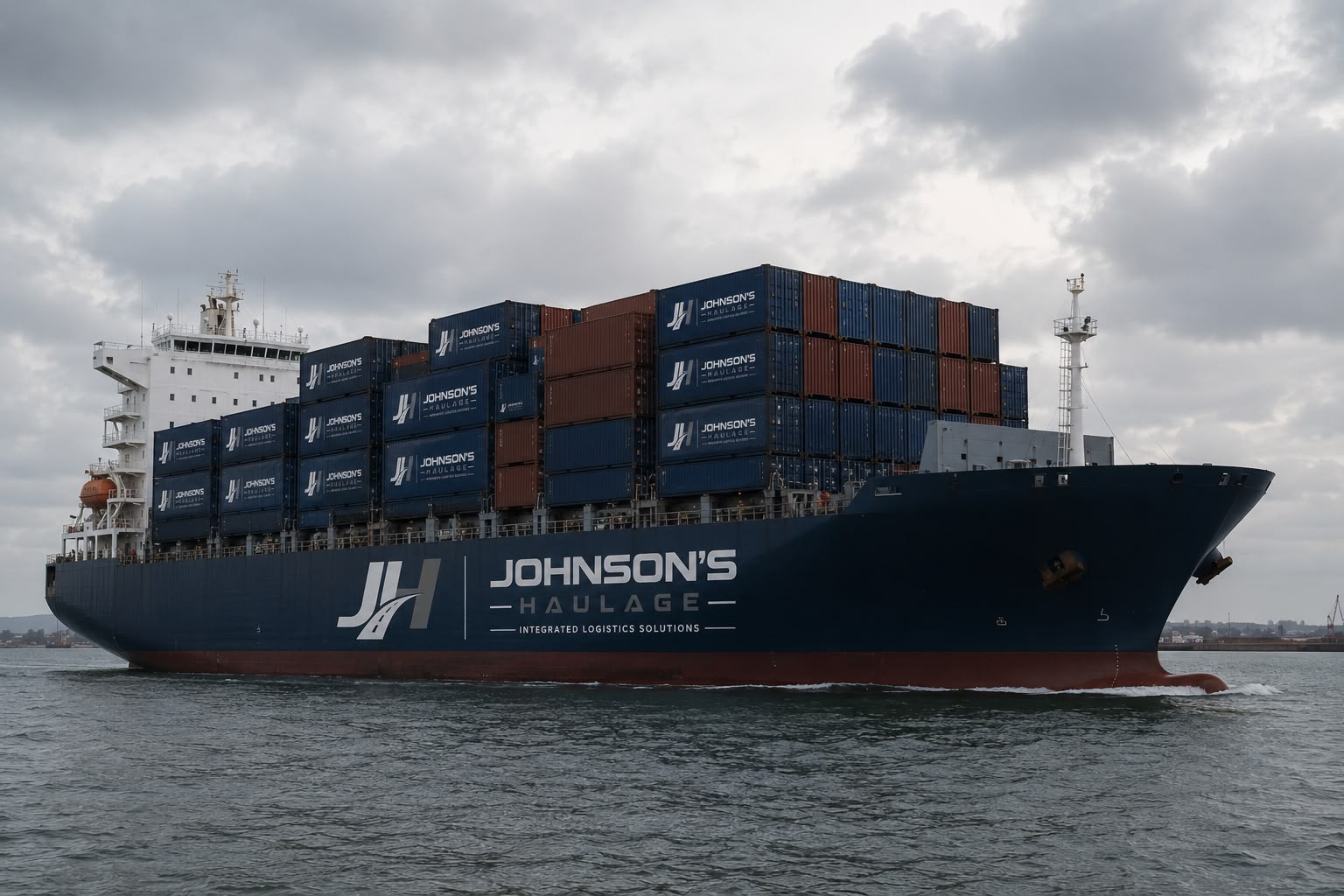
Independent UK forwarders such as Johnson's Haulage compete on responsiveness. Because coordination sits with a small, accountable team rather than a call centre, decisions about re-routing, alternative carriers or urgent capacity can be made in minutes. For small and mid-sized shippers, that is frequently worth more than global footprint.
Questions to ask before you appoint anyone
Ask each shortlisted provider the same questions and compare the answers side by side rather than the headline rates.
- Who is my day-to-day contact, and who covers them when they're unavailable?
- How do you select and monitor the carriers who will actually handle my freight?
- What goods-in-transit cover applies, and what is the limit per consignment?
- How and when will I receive collection confirmation and delivery updates?
- What happens operationally — and commercially — if a shipment is delayed?
- Can you support us if our volumes, destinations or freight types change?
Making the decision
Price matters, but the cheapest quote is rarely the cheapest movement once failed collections, re-deliveries and unbudgeted surcharges are counted. Weight your decision toward providers who explain their carrier selection clearly, quote inclusively, and give you a named person to call. If you'd like to benchmark your current arrangements, our team is happy to review a recent lane and talk through what we would do differently.
Frequently asked questions
Talk to our team.
Get a tailored quote or speak to our operations team about your transport requirements.