










The Commercial Pressure for Logistics Efficiency
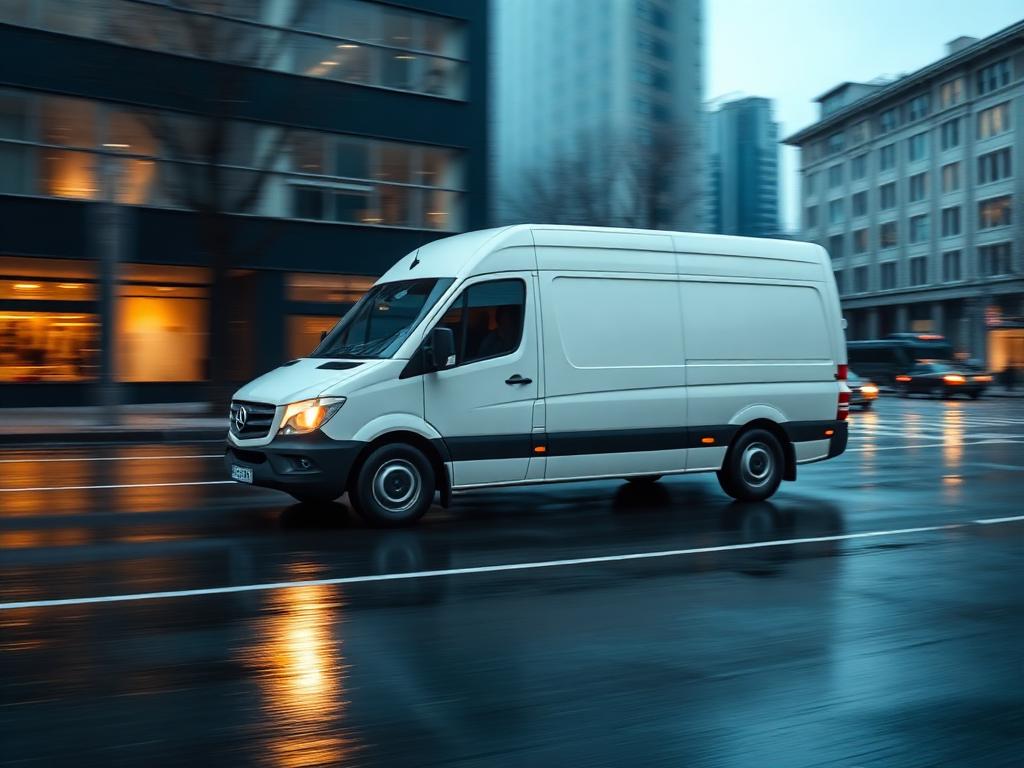
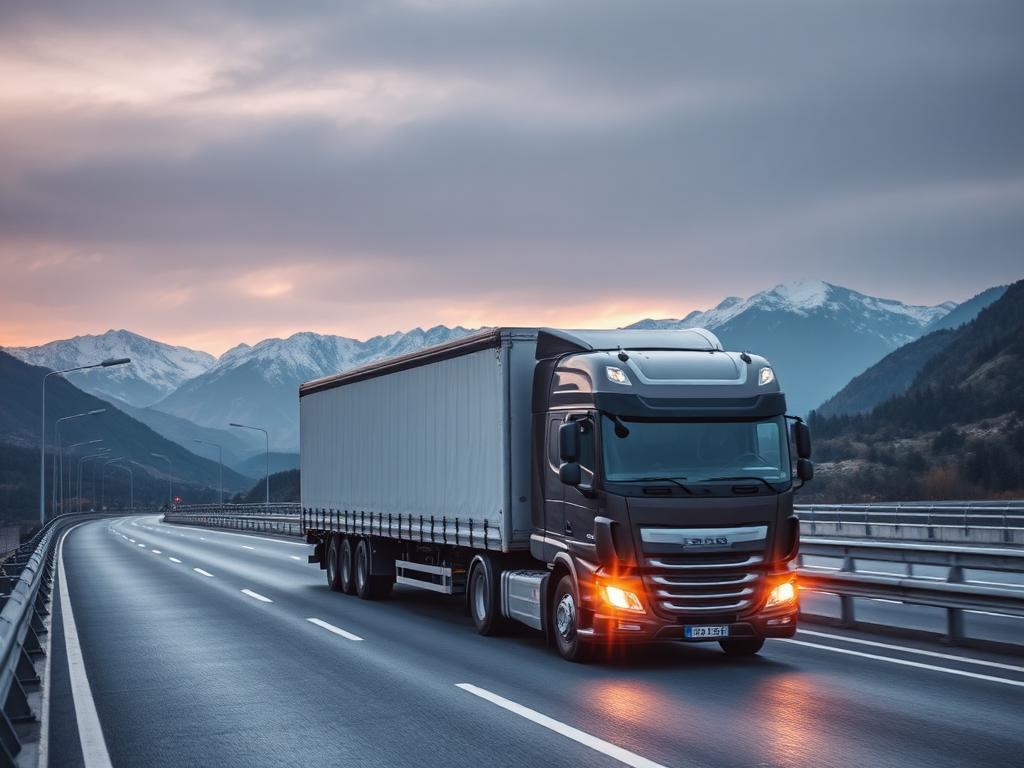
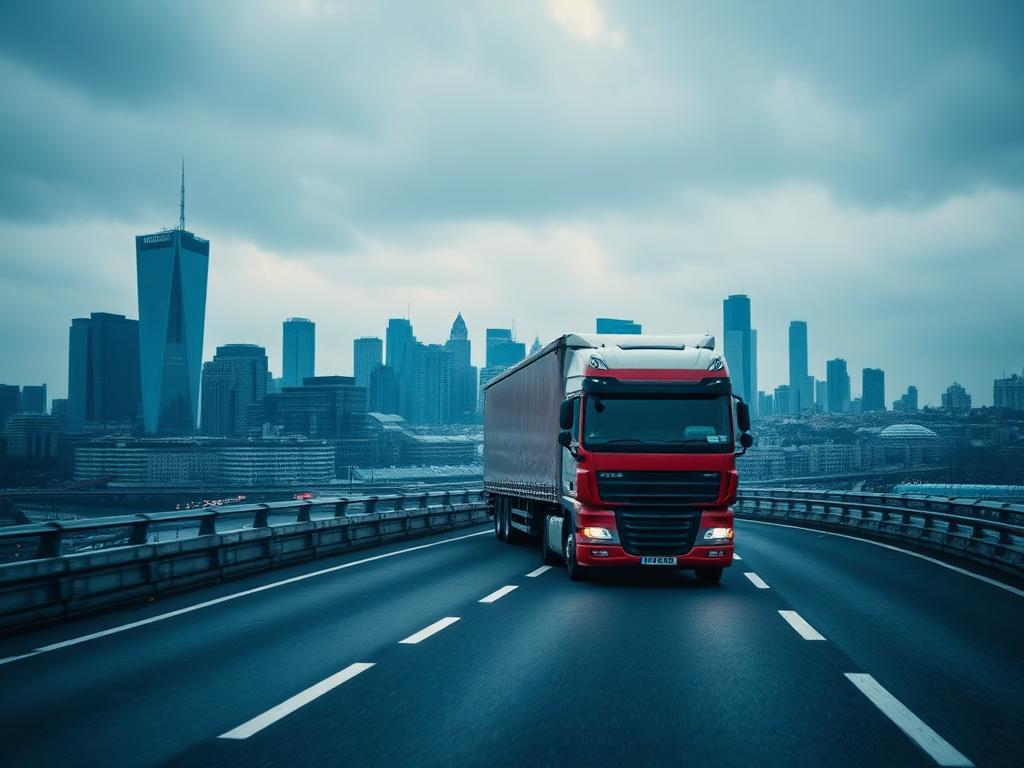
Supply chain managers face a constant battle against rising fuel costs, driver shortages, and the increasing expectation for rapid delivery. Traditional methods of manual routing and reactive scheduling are becoming insufficient as global trade routes grow more volatile. Businesses operating in 2026 require greater precision to maintain margins and protect their reputations.
Artificial intelligence is transitioning from a theoretical concept to a practical tool within the transport sector. While the industry is not yet at a stage of total autonomy, AI is beginning to provide the analytical power needed to process vast amounts of data in real time. This shift allows logistics providers to move from reacting to delays to anticipating them before they occur.
Predictive Demand Forecasting in 2026
One of the most significant shifts in logistics technology involves demand forecasting. In previous years, businesses relied heavily on historical sales data to predict future stock requirements. AI now integrates external variables such as weather patterns, geopolitical events, and even social trends to provide a more accurate picture of upcoming transport needs.
Accurate forecasting reduces the prevalence of dead mileage and underutilised vehicle capacity. By predicting peaks in demand, transport managers can secure carrier capacity further in advance, avoiding the high costs associated with last-minute spot market bookings. This level of foresight is essential for companies managing complex inventory levels across multiple locations.
Route Optimisation and Dynamic Rescheduling
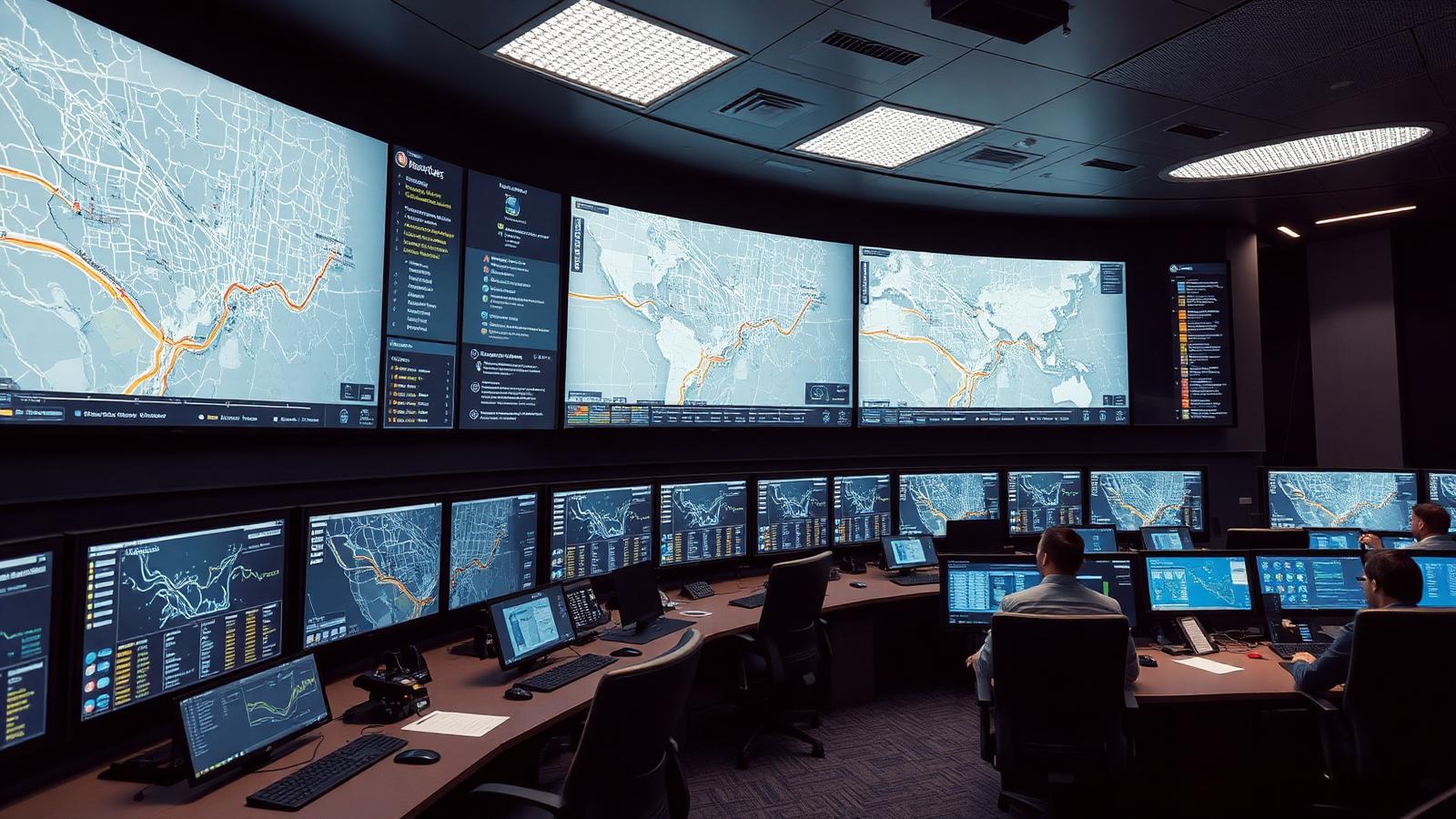
AI logistics software has moved beyond simple GPS mapping. Modern systems now calculate routes based on a massive array of live data points, including DVSA road safety alerts, live traffic congestion, and vehicle-specific constraints like weight limits or low emission zones.
The ability to dynamically reschedule is where AI provides the most value to road freight. If a vehicle is delayed at a port or stuck in an accident-related queue, the system can recalculate the ETA for all subsequent drops. In some cases, it can suggest a cross-docking alternative to ensure the most urgent freight still meets its delivery window.
Automation in Document Processing and Customs
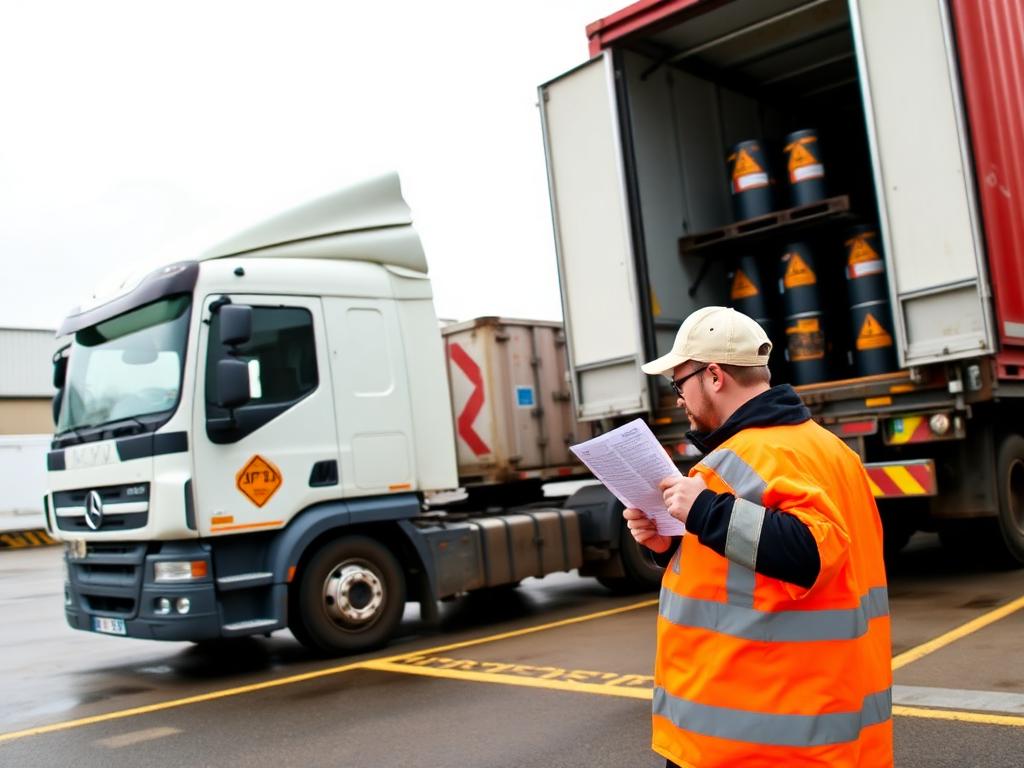
The administrative burden of international trade remains a significant hurdle for many UK businesses. Since the implementation of new customs requirements following the UK’s exit from the EU, the volume of paperwork has increased. AI-driven Optical Character Recognition (OCR) is now being used to automate the ingestion of commercial invoices, packing lists, and bills of lading.
These systems can flag discrepancies between documents that a human eye might miss, such as a mismatch in commodity codes or weights. By identifying these errors before the data is submitted to HMRC or through the Customs Declaration Service (CDS), businesses can avoid costly delays at the border and potential fines for non-compliance.
The Johnson’s Haulage Approach to Technology
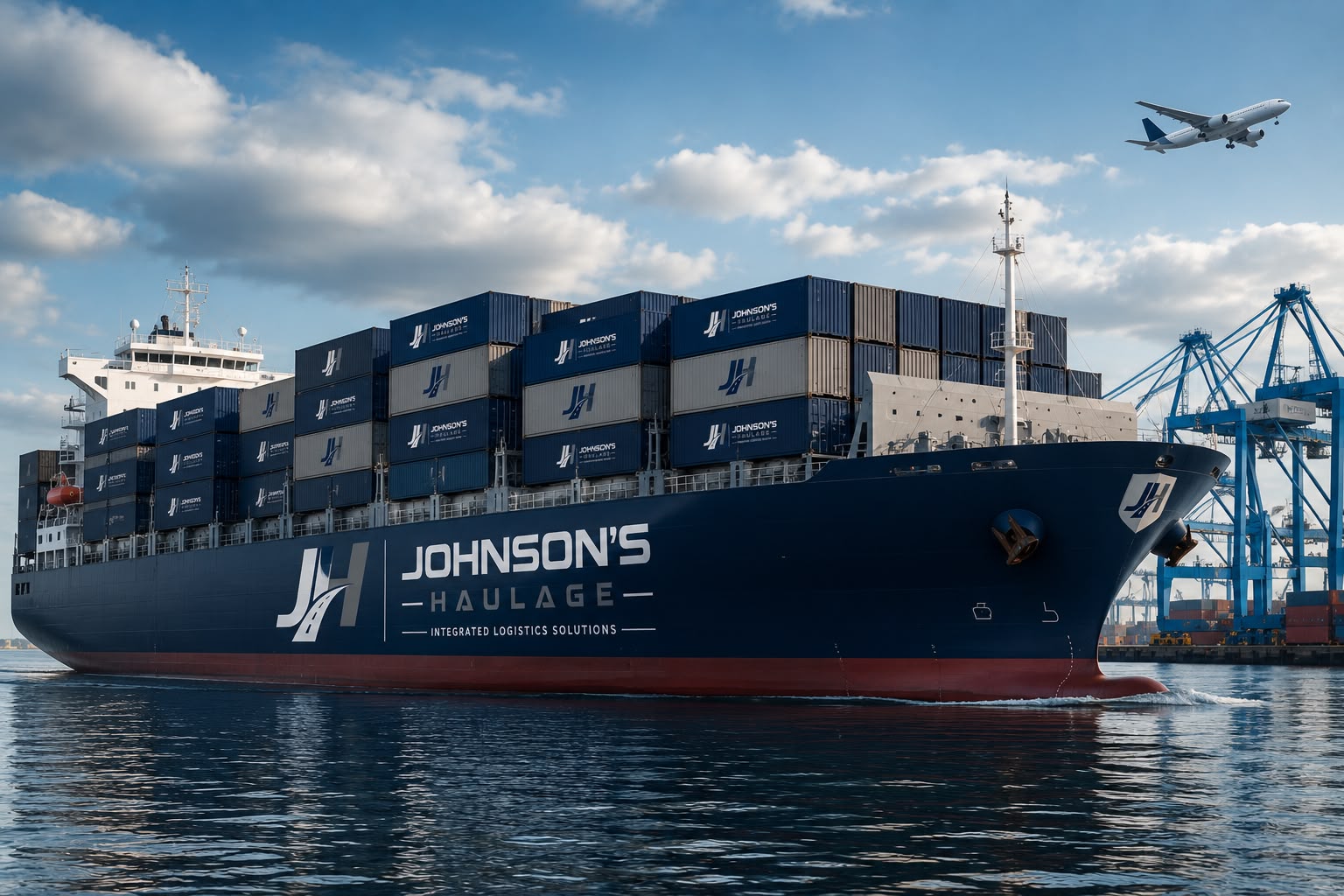
At Johnson’s Haulage, we recognise that technology is a tool to enhance, rather than replace, human expertise. Based at Houldsworth Mill in Reddish, our transport team focuses on building a resilient network by sourcing and managing capacity through an approved group of assessed carriers. We do not own a fleet, which gives us the flexibility to choose the most efficient transport mode for each specific requirement.
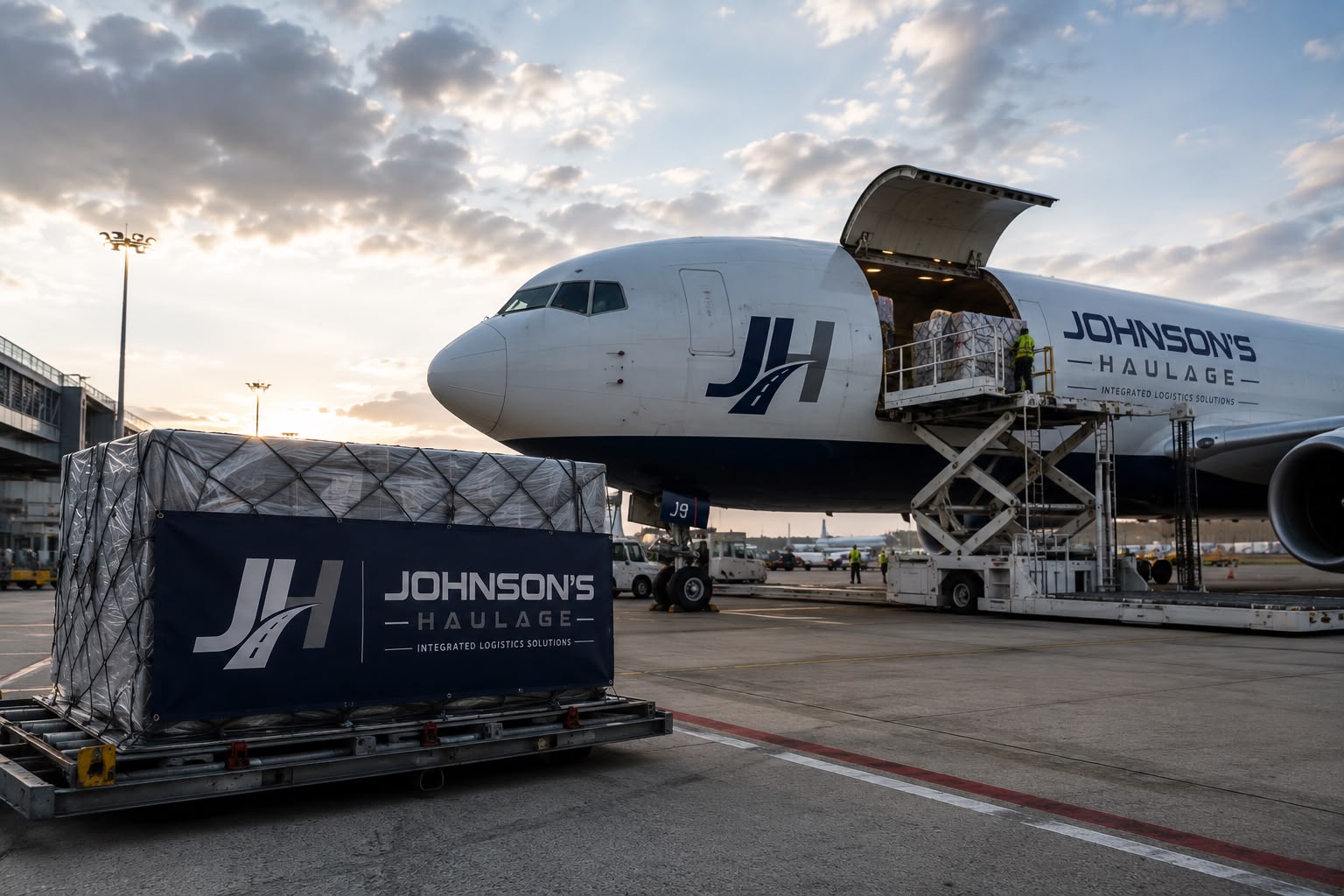
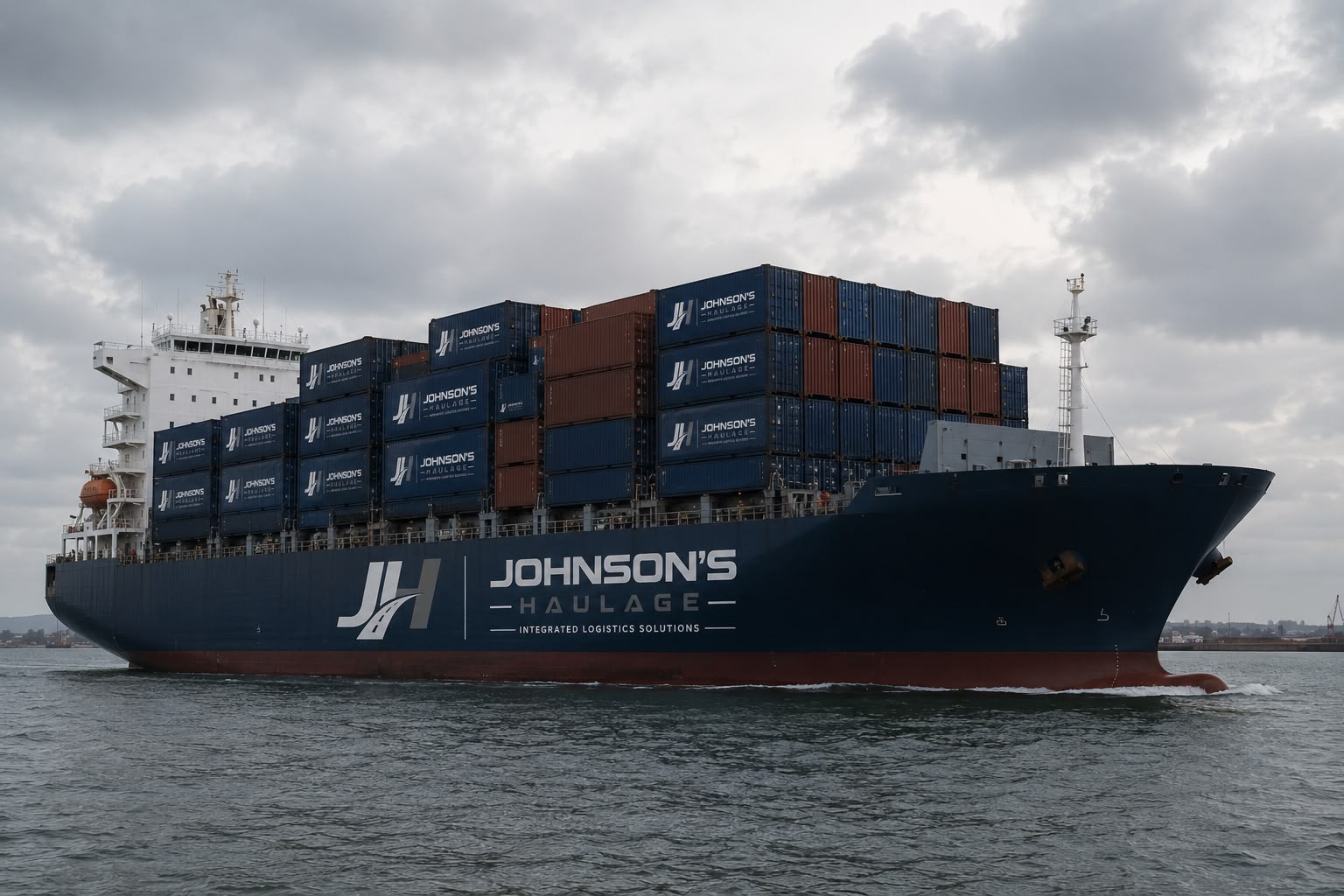
While we focus on traditional reliability, we are committed to improving the digital experience for our clients. We are currently in the development phase of a new customer portal. Once launched, this will provide a central hub for our clients to interact with their shipments, reflecting our commitment to transparent communication and modern supply chain management. Information on our UK road freight, air, and sea services can currently be obtained by contacting our Stockport office directly.
Enhanced Shipment Visibility and Exception Management
Visibility has evolved from simple 'track and trace' to proactive exception management. AI systems monitor the progress of a shipment against its planned schedule. If a milestone is missed, the system automatically alerts the transport manager, allowing for immediate intervention.
This reduces the 'information gap' where a customer is unaware of a delay until the delivery window has already passed. By using data to highlight only the shipments that require attention, logistics professionals can focus their energy on solving problems rather than manually checking the status of every vehicle in transit.
AI in Warehouse Operations and Pallet Distribution
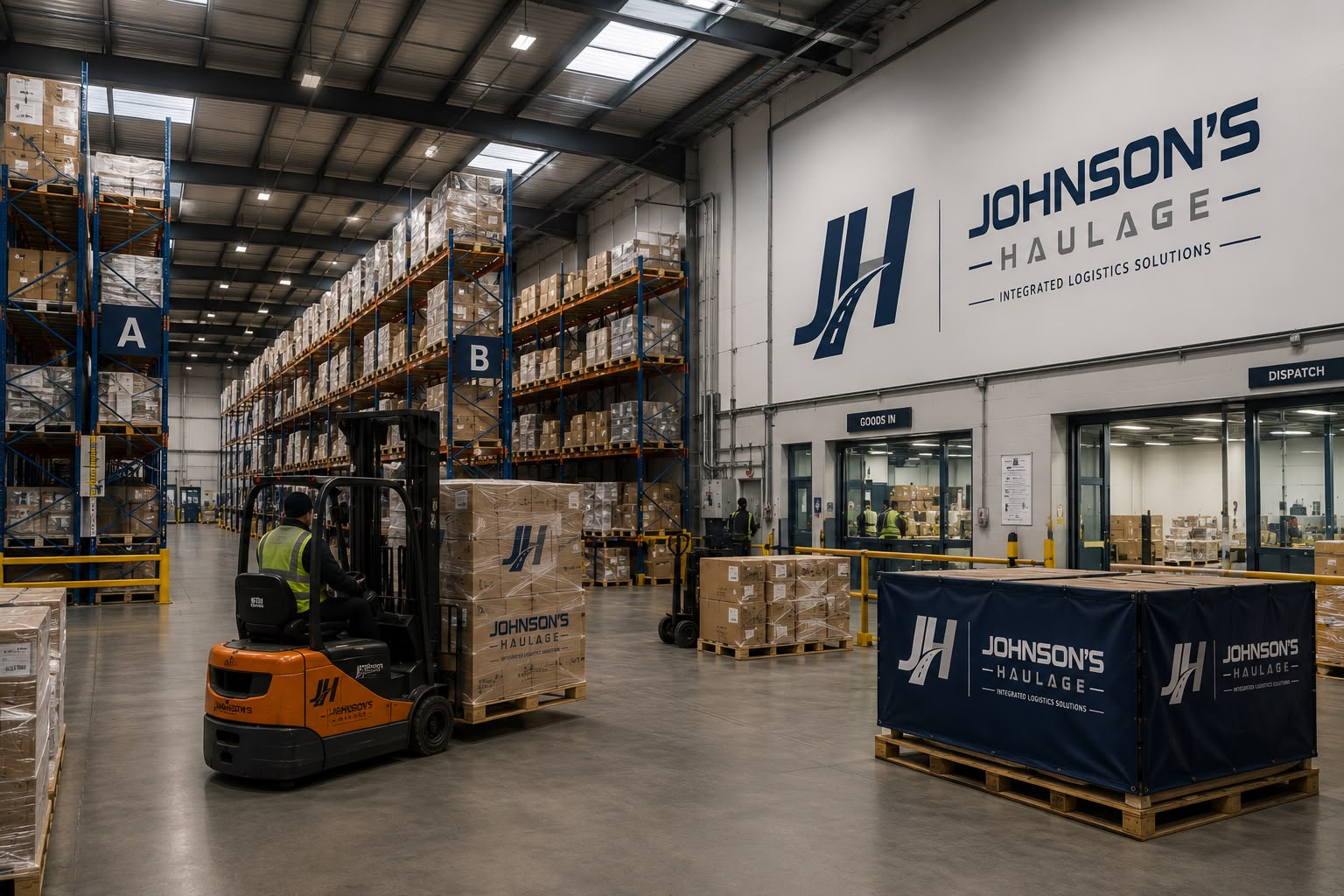
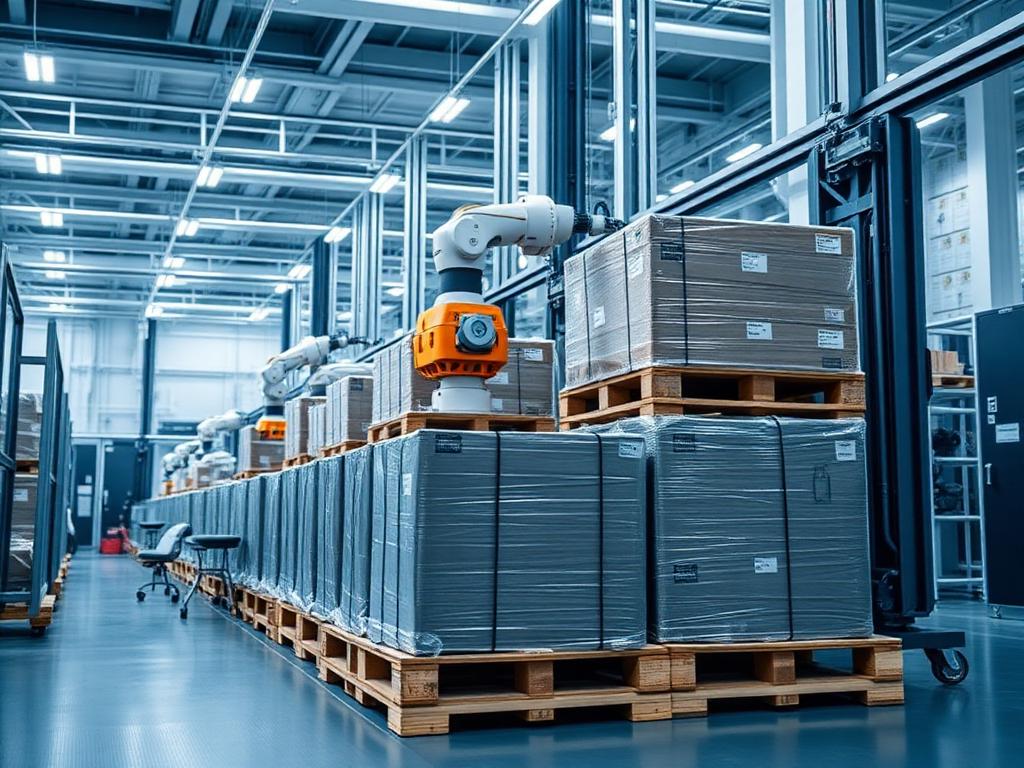
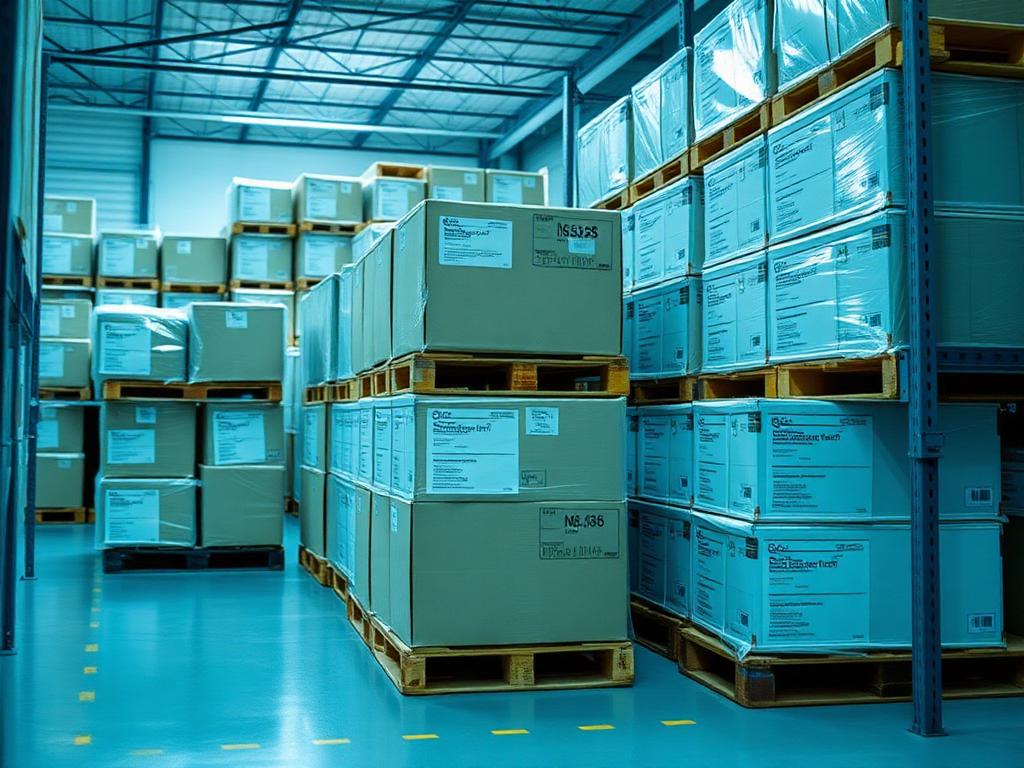
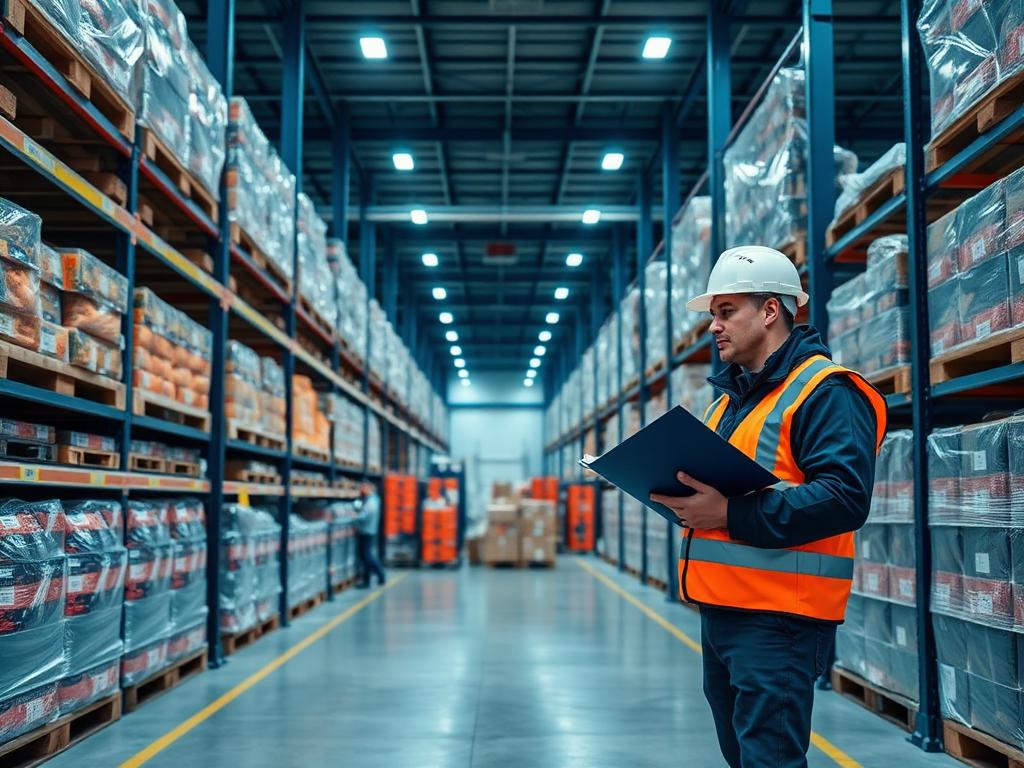
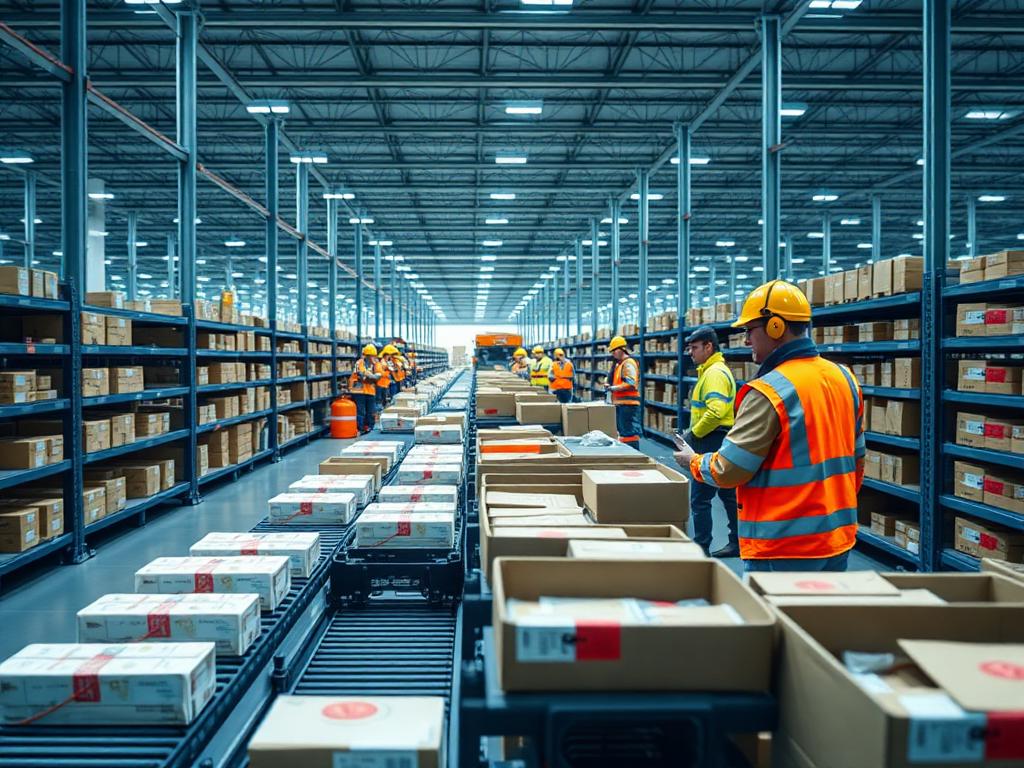
Inside the warehouse, AI is optimising slotting patterns and picking routes. By analysing which items are frequently ordered together, the software suggests the most efficient layout to minimise the distance staff travel. This is particularly effective in large-scale pallet distribution centres where small improvements in travel time result in significant daily productivity gains.
Automation also extends to inventory health. AI can identify slow-moving stock that is incurring unnecessary storage costs or predict when a high-turnover line is at risk of a stockout. This level of warehouse intelligence ensures that contract logistics operations remain lean and responsive to market changes.
| Function | Traditional Approach | AI-Enhanced (2026) |
|---|---|---|
| Route Planning | Manual planning based on distance | Real-time updates including weather/traffic data |
| Demand Forecasting | Based on last year's sales figures | Multivariate analysis of market trends/external factors |
| Communication | Reactive emails and phone calls | Proactive alerts and automated status updates |
| Data Entry | Manual typing of shipping details | Automated OCR and document synchronization |
Comparison of Traditional vs AI-Enhanced Logistics Functions
The Human Element and Technological Limitations
Despite the advancements in logistics technology, AI has clear limitations. It cannot replace the nuanced negotiation required when managing carrier relationships or the creative problem-solving needed during a major supply chain crisis. A machine may identify a delay, but it takes a human transport manager to understand the commercial impact on a specific client and act accordingly.
Furthermore, the quality of AI output is entirely dependent on the quality of the data it receives. If carriers do not provide accurate telematics or if cargo descriptions are vague, the technology cannot function effectively. The industry still relies heavily on the integrity of the professionals operating within the network. Data privacy and cybersecurity also remain top priorities as systems become more interconnected.
Managing the Transition to Smarter Logistics
For businesses looking to integrate these technologies, the transition should be incremental. It is rarely advisable to overhaul an entire supply chain overnight. Instead, companies should identify specific friction points, such as high administration costs or frequent delivery delays, and apply technological solutions to those areas first.
Collaboration between shippers and freight forwarders is vital. By sharing information more openly, both parties can benefit from the efficiencies that AI provides. As we move through 2026, the competitive advantage will belong to those who can successfully marry advanced data analytics with reliable, physical transport execution.
Conclusion: Future-Proofing Your Supply Chain
The role of AI in transport and logistics is to remove guesswork and reduce waste. From predictive forecasting to automated document checks, these tools allow for a more resilient and transparent supply chain. While the technology continues to evolve, the fundamental goal remains the same: ensuring goods arrive safely, on time, and at a sustainable cost.
If you are looking for a logistics partner that balances traditional service with a forward-thinking approach to management, our team is ready to assist. Contact Johnson’s Haulage today to discuss your transport requirements or to request a quote for our UK and international services. Call us on 0161 669 1949 or email info@johnsonshaulage.com.
Frequently asked questions
Talk to our team.
Get a tailored quote or speak to our operations team about your transport requirements.