





















Managing the Challenges of Heavy and Oversized Cargo
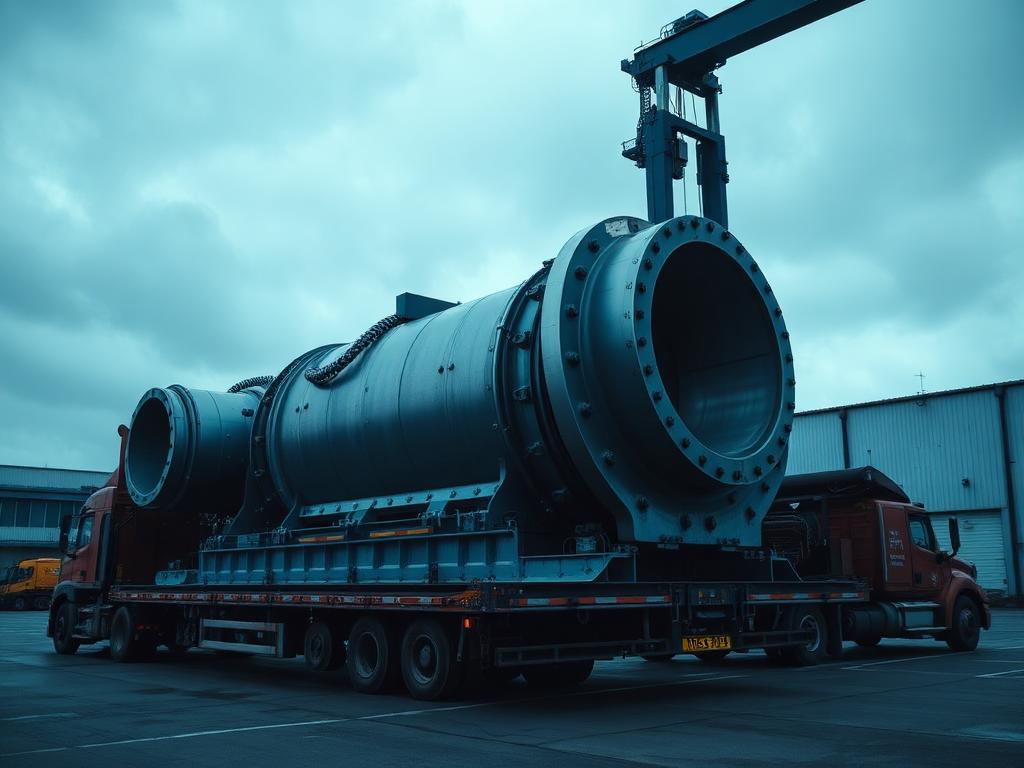
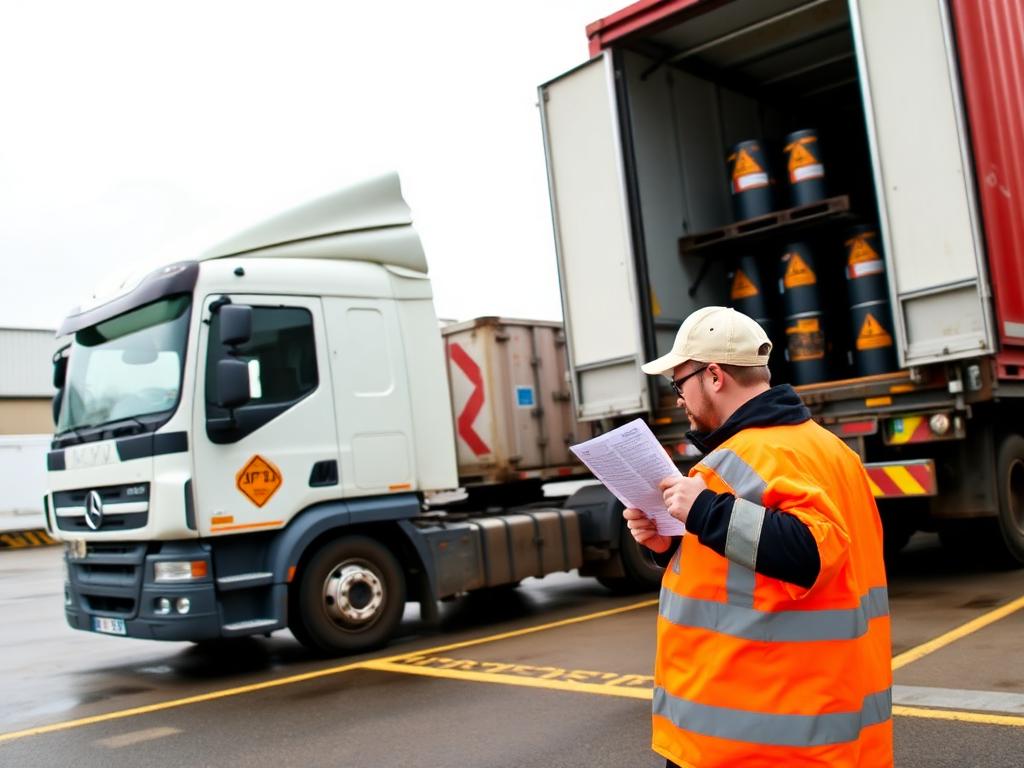
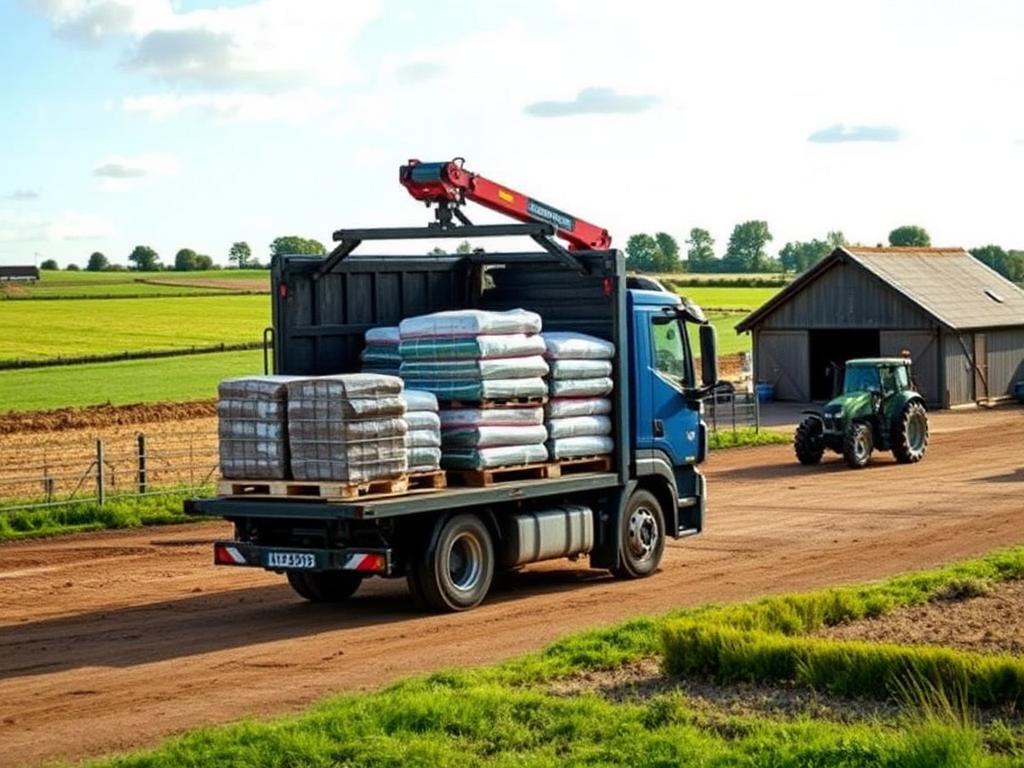
Transporting standard palletised goods is a predictable process governed by established networks. However, when cargo exceeds standard dimensions or weights, the logistical requirements shift from routine transport to a complex engineering project. For many UK businesses, moving machinery, structural steel, or modular buildings presents a significant commercial risk if the planning phase is overlooked.
Failure to account for the physical constraints of the UK road network or the regulatory requirements for notification can lead to project delays, fines, and safety incidents. Managing an abnormal load requires more than just a large vehicle; it requires a detailed understanding of the Special Types General Order (STGO) and the administrative processes mandated by the Department for Transport and National Highways.
What Constitutes an Abnormal Load in the UK?
The legal definitions of what constitutes an abnormal load are strictly enforced. According to GOV.UK, a vehicle or its load is considered abnormal if it exceeds the standard weight or dimensions allowed by the Road Vehicles (Construction and Use) Regulations 1986. Generally, if a vehicle and its load meet any of the following criteria, it falls under specific specialist regulations:
| Measurement Type | Standard Limit (Approx) | Abnormal Load Threshold |
|---|---|---|
| Width | 2.9 metres (including load) | Over 2.9 metres requires notification |
| Length | 18.65 metres (standard articulated) | Over 18.65 metres total length |
| Weight | 44,000kg (44 tonnes) GVW | Over 44 tonnes (STGO Categories) |
| Overhangs | Variable by vehicle type | Front or rear overhangs exceeding 2 metres |
Standard Dimensions vs. Abnormal Load Thresholds
The Regulatory Framework: STGO and Special Orders
Most oversized movements in the UK operate under the Road Vehicles (Authorisation of Special Types) (General) Order 2003, commonly known as STGO. This allows for the transport of indivisible loads that cannot be broken down into smaller shipments without undue expense or risk of damage. These loads are categorised into three tiers: Category 1 (up to 46 tonnes), Category 2 (up to 80 tonnes), and Category 3 (up to 150 tonnes).
If a load exceeds 150 tonnes, or if its width or length is particularly extreme, it may require a Special Order from the Secretary of State for Transport. This is issued through the Highways England (National Highways) Abnormal Loads Team. These applications must be submitted well in advance, as the technical assessment by bridges and structural engineers can take several weeks. All operators moving such freight must ensure their insurance covers the specific risks associated with heavy haulage.
Notifications and Highway Authorities
A critical aspect of oversized transport is the notification process. You cannot simply load a trailer and depart; the police and relevant highway authorities must be informed of the intended route. For most loads over 2.9 metres wide, a notification period of two clear working days is required for the police. For heavier loads affecting bridges, the notification to bridge owners and highway authorities can be up to five clear working days.
This process is often managed through the Electronic Service Delivery for Abnormal Loads (ESDAL) system. This portal allows transport planners to plot a route and automatically notify the relevant authorities, including the police forces across whose jurisdictions the vehicle will pass. In some instances, the police may place restrictions on the time of travel, often prohibiting movements during peak rush hours or during hours of darkness on certain routes.
Specialist Trailer Types for Out-of-Gauge Freight
Standard curtainside trailers are unsuitable for oversized goods. Transporting out-of-gauge (OOG) freight requires specialist equipment designed to handle high weights or accommodate unusual heights and widths. The choice of trailer depends entirely on the centre of gravity and the physical dimensions of the cargo.
| Trailer Type | Primary Use Case | Key Feature |
|---|---|---|
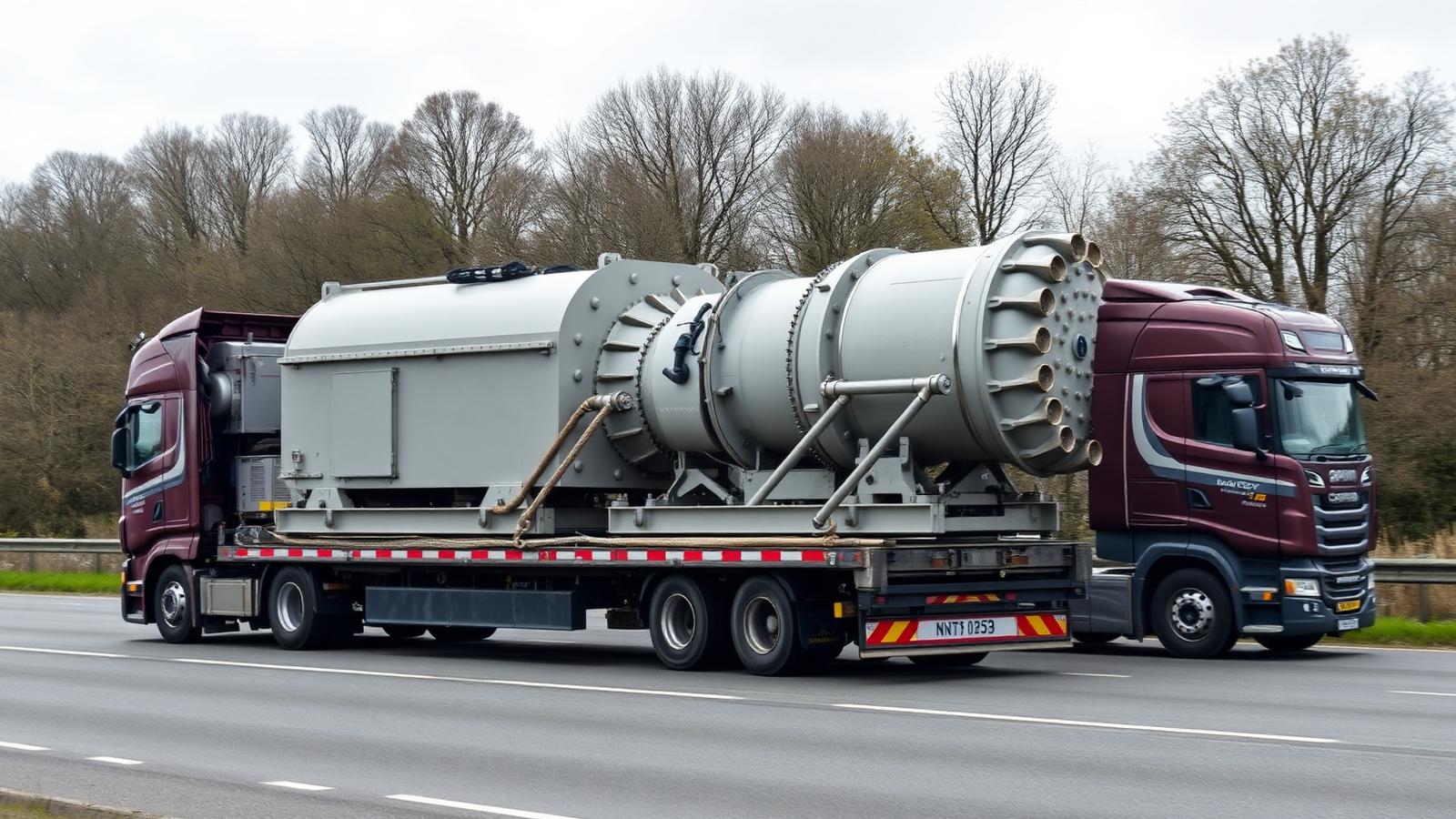
| Low Loader | Heavy plant, tall machinery, tanks | Low deck height for tall loads |
| Step Frame | Construction machinery, forklifts | A raised front section with a lower rear deck |
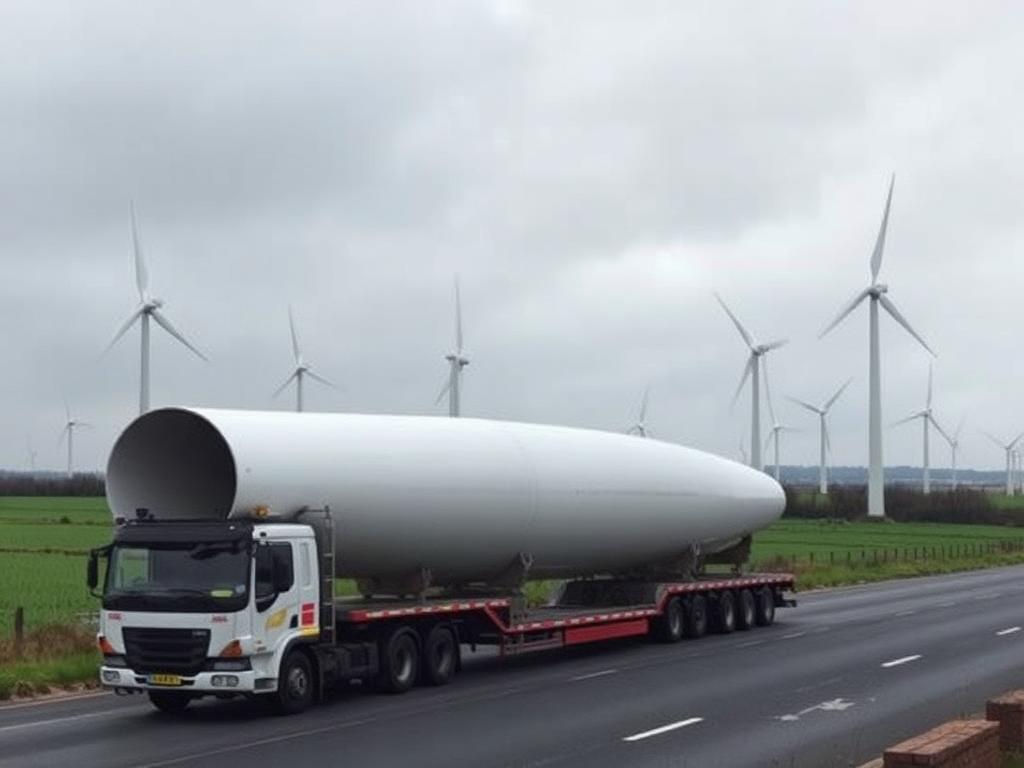
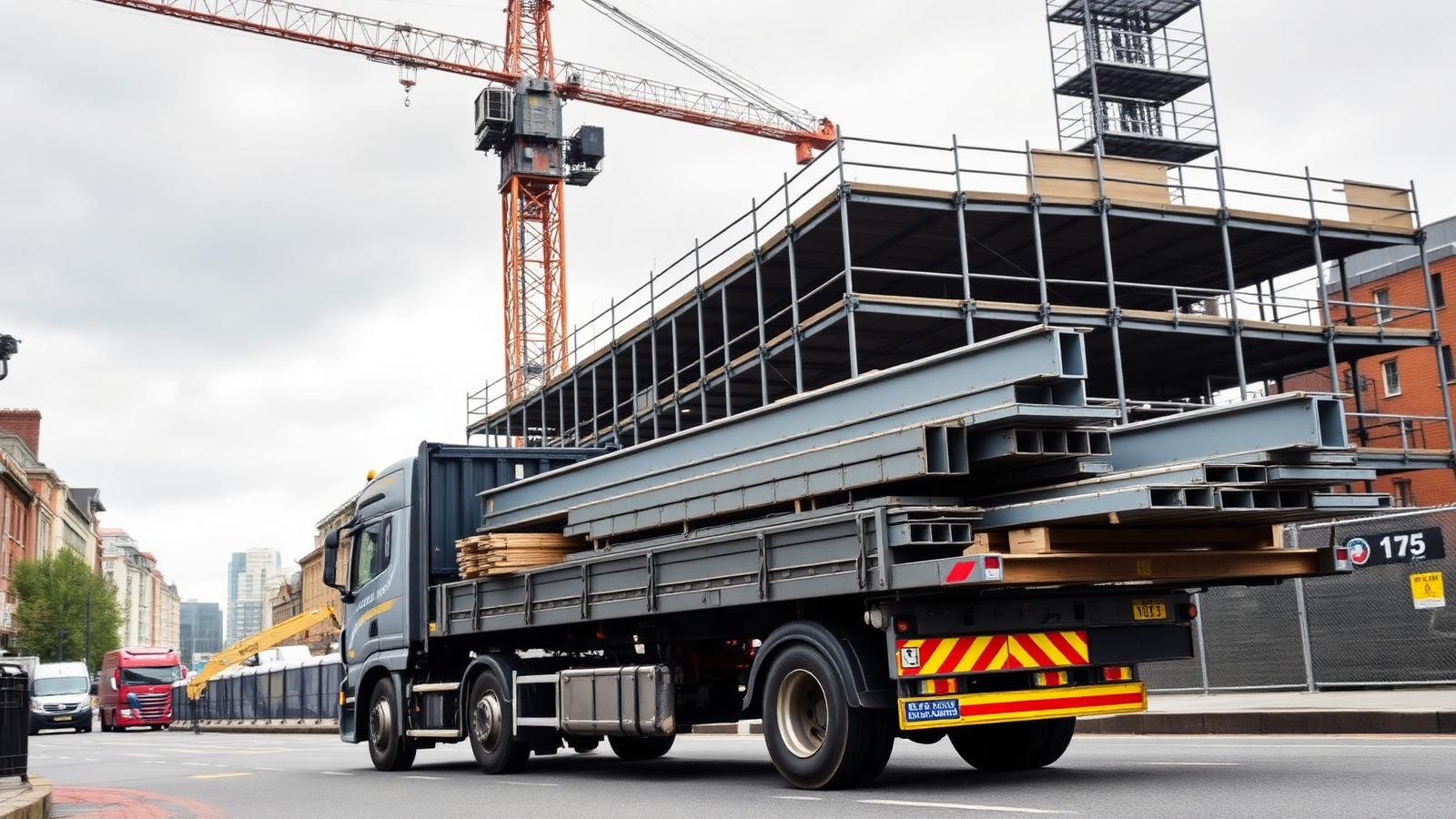
| Extendable (Trombone) | Wind turbine blades, structural beams | Chassis can be lengthened to support long items |
| Flatbed / Platform | Wide crates, timber, steelwork | Unrestricted side access for wide loads |
| Semi-Low Loader | Lighter plant, agricultural equipment | Versatile loading with ramps |
Common Specialist Trailer Types
Managing Abnormal Loads with Johnson's Haulage
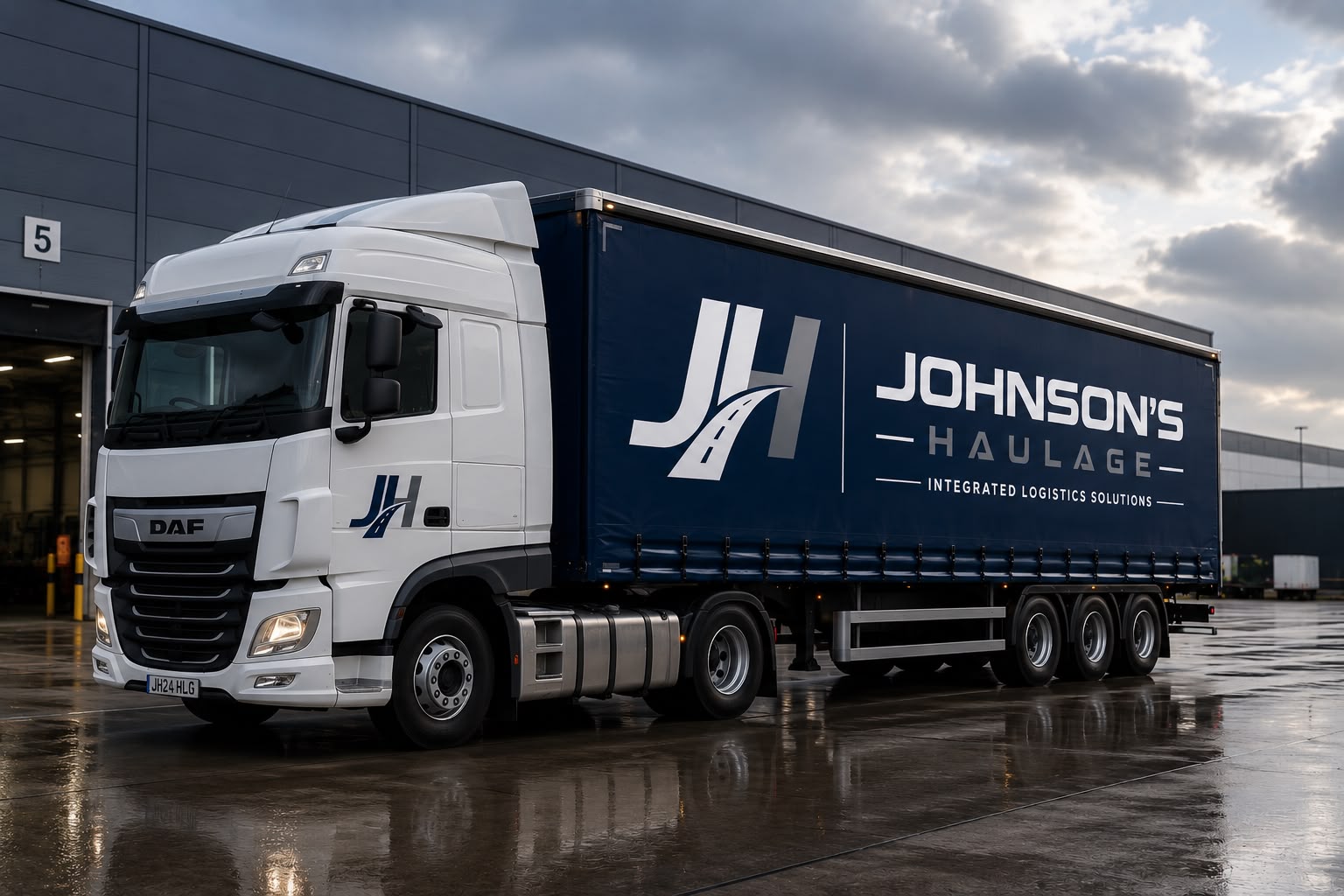
At Johnson's Haulage, we act as the central point of contact for businesses needing to move specialist cargo across the UK and Europe. Because we do not own a fixed fleet, we are not limited by the availability of specific vehicles. Instead, we utilise an approved network of assessed carriers who specialise in heavy haulage and abnormal loads.
Our transport management team handles the coordination between the cargo owner and the specialist carrier. We oversee the selection of the correct trailer type, verify the carrier's experience with specific cargo types, and ensure that all documentation is in order before the vehicle arrives on site. This approach allows us to source the most appropriate equipment for the job, whether that is a 100-tonne capacity low loader or an extendable flatbed for structural steel. Based at Houldsworth Mill in Stockport, we coordinate these movements for clients nationwide, ensuring that the logistical burden of notifications and route planning is managed professionally.
The Importance of Route Surveys and Escorts
For exceptionally wide or long loads, a desk-based route plan is insufficient. A physical route survey may be necessary to identify obstacles such as low bridges, tight urban corners, street furniture, or overhead cables. In some cases, temporary removal of street signs or the trimming of trees is required to allow the vehicle to pass. Any modifications to the highway must be agreed upon with the local council in advance.
Pilot cars or escort vehicles are another vital component. These vehicles warn other road users of the approaching oversized load and assist the driver in navigating difficult junctions. While smaller abnormal loads can often be self-escorted by the transport company, very large loads may require a police escort. The requirement for an escort is determined by the police authorities based on the width and length of the load and the specific nature of the route.
Site Access and Lifting Requirements
A common point of failure in heavy haulage projects is the 'last mile' or the site entrance itself. A vehicle capable of carrying 60 tonnes is significantly heavier and less manoeuvrable than a standard HGV. It is essential to confirm that the ground at the collection and delivery points can support the weight of the vehicle and its load without sinking or damaging underground services.
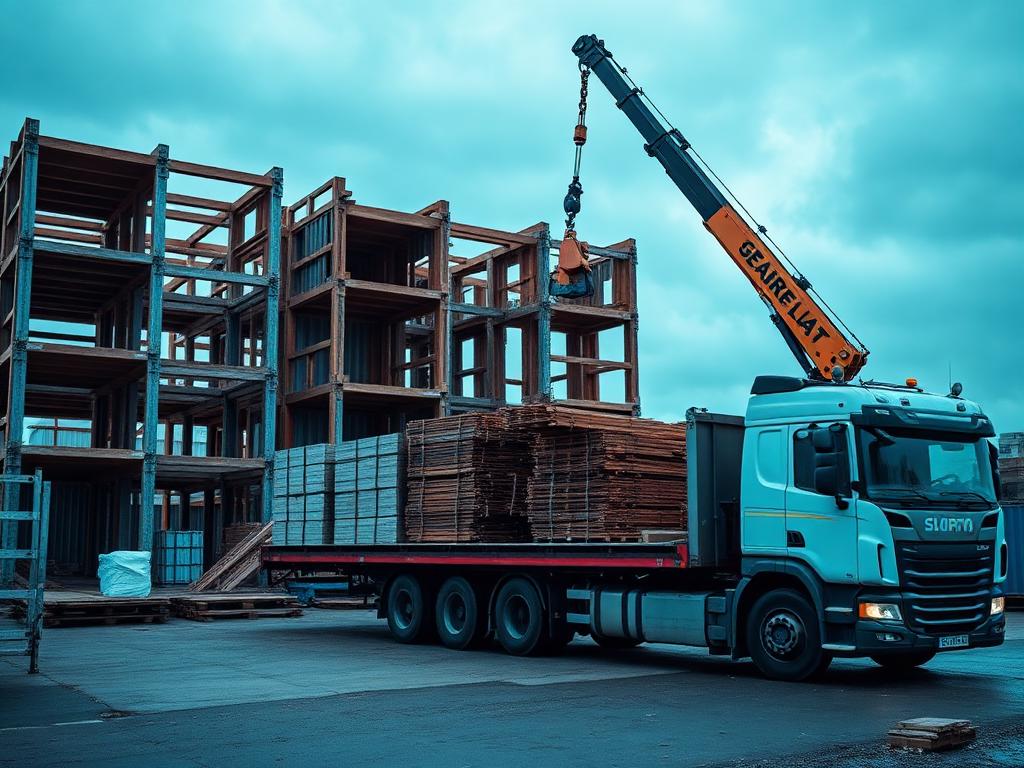
Furthermore, the method of loading and unloading must be planned. If the cargo is not self-propelled (like an excavator), it will likely require a mobile crane or a heavy-duty forklift. These lifting operations must be coordinated with the transport arrival to avoid costly 'demurrage' or waiting time charges. A contract lift or a basic crane hire should be arranged in accordance with BS 7121 standards to ensure safety and compliance.
Planning Checklist for Oversized Transport
To ensure a smooth transit, businesses should work through the following checklist during the early stages of project planning:
| Action Item | Responsibility | Details |
|---|---|---|
| Accurate Dimensions | Shipper | Length, width, height, and gross weight (kg) |
| Site Access Review | Project Manager | Check for narrow gates or weak ground |
| Equipment Selection | Transport Provider | Match load to the correct trailer (e.g., low loader) |
| Authority Notification | Transport Provider | Police and Highway notification via ESDAL |
| Method Statement | Safety Officer / Provider | Risk assessment for loading and transit |
| Lifting Plan | Site Manager / Crane Op | Coordination of cranes or offloading plant |
Oversized Load Planning Checklist
Lead Times and Commercial Considerations
Booking a standard curtainside trailer can often be done with 24 hours' notice. For abnormal loads, lead times are significantly longer. At a minimum, you must allow for the statutory notification periods (2 to 5 working days). However, for more complex moves requiring route surveys or Special Orders, lead times of four to six weeks are not uncommon. Early engagement with your transport manager is essential to lock in vehicle availability and ensure all permits are granted in time for the cargo's completion.
Pricing for abnormal loads is also more variable than standard freight. Costs are influenced by the need for escort vehicles, the time-sensitive nature of the permits, and the potential for longer transit times due to speed restrictions or indirect routes dictated by bridge weight limits. Businesses should factor these variables into their project budgets at the tendering stage rather than as an afterthought.
Partnering for Specialist Transport Success
Moving oversized and abnormal loads is a high-stakes area of logistics where precision is more important than speed. By understanding the regulatory thresholds and the technical requirements of the UK road network, businesses can avoid the common pitfalls of heavy haulage. At Johnson's Haulage, we provide the expertise needed to manage these movements through our network of specialist partners. If you have a project requiring the transport of out-of-gauge freight or heavy machinery, contact our transport team at Houldsworth Mill on 0161 669 1949 or email info@johnsonshaulage.com to discuss your requirements.
Frequently asked questions
Talk to our team.
Get a tailored quote or speak to our operations team about your transport requirements.