





























Streamlining Logistics Procurement for Commercial Success
Securing reliable transport capacity at a sustainable cost is a fundamental challenge for procurement and operations teams. A poorly executed transport tender often results in hidden costs, service failures, and strained relationships between shippers and providers. When the tender process lacks clarity, logistics providers are forced to build risk margins into their pricing, which ultimately increases the total cost of ownership for the shipper.
Effective logistics procurement requires more than just requesting a spreadsheet of rates. It demands a structured approach that provides potential partners with a transparent view of your supply chain requirements. By standardising the data you provide and the format in which you receive responses, you can move beyond price-centric decision-making toward a strategy that prioritises resilience and service quality.
The Critical Components of a Freight RFQ Data Pack
A transport tender is only as good as the data driving it. If providers are forced to guess your requirements, the resulting quotes will be inconsistent and difficult to compare. The goal is to provide a comprehensive data pack that mirrors your actual operational reality over a trailing twelve-month period.
Volume data should be broken down by lane, specifying origin and destination postcodes. Rather than providing annual totals, share monthly or weekly averages to help providers understand capacity requirements. Seasonal peaks, such as the lead-up to Christmas or end-of-quarter surges, must be clearly identified so providers can plan for driver and vehicle availability.
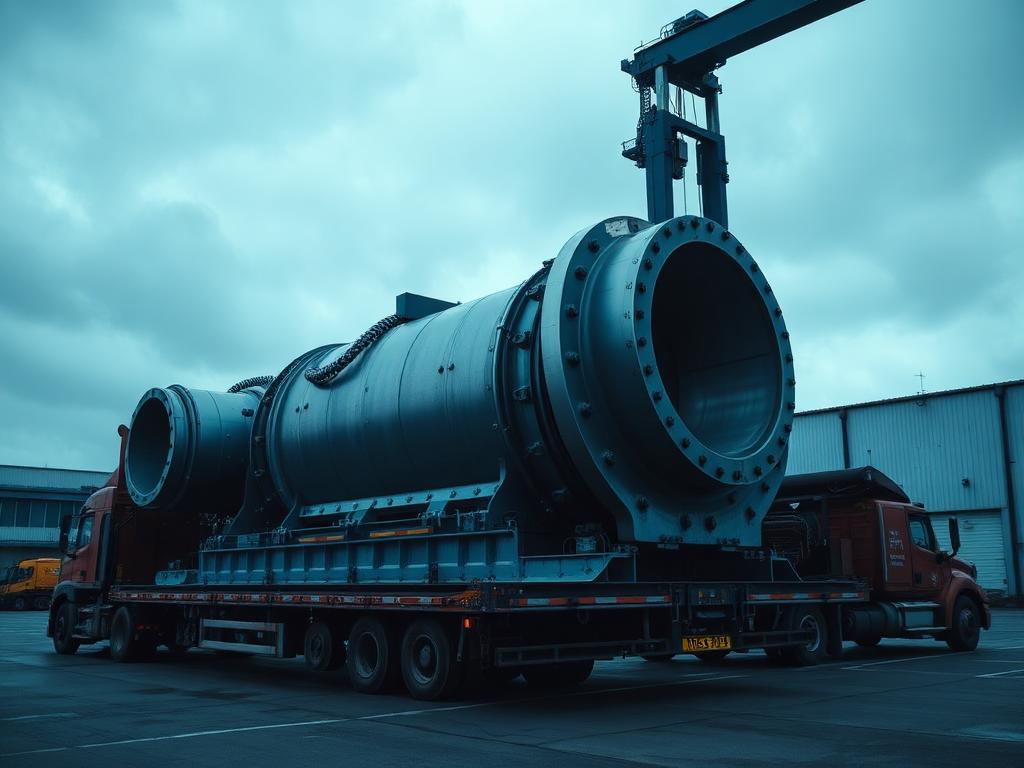
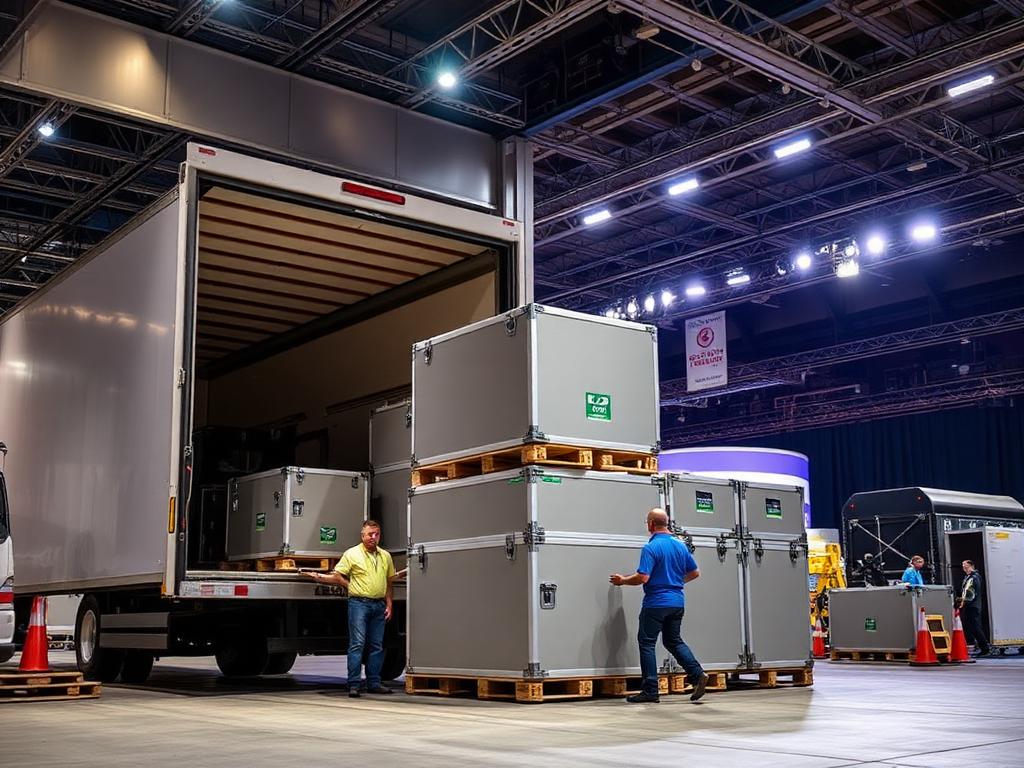
Pallet profiles and load characteristics are equally vital. Specify whether goods are stackable, the dimensions and weight of the pallets, and any special handling requirements like hazardous goods (ADR) or temperature control. Clear information regarding site access—such as restricted vehicle sizes or specific delivery windows—ensures that the quoted rates are realistic and achievable.
Essential Data Checklist for Logistics Tenders
To ensure all participants are quoting on the same basis, include the following elements in your initial Request for Quotation (RFQ).
| Data Category | Specific Details Required | Impact on Pricing |
|---|---|---|
| Lane Data | Full collection and delivery postcodes, frequency of movements. | Determines backhaul opportunities and regional resource allocation. |
| Pallet Profile | Weight, height, width, and length. State if stackable or non-stackable. | Dictates vehicle fill and pallet network tier pricing. |
| Service Levels | Next-day, economy, timed deliveries, or dedicated transport. | Higher urgency increases driver hours and vehicle commitment costs. |
| Site Constraints | Tail-lift requirements, vehicle size limits (e.g., 7.5t only), or booking slots. | Prevents unforeseen 'failed delivery' or 'redelivery' surcharges. |
| Equipment Type | Curtainsiders, box vans, flatbeds, or temperature-controlled units. | Ensures the provider allocates the correct asset class from their network. |
Transport Tender Data Pack Requirements
Structuring a Rate Matrix for Comparison
A common mistake in transport procurement is allowing providers to submit rates in their own varied formats. To compare haulage quotes effectively, you must provide a mandatory rate matrix template. This forces all bidders to break down their costs into comparable units, such as price per pallet, price per full truckload (FTL), or price per kilogram for air and sea freight.
Ensure the matrix accounts for various service levels. For example, a rate for a 'Next Day' delivery should be distinct from a '3-Day Economy' service. You should also include a section for 'Accessorial Charges.' These are the costs that frequently inflate invoices, such as waiting time, fuel surcharges, and cancellation fees. By fixing the definitions of these charges during the tender, you prevent 'bracket creep' once the contract begins.
Fuel surcharges deserve specific attention. Because fuel prices fluctuate, most UK logistics providers use a fuel surcharge mechanism. Rather than letting every provider use their own calculation, consider mandating a standard fuel baseline and trigger point within your tender document to ensure a transparent 'apples-to-apples' comparison.
The Johnson’s Haulage Approach to Capacity Management
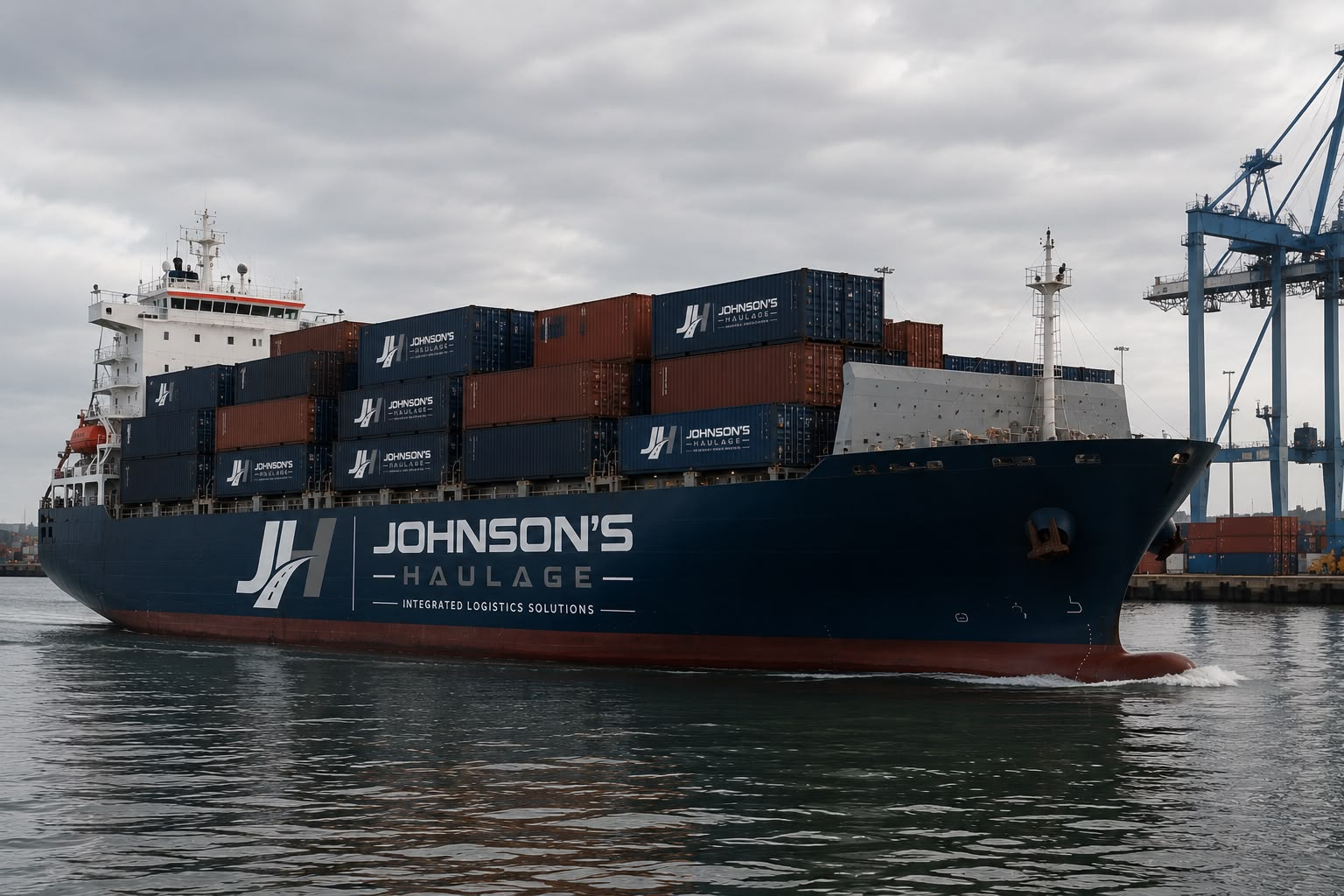
As a logistics provider based at Houldsworth Mill in Stockport, Johnson’s Haulage operates differently from traditional asset-heavy firms. We do not own vehicles, aircraft, or warehouses. Instead, we act as a managed transport partner, sourcing and managing capacity through an approved network of assessed carriers.
When we participate in a transport tender, we focus on matching the specific needs of the shipper with the most efficient carrier in our network for that particular lane or mode. Whether it is UK road freight, European transport, or global air and sea freight, our role is to manage the contract logistics and supply chain oversight. This model allows for greater flexibility, as we are not limited by the location of a fixed fleet, but can instead leverage the strengths of multiple specialist partners to maintain service levels during peak periods.
Evaluating Beyond the Bottom Line
Price is a significant factor, but it should rarely be the sole deciding factor. A low-cost provider who fails to meet delivery windows can cost a business far more in lost sales and warehouse labour inefficiencies than a slightly more expensive, reliable partner. When evaluating bids, look closely at the provider’s operational methodology.
Assess their communication protocols. How do they handle delays or vehicle breakdowns? What is their process for providing Proof of Delivery (POD)? While Johnson’s Haulage is currently developing a customer portal to further streamline these processes, our current focus remains on proactive manual reporting and dedicated account management. An effective provider should demonstrate how they will integrate with your existing team to reduce administrative burden.
Compliance is another non-negotiable area. Ensure the provider has a robust process for assessing their own subcontractors or partners. They should be able to demonstrate an understanding of DVSA standards for roadworthiness and HMRC requirements for international movements, particularly post-Brexit customs documentation for European road transport.
Key Performance Indicators (KPIs) and Service Levels
The tender document must outline the KPIs that will be used to measure success. Without agreed metrics, managing a logistics contract becomes a matter of opinion rather than fact. Standard KPIs typically include On-Time Delivery (OTD), On-Time In-Full (OTIF), and POD return speed.
Be specific about what constitutes an 'on-time' delivery. If a delivery window is between 09:00 and 11:00, is 11:05 considered a failure? Defining these tolerances during the procurement stage prevents disputes later. Additionally, establish a regular review cadence—monthly or quarterly—where these figures are discussed, and continuous improvement plans are put in place.
Transition Planning and Common Pitfalls
Transitioning to a new logistics provider is a high-risk period for any supply chain. A successful tender process includes a phased implementation plan. Avoid switching your entire volume on a single day. Start with specific lanes or a percentage of the volume to test the provider's integration with your warehouse and IT systems.
One common pitfall is failing to account for the 'incumbent advantage.' An existing provider knows your sites, your staff, and your quirks. A new provider will face a learning curve. Ensure your tender briefing includes these 'soft' details—such as the specific person to contact at a delivery site or the fact that a particular bay requires a side-loader rather than a rear-loading vehicle. Providing this level of detail significantly reduces the friction of a provider switch.
What Shippers Look for in a Carrier's Tender Response
For transport providers on the other side of the table, winning haulage contracts at tender stage comes down to evidence, not adjectives. Shippers scoring RFQ responses consistently weight the same areas: demonstrable compliance (operator licensing, DVSA roadworthiness standards, insurance levels appropriate to the goods carried), a credible plan for peak-period capacity, clear POD and exception-reporting processes, and named account management rather than a generic call centre.
Carriers and transport management companies that answer the data pack precisely — lane by lane, with accessorial charges defined up front — score higher than those submitting glossy brochures with gap-filled pricing. If you are a haulier responding to a tender, mirror the buyer's rate matrix exactly, state your subcontractor assessment process plainly, and explain how you handle breakdowns and delays. Those operational details are what separate a winning bid from a cheap one.
Finalising Your Logistics Procurement Strategy
Running a successful transport tender requires a balance of granular data, clear expectations, and a focus on long-term partnership rather than short-term savings. By providing a clear roadmap to providers, you invite more competitive and accurate pricing, ensuring your supply chain remains resilient under pressure.
If you are looking to review your current transport arrangements or need assistance managing complex road, air, or sea freight requirements, the team at Johnson’s Haulage is available to discuss your needs. Contact our Stockport office on 0161 669 1949 or email info@johnsonshaulage.com to begin the conversation.
Frequently asked questions
Talk to our team.
Get a tailored quote or speak to our operations team about your transport requirements.