















The high cost of misunderstood shipping terms
When a commercial contract moves from negotiation to execution, the small three-letter codes found on the invoice become the most critical part of the document. For UK importers and exporters, these codes, known as Incoterms, dictate exactly where your financial responsibility ends and where your liability begins. Misunderstanding these terms often results in unexpected storage charges, disputes over insurance claims, or unforeseen customs clearance fees that can erase the profit margin of a shipment.
Incoterms 2020, published by the International Chamber of Commerce (ICC), serve as the universal language of global trade. They prevent ambiguity by defining the obligations of the buyer and the seller regarding the delivery of goods. Without these clearly defined rules, businesses risk costly legal battles and operational delays at international borders. In the UK, following the transition from the EU single market, the precision of these terms has become even more vital for maintaining smooth supply chains.
Defining Incoterms 2020 and their function
Incoterms is a shorthand for International Commercial Terms. The ICC introduced the latest set, Incoterms 2020, to reflect the modern realities of logistics, such as the increased need for security in transport and the nuances of containerised shipping. It is important to note that while Incoterms define many aspects of a transaction, they do not constitute a full contract of sale. They do not transfer ownership (title) of the goods, nor do they specify the currency or price of the items being sold.
Instead, these rules focus on three core areas: obligations, risk, and costs. Obligations determine who organises the carriage, who handles the export or import documentation, and who manages the insurance. Risk defines the point at which the seller 'delivers' the goods to the buyer, transferring the burden of potential loss or damage. Costs simply outline which party is responsible for paying for each stage of the journey. For UK firms, getting this right ensures that HMRC declarations align with the physical movement of goods.
A practical guide to common Incoterms 2020 rules
Choosing the right term depends on your level of expertise and how much control you wish to maintain over the logistics process. A seller might prefer terms that limit their liability, while a buyer might want to control the freight to ensure better visibility and cost management. Understanding the distinction between 'E', 'F', 'C', and 'D' terms is the first step toward effective transport management.
| Term | Mode of Transport | Risk Transfer Point | Carriage Arranged By | Import Clearance By |
|---|---|---|---|---|
| EXW (Ex Works) | Any | At the seller's premises | Buyer | Buyer (Highest Risk) |
| FCA (Free Carrier) | Any | Handover to the carrier | Buyer | Buyer |
| FOB (Free on Board) | Sea/Inland Waterway | Once loaded on the vessel | Buyer | Buyer认识到],[ |
Comparison of common Incoterms 2020 rules
Common terms for UK importers and exporters
EXW (Ex Works) represents the minimum obligation for the seller. The seller simply makes the goods available at their factory or warehouse. From that point on, the buyer bears all costs and risks, including loading the goods onto the vehicle and managing export customs. For many UK exporters, this seems attractive but can lead to difficulties obtaining proof of export, which is required for VAT purposes by HMRC.
DAP (Delivered at Place) is increasingly popular for UK businesses trading with Europe. Under DAP, the seller is responsible for the transport to a specific location, but the buyer handles the import customs clearance and pays any applicable VAT or duties. This allows the seller to control the freight costs while leaving the complexities of local tax and regulation to the party best equipped to handle them in their own country.
Managing complexity through transport partnerships
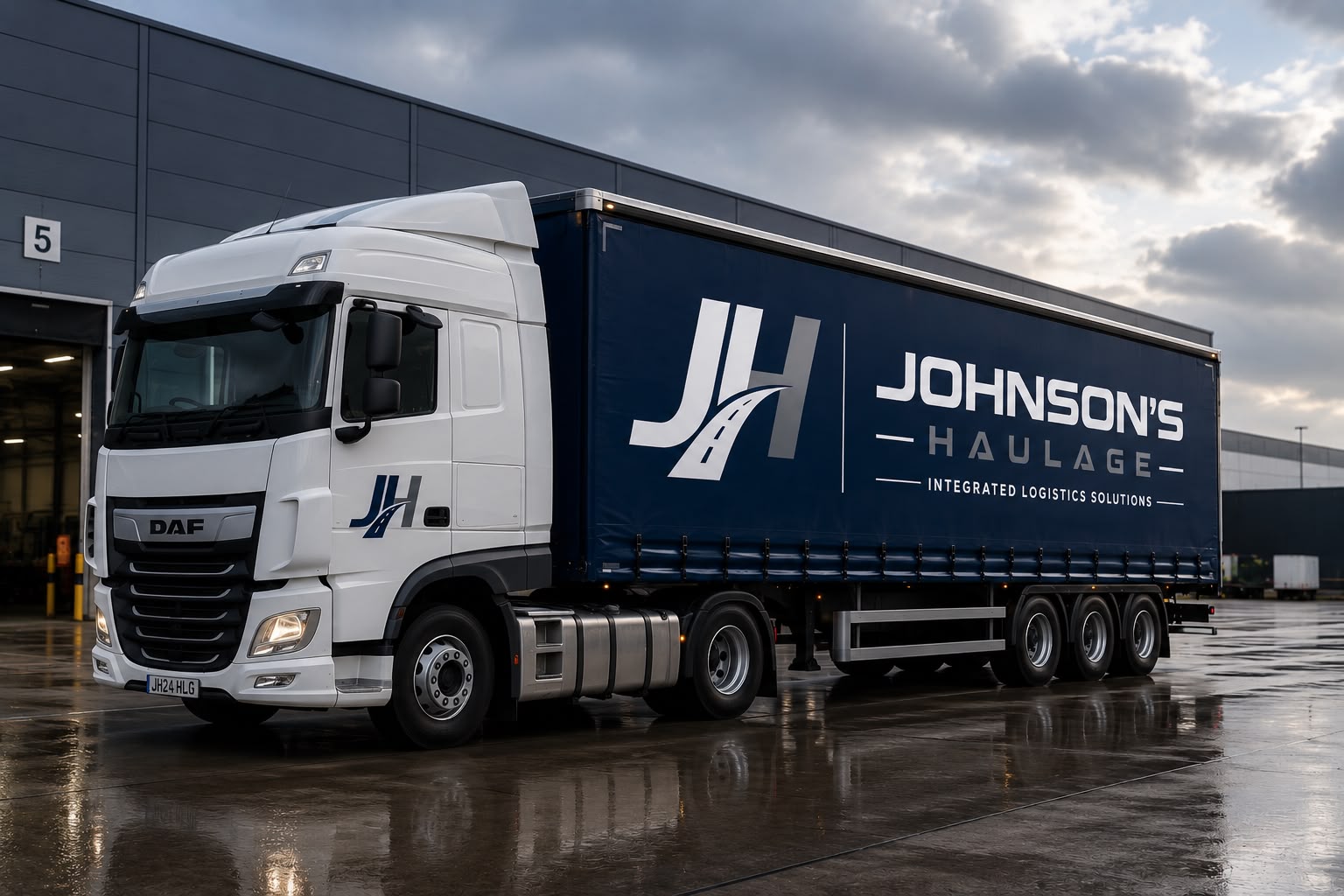
Navigating these rules requires a high degree of coordination between the buyer, the seller, and their logistics partners. At Johnson's Haulage, we support UK businesses by managing the logistical execution of these terms through our network of assessed carriers. Because we do not own a fixed fleet of vehicles or vessels, we remain neutral, sourcing the most efficient capacity to match the specific Incoterm agreed in your contract.
Our team at Houldsworth Mill works with businesses to ensure that the chosen transport method aligns with the contractual obligations of the shipment. Whether you are moving road freight to Europe under DAP or managing sea freight from Asia under FOB, we coordinate the movement through our approved partners. This management-led approach ensures that the physical movement of goods matches the legal transfer of risk, preventing the operational friction that occurs when transport and contracts are misaligned.
The difference between CFR, CIF, and CIP
Terms beginning with 'C' are often misunderstood because the point where the seller pays for the freight is different from the point where the risk transfers. In CFR (Cost and Freight) and CIF (Cost, Insurance and Freight), the seller pays for the transport to the destination port, but the risk transfers to the buyer as soon as the goods are on the vessel. If the goods are damaged during the sea voyage, the buyer is the party that must claim on the insurance, even though the seller paid for the carriage.
CIF and CIP (Carriage and Insurance Paid to) are the only two terms that explicitly require the seller to provide insurance. Under Incoterms 2020, CIP now requires a higher level of insurance coverage (Institute Cargo Clauses A) by default, whereas CIF maintains a lower requirement (Clauses C). UK businesses should always confirm the exact level of insurance coverage in their sales contract to ensure it meets their risk profile.
Avoiding common pitfalls and mistakes
One of the most frequent errors in UK trade is using FOB for containerised cargo. The ICC advises that FOB is only intended for non-containerised sea and inland waterway transport where the seller can actually place the goods 'on board' the vessel. For containers, FCA is the appropriate term because the seller usually hands the container over to a carrier at a terminal rather than loading it directly onto a ship. Using the wrong term can lead to insurance disputes if damage occurs at the terminal.
Another common issue is the misuse of DDP (Delivered Duty Paid). While DDP is convenient for the buyer, it requires the seller to handle import customs in a foreign country. For a UK seller sending goods to the EU, this might require a local EORI number and a VAT registration in that member state. Without these, the goods may be stuck at the border. It is often more practical for UK firms to use DAP to avoid these administrative hurdles.
Summary of responsibilities and next steps
Incoterms 2020 provides a robust framework for international trade, but they only work when both parties understand their roles. It is vital to specify the named place as accurately as possible in your documentation—for example, 'DAP Houldsworth Mill, Stockport, SK5 6DA, Incoterms 2020'. Vague terms like 'DAP Stockport' can lead to disagreements over who pays for the final mile of delivery or who is responsible for unloading.
Before finalising your next international shipment, review your terms with your transport manager to ensure they are both cost-effective and legally sound. The rules can be updated by the ICC, and it is always advisable to consult their official publications for the most detailed guidance. By aligning your logistics strategy with the correct Incoterm, you protect your bottom line and ensure a professional experience for your customers.
To discuss your upcoming UK or international freight requirements, contact the Johnson's Haulage team at our Stockport office on 0161 669 1949 or email info@johnsonshaulage.com. We are available to help you coordinate your road, air, or sea freight through our assessed network of partners.
Frequently asked questions
Talk to our team.
Get a tailored quote or speak to our operations team about your transport requirements.