




















The financial reality of freight transit risks
Every shipper operating in the UK or internationally operates under the assumption that their goods will arrive at their destination intact and on time. However, the physical reality of logistics involves multi-modal handling, road vibrations, maritime turbulence, and the inherent risks of theft or accidental damage. When a loss occurs, many businesses are surprised to find that the compensation they receive is significantly lower than the invoice value of the cargo.
This discrepancy exists because there is a fundamental difference between carrier liability and cargo insurance. Most transport providers operate under standard sets of conditions that limit their financial exposure based on the weight of the goods, not their commercial value. Understanding these limits is critical for financial planning and risk management within any supply chain.
Defining carrier liability and standard industry terms
Carrier liability refers to the legal responsibility a transport provider assumes for the goods they are carrying. This is not a guarantee of full replacement; rather, it is a contractual limit defined by specific industry bodies or international conventions. In the UK, road transport is typically governed by the Road Haulage Association (RHA) Conditions of Carriage. International movements fall under conventions such as CMR for road, the Hague-Visby Rules for sea, and the Montreal Convention for air freight.
These frameworks are designed to protect the transport industry from unlimited claims that could bankrupt a business. Under RHA conditions, for example, the liability is usually restricted to a specific monetary amount per tonne. If you are shipping high-value, low-weight items like electronics or pharmaceuticals, the standard liability payment will likely cover only a fraction of your actual loss. Furthermore, the carrier is often not liable if they can prove the damage was caused by circumstances beyond their control, such as inadequate packaging by the shipper or an 'Act of God'.
The role of all-risks cargo insurance UK
Cargo insurance, often referred to as 'Goods in Transit insurance' when applied to road movements, is a separate policy purchased by the shipper or owner of the goods. Unlike carrier liability, which requires the claimant to prove the carrier was negligent, cargo insurance is generally 'all-risks'. This means it covers the full commercial value of the goods against a wider range of perils, including theft, fire, and accidental damage, regardless of who was at fault.
Investing in specific cargo insurance UK policies provides a level of financial security that standard carrier terms cannot offer. It allows for the settlement of claims based on the cost of the goods plus freight charges, and sometimes a percentage for anticipated profit. For businesses managing tight margins or high-value inventory, relying solely on a carrier's limited liability is a significant commercial risk.
Liability regimes by transport mode
The amount you can claim depends entirely on the mode of transport and the applicable convention. These limits are often calculated in Special Drawing Rights (SDRs), a basket of currencies defined by the International Monetary Fund (IMF), which means the exact GBP value fluctuates daily.
| Mode of Transport | Regulatory Framework/Convention | Typical Liability Limit (Approximate) |
|---|---|---|
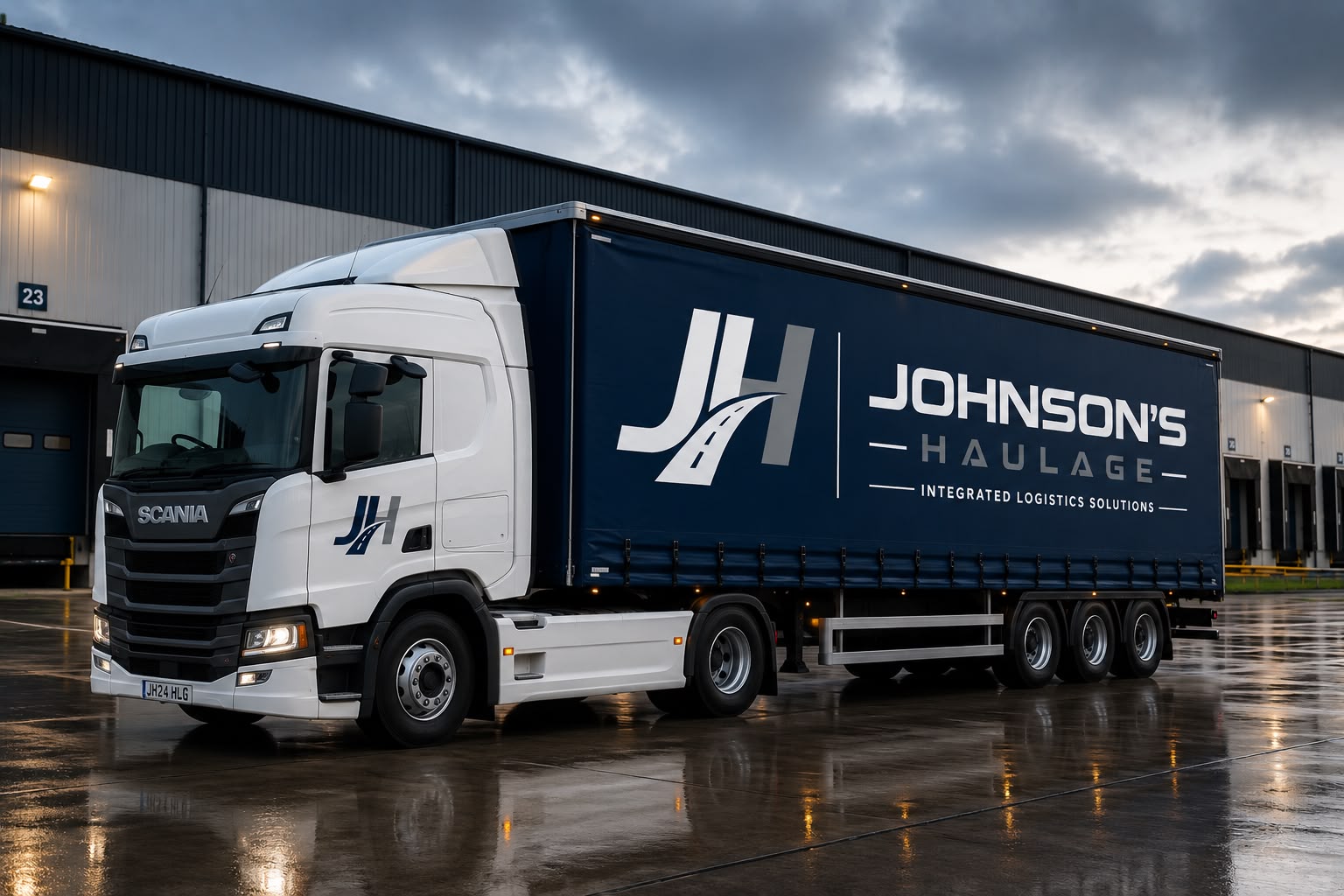
| UK Road Freight | RHA Conditions of Carriage | £1,300 per tonne (or as specified) |
| International Road | CMR Convention | 8.33 SDR per kg (approx. £9-£10 per kg) |
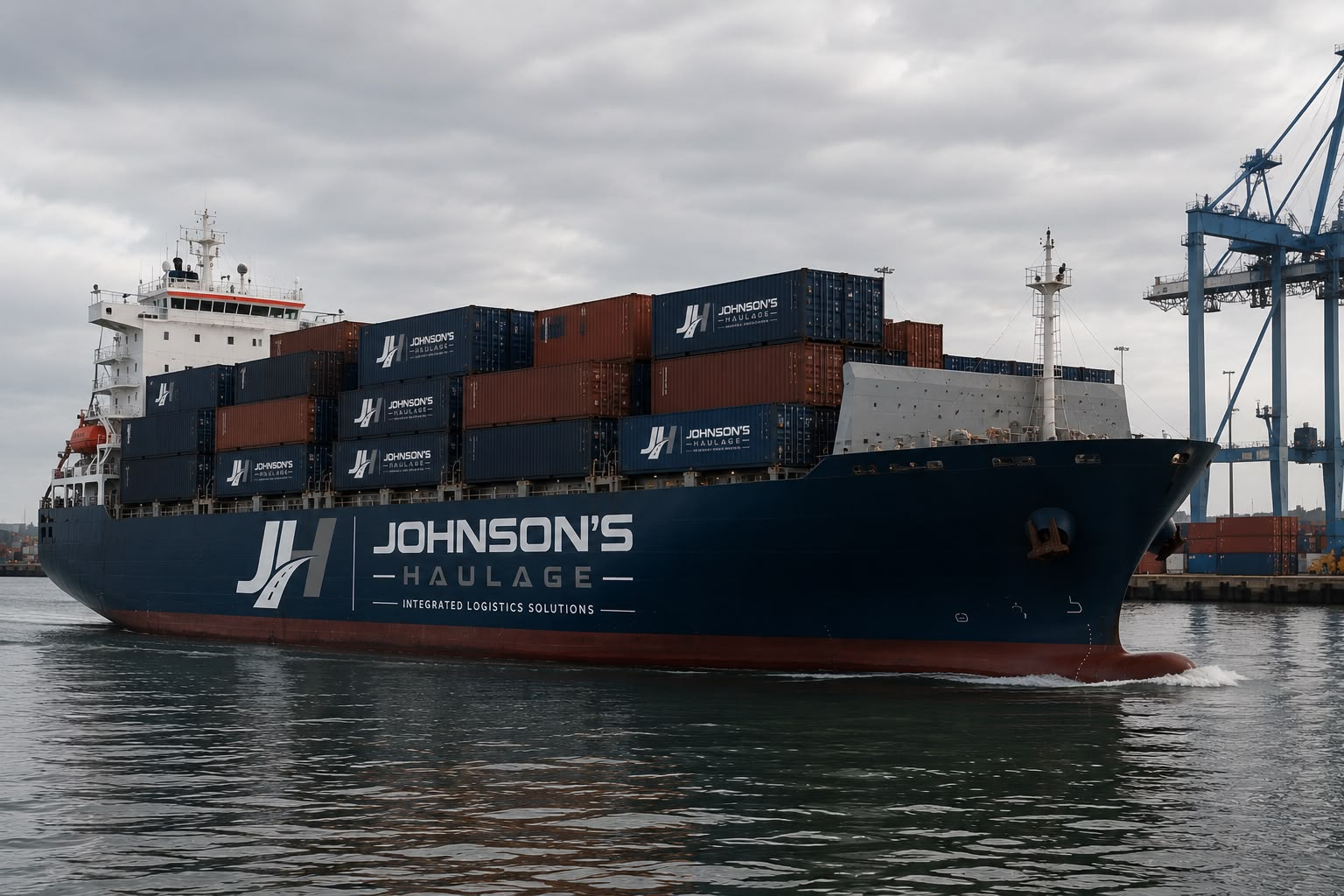
| Sea Freight | Hague-Visby Rules | 2 SDR per kg or 666.67 SDR per package |
| Air Freight | Montreal Convention | 22 SDR per kg |
Standard Liability Limits by Transport Mode
How Johnson's Haulage manages risk and capacity
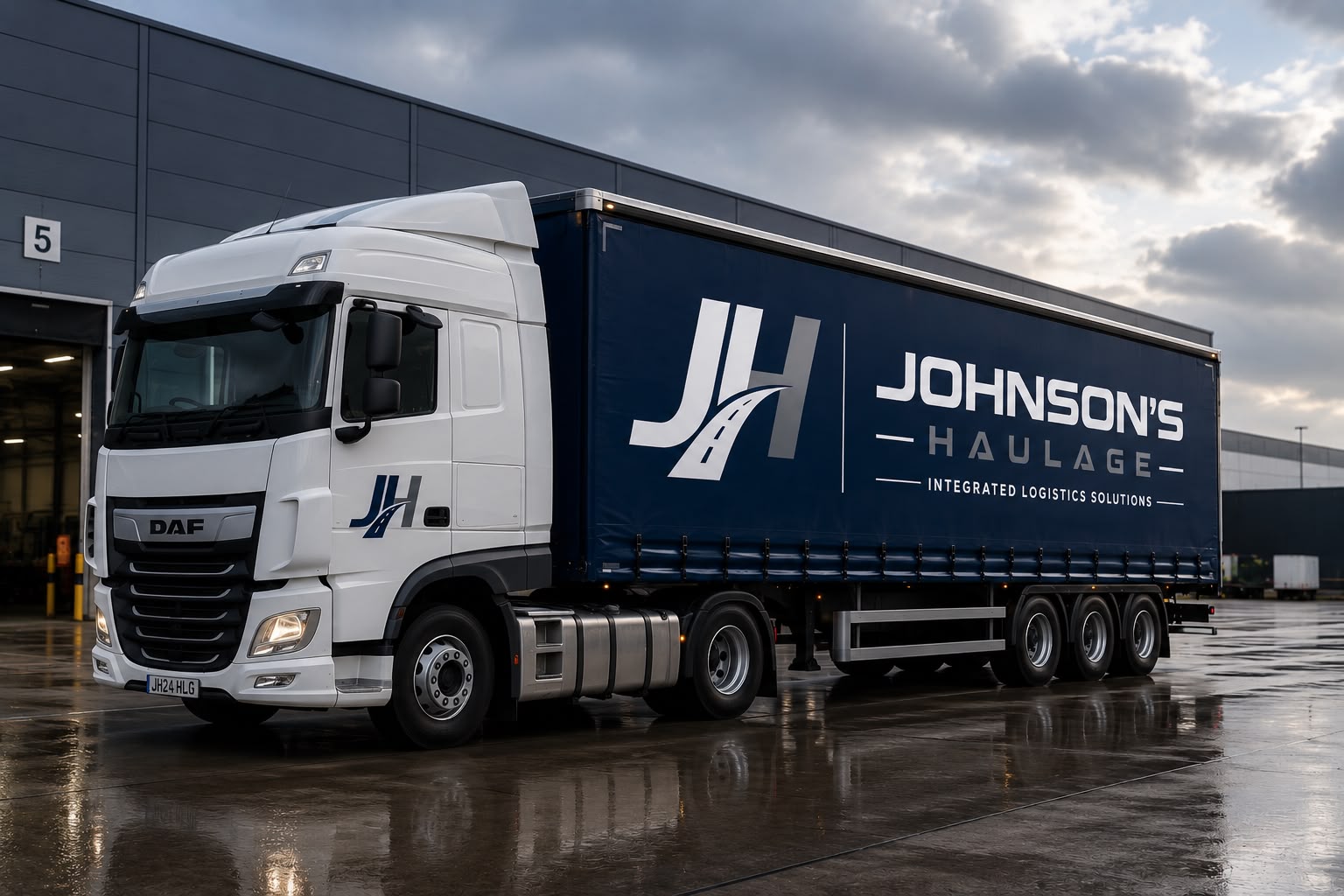
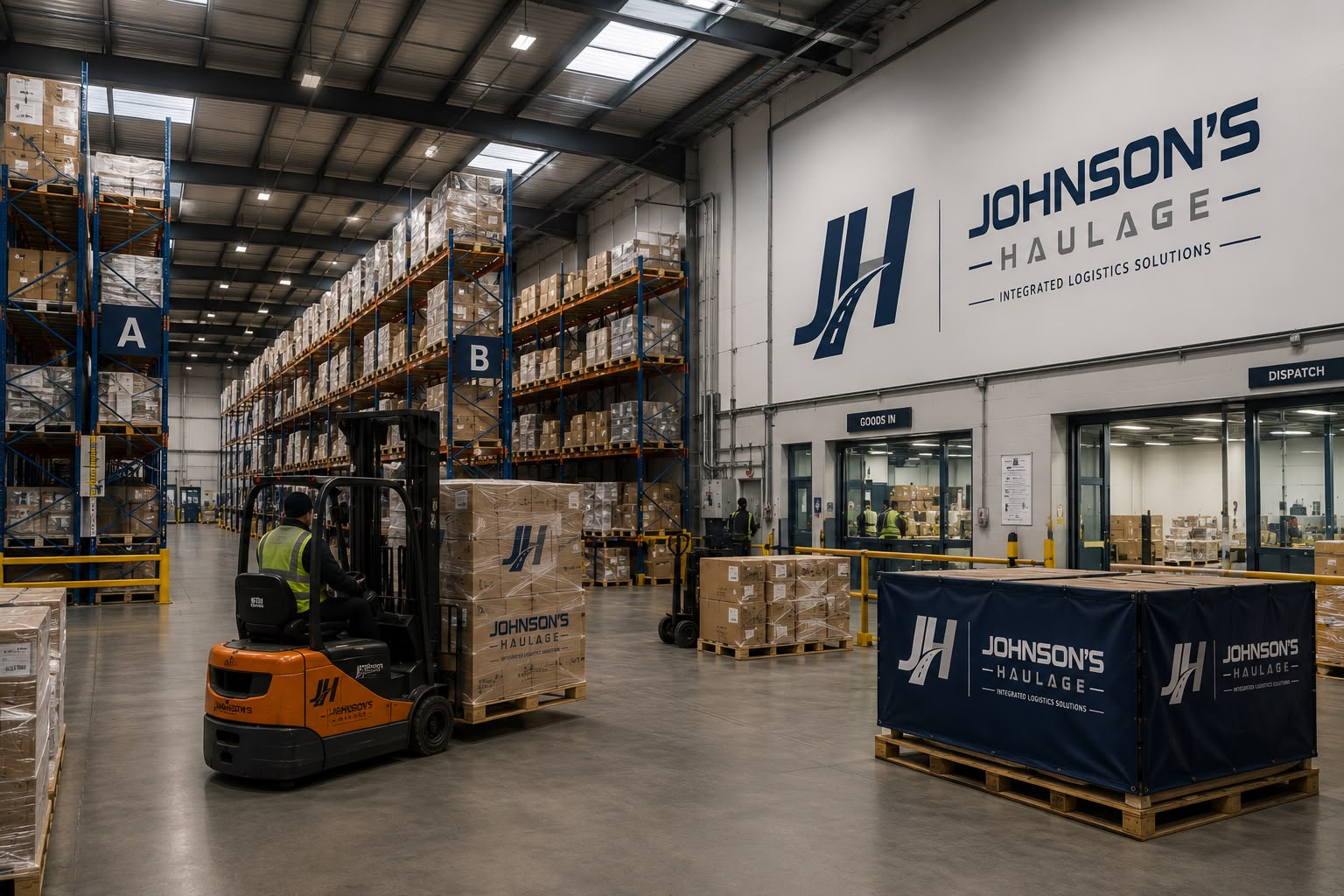
As a freight forwarder and transport manager based at Houldsworth Mill in Stockport, Johnson's Haulage operates by sourcing capacity through an approved network of assessed carriers. We do not own the vehicles or warehouses ourselves, which allows us to select partners who meet specific operational standards. Every carrier in our network is required to demonstrate they hold valid goods in transit insurance and adhere to the relevant RHA or CMR conditions.
Our role involves managing the movement of freight across UK road networks, Europe, and global air or sea routes. When we arrange transport, we operate under professional industry standards to ensure that the contractual chain of liability is clear. While we oversee the logistics and supply chain management, we always advise clients to verify that their own insurance covers the full value of their specific commodities, especially for high-interest goods.
Practical steps when freight is damaged
The success of a claim, whether against a carrier or an insurance policy, often depends on the actions taken at the point of delivery. If a shipment arrives damaged, the receiver must note the specific damage on the Proof of Delivery (POD) or delivery note. Writing 'unchecked' is widely regarded by insurers and the courts as insufficient and does not protect the shipper's rights.
Following the initial notification, formal written claims must be submitted within strict timescales. Under RHA conditions, for instance, a claim for damage must typically be notified within seven days, and a claim for non-delivery within 28 days. International CMR rules also have strict windows for 'reservation' of rights. Failing to meet these deadlines can result in the claim being time-barred, meaning the carrier or insurer is no longer legally obligated to pay.
Keep all evidence, including:
| Evidence Type | Importance |
|---|---|
| Photographs | Visual proof of damage before unloading and of the packaging. |
| Commercial Invoice | Establishes the value of the goods for insurance purposes. |
| Packing List | Confirms exactly what was shipped and in what quantity. |
| Signed POD | Must contain remarks about the condition of the goods. |
Exclusions and the 'Duty of Care'
It is a common misconception that insurance covers every possible scenario. Both carrier liability and all-risks cargo insurance have exclusions. For example, damage resulting from 'inherent vice'—a natural deterioration of the goods, such as fruit rotting or metal rusting due to its own nature—is generally excluded. Similarly, if the GOV.UK guidelines for vehicle loading or packaging are ignored and the goods are poorly secured, the insurer may reject the claim based on contributory negligence.
Shippers have a duty to ensure that goods are fit for the intended journey. If you are shipping fragile items via a pallet network, the packaging must be robust enough to withstand multiple transshipments. Insurers expect a reasonable standard of care; they are there to cover accidents, not predictable failures resulting from poor preparation.
Verification of cover and written confirmation Pachkaging
Before dispatching any high-value cargo, you should never assume that the carrier's standard cover is sufficient. We recommend that you confirm your insurance requirements in writing with your provider and your own insurance broker. Check the 'limit per occurrence' and the 'limit per vehicle' to ensure they align with the total value of your consignment.
If the goods are worth £50,000 but the carrier is only liable for £1,300 per tonne under RHA, a total loss of a lightweight pallet could be financially devastating. In such cases, you must either request 'increased limit' cover from the carrier (which usually involves an additional fee) or ensure your own marine cargo policy is active. Always obtain a copy of the insurance summary or certificate to verify that the policy is current and covers the specific geographic region of the transit.
Conclusion and professional advice
Navigating the distinction between carrier liability and cargo insurance is an essential part of modern commerce. Relying on the default weight-based compensation of a carrier is a gamble that rarely pays off when high-value goods are lost or damaged. By understanding the conventions like CMR and the Hague-Visby Rules, and by augmenting that with dedicated cargo insurance, businesses can protect their bottom line and maintain supply chain continuity.
If you are unsure about the liability limits for your next shipment or need to discuss the transport management of your goods across the UK or Europe, our team is available to assist. We can help you understand the standard terms and ensure your logistics strategy is robust. Contact the transport team at Johnson's Haulage on 0161 669 1949 or email info@johnsonshaulage.com to discuss your requirements.
Frequently asked questions
Talk to our team.
Get a tailored quote or speak to our operations team about your transport requirements.